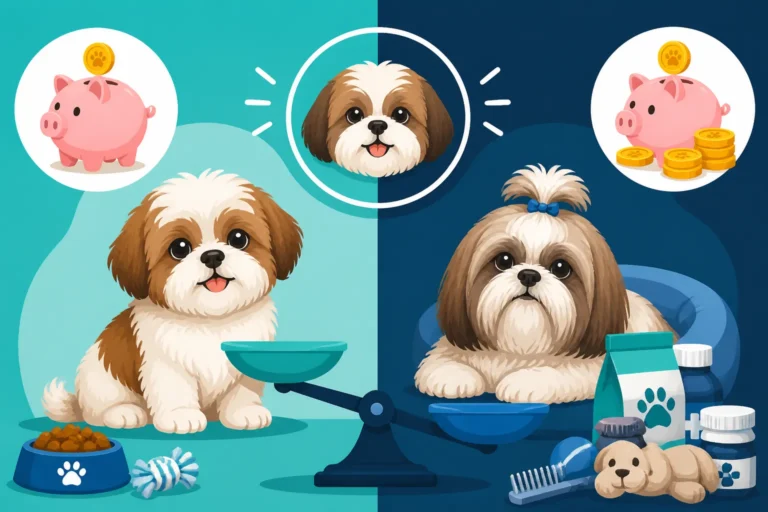
Shih Tzu Puppy Prices and Where the Money Goes
Bringing a new Shih Tzu puppy into your life is an incredibly exciting time, full of dreams of fluffy cuddles and playful antics. But for many aspiring owners, the first hurdle can be the sheer confusion and often surprising range of prices when looking for a Shih Tzu puppy. It's easy to feel overwhelmed, wondering if you're paying too much, too little, or just don't understand what you're really getting for your money. This comprehensive guide is here to unravel the mysteries behind Shih Tzu puppy prices, explaining exactly where those dollars go and what you should expect when investing in your future furry family member.
Understanding the Broad Spectrum of Shih Tzu Puppy Prices
When you start looking for a Shih Tzu puppy, one of the first things you'll notice is that the prices can fluctuate wildly. You might see ads for puppies priced anywhere from a few hundred dollars to several thousand, and it’s natural to wonder what accounts for such a significant difference. It’s not just about the cuteness factor; there are very real, tangible reasons behind these varying price tags, most of which boil down to the breeder's practices, the puppy's lineage, and the level of care invested before the puppy even comes home with you.
The Baseline: Average Price Ranges
Generally speaking, a well-bred Shih Tzu puppy from a reputable breeder in the United States typically falls into a price range of $1,500 to $3,000. This is what you might consider the "sweet spot" for a healthy, socialized puppy from parents who have received appropriate health screenings. However, it's not uncommon for prices to go lower or higher depending on various factors we'll explore. For example, some may encounter "Shih Tzu Puppy Prices Between $1,000 and $2,500" while others might see "Shih Tzu Puppies Past $3,000". The key is to understand what justifies these figures.
On the lower end, under $1,000, you might find puppies from less diligent breeders, perhaps accidental litters, or those sold through less transparent channels. While the initial cost saving might be tempting, these puppies often come with unknown health histories and a higher risk of future veterinary expenses, which can quickly negate any upfront savings. Conversely, puppies commanding prices above $3,000 often come from champion bloodlines, exceptional show potential, or parents with extensive, costly health testing and rare color genetics, which can sometimes be more about aesthetics than health. It's a spectrum, and understanding where a puppy falls on it requires asking the right questions.
Factors Influencing the Initial Cost
Many elements contribute to the final price tag of a Shih Tzu puppy. One major factor is the breeder's reputation and experience. A breeder who has invested years into understanding the breed, selecting healthy breeding stock, and adhering to ethical breeding practices will naturally charge more than someone breeding for profit alone. Their prices reflect the significant time, effort, and financial resources poured into each litter.
Another consideration is the puppy's lineage and pedigree. Puppies from parents with distinguished show records, titles, or extensive health clearances from organizations like the Orthopedic Foundation for Animals (OFA) often fetch higher prices. These pedigrees suggest a stronger likelihood of good health and conformation to breed standards. Location also plays a role; prices can vary geographically, with puppies in high-demand urban areas often being more expensive than those in rural settings. Furthermore, the rarity of certain coat colors or markings can sometimes influence the price, although reputable breeders prioritize health and temperament over aesthetics.
The Pitfalls of a "Bargain" Shih Tzu Puppy
The allure of a significantly cheaper Shih Tzu puppy can be incredibly strong, especially when standard prices feel high. Who wouldn't want to save money? However, as a seasoned blogger, I've seen firsthand how often these "bargain" puppies turn into heartbreakingly expensive and emotionally draining situations down the line. What seems like a steal upfront often hides a multitude of issues that will cost you far more in veterinary bills, behavioral training, and emotional distress.
Unseen Health Issues and Genetic Predispositions
The most common and costly pitfall of a cheap puppy is the potential for inherited health problems. Reputable breeders meticulously screen their breeding dogs for genetic conditions common in Shih Tzus, such as hip and elbow dysplasia, eye conditions like cataracts or retinal atrophy, and patellar luxation. This screening is expensive and time-consuming, but it significantly reduces the likelihood of passing these conditions on to puppies. A breeder selling puppies for a few hundred dollars simply isn't investing in these crucial health tests. For more insight, you might want to read "The DNA and OFA Tests for a Shih Tzu Litter".
Without proper health testing, you could unknowingly bring home a puppy predisposed to serious issues. Imagine falling in love with your new puppy, only to find out at six months old that they need expensive surgery for patellar luxation, or require lifelong medication and specialist visits for a severe eye condition. These bills can quickly run into thousands of dollars, dwarfing the initial "savings" on the puppy's purchase price. Conditions like "Shih Tzu Dental Disease at 13 Percent of the Breed" or even more severe issues like "Renal Dysplasia and the Shih Tzu Kidney" can become chronic and expensive problems if not properly screened for in parent dogs. The emotional toll of watching your beloved pet suffer, coupled with the financial strain, is a burden no new owner wants to face.
Lack of Early Socialization and Behavioral Problems
Beyond health, a cheap puppy often comes from an environment where proper socialization and early care are neglected. Puppy mill operations or backyard breeders often keep puppies in cramped, unsanitary conditions, with minimal human interaction or exposure to everyday sights and sounds. This crucial early period, typically the first 8-12 weeks of a puppy's life, is vital for developing a stable temperament and good social skills. Puppies deprived of these experiences can develop lasting behavioral problems.
These issues can manifest as extreme shyness, fear aggression, house-training difficulties, separation anxiety, or an inability to cope with new situations or people. While some of these can be managed with extensive training and patience, others might require professional behaviorists, medication, or lifelong management strategies. The cost of a good dog trainer or a behaviorist can easily add hundreds, if not thousands, to your expenses. A puppy that hasn't been properly socialized might struggle to adapt to a family environment, leading to stress for both the dog and the owner. This is a common concern that can be mitigated by understanding "Shih Tzu Puppy Training Month by Month" from the start.
What Reputable Breeders Invest In (and Why It Matters)
When you pay a higher price for a Shih Tzu puppy from a reputable breeder, you're not just buying a dog; you're investing in a lifetime of responsible care that began long before the puppy was even conceived. Ethical breeders pour immense resources, time, and love into their breeding programs, all of which contribute to the health, temperament, and overall well-being of the puppies they produce. This investment is what truly sets them apart and justifies their prices.
Extensive Health Testing of Parent Dogs
One of the most significant investments a reputable breeder makes is in comprehensive health testing for their breeding stock. This isn't just a quick vet check; it involves specialized screenings for genetic conditions prevalent in the Shih Tzu breed. This includes evaluations for hip and elbow dysplasia through the Orthopedic Foundation for Animals (OFA), eye certifications by a veterinary ophthalmologist (CERF or OFA Eye Certification), patellar luxation checks, and sometimes even genetic panels for other potential issues like von Willebrand's disease or renal dysplasia. As highlighted in "Why a Health-Tested Shih Tzu Litter Costs More", these tests are costly, often hundreds of dollars per dog, and need to be repeated annually or biennially for some conditions.
These clearances minimize the risk of puppies inheriting painful, debilitating, and expensive health problems. When a breeder provides you with copies of these certifications for both parent dogs, it demonstrates their commitment to producing healthy puppies. Without this crucial step, you're essentially buying a genetic lottery ticket, and the odds can be stacked against you. The peace of mind that comes from knowing your puppy's lineage has been thoroughly vetted for common ailments is priceless, potentially saving you thousands in future vet bills. You might even receive "The Eye and Kidney Papers a Shih Tzu Comes With" as proof of these rigorous screenings.
Optimal Care for Dam and Puppies
The well-being of the breeding female (dam) and her litter is paramount for a reputable breeder. Before conception, the dam receives optimal nutrition, veterinary care, and is confirmed to be in peak health. During pregnancy, she continues to receive specialized diets and frequent vet check-ups. The birthing process itself can be complicated for Shih Tzus due to their brachycephalic (flat-faced) nature, often necessitating a planned C-section, which is a significant expense.
Once the puppies arrive, they receive round-the-clock care, often involving sleepless nights for the breeder. This includes proper feeding, sanitation, and early neurological stimulation. They are typically weaned onto high-quality puppy food, ensuring they get the best start nutritionally. Before going to their new homes, puppies receive their first vaccinations, deworming treatments, and a thorough health check by a veterinarian, often referred to as "The Puppy Check a Shih Tzu Needs at Eight Weeks". All these steps incur considerable costs for the breeder, from specialized food and supplements to veterinary fees and countless hours of dedicated care. This meticulous attention ensures the puppies are robust, healthy, and well-adjusted by the time they are ready to leave their mother.
Socialization and Early Training Efforts
A reputable breeder understands the critical importance of early socialization. Their puppies are raised in a stimulating home environment, exposed to various sounds, textures, people, and other well-behaved animals. They learn bite inhibition through interaction with their littermates and mother and are gently introduced to handling, grooming, and house-training concepts. This foundation helps them become confident, adaptable, and friendly companions.
Some breeders even begin basic crate training or introduce "potty patches" to start the house-training process, making the transition to a new home much smoother for the puppy and its new family. They spend significant time interacting with each puppy individually, understanding its personality, and matching it with the right family. This labor-intensive process is a huge value-add that you won't find with mass-produced puppies. They're investing in your puppy's emotional intelligence and setting them up for success, reducing the likelihood of future behavioral issues that can be incredibly challenging and expensive to address.
Factors That Influence a Shih Tzu Puppy's Price Tag
Beyond the core investments made by responsible breeders, several other factors can subtly or overtly influence the price of a Shih Tzu puppy. Understanding these nuances can help you discern whether a price is fair and justifiable, or if you're potentially paying for something that doesn't add true value. It's a blend of genetics, market demand, and even geographical location that contributes to the final number.
Pedigree and Show Potential
One of the most impactful factors on a Shih Tzu's price is its pedigree, especially if it comes from championship lines. Puppies whose parents or grandparents have achieved titles in conformation shows often command higher prices. This is because these dogs have been judged against the breed standard and deemed excellent examples of the Shih Tzu. Such a pedigree suggests a strong genetic foundation for good health, correct structure, and desirable temperament, as show dogs must also possess good health and sound minds.
Breeders who participate in conformation events invest significant time and money in showing their dogs, from entry fees and travel to professional handlers and grooming. These costs are ultimately reflected in the price of their puppies. For serious enthusiasts looking for a show prospect or future breeding dog, a championship pedigree is highly valued and warrants a premium price. However, for a pet owner simply seeking a loving companion, while a strong pedigree is a good indicator of quality, paying extra for "show potential" that you don't intend to utilize might not be the best allocation of your budget.
Coat Color and Markings
While less critical than health and temperament, certain coat colors and markings can sometimes influence the price of a Shih Tzu puppy. Shih Tzus come in a dazzling array of colors and patterns—everything from solid gold, black, or white, to brindle, parti-color (two colors), and tri-color (three colors). Some colors, particularly rarer ones like liver or blue, or unique markings, might lead to a slightly higher price tag from some breeders.
It’s important to note that reputable breeders prioritize health and temperament above all else. They will not compromise on genetic health testing or good breeding practices simply to produce a rare color. If you encounter a breeder advertising an unusually high price solely based on a "rare" color without demonstrating comprehensive health testing or a strong pedigree, it should be a red flag. While a unique look can be appealing, it should never come at the expense of health. Your focus should always be on a healthy puppy first and foremost, regardless of its dazzling coat.
Location and Breeder Reputation
Where you purchase your Shih Tzu puppy can also impact the price. Prices often vary by geographical region, with puppies in metropolitan areas or states with higher costs of living generally being more expensive than those in rural areas. Demand also plays a role; if Shih Tzus are particularly popular in a certain region, prices might be higher due to increased competition among buyers.
The individual breeder's reputation is perhaps the most crucial "soft" factor. A well-established breeder with a long history of producing healthy, well-adjusted puppies, excellent references from previous buyers, and strong engagement with the breed community (e.g., local breed clubs, AKC involvement) will naturally command higher prices. Their reputation is built on years of dedication, ethical practices, and often extensive post-sale support. Newer breeders, even if responsible, might price their puppies slightly lower as they build their reputation. Always do your due diligence, ask for references, and don't hesitate to visit the breeder's facility to observe their environment and practices firsthand.
Navigating the Puppy Search: Where to Look and What to Ask
Finding the right Shih Tzu puppy is a journey, not a sprint. With so many options available, from private breeders to online advertisements, it can be hard to know where to begin and how to separate the truly reputable sources from those that are less ethical. Your goal should be to find a source that prioritizes the health and well-being of their dogs, offers transparency, and provides ongoing support.
Reputable Breeders: The Gold Standard
The absolute best place to find a Shih Tzu puppy is through a reputable, ethical breeder. These individuals are passionate about the breed, committed to upholding breed standards, and dedicated to producing healthy, well-socialized puppies. Start your search by looking for breeders who are members of the American Kennel Club (AKC) or a regional Shih Tzu breed club. These organizations often have codes of ethics that members must follow, promoting responsible breeding practices.
When you contact a breeder, be prepared for them to ask you just as many questions as you ask them – sometimes more! This is a good sign, as it shows they care deeply about where their puppies are going. Ask about their breeding philosophy, the health clearances of the parent dogs (requesting to see documentation is crucial, as mentioned in "Health Testing a Shih Tzu Breeder Should Do"), and what guarantees they offer. Inquire about the puppy's early socialization, vaccination schedule, and what kind of support they provide after you take your puppy home. A good breeder will offer lifelong support and be available to answer questions throughout your dog's life. Don't be shy about asking to visit their home to see the puppies and parent dogs in their living environment. This can give you invaluable insight into their care and practices.
Responsible Rescues and Shelters
While this article focuses on puppy prices, it's also worth noting that adoption is a fantastic alternative for those open to an adult or older Shih Tzu, or a Shih Tzu mix. Many dedicated Shih Tzu rescues exist, often listed through national breed club websites or platforms like Petfinder. These organizations rescue Shih Tzus from various situations, including owner surrenders, shelters, or even puppy mill raids. When you adopt, the "price" is typically an adoption fee, which can range from $250 to $700.
This fee usually covers a thorough veterinary examination, spay/neuter surgery, vaccinations, microchipping, and any other necessary medical care the dog received while in foster care. Adopting means you're giving a deserving dog a second chance, and often, the rescue can provide a good history of the dog's temperament and any known health issues. For those considering this path, exploring "Adopting a Shih Tzu Whose Past Nobody Knows" can provide a good overview of what to expect. While you might not get a young puppy, you gain a dog with a known personality, often already house-trained, and the immense satisfaction of saving a life.
What to Avoid: Puppy Mills and Backyard Breeders
It is absolutely critical to understand what sources to avoid when looking for a Shih Tzu puppy, regardless of the price. Puppy mills and irresponsible backyard breeders are notorious for prioritizing profit over the health and welfare of their animals. Puppy mills are commercial breeding operations that keep dogs in deplorable conditions, often in cages, with minimal human interaction, poor nutrition, and no veterinary care. Their puppies are frequently sick, poorly socialized, and prone to severe behavioral problems.
Backyard breeders are individuals who breed their pets without proper knowledge of genetics, breed standards, or health testing. They may genuinely love their dogs, but their lack of understanding often leads to puppies with unforeseen health issues or temperament flaws. They typically won't offer health clearances, written contracts, or ongoing support. Both these sources are where you'll often find those "bargain" puppies that quickly become costly liabilities. Always be suspicious of online ads selling multiple breeds, offering to ship puppies without a visit, or those that pressure you into a quick sale. Never support these practices; it perpetuates a cycle of suffering for the parent dogs and the puppies.
Beyond the Purchase Price: Initial Setup Costs for Your Shih Tzu Puppy
Once you've found your perfect Shih Tzu puppy, the financial journey doesn't end with the purchase price. Bringing a new dog home involves a myriad of initial setup costs, from essential supplies to crucial veterinary care. It's vital to budget for these expenses to ensure your new family member has everything they need for a comfortable, healthy, and happy start in their new home. Think of this as the "startup capital" for your Shih Tzu's life.
Essential Puppy Supplies
Before your Shih Tzu puppy even sets paw in your home, you'll need to gather a collection of essential supplies. This includes a comfortable crate or playpen (consider sizes for a "Crate and Pen Sizes for a Shih Tzu"), food and water bowls, a cozy bed, a collar and harness (a harness is generally better for a Shih Tzu's delicate trachea), a leash, and an initial supply of high-quality puppy food. Don't forget grooming essentials like brushes, combs, puppy shampoo, and nail clippers, as a Shih Tzu's coat requires regular attention. Chew toys and interactive puzzles are also important for mental stimulation and teething.
You can expect to spend anywhere from $200 to $500 on these initial items. Prices will vary depending on the brands you choose and whether you opt for basic necessities or more luxurious options. Many owners find reliable supplies at retailers like Chewy, which offers a wide selection and convenient delivery. Investing in durable, high-quality items from the start can save you money in the long run, as they'll withstand puppy antics and last longer.
Initial Veterinary Care and Vaccinations
Even if your puppy comes with their first set of vaccinations from the breeder, they will still need a series of follow-up vet visits and booster shots in their first few months. This includes core vaccinations (distemper, parvovirus, adenovirus, rabies), deworming, and potentially preventative treatments for fleas, ticks, and heartworm. Many vets also recommend microchipping, which is a one-time procedure but ensures your puppy can be identified if they ever get lost. A detailed understanding of "Shih Tzu Vaccination and Toy Breed Reactions" is always helpful here.
These initial veterinary appointments and preventatives can easily add another $200 to $500 to your initial costs. It’s crucial not to skimp on these vital health measures, as they protect your puppy from common and potentially deadly diseases. During these visits, your vet will also assess your puppy's overall health, answer any questions you have, and help you establish a routine for their care. This early veterinary relationship is foundational for your Shih Tzu's long-term health.
Licensing, Training, and Pet Insurance
Beyond the immediate physical needs, there are other important initial investments. Many municipalities require dog licensing, which typically costs $10-$50 annually. Puppy training classes, while not mandatory, are highly recommended for early socialization and basic obedience. These classes can range from $100 to $300 for a multi-week course and are invaluable for building a strong bond with your puppy and establishing good manners.
Finally, pet insurance is a consideration that many new owners overlook but can be a financial lifesaver for a breed like the Shih Tzu, known for certain predispositions such as "Shih Tzu Eye Proptosis, the Emergency Owners Miss" and "Brachycephalic Breathing in a Shih Tzu". Enrolling your puppy early, before any pre-existing conditions arise, is crucial. Premiums for a Shih Tzu might range from $30-$60 per month, but a good policy can cover 70-90% of eligible vet bills for accidents, illnesses, and emergencies, potentially saving you thousands in a crisis. Companies like Healthy Paws are popular choices, offering comprehensive coverage that can provide immense peace of mind. While it's an ongoing cost, it's an investment in your financial security and your Shih Tzu's health.
Considering Adoption: An Alternative Path to Shih Tzu Ownership
While many people dream of bringing home a tiny Shih Tzu puppy, adoption offers a wonderfully fulfilling alternative that often comes with different financial implications and unique rewards. For those whose primary goal is to provide a loving home to a Shih Tzu, regardless of age, rescue organizations present a compelling option. It's a chance to make a profound difference in a dog's life while finding your perfect companion.
The Realities of Adoption Fees
When adopting a Shih Tzu from a rescue organization or shelter, you typically pay an adoption fee rather than a purchase price. These fees vary widely, generally ranging from $250 to $700, depending on the organization, the dog's age, and its health status. For instance, a young, healthy Shih Tzu might have a higher fee than an older or special needs dog, simply because the organization anticipates fewer medical costs for the younger animal.
It’s important to understand that this fee is not a profit for the rescue. Instead, it helps to offset the significant expenses incurred by the organization for the dog's care. This almost always includes a comprehensive veterinary check-up, spay or neuter surgery, up-to-date vaccinations (including rabies), deworming, microchipping, and any necessary medications or treatments the dog received while in their care. In many cases, the actual cost of care for a rescued dog far exceeds the adoption fee, making your contribution a vital part of supporting their mission. For more details on what these fees cover, you could check out "Shih Tzu Rescue Fees and What They Include".
Benefits of Adopting an Adult Shih Tzu
Adopting an adult Shih Tzu comes with several distinct advantages that can be particularly appealing to first-time dog owners or those seeking a more predictable companion. Unlike a puppy, an adult dog's personality and temperament are fully formed and often well-understood by their foster families. Rescues can provide detailed insights into the dog's behavior with children, other pets, and strangers, helping you find a perfect match for your lifestyle.
Furthermore, many adult rescues come to their new homes already house-trained and with basic obedience skills. This can be a huge relief, saving you significant time and effort compared to starting from scratch with a puppy. They've often outgrown the destructive puppy chewing phase, and their exercise needs might be more moderate than a high-energy younger dog. While an adopted Shih Tzu's past may be unknown, their foster parents usually work tirelessly to help them adjust and reveal their true, loving personalities. This stability can make the transition much smoother for both the dog and the adoptive family.
Special Considerations for Rescue Shih Tzus
While adoption is incredibly rewarding, it does come with its own set of considerations. Some rescue Shih Tzus may have an unknown background, particularly those coming from situations of neglect or abuse. They might require extra patience, specialized training, or ongoing medical care. For example, a Shih Tzu from a puppy mill might need extensive socialization to overcome fear or anxiety, while one surrendered due to a health issue could require long-term medication or special diets.
However, reputable rescues are transparent about a dog's known history and needs, providing thorough medical records and behavioral assessments. They often have dedicated volunteers and behaviorists who work with the dogs and can offer advice and support to adopters. If you're open to a dog that might not be a "blank slate" like a puppy, but offers the profound satisfaction of a second chance, adopting a Shih Tzu can be an incredibly enriching experience. You'll not only save money on the initial "purchase" compared to a breeder puppy but also gain a loyal companion whose gratitude is palpable.
Making the Investment: Is a Shih Tzu Puppy Worth the Cost?
After delving into all the expenses associated with a Shih Tzu puppy – from the purchase price to initial supplies and ongoing care – you might be asking yourself: Is it all worth it? The answer, for countless Shih Tzu owners worldwide, is a resounding yes. The financial commitment, while significant, is an investment in years of companionship, unconditional love, and joy that these charming little dogs bring into our lives.
The Value of a Well-Bred, Healthy Companion
When you choose a Shih Tzu from a reputable breeder, you're investing in quality. This means a puppy that comes from healthy, screened parents, has received optimal early care, and has been properly socialized. This upfront investment dramatically increases the likelihood of a physically and mentally sound dog, which translates into fewer heartbreaking and expensive veterinary emergencies down the road. Imagine the peace of mind knowing that your dog's parents were screened for common genetic disorders, or that they received "The Puppy Check a Shih Tzu Needs at Eight Weeks" before coming home.
A well-bred Shih Tzu is more likely to embody the delightful temperament the breed is known for: affectionate, outgoing, and playful. They integrate into families more easily, are generally easier to train, and bring consistent joy rather than constant stress over health or behavioral issues. While no dog is entirely immune to illness or accidents, starting with a strong foundation significantly reduces risks, making the overall experience of Shih Tzu ownership far more rewarding and, in the long run, often less expensive than repeatedly dealing with "bargain" puppy problems.
Long-Term Financial Planning
It's clear that the costs associated with a Shih Tzu extend far beyond the initial puppy price. A responsible owner understands that dog ownership is a long-term financial commitment. Over a Shih Tzu's typical lifespan of 10-16 years, expenses will include food, regular grooming (whether professional or home-based), routine veterinary check-ups, vaccinations, parasite prevention, toys, beds, and potentially unforeseen medical costs. For more information on long-term costs, consider reading "Thirteen Years of Shih Tzu Costs Added Up".
Budgeting for these ongoing expenses is crucial. Setting aside a monthly amount for pet care, or even having a dedicated savings fund for emergencies, can alleviate financial stress. Pet insurance, as mentioned earlier, is a valuable tool for managing unexpected high-cost veterinary treatments. Brands like Healthy Paws can offer plans that cover a wide range of conditions, providing a safety net for your investment. Preparing for these long-term costs ensures you can provide the best possible care for your Shih Tzu throughout their life, allowing you to simply enjoy their companionship. You might also want to look at fresh food subscriptions from companies like Ollie to help manage your Shih Tzu's nutritional needs and portion control.
The Intangible Rewards of Shih Tzu Ownership
Ultimately, the true value of a Shih Tzu cannot be measured in dollars and cents. These ancient "lion dogs" were bred for companionship, and they excel at it. Their loving, playful, and often comical personalities fill homes with laughter and warmth. They are devoted family members, always ready for a cuddle on the sofa, a spirited game of fetch, or a gentle presence during quiet moments. The bond you form with your Shih Tzu is unique and profoundly enriching.
The emotional support, unconditional love, and daily dose of joy they provide are priceless. They teach us patience, responsibility, and the simple pleasures of life. While the initial investment in a well-bred Shih Tzu puppy might seem substantial, it pales in comparison to the years of happiness and companionship you will receive. It's an investment in a living, breathing creature who will become a cherished member of your family, offering loyalty and love that money simply cannot buy.
Disclaimer
The information provided in this article is for general informational purposes only and does not constitute veterinary or financial advice. Always consult with a qualified veterinarian for any health concerns regarding your pet and a financial advisor for personal financial planning. Prices and costs mentioned are estimates and can vary significantly based on location, individual circumstances, and market fluctuations.