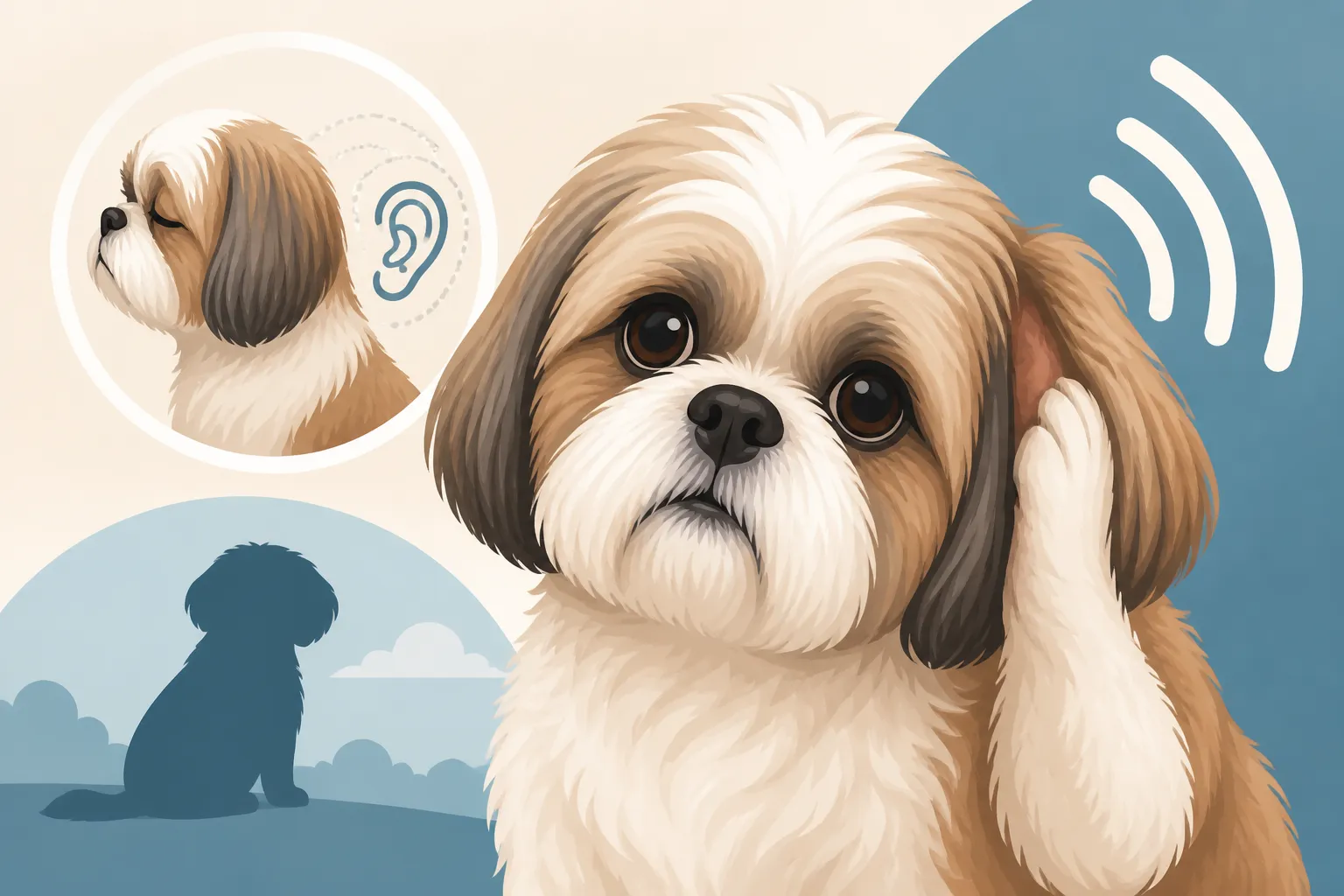
Hearing Loss in an Old Shih Tzu
It’s a heart-wrenching moment when you realize your once-alert Shih Tzu, who used to spring up at the faintest rustle of a treat bag, now sleeps soundly through the doorbell. For many of us devoted Shih Tzu parents, watching our beloved companions age gracefully is a privilege, but it often comes with a new set of challenges, and hearing loss is undeniably one of the most common and often overlooked. This guide is here to walk you through understanding, identifying, and lovingly adapting to hearing loss in your senior Shih Tzu, ensuring their golden years remain full of comfort and joy.
Recognizing the Subtle Signs of Hearing Loss in Your Senior Shih Tzu
The onset of hearing loss in an old Shih Tzu is rarely a sudden event. It’s more often a gradual decline, a subtle fading of sounds that can be incredibly easy to miss, especially with a breed as charmingly adaptable as the Shih Tzu. They are masters at compensating, relying more on their excellent eyesight and keen sense of smell, making it tricky for us to notice what's really happening. You might initially shrug off their unresponsiveness as "just being stubborn" or "sleeping deeply," but taking a closer look at their behavior can reveal the truth.
Behavioral Changes You Might Notice
One of the first things you might pick up on is how your Shih Tzu reacts to their environment, or rather, how they don't react. Perhaps they used to greet you at the door with a flurry of barks and tail wags the moment your key touched the lock. Now, they might stay snoozing on the sofa until you're right in front of them, offering a gentle nudge. This isn't laziness; it's often a sign that they didn't hear you approach. Another common indicator is how they respond to their name. A dog with normal hearing will usually perk up or turn their head, but a hearing-impaired Shih Tzu might just gaze blankly, only noticing you when you make eye contact or use a hand signal. It can be quite frustrating when they seem to ignore you, but understanding that they genuinely can't hear can shift your perspective from annoyance to empathy.
You might also observe changes in their sleeping patterns. They might sleep more deeply and be much harder to rouse. Where a loud noise once would have startled them awake, now they might remain blissfully unaware. Conversely, some dogs with hearing loss can become more restless at night. If they can’t hear the subtle sounds of the house or your movements, they might feel a sense of unease or isolation, leading to more pacing or general agitation. This shift in sleep can impact the whole household, leaving everyone feeling a bit more stressed. It's a tough situation that often goes hand-in-hand with other aspects of Senior Shih Tzu Care Past the Age of Ten, where their entire routine can feel disrupted.
Reacting Differently to Familiar Sounds
Think about the everyday sounds that used to trigger a specific reaction from your Shih Tzu. The crinkle of a food bag, the opening of the treat jar, the jingle of car keys – these were once undeniable signals. With hearing loss, these cues start to lose their power. Your dog might no longer race into the kitchen when they hear the kibble hitting the bowl, instead waiting for you to physically show them it's mealtime. They might also stop responding to verbal commands they once knew perfectly, like "sit," "stay," or "come," especially if you’re not within their line of sight.
This can be particularly challenging outdoors. A normally obedient Shih Tzu might suddenly seem to ignore your calls when off-leash in a secure area (though ideally, a Shih Tzu should be on a leash or in a fully fenced area anyway, given their size and potential prey drive for small critters!). The danger here is obvious: they won't hear an approaching car, another dog, or your urgent warning. This lack of response to crucial auditory warnings underscores the importance of adapting your routine and ensuring their safety, something we'll delve into further. It’s a stark reminder that what we perceive as naughtiness might actually be a medical issue.
Here’s a quick overview of some common signs:
| Category | Normal Hearing Shih Tzu | Hearing-Impaired Shih Tzu |
|---|---|---|
| Response to Name | Immediately perks up, turns head, comes | Ignores until you're in sight, delayed reaction |
| Doorbell/Knock | Barks, rushes to the door, alerts you | Unresponsive, sleeps through it |
| Sound-based Cues | Reacts to crinkling bags, treat jar opening | No reaction, needs visual cues |
| Sleeping Habits | May wake to household noises | Sleeps very deeply, harder to rouse |
| Verbal Commands | Responds consistently, even from another room | Ignores or needs repeated, visible commands |
| Environmental Awareness | Aware of sounds from all directions | Startled by touch, unaware of approaching people/dogs |
| Barking/Vocalization | Normal, appropriate barking | May bark excessively or less, different tone |
Understanding Why Hearing Loss Happens in Older Shih Tzus
Just like humans, dogs experience a decline in various senses as they age, and hearing is high on that list. It's a natural part of the aging process, but understanding the underlying causes can help you know what to expect and when to seek veterinary advice. While genetics and environmental factors can play a role, for most senior Shih Tzus, it simply boils down to the wear and tear of time.
Age-Related Degeneration and Its Impact
The most common cause of hearing loss in older dogs is presbycusis, which is age-related degenerative hearing loss. This isn't usually due to an infection or blockages, but rather the gradual deterioration of the tiny hair cells within the inner ear, as well as changes in the auditory nerve pathways that transmit sound signals to the brain. These delicate structures simply wear out over time, leading to a progressive inability to hear high-frequency sounds first, then lower frequencies. It's a slow, irreversible process, which is why it often goes unnoticed until it's quite advanced.
This type of hearing loss is typically bilateral, meaning it affects both ears, though it might progress at different rates in each. Since it's a structural issue rather than a temporary problem, there's no "cure" for age-related hearing loss. Our role as pet parents shifts from seeking a fix to providing compassionate management and adaptation. This often means adjusting how we communicate and ensuring their safety, much like we might adapt our homes for Shih Tzu Mobility Decline in Old Age or address Cognitive Decline in a Shih Tzu Past Twelve. It's about giving them the best quality of life despite their changing abilities.
Other Medical Conditions That Affect Hearing
While age is the primary culprit, other medical conditions can either cause or exacerbate hearing loss in Shih Tzus. Chronic ear infections, for instance, especially those that have been left untreated or are recurrent due to the Shih Tzu's heavy ear leather and propensity for ear issues, can cause permanent damage to the ear canal and eardrum. Shih Tzu Ear Infections Under Heavy Ear Leather are a common problem for the breed, and repeated inflammation and scarring can certainly impair hearing.
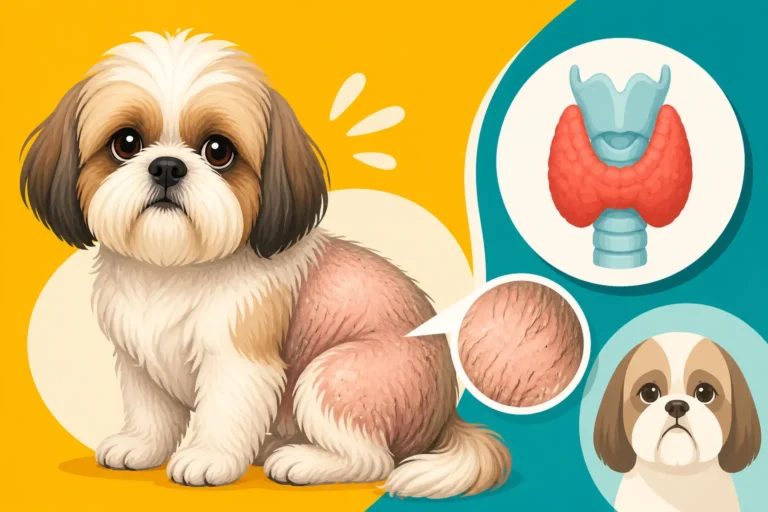
Beyond infections, certain medications, particularly some antibiotics or chemotherapy drugs, can be ototoxic, meaning they can damage the inner ear and lead to hearing loss. Trauma to the head or ear, though less common, can also result in permanent hearing impairment. Even conditions like hypothyroidism, though more commonly associated with Thyroid Disease Thinning a Shih Tzu Coat, can sometimes have an impact on nerve function, including auditory nerves. In some rarer cases, tumors or polyps within the ear canal or brain can obstruct sound waves or interfere with nerve signals. This is why it’s so important to have your vet rule out any treatable causes, especially if the hearing loss seems sudden or accompanied by other neurological signs. Getting an early diagnosis and understanding the cause is paramount.
Adapting Your Home and Routine for a Hearing-Impaired Shih Tzu
Discovering your senior Shih Tzu is losing their hearing can feel daunting, but it doesn’t mean their quality of life needs to diminish. In fact, with some thoughtful adjustments, you can help them navigate the world with confidence and maintain that strong bond you share. It's all about switching gears from auditory cues to visual and tactile ones, and making their environment as safe and predictable as possible.
Communication Strategies and Safety Measures
The biggest shift you'll make is in how you communicate. Since verbal commands are becoming less effective, start incorporating hand signals for everything. If your Shih Tzu already knows some, fantastic! If not, it's never too late to teach an old dog new tricks. Pair a visual cue (like a pointed finger for "stay" or a sweeping motion for "come") with a reward every single time. Consistency is key here. You might find some excellent resources for Training a Shih Tzu Bred Purely as a Companion that focus on visual cues.
For getting their attention, a gentle tap on the shoulder or a stomp on the floor to create vibrations can work wonders. Never startle them, especially from behind, as this can be frightening for a dog who can’t hear your approach. Always approach them from the front or side, where they can see you coming. Flashlights can be used at night for visual signals in the yard, and some owners even invest in vibrating collars (not shock collars!) for specific, attention-getting cues, though these should always be used under expert guidance.
Safety becomes paramount. Outdoors, a hearing-impaired Shih Tzu should always be on a leash, even in fenced yards, until you are absolutely certain of their boundaries and your ability to get their attention visually. They won’t hear a gate accidentally left open or a hazard approaching. Consider a brightly colored collar or harness that says "Deaf Dog" so others are aware. Inside, make sure they are not accidentally trapped or startled. If they sleep in a particular spot, ensure family members know to approach them gently. This also ties into overall Shih Tzu Mobility Decline in Old Age, as they might not hear you approaching if they are also struggling to move.
Supporting Their Overall Well-being
Maintaining a consistent routine is incredibly important for a hearing-impaired Shih Tzu. Predictability helps them feel secure in a world that might suddenly seem quieter and less predictable. Feed them at the same times, walk them on the same routes, and keep their sleeping arrangements consistent. Any changes should be introduced gradually and calmly.
Enrichment is still vital. Just because they can't hear doesn't mean they can't enjoy life. Engage their other senses! Scent work games, puzzle toys that dispense treats, and plenty of cuddles and physical affection will keep their minds active and spirits high. Regular grooming, like daily brushing, provides gentle tactile stimulation and helps strengthen your bond. When dealing with unexpected vet bills or specialized care for senior dogs, having pet insurance like Healthy Paws can be a real lifesaver, covering a significant portion of costs for diagnostics and ongoing treatments. It offers peace of mind when you're already focused on your dog's comfort.
Regular veterinary check-ups are also crucial. Your vet can monitor any progression of hearing loss and catch other age-related issues early. A comprehensive The Senior Panel a Shih Tzu Needs at Ten can detect underlying health problems that might affect their overall well-being. Keeping up with Vet Visit Frequency for a Shih Tzu Past Ten is key to managing their health holistically.
When to Consult Your Veterinarian About Hearing Concerns
It's natural to hesitate, wondering if what you're seeing is truly hearing loss or just your Shih Tzu being a bit more relaxed in their old age. But trust your instincts. If you have any concerns about your senior Shih Tzu's hearing, it's always best to bring it up with your veterinarian. Early assessment can rule out treatable conditions and help you start adapting sooner rather than later.
Diagnosing Hearing Loss and Ruling Out Other Issues
When you visit your vet, they'll start with a thorough physical examination, paying close attention to your Shih Tzu's ears. They'll look for signs of infection, excessive wax buildup, foreign bodies, or growths within the ear canal. Sometimes, a simple ear cleaning can dramatically improve hearing if the issue is just a blockage. This is particularly relevant for Shih Tzus prone to Shih Tzu Ear Infections That Keep Returning due to their long, floppy ears.
Your vet might also perform some basic in-office tests, like making various sounds (clapping, squeaking a toy) out of your dog's line of sight to observe their reaction. If hearing loss is suspected, or if they want to rule out other neurological conditions, they might recommend a more specialized test called a Brainstem Auditory Evoked Response (BAER) test. This test measures the electrical activity in the brain in response to auditory stimuli and can accurately diagnose the presence and severity of hearing loss. While often performed by specialists, it's the most objective way to assess hearing function. The veterinarian may also suggest blood work as part of a routine The Senior Panel a Shih Tzu Needs at Ten to check for systemic conditions, like hypothyroidism, that could be contributing.
Management and Supportive Care Options
Once age-related hearing loss is confirmed, the focus shifts to management and supportive care, as there's no medication or surgery that can restore lost hearing from presbycusis. Your vet will work with you to implement the communication and safety strategies discussed earlier. They might also advise on dietary supplements, such as antioxidants, that could support overall brain health, though these won't directly restore hearing.
The goal is to maintain your Shih Tzu's quality of life and ensure they remain happy and engaged. This might involve discussing how to make their environment more accessible, suggesting specific training techniques, or even referring you to a behaviorist who specializes in working with deaf dogs. Pet insurance, such as a policy from Healthy Paws, can be incredibly beneficial here, helping to offset the costs of specialist consultations, diagnostic tests like BAER, and any ongoing supportive care or management for related senior health issues. It truly helps you focus on your dog's well-being without the added stress of unexpected financial burdens, especially if other senior ailments like Shih Tzu Joint Problems in a Toy Frame also arise. Remember, while their hearing might fade, their capacity for love and connection certainly does not.
Disclaimer
This article is intended for informational purposes only and does not constitute professional veterinary advice. Always consult with a qualified veterinarian for any health concerns or before making any decisions about your pet's medical care.