Shih Tzu Hind Leg Weakness
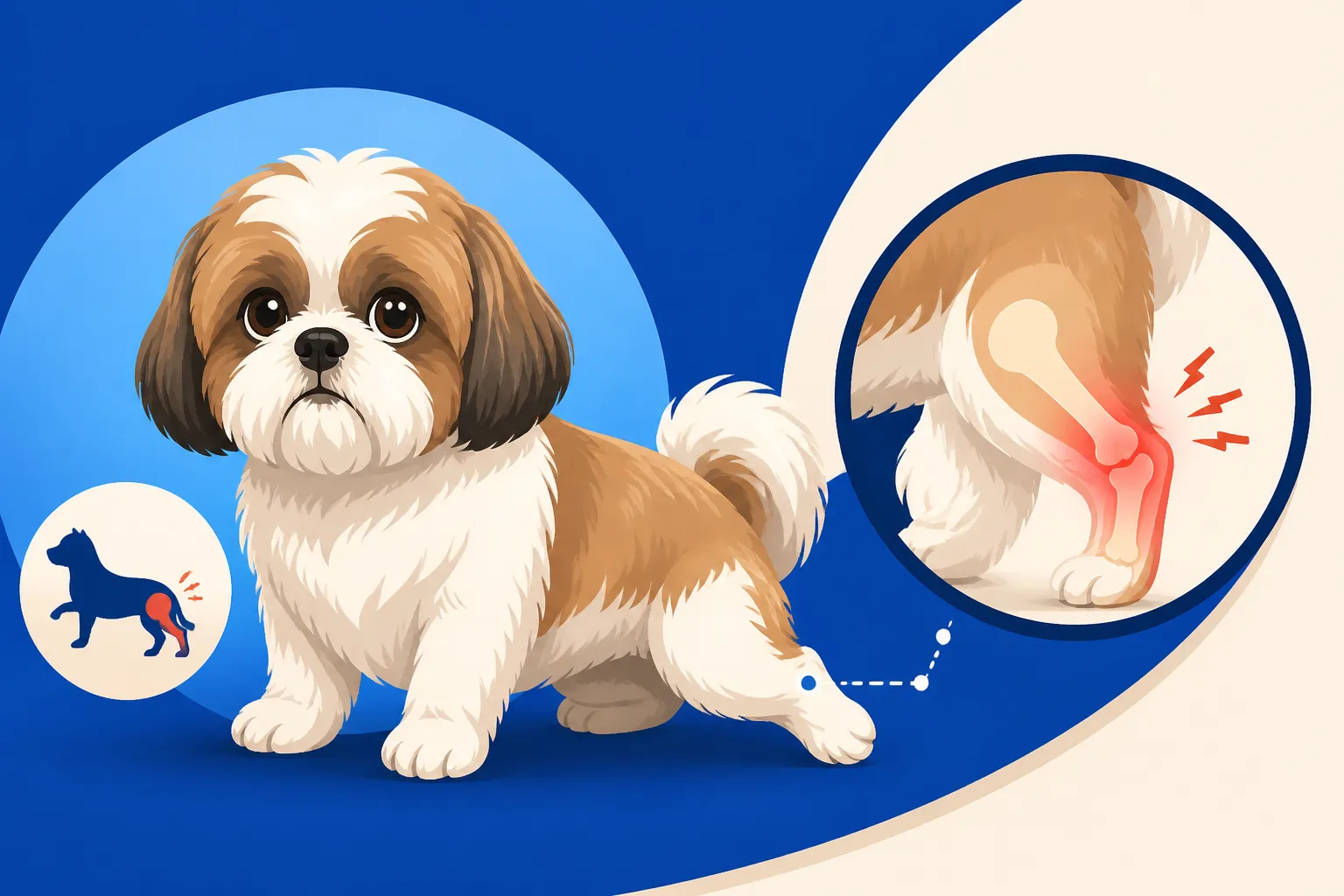
It’s truly heart-wrenching when you notice your sweet Shih Tzu, who usually prances and dances, suddenly struggling with their hind legs. One day they're jumping on the sofa, and the next they might be hesitant, or even dragging a leg. This isn't just a sign of aging; it can be a symptom of various underlying issues that demand our attention. This guide will help you understand why hind leg weakness occurs, what steps to take for diagnosis and treatment, and how to proactively support your furry friend.
Understanding Why Hind Legs Weaken in a Shih Tzu
Watching your beloved Shih Tzu struggle with their hind legs can be incredibly distressing. It’s a common issue in this adorable breed, and it can manifest in various ways, from a slight wobble to outright paralysis. The key is understanding the 'why' behind it, as their unique physiology plays a significant role in making them prone to certain conditions.
Common Causes: From Injury to Genetics
When we talk about hind leg weakness in Shih Tzus, we're looking at a range of potential culprits, not just one single issue. One of the most common and often devastating causes is Shih Tzu Back Problems and Disc Disease. These little dogs are predisposed to Intervertebral Disc Disease (IVDD), a condition where the cushioning discs between their vertebrae bulge or rupture, pressing on the spinal cord. This can happen suddenly, perhaps after a jump or an awkward twist, or it can develop gradually over time. The pain can be excruciating, and the neurological impact often shows up as weakness, instability, or even paralysis in the hind legs. It's a sudden, terrifying moment for many owners when they see their dog yelp and then suddenly can't move their back legs.
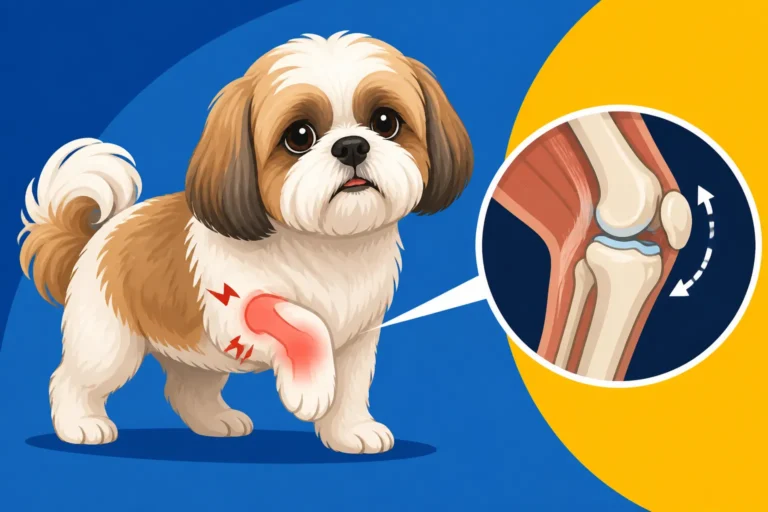
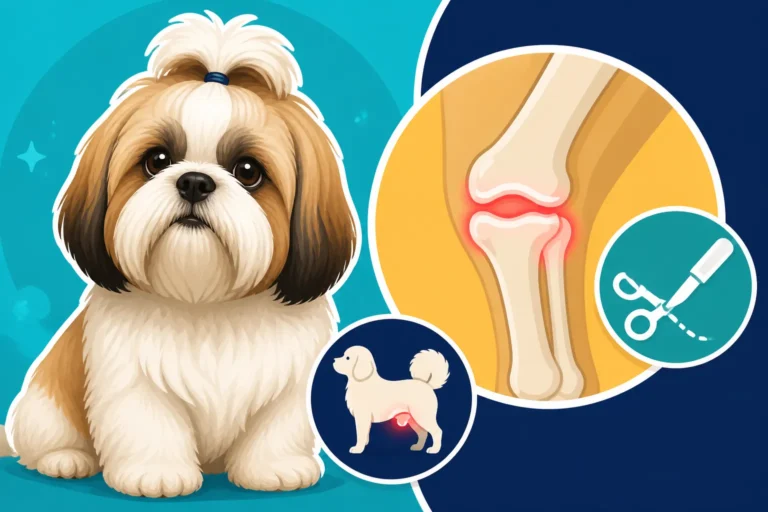
Beyond the spine, orthopedic issues are also frequent offenders. Patellar Luxation in a Shih Tzu is another common problem. This is where the kneecap slips out of place, causing your dog to skip, hop, or even hold up a back leg. While not always immediately presenting as "weakness," persistent luxation can lead to pain, arthritis, and a reluctance to bear weight, which might be perceived as weakness. Hip problems, though less common than in larger breeds, can still affect Shih Tzus. While Shih Tzu Hip Dysplasia at Toy Size is not as prevalent as IVDD or patellar luxation, it can contribute to discomfort and a loss of function in the hindquarters, making movement difficult and painful.
Then there are other, less common but equally serious reasons. Neurological conditions not directly related to disc disease, nerve damage, muscle degeneration, or even certain metabolic diseases can lead to hind leg weakness. For instance, a tumor pressing on a nerve or spinal cord might present similarly to IVDD, or an autoimmune condition could affect muscle strength. It’s a complex puzzle, and pinpointing the exact cause requires a thorough veterinary investigation. This is why early observation and seeking professional help quickly is so critical.
How the Shih Tzu Body Type Contributes
The adorable, compact body of a Shih Tzu, which we all love so much, unfortunately comes with certain anatomical predispositions that make them more susceptible to hind leg weakness. Their long back, combined with short legs, is a classic recipe for spinal issues like IVDD. Imagine a long bridge supported by short pillars – that's a bit like a Shih Tzu's spine. Any sudden impact, jump, or even just regular wear and tear can put immense pressure on those intervertebral discs.
Their typically playful nature, often involving enthusiastic jumps on and off furniture, further exacerbates this risk. That sudden impact from landing can be enough to trigger a disc event. This is why you might hear the phrase, "A Shih Tzu That Will Not Jump on the Sofa" is a clear sign that something is amiss. It’s not just a behavioral quirk; it’s often an indicator of pain or discomfort. Additionally, their small bone structure can be more fragile, and the joints, while typically sturdy, can be prone to conditions like patellar luxation simply due to the mechanics of their knee joint in such a small frame. It's a delicate balance that requires careful management and understanding from us as owners.
Recognizing the Early Signs
Catching hind leg weakness early can make a huge difference in treatment outcomes and your Shih Tzu's comfort. It's not always a dramatic collapse; often, it starts subtly. You might notice your dog is a little slower to get up, or perhaps they're hesitant to climb stairs or jump onto their favorite spot on the bed. They might start "bunny hopping" with their back legs when they run, or sway a bit more than usual. Some owners describe a slight drag of a paw, leading to scraped nails on one side.
Pay close attention to their gait when they walk. Is it symmetrical? Are they putting equal weight on all four legs? Watch them closely during playtime; are they as agile as they used to be? Other signs can include a reluctance to play, a change in their tail carriage (sometimes held lower), yelping when lifted or touched in certain areas, or even just a general shift in temperament due to pain. They might become more withdrawn or even snap if touched in a sensitive spot. Any of these subtle changes should prompt you to call your veterinarian for an appointment. Early intervention is key, especially with conditions like IVDD, where every hour can count.
Diagnosing and Managing Hind Leg Weakness
Once you've noticed the concerning signs of hind leg weakness in your Shih Tzu, the next critical step is getting a proper diagnosis. It can feel overwhelming and scary, but your veterinarian is your best partner in navigating this journey.
The Vet Visit: What to Expect
When you bring your Shih Tzu to the vet for hind leg weakness, expect a thorough examination. Your vet will conduct a detailed physical exam, checking for pain responses, range of motion in their joints, and muscle tone. They'll also perform a neurological exam, testing reflexes, proprioception (their awareness of where their limbs are in space), and their pain response in the affected legs. Don't be surprised if your vet wants to see your Shih Tzu walk, even if it's just a few steps. This helps them assess gait abnormalities and pinpoint the source of the problem.
Beyond the physical exam, your vet will likely recommend diagnostic imaging. X-rays are usually the first step to rule out obvious fractures, severe arthritis, or some spinal abnormalities. However, X-rays don't show soft tissues like discs or spinal cords very well. For a definitive diagnosis of conditions like IVDD, an MRI or CT scan is often necessary. These advanced imaging techniques can precisely locate disc bulges or ruptures and assess the degree of spinal cord compression. While these scans require general anesthesia and can be costly, they provide crucial information for guiding the most effective treatment plan. Your vet will discuss these options with you, weighing the benefits against the risks and costs. It's during these discussions that having robust pet insurance like Healthy Paws can truly alleviate some of the financial stress, allowing you to focus solely on your dog's health.
Treatment Options: From Medical to Surgical
The treatment for hind leg weakness in a Shih Tzu will largely depend on the underlying cause and severity. For many cases of IVDD or less severe orthopedic issues, conservative medical management is the first approach. This typically involves a strict period of Crate Rest for a Shih Tzu With a Slipped Disc, sometimes for several weeks, combined with anti-inflammatory medications and pain relievers. The goal of crate rest is to prevent further damage to the spinal cord and allow the inflammation to subside, giving the disc time to heal. Your vet might also prescribe muscle relaxants or other medications to manage nerve pain.
If conservative management isn't successful, if the neurological deficits are severe, or if the weakness is rapidly progressing, surgery may be recommended. For IVDD, surgery involves removing the offending disc material that is pressing on the spinal cord. This is a specialized procedure often performed by a veterinary neurologist or orthopedic surgeon. Similarly, severe patellar luxation might require surgical correction to stabilize the kneecap. The thought of surgery is daunting, but for many Shih Tzus, especially those with severe IVDD, it offers the best chance for recovery and regaining function. The recovery period after surgery can be long, involving intensive rehabilitation, but the outcome for many dogs is positive. The question, "Whether a Shih Tzu Walks Again After Disc Surgery", is a common one, and while not guaranteed, many do make incredible recoveries with dedicated care.
Supportive Care at Home
Regardless of whether your Shih Tzu undergoes medical or surgical treatment, supportive care at home is absolutely vital for their recovery and long-term well-being. This is where you, as their loving owner, become their primary caregiver and advocate. During crate rest or post-surgery, strict adherence to your vet's instructions is paramount. This might mean carrying your dog outside for potty breaks, ensuring they can't jump or climb, and administering medications diligently.
For dogs with chronic weakness or those recovering from major events, physical therapy can make a world of difference. This might include gentle range-of-motion exercises, massage, hydrotherapy (swimming or underwater treadmill), or even acupuncture, all under the guidance of a certified veterinary rehabilitation therapist. These therapies help maintain muscle mass, improve flexibility, reduce pain, and encourage nerve regeneration. Providing a comfortable, non-slip environment is also crucial. Consider using dog ramps to help your Shih Tzu access furniture safely and prevent further injury, a topic covered well in "Ramps for a Shih Tzu With a Long Spine". Soft bedding, easy access to food and water bowls, and perhaps a belly band or sling to assist with mobility can also be invaluable. Maintaining open communication with your vet and asking plenty of questions will ensure you're providing the best possible care for your recovering companion.
Preventing and Proactively Protecting Your Shih Tzu's Back and Legs
While some causes of hind leg weakness are genetic or unpredictable, there's a lot we can do as Shih Tzu owners to minimize risk and promote strong, healthy legs and backs throughout their lives. Prevention truly is better than cure, especially with our precious, predisposed little ones.
Environmental Modifications for Safety
One of the most impactful things you can do for your Shih Tzu's spinal and joint health is to create a safe home environment. This means minimizing opportunities for high-impact activities like jumping on and off furniture. Instead of letting them launch themselves from the sofa, invest in pet ramps or steps. These are game-changers for protecting delicate spines and knees. They provide a safe, gradual ascent and descent, drastically reducing the strain. Similarly, if you have stairs, consider restricting access with baby gates, or carry your Shih Tzu up and down, especially when they're young or if they already show signs of stiffness. Even minor, repetitive impacts from stairs can add up over time.
Think about traction on your floors too. Slippery surfaces like hardwood or tile can cause slips and falls, exacerbating existing joint issues or even triggering new ones. Lay down rugs or carpet runners in high-traffic areas, especially where your Shih Tzu runs or plays. Consider non-slip booties for extra grip if needed. Providing an orthopedic bed can also offer excellent support for their joints and spine, giving them a comfortable, pressure-relieving place to rest. Every little modification adds up to a safer, more supportive living space for your furry family member.
Nutrition and Weight Management
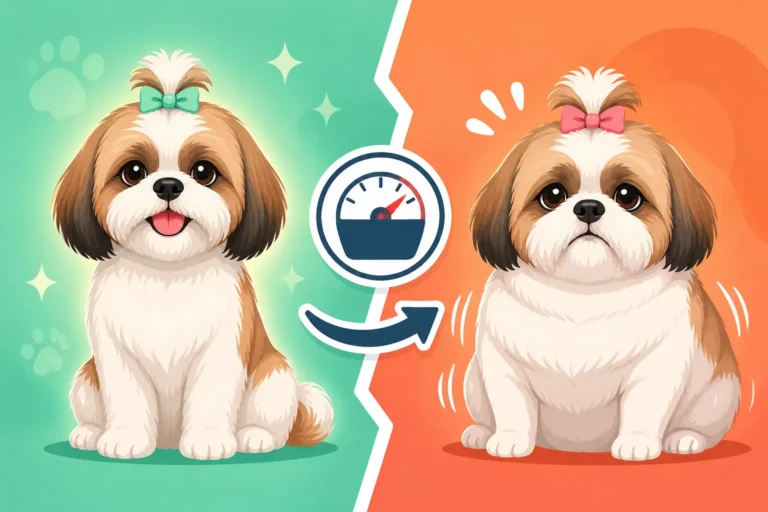
Keeping your Shih Tzu at a healthy weight is paramount for protecting their joints and spine. Every extra pound places additional stress on their delicate frame, making them more susceptible to disc issues, patellar luxation, and arthritis. It's easy for these small dogs to gain weight, especially with their low exercise requirements and our tendency to spoil them with treats. This is why managing "Shih Tzu Obesity on a Sixteen Pound Frame" is so crucial.
Work with your veterinarian to determine your Shih Tzu's ideal weight and feeding plan. Choose a high-quality dog food appropriate for their age and activity level, and measure portions carefully. Be mindful of treats, ensuring they are given in moderation and factored into their daily calorie intake. Many pet parents find it helpful to use small, low-calorie training treats or even pieces of cooked carrot or green bean for rewards. Beyond weight, certain nutritional supplements can also be beneficial. Joint Support for a Shih Tzu Back and Knees often comes in the form of glucosamine, chondroitin, and omega-3 fatty acids, which can help support cartilage health and reduce inflammation. Discuss these options with your vet to see if they're right for your Shih Tzu, especially as they enter their senior years.
Gentle Exercise and Joint Support
Despite their small size and often "lap dog" reputation, Shih Tzus still need regular, gentle exercise to maintain muscle tone and joint flexibility. However, the type and intensity of exercise are key. Short, frequent walks on a leash are ideal. Avoid high-impact activities like intense running, aggressive jumping, or prolonged stair climbing. Instead, focus on low-impact activities that build strength without stressing their joints or spine. Indoor games like gentle fetch or hide-and-seek can be great ways to keep them active and engaged, particularly if outdoor conditions are harsh or your dog has specific limitations.
For older Shih Tzus, or those with known joint issues, exercise becomes even more critical for managing Shih Tzu Mobility Decline in Old Age. Regular, gentle movement helps maintain range of motion and prevents stiffness. If your Shih Tzu is nearing their senior years, consider the advice in "Senior Shih Tzu Care Past the Age of Ten" to tailor their routine. Routine veterinary check-ups are also crucial, allowing your vet to monitor their joint health and address any concerns proactively. They can recommend appropriate exercises, prescribe joint-supporting medications if needed, and help you develop a long-term care plan. Remember, consistency is key, and gentle, mindful activity will go a long way in keeping your Shih Tzu moving happily for as long as possible.
Comparison of Common Causes of Hind Leg Weakness
Understanding the different causes of hind leg weakness in Shih Tzus can help you recognize symptoms and discuss options with your veterinarian more effectively. Here's a brief comparison:
| Condition | Primary Cause | Common Symptoms | Typical Onset | Potential Treatments | Insurance Coverage (e.g., Healthy Paws) |
|---|---|---|---|---|---|
| Intervertebral Disc Disease (IVDD) | Disc bulge/rupture compressing spinal cord | Hind leg weakness, paralysis, pain, crying out, reluctance to move, hunched back | Any age (often middle) | Crate rest, anti-inflammatories, pain meds, surgery (decompression) | Yes, for eligible conditions. |
| Patellar Luxation | Kneecap slips out of groove | Skipping, hopping, holding up a leg, clicking sound, pain | Puppy/Young Adult | Pain management, physical therapy, surgery (stabilization) | Yes, for eligible conditions. |
| Hip Dysplasia | Malformed hip joint | "Bunny hopping," reluctance to exercise, limping, pain, difficulty rising | Puppy/Young Adult | Pain management, anti-inflammatories, joint supplements, surgery (FHO/THR) | Yes, for eligible conditions. |
| Degenerative Myelopathy (DM) | Progressive spinal cord degeneration (rare in Shih Tzus, more in GSDs) | Progressive hind leg weakness, ataxia (wobbling), eventual paralysis | Senior (8+ years) | Supportive care, physical therapy, mobility aids | Often covered, check policy details. |
| Arthritis | Joint inflammation and degeneration | Stiffness, limping, reluctance to move, pain, worse in cold weather | Senior (7+ years) | Pain meds, joint supplements, physical therapy, weight management | Yes, for eligible conditions. |
It's important to remember that this table is a simplified overview. A precise diagnosis always requires a thorough examination by a qualified veterinarian. Pet insurance providers like Healthy Paws typically cover unexpected illnesses and injuries, which would include many of these conditions, especially if diagnosed after policy enrollment.
Disclaimer
The information provided in this article is for general informational purposes only and is not a substitute for professional veterinary advice. Always consult with a qualified veterinarian for any health concerns or before making any decisions related to your Shih Tzu's care.