How Often a Shih Tzu Needs a Dental
It’s a common worry for Shih Tzu parents: how often does your furry companion really need to go under for a professional dental cleaning? The cost, the anesthesia, the sheer thought of it all can be daunting, and it's easy to wonder if that bad breath is just "dog breath" or something more serious. This guide is here to unravel the mystery, helping you understand why dental care is so crucial for Shih Tzus and how to determine the best cleaning schedule for your unique little lion dog.
The Unique Dental Challenges of a Shih Tzu's Mouth
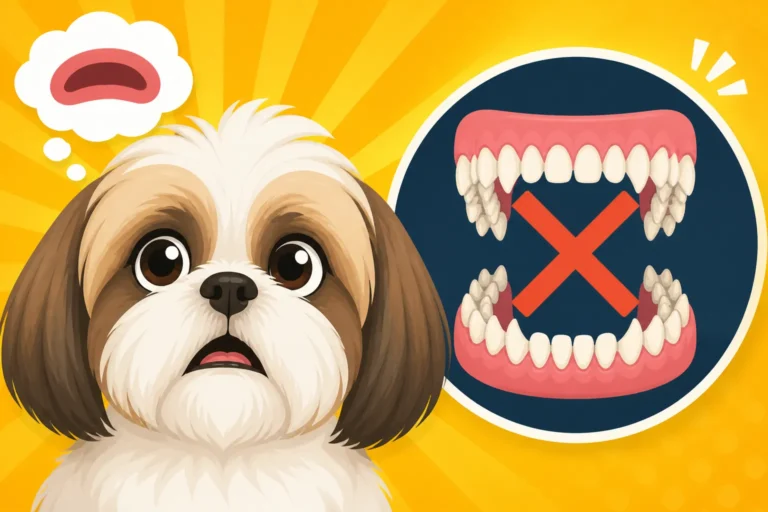
Let's face it, Shih Tzus are adorable, with their characteristic "chrysanthemum" faces and endearing underbites. But these very features, which make them so charming, also create a perfect storm for dental problems. Their tiny, brachycephalic skulls simply don't have enough room for 42 teeth, leading to a host of issues that can accelerate dental disease.
Why a Small Mouth Means Big Problems
Imagine trying to fit a full set of adult human teeth into a toddler's mouth—that's essentially what's happening inside your Shih Tzu's tiny oral cavity. Their jaws are compact, but they still develop the same number of teeth as much larger breeds. This leads to severe overcrowding, where teeth are often rotated, misaligned, and packed in too tightly. This overcrowding creates numerous nooks and crannies where food particles and bacteria can easily get trapped. Brushing becomes incredibly difficult because it's nearly impossible to reach all these tight spaces effectively. Without proper cleaning, these trapped particles quickly lead to plaque and tartar buildup, setting the stage for more serious issues. It's a sad reality that many Shih Tzu puppies experience issues like Retained Puppy Teeth in a Shih Tzu, which only exacerbates the crowding problem.
The Rapid Buildup of Plaque and Tartar
Due to this predisposition for overcrowding and the difficulty in cleaning, Shih Tzus are notorious for developing plaque and tartar at an alarming rate. Within just a few days, soft plaque can harden into stubborn tartar, a crusty deposit that cannot be removed by brushing alone. This hard tartar then acts like a magnet, attracting even more bacteria and accelerating the cycle of decay. Owners often report seeing Tartar on Shih Tzu Teeth Before Age Three, which is a clear indicator of how quickly dental disease can take hold in this breed. This rapid accumulation isn't just cosmetic; it provides a breeding ground for harmful bacteria that can invade the gums and bone structure supporting the teeth.
Beyond Bad Breath: Systemic Health Risks
While bad breath (halitosis) is often the first sign owners notice, it's merely the tip of the iceberg when it comes to Shih Tzu dental disease. The real danger lies beneath the gum line. Periodontal disease, an infection of the tissues surrounding the teeth, is rampant in Shih Tzus. As this infection progresses, it can lead to painful gum inflammation, gum recession, and eventually, tooth loss. What's even more concerning is that the bacteria from these infected mouths don't stay confined to the oral cavity. They can travel through the bloodstream, impacting vital organs like the heart, kidneys, and liver. For a breed already prone to certain health issues, adding the burden of chronic infection from severe dental disease can significantly impact their overall health and longevity. It's crucial to understand that Shih Tzu Dental Disease at 13 Percent of the Breed is a serious statistic, underscoring the breed's vulnerability.
Establishing an Optimal Dental Cleaning Schedule
Given these inherent challenges, professional dental care isn't a luxury for a Shih Tzu; it's a necessity. Deciding on the frequency can feel like a guessing game, but there are clear guidelines and factors to consider to ensure your pup's pearly whites, or what's left of them, stay as healthy as possible.
Annual Professional Cleanings as a Baseline
For most Shih Tzus, an annual professional dental cleaning is considered a good baseline. This involves a comprehensive oral exam, scaling, and polishing, all performed under general anesthesia. Anesthesia allows the veterinarian to thoroughly inspect every tooth, including those difficult-to-reach areas, and clean below the gum line where periodontal disease truly takes hold. During this procedure, the vet can also identify and address issues like loose teeth, abscesses, or the need for Shih Tzu Tooth Extractions and Eating After. Many pet insurance providers, like Healthy Paws, emphasize the importance of preventative care, though routine dentals might not always be covered unless they're linked to a specific injury or illness. It's always a good idea to check your policy details. This annual routine helps to reset the clock on plaque and tartar buildup, ensuring that any accumulating bacteria and debris are thoroughly removed before they cause irreversible damage.
Factors Influencing Dental Frequency
While annual cleanings are a good starting point, some Shih Tzus may need more frequent attention, while a lucky few might stretch it a bit longer. Several factors play a significant role:
- Genetics and Individual Predisposition: Just like people, some dogs are simply more prone to dental issues. If your Shih Tzu's parents had significant dental problems early in life, or if your dog develops rapid tartar buildup despite diligent home care, they may need cleanings every 6-9 months.
- Effectiveness of Home Care: This is arguably the biggest controllable factor. If you're able to commit to daily toothbrushing—and truly get all surfaces of the teeth—you can significantly slow down the progression of dental disease. However, even the most diligent home brusher can't reach below the gum line, making professional cleanings essential.
- Diet: The type of food your Shih Tzu eats can also influence tartar accumulation. Some kibbles are designed to help scrape teeth, while others offer no such benefit. Raw or wet food diets can sometimes leave more residue, potentially contributing to faster buildup if not followed by good oral hygiene.
- Presence of Existing Dental Disease: If your Shih Tzu already has advanced periodontal disease, the vet might recommend more frequent cleanings, initially to get the disease under control, and then to maintain oral health. Dogs with severe Gum Recession in a Shih Tzu or significant bone loss might need specialized care.
- Overall Health: Underlying health conditions can sometimes impact oral health. For instance, dogs with certain immune system issues might be more susceptible to dental infections. Also, the considerations for Anesthesia on a Flat-Faced Shih Tzu mean that thorough pre-anesthetic testing is always a priority, regardless of how often they need a dental.
Recognizing When Your Shih Tzu Needs a Dental Exam
Beyond scheduled appointments, it’s vital to be observant of your Shih Tzu’s oral health. They can't tell you they have a toothache, so it’s up to us to spot the signs.
- Persistent Bad Breath: This is usually the first and most obvious indicator that something isn't right. While some "dog breath" is normal, truly foul or metallic-smelling breath signals bacterial overgrowth.
- Red, Swollen, or Bleeding Gums: Healthy gums should be pink and firm. Redness, swelling, or bleeding, especially when chewing or if you attempt to brush, points to gingivitis or more advanced periodontal disease.
- Visible Tartar Buildup: If you can see hard, brownish-yellow deposits on your Shih Tzu's teeth, particularly on the back molars or canine teeth, it’s a clear sign a professional cleaning is overdue.
- Difficulty Chewing or Eating: If your dog suddenly seems reluctant to eat hard kibble, drops food, chews on one side of their mouth, or shows pain when eating, it could indicate a painful tooth or gum issue.
- Paw or Face Rubbing: Dogs might try to alleviate oral discomfort by pawing at their mouth or rubbing their face against furniture or the floor.
- Drooling: Excessive drooling, especially if accompanied by blood, can be a sign of severe oral pain or infection.
If you notice any of these signs, don't wait for the next scheduled cleaning. Contact your vet immediately for an assessment. Early intervention can prevent minor issues from becoming major, painful problems. Healthy Paws and other pet insurance plans often encourage prompt vet visits for any signs of illness to prevent conditions from worsening.
Beyond the Vet's Office: Daily Home Dental Care
While professional cleanings are non-negotiable for Shih Tzus, they are only one part of the equation. What you do at home, every single day, makes the biggest difference in slowing down dental disease and extending the time between professional cleanings.
The Cornerstone of Prevention: Daily Brushing
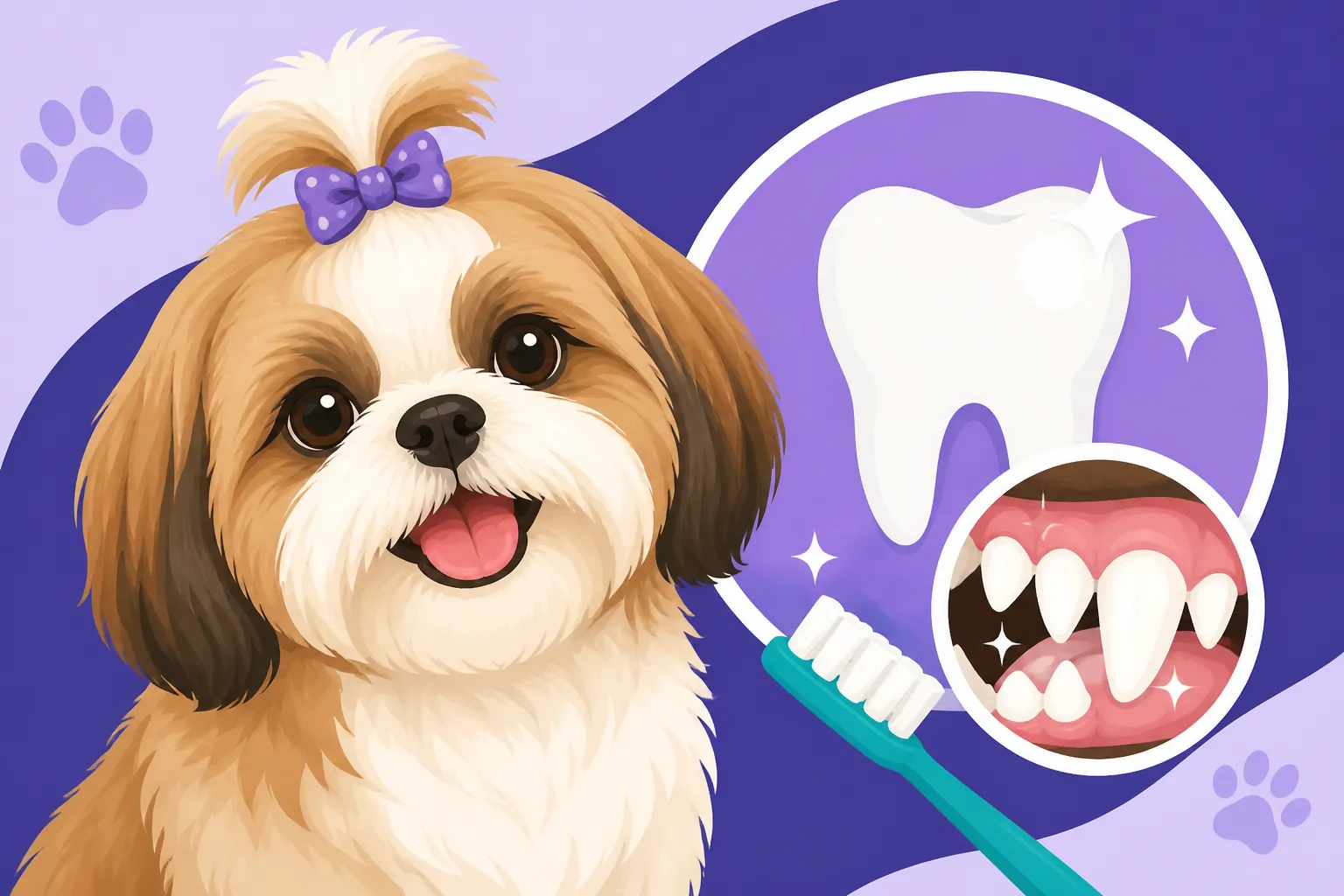
Seriously, I cannot stress this enough: daily toothbrushing is the single most effective thing you can do to combat dental disease in your Shih Tzu. Just like with humans, brushing removes the soft plaque before it has a chance to harden into tartar. For a Shih Tzu, whose mouth is a breeding ground for problems, this consistency is paramount. It can feel like a chore, but even a couple of minutes a day can yield huge benefits. You'll need a small, soft-bristled dog toothbrush (or a finger brush) and canine-specific toothpaste (never use human toothpaste, as it can be toxic).
To get started with Two Minutes of Shih Tzu Tooth Brushing:
- Start slowly: Introduce the brush and paste gradually. Let them lick the toothpaste off your finger first.
- Focus on outer surfaces: Most periodontal disease starts on the outer surfaces of the upper teeth, so concentrate there.
- Lift the lip: Gently lift your Shih Tzu's lips to expose their teeth and gums.
- Angle the brush: Angle the brush at a 45-degree angle to the gum line, brushing in small circles.
- Be consistent: Make it a part of your daily routine, perhaps right before bed or after their last meal.
Even if you can only manage brushing a few teeth each day, it's better than nothing! This daily ritual not only keeps their mouth cleaner but also allows you to regularly inspect their teeth and gums for any changes.
Dental Chews, Water Additives, and Other Aids
Beyond brushing, there are several other products that can complement your home dental care routine. However, it's important to understand that these are aids, not replacements for brushing or professional cleanings.
- Veterinary Dental Chews: Look for chews that are specifically designed to reduce plaque and tartar, often indicated by the Veterinary Oral Health Council (VOHC) seal of acceptance. These chews typically have a texture and shape that helps scrape the teeth as your dog chews. Be sure to choose Chews That Suit a Shih Tzu Underbite and supervise your Shih Tzu to ensure they don't gulp large pieces.
- Water Additives: These products are added to your dog's drinking water and contain ingredients that help reduce bacteria in the mouth or prevent plaque from adhering to tooth surfaces. While they can be helpful, their effectiveness varies, and they won't tackle existing tartar.
- Dental Wipes/Gels: If brushing is truly impossible, dental wipes can offer a quick way to physically wipe away some plaque from the tooth surfaces. Dental gels, often applied directly to the gums, can also help reduce bacteria.
- Specialized Diets: Some prescription dental diets are formulated with specific textures and ingredients to help clean teeth as your dog eats. Consult your vet before switching to a specialized diet, especially if your Shih Tzu has other dietary needs.
Always discuss these options with your veterinarian to ensure they are appropriate and safe for your individual Shih Tzu. Some products can be surprisingly high in calories, which is a concern for a small breed already prone to obesity.
Keeping an Eye Out for Trouble Between Visits
Your role as an observant pet parent is crucial. Between professional cleanings, make it a habit to regularly examine your Shih Tzu's mouth. This can be done quickly during your daily brushing session or while enjoying some quiet cuddle time.
Look for:
- Any new or worsening bad breath.
- Redness, swelling, or bleeding of the gums.
- New tartar accumulation.
- Missing or loose teeth.
- Any unusual lumps or bumps in the mouth or on the gums.
- Changes in chewing habits or reluctance to eat.
- Discolored teeth.
The sooner you catch a potential issue, the easier and less invasive it often is to treat. For example, addressing early Periodontal Disease in a Five Year Old Shih Tzu can prevent further painful complications and the need for extensive extractions down the line. Remember, preventative care, both at home and with your vet, is the best strategy for your Shih Tzu's long-term health and comfort.
Here's a quick summary of factors influencing your Shih Tzu's dental cleaning needs:
| Factor | Impact on Dental Frequency | Recommendation |
|---|---|---|
| Genetics/Breed | High predisposition | Expect annual cleanings, possibly more frequent. |
| Home Brushing | Daily brushing extends time | Daily brushing is critical; aim for once a year professional. |
| Diet | Chews/special kibble helps | Choose VOHC-approved chews/kibble. Monitor other diets closely. |
| Existing Disease | Increases frequency | Follow vet's advice for initial and follow-up cleanings to manage disease. |
| Overall Health | Can complicate anesthesia | Regular vet check-ups are essential for Pre-Anesthetic Testing Before a Shih Tzu Dental. |
| Early Signs of Trouble | Indicates immediate need | Don't wait; contact vet immediately for any signs of pain, redness, or odor. |
Taking proactive steps and staying vigilant about your Shih Tzu's oral health can make a world of difference, not just for their teeth, but for their overall well-being. It’s an investment in their comfort, health, and the many happy years you'll share together.
Disclaimer
This article is intended for informational purposes only and does not constitute veterinary advice. Always consult with a qualified veterinarian for any health concerns or before making any decisions about your pet's medical care. Individual needs may vary.