Shih Tzu Tooth Extractions and Eating After
It’s a heartbreaking moment when you realize your precious Shih Tzu is facing tooth extractions. The worry is immediate and overwhelming: How will my little lion dog eat with missing teeth? Will they be in pain? What does recovery even look like? It’s a very common concern, and a completely valid one, as our furry companions rely on their teeth for comfort and nutrition. This guide is here to walk you through everything you need to know about Shih Tzu tooth extractions, from understanding why they happen to ensuring a smooth, stress-free recovery, especially when it comes to getting them back to eating well.
Understanding Why Shih Tzus Need Tooth Extractions
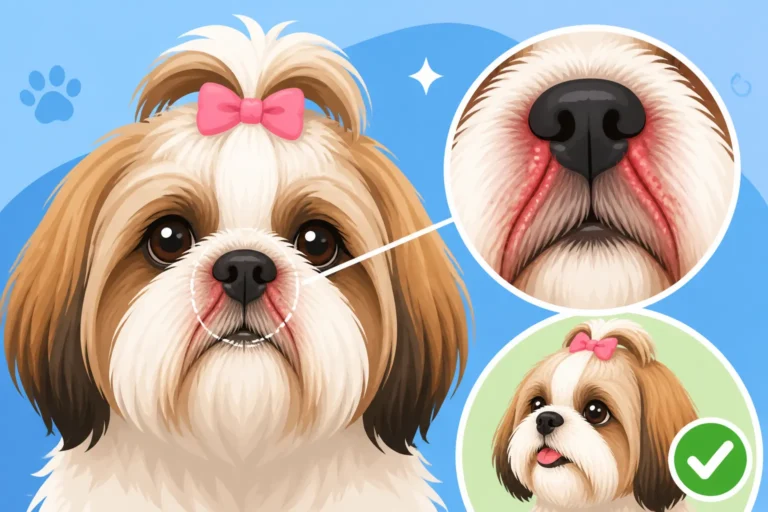
The reality for many Shih Tzus is that their adorable flat faces and undershot jaws, while part of their charm, set them up for significant dental challenges. It’s not just bad luck; it’s often a structural predisposition.
The Root Cause: Crowded Jaws and Periodontal Disease
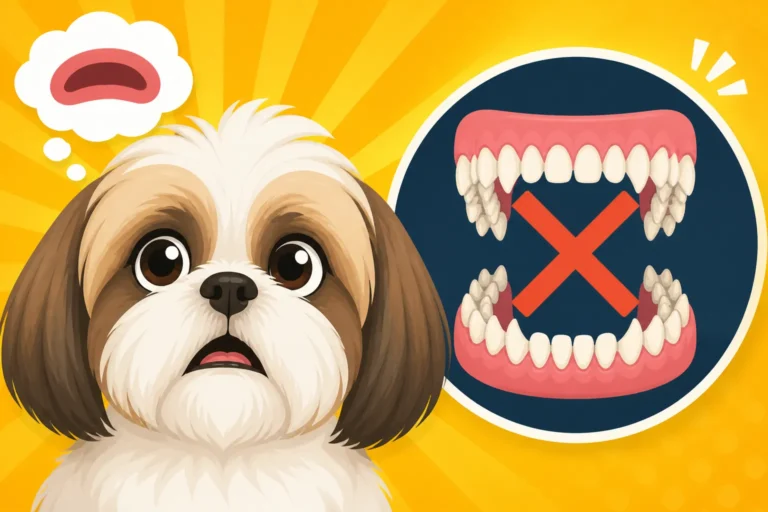
Imagine fitting a full set of adult human teeth into a toddler's mouth. That's essentially the predicament our Shih Tzus face. Their small, brachycephalic skulls mean they have less space in their mouths than breeds with longer muzzles, yet they still develop the same number of teeth—42 adult teeth! This inevitably leads to severe Shih Tzu Tooth Crowding in a Tiny Jaw where teeth are rotated, overlapping, and crammed together. This creates an absolute haven for plaque and tartar buildup because it’s nearly impossible to clean effectively, even with diligent brushing.
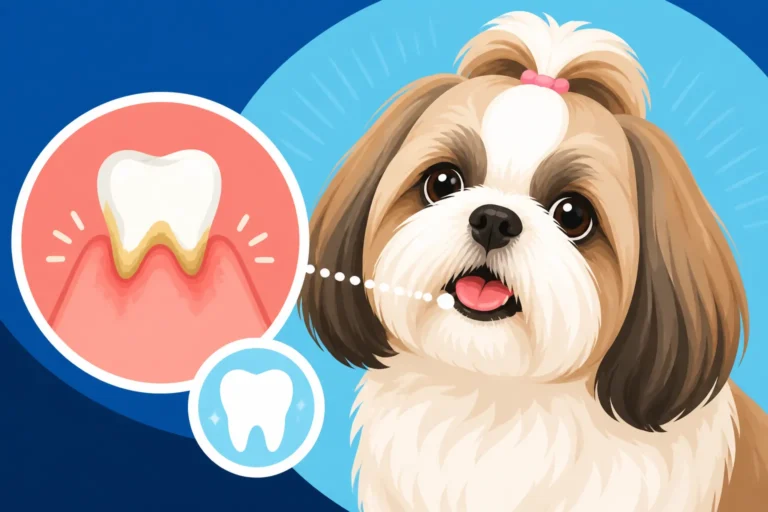
This crowding, coupled with the natural accumulation of bacteria, quickly progresses to periodontal disease. It's not just a minor inconvenience; it's a serious infection of the tissues supporting the teeth, including the gums, ligaments, and bone. In fact, Shih Tzu Dental Disease at 13 Percent of the Breed is a conservative estimate; many vets would tell you it's far higher, with a vast majority showing signs by age three. The tartar forms a hard, rough surface where more bacteria can cling, and it pushes against the gum line, causing inflammation, pain, and eventually, recession of the gums. Once the gums recede, the underlying bone starts to deteriorate, leading to loose teeth and deep pockets of infection.
Identifying Advanced Dental Problems
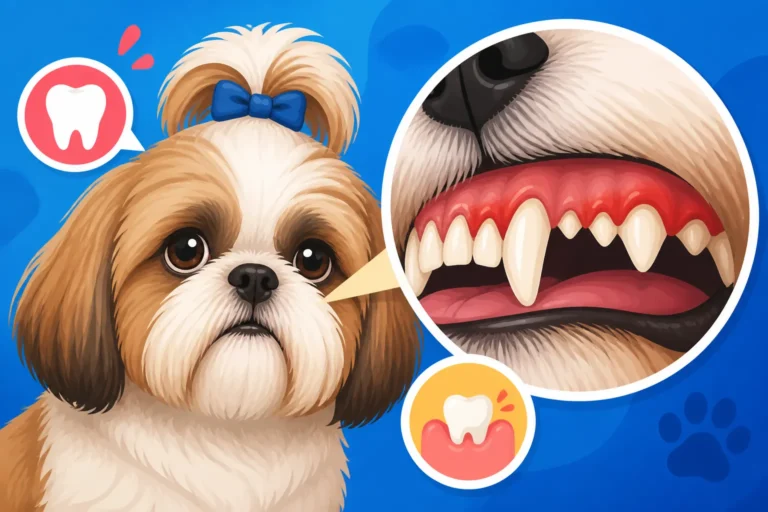
Recognizing that your Shih Tzu needs extractions can sometimes be difficult because, bless their hearts, they are incredibly stoic animals. They often try to hide their pain, which means by the time you notice symptoms, the problem is often quite advanced. However, there are tell-tale signs. Foul breath, often described as a "rotting" smell, is a huge red flag. You might notice them favoring one side of their mouth when chewing, dropping food, or showing less enthusiasm for their favorite hard treats. Sometimes they'll even paw at their face or rub it along the furniture.
During a routine veterinary exam, your vet will look for visible tartar, red and swollen gums, and assess for any loose or fractured teeth. However, the true extent of periodontal disease is often hidden beneath the gum line. This is where dental X-rays become absolutely invaluable. They allow your vet to see what's happening to the tooth roots and the surrounding bone, revealing abscesses, bone loss, and deeply embedded infections that aren't visible to the naked eye. It's often during these X-rays that the grim reality of severe Periodontal Disease in a Five Year Old Shih Tzu becomes apparent, necessitating multiple extractions to alleviate pain and prevent further systemic health issues. Waiting too long can mean even more extensive procedures and a longer, more uncomfortable recovery.
The Tooth Extraction Process: What to Expect
The thought of your little one undergoing surgery can be terrifying, but knowing what to expect every step of the way can bring immense peace of mind.
Pre-Operative Preparations and Anesthesia
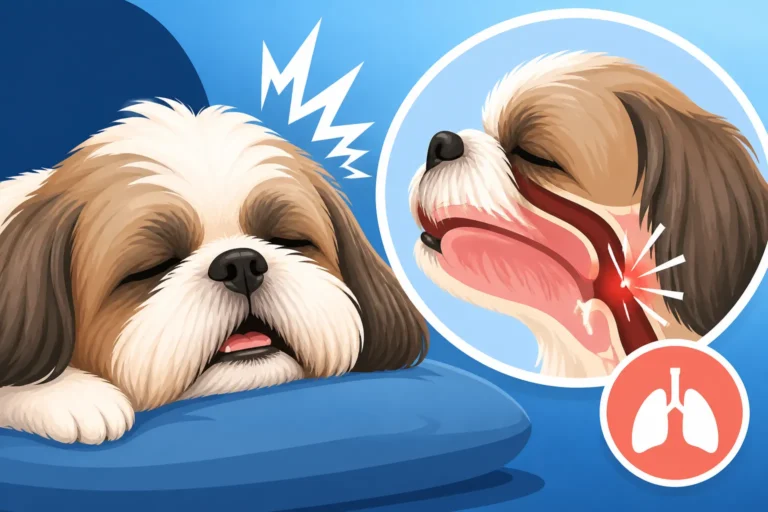
Before any dental procedure, your vet will perform a thorough physical examination and likely recommend pre-anesthetic blood work. This is crucial for assessing your Shih Tzu's overall health, checking kidney and liver function, and ensuring they can safely metabolize the anesthetic drugs. It’s part of a robust Pre-Anesthetic Testing Before a Shih Tzu Dental protocol. For flat-faced breeds like Shih Tzus, anesthesia carries a slightly higher risk due to their unique respiratory anatomy, which is why your vet will take extra precautions. They'll monitor your dog very closely throughout the procedure, using specialized equipment to track heart rate, blood pressure, oxygen levels, and temperature. Addressing concerns about Anesthesia on a Flat-Faced Shih Tzu openly with your vet is important; they can explain the specific protocols they have in place to ensure maximum safety.
You’ll typically be instructed to withhold food for 8-12 hours before the procedure and water for a few hours, depending on your vet’s specific guidelines. This helps prevent aspiration during anesthesia. Make sure to follow these instructions precisely. The night before, give your dog a good, comfortable sleep, and try to keep their routine as normal as possible to minimize stress.
The Surgical Procedure and Post-Extraction Care at the Vet
Once under general anesthesia, your Shih Tzu will have their teeth cleaned thoroughly, and then the real detective work begins with dental X-rays. These images guide the vet in identifying which teeth are compromised and need to be extracted. Some extractions are "simple," meaning the tooth is already very loose, but many require surgical extraction. This involves carefully cutting the gum around the tooth, sometimes sectioning multi-rooted teeth, and then gently easing the tooth out of its socket. The bone may need to be smoothed, and the gum tissue stitched closed with dissolvable sutures to promote healing and prevent food from getting trapped in the empty socket. This closure is essential, as advanced dental disease can significantly weaken the jawbone, making extractions even more delicate. How Dental Disease Weakens a Shih Tzu Jaw is a serious consideration, as infections can erode bone, making the remaining jaw susceptible to fractures if not handled with extreme care during extraction.
Throughout the procedure, pain management is paramount. Your Shih Tzu will receive pain medication before, during, and after the extractions. They’ll usually wake up from anesthesia feeling a little groggy, but comfortable. Once they are fully awake and stable, your vet will call you to discuss the procedure, the number of extractions, and any findings from the X-rays. You'll also receive detailed discharge instructions, including when to administer medications (pain relief and antibiotics), how to clean the surgical sites, and most importantly, specific feeding instructions for the initial recovery period. Expect a prescription for pain medication, and possibly antibiotics, to go home with you.
Navigating Feeding and Recovery After Extractions
The journey to getting your Shih Tzu back to their usual eating habits after tooth extractions requires patience, understanding, and a very soft touch.
Immediate Post-Op Diet: Soft and Easy
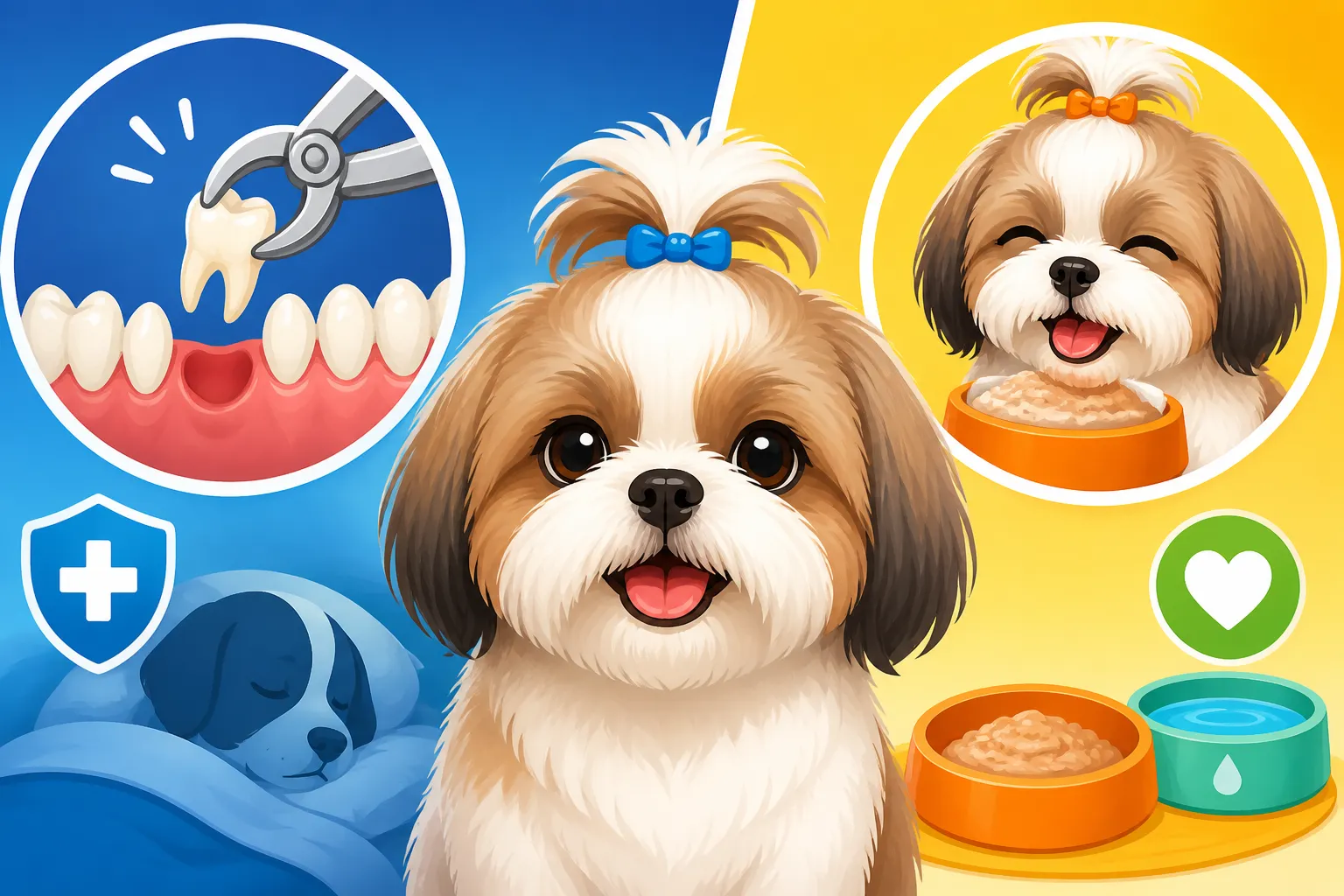
The first 24-48 hours after tooth extractions are critical for healing. Your Shih Tzu's mouth will be sore, and the incision sites will be fresh. During this time, the absolute rule is no hard food. Kibble, crunchy treats, and chew toys are strictly off-limits to prevent irritation, damage to the sutures, and further pain. Instead, you'll need to provide a diet that is soft, easily digestible, and requires minimal chewing.
Think pureed textures. Warmed wet dog food, specifically designed for small breeds, is usually the go-to. You can even add a bit of warm water or low-sodium chicken broth to make it extra soupy and easier to lap up. Other safe options include boiled chicken (shredded finely or blended), scrambled eggs, or mashed sweet potato (plain, without butter or seasonings). Some owners find success with specialized recovery formulas from their vet. Remember, the goal is to make eating as effortless as possible. A shallow bowl can also help reduce the effort your Shih Tzu needs to get to their food, preventing them from pushing their sensitive face into deep dishes. Always offer small, frequent meals rather than one large one, as their appetite might be suppressed initially.
Gradually Reintroducing Normal Food and Monitoring Progress
After the initial 48 hours, you can gradually start to introduce slightly thicker, but still soft, foods over the next week to two weeks. This might mean moving from pureed food to a paté-style wet food, or if your Shih Tzu normally eats kibble, you can begin soaking their regular Kibble Small Enough for a Shih Tzu Underbite in warm water or broth until it forms a soft, mushy consistency. Gradually reduce the amount of liquid over several days as their mouth heals and they regain comfort.
During this transition, it’s vital to closely monitor your Shih Tzu's appetite, their demeanor, and the healing of their gums. Look for any signs of discomfort while eating, such as pawing at their mouth or reluctance to approach their food. Check their gum line daily (gently!) for any excessive redness, swelling, or discharge, which could indicate infection. Most Shih Tzus recover quickly, but every dog is different. Some might be happy to transition back to their regular soft-soaked kibble sooner, while others, especially those with many extractions or a very sensitive mouth, may need a soft food diet for longer, perhaps even permanently. If you’re ever wondering Whether Wet Food Suits a Shih Tzu for the long-term, this post-extraction period is a good time to evaluate its benefits for their comfort. Patience is your best friend here.
| Recovery Phase | Food Texture | Examples | Duration | Important Notes |
|---|---|---|---|---|
| Days 1-2 | Pureed/Liquid | Warmed wet food (blended), pureed boiled chicken/sweet potato, low-sodium broth | 2 days | Absolutely no hard foods. Small, frequent meals. Monitor for pain/bleeding. |
| Days 3-7 | Soft/Mushy | Paté-style wet food, soaked kibble (mushy), scrambled eggs | 5 days | Gradually thicker textures. Monitor chewing comfort and incision sites. |
| Weeks 2-4 | Soft-soaked kibble / softer wet food | Slightly less soaked kibble, soft chunks of wet food | 2 weeks | Observe carefully. If discomfort, revert to softer. Avoid hard treats. |
| Post-1 Month | Normal diet (if comfortable) | Regular kibble (if tolerated), continued wet food, soft dental chews | Ongoing | Many dogs do well, but some may need permanent soft diet. Regular vet checks are key. |
Potential Complications and When to Call the Vet
While most Shih Tzus bounce back remarkably well from tooth extractions, it’s important to be aware of potential complications. Keep a close eye on your dog for any signs that something might be amiss. Persistent bleeding from the mouth, more than just a little tinge in their saliva, is cause for concern. Significant swelling around the jaw or face beyond the initial day or two also warrants a call to the vet. If your Shih Tzu completely refuses to eat or drink for more than 24 hours, or becomes lethargic and withdrawn, don't hesitate to reach out to your veterinary clinic.
Signs of infection, such as pus, a foul odor emanating from the mouth (worse than typical post-op breath), or a fever, mean you need immediate veterinary attention. They might require a different antibiotic or further examination of the surgical sites. Sometimes, despite the vet's best efforts, a stitch might come loose, or food can get trapped in an unhealed socket, causing pain and delaying recovery. Don't try to resolve these issues yourself; always consult your vet. Unexpected vet visits can add up quickly, especially with complex dental work. This is where pet insurance, like a comprehensive plan from Healthy Paws, can be an absolute lifesaver, helping to cover those unanticipated emergency costs and give you peace of mind during your Shih Tzu's recovery.
Long-Term Dental Health After Extractions
Once your Shih Tzu has recovered from their extractions, the battle against dental disease isn't over. It's an ongoing commitment to their health and comfort.
Ongoing Oral Hygiene Practices at Home
Even with fewer teeth, daily oral hygiene remains incredibly important for preventing future problems with the remaining teeth. The bacteria that cause periodontal disease don't disappear just because some teeth are gone. Brushing your Shih Tzu's teeth daily, or at least every other day, is the gold standard. Use a soft-bristled, pet-specific toothbrush and a veterinary enzymatic toothpaste (never human toothpaste). Focus on the outside surfaces of the teeth, where plaque tends to accumulate most. If brushing is a struggle, talk to your vet about other options like dental wipes, oral rinses, or water additives that contain ingredients to inhibit plaque growth.
Regular professional dental cleanings under anesthesia, as recommended by your vet, are also vital. These check-ups allow your vet to monitor the health of the remaining teeth, take new X-rays if needed, and clean away any new tartar accumulation before it progresses to another round of painful extractions. Think of it as preventative maintenance for their overall well-being.
Adjusting Diet and Lifestyle for a Toothless or Nearly Toothless Shih Tzu
For Shih Tzus who have had numerous extractions and are left with very few teeth, a permanent dietary adjustment might be necessary. This often means embracing a soft food diet for the rest of their lives. Many owners find that their Shih Tzus thrive on wet food, or regular kibble that has been consistently soaked to a soft consistency. It might feel like a big change, but for a dog who has lived with chronic dental pain, the relief and comfort of eating soft food without discomfort are immeasurable. This often mirrors the dietary needs of dogs discussed in articles like Feeding an Old Shih Tzu With Missing Teeth.
For senior Shih Tzus, in particular, extensive dental extractions can be a significant event. As they age, their bodies heal more slowly, and maintaining good nutrition becomes even more crucial. Understanding Senior Shih Tzu Care Past the Age of Ten, including diet adjustments, becomes paramount. A comfortable mouth allows them to enjoy mealtime, which is a huge part of their quality of life. Even after extractions, preventative care continues. Discuss with your vet whether dental-specific treats or chews that are safe for a compromised mouth might be beneficial. Remember, the goal is not just to manage disease, but to ensure your Shih Tzu lives a happy, pain-free life. A good pet insurance policy, like those offered by Healthy Paws, can sometimes assist with the costs of these ongoing professional dental cleanings and preventatives, helping you stay ahead of further dental issues.
Disclaimer
This article is for general informational purposes only and does not constitute professional advice. Laws, prices and regulations vary by location and change over time. Consult a qualified professional for guidance on your specific situation.