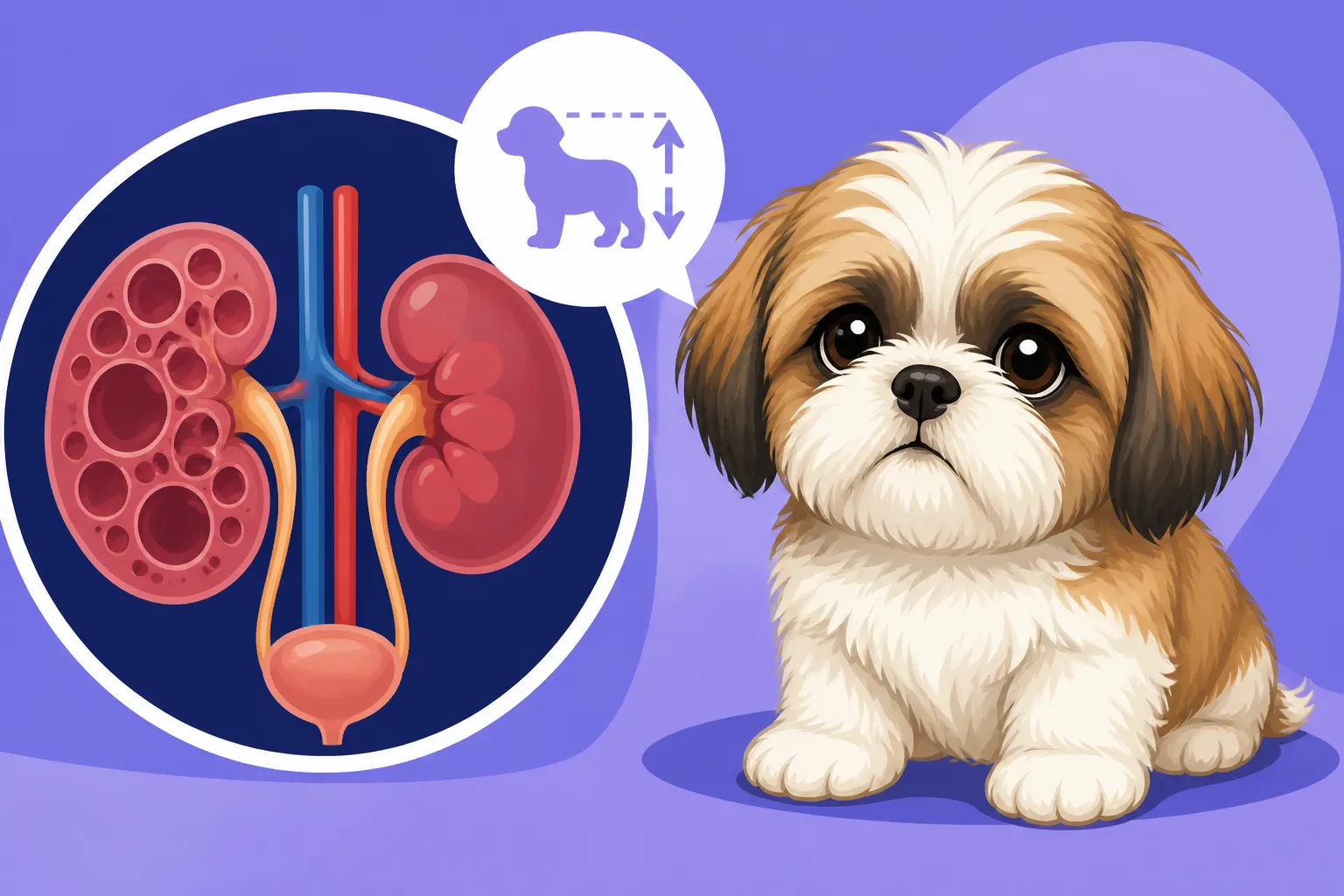
Renal Dysplasia in a Shih Tzu Puppy That Will Not Grow
It's incredibly disheartening when you bring home a fluffy, adorable Shih Tzu puppy, full of dreams for a long, happy life together, only to notice that they just aren't growing or thriving like their littermates. That feeling of dread, wondering why your little one is constantly thirsty, lethargic, or simply not gaining weight, is a struggle many new puppy parents face. This guide is here to walk you through understanding renal dysplasia, a serious kidney condition that can sadly prevent a Shih Tzu puppy from reaching its full potential, and what steps you can take if you suspect your furry family member is affected.
The Heartbreaking Reality of a Puppy That Just Won't Grow
Bringing home a new puppy is supposed to be a joyous occasion, filled with tiny paws, playful nips, and rapid growth spurts. When those milestones don't happen as expected, it's natural to feel confused, worried, and even guilty. A Shih Tzu puppy that seems smaller than average, fails to gain weight, or appears perpetually tired, isn't just "runty" – it's a sign that something deeper might be going on, and it often points to an underlying health issue that demands immediate attention. This lack of robust growth, often accompanied by other subtle symptoms, can be one of the first indicators of a condition like renal dysplasia, a hereditary kidney disease that is unfortunately more common in certain breeds, including our beloved Shih Tzus.
Understanding Renal Dysplasia: A Developmental Flaw
Renal dysplasia is a developmental disorder where the kidneys don't form properly during fetal development. Instead of maturing into fully functional organs, parts of the kidney tissue remain immature, leading to a reduced capacity to filter waste products from the blood and regulate the body's fluid balance. Imagine a finely tuned engine that was built with some parts not quite finished; it might run, but never at full capacity, and eventually, it will break down. That's essentially what happens with a puppy born with renal dysplasia. Because the kidneys are compromised from the start, they can't effectively perform their vital jobs, leading to a buildup of toxins and a constant struggle for the body to maintain normal function. For a Shih Tzu puppy, whose tiny body is already working hard to grow and develop, this can be a devastating setback.
Why Shih Tzus Are Predisposed to This Kidney Condition
While renal dysplasia can affect any breed, it is particularly prevalent in certain ones, and sadly, the Shih Tzu is one of them. This isn't just bad luck; it's often linked to genetics. The condition is considered to be inherited, meaning it's passed down from parent dogs to their offspring. This is why responsible breeding practices are so incredibly important. If a breeder isn't aware of the genetic history of their breeding dogs or doesn't conduct proper health screenings, they can inadvertently pass on the genes responsible for this debilitating kidney disease. The specific mode of inheritance isn't always straightforward, sometimes being recessive, but the familial link is clear. Understanding Whether Renal Dysplasia Is Inherited in Shih Tzus is crucial for both current owners and those considering getting a puppy. This genetic predisposition means that even if a puppy initially seems fine, the underlying kidney damage can progress, causing problems as they grow.
Spotting the Subtle Yet Serious Signs in Your Puppy
The challenge with renal dysplasia is that the signs can be subtle, especially in the early stages, and can easily be mistaken for normal puppy behaviors or minor ailments. However, recognizing these red flags early can make a significant difference in management and quality of life for your Shih Tzu. If your puppy isn't hitting those expected growth milestones, or if you notice a combination of these symptoms, it's time to act.
Growth Stunting and Failure to Thrive
The most prominent and often heartbreaking sign of renal dysplasia in a puppy is a noticeable failure to grow. While every puppy has its own pace, a Shih Tzu with renal dysplasia will often remain significantly smaller than its littermates or breed standards, even with adequate nutrition. They might be consistently underweight, scrawny, or simply lack the robust, round belly usually seen in a healthy, well-fed pup. You might find yourself comparing your tiny fluffball to pictures of other Shih Tzu puppies their age and feeling a pang of worry because yours just looks… different. This isn't just about aesthetics; a failure to thrive means their body isn't getting the necessary resources to develop properly, a direct consequence of their kidneys not functioning as they should. This is often the first, most tangible symptom that alerts owners that something is seriously amiss, making it harder for your Renal Dysplasia in a Shih Tzu Puppy That Will Not Grow to catch up.
Excessive Thirst and Frequent Urination
Another key indicator, often intertwined with growth issues, is an unusual increase in thirst and urination. Puppies generally drink a fair bit and pee often, but with renal dysplasia, it goes beyond the norm. You might notice your Shih Tzu puppy constantly at the water bowl, drinking large amounts of water, and subsequently needing to go to the potty much more frequently than their peers or what your house-training schedule dictates. This symptom, often referred to as polydipsia (excessive thirst) and polyuria (excessive urination), is a classic sign of kidney dysfunction. The damaged kidneys struggle to concentrate urine, leading to the body losing too much fluid, which the puppy then tries to compensate for by drinking more. This cycle can be a clear sign, and understanding Excessive Thirst as the First Kidney Sign is crucial for early detection.
Other Telltale Signs: Lethargy, Poor Appetite, and Vomiting
Beyond growth issues and altered thirst, a puppy with renal dysplasia might exhibit a range of other symptoms that indicate they just aren't feeling well. Look out for:
- Lethargy and Weakness: A healthy Shih Tzu puppy is a bundle of energy, always ready to play. A puppy with renal dysplasia might be unusually quiet, sleep a lot, and show little interest in playing or interacting. They might seem generally weak or tire quickly.
- Poor Appetite: While some days puppies can be picky, a consistent refusal to eat or a very diminished appetite is a serious concern. The buildup of toxins in their blood (uremia) can cause nausea, making them lose interest in food.
- Vomiting: Similar to a poor appetite, uremia can lead to gastrointestinal upset, resulting in vomiting. This can be intermittent or become more frequent as the disease progresses.
- Poor Coat Quality: A healthy Shih Tzu should have a soft, shiny coat. With kidney disease, their coat might appear dull, dry, or even patchy, reflecting their overall poor health.
- Pale Gums: Anemia can be a complication of chronic kidney disease. Check your puppy's gums; if they appear pale instead of a healthy pink, it could be a sign of anemia.
It’s easy to dismiss one or two of these symptoms on their own, especially in a young puppy. However, when you see a combination of them, particularly with a puppy that isn't growing, it strongly suggests a visit to the veterinarian is in order. Early detection is key, as the signs of Renal Dysplasia Signs in a Shih Tzu Puppy are often subtle but progressive.
Navigating Diagnosis and Treatment Options
If you suspect your Shih Tzu puppy might have renal dysplasia, getting a veterinary diagnosis is the critical next step. This process can be daunting, both emotionally and financially, but understanding what to expect can help you prepare. Thankfully, pet insurance providers like Healthy Paws can be a lifesaver during these stressful times, helping to alleviate the financial burden of diagnostic tests and ongoing care.
The Diagnostic Process: What Your Vet Will Look For
Diagnosing renal dysplasia involves a combination of tests that help your veterinarian assess kidney function and look for structural abnormalities. There isn't one single test that definitively diagnoses renal dysplasia, especially since a biopsy (which is definitive) can be invasive and risky for a tiny puppy. Instead, vets use a comprehensive approach:
- Blood Work: A full chemistry panel will check kidney values like BUN (blood urea nitrogen) and creatinine. Elevated levels indicate that the kidneys aren't filtering waste effectively. Electrolyte imbalances can also point to kidney issues.
- Urinalysis: This test examines the concentration of your puppy's urine (specific gravity). With damaged kidneys, the urine will be dilute, even if the puppy is dehydrated. Protein in the urine is another red flag, as healthy kidneys should retain protein.
- Imaging: X-rays might show abnormally small kidneys, while an ultrasound can provide a detailed view of the kidney structure, revealing irregular size, shape, or texture, and confirming the immaturity of renal tissue. This imaging is crucial to understand How Vets Diagnose Shih Tzu Renal Dysplasia.
- Kidney Biopsy: As mentioned, this is the most definitive diagnostic tool but also the most invasive. A small tissue sample is taken from the kidney and examined under a microscope. This can confirm the presence of immature nephrons (the functional units of the kidney) and other characteristic changes. Your vet will weigh the risks and benefits carefully before recommending this.
Given the potential costs involved in these tests, especially if you need to visit a specialist, having pet insurance like Healthy Paws can provide immense peace of mind. They can help cover a significant portion of the eligible veterinary bills, allowing you to focus on your puppy's health rather than the financial strain. For more on testing, see Testing a Shih Tzu for Kidney Disease.
Prognosis and Management: A Realistic Outlook
The prognosis for renal dysplasia can vary widely depending on the severity of the condition. Puppies with very severe kidney malformation may show signs early and unfortunately have a very guarded prognosis, sometimes only surviving a few months. However, those with milder forms might live for several years with careful management, though they will likely require lifelong care for their compromised kidneys. It's a journey, not a sprint, and your vet will be your best guide.
Management largely focuses on supportive care and slowing the progression of the disease:
- Specialized Diet: A kidney-friendly diet is crucial. These diets are typically lower in protein, phosphorus, and sodium, which helps reduce the workload on the kidneys and minimizes the buildup of waste products. Your vet can recommend specific prescription diets, such as those from Royal Canin or Purina Veterinary Diets. Choosing the right Kidney Diets for a Shih Tzu is a major step in their long-term care.
- Fluid Therapy: Ensuring your puppy stays well-hydrated is vital. In some cases, subcutaneous fluids (fluids given under the skin) might be administered at home to help flush toxins and prevent dehydration.
- Medications: Depending on symptoms, your vet might prescribe medications to manage specific complications, such as anti-nausea drugs, phosphorus binders, or medications to manage blood pressure or anemia.
- Regular Monitoring: Lifelong regular vet check-ups, including blood and urine tests, will be necessary to monitor kidney function and adjust treatment plans as needed.
While there is no cure for renal dysplasia, proactive and consistent management can significantly improve your Shih Tzu puppy's quality of life and potentially extend their lifespan. It's a commitment, but one that many devoted Shih Tzu owners are willing to make for their beloved companions. Remember, reputable pet insurance providers like Healthy Paws are designed to support owners through chronic conditions, offering financial assistance for ongoing treatments, prescriptions, and veterinary visits.
Living with Renal Dysplasia: Supportive Care at Home
Bringing a Shih Tzu puppy with renal dysplasia into your home means preparing for a specialized level of care, but it doesn't mean a life devoid of joy and companionship. With dedication and the right approach, you can provide a comfortable and loving environment for your special needs puppy.
Adapting Your Home Environment
Making a few adjustments around the house can greatly benefit a puppy with kidney disease. Since they are prone to frequent urination, ensure easy access to outdoor potty areas or designated indoor potty pads. Consistency is key, especially when house training a Shih Tzu. Always have fresh water available, ideally in multiple locations, to encourage hydration. Consider raised bowls to make drinking more comfortable for them. Given their potential lethargy, create cozy, easily accessible resting spots where they can feel secure and relax without having to exert much energy. Ramps or pet stairs can help them reach favorite spots like the sofa or bed without straining their small bodies.
A table outlining some common observations and what they might mean:
| Observation in Puppy | Normal Puppy Behavior | Potential Renal Dysplasia Sign | Action to Take |
|---|---|---|---|
| Growth/Weight | Consistent gain, proportional size for age | Stunted growth, underweight, "scrawny" | Vet visit for evaluation |
| Thirst | Drinks moderately, especially after play | Constant, excessive drinking (polydipsia) | Vet visit, mention excessive thirst |
| Urination | Frequent but in small-to-moderate amounts | Very frequent, large volumes, accidents | Vet visit, collect urine sample if possible |
| Energy Level | Playful, energetic bursts, sleeps soundly | Lethargic, tires quickly, unusually quiet | Monitor closely, mention to vet |
| Appetite | Eager eater, clears bowl quickly | Picky, refuses food, consistently poor appetite | Vet visit, discuss diet |
| Coat Quality | Soft, shiny, healthy | Dull, dry, patchy, poor condition | Mention to vet, could be many issues |
| Gum Color | Healthy pink | Pale or very light pink | Immediate vet visit (potential anemia) |
Monitoring and Long-Term Care
Living with renal dysplasia requires diligent observation and regular communication with your veterinary team. Keep a detailed log of your puppy's food and water intake, urination frequency, and any changes in energy levels or appetite. This information will be invaluable to your vet. Regular check-ups are essential, not just for monitoring kidney values but also to address any new symptoms or complications that may arise.
It’s important to remember that puppies with renal dysplasia can still live fulfilling lives, albeit potentially shorter ones, filled with love and comfort. They might not be the most boisterous or agile of Shih Tzus, but their gentle spirits and unwavering affection will undoubtedly enrich your life. Embrace every moment, provide the best care you can, and always consult your vet for personalized advice. While the journey might be challenging, the bond you form with your resilient Shih Tzu will be truly special.
Disclaimer
This article is intended for informational purposes only and does not constitute veterinary advice. If you have concerns about your Shih Tzu puppy's health, please consult with a qualified veterinarian immediately. They can provide an accurate diagnosis and recommend the best course of treatment for your specific situation.