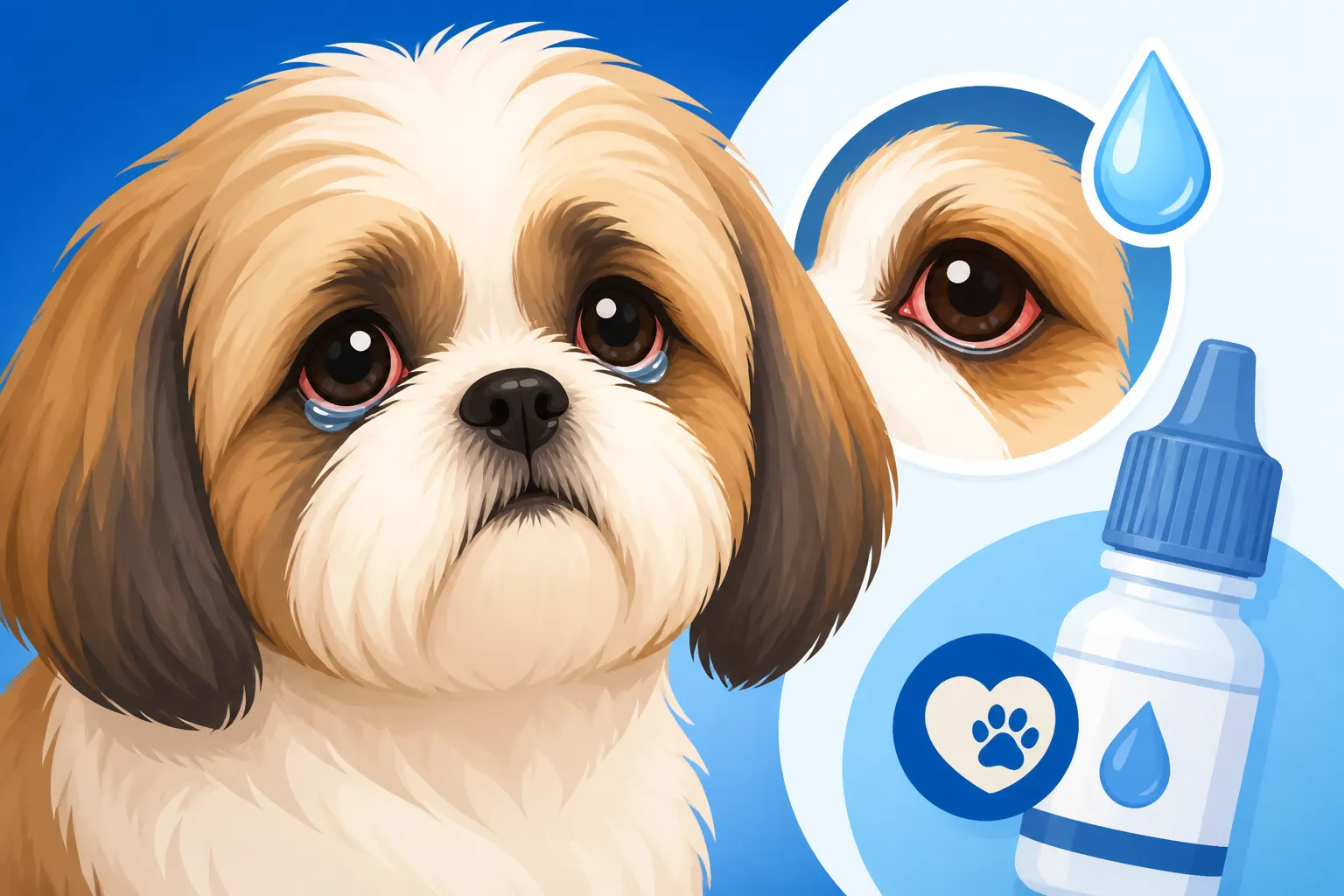
Dry Eye in a Shih Tzu and Lifelong Drops
One of the most heartbreaking frustrations for Shih Tzu owners is seeing their beloved companion's eyes constantly red, squinty, or covered in a sticky discharge. While many might initially brush it off as allergies or a stray eyelash, these symptoms often point to a chronic and progressive condition known as "dry eye," or keratoconjunctivitis sicca (KCS). This isn't just an irritation; it's a serious health concern that, if left untreated, can lead to painful corneal damage, infections, and even blindness. This comprehensive guide will delve deep into why Shih Tzus are particularly susceptible to dry eye and explain in detail why lifelong eye drops are not just a recommendation but a vital necessity for their health and comfort.
Understanding Dry Eye in Shih Tzus: The KCS Challenge
For such a little dog, Shih Tzus carry a big predisposition to certain health issues, and dry eye is definitely near the top of that list. It's a condition that can catch even experienced owners off guard, primarily because the early signs can seem so innocuous.
What is KCS Keratoconjunctivitis Sicca
At its core, Keratoconjunctivitis Sicca (KCS) is simply the medical term for "dry eye." It means that your dog's eyes aren't producing enough natural tears to keep them properly lubricated, nourished, and protected. Tears are far more than just saline water; they're a complex mix of water, oils, and mucus, each component playing a crucial role. The watery layer keeps the eye moist and washes away debris. The oily layer, produced by glands in the eyelids, helps prevent the tears from evaporating too quickly. And the mucous layer helps the tears adhere to the eye's surface. When any part of this delicate balance is off, or if the main lacrimal glands aren't producing enough watery tears, the eye becomes dry, irritated, and vulnerable.
Imagine trying to blink and seeing the world through eyes that feel gritty and sandpaper-dry all day, every day. That's essentially what a Shih Tzu with untreated KCS experiences. Their eyes become deprived of vital moisture, leading to inflammation, discomfort, and a host of secondary problems.
Why Shih Tzus Are Particularly Prone
It's not just bad luck that makes Shih Tzus more susceptible to dry eye; it's a combination of their unique genetic makeup and their adorable, yet anatomically challenging, facial structure. These little lions were bred for their distinctive look, but that very look comes with specific vulnerabilities. Their prominent, slightly bulging eyes, often set in shallow sockets, mean more of the eye's surface is exposed to the air. This increased exposure naturally leads to faster evaporation of the tear film, even if tear production is initially normal.
Furthermore, Shih Tzus are a brachycephalic breed, meaning they have a shortened skull and a flat face. This contributes to issues like Brachycephalic Ocular Syndrome in a Shih Tzu, which includes problems like abnormally wide eyelid openings that struggle to fully cover and protect the eye. Their facial folds, while cute, can also trap debris and moisture, leading to secondary infections that exacerbate existing dry eye conditions. Unfortunately, autoimmune diseases, where the body mistakenly attacks its own tear-producing glands, are also a common underlying cause in Shih Tzus. This genetic predisposition means that even with perfect care, some will simply develop KCS.
Common Signs You Might Be Missing
It's easy to miss the early signs of dry eye because they can be so subtle. You might notice your Shih Tzu blinking more often, or rubbing their face against the carpet or furniture. Perhaps their eyes just look a little duller, or you see a faint redness, especially around the whites of the eyes. Many owners first notice a sticky, mucoid discharge — often described as yellowish or greenish goop — building up in the corners of their eyes. This isn't pus from an infection (though infections can certainly follow); it's the eye's desperate attempt to create some lubrication when proper tears are lacking, often leading to a thicker, less effective mucus.
You might also observe cloudy spots on the cornea, which can be an early sign of Pigmentary Keratitis in a Shih Tzu, a serious complication where dark pigment begins to cover the clear surface of the eye, eventually leading to vision impairment. Squinting, sensitivity to light, or simply a general lack of sparkle in their eyes are all indicators that something isn't quite right. These seemingly minor symptoms can quickly escalate if the underlying dry eye isn't addressed.
Diagnosing Dry Eye and the Schirmer Tear Test
If you suspect dry eye, or if your vet notices any of the common symptoms during a routine check-up, diagnosing KCS is a relatively straightforward process involving specific tests. It's crucial to get a definitive diagnosis to start the right treatment as soon as possible.
The Vet Visit: What to Expect When You Suspect Dry Eye
When you bring your Shih Tzu to the vet with concerns about their eyes, a thorough examination will be performed. Your veterinarian will carefully inspect their eyelids, eyelashes (checking for issues like Shih Tzu Eyelashes Growing Into the Eye or Shih Tzu Entropion and Eyelid Surgery), and the surface of the eye. They'll be looking for signs of redness, swelling, discharge, or any corneal changes like cloudiness or pigment. They'll also assess how well your dog is blinking and if their eyelids are closing completely.
It’s a good idea to mention any previous eye issues, even if they seemed minor at the time, as these can contribute to the overall picture. For example, a past incident of Shih Tzu Eye Proptosis, the Emergency Owners Miss could have damaged the tear glands. Providing a clear history of when you first noticed symptoms, how they’ve progressed, and any home remedies you might have tried (and ideally stopped) will give your vet a vital head start.
The Schirmer Tear Test: The Gold Standard
The single most important diagnostic tool for dry eye is the Schirmer Tear Test (STT). It's a quick, painless procedure that measures tear production. The vet will gently place a small, sterile strip of filter paper, marked with a millimeter scale, into the lower eyelid of each eye. This strip has a small notch that rests on the edge of the eyelid. Your dog will need to hold still for about 60 seconds (a little patience and a treat go a long way here!).
As the tears are produced, they will wet the paper strip. After a minute, the vet removes the strips and measures how many millimeters of the strip have been moistened.
Here's a general guide to interpreting the results:
| Schirmer Tear Test Reading (mm/minute) | Interpretation | Risk Level for Dry Eye |
|---|---|---|
| 15 mm or more | Normal tear production | Low |
| 10-14 mm | Borderline/Mild Dry Eye | Moderate |
| 5-9 mm | Moderate Dry Eye (KCS likely) | High |
| Less than 5 mm | Severe Dry Eye (KCS definite) | Very High |
A reading of less than 15mm/minute typically indicates KCS. If the readings are very low, especially below 5 mm, it confirms severe dry eye and usually warrants immediate and aggressive treatment. This test is crucial because it provides an objective measurement, removing any guesswork about whether tear production is adequate.
Other Diagnostic Tools
While the Schirmer Tear Test is paramount, your vet might use other tests to get a complete picture of your Shih Tzu's eye health. A fluorescein stain test, for example, involves applying an orange dye to the eye. If there's any corneal damage, like an ulcer, the dye will stick to the damaged area and glow green under a special blue light. This is vital because a dry eye is much more susceptible to developing painful Shih Tzu Corneal Ulcers and Dry Eye.
Your vet might also examine the tear ducts to ensure they aren't blocked, though this is less common as a primary cause of KCS in Shih Tzus. They'll also use an ophthalmoscope to look for other conditions, such as early signs of Cataracts Behind a Shih Tzu's Bulging Eye which can sometimes accompany chronic inflammation. These additional tests help rule out other conditions and assess the full extent of any damage caused by the dry eye.
The Lifelong Commitment to Eye Drops
Discovering your Shih Tzu has dry eye can feel overwhelming, especially when you learn it's a chronic condition. But with a lifelong commitment to treatment, your dog can live a comfortable life with healthy eyes.
Why Lifelong Treatment is Crucial
Unlike a simple eye infection that clears up with a course of antibiotics, KCS in Shih Tzus is almost always a chronic, progressive condition. This means it requires ongoing management, often for the remainder of your dog's life. The goal of treatment isn't to "cure" dry eye, but rather to stimulate natural tear production, reduce inflammation, lubricate the eyes, and prevent further damage. Without consistent, lifelong treatment, the tear glands will continue to deteriorate, leading to increased discomfort, more frequent infections, and irreversible damage to the cornea. This damage can manifest as pigmentary keratitis, corneal scarring, and eventually, significant vision loss or blindness.
It's a huge commitment, both in terms of time and finances, but it's one that directly impacts your Shih Tzu's quality of life. Skipping even a few doses can set back progress, allowing inflammation to return and the eye to dry out again, making it harder to get the condition back under control. Think of it like managing a chronic human condition such as diabetes; consistent, daily intervention is key.
Types of Eye Drops and How They Work
Managing dry eye typically involves a multi-pronged approach, and your vet will prescribe a combination of drops tailored to your Shih Tzu's specific needs. The mainstays of KCS treatment are usually tear stimulants.
The most common tear stimulants are:
- Cyclosporine (Optimmune, Restasis for humans): This topical medication works by suppressing the immune system's attack on the tear glands, allowing them to resume tear production. It also has anti-inflammatory properties that help reduce the redness and discomfort.
- Tacrolimus: Similar to cyclosporine but often more potent, tacrolimus is another immune-modulating drug that stimulates tear production and reduces inflammation. It's often used when cyclosporine alone isn't sufficient.
These tear stimulants don't work overnight. It can take several weeks or even a couple of months to see significant improvement in tear production and eye comfort. Consistency is vital. Your vet will likely want to re-check your dog's tear production with another Schirmer Tear Test after a few weeks to assess the effectiveness of the treatment.
In addition to tear stimulants, your Shih Tzu might also need:
- Artificial Tears/Lubricants: These drops or gels don't stimulate natural tear production but provide immediate relief by supplementing the eye's moisture. They are often used alongside tear stimulants, especially during the initial treatment phase or in severe cases, to keep the eye comfortable. Many over-the-counter options are available, but always check with your vet before adding new products.
- Anti-inflammatory Drops: Sometimes, if there's significant inflammation or a flare-up, your vet might prescribe a short course of topical corticosteroids to quickly bring down the swelling and redness. These are usually used cautiously due to potential side effects like delaying ulcer healing if one is present.
- Antibiotic Drops: If a secondary bacterial infection develops due to the dry, compromised eye surface, antibiotic drops will be prescribed to clear it up.
You will become intimately familiar with Prescription Eye Drops for a Shih Tzu Each Month if your dog is diagnosed with KCS.
Developing a Routine That Works
Administering eye drops multiple times a day, every single day, can feel daunting, especially with a wiggly Shih Tzu! But with a consistent routine, it becomes second nature. Most tear-stimulating drops are prescribed twice daily. Here are some tips to make it easier:
- Choose a Consistent Time and Place: Pick times that naturally fit into your day (e.g., first thing in the morning and last thing at night). Go to a quiet, familiar spot where your dog feels secure.
- Positive Reinforcement is Key: Always follow eye drops with praise, a small, high-value treat, or a favorite toy. Make it a positive experience, not a battle.
- Positioning: Gently hold your Shih Tzu in a comfortable position, perhaps on your lap or on a secure table. Use one hand to gently tilt their head back and hold the upper eyelid open. With the other hand, hold the dropper about an inch above the eye and release the drop directly onto the surface of the eye, not the cornea itself if possible.
- Don't Rush: Take a deep breath. If your dog resists, take a short break and try again. Forcing it will only make them more averse next time.
- Cleanliness: Always wash your hands before and after administering drops. Avoid touching the dropper tip to your dog's eye to prevent contamination.
- Patience and Persistence: It might take a few tries to get it right, but with consistent effort, both you and your Shih Tzu will get the hang of it.
Remember, this isn't just about applying drops; it's about building a trusting routine that prioritizes your Shih Tzu's long-term eye health and comfort.
Managing the Journey: Beyond Just Drops
Treating dry eye is a marathon, not a sprint. While eye drops are the cornerstone of therapy, a holistic approach to care, awareness of potential complications, and smart financial planning will make the journey smoother for both you and your Shih Tzu.
Preventative Measures and Ongoing Care
Even with a genetic predisposition, there are things you can do to support your Shih Tzu's eye health and prevent complications:
- Regular Grooming: Keeping the hair around your Shih Tzu's eyes trimmed short is absolutely essential. Long hair can wick away tears, rub against the cornea, and introduce debris, aggravating dry eye. Learn the art of Trimming Face Hair Away From Shih Tzu Eyes or ensure your groomer does it diligently.
- Environmental Considerations: Protect your Shih Tzu's eyes from irritants like dust, strong winds, smoke, and harsh cleaning chemicals. If you live in a dry climate, a humidifier in your home might offer some relief.
- Face Wiping: Regularly and gently wipe your Shih Tzu's face and around their eyes with a soft, damp cloth or veterinary-approved eye wipes to remove any discharge and keep the area clean. This helps prevent bacterial buildup and skin irritation in their facial folds.
- Regular Vet Check-ups: Even when tear production seems stable, regular veterinary check-ups (often every 6-12 months) are vital. Your vet can monitor for changes in tear production, check for complications like ulcers or pigment, and adjust medication as needed. It's also a good idea to keep The Eye and Kidney Records to Keep on a Shih Tzu well-organized for these visits.
Potential Complications and What to Watch For
Despite diligent treatment, complications can sometimes arise, and knowing what to look for can help you intervene quickly.
- Corneal Ulcers: A dry eye is a fragile eye. Without adequate lubrication, the cornea can become abraded or damaged, leading to painful ulcers. Signs include increased squinting, pawing at the eye, excessive tearing (paradoxically, as a reflex to pain), or a cloudy spot that develops rapidly. If you suspect an ulcer, see your vet immediately, as these can worsen quickly and lead to vision loss.
- Pigmentary Keratitis: As mentioned earlier, this is the deposit of dark pigment onto the cornea. It often starts from chronic irritation, including dry eye, and can slowly spread, obscuring vision. While some pigment is normal in certain Shih Tzus due to their genetics, excessive or rapidly spreading pigment warrants attention. Consistent treatment of the underlying dry eye can help slow its progression.
- Secondary Infections: A dry eye lacks the protective enzymes and flushing action of normal tears, making it a prime breeding ground for bacteria. You might notice an increase in thick, colored discharge (yellow, green), swelling, or increased redness. These infections often require specific antibiotic drops.
Any sudden change in your Shih Tzu's eye appearance or behavior related to their eyes should prompt a call to your veterinarian. Early intervention is key to preserving their vision and comfort.
Financial Considerations and Support
The reality of managing KCS is that it can be costly. Prescription Eye Drops for a Shih Tzu Each Month add up over a lifetime. Between the cost of the medications, regular vet check-ups, and potential specialist visits if complications arise, the expenses can be substantial. This is where Budgeting for a Shih Tzu With Chronic Eye Disease becomes critical.
Many owners find that pet insurance can be a lifesaver for chronic conditions like KCS. Companies like Healthy Paws offer comprehensive coverage that can help offset the costs of ongoing medications, diagnostics, and specialist care. However, it's crucial to understand that pet insurance typically considers pre-existing conditions ineligible for coverage. This means if your Shih Tzu is diagnosed with dry eye before you enroll them, their KCS treatment might not be covered. This highlights the importance of considering Enrolling a Shih Tzu Before Its First Eye Problem to ensure you have coverage if and when conditions like dry eye develop. Always read the fine print regarding Eye Conditions as Pre-Existing on a Shih Tzu Policy to know exactly what is and isn't covered. Planning ahead can save you significant financial stress and allow you to focus purely on your beloved Shih Tzu's health.
Disclaimer
This article is intended for informational purposes only and does not constitute medical advice. Always consult with a qualified veterinarian for any health concerns or before making any decisions about your pet's medical care.