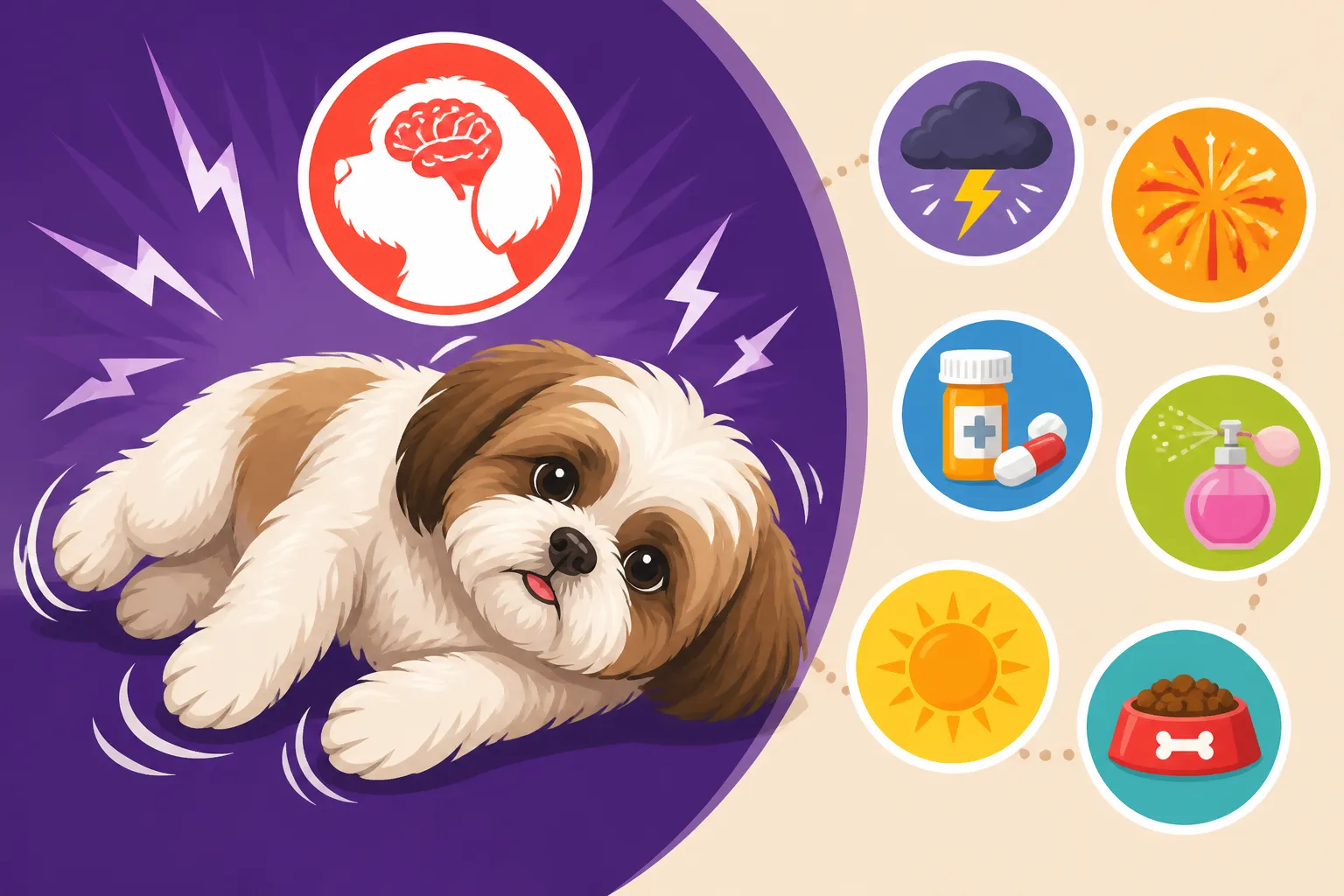
Seizures in a Shih Tzu and What Triggers Them
Few things are as utterly terrifying for a Shih Tzu owner as witnessing their beloved little companion suddenly seize. That moment of helplessness, watching your dog lose control, is something no one ever wants to experience. It’s natural to feel fear, confusion, and a desperate need to understand why this is happening and what you can do. This comprehensive guide is here to shed light on what triggers seizures in Shih Tzus, how to recognize them, and the steps you can take to manage this challenging condition.
Understanding Seizures in Shih Tzus
When your precious Shih Tzu suddenly collapses, starts convulsing, or acts completely out of character, it’s a seizure. It’s a moment that can make your heart stop, and understanding what’s happening on a neurological level can help demystify the frightening experience. Seizures aren't a disease in themselves; they're a symptom, a sign that there's an abnormal burst of electrical activity in the brain. Think of it like a short circuit in your home's electrical system – sudden, uncontrolled, and disruptive.
What Exactly Is a Seizure?
A seizure is essentially a temporary disturbance of brain function, resulting in a sudden, involuntary change in behavior, movement, or consciousness. For a Shih Tzu, who is typically a placid and cuddly companion, this can manifest dramatically. You might see rapid paddling of their legs, a stiffening of their body, uncontrolled drooling, or even involuntary urination or defecation. Their eyes might dart around wildly or stare blankly. It's often accompanied by a loss of awareness, meaning your dog isn't responding to you during the event.
The duration can vary wildly, from just a few seconds to several minutes. While it feels like an eternity when you're watching it unfold, most seizures in dogs last less than two minutes. The key is to observe and remain calm, as your panic won't help your dog. It’s also crucial to remember that your Shih Tzu isn’t in pain during the seizure itself, even though it looks distressing. Their brain isn't processing pain sensations in that moment.
Why Shih Tzus Are Prone
Shih Tzus, like many purebred dogs, can have certain predispositions that make them more susceptible to seizures. One of the most significant concerns for our little lion dogs is a condition called hydrocephalus. This is often congenital, meaning a puppy is born with it. Hydrocephalus involves an abnormal accumulation of cerebrospinal fluid within the brain's ventricles, leading to increased pressure on the brain tissue. Because Shih Tzus have a rounded skull shape, there's sometimes less room for error, making them more vulnerable to the effects of fluid buildup.
Another condition that can lead to seizures, particularly in younger Shih Tzus, is a portosystemic shunt, sometimes called a liver shunt. This is a congenital abnormality where blood bypasses the liver, meaning toxins that the liver would normally filter out remain in the bloodstream and travel to the brain, causing neurological symptoms including seizures. If you have a Shih Tzu puppy that isn't thriving or shows unusual neurological signs, discussing a possible shunt with your vet is vital. You can learn more about Portosystemic Shunt Signs in a Shih Tzu Puppy to understand this condition better. Genetic factors also play a role; while a specific "seizure gene" hasn't been definitively isolated for Shih Tzus, a family history of seizures in the breed can increase risk.
The Different Kinds of Seizures
Seizures aren't a one-size-fits-all event. They can manifest in several ways, and understanding the differences can help you describe what you've witnessed to your veterinarian, which is crucial for an accurate diagnosis.
-
Generalized Seizures (Grand Mal): These are the most commonly recognized and often the most frightening type. They involve both sides of the brain and usually cause a full-body convulsion. Your Shih Tzu might fall on their side, stiffen, and then start paddling their limbs uncontrollably. They'll lose consciousness and may drool excessively, vocalize, or lose bladder/bowel control. These are the classic "seizure" events people imagine.
-
Focal Seizures (Partial Seizures): These originate in only one part of the brain and can be much subtler, making them harder to identify. A focal seizure might affect just one side of your Shih Tzu's body, or only a specific part of it. You might see twitching in a single limb, facial muscle spasms, excessive licking or chewing, or even strange behaviors like "fly-biting" (snapping at invisible flies). Your Shih Tzu might remain fully conscious or have impaired awareness, appearing confused or spaced out. They can sometimes progress into generalized seizures.
-
Cluster Seizures: This term refers to multiple seizures occurring within a 24-hour period. For instance, your Shih Tzu might have a seizure, recover somewhat, and then have another one shortly after. This is a more serious situation because repeated seizures can be harder on the brain and can increase the risk of status epilepticus, where seizures last for more than five minutes or occur back-to-back without recovery, which is a life-threatening emergency.
No matter the type, witnessing any seizure is distressing. The important thing is to gather as much information as possible for your vet, noting the time, duration, and specific actions you observed.
Common Triggers for Shih Tzu Seizure Episodes
Identifying the exact trigger for a seizure in your Shih Tzu can feel like finding a needle in a haystack. Sometimes, there's no clear trigger at all, which is the most frustrating part for many owners. However, being aware of common culprits can help you take proactive steps to minimize risks and manage your dog's environment more effectively.
Environmental Factors
Our little Shih Tzus are often quite sensitive to their surroundings, and sometimes seemingly innocuous environmental changes can be enough to tip the scales.
-
Stress and Anxiety: Just like humans, dogs can experience stress, and for some Shih Tzus, high-stress situations can lower their seizure threshold. This might be anything from a new pet in the home, moving to a new house, being left alone for extended periods – especially if they struggle with separation anxiety – or even just changes in your daily routine. Think about times when you might need to leave your Shih Tzu for a bit; understanding Whether a Shih Tzu Should Be Left All Day can help manage potential anxiety. Loud noises, such as thunderstorms, fireworks, or even construction work nearby, can also be incredibly stressful and overwhelming for a sensitive Shih Tzu, potentially triggering an episode. Creating a calm, predictable environment can be a huge help.
-
Excitement or Over-stimulation: Sometimes, the opposite of stress, like extreme excitement, can also be a trigger. A big family gathering, a new toy that sends them into a frenzy, or even an overly enthusiastic greeting after you've been away can cause a surge of neurological activity that precipitates a seizure. It’s not about preventing joy, but rather managing intense spikes in emotion.
-
Changes in Light or Sound: Less common, but some dogs can be photosensitive, meaning flashing lights (like from a TV, a strobe light, or even flickering sunlight through trees) can trigger seizures. Similarly, certain high-pitched sounds or specific frequencies might act as an auditory trigger. This is rarer but worth considering if patterns emerge.
Dietary and Toxin-Related Triggers
What goes into your Shih Tzu's body can have a profound impact on their overall health, including their neurological function. It's not just about keeping them fed; it's about keeping them safe from harmful substances.
-
Certain Foods and Ingredients: While not universally true for all dogs, some Shih Tzus may be sensitive to specific ingredients in their food or treats. Certain artificial colors, preservatives, or even common food allergens could potentially lower the seizure threshold in susceptible individuals. For instance, a sudden switch in dog food without a gradual transition, or being given a new type of treat, could sometimes be correlated with an episode. Always be mindful of what your Shih Tzu consumes.
-
Hypoglycemia (Low Blood Sugar): This is a particularly critical trigger, especially for small breeds like Shih Tzus, and puppies, who have less body mass to store glucose. If your Shih Tzu goes too long without eating, or if they have an underlying medical condition affecting blood sugar regulation (like some forms of diabetes or insulinoma), their blood sugar levels can drop dangerously low. This deprives the brain of its primary fuel source and can easily induce a seizure. Ensuring your Shih Tzu eats regular, balanced meals is essential.
-
Household Poisons and Toxins: This is a huge, often preventable, category. Many common household items are highly toxic to dogs and can cause seizures as a primary symptom. This includes things like chocolate, xylitol (a common artificial sweetener found in gum, peanut butter, and baked goods), certain pesticides, rat poison, antifreeze, and even some human medications that are accidentally ingested. Keep all potential toxins securely stored and out of reach. For a comprehensive list, consult your vet or an animal poison control center immediately if you suspect ingestion.
Medical Conditions as Underlying Causes
Sometimes, seizures are a symptom of a deeper, underlying health issue that needs to be addressed. This is why a thorough veterinary investigation is always critical after a seizure.
-
Liver Disease: As mentioned earlier, portosystemic shunts are a prime example, but acquired liver disease can also lead to toxins building up in the bloodstream, affecting brain function and causing seizures. The liver plays a vital role in detoxification, and when it's not functioning correctly, the brain is often one of the first organs to show symptoms. Testing for Renal Dysplasia and the Shih Tzu Kidney is important, but liver issues are just as critical for neurological health.
-
Brain Tumors: While heartbreaking to consider, brain tumors, especially in older Shih Tzus, can be a cause of seizures. The growing mass can put pressure on brain tissue or interfere with normal electrical activity. The type of seizure (focal vs. generalized) can sometimes give clues to the location of a tumor. This is often a consideration if seizures start later in life or become progressively worse.
-
Infections and Inflammation: Infections that reach the brain, such as certain viral, bacterial, or fungal infections (e.g., canine distemper, some forms of meningitis), can cause inflammation and lead to seizures. Similarly, inflammatory conditions of the brain, sometimes autoimmune in nature, can also be a cause.
-
Head Trauma: A past injury to the head, even one that seemed minor at the time, can sometimes lead to the development of seizures later on, a condition known as post-traumatic epilepsy.
-
Idiopathic Epilepsy: This is a frustrating diagnosis because it means "epilepsy of unknown cause." When all other potential causes (like liver disease, tumors, or toxins) have been ruled out, a Shih Tzu may be diagnosed with idiopathic epilepsy. This is often considered a genetic disorder, and seizures typically start between six months and five years of age. These dogs will often need lifelong medication to control their seizures.
The list of potential medical causes is extensive, which underscores the importance of a detailed diagnostic workup by your veterinarian.
Recognizing the Signs and What to Do During a Seizure
The moments surrounding a seizure can be incredibly confusing and stressful. Knowing what to look for before, during, and after an episode can help you respond appropriately and provide valuable information to your veterinarian. Remember, your calm presence is the best thing for your Shih Tzu.
Before the Seizure: Prodromal and Aura Phases
Not all dogs show these signs, but many do exhibit subtle changes in behavior that can serve as a warning sign that a seizure is imminent. This pre-seizure period is often divided into two phases:
-
Prodromal Phase: This can occur hours or even days before a seizure. Your Shih Tzu might become unusually restless, clingy, or anxious. They might hide, seem disoriented, or seek extra attention. Some dogs might appear more lethargic than usual. You might notice subtle shifts in their normal routine or temperament. For instance, if your typically independent Shih Tzu suddenly becomes your shadow, or an outgoing dog seems withdrawn, it could be a subtle clue.
-
Aura Phase: This immediately precedes the seizure, lasting from seconds to minutes. Your Shih Tzu might start pacing frantically, trembling, salivating excessively, or vocalizing strangely (whining, barking, or crying). They might have a glazed look in their eyes or seem intensely focused on something unseen. This is the brain starting to "short circuit," and the dog might still be somewhat conscious of these sensations, which can be disorienting and frightening for them. If you notice these signs, it's a good time to get your dog to a safe, comfortable spot away from hazards.
During the Seizure: Ictus Phase
This is the actual seizure event, and it can be profoundly upsetting to watch. The most crucial thing during this phase is to ensure your Shih Tzu's safety and to gather information for your vet.
-
What It Looks Like: As described earlier, a generalized seizure usually involves collapse, stiffening, and then uncontrolled paddling movements. There might be chomping of the jaws, excessive drooling (often foamy), vocalization, and loss of bladder/bowel control. Focal seizures will be less dramatic, perhaps just twitching or strange behaviors. The critical point is that your dog is unconscious or has impaired awareness and cannot respond to you.
-
Safety Measures:
- Stay Calm: This is easier said than done, but your panic will only elevate the stress in the room. Take a deep breath.
- Time the Seizure: Use your phone or a watch to accurately time the seizure from start to finish. This is vital information for your vet.
- Prevent Injury: Move any objects your Shih Tzu could hit or fall from, such as furniture, stairs, or sharp edges. Do not try to move your dog unless they are in immediate danger (e.g., near a pool or busy road).
- Do Not Put Anything in Their Mouth: There's a common misconception that dogs can swallow their tongue during a seizure. This is not true. Trying to force their mouth open or put your hand in can result in a severe bite, as their jaws will be clamping down uncontrollably.
- Cool Them Down (if prolonged): If the seizure lasts more than a couple of minutes, a dog’s body temperature can rise. You can gently place cool, damp cloths on their paws or neck, but don't try to wrap them in anything.
- Speak Softly: Your voice can be a comfort, even if they aren't fully responsive. Avoid yelling or making sudden loud noises.
It's common for a seizure to be over faster than you expect, often within 1-2 minutes. If it lasts longer than 5 minutes, or if your Shih Tzu has multiple seizures in a short period without fully recovering in between (cluster seizures), this is a medical emergency. You need to get to an emergency vet immediately. These situations can lead to dangerous overheating, brain damage, and even death if not promptly treated. This is when knowing about Shih Tzu Emergency Vet Costs Owners Should Expect becomes critical, as rapid, specialized care can be expensive.
After the Seizure: Post-Ictus Phase
This is the recovery period, and it can be just as disorienting for your Shih Tzu as the seizure itself.
- Recovery and Disorientation: After the convulsions stop, your Shih Tzu won't immediately return to normal. This post-ictal phase can last from a few minutes to several hours, and sometimes even a day. They might seem confused, disoriented, wobbly, or even temporarily blind. Some dogs will pace endlessly, bump into objects, or try to hide. They might also be extremely tired, thirsty, or hungry.
- Follow-up Care: Continue to speak calmly and reassuringly. Offer small amounts of water or a bland snack if they seem interested, but don't force it. Allow them to rest in a quiet, dark place. Observe their behavior closely as they recover. Note down everything you observed during the seizure and the recovery period, including duration, specific movements, and how long the disorientation lasted. This information is invaluable for your vet.
- Contact Your Vet: Always contact your veterinarian after your Shih Tzu has a seizure, even if it was short and they seem to recover well. This is especially true if it's their first seizure, or if there's any change in frequency, duration, or severity of existing seizures.
Diagnosing the Cause and Treatment Options
Once your Shih Tzu has experienced a seizure, the next step is to work closely with your veterinarian to uncover the underlying cause and develop a management plan. This can be a multi-step process, but it's essential for your dog's long-term health and well-being.
The Veterinary Diagnostic Process
Your vet will start by gathering a detailed history from you. Be prepared to share everything you observed – the exact movements, the duration, how your dog behaved before and after, any potential exposure to toxins, recent diet changes, and their overall health history. This is where your diligent record-keeping during the seizure will pay off!
- Physical and Neurological Exam: Your vet will perform a thorough physical exam to check for any obvious abnormalities, and a neurological exam to assess reflexes, coordination, and mental status.
- Blood Work: Comprehensive blood tests are usually the first line of defense. These can rule out metabolic causes like low blood sugar (hypoglycemia), liver disease (e.g., elevated liver enzymes or bile acids test for shunts), kidney disease (such as in Testing a Shih Tzu for Kidney Disease), electrolyte imbalances, and certain infections.
- Urinalysis: A urine test can provide additional clues about kidney function and overall health.
- Imaging: If initial blood tests are inconclusive, or if the vet suspects a structural problem, imaging may be recommended. This could include:
- X-rays: To check for abnormalities in the skull or other body systems.
- MRI (Magnetic Resonance Imaging) or CT (Computed Tomography) Scan: These advanced imaging techniques are crucial for visualizing the brain and identifying issues like brain tumors, hydrocephalus, inflammation, or structural abnormalities that might be causing seizures. These often require referral to a specialist veterinary neurologist.
- Cerebrospinal Fluid (CSF) Analysis: In some cases, a sample of the fluid surrounding the brain and spinal cord may be collected and analyzed for signs of infection or inflammation.
- Specialist Referral: For complex cases, your vet may recommend a consultation with a board-certified veterinary neurologist. These specialists have advanced training and equipment to diagnose and treat neurological conditions.
Medication Management
If an underlying cause for the seizures is identified and treatable (e.g., a liver shunt or an infection), addressing that primary condition will be the focus. However, if the cause is untreatable (like a brain tumor) or if your Shih Tzu is diagnosed with idiopathic epilepsy, medication will likely be necessary to control the seizures.
- Anticonvulsants: The most common medications used to manage seizures in dogs are anticonvulsants (also called anti-epileptic drugs, or AEDs). These work by stabilizing the electrical activity in the brain. Common medications include phenobarbital, potassium bromide, levetiracetam (Keppra), zonisamide, and gabapentin.
- Dosage and Monitoring: Your vet will determine the appropriate starting dose, which may need to be adjusted over time based on your dog's response and blood levels of the drug. Regular blood tests are crucial to monitor therapeutic drug levels and to check for potential side effects on organs like the liver (especially with phenobarbital).
- Side Effects: All medications can have side effects. Common ones for anticonvulsants can include sedation, increased thirst and urination, increased appetite, and liver enzyme elevation. Your vet will discuss these with you, and it’s important to report any concerning side effects.
- Lifelong Commitment: For most dogs with epilepsy, medication is a lifelong commitment. It's vital to administer the medication consistently as prescribed, never missing a dose, even if your dog hasn't had a seizure recently. Suddenly stopping or altering medication can lead to severe cluster seizures or status epilepticus.
Lifestyle and Dietary Adjustments
While medication is often essential, lifestyle and dietary modifications can play a supportive role in managing seizures.
- Trigger Avoidance: Once you've identified potential triggers (if any), actively work to minimize them. This could mean avoiding loud noises, reducing stressful situations, or adjusting walk times if heat is a factor.
- Dietary Considerations: For some dogs, a specific diet might be helpful. This could involve a novel protein diet if food allergies are suspected, or a diet specifically formulated for brain health (e.g., rich in medium-chain triglycerides, or MCTs, which some studies suggest can help with seizure control). Always discuss any significant dietary changes with your vet, especially if your dog is on medication, as it could affect drug absorption or efficacy.
- Supplements: Certain supplements like omega-3 fatty acids, antioxidants, or CBD oil (with veterinary guidance) are sometimes explored as adjunctive therapies. Always clear any supplements with your vet to ensure they don't interact negatively with prescribed medications or underlying conditions.
Emergency Protocol
Despite your best efforts, your Shih Tzu might still experience a severe seizure or cluster seizures. It’s crucial to know when to seek immediate emergency veterinary care.
Go to the emergency vet if:
- A seizure lasts longer than 5 minutes.
- Your Shih Tzu has multiple seizures in a 24-hour period (cluster seizures) without fully recovering in between.
- They experience three or more seizures in one day.
- They have sustained an injury during a seizure.
- Their recovery is unusually prolonged or concerning.
Don't hesitate in these situations. Time is critical for preventing further brain damage and ensuring your dog's survival.
Living with a Shih Tzu Prone to Seizures
Caring for a Shih Tzu with a seizure disorder is a journey, not a destination. It requires patience, diligence, and a commitment to their ongoing care. But with the right approach, you can help your furry friend live a full and happy life.
Creating a Safe Home Environment
Your home should be a sanctuary, especially for a seizure-prone dog. Simple modifications can make a big difference in preventing injury during an episode.
- Padding and Soft Surfaces: Consider soft rugs or carpets over hard, slippery floors, especially in areas where your Shih Tzu spends a lot of time or might have a seizure. Furniture with sharp corners can be padded, or moved away from common resting spots.
- Stair Safety: If your Shih Tzu has access to stairs, consider baby gates to prevent them from falling down during or after a seizure. For dogs with back problems, stairs are generally discouraged anyway; you can learn more about Why Stairs Are Hard on a Shih Tzu Spine.
- Supervision: While you can't be with your dog every second, try to supervise them more closely, especially during periods when they might be more prone to seizures (e.g., around known triggers or if they've been exhibiting prodromal signs). If you need to leave them alone, ensure they are in a safe, contained space.
- Water Safety: If you have a pool or any open water sources, ensure they are securely fenced off. A seizing dog in water is a dire emergency.
- Minimizing Triggers: As discussed, reduce exposure to known environmental triggers like loud noises or excessive excitement. Consider white noise machines or calming music if your Shih Tzu is sensitive to sounds.
Maintaining a Seizure Diary
This is one of the most powerful tools you have as an owner. A detailed seizure diary provides your vet with invaluable data that can help fine-tune medication, identify patterns, and assess treatment efficacy.
What to include in your seizure diary:
| Date | Time | Duration (min:sec) | Type of Seizure (General/Focal) | Observed Behavior Before (Aura/Prodromal) | Observed Behavior During (Movement, drooling, vocalization, urination/defecation) | Recovery (Post-Ictus, disorientation, hunger, thirst, sleepiness, duration) | Potential Triggers (Stress, heat, food, missed meds, full moon) |
|---|---|---|---|---|---|---|---|
| MM/DD/YYYY | HH:MM AM/PM | ||||||
| MM/DD/YYYY | HH:MM AM/PM | ||||||
| MM/DD/YYYY | HH:MM AM/PM |
Consistency in logging is key. Over time, you and your vet might spot crucial patterns that can inform your management strategy.
Supporting Your Dog's Quality of Life
Living with seizures shouldn't mean a diminished life for your Shih Tzu. Focus on maximizing their well-being and happiness.
- Routine and Predictability: Shih Tzus thrive on routine. Sticking to consistent feeding times, walk schedules, and medication administration can reduce stress and help regulate their body's systems.
- Mental Enrichment: Engage their minds with puzzle toys, gentle training sessions (remember, The Handful of Cues a Shih Tzu Really Needs is often enough!), and safe indoor play. Mental stimulation can be just as important as physical exercise for overall brain health.
- Managing Stress: If your Shih Tzu is prone to anxiety, consider calming supplements, pheromone diffusers (like Adaptil), or even a thundershirt. Consult your vet before introducing any new calming aids. Creating a quiet, secure "den" where they can retreat can also be very beneficial.
- Regular Veterinary Check-ups: Even with well-controlled seizures, regular vet visits are crucial to monitor their overall health, adjust medications if needed, and address any potential side effects.
Financial Considerations and Insurance
The reality of managing a chronic condition like seizures is that it often comes with significant financial implications. The diagnostic process, ongoing medication, specialist referrals, and potential emergency visits can add up quickly.
- Costs Involved: Diagnostic imaging like MRIs can cost thousands of dollars. Lifelong anticonvulsant medications, even generics, can be hundreds of dollars a year. Emergency vet visits for cluster seizures or status epilepticus can easily run into four figures. It's a significant commitment.
- Pet Insurance: This is where pet insurance can be a literal lifesaver. Enrolling your Shih Tzu in a comprehensive pet insurance plan before any signs of seizures appear is crucial. Most policies consider pre-existing conditions, so if your dog has already had a seizure, it might not be covered. However, if you have a puppy, or an adult Shih Tzu with no history of seizures, getting a policy can provide immense peace of mind. Companies like Healthy Paws are known for their comprehensive coverage, which can make a huge difference in your ability to afford the best possible care for your Shih Tzu, from diagnostics to ongoing medication. They can help cover a large percentage of those unexpected, high-cost vet bills that often accompany seizure management. To explore further, you might want to look into Shih Tzu Pet Insurance for a Flat-Faced Toy to understand your options.
- Budgeting: Even with insurance, you'll have deductibles and co-pays. It's wise to budget for these potential costs, or to set aside a dedicated "pet emergency fund." Knowing about Thirteen Years of Shih Tzu Costs Added Up can help you prepare for the long-term financial commitment.
Living with a Shih Tzu prone to seizures is a challenge, but it's one you can face with knowledge and preparation. Your dedication and vigilance are their best defense.
Disclaimer
The information provided in this guide is intended for general educational purposes only and should not be considered a substitute for professional veterinary advice. If your Shih Tzu experiences a seizure, please consult with your veterinarian immediately for proper diagnosis and treatment. Always follow your vet's recommendations regarding medication, diet, and care.