Why a Shih Tzu Cannot Cool Itself Well
It’s a common, heartbreaking sight for any Shih Tzu owner: your sweet little fluffball, panting relentlessly, barely moving on a warm day, even after a short stroll. You might wonder why your companion seems to struggle so much when other dogs are still romping. The truth is, due to their unique physiology, Shih Tzus are inherently poor at regulating their body temperature, putting them at a higher risk for overheating and heatstroke. This comprehensive guide will delve into the intricate reasons behind this vulnerability and equip you with the knowledge to keep your beloved Shih Tzu safe and comfortable, no matter the weather.
The Unique Anatomy of a Brachycephalic Breed
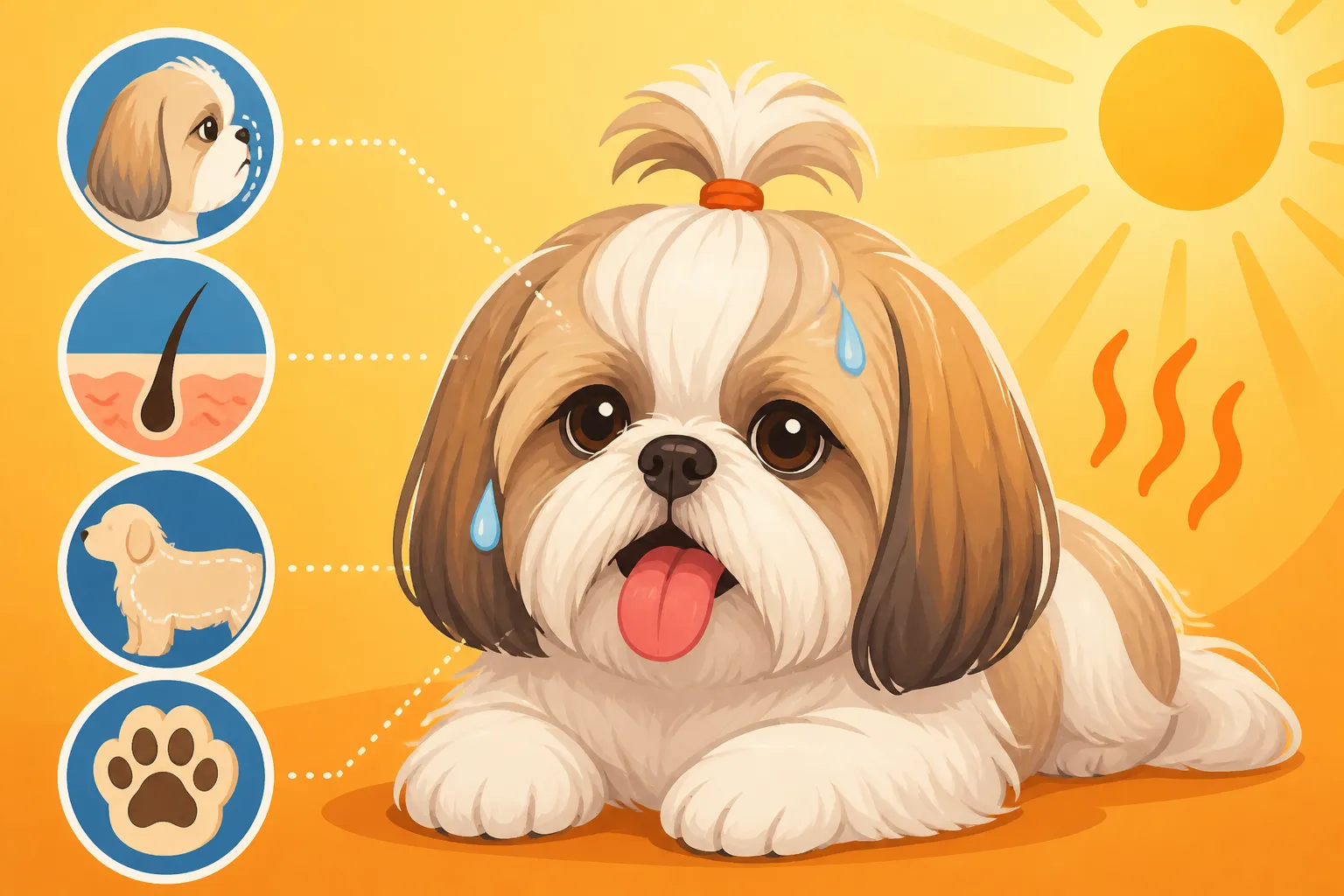
The most significant factor contributing to a Shih Tzu's inability to cool itself effectively lies in its distinctive anatomical structure, a trait it shares with other brachycephalic, or "flat-faced," breeds. This isn't just about a cute squished nose; it's about a fundamental difference in how their respiratory system is configured, making efficient heat exchange a real challenge.
The Flat Face and Restricted Airway
Imagine trying to breathe through a very narrow straw while running a marathon. That's a bit like what a Shih Tzu experiences, even during normal activity, especially when it’s warm. Their adorable, compact faces come with a suite of inherent challenges collectively known as Brachycephalic Airway Syndrome. This syndrome often includes several components that severely restrict airflow.
For starters, many Shih Tzus have what are called stenotic nares, which simply means their nostrils are significantly narrower than those of longer-nosed breeds. Think of trying to inhale deeply through almost closed nostrils – it's incredibly difficult and inefficient. This initial bottleneck makes it hard for them to take in enough air to begin with, let alone to pant effectively for cooling. Compounding this issue is an elongated soft palate, which is essentially the fleshy part at the back of their mouth, extending too far into their throat. This excess tissue can partially block the entrance to the trachea, or windpipe, especially when they're excited, exercising, or trying to breathe harder. It’s like having a curtain constantly fluttering in the way of your airway. You can really notice this with the characteristic snorting, snoring, and noisy breathing that many Shih Tzus exhibit, which is often a sign of an airway problem. If you’ve ever heard your Shih Tzu making extra noise just breathing, you might be hearing the sounds of their compromised airway. For a deeper understanding of these breathing challenges, you might want to read more about The Elongated Soft Palate in a Shih Tzu or Shih Tzu Stenotic Nares and Noisy Breathing.
All these factors mean that a Shih Tzu has to work much harder just to breathe. When they need to cool down, they typically do so by panting, which we’ll discuss in more detail shortly. But with such restricted airways, the effort required to move enough air across the moist surfaces of their mouth and throat is immense. This increased effort itself generates more body heat, creating a vicious cycle where the harder they try to cool down, the warmer they become. It’s a frustrating physiological paradox for these little dogs and explains why a simple walk around the block on a moderately warm day can leave them gasping for air.
Shallow Sockets and Eye Protection
While perhaps less directly related to the mechanism of cooling, the shallow eye sockets characteristic of Shih Tzus play an indirect, yet critical, role in how owners manage their dogs in warm conditions. These prominent, often beautiful, eyes are sadly quite vulnerable. Their shallow sockets mean their eyes bulge out a bit more than other breeds, making them susceptible to injury, dryness, and even a terrifying condition known as proptosis, where the eyeball pops out of its socket. To learn more about this emergency, check out Shih Tzu Eye Proptosis, the Emergency Owners Miss.
What does this have to do with cooling? When a Shih Tzu is hot and panting excessively, they often get frantic. They might rub their faces, or their breathing becomes so stressed that the increased pressure can put their eyes at further risk. Owners, understandably, become extra cautious, sometimes to the detriment of active cooling measures. For example, some owners might hesitate to gently apply cool water or a cool cloth to their Shih Tzu's face (avoiding direct eye contact, of course) because they're worried about accidental eye trauma. This fear, while valid, can inadvertently delay critical cooling actions. Moreover, extreme heat stress can sometimes exacerbate conditions like Shih Tzu Corneal Ulcers and Dry Eye, as the overall physiological strain can lead to reduced tear production or make existing dry eye worse. It’s another layer of concern for owners, highlighting the delicate balance required when caring for these unique little dogs.
How Dogs Regulate Body Temperature (and Where Shih Tzus Fall Short)
To truly grasp why Shih Tzus struggle with heat, it's essential to understand the primary ways dogs regulate their body temperature and then see how the Shih Tzu's specific traits hinder these processes. Unlike humans who sweat profusely to cool down, dogs have a very different, and for Shih Tzus, less efficient, system.
Panting as the Primary Cooling Mechanism
For most dogs, panting is the absolute cornerstone of their thermoregulation. When a dog pants, they rapidly exchange warm air from their lungs with cooler external air. More importantly, the rapid breathing increases airflow over the moist surfaces of their tongue, mouth, and upper respiratory tract. As water evaporates from these surfaces, it carries heat away from the body, similar to how sweat cools our skin. This process, known as evaporative cooling, is remarkably effective for many breeds.
However, for a Shih Tzu, this crucial mechanism is severely hampered. We’ve already touched upon their restricted airways – the stenotic nares and elongated soft palate. These anatomical quirks mean that for every breath, a Shih Tzu has to overcome more resistance to get air in and out. This makes their panting less efficient at moving the sheer volume of air needed for effective evaporative cooling. Imagine trying to air out a stuffy room with a tiny, partially blocked fan – it's just not going to work as well as a powerful, unobstructed one. The air doesn't flow freely or rapidly enough over the moist surfaces to evaporate enough water to significantly drop their core body temperature. In fact, the physical effort of this labored panting can actually generate more heat within their bodies, pushing them further into a dangerous overheating spiral. This is a primary reason why a Shih Tzu cannot cool itself well. Their natural, vital cooling system is simply not built for optimal performance. It's an important consideration, especially when planning their outdoor activities. You can find more practical advice on this in our article about Shih Tzu Exercise Intolerance in Summer.
Limited Sweating and Insulative Coat
Another key difference between human and canine thermoregulation is sweating. While humans rely heavily on eccrine sweat glands distributed all over their body, dogs primarily have merocrine sweat glands concentrated in their paw pads. While these glands do help a little, the amount of sweat produced is negligible for overall body cooling. It's certainly not enough to counteract the effects of a compromised respiratory system. So, when your Shih Tzu gets hot, you might notice damp paw pads, but this isn't making a significant dent in their core temperature.
Furthermore, the Shih Tzu’s luscious, flowing double coat, which is so iconic and beautiful, becomes a significant disadvantage in warm weather. This luxurious coat is designed to provide insulation. In their ancestral home, presumably colder climates, this would have been a tremendous asset, keeping them warm and cozy. However, in modern homes and warmer climates, it acts like a thick, downy blanket, trapping heat close to their body. The dense undercoat, in particular, prevents air circulation against the skin.
Even with regular grooming, a full, long coat can make it incredibly difficult for a Shih Tzu to dissipate heat. This is why many owners opt for a "puppy cut" or a shorter trim in warmer months, as it helps remove some of that insulative barrier. However, even a short coat doesn't change their fundamental airway limitations. The combination of inefficient panting and a heat-trapping coat means that Shih Tzus are effectively wearing a winter coat in summer, with a blocked nose and mouth – a recipe for rapid overheating. Understanding Why a Shih Tzu Overheats So Easily goes a long way in proactive care.
The Risks of Overheating for a Shih Tzu
Because Shih Tzus are so predisposed to overheating, it’s not just a matter of discomfort; it can quickly become a life-threatening emergency. Recognizing the signs of heat stress and knowing the potential long-term consequences are paramount for any Shih Tzu parent.
Signs of Heat Stress and Heatstroke
Heat stress can escalate rapidly into full-blown heatstroke, a medical emergency that can lead to irreversible organ damage or death. As a Shih Tzu parent, you need to be hyper-vigilant, especially when temperatures rise or during any physical exertion. The early signs can be subtle, but they quickly intensify.
One of the first things you'll notice is excessive, frantic panting that seems to never slow down, even after your dog has been resting in a cool spot. They might drool excessively, with thick, ropey saliva. Their gums might appear darker red than usual, indicating increased blood flow as their body tries desperately to cool itself. As heatstroke progresses, your Shih Tzu might become weak, unsteady on their feet, and stagger as if drunk. Their eyes might appear glazed, and they could become disoriented or unresponsive. Vomiting and diarrhea are also common, and in severe cases, they might collapse, have seizures, or fall into a coma. These are all critical indicators that their internal organs are starting to shut down.
It’s easy to misinterpret some of these signs, especially if you think your dog is just "tired" after a walk. But with a Shih Tzu, any signs of labored breathing or significant changes in behavior in warm weather should immediately raise a red flag. For instance, a quick 10-minute walk on a sunny 75-degree Fahrenheit day in a city park might be perfectly fine for a Labrador, but it could be lethal for a Shih Tzu. Their small size doesn't make them more resilient; it often means their systems are overwhelmed even faster. Always consult resources like Spotting Heat Trouble in a Shih Tzu for a quick reference.
Long-Term Health Implications
The immediate dangers of heatstroke are severe, but even if a Shih Tzu survives a heatstroke episode, there can be lasting repercussions. Heatstroke causes widespread cellular damage throughout the body due to the extreme elevation of core body temperature. This can lead to significant organ dysfunction.
The kidneys are particularly vulnerable. Severe dehydration and damage to kidney cells can result in acute kidney failure, which might require intensive veterinary care, including IV fluids and monitoring. In some cases, chronic kidney disease can develop months or even years later, impacting your Shih Tzu's lifespan and quality of life. The brain can also suffer irreparable damage, leading to neurological problems such as persistent seizures, balance issues, or even cognitive decline similar to dementia. The liver, heart, and gastrointestinal tract can also be affected, leading to ongoing issues like digestive sensitivities or heart complications.
One of the most insidious effects of heatstroke is disseminated intravascular coagulation (DIC), a severe condition where widespread clotting occurs within the blood vessels, followed by excessive bleeding. This is a critical and often fatal complication, even with aggressive treatment. The costs associated with treating heatstroke and its aftermath can be substantial, often involving emergency vet visits, hospitalization, and follow-up care. Having reliable pet insurance can provide immense peace of mind during such unforeseen emergencies. Companies like Healthy Paws offer comprehensive plans that can help manage these significant veterinary expenses, allowing you to focus on your Shih Tzu's recovery without added financial stress.
Practical Strategies for Keeping Your Shih Tzu Cool
Given their physiological predispositions, proactively keeping your Shih Tzu cool is not just recommended; it's essential. Integrating simple, yet effective, strategies into your daily routine can make a world of difference in safeguarding your beloved companion.
Environmental Management
Your Shih Tzu's immediate environment is the first line of defense against overheating. During warmer months, especially in regions like Phoenix, Arizona, or Orlando, Florida, air conditioning isn't a luxury; it's a necessity. Keep your home comfortably cool, even when you're not there, if your Shih Tzu is home alone. Always ensure they have access to the coolest parts of the house, which might be a tile floor in the kitchen or bathroom. These surfaces absorb and dissipate heat better than carpets or soft furnishings.
Shade is also paramount outdoors. Never leave your Shih Tzu in direct sunlight for extended periods, even on seemingly mild days. If they spend time in a fenced yard, ensure there's a shaded area they can retreat to at all times. Consider using cooling mats, which often contain gel that activates with pressure, providing a cool spot for them to lie on. Elevated dog beds, made with breathable mesh, can also help by allowing air to circulate underneath them, preventing heat from building up from the ground. It’s also wise to adjust walk times drastically. Avoid midday walks during summer. Instead, aim for very early mornings or late evenings when the sun is down and temperatures have dropped significantly. This also helps avoid contact with hot pavement, which can burn their delicate paw pads. For more tips on suitable cooling gear, explore our article on Cooling Gear That Suits a Shih Tzu.
Grooming and Hydration
Grooming plays a surprisingly vital role in a Shih Tzu’s ability to stay cool. While their long, flowing coat is undeniably beautiful, it acts as an insulating layer, trapping heat close to their body. For this reason, many Shih Tzu owners opt for a shorter "puppy cut" during the warmer months. This reduces the bulk of their fur, allowing air to circulate more freely against their skin and making it easier for them to release heat. Just be mindful not to shave them down to the skin, as this can expose their delicate skin to sunburn. Regularly brushing their coat, regardless of length, is also important to prevent matting, which can further trap heat and restrict airflow. Maintaining a well-groomed coat, even if kept long, helps to some degree. When considering your grooming options, our piece on Choosing Between a Full Coat and a Puppy Cut might offer some helpful insights.
Hydration is equally critical. Always provide constant access to fresh, cool water. Consider placing multiple water bowls around the house, especially if your home has multiple levels. Some Shih Tzus might enjoy ice cubes in their water, which can help keep the water cool and encourage drinking. You can also offer hydrating treats like small pieces of frozen fruit (melon, berries – always research what's safe first!) or special dog-friendly frozen treats. These can be a delightful way to provide extra hydration and a little internal cooling. During walks, carry a portable water bottle and a collapsible bowl, offering water frequently, even if the walk is short. Adequate hydration supports their overall bodily functions and aids in what little evaporative cooling they can achieve through panting.
Emergency Cooling Measures
Despite all precautions, sometimes a Shih Tzu can still overheat. Knowing exactly what to do in those critical first minutes can literally save their life. If you suspect your Shih Tzu is suffering from heat stress or heatstroke, immediate action is paramount.
First and foremost, move your dog immediately to a cooler environment. Get them into an air-conditioned space, or at least a shady, breezy spot. Next, begin cooling them down. The most effective way to do this is by applying cool (not ice-cold) water to their body, focusing on areas with less fur and good blood supply, such as their paw pads, ears, belly, and inner thighs. You can use a hose on a gentle setting, wet towels, or even just your hands. A fan directed at them can also greatly aid in evaporative cooling from the wet surfaces. Avoid using ice-cold water or submerging them in a cold bath, as this can cause their blood vessels to constrict, trapping heat inside their body and potentially sending them into shock.
While you are actively cooling them, call your veterinarian or the nearest emergency animal hospital right away. Even if your Shih Tzu seems to recover quickly, they need to be examined by a vet. Heatstroke can cause internal damage that isn't immediately visible. The vet can check for organ damage, administer IV fluids, and monitor for complications like DIC. Time is truly of the essence in these situations. The financial burden of an emergency vet visit can be significant, ranging from several hundred to thousands of dollars depending on the severity and required treatments. This is where having pet insurance from a provider like Healthy Paws can be an absolute lifesaver, covering a large portion of these unexpected costs and ensuring your Shih Tzu receives the best possible care without delay.
| Sign of Heat Stress | Immediate Action |
|---|---|
| Excessive Panting | Move to cool area, offer water. |
| Drooling Heavily | Apply cool water to body. |
| Dark Red Gums | Call emergency vet immediately. |
| Weakness/Staggering | Fan air over wet body. |
| Vomiting/Diarrhea | Continue cooling, prepare for transport. |
| Collapse/Seizures | URGENT VET VISIT. |
Exercise and Activity Considerations
Given their challenges with heat regulation, modifying your Shih Tzu's exercise and activity routine is non-negotiable, particularly when the weather warms up. It's about finding a balance between keeping them active and ensuring their safety.
Adjusting Exercise Routines
Shih Tzus are not built for endurance or intense athleticism, and their brachycephalic nature further limits their capacity for strenuous exercise, especially in heat. Instead of long, sustained walks, aim for shorter, more frequent outings. In warmer climates, this might mean a quick 5-10 minute potty break very early in the morning and another brief one late in the evening. During these times, always check the pavement temperature with the back of your hand; if it’s too hot for your hand, it’s too hot for their paws.
Beyond outdoor walks, focus on indoor enrichment. Puzzle toys that dispense treats can keep their minds engaged and provide mental stimulation without the physical exertion that leads to overheating. Indoor games like gentle fetch across the living room or practicing simple tricks can also provide adequate exercise. Remember, a Shih Tzu's ideal exercise level is typically low to moderate. They are companions at heart and often content with being near their people, rather than needing to run for miles. For a better understanding of their exercise needs, our article Twenty Minutes of Walking for a Shih Tzu provides a good benchmark. Always be mindful of their individual limits and never push them if they show signs of fatigue or discomfort.
Traveling Safely with a Shih Tzu
Traveling with a Shih Tzu, especially during warmer months, requires careful planning and a deep understanding of their heat sensitivities. The most critical rule, which cannot be stressed enough, is never, ever leave a Shih Tzu in a parked car, even for a few minutes with the windows cracked. The interior of a car can heat up incredibly quickly, reaching dangerous temperatures in a matter of minutes, even on a seemingly mild day. This is a fatal mistake for brachycephalic breeds, who simply cannot tolerate such conditions.
When traveling by car, ensure your vehicle’s air conditioning is fully functional and directed to keep your Shih Tzu comfortable. Use a secure, well-ventilated carrier or a dog seatbelt to keep them safe and prevent them from overheating due to stress or lack of direct airflow. Always have plenty of fresh water available.
Airline travel presents an even greater risk. Many airlines have strict restrictions, or even outright bans, on brachycephalic breeds flying in cargo, especially during warmer months, and for very good reason. The cargo hold environment can be poorly ventilated and experience extreme temperature fluctuations, posing a lethal risk to dogs like Shih Tzus. If you must travel by air, explore options for your Shih Tzu to travel with you in the cabin, if they meet the airline's size and weight requirements for under-seat carriers. Even then, ensure the carrier is well-ventilated and that you monitor them closely during the flight. Our guide on Whether a Shih Tzu Should Ever Fly in Cargo offers crucial information on this topic. Should a travel-related emergency arise, having pet insurance like Healthy Paws can be invaluable in covering the costs of unexpected veterinary care in an unfamiliar location.
Disclaimer
This article is intended for informational purposes only and does not constitute veterinary advice. Always consult with a qualified veterinarian for any health concerns or before making any decisions about your Shih Tzu's medical care.