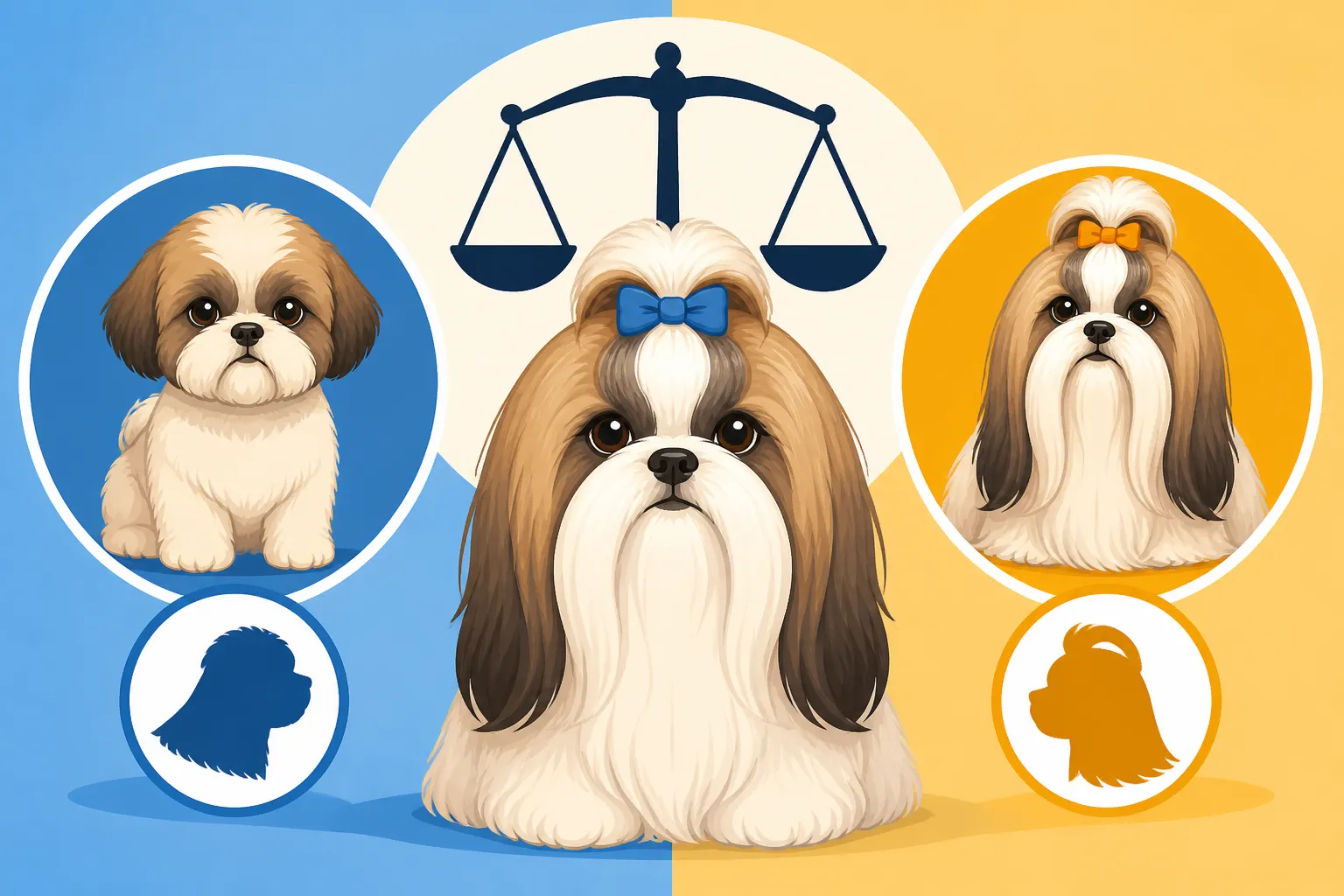
Whether the Standard Sets a Shih Tzu Coat Length
It's a common question that swirls around new Shih Tzu owners, and even some seasoned ones: is there a "correct" length for my Shih Tzu's coat? You see those stunning dogs in show photos, their hair trailing to the floor, and then you look at your own beloved companion sporting a jaunty puppy cut, wondering if you're somehow missing the mark. This guide is here to untangle that very confusion, diving deep into what the official breed standard truly says about the Shih Tzu's magnificent coat.
Understanding the Shih Tzu Breed Standard
Before we talk about coat length, it's vital to understand what a breed standard actually is and why it exists. It's not just a fancy set of rules for dog shows; it’s the blueprint for the breed, outlining the ideal physical traits, temperament, and overall appearance that breeders strive to achieve and maintain.
The Purpose of a Breed Standard
A breed standard serves as a guide for breeders to preserve the unique characteristics of a particular breed. Think of it as a set of specifications passed down through generations. It details everything from ear set and eye shape to gait and, yes, coat type. For the Shih Tzu, this standard reflects its long and storied history, a journey from the revered "lion dogs" of Tibetan temples to the cherished companions in our homes today. It's about maintaining consistency and ensuring that a Shih Tzu, whether bred for the show ring or simply for your sofa, still embodies the core traits of its ancestry. It helps ethical breeders make informed decisions to produce healthy, well-tempered dogs that look and act like true Shih Tzus. Understanding this history, and how these dogs came to be, really sheds light on why their appearance is so specific, as outlined in The Shih Tzu From Tibetan Temples to American Homes.
General Description of the Shih Tzu Coat
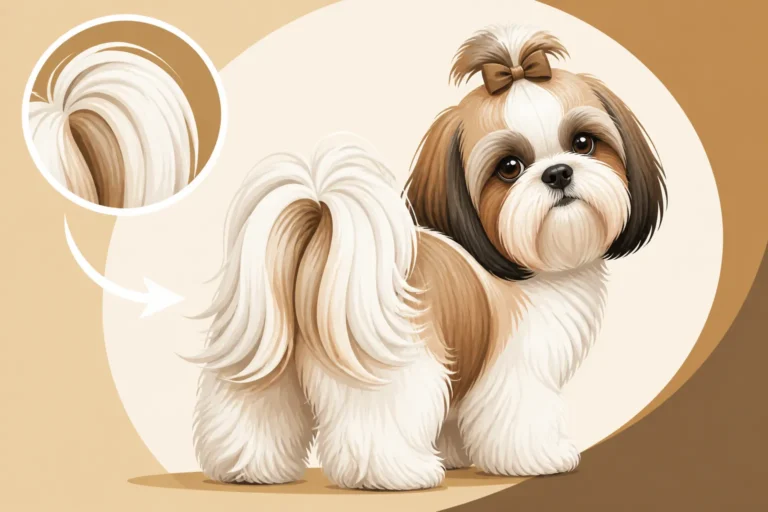
The Shih Tzu is renowned for its luxurious, flowing double coat. When you run your hands through a well-maintained Shih Tzu coat, you should feel two distinct layers: a soft, downy undercoat that provides insulation, and a long, straight, often silky topcoat. The standard describes this as a "long, dense, double coat." It notes that the coat should be "flowing" and "without excessive curl." The texture is crucial here – it shouldn't feel coarse or woolly. The overall impression should be one of elegance and abundance, a living tapestry of hair that moves with the dog. This is the dog's signature look, part of its ancient charm, and requires dedicated care, as any owner can tell you.
What the Standard Actually Says About Coat Length
This is where many owners get tripped up. The visual image of a show Shih Tzu with a floor-length coat is so iconic that it's easy to assume the standard requires it. But the reality is a bit more nuanced.
The Emphasis on Quality and Condition, Not Length
If you delve into the official breed standard for the Shih Tzu, you won't find specific measurements for coat length like "must be X inches long." What you will find is a strong emphasis on the quality, texture, and condition of the coat. The standard dictates that the coat should be "long, dense, double, with good undercoat, not excessively curly." It asks for a coat that is "flowing" and "straight."
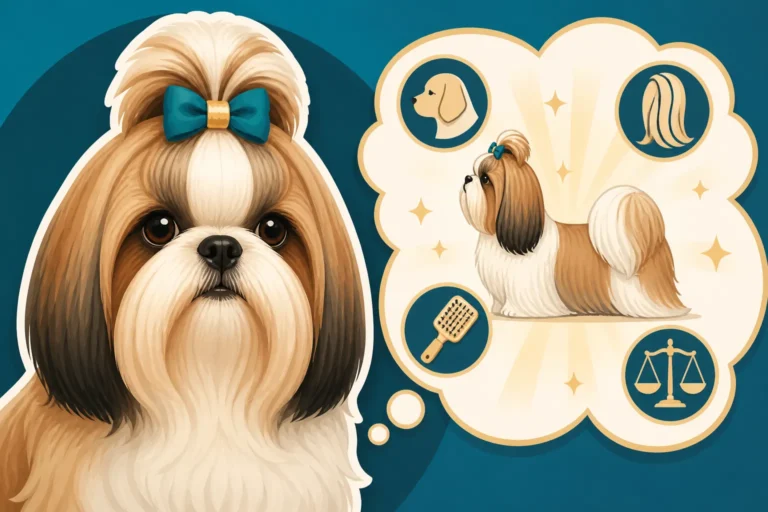
What this means in practice is that a judge evaluates the coat for its overall health, cleanliness, and texture. Is it soft and silky? Does it have the proper double layer? Is it free from mats and tangles? Is it presented in a way that highlights the dog's structure, rather than hiding it? The length, while contributing to the "flowing" description, is secondary to these qualitative aspects. A dog with a perfectly conditioned, albeit slightly shorter, coat might be preferred over a dog with an ultra-long but sparse or poorly textured coat. The aim is to present a dog whose coat showcases its natural beauty and adherence to the breed's historical look, as detailed further in The Shih Tzu Coat the Standard Describes. The expectation is that the coat is kept in a way that allows it to achieve its full potential in terms of length and density, but it’s the potential and the health that are judged, not a tape measure.
Practical Implications for Show Dogs
For a Shih Tzu competing in conformation events, judges expect to see the coat presented in its natural, untrimmed state, apart from hygienic trims around the feet, anus, and under the eyes to ensure clarity of vision. This often means cultivating an incredibly long coat that can take years to grow and even more effort to maintain. Owners and professional handlers spend countless hours bathing, conditioning, brushing, and wrapping the coat to protect it from damage and keep it pristine.
For these dogs, the coat truly does reach the floor, sometimes even sweeping it, creating that breathtaking, almost regal appearance. This is why you see show dogs with their topknots elaborate and their beards meticulously groomed and tied back. It's a testament to the dedication required to present a Shih Tzu in full glory, adhering to the "flowing" ideal. This level of coat care is a full-time commitment, demanding specific tools, products, and a deep understanding of the coat's needs.
Here’s a quick comparison to illustrate the difference:
| Feature | Show Ring Coat | Pet Coat (Puppy Cut) |
|---|---|---|
| Length | Floor-length, naturally grown. No body trimming. | Varies from 1-3 inches, kept short for practicality. |
| Maintenance | Daily brushing, wrapping, specific conditioners. | Regular brushing (every few days), less intensive. |
| Appearance | Flowing, majestic, elaborate topknot. | Cute, manageable, "teddy bear" or "puppy" look. |
| Primary Goal | Adherence to breed standard, competitive edge. | Hygiene, comfort, ease of care for owner and dog. |
| Time Investment | Extensive daily commitment. | Moderate, routine care. |
The Difference Between Show Ring and Pet Life
Let's be real: most Shih Tzus are cherished family members, not show ring contenders. And that's perfectly okay! The breed standard describes an ideal, but real life with a fluffy companion often necessitates practical adjustments.
Why Pet Owners Opt for Shorter Cuts
The gorgeous, flowing coat of a show Shih Tzu, while beautiful, is incredibly demanding to maintain. For the average pet owner, daily brushing that takes an hour or more simply isn't feasible. This is why the "puppy cut" or a similar short trim is so incredibly popular.
Imagine trying to keep a floor-length coat clean and mat-free when your Shih Tzu loves to roll in the grass, dash through puddles, or even just enjoy a good romp in the backyard. Mats form quickly, especially in the fine, double coat, and they can be painful if left untended. Areas like behind the ears, under the legs, and where a harness sits are particularly prone to matting. A shorter cut drastically reduces the time needed for grooming and makes it much easier to keep your pup comfortable and clean. It also helps with hygiene around the mouth and rear end, reducing the risk of food clinging to the beard or debris getting caught in the longer hair. Nobody wants to constantly be cleaning goop out of a beard after a meal, right? Shorter cuts also help manage issues like Shih Tzu Tear Staining and What Causes Them by keeping the hair around the eyes less likely to wick moisture and collect debris. For these practical reasons, many choose to get a Choosing Between a Full Coat and a Puppy Cut, making daily life much simpler for both dog and owner. You can find some fantastic brushes and combs on Chewy that make even shorter coat maintenance a breeze!
Maintaining a Shih Tzu Coat, Regardless of Length
Even if you choose a short, practical cut for your Shih Tzu, regular grooming is still essential. A Shih Tzu's hair grows continuously, much like human hair, so those cute puppy cuts will grow out quickly and start to mat if neglected.
This means booking regular appointments with a professional groomer, typically every four to six weeks, as discussed in Grooming a Shih Tzu Every Four to Six Weeks. During these visits, your groomer will wash, dry, trim, and style your dog's coat, paying close attention to sanitary areas, ear cleaning, and nail trims. Between professional grooms, you'll still need to do some work at home. This includes regular brushing – even a short coat benefits from a quick brush every few days to prevent small tangles and remove loose hair. Many owners keep the face trimmed and wipe the eyes daily to prevent tear stains, using gentle products designed for this purpose. Getting your Shih Tzu used to this routine from a young age is crucial, as even short hair can cause irritation around the eyes if not managed, which is why The Shih Tzu Topknot and Keeping Hair Out of the Eyes is important, even if you don't go for a full topknot. Products like tear stain removers and gentle brushes are readily available from online retailers like Chewy, making home maintenance more accessible.
Common Misconceptions and Ethical Breeding
The world of dog breeding can sometimes be confusing, with various terms and trends that can mislead new owners. It's important to separate fact from marketing hype, especially when it comes to a breed as popular as the Shih Tzu.
The "Imperial" or "Teacup" Fallacy Regarding Coat
You might occasionally come across terms like "Imperial Shih Tzu" or "Teacup Shih Tzu," sometimes with claims about different coat types or lengths. It's crucial to understand that these are not recognized varieties by any major kennel club or breed registry. The official breed standard applies to all Shih Tzus. These terms are often marketing ploys used by less reputable breeders to charge higher prices for undersized or non-standard dogs.
While these dogs might have a slightly different coat texture or density due to their genetic makeup, it's not a recognized variation related to their "Imperial" status. The focus should always be on the health and temperament of the dog, rather than a misleading label. In fact, deliberately breeding for extremely small "teacup" sizes can lead to numerous health problems, which is why we often caution against such labels in articles like Teacup Shih Tzus and the Health Risk Behind Them. The breed standard remains the same, regardless of what a breeder might call a particular puppy.
Health and Welfare Over Aesthetics
Ultimately, for any responsible Shih Tzu owner, the health and well-being of their dog should always come first. An ethical breeder focuses on producing healthy dogs with sound temperaments and coats that conform to the breed standard in terms of quality and texture, rather than chasing extreme length. They will conduct Health Testing a Shih Tzu Breeder Should Do to ensure their puppies are free from common hereditary conditions.
While a long, flowing coat is undeniably beautiful and part of the Shih Tzu's heritage, it should never come at the expense of the dog's comfort or health. If maintaining a show-length coat leads to constant matting, skin issues, or discomfort for your dog, it's not the right choice. Your Shih Tzu's ability to see clearly, move freely, and live comfortably should always be prioritized. Whether your Shih Tzu sports a practical puppy cut or a glorious full coat, the most important thing is that they are loved, well-cared for, and healthy. So, feel empowered to choose the coat length that suits your lifestyle and, most importantly, keeps your furry companion happy and healthy. Remember, a happy Shih Tzu is a well-groomed Shih Tzu, no matter the length! You can find a vast array of grooming supplies, from detanglers to shampoos, on Chewy to help you achieve that goal.
Disclaimer
This article is for general informational purposes only and does not constitute professional advice. Laws, prices and regulations vary by location and change over time. Consult a qualified professional for guidance on your specific situation.