The Shih Tzu Among the Oldest Dog Breeds
When you look at your beloved Shih Tzu, perhaps snuggled on your lap or trotting proudly across the living room, it's easy to see them simply as the delightful, fluffy companion they are today. What many of us don't realize is that these charming little dogs carry an ancient, regal legacy stretching back thousands of years. This guide will take you on a journey through time, uncovering the rich history that makes the Shih Tzu one of the oldest and most captivating dog breeds on Earth.
Tracing the Ancient Roots of the Shih Tzu
The story of the Shih Tzu isn't just about a cute dog; it's a tale deeply interwoven with the spiritual and political landscapes of ancient Asia. Their origins are shrouded in legend and historical record, pointing to a lineage that predates many of the breeds we recognize today. It's truly incredible to think that the same expressive eyes looking at you now have gazed upon monks and emperors for centuries.
From the "Lion Dog" of Tibet to Imperial China
Our journey begins high in the Himalayas, in the ancient kingdom of Tibet. Here, small, long-haired dogs were revered as sacred "Lion Dogs" (a direct translation of "Shih Tzu"), believed to be manifestations of the mythical Snow Lion, a symbol of royalty and spiritual power. These dogs were not mere pets; they held a special place in the monasteries, often kept as companions to Buddhist monks. It's thought that these early Tibetan dogs were crucial ancestors to both the Lhasa Apso and the Shih Tzu. Imagine these little guardians, trotting through ancient temple halls, their long coats protecting them from the mountain chill. They were bred for their beauty, their gentle nature, and their uncanny resemblance to the revered lion.
Over centuries, these esteemed Tibetan dogs made their way to China, often as gifts or tribute from Tibetan lamas to the Chinese Imperial Court. This exchange of dogs cemented a connection between the two cultures and introduced these unique "Lion Dogs" to a new, opulent setting. The Chinese emperors, already fascinated by small, ornamental dogs, were immediately captivated by these fluffy newcomers. They were seen as symbols of good fortune and prosperity, and their unique appearance quickly made them favorites within the palace walls. The long, flowing coats and distinctive "chrysanthemum" faces—where the hair grows outwards from the center of the face, resembling the petals of the flower—were particularly prized. If you're curious about their ancient heritage, you might enjoy reading about The Shih Tzu From Tibetan Temples to American Homes.
The Sacred Status in Monasteries and Courts
In Tibet, these dogs were more than just symbols; they were believed to embody sacred spirits and were integral to daily life in monasteries. Monks valued them for their keen senses, which could alert them to approaching strangers, as well as for their calm, meditative presence. The idea that these small dogs carried the souls of deceased lamas reflects the profound spiritual connection people had with them. This deep reverence meant that their breeding was carefully controlled and maintained within monastic traditions, ensuring the purity of their lineage.
Once in China, their status escalated even further within the imperial court. They weren't just cherished companions; they were living works of art, pampered and protected like precious jewels. Special care was taken to maintain their luxurious coats, a task that would require constant attention, much like a modern Shih Tzu owner meticulously brushing their dog's double coat. The emperors and empresses kept them close, often carrying them in their sleeves or allowing them to sleep in their beds. Their presence was a mark of luxury and exclusivity, a living testament to the empire's power and prosperity. This sacred and exclusive status meant that for centuries, these dogs rarely, if ever, left the confines of the imperial palace. They were a secret treasure, a living piece of history known only to the highest echelons of Chinese society. Learning more about Why Tibetan Monasteries Kept Small Dogs gives even deeper context to their origins.
The Imperial Era: Cultivation in the Forbidden City
The most significant period for the development and refinement of the Shih Tzu breed as we know it today occurred within the walls of China's Forbidden City. Here, over several dynasties, these dogs were meticulously bred, transforming them into the distinct and highly stylized companions that would eventually charm the Western world.
Dowager Empress Cixi's Influence and Breeding Programs
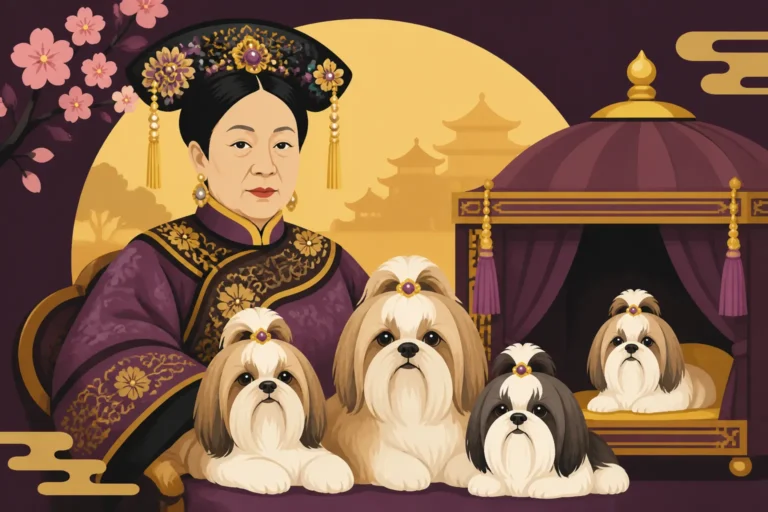
While Shih Tzus had been present in the Chinese court for centuries, it was during the Qing Dynasty, particularly under the reign of the formidable Dowager Empress Cixi (1835-1908), that their breeding reached its zenith. Cixi was famously obsessed with the breed, maintaining a sprawling kennel complex within the Forbidden City that housed thousands of dogs, including Pekingese, Pugs, and her beloved Shih Tzus. She personally oversaw many aspects of her breeding program, even going so far as to write detailed instructions for the care and breeding of her "Lion Dogs." Her kennels were not just about numbers; they were about perfecting the breed standard, ensuring the most beautiful coats, the most charming temperaments, and the most striking "chrysanthemum" faces.
Empress Cixi had a profound impact, not only on the physical traits of the Shih Tzu but also on their perceived value. These dogs were integral to her daily life and court ceremonies, often accompanying her everywhere. She reportedly assigned specific eunuchs to care for individual dogs, ensuring they received round-the-clock attention, gourmet meals, and elaborate grooming. It's a stark contrast to how many dogs are cared for today, yet the dedication to their well-being, albeit extravagant, was clear. If you’re a modern Shih Tzu owner, you can appreciate the level of devotion these dogs inspire. You can find out more about Dowager Empress Cixi and Her Shih Tzu Kennel and her fascinating approach to dog breeding.
The Role of Palace Eunuchs and Breed Preservation
The meticulous care and preservation of the Shih Tzu breed within the Forbidden City were largely entrusted to a dedicated corps of palace eunuchs. These eunuchs were far more than just caretakers; they were skilled handlers, breeders, and groomers, deeply knowledgeable about canine health, diet, and temperament. They understood the intricate details of the Shih Tzu coat, the specific dietary needs for maintaining their health and luster, and how to manage their unique dispositions. They lived with the dogs, understood their individual personalities, and ensured the Empress's directives were followed to the letter.
Their role was critical in maintaining the breed's distinct characteristics. With the outside world largely unaware of these exquisite dogs, the eunuchs served as the primary guardians of the Shih Tzu lineage. They kept detailed records, managed breeding pairs, and ensured that the dogs continued to meet the imperial standards for beauty and temperament. This isolated, protected environment meant that the Shih Tzu evolved as a pure breed, largely untouched by outside influences. Imagine the careful daily grooming sessions, the specialized diets, and the constant attention required to maintain a full, flowing Shih Tzu coat without the benefit of modern tools you might find on Chewy. Their dedication was paramount to the breed's survival and its eventual emergence onto the world stage.
Near Extinction and Revival: A Global Journey
Despite centuries of royal protection, the Shih Tzu faced a precarious future. Political upheaval in China nearly wiped out the breed, leading to a desperate, yet ultimately successful, international effort to save them. It's a testament to their enduring appeal that they bounced back from the brink.
The Turbulent 20th Century and the Breed's Scarcity
The stability of the Qing Dynasty, which had so meticulously nurtured the Shih Tzu, began to crumble in the early 20th century. The fall of the imperial family in 1912 and the subsequent political turmoil, including the Chinese Civil War and later the Communist Revolution, had devastating consequences for many aspects of Chinese culture, including its treasured palace dogs. Many of the imperial kennels were dispersed or destroyed, and the dogs themselves became casualties of the chaos. Without the protected environment of the Forbidden City and the dedicated care of the eunuchs, the Shih Tzu population dwindled dramatically.
For a period, it was even believed that the breed had become extinct in its homeland. The surviving dogs were few and far between, often falling into the hands of foreign diplomats and visitors who were charmed by their unique appearance and managed to take a few out of the country before it became impossible. These individuals became unwitting saviors of the breed, carrying the last embers of its ancient lineage to new shores. The notion that such a beloved and ancient breed could vanish is a sobering thought, reminding us of the fragility of even the most cherished traditions. You can dive deeper into What Happened to the Breed After 1908 to understand this period of great change.
The "Fourteen Foundation Dogs" and Rebuilding the Breed
The survival of the Shih Tzu breed outside of China largely rests on the shoulders of just a handful of dogs – often referred to as the "Fourteen Foundation Dogs." These were the last known Shih Tzus to be successfully exported from China between 1928 and 1952, primarily to England, Norway, and other parts of Europe. This tiny genetic pool, comprised of just seven male and seven female dogs, became the ancestors of every modern Shih Tzu alive today. It's truly remarkable when you think about it: every single Shih Tzu wagging its tail today can trace its ancestry back to these few courageous survivors.
Breeders in these Western countries, particularly in England, took on the monumental task of preserving and carefully breeding these precious dogs. They meticulously worked to ensure genetic diversity as much as possible, given the limited stock, and to maintain the breed's distinct characteristics that had been so prized in the imperial courts. They formed breed clubs, established standards, and worked diligently to bring the Shih Tzu back from the brink of oblivion. This concerted effort, fueled by passion and dedication, ultimately secured the future of this ancient breed. Understanding How Fourteen Dogs Rebuilt the Shih Tzu really emphasizes the dedication involved.
Modern Recognition and Enduring Appeal
From the hallowed halls of Tibetan monasteries and Chinese palaces to loving homes across the globe, the Shih Tzu's journey culminates in its modern recognition and widespread adoration. Their ancient past continues to inform their present-day charm and popularity.
Establishing the Breed in the Western World
Once the foundation dogs were safely established in Europe, the breed slowly began to gain recognition. The first official Shih Tzu breed club was formed in England in 1933, and the breed standard was developed based on the surviving dogs and historical descriptions. It wasn't long before these captivating dogs made their way across the Atlantic. American servicemen stationed in Europe after World War II were particularly charmed by the breed and often brought Shih Tzus home with them, introducing them to American households.
The breed’s endearing personality – confident, outgoing, and affectionate – quickly won over hearts, leading to a steady rise in popularity. In 1969, the American Kennel Club (AKC) officially recognized the Shih Tzu, placing them in the Toy Group. This formal recognition solidified their place in the Western dog world and provided a framework for responsible breeding and showing. It's fascinating to consider that a dog whose ancestry was once a closely guarded imperial secret is now a beloved, recognizable family member in millions of homes. You can explore AKC Recognition of the Shih Tzu in 1969 for more details on this pivotal moment.
Why Their Ancient Lineage Still Matters Today
Even as our Shih Tzus enjoy their comfortable lives as cherished family members, their ancient lineage continues to shape who they are. Their heritage as companion dogs, bred specifically to sit on laps and provide affection, is evident in their naturally friendly and outgoing temperaments. They are generally eager to please, though they can have a stubborn streak, and thrive on human interaction, a trait perfected through centuries of close proximity to royalty. Knowing this history helps us understand why they are the way they are—it’s not just random behavior, but deeply ingrained breed characteristics.
Furthermore, understanding their history as indoor, pampered palace dogs gives us insight into their physical needs. Their lush double coat, for example, which was once a point of pride for emperors, still requires regular grooming and care. Modern Shih Tzu owners, perhaps even stocking up on grooming supplies from Chewy, are essentially continuing a tradition of meticulous care that dates back to imperial eunuchs. Their brachycephalic (flat) face, while part of their adorable "chrysanthemum" look, also means they require careful monitoring in hot weather, a consideration that probably didn't plague palace dwellers in cooled stone buildings but is vital for us today. Ultimately, recognizing the Shih Tzu's status as an ancient breed isn't just a fun fact; it's a way to deepen our appreciation for these unique dogs and to better understand and cater to their enduring needs, helping them live long, healthy lives as beloved members of our modern families. For a more scientific perspective, you can read about DNA Studies on Shih Tzu Ancestry.
| Historical Period | Estimated Timeframe | Key Developments for Shih Tzu | Cultural Significance |
|---|---|---|---|
| Tibetan Origins | ~8th Century – 17th Century | Ancestors (Lion Dogs) developed in monasteries. | Sacred companions to monks; revered as manifestations of the Snow Lion. |
| Imperial Introduction | ~17th Century (Ming/Qing) | Brought to China as gifts; admired by emperors. | Symbols of good fortune and luxury in the Chinese Imperial Court. |
| Qing Dynasty Cultivation | 18th Century – Early 20th Century | Meticulous breeding in the Forbidden City, refined appearance. | Ultimate pampered palace dogs, particularly under Dowager Empress Cixi. |
| Post-Imperial Decline | Early-Mid 20th Century | Breed population decimated by political upheaval. | Feared extinction; few dogs survived due to foreign diplomats. |
| Western Revival | Mid-Late 20th Century | Foundation dogs establish breed in Europe; AKC recognition. | Transition from imperial secret to popular global companion breed. |
Disclaimer
This article is for general informational purposes only and does not constitute professional advice. Laws, prices and regulations vary by location and change over time. Consult a qualified professional for guidance on your specific situation.