The Shih Tzu as a Wedding Gift to China
The idea of a Shih Tzu as a grand, cherished wedding gift to a powerful empire might sound like something out of a fantasy novel, but it's a very real and fascinating chapter in this beloved breed's history. For anyone captivated by the regal bearing and charming personality of their own Shih Tzu, understanding this ancient lineage provides a deeper appreciation for the journey these little lion dogs have taken, especially how they came to be so treasured within the opulent, guarded walls of China's Forbidden City. This guide will take you through the historical journey, starting from their mystical origins in Tibet, through their ceremonial arrival in China, and their life as pampered, symbolic residents of the imperial court.
The Mystical Origins of the Lion Dog
Before the Shih Tzu became a celebrated gift, it had a rich and almost mythical existence in the high altitudes of Tibet. These were not just dogs; they were living symbols, deeply intertwined with the spiritual and cultural fabric of the region. Understanding their early role helps us truly grasp the significance of their later presentation to the Chinese imperial family.
Tibetan Lineage and Sacred Status
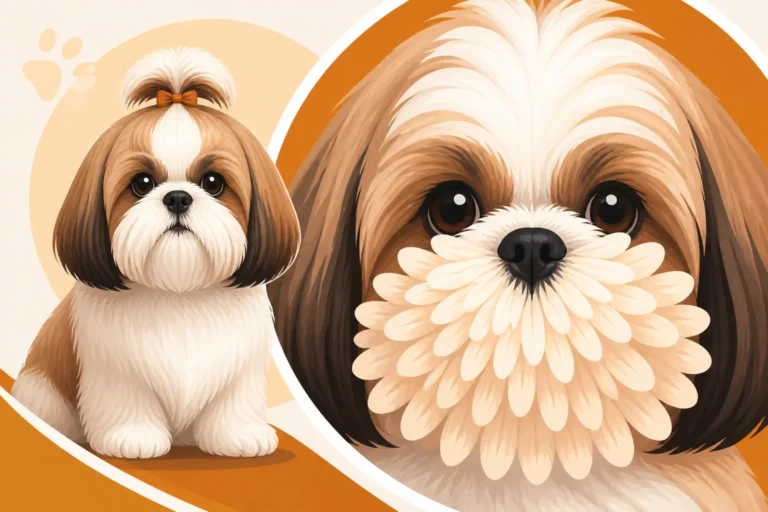
The tale of the Shih Tzu truly begins in the monasteries and palaces of Tibet, a land steeped in ancient traditions and a deep reverence for certain animals. Here, small, long-haired dogs were bred, believed to be sacred "lion dogs" – a living embodiment of the Buddha's companion. These dogs were thought to carry the souls of monks, embodying wisdom, bravery, and a certain spiritual purity. Their flowing manes, distinctive "chrysanthemum" faces, and plumed tails were seen as miniature representations of the majestic lion, an important Buddhist symbol. Unlike working dogs, these were bred purely for companionship and spiritual significance, cherished by lamas and nobility alike. They were part of a lineage that connected directly to the land's spiritual leaders, the Dalai Lamas, who themselves kept these cherished canines. The monks who cared for them spent meticulous hours on their grooming, ensuring their coats remained immaculate, a practice that highlights their exalted status. You can learn more about this connection in The Tibetan Lion Dog Behind the Breed.
These small dogs were not just pets; they were integral to the daily life and spiritual practices of the monasteries. They were kept indoors, often alongside the monks during meditation, and were believed to bring good fortune and act as guardians against evil spirits. Their calm, watchful nature, combined with their striking appearance, solidified their place as creatures of great esteem. The care they received was exceptional, far beyond that of typical village dogs, reflecting their sacred role. They were given special diets, groomed meticulously, and shielded from the harsh Himalayan elements, ensuring their comfort and well-being. This meticulous care foreshadowed the even greater pampering they would receive once they entered the Chinese imperial court.
Early Trade Routes and Cultural Exchange
While firmly rooted in Tibet, the history of these lion dogs wasn't entirely isolated. Trade routes, notably the Silk Road, facilitated cultural exchange between Tibet and its powerful neighbor, China. It was through these early interactions that word, and occasionally actual dogs, began to travel beyond the Tibetan plateaus. Gifts and tributes were often exchanged between the two regions, sometimes including these unique dogs. This wasn't always a direct "wedding gift" scenario initially, but rather an ongoing tradition of diplomacy and cultural sharing. Small, exotic animals were highly valued in imperial courts, and these charming, lion-like dogs quickly captured the imagination of Chinese nobility.
The initial exchanges likely laid the groundwork for the more formal presentations that would follow. Chinese emperors, always seeking unique and beautiful animals for their extensive menageries, would have been particularly intrigued by dogs that combined beauty with a spiritual aura. The concept of a "lion dog" resonated deeply with Chinese imperial symbolism, where the lion also held a place of power and good fortune. These early contacts meant that by the time a Shih Tzu was formally presented as a wedding gift, its symbolic value and desirability were already well-established within the Chinese court, setting the stage for its elevation to a highly prized status. This cultural exchange slowly but surely introduced the Shih Tzu to a new, even grander stage, paving the way for its future as an imperial favorite.
A Royal Exchange: The Shih Tzu's Arrival in China
The pivotal moment for the Shih Tzu's journey into the heart of Chinese imperial life came through a series of diplomatic and ceremonial exchanges, notably being presented as precious gifts. These weren't mere transactions; they were significant gestures cementing political alliances and displaying goodwill, with the little lion dog often at the center.
The Gift from the Dalai Lama to the Emperor
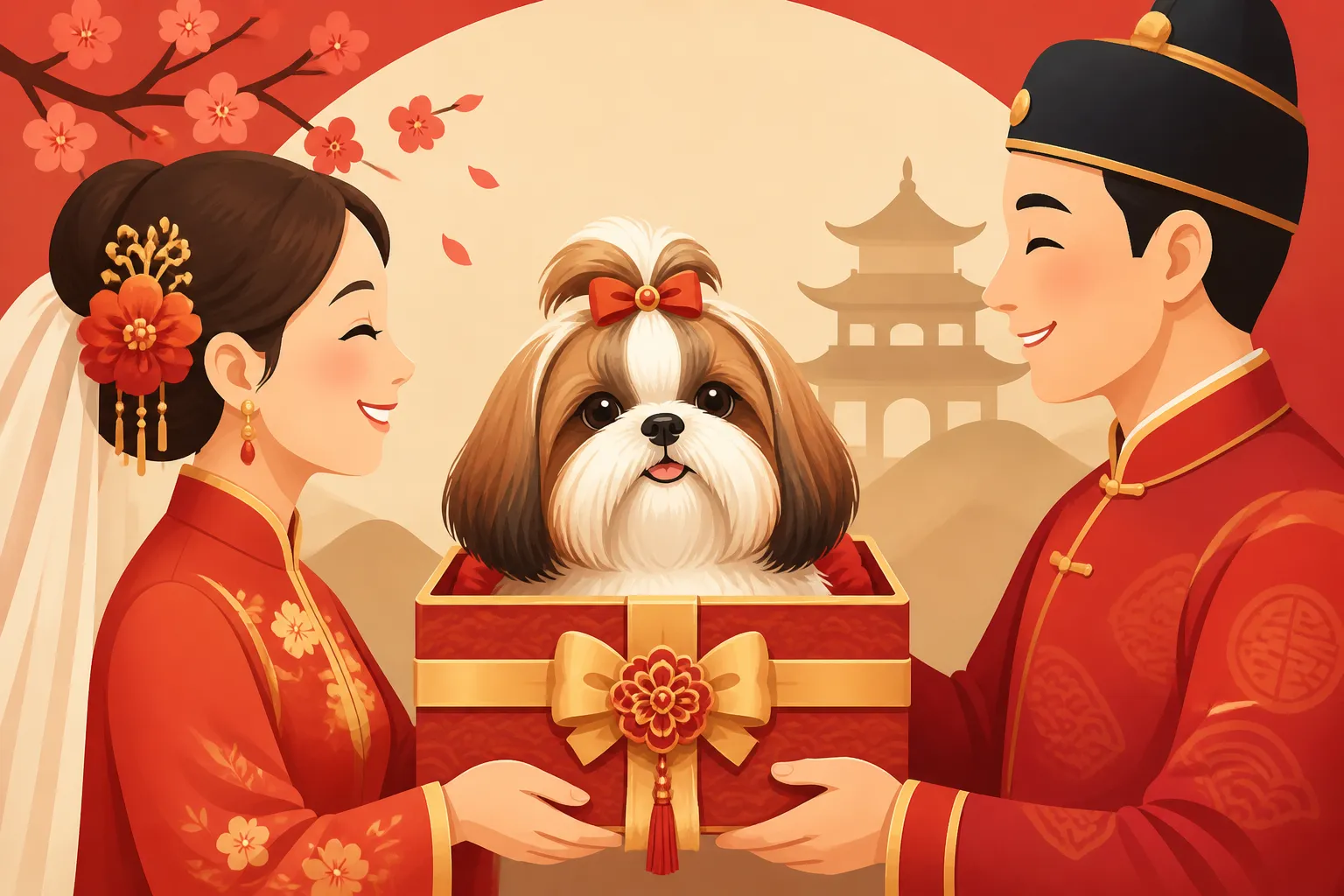
One of the most enduring and romanticized stories of the Shih Tzu's entry into China involves a direct gift from the Dalai Lama to the Chinese Emperor. This wasn't a casual offering; it was a deeply significant gesture, often made to foster political alliances and express respect between the two powerful states. Imagine these small, exquisitely groomed dogs making the arduous journey from the high mountain monasteries of Tibet down to the bustling, opulent capital of China. They weren't just animals; they were living symbols of friendship, spirituality, and the unique culture of Tibet. Such gifts were typically given during important diplomatic occasions, such as royal marriages or the ascension of a new emperor.
The precise dates and emperors involved vary in historical accounts, but the tradition of Shih Tzus Given as Tribute to Chinese Emperors is well-documented. These were not just one-off events; they were part of a recurring pattern of cultural exchange that spanned centuries. The dogs were seen as exotic treasures, carrying with them the mystique of their sacred origins. Their arrival at the Chinese court would have been a grand affair, marking them as exceptionally valuable possessions destined for the most esteemed members of the imperial family. The very act of the Dalai Lama entrusting these sacred dogs to the Emperor highlighted their immense spiritual and cultural importance, placing them in a category far above common pets.
Symbolic Significance in the Imperial Court
Once inside the Chinese imperial court, the Shih Tzu transcended its role as a simple pet and took on profound symbolic significance. In Chinese culture, the lion was a powerful symbol of royalty, strength, and protection, often seen guarding imperial palaces and temples. The Shih Tzu, with its "lion dog" appearance and name (Shih Tzu literally means "lion"), fit perfectly into this iconography. They were believed to bring good luck, prosperity, and serve as protectors against evil spirits, a belief that resonated with their Tibetan origins.
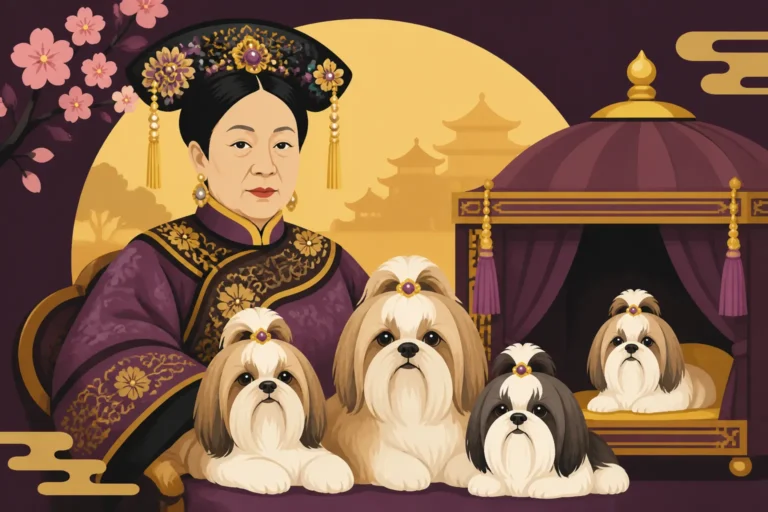
Their presence in the Forbidden City was a clear demonstration of the Emperor's power and connection to rare and beautiful things. They were often depicted in art and poetry, further cementing their status. These little dogs were not only companions but also living ornaments, their exquisite beauty and gentle temperament perfectly suited to the refined aesthetics of the court. Their very existence within the palace walls was a testament to the Emperor's status and his ability to command the rarest treasures from distant lands. This deep symbolic value ensured they were not only pampered but also revered, their lives interwoven with the grandeur and mystique of imperial China.
Life in the Forbidden City: The Imperial Shih Tzu
Inside the sprawling, intricate world of the Forbidden City, the Shih Tzu enjoyed a life of unparalleled luxury and attention. These dogs were more than just beloved companions; they were integral members of the imperial household, reflecting the wealth, power, and refined tastes of the reigning dynasty.
The Dedicated Care of Palace Eunuchs
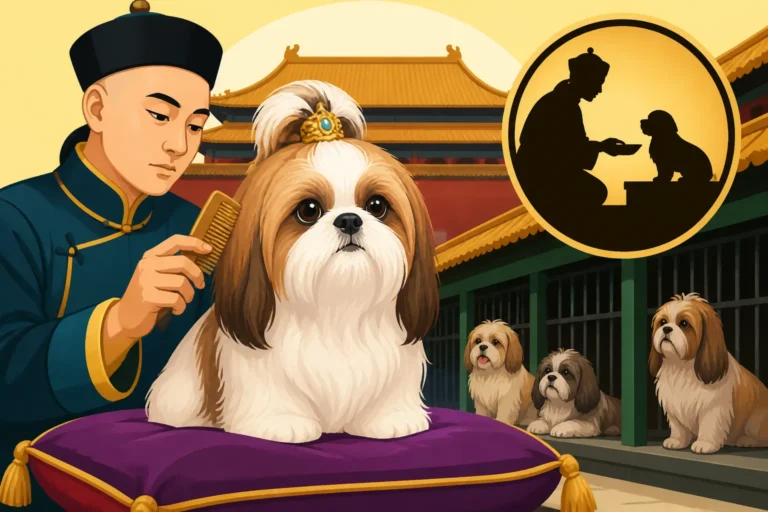
The care of the imperial Shih Tzus was a serious affair, entrusted to a specialized retinue of palace eunuchs. These eunuchs were highly organized and dedicated, often forming entire departments solely responsible for the emperor's various animals, including the prized lion dogs. Their duties were comprehensive, ranging from meticulous daily grooming to preparing special diets and overseeing their general well-being. Imagine the elaborate routines: daily brushing to prevent mats in their long, double coats, careful cleaning of their delicate faces, and regular inspections for any signs of discomfort. These eunuchs were essentially full-time caregivers, ensuring that every need of these precious dogs was met with the utmost attention and precision. It was a 24/7 job, requiring immense patience and skill to maintain the dogs' health and magnificent appearance.
The eunuchs understood that the Shih Tzus were extensions of the Emperor's prestige, and any lapse in their care would be a grave offense. They might have used fine combs and brushes, similar to the specialized tools modern owners use to brush a Shih Tzu double coat every day. Their diets were likely comprised of choice meats, grains, and vegetables, prepared with great care, a far cry from the scraps common dogs might receive. This level of personalized, bespoke care is a stark contrast to how many dog owners today acquire essentials; while ancient imperial dogs had a dedicated staff, we now rely on convenient services like Chewy to deliver everything from premium dog food to grooming supplies right to our doors, making similar levels of personalized care more accessible. The eunuchs' expertise wasn't just in physical care; they were also responsible for their training and socialisation, ensuring the dogs were well-mannered and accustomed to the formal atmosphere of the court. Learn more about the unique responsibilities these caretakers held in What Eunuchs Did in the Imperial Dog Kennels.
The Role of the Shih Tzu as a Companion and Status Symbol
Within the court, the Shih Tzu fulfilled a dual role: that of a cherished companion and a potent status symbol. They were often seen perched on silken cushions, accompanying emperors, empresses, and consorts during their daily activities. Their gentle, affectionate nature made them ideal lapdogs, offering comfort and loyalty in a world often fraught with political intrigue. They were literally "underfoot" in the most elegant sense, a constant, beloved presence. This intimacy fostered a deep bond between the dogs and their imperial owners, making them far more than mere decorative objects.
Beyond their companionship, the Shih Tzu's presence unequivocally broadcasted the owner's status and wealth. Only the most privileged members of society could own such rare and meticulously cared-for animals. Their exotic origins and the sheer effort involved in maintaining their luxurious coats underscored their value. Owning a Shih Tzu meant possessing a piece of living art, a creature imbued with spiritual significance and imperial approval. This status was further amplified by the fact that for centuries, the breeding and ownership of Shih Tzus were strictly controlled by the imperial family, making it a crime for commoners to possess them. This exclusivity cemented their position not just as pets, but as symbols of ultimate power and prestige within the Forbidden City. For those seeking to learn more about their continued presence in royal courts, The Shih Tzu in the Qing Imperial Court offers further insights.
Artistic Depictions and Cultural Impact
The profound impact of the Shih Tzu on Chinese imperial culture is beautifully preserved not just in historical records but also vividly in the art of the time. Their distinct appearance and revered status made them a popular subject, capturing their essence for future generations.
Shih Tzus in Ming Dynasty Paintings
The artistic record provides some of the most charming and illustrative evidence of the Shih Tzu's presence and importance in the Chinese court. During the Ming Dynasty (1368-1644), artists frequently incorporated these delightful dogs into their works, particularly in scenes depicting imperial life, domestic settings, and portraits of empresses and concubines. These paintings, often rich in detail and vibrant colors, show Shih Tzus with their characteristic long, flowing coats, topknots tied with ribbons, and sweet, expressive faces. They are typically portrayed in serene, elegant poses, often on lavish carpets or nestled comfortably in the arms of their owners.
These artistic representations weren't merely decorative; they served to document and celebrate the cherished status of these dogs. Looking at Shih Tzus in Ming Dynasty Paintings gives us a direct window into how these animals were perceived and integrated into the daily fabric of royal existence. The artists captured not just their physical beauty but also their calm and dignified demeanor, reflecting the ideal qualities of a courtly companion. Such depictions confirm that the Shih Tzu was not just present, but actively admired and considered a beautiful addition to the imperial aesthetic, solidifying their image as living jewels of the court.
The Evolving Breed Standard Within the Palace Walls
Within the confines of the Forbidden City, removed from the natural selection pressures of the outside world, the Shih Tzu breed began to evolve under the deliberate hand of imperial breeders. The emperors and their families, particularly the empresses, took a keen interest in developing specific traits that they found most appealing. This selective breeding focused on enhancing characteristics like the long, luxurious double coat, the distinctive "chrysanthemum" facial hair, the broad, round head, and the unique undershot bite. The goal was to create dogs that were increasingly beautiful and more closely resembled the mythical lion, aligning with their symbolic importance.
This period saw the refinement of what would eventually become the modern Shih Tzu standard. Breeding programs were carefully managed, sometimes even competing between different imperial households to produce the most exquisite specimens. The isolation of the Forbidden City meant a closed gene pool, allowing specific traits to be concentrated and perfected. This wasn't merely about aesthetics; it was about solidifying their identity as the Emperor's exclusive dogs, distinct from other small breeds. This dedication to selective breeding over centuries, primarily for companionship and appearance, laid the foundation for The Shih Tzu Standard and What Judges Look For today, and how a What a Shih Tzu Should Weigh Fully Grown is defined. The meticulous records kept by eunuchs likely contributed to this selective breeding process, ensuring desirable traits were passed down and refined through generations.
The Legacy of the Imperial Gift
The centuries spent within the Chinese imperial court were transformative for the Shih Tzu, shaping not only their physical characteristics but also their enduring legacy as a beloved companion breed. The careful stewardship of the emperors and empresses ensured their survival and refinement, setting the stage for their eventual journey to the Western world.
Breeding Practices and Their Influence
The imperial breeding programs, managed by dedicated eunuchs and overseen by royalty, were instrumental in shaping the Shih Tzu we know today. These practices were meticulous, often involving detailed record-keeping, as we can infer from the general management of the imperial dog kennels. Unlike breeds developed for specific working functions, the Shih Tzu was bred almost exclusively for aesthetic appeal and companionship. This meant an emphasis on maintaining their luxurious coat, refining their distinctive facial features, and ensuring a gentle, affectionate temperament. The ideal Shih Tzu was a small, robust, yet elegant dog, perfectly suited for a life of luxury.
These controlled breeding environments allowed for a remarkable consistency in type, albeit within a relatively small gene pool. The isolation likely protected the breed from outside influences, preserving its unique characteristics. While this led to the distinct Shih Tzu look, it also made the breed vulnerable to genetic conditions that arose from limited diversity. However, the sheer dedication to the breed meant that generations of these exquisite dogs thrived, securing their place in history. These imperial breeding practices directly influenced the development of the breed's conformation and temperament, giving us the wonderful dogs we adore today.
From Royal Palace to Global Popularity
The era of imperial exclusivity for the Shih Tzu came to an abrupt end with the decline of the Qing Dynasty in the early 20th century. After centuries of being confined to the Forbidden City, the breed began its slow journey out into the wider world. Some dogs were acquired by foreign dignitaries and travelers, initially through less formal means as the empire crumbled. It was then that the first Shih Tzus started making their way to Europe, particularly Norway and England, carried by those who recognized their unique charm and history. These foundational dogs, often numbering fewer than two dozen in total, formed the basis of the Western Shih Tzu population. You can explore the broader history in The Shih Tzu From Tibetan Temples to American Homes.
From these humble beginnings, the Shih Tzu's popularity exploded. Their charming personalities, portability, and relatively low exercise needs made them ideal companions for modern lifestyles, even for those living in apartments or without large yards. Today, the Shih Tzu is a globally recognized and beloved breed, gracing homes around the world. The legacy of their imperial past, however, remains a central part of their appeal. Every Shih Tzu carries with it a whisper of ancient Tibetan monasteries and the opulent halls of Chinese emperors. Understanding their origins as a treasured wedding gift and diplomatic offering highlights the profound journey these small dogs have made, cementing their status not just as pets, but as living pieces of history. The Shih Tzu Coat Colors You Will See today are a direct result of the diversity treasured in those imperial kennels.
The Journey Continues
The Shih Tzu's story, from a sacred Tibetan "lion dog" to a cherished wedding gift for Chinese emperors, is a testament to its enduring appeal and unique history. This journey is a blend of spiritual significance, diplomatic strategy, and centuries of dedicated care within the most exclusive circles of imperial power. The little dog that once sat on the laps of emperors now brings joy to countless families around the globe, yet its regal bearing and affectionate nature still echo its magnificent past. They are indeed one of The Shih Tzu Among the Oldest Dog Breeds, having carved a unique path through history.
Disclaimer
This article is for general informational purposes only and does not constitute professional advice. Laws, prices and regulations vary by location and change over time. Consult a qualified professional for guidance on your specific situation.