What Actually Ends a Shih Tzu’s Thirteen Years
It’s a thought that creeps into every Shih Tzu owner's mind: what will eventually lead to the end of my beloved companion’s life? We cherish every moment with these joyful, fluffy little dogs, and the idea of their thirteen years eventually drawing to a close can be heartbreaking. It’s natural to want to understand what challenges they might face, not to dwell on sadness, but to be prepared and ensure their comfort and care for as long as possible. This guide aims to shed light on the common health issues and scenarios that often mark the conclusion of a Shih Tzu's journey, offering insights to help you navigate these sensitive times.
Common Health Issues Leading to Decline
Shih Tzus, with their adorable flat faces and long flowing coats, are prone to certain breed-specific health challenges that can accumulate over their lifespan, ultimately impacting their overall health and longevity. These aren't always immediate causes of death but can lead to a significant decline in quality of life, necessitating difficult decisions. Understanding these predispositions is key to proactive care and giving them the best chance at a full life.
Brachycephalic Respiratory Challenges
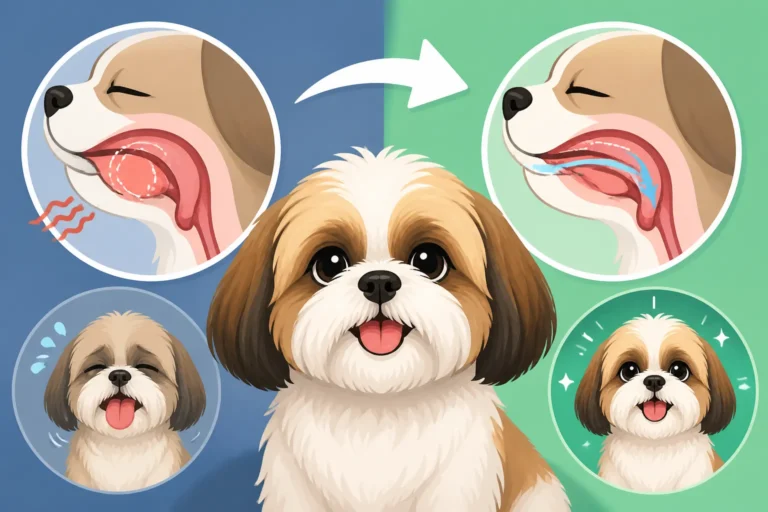
The defining brachycephalic (flat-faced) structure of the Shih Tzu, while undeniably cute, comes with a host of inherent respiratory issues. Their shortened snouts, often coupled with an elongated soft palate and stenotic nares (narrow nostrils), make breathing a constant effort. This isn't just about snoring; it means their respiratory system is inefficient, making them highly susceptible to overheating and respiratory distress, especially in warm weather or during even mild exertion.
Over the years, this constant struggle puts a strain on their heart and lungs. Chronic inflammation can occur, and their airways can become even more compromised. While an acute crisis, like heatstroke, can be fatal, more often it's a gradual weakening. You might notice their Brachycephalic Breathing in a Shih Tzu becoming more labored, or they might develop a persistent cough. This underlying respiratory fragility means that other illnesses, even a simple kennel cough, can be far more dangerous for a Shih Tzu than for a dog with a longer snout, potentially tipping them into a life-threatening situation. It's a critical reason why understanding Why a Shih Tzu Cannot Cool Itself Well is so vital for owners.
The Impact of Dental Disease
It might seem minor, but severe dental disease is an incredibly common and often underestimated factor in a Shih Tzu's health decline. Their small mouths are simply not designed to accommodate 42 adult teeth, leading to severe crowding. This crowding creates perfect pockets for food particles and bacteria, resulting in rapid plaque and tartar buildup. Without diligent daily care, many Shih Tzus develop significant periodontal disease early in life, often before the age of five.
The problem extends far beyond bad breath or tooth loss. The chronic bacterial infection in their mouths can spread throughout their tiny bodies. Bacteria can enter the bloodstream through inflamed gums, traveling to vital organs like the heart, kidneys, and liver, causing secondary infections and inflammation that severely compromise their function. This systemic impact can quietly undermine their health over years, leading to organ damage that shortens their lifespan. Imagine having a persistent, low-grade infection constantly coursing through your system – it’s exhausting and damaging. Regular professional dental cleanings, often requiring anesthesia, are crucial but also come with their own risks for a brachycephalic breed. Neglecting Shih Tzu Dental Disease at 13 Percent of the Breed can lead to a cascade of health problems.
Kidney and Urinary Tract Concerns
Kidney disease, particularly inherited conditions like Renal Dysplasia, can sadly shorten a Shih Tzu's life. While some are born with this genetic predisposition, many older Shih Tzus will experience age-related kidney decline, much like humans. The kidneys are vital for filtering waste from the blood and maintaining fluid balance. When they fail, toxins build up, leading to a host of debilitating symptoms from increased thirst and urination to nausea, lethargy, and eventual organ failure.
Beyond inherited conditions, Shih Tzus can also be prone to bladder stones and other urinary tract issues. Their physical structure and sometimes less-than-diligent hydration habits can contribute to the formation of these painful stones. While some stones can be managed with diet, others require invasive surgery, which carries risks, especially for an older or compromised dog. The recurrent infections and discomfort associated with urinary problems can significantly diminish a Shih Tzu's quality of life and place ongoing stress on their system. Early detection and management, often through regular vet check-ups that include blood and urine tests, are vital for dogs susceptible to Renal Dysplasia and the Shih Tzu Kidney. Being aware of Excessive Thirst as the First Kidney Sign is a crucial early warning.
Age-Related Illnesses and Chronic Conditions
As Shih Tzus move into their golden years, typically past the age of ten, they become more susceptible to a range of chronic, progressive conditions that gradually wear down their bodies. These aren't always sudden events but rather a slow accumulation of challenges that require increasing management and care. Owners often find themselves making difficult decisions about managing pain and maintaining a good quality of life.
Heart Disease and Mitral Valve Issues
Heart disease is a tragically common cause of death in senior Shih Tzus, particularly mitral valve disease (MVD). This condition involves the mitral valve, one of the heart's four valves, becoming thickened and leaky, causing blood to flow backward into the left atrium instead of forward into the body. This inefficiency forces the heart to work harder, leading to enlargement and eventual congestive heart failure.
Symptoms can start subtly with a cough, often mistaken for a hairball or even a respiratory issue, especially given their brachycephalic tendencies. As the disease progresses, you might notice exercise intolerance, difficulty breathing, a distended abdomen (due to fluid buildup), and general weakness. While medications can help manage the symptoms and slow the progression, there is no cure, and eventually, the heart can no longer compensate. This is one of the most heartbreaking aspects of Shih Tzu Heart Murmurs and Valve Disease as owners witness their once-lively companions struggling for breath.
Orthopedic Troubles: Back and Joint Degeneration
The Shih Tzu's long back and short legs, while charming, make them particularly vulnerable to disc disease, specifically Intervertebral Disc Disease (IVDD). This condition occurs when the cushions (discs) between the vertebrae in their spine bulge or rupture, pressing on the spinal cord. This can cause immense pain, weakness, and even paralysis in their hind legs. A sudden jump off a couch or even a misstep can trigger an acute episode.
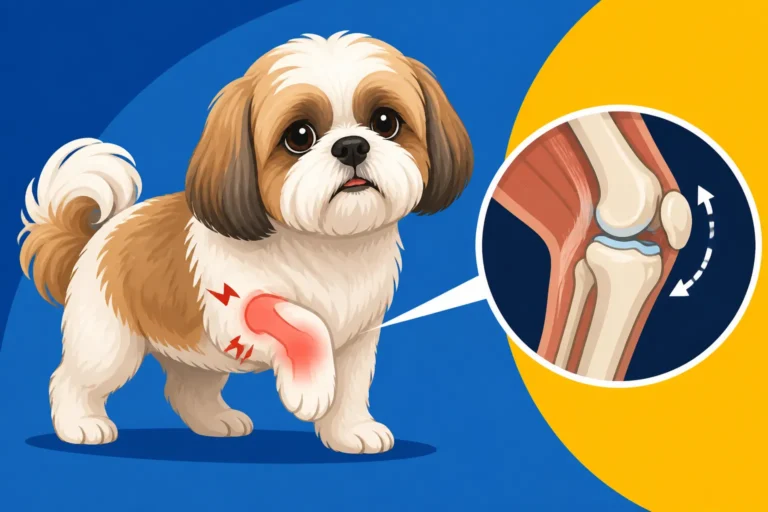
While some cases can be managed with strict crate rest and medication, severe cases often require expensive and risky spinal surgery. Even with successful surgery, recovery is long and arduous, and future episodes are always a concern. Beyond IVDD, older Shih Tzus can also suffer from arthritis and Shih Tzu Joint Problems in a Toy Frame like patellar luxation (slipping kneecaps), further limiting their mobility and causing chronic pain. These orthopedic issues significantly impact their ability to move, play, and live comfortably, often becoming a major factor in assessing their quality of life in later years. When a Shih Tzu's Shih Tzu Back Problems and Disc Disease become severe, it can be profoundly debilitating.
Cognitive Decline and Senior Shih Tzu Care
Just like older people, senior Shih Tzus can experience cognitive decline, sometimes referred to as Canine Cognitive Dysfunction (CCD). This is essentially dementia for dogs and can manifest in a variety of ways that are distressing for owners. You might notice changes in their sleep-wake cycles (waking up disoriented at night), increased anxiety, pacing, house-soiling accidents in dogs that were once perfectly trained, or a general reduction in their interaction with the family.
While CCD itself isn't a direct cause of death, the behavioral changes and disorientation can significantly impact their quality of life and the ability of owners to manage their care. A dog that is constantly anxious, confused, or distressed, especially if combined with other physical ailments, can become very challenging to care for. It forces owners to consider what true compassion means when their beloved pet is no longer themselves. Fortunately, there are now medications and supplements that can help manage the symptoms of CCD and improve the quality of life for these senior dogs. Understanding the nuances of Senior Shih Tzu Care Past the Age of Ten is crucial.
Cancer: A Significant Factor in Senior Shih Tzus
Cancer is a frightening word for any pet owner, and unfortunately, it is a leading cause of death in senior dogs, including Shih Tzus. As our furry friends live longer, the risk of developing various forms of cancer naturally increases. While not all cancers are aggressive, and some can be managed for extended periods, many ultimately lead to a decline in health that prompts difficult end-of-life discussions.
Prevalence and Common Types
The reality is that as dogs age, their cells are more prone to mutations, and the body's repair mechanisms aren't as efficient, increasing the likelihood of cancer. In Shih Tzus, certain types of cancer are more commonly observed. These can include various carcinomas, sarcomas, and lymphomas. For example, mammary gland tumors are common in unspayed females, while mast cell tumors can appear on or under the skin, or even internally. Lymphoma, a cancer of the lymphatic system, can affect multiple organs and lead to generalized illness.
Internal cancers, often harder to detect early, can progress silently until they cause significant symptoms. Liver tumors, splenic masses, or lung cancer might only be found during routine blood work or imaging, or when the dog starts showing signs of lethargy, weight loss, or abdominal distension. The insidious nature of some cancers means they can be advanced before diagnosis, making treatment options more limited.
Recognizing the Signs
One of the biggest challenges with cancer is recognizing the subtle early signs. Our Shih Tzus are masters at hiding discomfort, especially when they want to please us. Owners need to be vigilant for any changes in their dog's behavior, appetite, or physical condition. Common red flags include unexplained weight loss, loss of appetite, persistent coughing or difficulty breathing (especially concerning for a brachycephalic breed), any new lumps or bumps, lameness or changes in gait, or lethargy that isn't easily explained by age.
A lump that appears benign one day can grow rapidly or change consistency. Blood in urine or stool, vomiting, or diarrhea that doesn't resolve are also serious indicators. The key is knowing your dog’s normal baseline. Any persistent deviation should warrant a visit to the veterinarian. Early detection, while not a guarantee, can sometimes open up more treatment avenues, from surgical removal to chemotherapy or radiation, giving your Shih Tzu more good quality time.
Management and Palliative Care
Once a cancer diagnosis is made, owners face a daunting array of decisions. Treatment options vary widely depending on the type and stage of cancer, as well as the dog's overall health and age. Surgery, chemotherapy, radiation therapy, and new targeted therapies are all possibilities. However, for many senior Shih Tzus, the focus shifts to palliative care – managing pain, improving comfort, and maintaining the best possible quality of life for the time they have left.
Palliative care can involve pain medications, anti-nausea drugs, appetite stimulants, and nutritional support. The goal is not to cure the cancer but to ensure the dog is comfortable, happy, and able to enjoy their remaining days with their family. This can be a very personal decision, weighing the potential benefits and side effects of aggressive treatments against the desire for peaceful, comfortable final months. Finding a veterinary team, perhaps through the support of a reliable pet insurance like Healthy Paws, who understands your priorities for your Shih Tzu is paramount during this challenging time.
Acute Events and Quality of Life Decisions
While chronic diseases often contribute to a slow decline, sometimes a Shih Tzu's life comes to an end due to a sudden, acute event. These emergencies can be incredibly distressing and often force owners to make incredibly difficult, immediate decisions about their pet's future. Beyond these acute situations, there's the broader, ongoing challenge of assessing a senior Shih Tzu's quality of life, which is a deeply personal and often agonizing process.
Sudden Crises and Emergency Care
Despite our best efforts, unexpected medical emergencies can arise. For a Shih Tzu, these can include acute respiratory distress (especially in hot weather), severe spinal injuries from a fall, sudden organ failure, or even a sudden internal bleed from an undiagnosed mass. Their inherent vulnerability, as discussed in Why a Shih Tzu Cannot Cool Itself Well, makes them particularly susceptible to rapid decline during environmental stress or sudden health events.
When such a crisis hits, owners are often rushed to an emergency veterinary clinic, where they are presented with expensive, intensive treatment options with uncertain outcomes. For an older dog with underlying health conditions, these interventions might be too invasive, too painful, or simply not offer a reasonable chance of long-term recovery. It’s in these moments that the true emotional and financial cost of pet ownership becomes starkly clear. Having a plan, or at least understanding the likelihood of such events, can help, but it never makes the decision easy.
Assessing Quality of Life in Advanced Age
This is arguably one of the most agonizing parts of loving an aging Shih Tzu. How do you know when their quality of life has diminished to a point where intervention is no longer kind, or when letting go is the most compassionate choice? There's no single checklist, but veterinarians and pet owners often use a combination of factors. Are they eating and drinking adequately? Are they able to move around without extreme pain or assistance? Do they still show interest in activities they once enjoyed, like greeting you, playing with a favorite toy, or interacting with the family?
Consider a "good day versus bad day" ratio. If the bad days consistently outnumber the good, or if their pain cannot be managed effectively, it's a strong indicator. Changes in demeanor, withdrawal, constant panting (which can indicate pain or distress), or an inability to find comfort are all signs to heed. It’s not just about physical health; it’s about their mental and emotional well-being. This ongoing assessment is a crucial part of responsible Deciding for a Shih Tzu at Fifteen and beyond.
Making Difficult End-of-Life Choices
When medical treatments are no longer effective, or when an Shih Tzu's quality of life has severely declined, making the decision for euthanasia is the final act of love and kindness an owner can offer. This is a profound and deeply personal choice, often made through floods of tears and intense grief. It’s about alleviating suffering when there is no longer a reasonable expectation of recovery or comfortable living.
Veterinarians are trained to help guide owners through this process, discussing the dog's condition, prognosis, and options for pain management or palliative care. They can help you understand what to expect and ensure the process is as peaceful as possible for your Shih Tzu. Many clinics offer in-home euthanasia services, allowing your beloved companion to pass in the familiar comfort of their own home, surrounded by loved ones. This decision, while heartbreaking, ensures that their last moments are filled with peace, not pain.
The Role of Owner Care and Prevention
While some health issues are genetically predisposed or simply come with age, the care and choices owners make throughout a Shih Tzu's life play an enormous role in their longevity and quality of health. Proactive measures, diligent home care, and a realistic understanding of their breed-specific needs can make a world of difference in extending those cherished thirteen years, and potentially beyond.
Proactive Veterinary Care and Early Detection
Regular veterinary check-ups are not just for puppies and sick dogs; they are the cornerstone of preventative care for your adult and senior Shih Tzu. Annual exams allow your vet to catch subtle changes that might indicate the early stages of diseases like heart failure, kidney disease, or even cancer. Blood work, urinalysis, and physical examinations can reveal issues before they become symptomatic and harder to treat. For instance, detecting a heart murmur early in a Shih Tzu could lead to dietary changes or medications that significantly prolong their life and improve their comfort.
Discussing concerns with your vet, no matter how small they seem, is crucial. If your Shih Tzu is showing signs of potential issues, mentioning it early can lead to diagnostic tests and interventions. Being open about any changes in appetite, energy levels, or behavior allows your vet to investigate promptly. This proactive approach, rather than waiting until a dog is acutely ill, often leads to better outcomes and a longer, healthier life for your furry friend, potentially extending their Shih Tzu Lifespan and the Thirteen Year Average.
Nutrition, Weight Management, and Lifestyle
What you feed your Shih Tzu, how much, and how active they are, directly impacts their health. Obesity is a significant problem in many toy breeds, and a few extra pounds on a Shih Tzu's small frame can exacerbate almost every health issue they are prone to. It puts additional strain on their joints, worsens respiratory problems, increases the risk of diabetes, and can even contribute to heart disease. A lean Shih Tzu simply has a better chance at a longer, healthier life. Learning to manage Shih Tzu Obesity on a Sixteen Pound Frame can be life-changing for them.
Choosing a high-quality, balanced diet appropriate for their age and activity level is essential. Portion control is key; those soulful eyes can be very convincing! Regular, moderate exercise is also important, tailored to their physical capabilities and the weather, given their heat sensitivity. Short, frequent walks and indoor play sessions are perfect for them. Avoiding stairs and providing Ramps for a Shih Tzu With a Long Spine can help protect their delicate spines, preventing a potential crisis from disc injuries. These daily lifestyle choices are fundamental in supporting their overall well-being.
Understanding Insurance Limitations
Pet insurance can be a lifesaver when those inevitable medical bills start rolling in, especially for a breed prone to chronic and expensive conditions. However, it’s vital to understand what your policy covers and, more importantly, what it doesn't. Many policies have exclusions for pre-existing conditions, meaning if your Shih Tzu shows signs of an illness before you enroll or during the waiting period, that condition likely won't be covered. This is why enrolling a healthy puppy or young dog is always recommended.
Some policies may also have specific limitations or higher premiums for brachycephalic breeds, recognizing the inherent health risks like breathing issues or eye problems. For example, a good provider like Healthy Paws offers comprehensive accident and illness coverage, which can be invaluable for unexpected surgeries or chronic disease management. While pet insurance doesn't prevent illness, it can certainly alleviate the financial stress of managing severe health issues, allowing you to focus on your pet's care. Always read the fine print, ask questions, and choose a plan that aligns with your Shih Tzu's potential health needs and your financial comfort, to avoid being caught off guard by Shih Tzu Pet Insurance for a Flat-Faced Toy costs. Healthy Paws, for instance, is known for its strong customer service and broad coverage, but understanding your specific policy details is always key.
Table: Common Health Issues Affecting Shih Tzu Lifespan
| Condition Type | Common Examples | Typical Age of Onset | Impact on Lifespan & Quality of Life |
|---|---|---|---|
| Brachycephalic Issues | Elongated soft palate, stenotic nares, heatstroke | Puppyhood to Senior | Chronic respiratory effort, increased risk of heatstroke, can exacerbate heart disease, surgery often improves quality of life but doesn't eliminate risk. Constant struggle for breath diminishes enjoyment and increases vulnerability. |
| Dental Disease | Periodontal disease, tooth crowding, infections | Early Adulthood | Pain, difficulty eating, systemic infection spreading to heart/kidneys, can lead to organ damage over time. Regular professional cleanings are essential, but the underlying crowding makes it a lifelong battle. |
| Kidney Disease | Renal Dysplasia, age-related kidney failure | Early to Senior Age | Progressive loss of kidney function, toxin buildup, lethargy, increased thirst/urination, nausea. Requires lifelong dietary management and medication; often leads to severe decline and can be a significant factor in a Shih Tzu's ultimate passing. |
| Heart Disease | Mitral Valve Disease (MVD), Congestive HF | Senior Age (8+ years) | Progressive weakening of heart, coughing, difficulty breathing, exercise intolerance, fluid retention. Managed with medication, but ultimately incurable and leads to heart failure. This is a very common end-of-life scenario for many older Shih Tzus. |
| Orthopedic Issues | IVDD (slipped disc), Patellar Luxation, Arthritis | Adulthood to Senior | Pain, mobility loss, paralysis. Can require extensive surgery and long recovery, or lifelong pain management. Severely impacts quality of life if not managed, and chronic pain can contribute to a decision for euthanasia. |
| Cancer | Lymphoma, Mast Cell Tumors, various carcinomas | Senior Age (7+ years) | Wide range of impacts depending on type and location; can be aggressive or slow-growing. May require surgery, chemotherapy, or radiation, but often leads to significant decline or need for palliative care, eventually becoming untreatable or too debilitating. |
| Cognitive Decline | Canine Cognitive Dysfunction (CCD) | Senior Age (10+ years) | Disorientation, anxiety, altered sleep cycles, house-soiling. While not directly fatal, significantly impacts quality of life for dog and owner, requiring sensitive management. A distressed or confused dog may indicate a severely diminished quality of life, prompting difficult decisions. |
Disclaimer
Please remember that the information provided in this article is intended for general informational purposes only and does not constitute veterinary medical advice. Always consult with a qualified veterinarian for any health concerns or before making any decisions about your Shih Tzu's care, diagnosis, or treatment. Each dog is an individual, and medical conditions can vary widely in their presentation and progression.