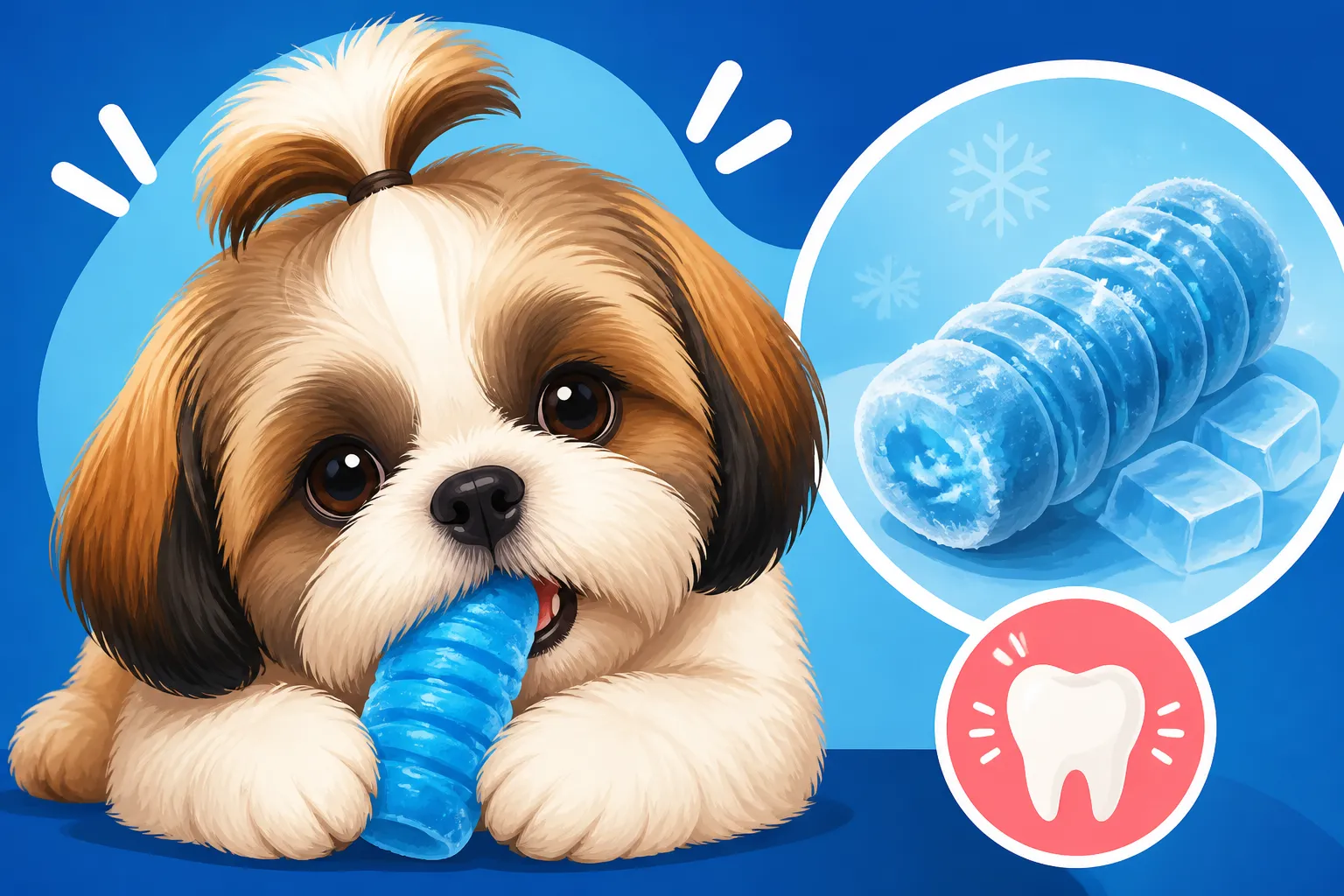
Cold Chews for a Shih Tzu Cutting Teeth
Bringing home a Shih Tzu puppy is an absolute joy, but it also comes with a unique set of challenges, and few are as universally frustrating (and adorable, in retrospect!) as the teething phase. Those tiny, needle-sharp teeth that seem to find their way onto every piece of furniture, every finger, and every treasured belonging can make a new owner feel a bit helpless. The good news is, you don't have to just grin and bear it. This guide is all about providing soothing, effective relief for your little fluffball by harnessing the simple, wonderful power of cold chews as their baby teeth make way for adult ones.
The Little Chompers: Why Cold Helps a Teething Shih Tzu
Watching your Shih Tzu puppy struggle with teething can be heartbreaking. They might whine, be extra mouthy, or even seem a little off their food. It’s a natural process, but that doesn’t mean it’s comfortable for them. Understanding why they’re experiencing discomfort is the first step in helping them through it, and that’s where cold chews truly shine.
Understanding Puppy Teething Pain
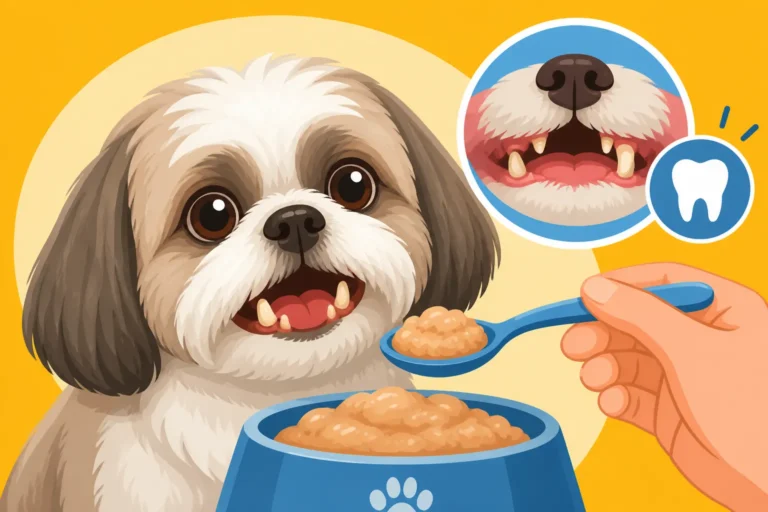
Imagine having tiny teeth pushing through your gums, causing inflammation, soreness, and an irresistible urge to chew on everything. That’s exactly what your Shih Tzu puppy is going through. From about three weeks of age, their baby teeth start to emerge, and then around three to four months, those baby teeth begin to fall out, making way for their 42 permanent adult teeth. This transition period, lasting until about six to seven months, is often the most intense. Their gums become swollen and tender, which is why they seek out things to gnaw on – the pressure helps to alleviate some of that uncomfortable throbbing. You might notice them Shih Tzu Puppy Nipping at Fingers more often, not out of malice, but pure instinct to soothe their aching mouths.
During this time, their mouths are a busy construction zone. They’re losing tiny teeth, sometimes swallowing them, and new, stronger teeth are pushing through. It's not uncommon for some puppies to retain a few baby teeth, especially in a breed with a crowded jaw like the Shih Tzu, which can cause further issues. Keeping an eye on their dental development during this period is important, as their small mouths are already a tight squeeze for all those adult teeth.
The Science of Cold Relief
Think about how good an ice pack feels on a bumped knee or a sore muscle. The same principle applies to your puppy’s irritated gums. Cold temperatures work by constricting blood vessels in the affected area, which helps to reduce swelling and inflammation. More importantly, the cold provides a gentle numbing effect, much like a mild local anesthetic. This temporary numbing can be a huge relief for sore, throbbing gums, giving your puppy a much-needed break from the constant ache.
When your Shih Tzu is desperately trying to chew, offering a cold item meets two needs: the need for pressure and the need for relief. The firmness of the chew satisfies their natural urge to gnaw, while the cold lessens the pain associated with that pressure. It’s a win-win for their comfort and your sanity, as it directs their chewing towards appropriate items rather than your antique chair leg.
Distraction as a Soother
Beyond the physical numbing, a cold chew offers a fantastic psychological benefit: distraction. When a puppy is focused on working on a cold, interesting chew, their mind is diverted from the general discomfort they might be feeling. It gives them a constructive outlet for their restless energy and an appropriate target for their chewing instincts. This is crucial during the teething period, as it helps prevent them from developing undesirable chewing habits on household items.
The act of gnawing on something cold and durable can also provide a sense of satisfaction. It’s a self-soothing behavior that helps them cope with a challenging developmental stage. By providing these appropriate outlets, you're not only easing their pain but also teaching them good habits and acceptable ways to manage discomfort. This positive association with appropriate chew toys will serve them well long after their teething phase is over.
Safe and Effective Cold Chew Options for Your Shih Tzu
Choosing the right cold chew is crucial, especially for a small breed like the Shih Tzu with its unique brachycephalic (flat-faced) structure and delicate jaw. You need items that are safe, appropriately sized, durable enough to withstand chewing, and, of course, capable of holding a chill.
Rubber and Silicone Teethers
These are often the go-to for teething puppies, and for good reason. They are specifically designed with various textures, nubs, and shapes that are appealing to puppies and gentle on their gums. Look for options made from natural rubber or food-grade silicone, which are non-toxic and durable. Many of these toys are designed to be freezer-safe, with hollow centers or internal water reservoirs that allow them to hold cold for an extended period.
When selecting one, consider your Shih Tzu’s small mouth. The chew shouldn't be so large that they can't get it into their mouth, nor so small that it becomes a choking hazard. Brands like Kong and Nylabone offer excellent puppy-specific lines that are perfectly sized. You can often find a wide selection of these types of durable, freezer-safe toys on online retailers like Chewy or Amazon, making it easy to compare options and find one that suits your puppy best. Always ensure the product description explicitly states it's safe for puppies and can be frozen.
Frozen Cloths and Toys
Sometimes, the simplest solutions are the best. A clean washcloth, thoroughly dampened with water (or even diluted, dog-safe broth for extra appeal!), twisted, and frozen, can make an excellent, inexpensive cold chew. The icy texture provides fantastic relief, and as it thaws, it offers a different chewing sensation. Be sure to tie it in a knot to make it more substantial and less likely to be ingested in one gulp.
Similarly, many soft plush toys can be dampened and frozen. Just make sure they don’t have any small, detachable parts (like plastic eyes or buttons) that could come off and become a choking hazard once frozen and chewed. These types of chews are generally safe under supervision and are easily replaceable, making them a great addition to your puppy’s teething toolkit. You can also get more creative, freezing certain dog-safe vegetables or fruits into fun shapes or even using a popsicle mold.
Edible Chews Frozen Safely
While non-edible chews are essential, a frozen edible treat can be a fantastic, high-value reward that also provides relief. The key here is safety and moderation.
- Frozen Carrots: A whole, raw carrot, frozen solid, can be a great, healthy chew. It's hard enough to last a little while and the cold helps. However, always supervise, especially if your puppy is a powerful chewer, to ensure they don't break off large, indigestible pieces.
- Fruit Pieces: Small pieces of apple (no core or seeds), banana, or blueberries can be frozen. These are softer and won't last as long, but they offer a delightful, cold treat.
- Dog-Friendly "Popsicles": You can create your own by freezing diluted bone broth, plain yogurt (ensure it has no xylitol), or pureed pumpkin in an ice cube tray. Many pet food companies are also coming up with innovative fresh food options; for example, some owners who feed a fresh food diet might even freeze portions of their dog's regular meal, like those from Ollie, into lickable, soothing treats. Always check ingredients to ensure they are safe for dogs.
- Frozen Wet Food Stuffed Toys: Take a rubber chew toy with a hollow center, like a Kong, stuff it with your puppy's wet food or even some peanut butter (xylitol-free!), and freeze it. This creates a long-lasting, highly engaging, and soothing cold chew.
Remember that any edible chew should be considered a treat and given in moderation to avoid upsetting your puppy's stomach or contributing to weight gain. Always ensure the food items are safe for dogs and free from harmful ingredients.
Considerations for a Shih Tzu Mouth
The Shih Tzu's unique brachycephalic head shape means their mouth structure is different from many other breeds. They have an undershot jaw, and their teeth are often crowded, as we discuss in Why a Shih Tzu Mouth Cannot Hold Forty-Two Teeth. This means:
- Size Matters: Chews shouldn't be too large for them to comfortably get into their mouths and manipulate, but not so small they can be swallowed whole.
- Shape and Texture: Chews with nubs and ridges can help massage gums, but avoid anything too abrasive that could damage delicate gum tissue. Soft, pliable materials are generally best.
- Durability vs. Hardness: While a chew needs to be durable, avoid anything excessively hard, like real bones or antlers, which can chip or break their developing teeth. Their small, crowded teeth are more prone to fracture. For specific recommendations, looking into Chews That Suit a Shih Tzu Underbite can be very helpful in selecting appropriate items.
Here's a quick comparison of popular cold chew types for your Shih Tzu:
| Chew Type | Material / Composition | Durability | Preparation | Supervision Level | Notes |
|---|---|---|---|---|---|
| Rubber/Silicone Toys | Rubber, Silicone | High | Freeze as-is, or filled | Moderate | Excellent for gum massage, many textures, long-lasting cold. |
| Frozen Washcloth | Cotton | Low-Medium | Dampen, twist/knot, freeze | High | Inexpensive, soft as it thaws, satisfying texture. |
| Frozen Carrots | Raw Carrot | Medium | Freeze whole or in chunks | High | Healthy, good pressure, can be messy as it thaws. |
| Stuffed & Frozen Kong | Rubber toy filled with food | High | Fill with wet food/pb, freeze | Moderate | High-value, mentally stimulating, long-lasting. |
| Ice Cubes (Caution) | Frozen Water | Low | Freeze water | Very High | Not recommended due to hardness, risk of tooth fracture. |
Implementing Cold Chews Into Your Shih Tzu's Routine
Getting your Shih Tzu puppy to accept and enjoy cold chews is often straightforward because of the immediate relief they offer. However, there are a few best practices to ensure they are used safely and effectively throughout the teething period.
Preparation and Rotation
Having a few different cold chews on hand is a smart strategy. This allows you to rotate them, keeping your puppy interested and ensuring you always have a frozen one ready to go. While one is being enthusiastically chewed, another can be chilling in the freezer. For soft rubber or silicone toys designed for freezing, a few hours in the freezer is usually enough. For frozen washcloths or homemade "pupsicles," overnight is ideal to ensure they are solid.
Keep a designated spot in your freezer for your puppy's chews to maintain hygiene. Also, make sure that whatever you're freezing won't expand too much and become difficult for your puppy to manage, or worse, rupture the toy. Regular rotation also prevents overuse of a single chew, which could lead to it wearing down too quickly or becoming less appealing over time.
Supervision is Key
No matter how safe a chew toy or treat seems, always supervise your Shih Tzu puppy when they are enjoying a cold chew. This is not a suggestion; it's a critical safety measure.
- Choking Hazard: Puppies, especially small ones like Shih Tzus, can break off pieces of chews, even durable ones. These pieces can become choking hazards. If you see a piece come off, remove it immediately.
- Ingestion Risk: While some edible chews are designed to be consumed, non-edible chews are not. If your puppy is trying to swallow pieces of a rubber toy, it's time to take it away and perhaps reassess if that particular toy is suitable for their chewing style.
- Mess: Frozen items can be messy as they thaw, especially if they contain food. Supervision allows you to direct your puppy to a washable surface or a designated "chew zone" to minimize cleanup.
Supervision helps you monitor how your puppy is interacting with the chew and ensures they are using it safely. It’s also a good opportunity to observe their overall comfort level, checking for signs of excessive pain or difficulty.
Cleaning and Maintenance
Just like human baby teething toys, your puppy’s cold chews need to be kept clean. After each use, especially for rubber or silicone toys, wash them thoroughly with warm, soapy water and rinse well. This removes saliva, food particles, and any bacteria that might have accumulated. For cloth chews, a regular wash in the laundry machine is sufficient.
Regular cleaning not only keeps the chews hygienic but also extends their lifespan. Inspect chews frequently for any signs of wear and tear, such as cracks, tears, or missing pieces. A damaged chew is no longer safe and should be discarded immediately to prevent ingestion of small plastic or rubber fragments. Maintaining a clean supply of safe chews is part of responsible puppy care and will help keep your Shih Tzu healthy during this vulnerable teething phase.
When to Offer Cold Chews
Timing can make a difference in how effective cold chews are. Offer them:
- During Peak Teething Times: You'll notice your puppy is most mouthy or uncomfortable at certain times, often in the late afternoon or evening. This is a prime time for a cold chew.
- When Puppy is Restless: If your Shih Tzu is whining, pacing, or trying to chew on inappropriate items, offering a cold chew can redirect that energy positively.
- After Meals: Sometimes, chewing can feel good after a meal.
- Before Crate Time: A satisfying cold chew can help settle your puppy before a nap or bedtime, potentially helping with issues like A Shih Tzu Puppy Waking at Two in the Morning if their discomfort is keeping them awake.
The goal is to provide relief proactively rather than reactively. Make cold chews a regular part of their day during the teething months. This establishes a positive routine and helps your puppy learn that these items are for their comfort.
What to Avoid and Other Teething Tips
While cold chews are incredibly helpful, it's equally important to know what not to offer and to remember that teething is just one aspect of overall puppy health. A holistic approach will serve your Shih Tzu best.
Dangerous Chews to Steer Clear Of
Not all chews are created equal, especially when it comes to cold items for puppies. Some seemingly harmless items can pose significant risks.
- Ice Cubes: While they are cold, plain ice cubes are too hard for a puppy's developing teeth. They can cause tooth fractures, especially in a small breed like a Shih Tzu. If you want to use frozen water, offer it in a safer form, like a diluted broth popsicle.
- Cooked Bones: Cooked bones, regardless of size, are brittle and can splinter, leading to choking or severe internal injuries if ingested. Raw bones can also carry bacterial risks and still pose a fracture hazard. It's best to avoid them entirely.
- Too-Small Objects: Anything that can fit entirely into your puppy's mouth is a choking hazard. Always choose chews that are appropriately sized and too large to swallow whole. Even if a toy starts at a safe size, constantly monitor it for degradation.
- Hard Plastic or Nylon Toys (unfrozen): While some nylon chews are marketed for puppies, ensure they are pliable enough not to damage teeth. The key is "give" – if you can't indent it with your thumbnail, it's likely too hard for a puppy's mouth. When frozen, even a somewhat soft toy can become rock-hard, so always test the hardness before offering.
Always err on the side of caution. If you're unsure about an item, it's better to consult your veterinarian or a trusted pet supply expert before giving it to your puppy.
Beyond Cold Chews: Comprehensive Teething Care
Cold chews are a fantastic tool, but they are part of a larger strategy for managing puppy teething.
- Gentle Gum Massage: Sometimes, just a gentle massage of their gums with a clean finger (or a puppy-specific finger brush) can provide comfort. This can also help get your puppy used to having their mouth handled, which is essential for future Daily Toothbrushing in a Crowded Shih Tzu Jaw and vet visits.
- Vet Checks: Regular veterinary check-ups are vital during this period. Your vet will monitor the eruption of adult teeth and ensure all baby teeth fall out. It’s not uncommon for Shih Tzus to have Retained Puppy Teeth in a Shih Tzu, which may need to be extracted to prevent future dental issues and allow permanent teeth to come in properly. Your vet will conduct a thorough The Puppy Check a Shih Tzu Needs at Eight Weeks and subsequent exams to keep an eye on this.
- Appropriate Chew Variety: Offer a range of appropriate chew toys beyond just cold ones. Different textures and levels of firmness will keep your puppy engaged and provide varied relief.
- Patience and Understanding: Teething is a temporary phase, albeit a challenging one. Remember that your puppy isn't trying to be naughty; they're simply responding to discomfort. Patience, positive redirection, and providing appropriate outlets are key.
By combining the soothing power of cold chews with a comprehensive approach to dental care and appropriate supervision, you can help your Shih Tzu puppy navigate the teething stage comfortably and safely. This ensures they develop good chewing habits and a healthy mouth, setting them up for a lifetime of happy, pain-free chomping.
Disclaimer
This article is for general informational purposes only and does not constitute professional advice. Laws, prices and regulations vary by location and change over time. Consult a qualified professional for guidance on your specific situation.