Trimming a Shih Tzu Fringe Instead of Tying It
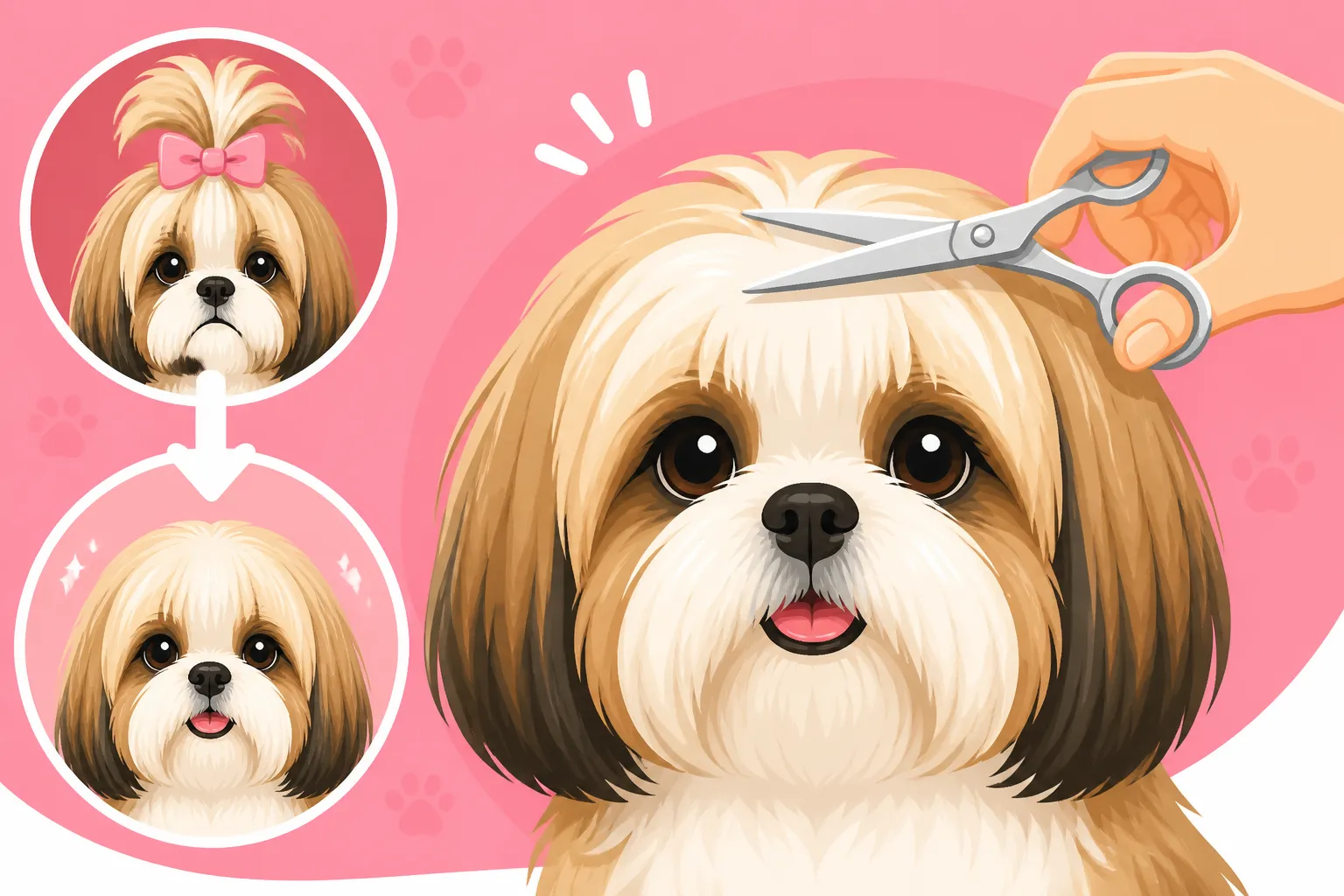
For many Shih Tzu owners, the daily battle with a topknot can feel like a losing war. You want to keep that beautiful hair out of their precious eyes, but your sweet companion might protest every step of the way, making the process stressful for both of you. This guide offers a practical, comfortable alternative: trimming your Shih Tzu’s fringe, giving them clear vision and you a much-needed break from the tying routine.
Why Trimming Is a Viable Alternative to Tying
Living with a Shih Tzu means embracing that glorious, flowing hair. It's part of their charm, but also a source of constant care. While the traditional topknot is a beautiful way to manage the hair around their eyes, it's not always the easiest or most comfortable solution for every dog or owner. Sometimes, you just need a simpler approach that prioritizes your dog's comfort and your sanity.
The Topknot Battle: When Tying Just Isn't Working
Let's be honest, trying to secure a perfect topknot on a wiggly, protesting Shih Tzu can be an Olympic-level event. You’re wrestling with tiny bands, trying to part the hair just right, all while your furry friend ducks, weaves, and sometimes even snaps. It's frustrating when you know you need to keep that hair out of their eyes for their health and comfort, but the daily struggle leaves you both exasperated. Many owners find their Shih Tzu simply detests having their hair pulled and tied, leading to a negative association with grooming time. Even when you succeed, those delicate bands can cause hair breakage, create uncomfortable tension, or even disappear into the coat, creating mats if not removed carefully. Sometimes, despite all your efforts, the topknot slips, and suddenly you're back to square one with hair flopping into their field of vision. This constant battle can make even the most dedicated owner consider alternatives.
Benefits of a Trimmed Fringe
Opting for a trimmed fringe offers a host of benefits that can significantly improve your Shih Tzu's quality of life and simplify your grooming routine. First and foremost, a well-trimmed fringe ensures your dog has unobstructed vision. This might sound obvious, but hair constantly falling into their eyes can cause chronic irritation, leading to issues like Shih Tzu Corneal Ulcers and Dry Eye or even contributing to more serious conditions like Pigmentary Keratitis in a Shih Tzu over time. Clear vision means they can navigate their world more confidently and comfortably, whether they're playing in the yard or just exploring the living room.
Beyond vision, a trimmed fringe contributes to better hygiene. The hair around their eyes can become damp with tears and food, creating a breeding ground for bacteria and causing unsightly tear stains. A shorter fringe is easier to keep clean and dry, reducing the incidence of these issues. Furthermore, eliminating the need for hair bands means less risk of hair breakage and painful matting that can occur when bands get tangled or left in too long. For many Shih Tzus, the simple act of not having their hair pulled back is a huge relief, reducing stress during grooming and making them more cooperative for other essential care like Daily Toothbrushing in a Crowded Shih Tzu Jaw or nail trims. It’s a win-win for comfort and practicality.
Is a Trimmed Fringe Right for Your Shih Tzu?
While a trimmed fringe can be a wonderful solution, it's worth considering if it truly aligns with your Shih Tzu's individual needs and your lifestyle. For an active, playful Shih Tzu who loves to roll around and get a little messy, a trimmed fringe can be incredibly practical, preventing dirt and debris from getting caught in long facial hair. It's also an excellent choice for Shih Tzus who are particularly sensitive about having their face touched or who show signs of discomfort with traditional topknots. Some dogs just aren't built for intricate hairstyles, and forcing them into a topknot daily can diminish their trust in you during grooming.
Consider your own comfort level as well. If you find yourself consistently short on time, or if the thought of wrestling with tiny rubber bands every morning fills you with dread, a trim is a much lower-maintenance option. However, if you enjoy the artistry of a beautiful topknot and your Shih Tzu tolerates it well, then perhaps the traditional route is still best for you. Ultimately, the decision comes down to balancing aesthetic preference with practicality, comfort, and your dog's overall well-being. It’s about finding the grooming solution that makes both of your lives easier and happier.
Prepping Your Shih Tzu for a Fringe Trim
Trimming your Shih Tzu's fringe doesn't have to be a daunting task. With the right tools and a patient, gentle approach, you can make it a positive experience for both of you. The key is to start with proper preparation, ensuring you have everything you need and that your furry friend is as comfortable as possible before you even pick up the scissors.
Gathering Your Tools
Before you begin, gather all your supplies and set up a dedicated, well-lit grooming area. You’ll want a small, sharp pair of blunt-nosed grooming scissors. The blunt tips are crucial for safety, reducing the risk of accidentally poking your Shih Tzu’s delicate eyes if they make a sudden movement. A fine-tooth comb is essential for separating the hair and holding it securely before you trim. You might also want a regular slicker brush for a preliminary brush-out. Have plenty of small, delicious treats on hand – you can find a great variety on platforms like Chewy or Amazon – to reward good behavior.
A non-slip surface, like a rubber bath mat on a table or even just a towel on your lap, will help your dog feel more secure. Good lighting is non-negotiable; you need to clearly see what you're doing to avoid mistakes. Make sure your hands are clean, and consider wearing comfortable clothes that you don't mind getting a little hairy. Having everything within arm's reach before you start means you won't have to scramble for forgotten items, keeping the session smooth and stress-free for your Shih Tzu.
Creating a Calm Environment
The environment you choose for grooming can make all the difference in how your Shih Tzu perceives the experience. A calm, quiet space free from distractions is ideal. Turn off the television, silence your phone, and make sure children or other pets aren't going to interrupt. Approach the session with a relaxed, confident demeanor yourself. Dogs are incredibly perceptive and will pick up on your stress or anxiety, making them more nervous. Speak in a soothing, gentle voice throughout the process, offering constant reassurance.
Keep the sessions short, especially when you're first introducing the idea of a trim. Five to ten minutes is often plenty for a Shih Tzu with a short attention span. End on a positive note, even if you only managed a few snips, and reward them generously with treats and praise. This positive reinforcement, perhaps combined with Clicker Work With a Shih Tzu Puppy, helps build a strong association between grooming and pleasant experiences, making future trims much easier. Remember, consistency in creating a calm space will pay dividends in building your dog's trust and cooperation.
Getting Your Shih Tzu Used to Face Handling
Before you introduce scissors, it’s vital that your Shih Tzu is comfortable with you handling their face, particularly around their eyes. Start by simply touching their face gently for a few seconds at a time, followed immediately by a treat and praise. Gradually increase the duration and intensity of the touching, always pairing it with positive reinforcement. Gently hold their chin, lift their fringe, and softly touch the hair around their eyes with your fingers.
Practice using the comb to part the hair on their forehead, simulating the motion you'll use during the trim. Do this several times a day in short bursts, even when you don’t intend to trim, so they don’t always associate face touching with the actual cutting. If your Shih Tzu is particularly sensitive, or if you're dealing with a rescue that might have negative grooming associations, go exceptionally slow. For some, even starting with just wiping their face or eyes, as described in A Shih Tzu That Bites During Eye Wiping, can be a stepping stone. Patience is your greatest ally here; building this foundational comfort will make the actual trimming process significantly smoother and less stressful for both of you.
Step-by-Step Guide to Trimming Your Shih Tzu's Fringe
Now that you and your Shih Tzu are prepped and ready, it's time for the main event: the trim itself. Approaching this carefully and methodically will ensure a safe, neat cut that keeps their eyes clear and looking adorable. Remember, slow and steady wins the race, especially when you're working near sensitive areas.
The Essential First Steps
Before you even think about picking up those scissors, give your Shih Tzu a thorough brush-out, paying special attention to the hair on their head and face. You want to ensure there are absolutely no tangles or mats in the fringe, as trying to cut through matted hair can be painful and lead to an uneven, choppy result. Use your slicker brush first, then follow up with your fine-tooth comb to work out any stubborn knots.
Once their hair is smooth, have your Shih Tzu sitting comfortably and securely. For smaller dogs, a grooming arm with a loop or even just having them sit on your lap where you can gently cradle them can help prevent sudden movements. Speak to them in a calm, reassuring tone. Now, take your fine-tooth comb and carefully part the hair directly above their eyes. The goal is to create a clear line of hair that you intend to trim, separating it from the longer hair on their head. You can either comb the rest of the head hair back and out of the way, or use a small clip to secure it temporarily, ensuring only the fringe you want to cut is isolated. This isolation is crucial for precision and safety.
The Trimming Process: Techniques and Safety Tips
With your Shih Tzu's fringe isolated and combed straight down over their eyes, it's time to trim. Hold the comb flat against their forehead, using it as a guide, and gently push the hair down, away from their eyes. The hair you want to trim will be the part that extends past the comb and into their line of sight. Using your blunt-nosed scissors, make small, deliberate snips straight across the line of the hair. Always cut horizontally, never vertically or diagonally when working on the fringe, as this can lead to unevenness and accidental pokes. Aim to trim just enough to clear their eyes, typically to a length that reaches just above the bridge of their nose when relaxed. It's always better to cut too little than too much; you can always take off more hair, but you can't put it back!
Throughout the process, periodically stop and comb the hair again to ensure it's still lying evenly. Gently lift their head to check from different angles. Pay close attention to the hair at the corners of their eyes; this area often gets missed and can still cause irritation. For these delicate spots, you can use the very tips of your blunt-nosed scissors, carefully angling them away from the eye itself. Make sure your dog's head is still and secure when you're cutting near their eyes. If they move, stop immediately and reassure them before resuming. Break the session into tiny steps, offering treats and praise after each successful snip or moment of stillness. Remember, you're not trying to create a show-dog cut here; you're simply aiming for a functional, comfortable trim. For more general advice on maintaining facial hair, you might find tips in Trimming Around a Shih Tzu's Mouth helpful for surrounding areas.
What to Avoid for a Safe Trim
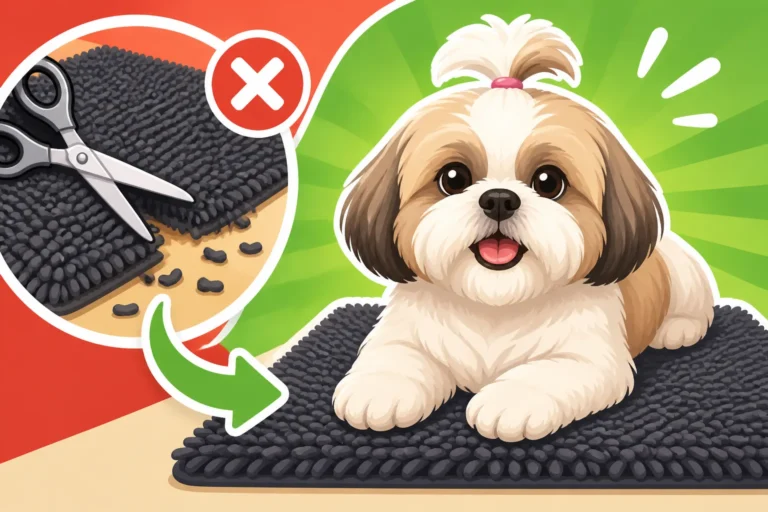
When trimming your Shih Tzu's fringe, certain actions can quickly turn a helpful grooming session into a stressful or even dangerous one. Firstly, never use pointy household scissors. These are far too dangerous to be near a dog's eyes. Always invest in blunt-nosed grooming scissors specifically designed for pets. Secondly, avoid rushing the process. If you feel impatient or your dog is becoming overly agitated, it's better to take a break and resume later. Forcing the issue can lead to accidents and will only make your Shih Tzu more resistant to future grooming.
Another common mistake is attempting to cut too much hair at once. Taking large chunks can result in an uneven, unsightly cut and makes it harder to correct if you go too short. Stick to small snips, literally just a few hairs at a time. Also, be mindful of cutting too close to the skin, especially in the delicate area between the eyes, as this can cause nicks or irritation. Finally, avoid holding your dog's head too tightly or in an uncomfortable position. While you need stability, you don't want to cause pain or fear. If you find yourself struggling or feeling unsure, remember that professional groomers are skilled at this task and can provide a safe, expert trim, or even give you a practical demonstration. It's okay to seek help if you're not confident.
Maintaining the Trim and What to Watch For
Once you've achieved that perfect fringe trim, the work isn't entirely over. Maintaining the trim and keeping a watchful eye on your Shih Tzu's eyes and facial area will ensure their continued comfort and prevent any potential issues. A little consistent care goes a long way in keeping their face clean and clear.
How Often to Trim
The frequency of trimming your Shih Tzu's fringe will largely depend on how fast their hair grows and how particular you are about keeping it short. For most Shih Tzus, you'll likely find yourself needing to re-trim every three to four weeks. Some might have faster growing hair and require a touch-up every two weeks, while others might stretch to a month and a half. The best way to know is to observe your dog. As soon as you notice the hair starting to fall into their eyes, or if it begins to look a little shaggy and less neat, it’s time for another session.
Regular, shorter trims are generally much easier to manage than waiting until the hair is significantly overgrown. When you only have a small amount to trim, the sessions can be quicker and less stressful for your dog. Consider setting a recurring reminder on your phone or marking it on your calendar to help you stay on schedule. Consistency in trimming will not only maintain a clean look but also reinforce the positive grooming habits you’ve been building.
Everyday Face Care with a Trimmed Fringe
Even with a trimmed fringe, daily face care remains important for your Shih Tzu. The short hair is less likely to trap moisture and food, but tear stains can still be an issue for some dogs, especially those with lighter coats. Make it a routine to gently wipe around their eyes at least once a day, and preferably after every meal, using a soft, damp cloth or a specialized pet eye wipe. You can find excellent tear stain removers and wipes on platforms like Amazon or Chewy, which can help keep the area clean and prevent discoloration. For comprehensive advice, checking out Shih Tzu Tear Stains and What Causes Them can give you more insights.
Beyond tear stains, always check for any signs of irritation, redness, or discharge from their eyes. Even a short fringe can sometimes rub if cut at an awkward angle, or stray hairs might still find their way into their eyes. If you notice persistent squinting, excessive tearing, or your Shih Tzu rubbing their face, it’s time to check for irritation or contact your vet. Keeping the area clean and dry is also vital to prevent skin irritation or yeast infections in the folds around their nose and mouth. Regular inspection during your daily cuddle time can help you catch any issues early.
When to Call the Professional
While home grooming for a trimmed fringe is definitely achievable, there are times when calling in a professional groomer or even your vet is the best course of action. If you're feeling nervous or unsure about using scissors near your dog's eyes, don't hesitate to book an appointment with a professional groomer. They have the experience, specialized tools, and often a calming touch that can make the process stress-free for your Shih Tzu. They can also provide an initial trim that you can then maintain at home, or even offer tips and demonstrations on safe techniques.
If your Shih Tzu develops any persistent eye issues – such as redness, excessive discharge, swelling, or squinting – even after you've started trimming the fringe, it's crucial to consult your veterinarian. These could be signs of underlying medical conditions that require professional diagnosis and treatment. Sometimes, what seems like a simple irritation can be a symptom of something more serious, like an infection or corneal damage. Similarly, if you notice significant matting develop despite your best efforts, especially if it's too close to the skin to safely remove yourself, a professional groomer is equipped to handle it without causing pain or injury. Learning more about grooming options can be found in resources like The Shih Tzu Puppy Cut and Its Upkeep and Why a Groomer Turns a Shih Tzu Away for matting. It's always better to prioritize your dog's safety and well-being over attempting a difficult task yourself.
| Feature | Trimmed Fringe | Traditional Topknot |
|---|---|---|
| Visibility | Excellent, consistently clear vision | Can be clear if well-secured, but may fall or loosen |
| Comfort | High, no pulling or tension on hair | Can cause discomfort, hair pulling, or tension |
| Grooming Time | Quick trim every 2-4 weeks | Daily tying, can be time-consuming |
| Risk of Matting | Very Low in the fringe area | Higher if bands are left in or hair tangles around bands |
| Hair Breakage | Very Low | Moderate, especially with tight bands |
| Tear Stain Management | Easier to keep clean and dry | Hair can trap moisture, making stains more prominent |
| Skill Required | Basic scissor skills, patience | Finer motor skills, practice for neatness |
| Aesthetic | Neat, practical, "puppy cut" look | Classic, elegant, show-ready look |
Disclaimer
This article is for general informational purposes only and does not constitute professional advice. Laws, prices and regulations vary by location and change over time. Consult a qualified professional for guidance on your specific situation.