How Tight a Shih Tzu Topknot Should Be
One of the most charming, yet sometimes frustrating, aspects of owning a Shih Tzu is managing that magnificent cascade of hair around their face. You want to keep it out of their eyes to ensure good vision and prevent irritation, but getting that topknot "just right" can feel like a daily battle. Too loose, and it falls out immediately; too tight, and you worry about discomfort, hair damage, or even skin issues. This guide will walk you through finding the perfect balance for your Shih Tzu's topknot, ensuring both style and comfort.
Why Topknot Tightness Matters for Your Shih Tzu's Health and Comfort
It might seem like a small detail, but the tension of your Shih Tzu's topknot can have a big impact on their overall well-being. A topknot isn't just about looking cute; it's a vital part of eye health and general hygiene for this particular breed. Getting the tightness wrong can lead to a host of problems that are easily preventable with a little knowledge and practice.
Preventing Eye Irritation and Injury
The primary reason we tie up a Shih Tzu's facial hair is to keep it out of their eyes. When long hair constantly brushes against the cornea, it can cause chronic irritation, leading to conditions like Shih Tzu Corneal Ulcers From a Shallow Socket or pigmentary keratitis. Imagine having strands of hair continually poking you in the eye – it's certainly uncomfortable and can even be painful.
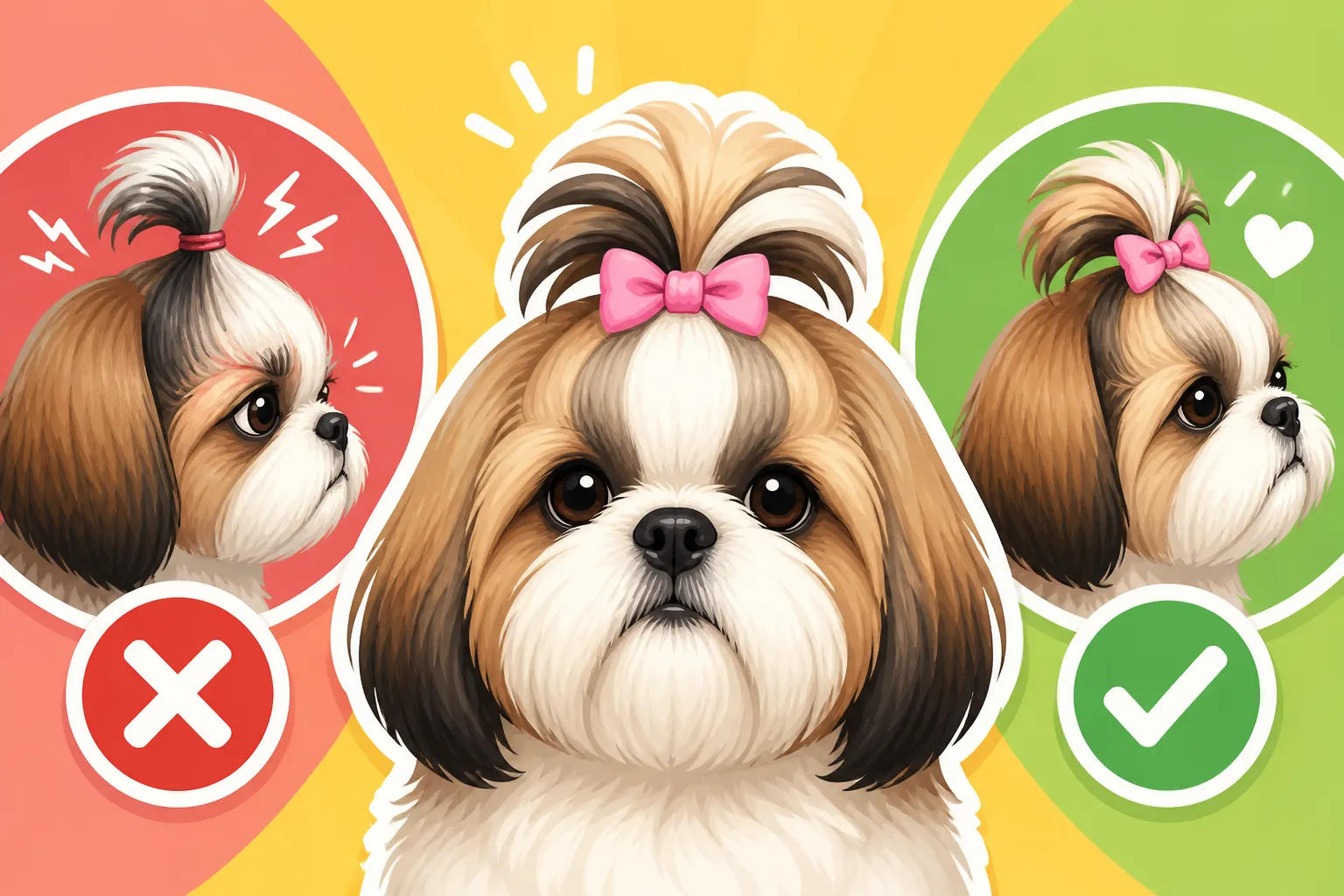
If a topknot is too loose, hair inevitably sags and falls back into the eyes, defeating its whole purpose. On the other hand, if it's secured too tightly, especially with a stiff band or clip that presses against the skull, it can also cause irritation. The goal is to lift the hair away from the eyes without pulling too much on the delicate skin around them. This balance is crucial for their comfort and long-term eye health. Hair Falling Into a Shih Tzu's Eyes is a common complaint, and the right topknot can make all the difference.
Avoiding Skin and Hair Damage
Shih Tzus have a glorious double coat that, while beautiful, is also prone to matting and breakage. A topknot that is consistently too tight can cause significant stress on the hair follicles, leading to breakage and even bald spots over time. This is particularly true if you use the wrong type of band or leave the topknot in for too long without breaks.
The constant tension can also irritate the skin underneath the band, potentially leading to redness, sores, or even infections if left unaddressed. Just like a tight ponytail can give you a headache, a tight topknot can cause discomfort for your dog. It's not just about vanity; it's about maintaining a healthy scalp and a beautiful coat. Regularly checking the skin under the topknot for any signs of irritation is a must.
Impact on Grooming Compliance and Overall Temperament
A Shih Tzu that associates its topknot with pain or discomfort will quickly become resistant to grooming sessions. This can make daily brushing, face cleaning, and even routine vet visits much more challenging. We all know how stubborn our little lion dogs can be when they decide they don't like something!
If your Shih Tzu begins to shy away or snap when you try to tie their hair, it's a huge red flag that something is wrong – often, the topknot is too tight or the process is unpleasant. Building a positive association with grooming, starting from puppyhood, is key. Practicing Face Trims on a Shih Tzu Puppy and introducing the topknot gently can prevent future struggles. A comfortable topknot means a happier, more cooperative dog during grooming, making life easier for both of you.
Finding the "Just Right" Tightness: A Practical Guide
Achieving the perfect topknot isn't an exact science, but it’s a skill you can absolutely master with practice and patience. The key is to pay close attention to your Shih Tzu's reactions and to understand the mechanics of how the hair should be gathered and secured. It's a blend of technique and empathy, always prioritizing your dog's comfort.
The Gentle Gather: How to Start
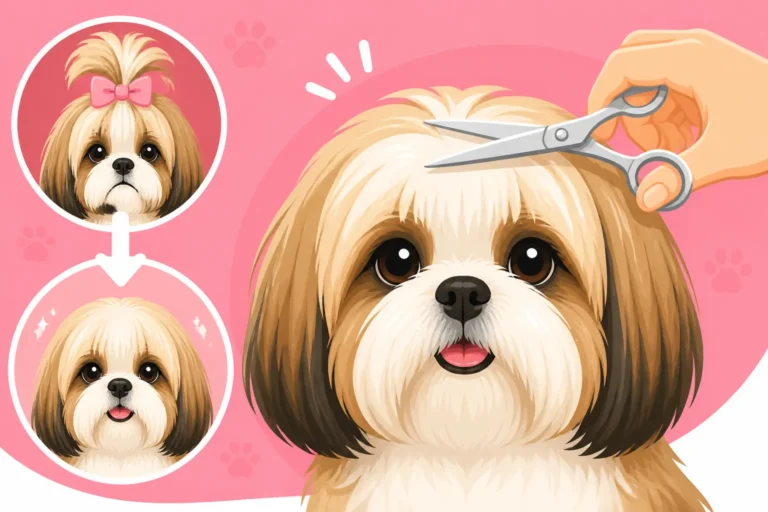
Begin by gently gathering the hair from the bridge of the nose up to the outer corner of each eye. You want to include all the hair that would naturally fall forward into their vision. Use a fine-toothed comb to separate this section cleanly. The amount of hair you gather depends on your Shih Tzu's coat length and density, but generally, it should be enough to pull all the fringe away from their eyes.
Hold the gathered hair firmly but not harshly. Before securing, lift the hair slightly to ensure it's not pulling too much on the skin around their eyes or forehead. You should see the skin relax if you've done it correctly. If you notice their eyes being pulled back or the skin around them looking taut, you've likely gathered too much hair or are pulling it too tightly at the base. It should feel like a gentle lift, not a tug. The Shih Tzu Topknot and Keeping Hair Out of the Eyes is really about this initial gather.
Securing the Topknot: Checking for Tension
Once you have the hair gathered, it's time to secure it. This is where the "too tight" versus "just right" dilemma often arises. The goal is to secure the hair so it stays in place without creating excessive tension at the base.
Here’s a simple test: After you've placed the band or clip, try to insert the tip of your pinky finger under the elastic or clip at the base of the topknot. If you can easily slide your finger under without struggling, it's likely a good tension – snug enough to hold, but loose enough to prevent discomfort. If you can't get your finger under, or if the skin around the band looks wrinkled or tight, it's definitely too tight. Remove it and try again. Sometimes, it helps to place the band a little further back from the eyes, giving a bit more play. Remember, you can always adjust throughout the day if you see signs of discomfort.
Observing Your Shih Tzu's Reaction
Your Shih Tzu will give you the best feedback on whether their topknot is comfortable. Watch for these signs:
- Positive Signs: They ignore it, play normally, sleep without trying to rub their head, and don't paw at their face. These are all indicators that the topknot is well-placed and comfortable.
- Signs It's Too Tight:
- Head Shaking/Rubbing: This is one of the most common signs. If they immediately start shaking their head, rubbing their face on the floor or furniture, or pawing at their head, it's almost certainly too tight or pulling uncomfortably.
- Squinting or Excessive Blinking: The topknot might be pulling on the skin around their eyes, causing irritation, or the hair might still be falling into their eyes despite your best efforts.
- Sensitivity to Touch: If they flinch or pull away when you try to touch their head after placing the topknot, it's a clear sign of discomfort.
- Changes in Demeanor: A dog that suddenly becomes quiet, withdrawn, or unwilling to play after a topknot goes in might be feeling discomfort.
If you observe any of these negative signs, remove the topknot immediately and try again with less tension. It’s better to have it a little looser and have it fall out than cause your precious pup pain.
Choosing the Right Tools for a Secure and Gentle Topknot
The type of bands, clips, and grooming products you use plays a significant role in achieving a comfortable and lasting topknot. Just as you wouldn't use harsh elastic on your own hair, your Shih Tzu deserves gentle, effective tools designed for their fine, delicate coat. Investing in quality products can make a world of difference in preventing breakage and ensuring comfort.
Topknot Bands and Clips
When it comes to securing the topknot, not all hair ties are created equal for a Shih Tzu. Standard human elastic bands are often too harsh and can cut into their delicate hair, causing breakage. Here’s a breakdown of better options:
- Latex-Free Elastic Bands: These small, flexible bands are often marketed for "dog grooming" or "baby hair." They are gentler on the hair and less likely to cause damage. Look for ones that are soft and stretchy, not brittle. Brands like those found on Chewy or Amazon often offer large packs specifically designed for small breeds.
- Soft Fabric Hair Ties: Very small, soft fabric ties can work for thicker hair, but they can be harder to get tight enough to hold fine Shih Tzu hair without slipping. However, they are extremely gentle.
- Grooming Clips or Bows: While often decorative, many clips come with small, covered elastic bands attached, or have a clip mechanism that is designed to hold hair without pulling. Ensure the clip doesn't pinch the skin or hair. These can be great for an extra touch of style, but the primary hold should still come from a gentle band.
When selecting bands, consider the size relative to your dog's hair volume and the material. Topknot Bands That Do Not Break Shih Tzu Hair are crucial for maintaining coat health.
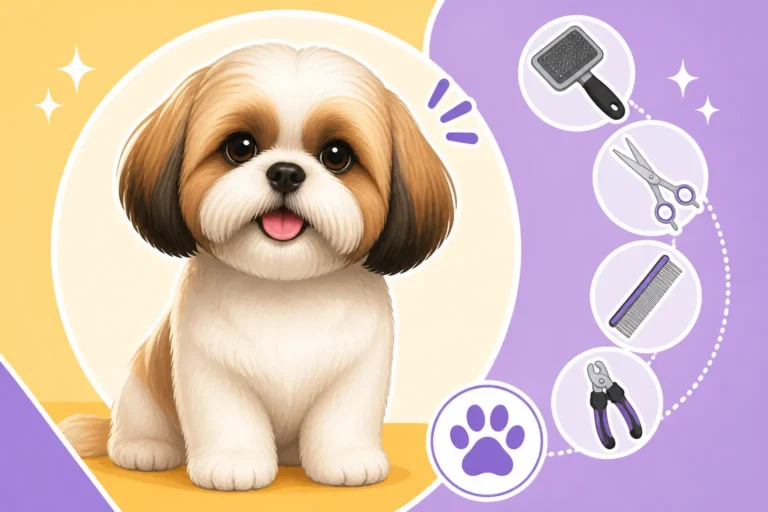
Brushes, Combs, and Detanglers
Before you even think about putting in a topknot, the hair needs to be completely free of tangles and mats. Attempting to tie up matted hair is a recipe for disaster and discomfort.
- Slicker Brush: A good quality slicker brush with fine, bent wires is essential for working through the Shih Tzu's double coat. Which Brush Reaches a Shih Tzu Undercoat is important to consider here. Gently brush the section of hair you intend to tie, ensuring there are no snags.
- Fine-toothed Comb: Once brushed, use a fine-toothed comb to meticulously separate the topknot section and ensure every strand is smooth. This helps prevent tiny knots from forming within the topknot itself, which can lead to mats and discomfort later.
- Detangler Spray: A good detangler spray, especially one formulated for long-haired dogs, is your best friend. Spritz a little on the hair before brushing and before attempting the topknot. It helps the comb glide through smoothly and minimizes breakage. You can find excellent options on Amazon or Chewy that leave the coat soft and manageable. This is particularly helpful around the sensitive eye area.
Keeping It Clean and Healthy
The topknot area, because it's gathered and often has product applied, can become a magnet for dirt, food, and moisture. This can lead to skin irritation or even infections if not managed.
- Regular Cleaning: Make sure you're regularly cleaning your Shih Tzu's face, especially around the eyes and under the topknot, to remove tear stains, food debris, and any moisture. Wiping a Shih Tzu Face Twice a Day should be part of your routine.
- Shampoo and Conditioner: Regular bathing with a gentle dog shampoo and conditioner, followed by thorough drying, keeps the hair healthy and less prone to breakage. When bathing, carefully untie the topknot and wash the area gently. Shampoo That Suits a Shih Tzu Double Coat is important for preserving its texture.
- Give Breaks: Just like you'd take your own hair down, give your Shih Tzu's scalp a break. Remove the topknot at night or when they're just lounging at home to let the hair and skin breathe. This prevents constant tension and reduces the risk of skin irritation or hair damage.
By being mindful of the tools and techniques, you'll ensure your Shih Tzu's topknot is not only stylish but also comfortable and healthy.
Troubleshooting Common Topknot Issues
Even with the best intentions and tools, you might encounter some common challenges when maintaining your Shih Tzu's topknot. It's a journey, not a destination, and learning to troubleshoot these issues will save you a lot of headaches and keep your pup happier. Understanding why problems occur is the first step toward finding a solution.
Mats and Tangling Within the Topknot
It's incredibly frustrating when you've just put in a perfect topknot, only to find a mat forming within hours. This often happens if the hair wasn't thoroughly brushed and detangled before tying, or if the band allowed too much movement, creating friction.
- Prevention is Key: The absolute best way to combat mats is daily brushing. Even if the topknot is still in place, gently brush the hair around and below it. When you take the topknot out, thoroughly brush the entire section, using a detangler spray if needed. Think of it like pre-medicating – prevent the mat before it has a chance to form. Always ensure the hair is bone dry before putting in the topknot; damp hair mats faster than anything.
- Dealing with Small Mats: If you find a small mat, don't just yank the topknot out. Gently work a detangler spray into the mat. Use your fingers to try and tease it apart, working from the ends towards the base. A wide-toothed comb or a special detangling tool can help. For stubborn mats, it's sometimes best to carefully cut the band off with blunt-nosed scissors, then work on the mat. Never pull directly on a mat, as this is painful for your dog. If it's a really tough mat, consider visiting a professional groomer, as they have specialized tools and techniques for When a Shih Tzu Mat Has to Be Shaved Out.
Hair Breakage and Thinning
If you notice your Shih Tzu's topknot area seems thinner or the hair is breaking off, the culprit is almost always excessive tightness or leaving the topknot in for too long without breaks. The constant pulling stresses the hair follicles and can lead to permanent damage.
- Assess Band Choice and Tightness: Re-evaluate the type of bands you're using. Are they truly gentle, latex-free elastic? Are you doing the "pinky finger test" to ensure it's not too tight? Switching to softer bands, or even using a small clip for a few hours instead of a band, can help.
- Rotate Placement: Try to vary the exact spot where you secure the topknot slightly each day. Always putting it in the exact same place can create a consistent stress point on the hair. Moving it a tiny bit up or down, or slightly to the side, can distribute the tension.
- Conditioning and Supplements: A good quality leave-in conditioner designed for dogs can strengthen the hair. Additionally, some owners find that supplements containing Omega fatty acids can improve coat health and reduce breakage. Consult your vet before adding any supplements to your dog's diet. Fish Oil for a Shih Tzu Double Coat is a common choice for many owners.
Your Shih Tzu Resists the Topknot
This is perhaps the most heartbreaking issue, as it means your pup is associating the topknot with something negative. Resistance often stems from discomfort, a rushed process, or simply a lack of positive early training.
- Rebuild Positive Association: Go back to basics. Don't force it. Start by simply touching their head and face gently, rewarding with high-value treats and praise. Slowly reintroduce the grooming tools, letting them sniff them, and again, offering treats. Work in very short sessions, just a minute or two at a time.
- Slow and Steady: Instead of trying to put the whole topknot in at once, break it down into tiny steps. First, just gather the hair, reward. Then, put the band around the hair without securing it, reward. Slowly progress to securing it, but only for a few seconds initially, then remove and reward. Gradually increase the duration. Five Minute Sessions With a Shih Tzu are often more productive than longer, stressful ones.
- Professional Help: If your Shih Tzu is truly panicking or showing aggression, it might be time to consult a professional trainer or groomer who specializes in positive reinforcement and fear-free handling. They can offer personalized strategies to help your dog become more comfortable with the process. A calm, gentle approach is paramount, and remember that A Shih Tzu That Panics at the Clipper might also struggle with other grooming tasks.
With patience, the right tools, and an understanding of your Shih Tzu's comfort, you can master the art of the perfect topknot, ensuring their eyes are clear and their spirit remains bright!
Disclaimer
This article is for general informational purposes only and does not constitute professional advice. Laws, prices and regulations vary by location and change over time. Consult a qualified professional for guidance on your specific situation.