Shih Tzu Lifespan and the Thirteen Year Average
It’s a truly heart-wrenching moment when you realize your beloved Shih Tzu, who feels like a permanent fixture in your life, won’t be with you forever. While the thought of their limited time is painful, understanding the average Shih Tzu lifespan and the factors that influence it can empower you to give them the healthiest, happiest life possible. This guide will deep dive into everything you need to know about your Shih Tzu's longevity, from genetics to daily care, ensuring you're equipped to maximize your time together.
Understanding the Shih Tzu Lifespan: The Thirteen-Year Average
When you bring a fluffy, mischievous Shih Tzu puppy into your home, it feels like an eternity of cuddles and laughter stretches before you. But like all living beings, our canine companions have a finite amount of time with us. For the beloved Shih Tzu, the typical expectation is a journey that spans around thirteen years. This average isn't just a number; it's a reflection of their genetic predisposition, common health challenges, and the dedicated care they receive from their human families.
This figure of thirteen years serves as a general benchmark, a common expectation based on extensive breed data. Many Shih Tzus will live beyond this, some even reaching the impressive age of eighteen, while others, sadly, may face challenges that shorten their time. It's important to remember that averages are just that – averages. Your individual dog's journey can vary significantly, depending on a multitude of factors, many of which are within your control as a responsible owner.
Average Expectation Versus Reality
The gap between the expected thirteen years and the reality of an individual dog's life can be quite wide, and it often leads to a mix of hope and anxiety for owners. You might read about a Shih Tzu celebrating its 15th birthday and feel a surge of optimism, or hear about a young dog passing too soon, stirring worry. This emotional rollercoaster is completely normal, as we all want as much time as possible with our furry family members.
Realistically, a Shih Tzu's journey is a tapestry woven from inherited traits, daily care, and a bit of pure chance. While the thirteen-year mark is a good median, it doesn't account for the outliers—the exceptionally healthy dogs who defy expectations or those who succumb to unexpected illnesses despite the best care. It's a number to inform, not to define, your dog's potential. Our goal as owners is always to push that average higher for our own pets, striving for every extra healthy day possible.
Why Thirteen Years is the Typical Benchmark
The thirteen-year average for a Shih Tzu is derived from a combination of statistical data from veterinary records, breed club surveys, and owner reports. This number isn't arbitrary; it reflects the overall health profile of the breed. Shih Tzus, like many purebred dogs, have certain predispositions that can impact their longevity. Their small size generally means a longer lifespan than many giant breeds, but their unique brachycephalic (flat-faced) structure and other genetic considerations bring their own set of potential challenges.
For example, conditions like respiratory issues associated with their flat faces, various eye problems due to their prominent eyes, and dental disease, which is rampant in small breeds, can all contribute to health complications that might reduce a dog's overall lifespan if not properly managed. This average considers these common breed-specific issues, highlighting the typical trajectory of health and aging within the Shih Tzu population. Understanding these underlying reasons helps us appreciate the importance of preventative care and early intervention. For more insight into how these factors play out, consider reading about What Actually Ends a Shih Tzu's Thirteen Years.
Factors Influencing a Shih Tzu's Lifespan: Genetics and Breeding
The foundation of a long, healthy life for any Shih Tzu often begins long before they ever set paw in your home—it starts with their genetics and the practices of the breeder. Just like in humans, genetic predispositions can either set a dog up for success or make them more vulnerable to certain conditions. A responsible breeder understands this profound impact and takes steps to ensure they are passing on the best possible genetic legacy.
It's a common misconception that all Shih Tzus are created equal, but the lineage and health history of their parents and grandparents play a monumental role. Choosing a puppy from a reputable breeder is one of the most significant decisions you can make to influence your Shih Tzu's potential for a long and healthy life. This isn't just about avoiding immediate illness; it's about investing in their long-term well-being.
Responsible Breeding Practices
A responsible breeder is not just someone who loves dogs; they are dedicated custodians of the breed's health and future. They meticulously research pedigrees, perform extensive health screenings on their breeding stock, and prioritize temperament and structural soundness. This includes genetic testing for conditions common to Shih Tzus, such as certain eye conditions, patellar luxation, and sometimes even kidney issues. They are transparent about their dogs' health histories and will readily provide documentation for clearances from organizations like the Orthopedic Foundation for Animals (OFA) or Canine Eye Registry Foundation (CERF).
These breeders aim to produce puppies that not only conform to the breed standard but, more importantly, are free from inherited diseases that could shorten their lives or diminish their quality of life. They will never breed a dog with known significant health issues, regardless of how beautiful or desirable that dog might be. Their waiting lists are often long, and their prices might be higher, but this reflects the investment in time, money, and ethical considerations necessary to produce healthy puppies. When considering a puppy, always ask for Health Testing a Shih Tzu Breeder Should Do.
Inherited Conditions and DNA Testing
Shih Tzus, like many purebreds, are prone to certain inherited health conditions due to their specific genetic makeup. Some of the most notable include brachycephalic airway syndrome, various eye conditions (like progressive retinal atrophy and cataracts), patellar luxation (slipping kneecaps), and renal dysplasia. While not every Shih Tzu will develop these, a strong genetic lineage free of these issues significantly reduces the risk.
This is where DNA testing becomes invaluable. Reputable breeders utilize DNA panels to screen their breeding dogs for known genetic markers associated with these conditions. This allows them to make informed decisions, avoiding pairings that might result in puppies with a high likelihood of inheriting a serious illness. As a prospective owner, understanding these tests and asking to see the results for the puppy's parents empowers you to make a more confident choice for a healthy companion. Even with the best breeding practices, some conditions can arise, but proper screening greatly mitigates risk.
The Impact of Environment and Lifestyle on Longevity
While good genes lay a solid foundation, a Shih Tzu's environment and daily lifestyle are equally critical in determining their overall health and how long they thrive. It’s not just about providing food and shelter; it’s about creating a safe, stimulating, and nurturing world for them. From the food in their bowl to the air they breathe and the activities they engage in, every aspect contributes to their well-being and, ultimately, their lifespan.
As owners, we have immense influence over these environmental factors. Simple daily routines and thoughtful choices can make a significant difference in preventing disease, maintaining a healthy weight, and supporting their mental and emotional health, all of which are intertwined with longevity. Think of it as cultivating a thriving garden; the right soil, water, and sunlight allow the plants to flourish.
Diet and Nutrition
The food you put in your Shih Tzu’s bowl is arguably one of the most powerful tools you have for promoting their long-term health. A high-quality, balanced diet provides the essential nutrients needed for robust immune function, healthy organs, strong bones, and a vibrant coat. Conversely, a diet laden with fillers, artificial additives, or excessive calories can lead to obesity, allergies, and strain on vital organs, drastically shortening their life.
Choosing the right food means looking for formulations specifically designed for small breeds, with appropriate protein, fat, and carbohydrate levels. Many owners opt for premium kibble, while others explore fresh food diets or carefully balanced home-cooked meals under veterinary guidance. Portion control is also key; Shih Tzus are prone to gaining weight, and even a couple of extra pounds can put significant stress on their small frames and internal organs. Regularly monitoring their weight and consulting with your vet on the best nutritional plan is paramount for their longevity. Remember, even the smallest treats add up, so be mindful of Shih Tzu Obesity on a Sixteen Pound Frame.
Exercise and Weight Management
Shih Tzus aren't known for being marathon runners, but appropriate, regular exercise is still fundamental to their health. Consistent activity helps maintain a healthy weight, strengthens muscles, improves cardiovascular health, and keeps their minds sharp. A sedentary lifestyle, combined with overfeeding, is a direct path to obesity, which exacerbates many health issues common in the breed, such as joint problems, respiratory difficulties, and heart disease.
Twenty to thirty minutes of daily activity, split into a couple of short walks or indoor play sessions, is usually sufficient for a Shih Tzu. This could involve exploring the neighborhood on a leash (always using a harness to protect their delicate neck and airway), playing fetch in the living room, or engaging with puzzle toys. It's about consistency and finding activities they enjoy without over-exerting their brachycephalic system, especially in warm weather. Monitoring their body condition by feeling for their ribs (they shouldn’t be visibly bony, but you should be able to feel them easily through a thin layer of fat and fur) is a better indicator than just weight on the scale, given their dense coats.
Stress and Emotional Well-being
It's easy to overlook the mental and emotional health of our dogs, but stress, anxiety, and a lack of mental stimulation can have tangible negative impacts on their physical health and lifespan. A Shih Tzu who feels secure, loved, and mentally engaged is more likely to thrive than one living in a chaotic, unpredictable, or neglectful environment. Chronic stress can weaken the immune system, leading to a higher susceptibility to illness.
Providing a stable routine, plenty of positive interaction, and opportunities for mental enrichment are crucial. This includes training sessions, interactive toys, safe socialisation, and simply being present with them. Shih Tzus are companion dogs through and through; they thrive on interaction and being part of the family. Ensuring they feel safe and loved minimizes stress, which in turn supports a healthier, longer life. For instance, a Shih Tzu left alone for long periods without proper preparation can develop separation anxiety, leading to destructive behaviors and chronic stress.
Common Health Challenges That Affect Shih Tzu Lifespan
Shih Tzus are undeniably adorable, but their unique physical characteristics, particularly their brachycephalic (flat-faced) skull shape and long, flowing coats, come with a specific set of health challenges. Understanding these predispositions is the first step in proactive management, which can significantly influence their lifespan. Ignoring these breed-specific vulnerabilities can lead to chronic conditions that reduce their quality of life and shorten their time with you.
It's not about being alarmist, but realistic. Every breed has its quirks, and for the Shih Tzu, these quirks require vigilant attention. Being aware allows you to work closely with your veterinarian to monitor for early signs, implement preventative measures, and provide timely treatment, all of which contribute to extending their healthy years.
Brachycephalic Syndrome and Respiratory Issues
Perhaps the most significant health concern for Shih Tzus relates to their brachycephalic anatomy. Their charming flat faces mean they often suffer from Brachycephalic Airway Obstructive Syndrome (BAOS), a collection of anatomical abnormalities that obstruct airflow. This can include stenotic nares (narrow nostrils), an elongated soft palate, and a hypoplastic trachea (narrow windpipe). These issues make breathing harder, especially during exercise, excitement, or in warm weather.
Symptoms often include noisy breathing, snoring, gagging, difficulty exercising, and even collapsing. Chronic breathing difficulties place a strain on the heart and lungs, potentially leading to secondary health problems over time. Severe cases may require surgery to correct the issues, such as widening the nostrils or shortening the soft palate. Owners must be extra vigilant to prevent overheating and over-exertion, as a Shih Tzu cannot cool itself efficiently. Understanding Brachycephalic Breathing in a Shih Tzu is vital for every owner.
Dental Disease and its Systemic Effects
Dental disease is shockingly prevalent in Shih Tzus and other small breeds, often starting at a very young age. Their small mouths are simply too crowded for all 42 adult teeth, leading to misalignment, food impaction, and rapid plaque and tartar buildup. If left unaddressed, this progresses to gingivitis, periodontal disease, tooth loss, and severe pain.
However, the impact of dental disease extends far beyond the mouth. The bacteria from infected gums can enter the bloodstream and travel to major organs, including the heart, kidneys, and liver, causing serious systemic infections and damage. This often silent killer can significantly shorten a Shih Tzu's lifespan. Regular professional dental cleanings under anesthesia, combined with daily home dental care like brushing, are crucial preventative measures. For more information, check out Shih Tzu Dental Disease at 13 Percent of the Breed.
Joint Problems and Mobility Issues
Shih Tzus are a toy breed, and while their small size protects them from some issues, it makes them prone to certain joint and spinal problems. Patellar luxation, or slipping kneecaps, is a common orthopedic issue where the kneecap dislocates from its normal groove. This can cause pain, lameness, and predispose them to arthritis later in life. Intervertebral Disc Disease (IVDD) is also a concern for breeds with long backs, where the discs between the vertebrae can herniate, causing immense pain, nerve damage, and even paralysis.
These conditions can severely impact a Shih Tzu's quality of life and mobility. While surgical correction is possible for some cases, prevention and management are key. This includes maintaining a healthy weight to reduce joint strain, providing ramps or steps to prevent jumping from furniture, and ensuring they receive appropriate nutrition and supplements for joint health. If your Shih Tzu is showing signs of discomfort, don't ignore it; read about Shih Tzu Joint Problems in a Toy Frame.
Renal and Other Organ Diseases
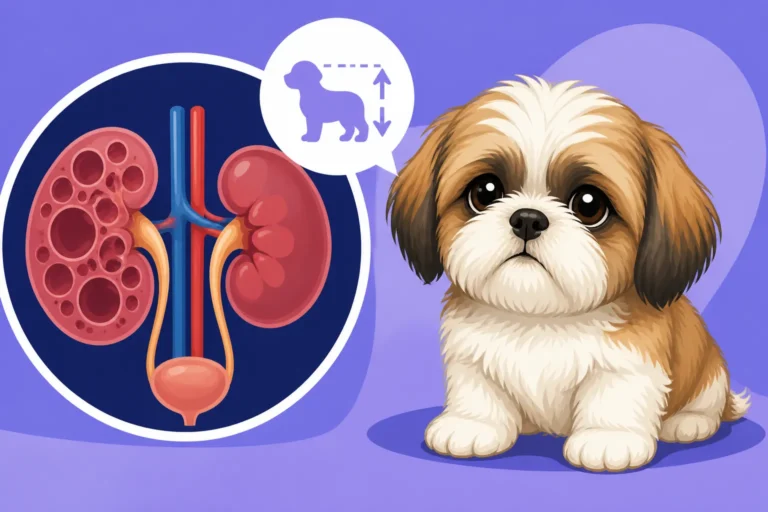
Beyond the more visible issues, Shih Tzus can be susceptible to certain internal organ diseases. Renal dysplasia is a genetic kidney disease sometimes seen in the breed, often diagnosed in puppies or young adults, which can lead to progressive kidney failure. While not all Shih Tzus will inherit this, it's a serious concern that highlights the importance of responsible breeding and early health screenings.
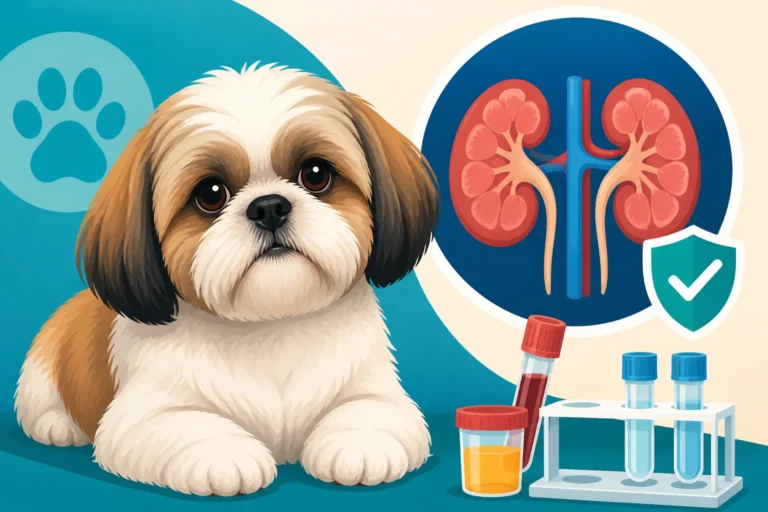
Additionally, as Shih Tzus age, they can develop other organ-related conditions, such as heart murmurs and mitral valve disease, which are common in many small breeds. Early detection through regular veterinary check-ups, including blood work and urinalysis, is crucial for managing these conditions and extending a dog's life. Monitoring water intake and changes in appetite can be early indicators of internal issues. For more details on kidney health, see Renal Dysplasia and the Shih Tzu Kidney.
| Health Concern | Description | Impact on Lifespan | Management & Prevention |
|---|---|---|---|
| Brachycephalic Syndrome | Narrow nostrils, elongated soft palate, etc., obstructing airflow. | Can lead to chronic respiratory distress, heart strain, heat stroke. | Surgical correction (stenotic nares, soft palate), weight management, avoid heat/over-exertion, harness use. |
| Dental Disease | Overcrowded teeth, rapid plaque/tartar buildup, gum infection. | Systemic infection of vital organs (heart, kidneys, liver). | Daily toothbrushing, professional dental cleanings, appropriate dental chews. |
| Patellar Luxation | Kneecap slipping out of place. | Pain, lameness, predisposes to arthritis, limits mobility. | Weight management, joint supplements, ramps/steps, surgical repair in severe cases. |
| Intervertebral Disc Disease (IVDD) | Spinal disc herniation, pressing on nerves. | Severe pain, neurological deficits, paralysis. | Weight management, ramps/steps, strict rest, medication, surgical intervention. |
| Renal Dysplasia | Genetic kidney disease, leading to kidney failure. | Progressive and potentially fatal kidney damage. | Early diagnosis, specialized diet, medication, supportive care. |
| Eye Conditions | Proptosis, corneal ulcers, cataracts, progressive retinal atrophy. | Can lead to pain, blindness, requires diligent care. | Regular eye cleaning, hair trimming, protective measures, medicated drops, surgery. |
Proactive Care and Prevention for a Longer, Healthier Life
Knowing the potential health pitfalls is one thing; actively working to prevent or mitigate them is another. Proactive care is the cornerstone of extending your Shih Tzu's healthy years beyond the average thirteen. This isn't just about reacting when a problem arises, but consistently taking steps to maintain their well-being from puppyhood through their senior years. Think of it as investing in their future health, much like we invest in our own.
This holistic approach involves regular veterinary oversight, consistent preventative treatments, and diligent daily care routines at home. It requires commitment and a willingness to stay informed, but the payoff is a longer, happier life with your cherished companion. This is where companies like Healthy Paws, offering comprehensive pet insurance, can really come in handy, helping manage the costs of advanced diagnostics or treatments, allowing you to focus on the best care.
Regular Veterinary Check-ups
Your veterinarian is your most important partner in ensuring your Shih Tzu's long-term health. Regular check-ups, ideally annually for adult dogs and twice a year for seniors, are absolutely non-negotiable. These visits allow your vet to perform a thorough physical examination, listen to their heart and lungs, check their teeth, palpate their joints, and generally assess their overall condition. They can spot subtle changes or early signs of disease that you might miss.
During these visits, your vet can recommend appropriate screenings, such as blood work, urinalysis, or specific breed-related tests, based on your Shih Tzu's age and health history. Early detection of conditions like dental disease, organ dysfunction, or evolving joint issues significantly improves the chances of successful treatment and management. Don't skip these appointments; they are your Shih Tzu's best defense against serious illness.
Preventative Care and Vaccinations
Beyond annual exams, a comprehensive preventative care plan is crucial. This includes a tailored vaccination schedule to protect against common canine diseases like rabies, distemper, parvovirus, and leptospirosis, among others. Your vet will determine which vaccines are necessary based on your dog's lifestyle and local risk factors.
Additionally, consistent parasite prevention is vital. This means regular treatment for heartworms, fleas, and ticks, which can transmit debilitating and even fatal diseases. These preventatives are often lifelong commitments, but they are incredibly effective at protecting your Shih Tzu from a host of preventable illnesses. Discussing the best options with your vet, considering products like Bravecto or NexGard for flea/tick control, is part of being a responsible owner. Having pet insurance, like a plan from Healthy Paws, can also provide peace of mind for unexpected illnesses, ensuring you can afford the best care should something arise.
Home Care Routines: Grooming, Dental, and Eye Care
Many crucial aspects of preventative care happen right in your home, on a daily or weekly basis. Given their long, double coats, daily brushing is essential to prevent painful matting and skin issues. Regular bathing with appropriate shampoo and conditioner keeps their skin and coat healthy. For more on coat care, refer to Brushing a Shih Tzu Double Coat Every Day.
Dental care, as previously mentioned, is paramount. Daily toothbrushing using dog-specific toothpaste can drastically reduce plaque buildup. Failing that, dental wipes, oral rinses, and veterinary-approved dental chews can help, but brushing is truly the gold standard. Furthermore, Shih Tzus are prone to eye problems due to their prominent eyes and facial hair. Daily cleaning around their eyes to prevent tear staining and irritation, along with regular trimming of the hair around their eyes or securing it in a topknot, helps prevent issues like corneal ulcers. If you need help, check out The Shih Tzu Topknot and Keeping Hair Out of the Eyes.
Senior Shih Tzu Care: Adapting to Their Golden Years
As your Shih Tzu gracefully transitions from active adulthood into their golden years, typically around the age of ten, their needs will inevitably change. Much like humans, senior dogs experience physical and cognitive shifts that require adjustments in their care routine. This stage of life isn't about winding down, but about adapting to ensure their comfort, dignity, and continued enjoyment of life. Providing thoughtful, tailored care during these later years is key to maximizing their overall lifespan and ensuring those years are of the highest possible quality.
It's a bittersweet time for owners, as you see the signs of aging appear, but it's also an opportunity to deepen your bond by anticipating their needs and making their world as accommodating as possible. Many Shih Tzus can live well beyond the thirteen-year mark with dedicated senior care. For a deeper dive into this stage, read Senior Shih Tzu Care Past the Age of Ten.
Recognizing Signs of Aging
Recognizing the subtle (and sometimes not-so-subtle) signs of aging in your Shih Tzu is the first step to providing appropriate senior care. These changes can be physical, behavioral, or cognitive. Physically, you might notice a slowing down, increased stiffness or difficulty with stairs, changes in vision or hearing, increased thirst or urination, or changes in appetite and weight. Their once vibrant coat might thin or gray.
Behaviorally, they might sleep more, be less tolerant of noise or new situations, or seek more comfort. Cognitively, some Shih Tzus can develop Canine Cognitive Dysfunction (CCD), similar to Alzheimer's in humans, showing signs like disorientation, altered sleep-wake cycles, house-soiling accidents, or changes in interaction. Promptly reporting any of these changes to your vet is crucial, as many conditions are treatable or manageable if caught early.
Adapting the Home Environment
Making adjustments to your home environment can significantly improve a senior Shih Tzu's comfort and mobility. If they're struggling with stairs or jumping onto furniture, invest in pet ramps or steps. Ensure their favorite resting spots are easily accessible and comfortable, with soft, supportive bedding that eases pressure on aching joints. Raised food and water bowls can make eating and drinking less strenuous for a stiff neck.
For Shih Tzus with vision or hearing loss, maintaining a consistent home layout is important. Avoid rearranging furniture, and use gentle vocal cues or hand signals that they still understand. For those with cognitive decline or incontinence, providing easily accessible indoor potty options, like pee pads or indoor grass patches, can reduce accidents and stress. Every small modification contributes to their well-being and helps them navigate their world with greater ease.
Nutritional Needs and Supplements for Seniors
A senior Shih Tzu's dietary needs often change. They might require fewer calories due to decreased activity, but higher quality protein to maintain muscle mass. Many senior dog foods are formulated with joint-supporting ingredients like glucosamine and chondroitin, as well as antioxidants to combat cellular aging. Your vet can help you choose the best diet to support their specific health profile, especially if they have conditions like kidney disease or dental issues.
Supplements can also play a vital role. Fish oil (omega-3 fatty acids) can support joint health, skin, and cognitive function. Probiotics can aid digestion, which sometimes slows in older dogs. For cognitive decline, supplements containing SAMe or medium-chain triglycerides (MCTs) can be beneficial. Always discuss any dietary changes or supplements with your veterinarian to ensure they are appropriate and won't interact negatively with any medications your Shih Tzu might be taking. A good pet insurance plan, such as one from Healthy Paws, often covers prescription diets and supplements when prescribed by a vet, easing the financial burden of senior care.
Debunking Myths and Understanding Individual Variation
In the world of pet ownership, particularly with beloved breeds like the Shih Tzu, many myths and anecdotal stories can circulate. While some are harmless, others can lead to misunderstandings about health, care, and ultimately, lifespan. It's important to sift through the noise and rely on factual, veterinary-backed information. Moreover, while averages and breed predispositions provide a general framework, every Shih Tzu is an individual, and their unique journey will always involve variations.
Understanding these nuances helps owners set realistic expectations while still striving for the best possible outcome for their specific dog. It's about empowering you with accurate knowledge rather than relying on misinformation or broad generalizations.
The "Imperial" Myth
One pervasive myth in the Shih Tzu community revolves around the term "Imperial Shih Tzu" or "Teacup Shih Tzu." These terms are often used by unscrupulous breeders to market smaller-than-average Shih Tzus at inflated prices, implying they are a rare or special variety. The truth is, there is no official breed standard or recognition for "Imperial" or "Teacup" Shih Tzus by major kennel clubs like the AKC. A true Shih Tzu will fall within the standard weight range of 9-16 pounds and height of 9-10.5 inches at the shoulder.
Dogs marketed as "Imperials" are often simply undersized Shih Tzus, sometimes the result of breeding runts or intentionally breeding smaller, less healthy dogs. These extremely tiny dogs are often prone to a host of serious health problems, including fragile bones, hypoglycemia, organ failure, and difficulty regulating body temperature, all of which can significantly shorten their lifespan and lead to expensive veterinary bills. Always choose a puppy from a breeder who adheres to the official breed standard and prioritizes health over size.
The Role of Owner Dedication
Ultimately, while genetics and external factors play a role, an owner's dedication is perhaps the most profound determinant of a Shih Tzu's lifespan. The commitment to consistent, high-quality care—from daily grooming and dental routines to regular vet visits, appropriate nutrition, and a loving, stable environment—cannot be overstated. A dog with a strong genetic foundation can still struggle if neglected, just as a dog with some genetic predispositions can thrive with exceptional care.
This dedication also extends to financial preparedness. Being able to afford necessary veterinary care, including diagnostics, medications, and potential surgeries, is vital. This is where pet insurance, like policies from Healthy Paws, becomes a crucial part of responsible ownership, helping to cover unforeseen medical expenses that could otherwise impact your ability to provide the best care, especially in later life. Your love, attention, and readiness to address their needs are the greatest gifts you can give your Shih Tzu.
When Some Shih Tzus Reach Eighteen
While thirteen years is the average, it's truly heartwarming to hear stories of Shih Tzus who defy expectations and live well into their late teens, sometimes even reaching eighteen or beyond. These extraordinary individuals often represent a perfect storm of excellent genetics, consistent superior care, a low-stress environment, and perhaps a dash of pure luck. They are a testament to what's possible when all factors align.
These long-lived Shih Tzus typically have owners who are hyper-vigilant about their health, proactive in addressing any minor ailment, and dedicated to maintaining their physical and mental well-being throughout their entire lives. They often benefit from lifelong optimal nutrition, regular exercise within their limits, and strong preventative care that catches potential issues before they become major problems. While not every Shih Tzu will reach this impressive age, their stories provide hope and a benchmark for the incredible longevity possible for our beloved companions when we give them our absolute best. Discover more about Why Some Shih Tzus Reach Eighteen.
Disclaimer
The information provided in this article is intended for general knowledge and informational purposes only, and does not constitute professional veterinary advice. Always consult with a qualified veterinarian for any health concerns or before making any decisions related to your Shih Tzu's care, diet, or treatment. Individual results may vary.