Patellar Luxation in a Shih Tzu
Patellar luxation in Shih Tzus causes kneecap dislocation, resulting in a skipping gait, pain, and various severity grades.
Know what to watch for.
Breed-specific conditions, screening and DNA tests, what surgery actually costs, and the daily habits that stretch a healthy lifespan.
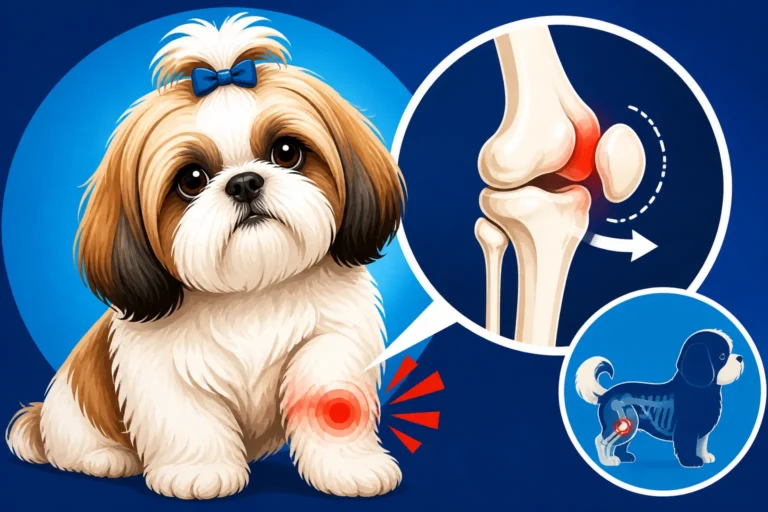
Patellar luxation in Shih Tzus causes kneecap dislocation, resulting in a skipping gait, pain, and various severity grades.
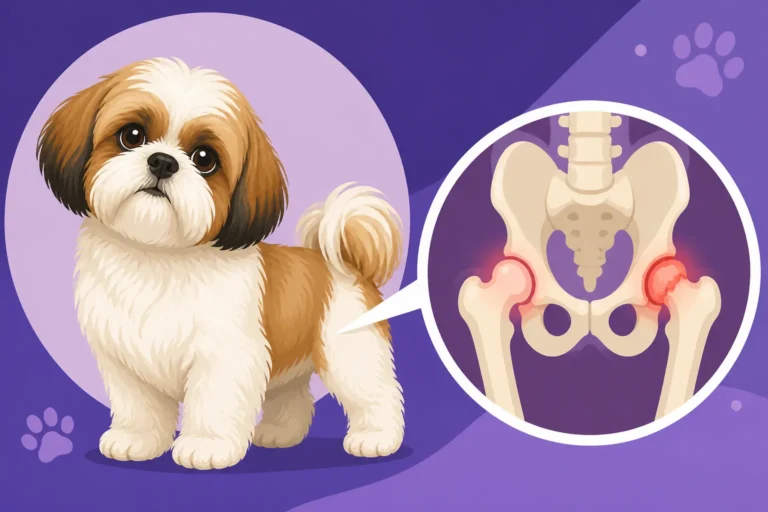
Shih Tzu hip dysplasia explains joint malformation mechanics, subtle toy breed symptoms, and genetic or lifestyle management factors.
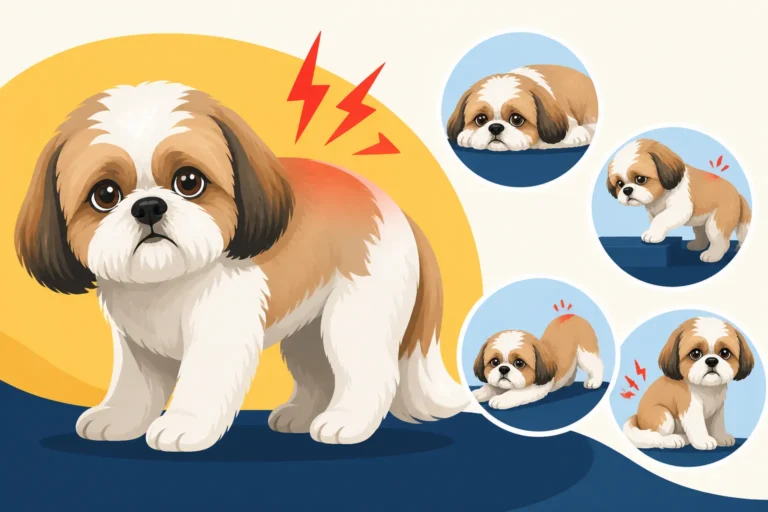
Early signs of back pain in Shih Tzus include reluctance to move, helping owners recognize spinal vulnerabilities caused by their long bodies and short legs.
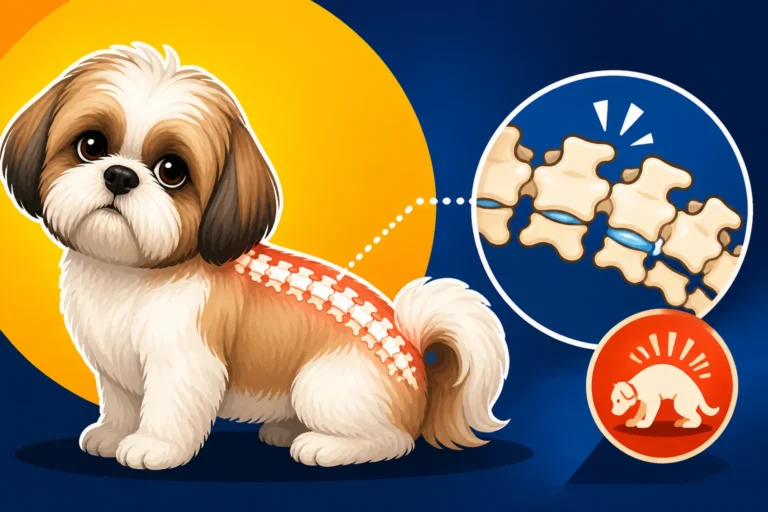
Shih Tzu spinal anatomy explains how long bodies and short legs cause premature disc degeneration and Intervertebral Disc Disease.
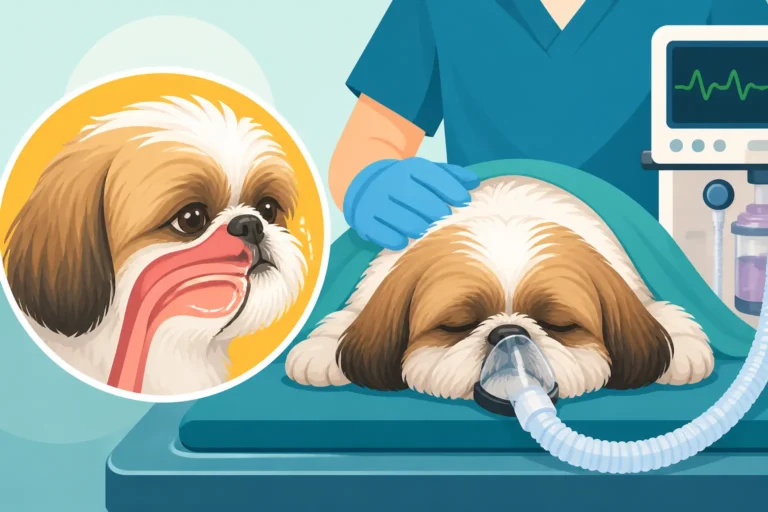
Anesthesia for a Shih Tzu involves brachycephalic airway challenges and aspiration risks that require careful veterinary management.
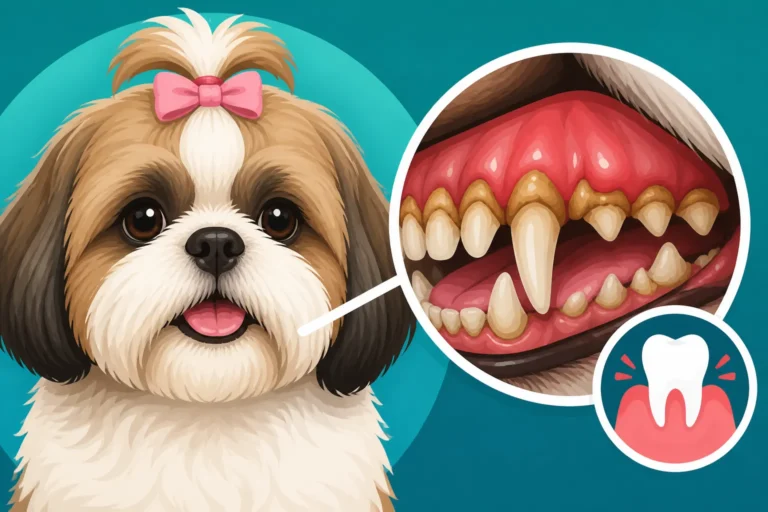
Periodontal disease in five year old Shih Tzus causes pain and tooth loss because crowded jaws trap plaque, leading to irreversible bone damage.
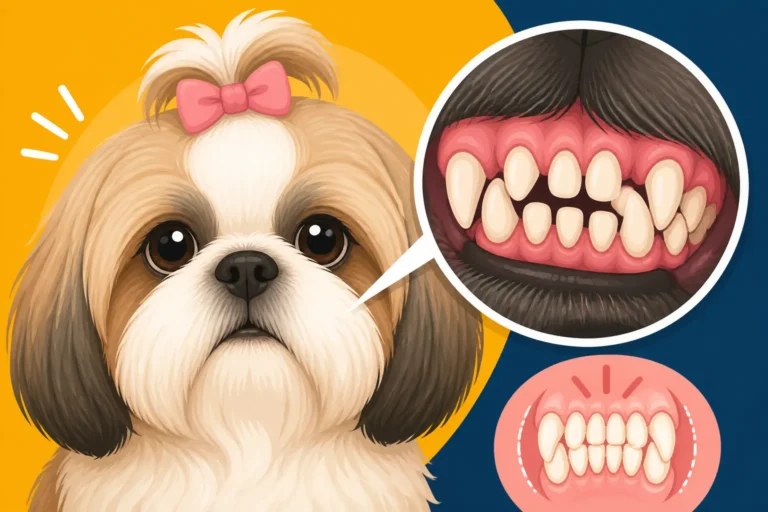
Shih Tzu tooth crowding stems from small jaws and forty-two teeth, causing plaque buildup and serious dental health concerns.
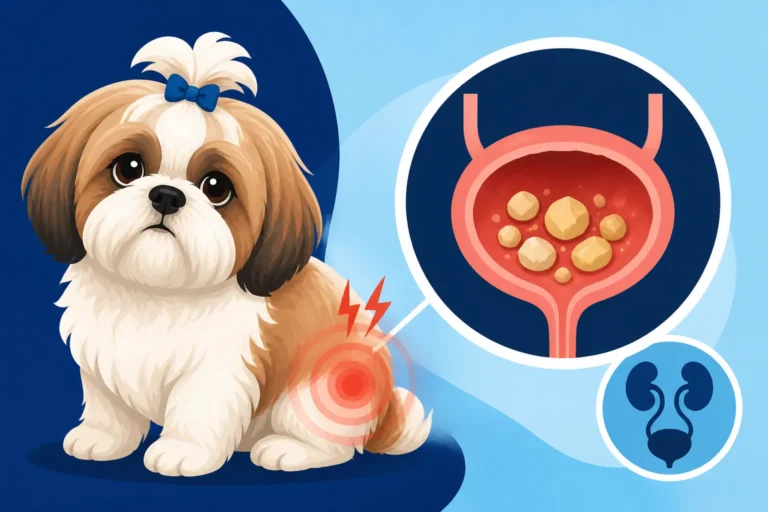
Shih Tzu bladder stones, including struvite and calcium oxalate types, require specific treatments, dietary management, and surgical options.

Shih Tzu kidney disease testing methods, early symptoms like excessive thirst, and genetic risks such as renal dysplasia.
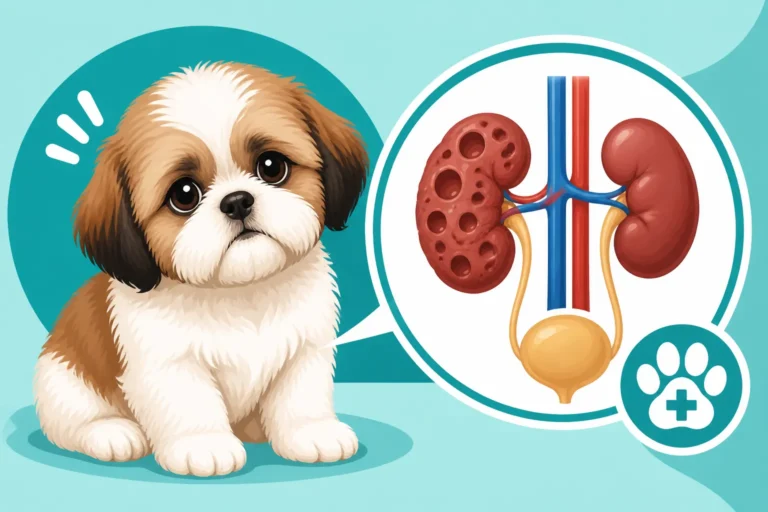
Renal dysplasia in Shih Tzu puppies causes kidney malformation and waste buildup, leading to early signs and veterinary care needs.