Shih Tzus Working as Therapy Visitors
It's such a common thought for us Shih Tzu parents: our little lion dog brings so much joy and comfort into our lives, wouldn't it be wonderful if they could share that special warmth with others who really need it? Many people look at their affectionate, gentle Shih Tzu and wonder if they have what it takes to be a certified therapy visitor, bringing smiles to hospital patients, nursing home residents, or stressed-out students. This guide will explore exactly what goes into preparing a Shih Tzu for therapy work, what the process entails, and the incredible impact they can have.
The Unique Charm of a Shih Tzu as a Therapy Dog
There’s something truly magical about a Shih Tzu. They were, after all, bred purely as companions, spending centuries on the laps of royalty. This history gives them a natural aptitude for connecting with humans on a deep, comforting level. They’re not just cute; they possess an innate sweetness and a desire to be close to people that can be incredibly therapeutic.
Their Built-In Companion Temperament
Shih Tzus are renowned for their affectionate, outgoing, and sometimes delightfully sassy personalities. They thrive on human interaction and genuinely love being the center of attention, but not in an overbearing way. This combination makes them ideal candidates for therapy work. They’re generally calm when handled, happy to sit on a lap for extended periods, and rarely show aggression. When a resident in a nursing home reaches out a frail hand, a Shih Tzu is often there, gently leaning into the touch, offering silent understanding. This natural inclination for companionship means much of their "training" is simply refining behaviors they already possess. They want to be loved, and they're usually very open to sharing that love with strangers.
Imagine a busy hospital hallway, filled with unfamiliar sounds and smells. A larger, more energetic dog might become overstimulated or intimidating. But a small, fluffy Shih Tzu, perhaps with a cute topknot, often elicits immediate smiles and a sense of calm. They don't jump, they don't demand, they simply are, and their presence alone can be a powerful balm.
Size and Approachability
The diminutive size of a Shih Tzu is a significant advantage in many therapy settings. They are small enough to be comfortably held by individuals with limited strength or mobility. They can curl up on a bed next to a patient, sit in a lap in a wheelchair, or be easily placed on a table for children to pet. This physical accessibility means that even those who might be wary of larger dogs often find a Shih Tzu less intimidating and more approachable.
In a hospital or care facility, space is often at a premium. A Shih Tzu takes up very little room, making them perfect for navigating crowded hallways, small patient rooms, or busy common areas without causing disruption. Their light weight also means they are easier for handlers to manage for extended periods, and less likely to accidentally knock into sensitive equipment or people. This also comes into play when transporting them, as they fit comfortably in approved carriers for travel to and from facilities. This small size truly opens doors to places where larger breeds might not be suitable, expanding the reach of their therapeutic presence.
The Importance of a Well-Groomed Presentation
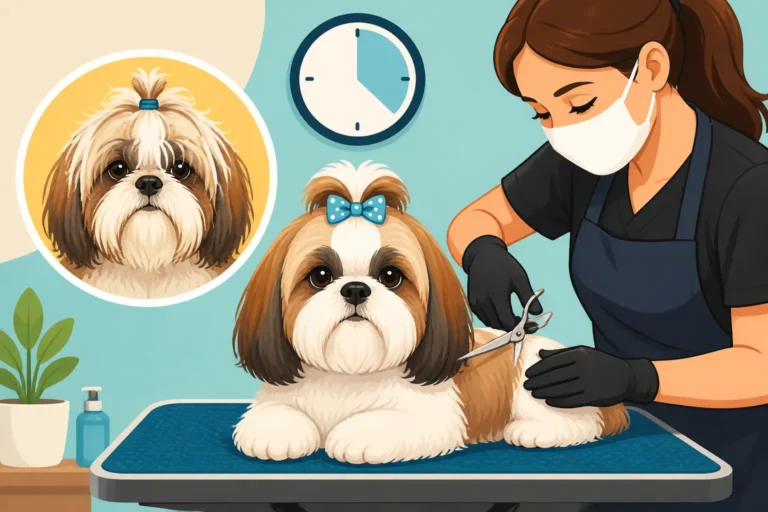
While their temperament is paramount, a well-groomed Shih Tzu is essential for therapy work. Their beautiful, flowing double coat is part of their charm, but it requires diligent care. A matted, dirty, or unkempt dog, no matter how sweet, will not be welcome in sterile environments like hospitals or even pleasant in nursing homes. Handlers must commit to regular brushing, bathing, and keeping tear stains and beard messes at bay.
Think of it from the perspective of someone who is unwell or perhaps immunocompromised; cleanliness is critical. A therapy Shih Tzu often sports a neat "puppy cut" to make upkeep easier and reduce shedding, or a well-maintained topknot to keep hair out of their eyes and present a cheerful, tidy appearance. The Shih Tzu Topknot and Keeping Hair Out of the Eyes is not just for show, it's about comfort and hygiene during visits. Daily face wiping and regular grooming appointments are non-negotiable. This dedication to their appearance shows respect for the people they visit and the facilities they enter.
The Path to Becoming a Certified Therapy Dog
While a Shih Tzu's natural disposition is a fantastic starting point, becoming a certified therapy dog involves a structured process of training, socialization, and formal evaluation. It's not just about being a good family pet; it's about being reliably calm and responsive in novel, sometimes challenging, environments.
Foundational Obedience and Manners
Every successful therapy dog, regardless of breed, needs a solid foundation in basic obedience. This isn't about fancy tricks; it's about reliable responses to simple cues like "sit," "stay," "down," "come," and "leave it." These commands ensure the dog is manageable and predictable, which is crucial when interacting with vulnerable individuals. Imagine a scenario where a patient drops a pill, or a child offers an inappropriate treat – "leave it" could be vital.
For many Shih Tzus, who are companion-oriented, learning these basics can be a joyful process using positive reinforcement. Short, fun training sessions work best, as described in Keeping Shih Tzu Training Sessions Short. Online programs, such as those offered by BAXTER & Bella, can be incredibly helpful for owners seeking structured guidance from home. They provide comprehensive modules that break down obedience training into manageable steps, focusing on positive, reward-based methods that resonate well with the Shih Tzu's sensitive nature. A strong "stay" is invaluable when you need your Shih Tzu to remain in place while you greet a new person or adjust their position. Similarly, a polite "off" or "four on the floor" prevents them from jumping up, which is important for people who might be frail or unsteady.
Extensive Socialization and Desensitization
Therapy dogs encounter a vast array of new experiences: strange sounds, unusual equipment (wheelchairs, IV poles, oxygen tanks), different smells, and people with varying appearances and movements. Therefore, thorough socialization and desensitization are paramount. This means exposing your Shih Tzu to as many different, positive experiences as possible from a young age, if you're starting with a puppy. The Shih Tzu Socialization Deadline is a real concept, making early exposure critical.
This isn't just about meeting other dogs; it's about car rides, trips to pet-friendly stores, exposure to loud noises (like vacuums or dropped items), and interactions with people of all ages, including children and those who might move slowly or use assistive devices. Gently introducing them to different types of flooring, strange hats, or even people wearing uniforms can help them remain unflappable during actual therapy visits. The goal is for your Shih Tzu to be genuinely comfortable and unconcerned in unfamiliar settings, allowing them to focus on their important job of providing comfort.
Mastering Therapy-Specific Skills
Beyond basic obedience, therapy dogs need specific skills tailored to their role. This includes a soft mouth when taking treats, a gentle approach to greetings (no jumping!), and an ability to ignore distractions while remaining focused on the person they are visiting. They must be comfortable with being petted by many different hands, sometimes awkwardly, and tolerate being handled in ways that might not happen at home.
For instance, they should be able to calmly tolerate a person with limited motor skills petting them without flinching or trying to move away. They also need to be able to "visit" with multiple people in a session without becoming overstimulated or tired. Often, this involves teaching them to settle on a mat or blanket, signifying that they are "on duty" and ready for interaction. Training often involves simulating various environments, perhaps practicing greetings with friends dressed in medical scrubs or using a wheelchair, to help your Shih Tzu generalize their good manners to therapy settings. Using a comfortable harness, like one you might find on Amazon, instead of a collar, can make handling them during these interactions much smoother and safer for their delicate neck, as discussed in Why a Shih Tzu Should Wear a Harness Not a Collar.
The Certification Process
Once your Shih Tzu is reliably obedient and well-socialized, the next step is formal certification through a recognized therapy dog organization. Groups like Alliance of Therapy Dogs (ATD) or Therapy Dogs International (TDI) have specific testing requirements designed to assess a dog's temperament and an owner's handling skills.
The evaluation typically includes:
- Basic Obedience Test: Demonstrating proficiency in "sit," "stay," "down," "come," and walking on a loose leash.
- Behavior Around Strangers: Showing calm interaction with friendly and sometimes clumsy strangers.
- Distraction Management: Remaining focused despite loud noises, dropping objects, or people moving suddenly.
- Interaction with Medical Equipment: Being comfortable around wheelchairs, crutches, and walkers.
- Gentle Handling: Allowing gentle petting by multiple people, including those with less control over their movements.
- Reaction to Other Dogs: Maintaining composure when encountering other dogs.
Passing this evaluation means your Shih Tzu (and you, as the handler) are deemed ready for supervised visits. The organization will then provide identification, such as a vest or bandana, and help you connect with facilities in your area that welcome therapy teams. Remember, certification is an ongoing commitment, often requiring periodic re-evaluation to ensure the team continues to meet standards.
The Impact of a Shih Tzu Therapy Visitor
The benefits that therapy dogs bring are profound and far-reaching. For a Shih Tzu, their natural empathy and loving disposition amplify these positive effects, making them incredibly effective ambassadors of comfort and joy.
Bringing Joy to Nursing Homes and Hospitals
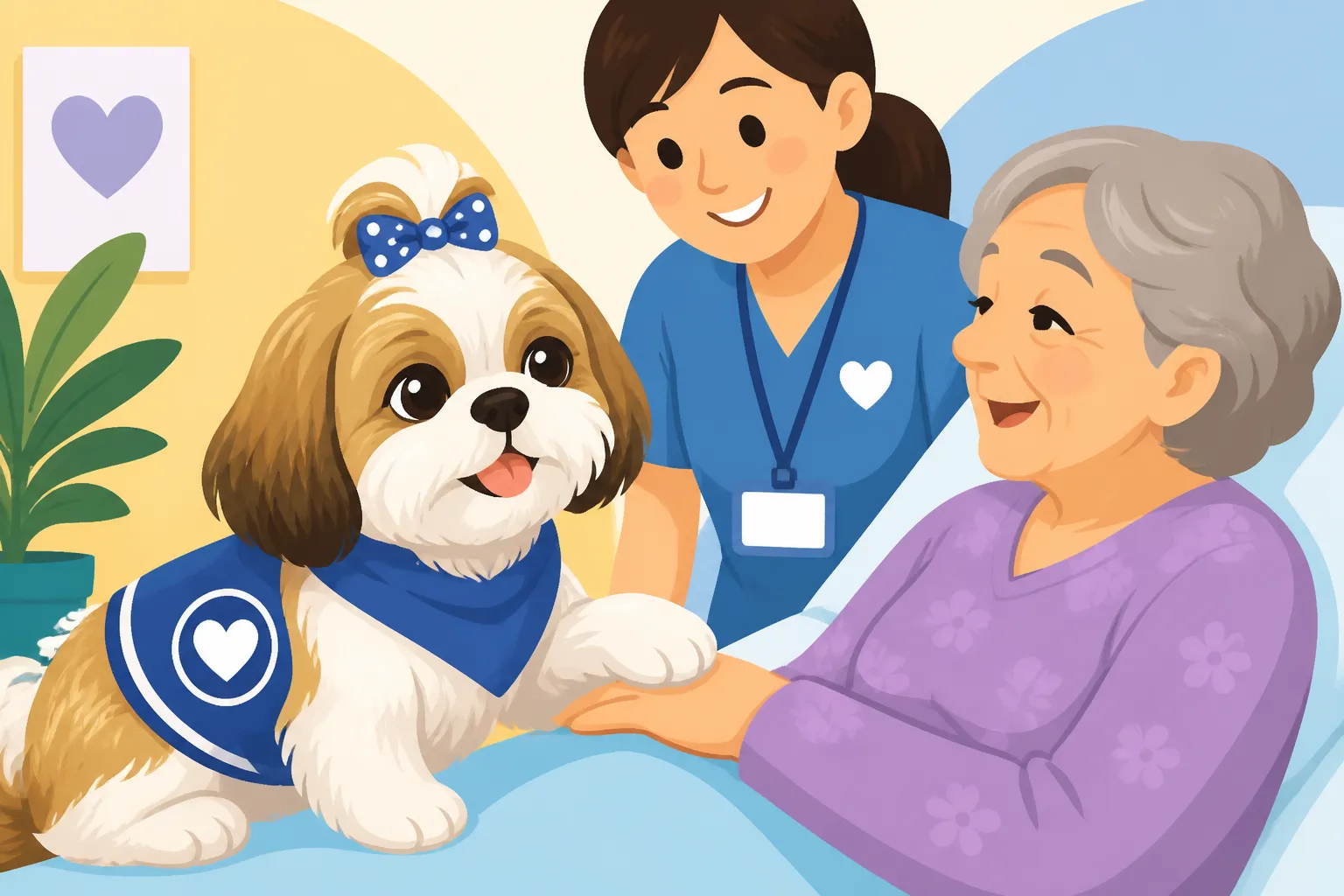
In nursing homes, the arrival of a Shih Tzu can be a highlight, breaking the monotony of daily routines. Residents, many of whom miss their own pets, light up at the sight of these fluffy little dogs. Petting a soft coat can lower blood pressure, reduce feelings of loneliness, and even help rekindle distant memories. For patients recovering from surgery or illness in hospitals, a Shih Tzu visit can be a powerful distraction from pain and anxiety. The simple act of stroking a dog or engaging in a few minutes of playful interaction can release endorphins, reduce stress, and improve mood.
I've seen firsthand how a Shih Tzu can transform a room. An elderly woman, withdrawn and quiet, might suddenly start talking and smiling, sharing stories of her own childhood dogs. A child facing a scary medical procedure might find a moment of peace and courage while gently petting a warm, furry friend. The quiet presence of a Shih Tzu provides comfort, validates emotions, and offers an unconditional connection that medicine alone often cannot. These dogs are truly little beacons of hope.
Supporting Students in Schools and Libraries
Therapy Shih Tzus are also finding their place in educational settings. In schools, they can help anxious students reduce stress, especially during exam periods or transitions. Just a few minutes of petting a calm dog can help students regulate their emotions and return to their studies feeling more centered. They can also be wonderful motivators for reading programs. Children who are reluctant readers often feel less self-conscious reading aloud to a non-judgmental dog. The Shih Tzu simply listens, offering quiet encouragement, and helping children build confidence in a relaxed, supportive environment.
Imagine a shy child, struggling with words, finding solace and confidence by reading to a calm, fluffy Shih Tzu named "Daisy" who just listens with gentle eyes. The dog doesn't correct, doesn't judge, just offers unwavering attention, making the learning experience less intimidating and more enjoyable. These programs often see significant improvements in reading fluency and a more positive attitude towards learning.
Less Common, But Still Possible: Crisis and Disaster Relief Support
While perhaps not the first breed that comes to mind for large-scale crisis intervention, highly stable and exceptionally well-trained Shih Tzus can play a role in comfort during disaster relief efforts or community crises. Their portability and gentle nature can be invaluable in quiet, one-on-one settings, providing a soft presence for individuals overwhelmed by trauma. These are typically not the primary front-line responders, but their ability to offer quiet, contained comfort makes them suitable for more intimate settings where intense personal connection is needed most.
It takes a truly special Shih Tzu, and an equally dedicated handler, to navigate such intense environments. The primary goal remains the same: offering a quiet moment of solace and unconditional affection when people need it most, helping to ground them in a moment of overwhelming stress.
Essential Considerations for a Shih Tzu Therapy Team
Becoming a therapy team is a deeply rewarding experience, but it comes with responsibilities. A Shih Tzu, like any breed, has specific needs and considerations that must be managed to ensure both their well-being and the success of their therapeutic mission.
Managing Brachycephalic Health Challenges
Shih Tzus are a brachycephalic (flat-faced) breed, which means they can have unique respiratory challenges. Their shortened airways make them more prone to overheating and can affect their stamina, especially in stressful situations or warmer environments. It's crucial for therapy handlers to be acutely aware of their Shih Tzu's comfort levels. Visits should be scheduled during cooler parts of the day, facilities should be air-conditioned, and breaks should be frequent. Why a Shih Tzu Cannot Cool Itself Well is a vital piece of information for any owner, but especially for therapy handlers.
Monitoring for signs of distress, such as excessive panting, lethargy, or blue-tinged gums, is non-negotiable. If these signs appear, the visit must end immediately. A therapy dog's health and comfort always come first. Some organizations may have specific guidelines or restrictions for brachycephalic breeds during certain conditions or types of visits, so it’s important to understand these fully. Carrying a small, portable water bowl, easily available on Amazon, and offering frequent sips is always a good idea.
The Ongoing Commitment to Grooming
As mentioned, a Shih Tzu's signature coat requires significant grooming, and this commitment only increases with therapy work. Regular professional grooming appointments, typically every 4-6 weeks for a "puppy cut," are essential to keep their coat clean, mat-free, and hygienic. Between grooms, daily brushing is necessary to prevent painful tangles, especially behind the ears and under the legs. Brushing a Shih Tzu Double Coat Every Day isn't just a suggestion, it's a necessity.
In addition to coat care, regular nail trims, ear cleaning, and careful attention to tear staining are all part of the therapy dog routine. A dirty face or matted hair around the eyes not only looks unappealing but can also be a vector for germs and cause discomfort for the dog. The handler must be prepared for this ongoing time and financial investment to ensure their Shih Tzu always presents a pristine and healthy appearance during visits.
The Handler's Role and Well-being
It's easy to focus on the dog, but the human handler is an equally critical part of the therapy team. The handler must be calm, confident, and empathetic, capable of navigating challenging environments and interacting sensitively with diverse populations. They are responsible for their dog's safety and well-being, advocating for breaks, managing interactions, and ensuring the dog is not overstimulated or stressed.
Being a therapy handler also requires a significant time commitment, from travel to and from facilities, to the actual visit time, and all the prep work in between. It can also be emotionally taxing, witnessing people in pain or distress. Therefore, handlers must also practice self-care and ensure they have a support system in place. The best therapy teams are those where both dog and human are thriving and enjoying their shared mission. Maintaining a strong, trusting bond with your Shih Tzu is the foundation of effective therapy work, making sure both of you are always on the same page.
| Aspect | Ideal Shih Tzu Trait for Therapy Work | Potential Challenge to Manage |
|---|---|---|
| Temperament | Affectionate, outgoing, gentle, thrives on human attention | Can be sensitive; needs positive reinforcement |
| Size | Small, portable, non-intimidating, fits in tight spaces | Can be easily stepped on or handled improperly by others |
| Coat/Grooming | Soft, appealing to touch; often groomed into a "puppy cut" for visits | Requires extensive daily brushing and professional grooming |
| Brachycephalic Nature | Unique, charming appearance | Prone to overheating, respiratory issues, needs careful monitoring |
| Training Needs | Eager to please, intelligent | Can have a stubborn streak; needs consistent, short sessions |
| Socialization | Generally adaptable to new people | Needs exposure to diverse sights/sounds/equipment |
| Longevity | Good average lifespan Shih Tzu Lifespan and the Thirteen Year Average | Potential for age-related health issues requiring careful management in senior years Senior Shih Tzu Care Past the Age of Ten |
Disclaimer
This article is for general informational purposes only and does not constitute professional advice. Laws, prices and regulations vary by location and change over time. Consult a qualified professional for guidance on your specific situation.