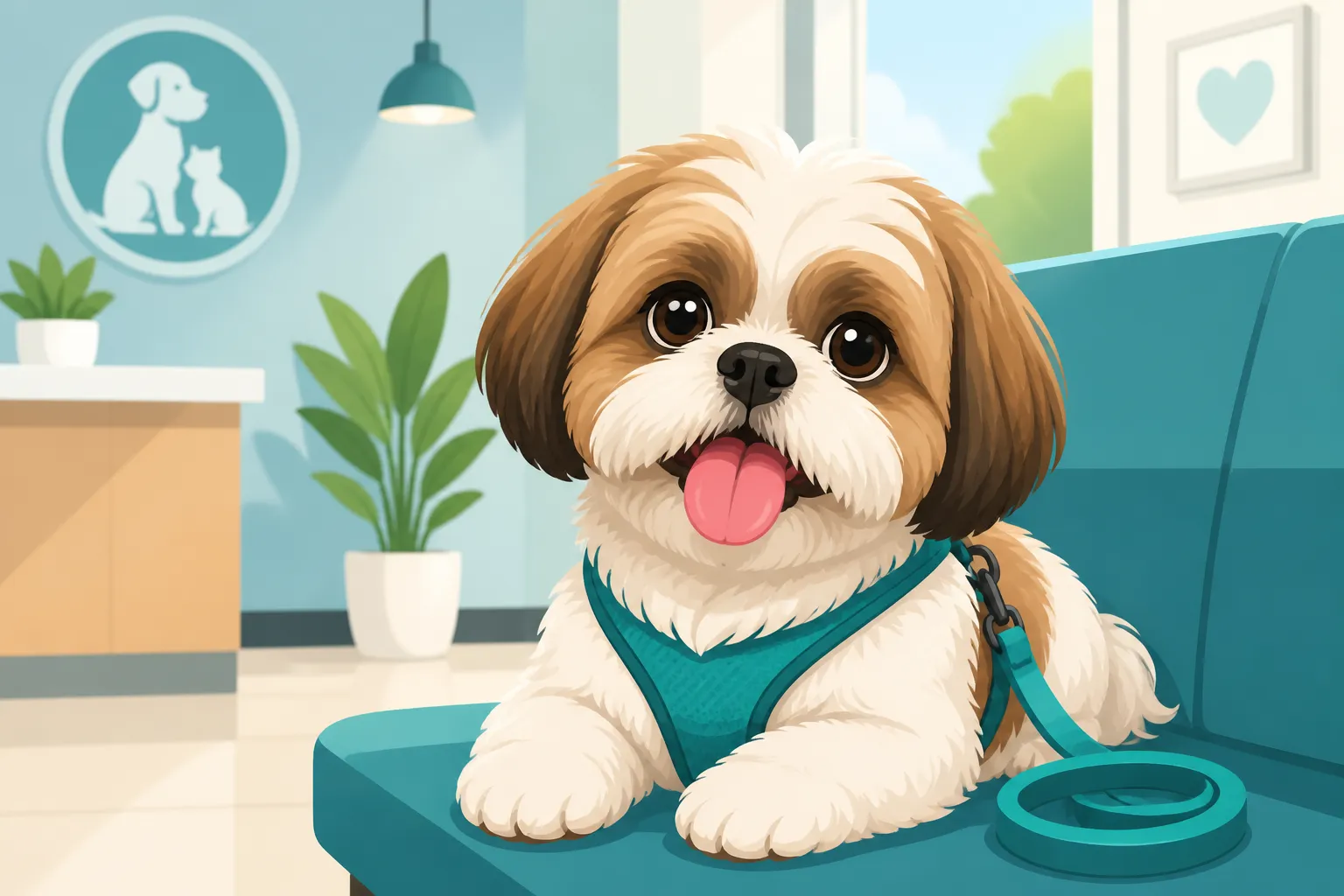
A Shih Tzu Panting in the Vet Waiting Room
It’s a scene all too familiar for many Shih Tzu owners: you arrive at the vet with your beloved little companion, only to have them immediately begin panting rapidly, trembling uncontrollably, or even trying to burrow themselves under your arm or the waiting room chair. This frantic panting and obvious distress isn't just a sign of discomfort; it’s a clear and undeniable signal of anxiety and fear, which can make routine check-ups feel like an insurmountable challenge for both of you. Understanding why your Shih Tzu reacts this way and, more importantly, how you can help them cope is absolutely vital for turning dreaded veterinary appointments into manageable, and perhaps even calm, experiences for your furry family member. This comprehensive guide will walk you through the common causes of vet anxiety in Shih Tzus and provide actionable strategies to alleviate their fears, ensuring their health can be maintained without unnecessary stress.
Understanding Why Vet Visits Cause Stress in Shih Tzus
It’s easy to feel frustrated when your normally placid Shih Tzu transforms into a shivering, panting ball of nerves the moment they step foot into a veterinary clinic. But these reactions aren't willful stubbornness; they're genuine expressions of fear and discomfort rooted in their unique physiology and inherent instincts. Their small size, the way their bodies are built, and even their sensitive personalities all contribute to making vet visits particularly daunting for them.
The Brachycephalic Predicament
First and foremost, our sweet Shih Tzus are a brachycephalic breed, which means they have those adorable flat faces, shortened muzzles, and often, compromised airways. This anatomical reality plays a huge role in their stress response, especially when they're anxious. When a Shih Tzu gets stressed or excited, their breathing naturally becomes faster and more shallow, leading to increased panting. Because their respiratory systems aren't as efficient as those of long-nosed breeds, this panting can quickly escalate into genuine difficulty breathing.
Imagine feeling anxious, and then on top of that, struggling to catch your breath. It's a terrifying feedback loop. The more stressed they become, the harder they pant; the harder they pant, the more difficult it is for them to cool themselves down or get enough oxygen, which then further amplifies their anxiety. This cycle is precisely why a Shih Tzu panting in the vet waiting room is often a more urgent signal than similar panting in other breeds. It can quickly lead to overheating, even in a seemingly cool environment, making conditions like Brachycephalic Breathing in a Shih Tzu a serious concern during stressful situations.
Prey Instincts and Overwhelm in a Tiny Body
While our Shih Tzus are pampered pets, deep down, they still carry ancestral instincts. As small creatures, they are naturally wired to perceive larger, unfamiliar animals or even towering humans as potential threats. A veterinary clinic is a cacophony of these perceived dangers: large dogs barking, strange smells of other animals (some sick or scared), unfamiliar hands reaching for them, and the overwhelming noise of a busy office. For a dog that weighs maybe ten or twelve pounds, this environment is simply terrifying.
They can’t understand that the vet and vet techs are there to help them. All they register are loud noises, unfamiliar restraints, and the feeling of being vulnerable. This primal fear can trigger a "fight, flight, or freeze" response. While some might try to escape (flight), many Shih Tzus will simply freeze or cower, attempting to disappear. Their tiny size also means they're constantly looking up, which can be disorienting and make them feel even smaller and more helpless in a world designed for much larger beings. This feeling of being overwhelmed in an environment where they have no control is a significant contributor to their anxiety.
Unfamiliar Sights, Sounds, and Smells
Think about the sheer sensory overload a veterinary clinic presents to a dog with a highly developed sense of smell and hearing. There are the distinct medicinal odors, the lingering scents of nervous or sick animals (which dogs can detect with incredible accuracy), and the potent smell of disinfectants. These all clash with the familiar, comforting smells of home. Then there are the sounds: other dogs whining, cats hissing, phones ringing, people talking, and the general bustle of a medical facility.
To us, these are just background noises. To a Shih Tzu, who might be accustomed to a relatively quiet home, it’s a terrifying onslaught. Every new sound, every unfamiliar scent, heightens their alert level, making it impossible for them to relax. Even the sight of other animals, particularly larger ones, can be a major stressor. They might see a German Shepherd across the room and perceive it as an immediate threat, despite the larger dog being perfectly calm. This constant sensory bombardment leaves them no room to process, leading to the visible signs of stress like excessive panting and shaking. This is also why early exposure to a variety of safe sounds and environments is so important for a The Sounds a Shih Tzu Puppy Needs to Meet.
Recognizing and Interpreting Your Shih Tzu's Stress Signals
Panting is perhaps the most obvious sign of stress in a Shih Tzu, especially given their brachycephalic nature, but it's far from the only indicator. Our little lion dogs are surprisingly good at communicating their discomfort, if we just know how to read their nuanced body language. Misinterpreting these signals can lead to escalating fear or even, in rare cases, a snappy reaction from an overwhelmed dog. Learning to spot these cues early allows you to intervene and make the situation better before your pup becomes completely distraught.
Beyond Just Panting: The Subtle Cues
While rapid, shallow panting in a cool environment is a huge red flag, Shih Tzus offer many other, more subtle signs of anxiety. Often, these appear before the full-blown panting starts, giving you a chance to act. Look for:
- Lip Licking or Yawning: These aren't signs of hunger or tiredness at the vet; they're appeasement signals, often used to diffuse a tense situation or signal "I'm not a threat, please don't hurt me."
- Whale Eye: This is when you can see the whites of your dog's eyes, especially when their head is turned away, but their eyes are still fixed on something that makes them nervous. It shows they're uncomfortable and trying to monitor their environment without direct confrontation.
- Ears Pinned Back: While naturally floppy, a stressed Shih Tzu's ears might be flattened further back against their head, or twitch rapidly.
- Lowered Body Posture: They might hunch their back, tuck their tail tightly between their legs, or try to make themselves as small as possible.
- Refusing Treats: A Shih Tzu that normally devours treats but suddenly turns its nose up at them is a strong indicator of significant stress. Their sympathetic nervous system has kicked in, making eating impossible.
- Trembling or Shaking: This is a classic, often involuntary, sign of fear and adrenaline.
These subtle cues are your dog's way of saying, "I'm not okay right now." Paying attention to them can help you recognize stress before it escalates into full panic.
Escalating Signs of Fear and Anxiety
If the early, subtle cues are missed or ignored, a Shih Tzu's stress can escalate rapidly. What starts as mild anxiety can quickly turn into outright fear or even panic. These more overt signs are hard to miss but indicate a significant level of distress:
- Excessive Drooling: Beyond just panting, some highly anxious dogs will drool excessively, often forming long strings of saliva. This is another physiological response to extreme stress.
- Vocalization: This can range from continuous whining, whimpering, or soft growling to full-blown barking or howling. A growl or snap from a Shih Tzu, while rare if they are normally gentle, is a desperate plea for space and an indication they feel trapped and unable to cope.
- Hiding or Trying to Escape: Your dog might try to hide behind your legs, under the chair, or attempt to scramble out of your arms or carrier. This is a clear "flight" response.
- Elimination: Some highly stressed dogs might urinate or defecate involuntarily, even if they are perfectly house-trained. This is a profound sign of fear, not a deliberate act of misbehavior.
- Aggression (Rare but Possible): In extreme cases, a Shih Tzu feeling cornered and terrified might snap or even attempt to bite. This is almost always a fear-based reaction, not true aggression, and signifies they feel they have no other options to protect themselves. If your Shih Tzu is showing signs of discomfort or pain that may lead to such reactions, especially related to handling, it's worth reviewing A Shih Tzu Snapping Because Its Back Hurts.
Understanding this spectrum of signs is crucial. The goal is always to intervene at the earliest stages of anxiety, rather than letting it spiral into these more severe reactions.
The Importance of Early Recognition
Recognizing these stress signals early is paramount for several reasons. Firstly, it allows you to prevent the situation from worsening. If you spot the subtle lip licking or whale eye, you can take immediate steps to try and calm your Shih Tzu or remove them from the immediate stressor. This could be as simple as moving to a quieter corner of the waiting room or providing a comfort object.
Secondly, consistent early intervention builds trust between you and your dog. They learn that you understand their discomfort and will advocate for them, making them feel safer in your presence. This reinforces the bond you share and can actually reduce future anxiety because they know you're on their side.
Finally, managing stress is vital for their physical health. Chronic or extreme stress can suppress the immune system, exacerbate existing conditions, and for a brachycephalic breed, as discussed, lead to potentially dangerous breathing difficulties. By being attuned to their emotional state, you're not just being a good pet parent; you're safeguarding their overall well-being.
| Stress Signal | Common Presentation in Shih Tzu | Interpretation (What Your Dog is Saying) | Suggested Action |
|---|---|---|---|
| Panting (Rapid) | Fast, shallow breaths when not hot or exercising | "I'm stressed/anxious/overheated." | Find cooler spot, offer water, try to distract, consider leaving if severe. |
| Lip Licking/Yawning | Quick flicks of the tongue or wide yawns | "I'm uncomfortable, trying to calm myself." | Reassure quietly, offer space, observe for other signals. |
| Whale Eye | Whites of eyes visible, usually when looking away | "I'm nervous, watching for threats, don't want to engage." | Avoid direct eye contact, turn sideways, give space. |
| Ears Pinned Back | Flattened against head or rapid twitching | "I'm anxious, trying to be unobtrusive." | Speak softly, offer gentle pets if accepted, avoid sudden movements. |
| Trembling/Shaking | Involuntary shivering of the body | "I'm scared, my body is reacting to fear." | Provide warmth/comfort (blanket), move to quieter area, avoid forcing interaction. |
| Refusing Treats | Ignoring or spitting out favorite snacks | "I'm too stressed to eat, my system is shutting down." | Do not force food, respect their state, focus on reducing stress. |
| Hiding/Cowering | Trying to get behind you, under furniture | "I feel unsafe, I want to escape/disappear." | Provide a safe space (carrier, under your coat), do not drag them out. |
| Growling/Snapping | Low rumble, baring teeth, quick lunge | "I'm terrified, this is my last resort to get space." | Immediately create distance, stop interaction, seek professional help. |
Proactive Strategies to Desensitize Your Shih Tzu to the Vet
The best way to tackle vet anxiety isn't just during the appointment; it's by implementing proactive strategies long before you even step foot in the clinic. Desensitization and positive association are powerful tools that can transform your Shih Tzu’s perception of the vet, gradually shifting it from a place of fear to one of neutrality or even mild enjoyment. This is where consistent, gentle training comes in, often in short, focused bursts.
Positive Association at Home and Clinic
The core principle here is to pair anything associated with the vet with highly rewarding experiences. Start at home by making their carrier a happy place. Leave it out with treats and toys inside, encouraging them to enter voluntarily. Feed them meals inside the carrier. You want them to think, "Carrier equals good things!" Many excellent training resources, including online programs like BAXTER & Bella, offer detailed guides on making crates and carriers a positive den for your dog, which is invaluable for vet trips.
Once they're comfortable with the carrier, practice short car rides that don't always end at the vet. Drive around the block, go to a park, or just a friend’s house. This way, the car ride itself doesn't automatically trigger "vet doom." Then, introduce the vet clinic itself in small, positive doses. Ask your vet if you can pop in just for a "happy visit." This means walking into the waiting room, getting a treat from the receptionist, maybe a quick pet, and then leaving without any examination or procedures. These visits should be frequent and very short – literally just a minute or two – and always end on a positive note. Over time, your Shih Tzu will start to associate the vet's office with pleasant experiences, not just poke and prods. You can buy delicious, high-value training treats easily on Amazon to make these visits extra rewarding.
Cooperative Care Training and Handling Drills
A significant part of vet anxiety comes from the handling itself – being touched, restrained, and having sensitive areas examined. You can dramatically reduce this stress by practicing cooperative care at home. This means teaching your Shih Tzu to willingly participate in their own care, rather than passively tolerating it.
Start with very gentle, positive-reinforcement based handling drills. Touch their paws, ears, tail, and mouth for just a second, then immediately give a high-value treat. Gradually increase the duration and intensity of the touch. Practice opening their mouth briefly to inspect their teeth, or gently lifting their ear flaps. If your Shih Tzu is used to this kind of handling from you, they'll be far less anxious when a stranger (the vet) does it. This is directly related to Two Minutes of Shih Tzu Tooth Brushing – if they tolerate dental care at home, vet dental exams will be easier.
The key is to go at your dog's pace and never force it. If they pull away, stop, reset, and try again with even less pressure. Make it a game! Using a clicker can be very effective here, marking the exact moment they tolerate the touch before rewarding them. Resources from organizations promoting "Fear Free" veterinary care often have excellent guides and videos on cooperative care techniques. This approach is much more effective than harsh methods which can simply create a Why Harsh Corrections Shut a Shih Tzu Down.
Choosing the Right Carrier and Transport Method
The journey to the vet can be stressful enough, and the right carrier can make a world of difference. For a Shih Tzu, a secure, comfortable, and well-ventilated carrier is essential. Look for one that allows them to stand up, turn around, and lie down comfortably, but isn't so large that they slide around during transit. A soft-sided carrier can sometimes feel more den-like and comforting than a hard-sided one.
Always secure the carrier in the car to prevent it from sliding, which can cause motion sickness or additional anxiety. Place a familiar blanket or an item with your scent inside for extra comfort. For brachycephalic breeds, ensuring good airflow is critical, especially on warmer days. Never leave them in a hot car, even for a moment.
Some Shih Tzus find car rides inherently stressful. If yours does, consider short, positive-only practice rides that don't end at the vet. Pheromone sprays designed to calm dogs can also be used in the carrier or on a bandana before and during the trip; you can often find these sprays on Amazon. Making the carrier and car ride positive from day one, perhaps even through Crate Training a Shih Tzu Properly, will make vet visits much less traumatic.
Navigating the Vet Visit Itself with a Calm Shih Tzu
Even with all the preparation in the world, the actual vet visit can still be a challenging experience. However, there are numerous strategies you can employ on the day of the appointment and even during the examination itself to minimize your Shih Tzu's stress. Your role as their advocate is crucial in making sure they feel as safe and supported as possible.
Selecting a "Fear Free" or Toy-Friendly Clinic
One of the most impactful decisions you can make is choosing the right veterinary clinic. Not all clinics are created equal, especially when it comes to managing anxiety in small, brachycephalic breeds. Look for clinics that explicitly promote "Fear Free" practices. This means their staff are trained to minimize fear, anxiety, and stress in pets, using techniques like:
- Gentle Handling: Avoiding force, using positive reinforcement, and allowing pets to move at their own pace.
- Pheromone Diffusers: Many "Fear Free" clinics use calming pheromone diffusers throughout the clinic to help reduce anxiety.
- Separate Waiting Areas: Dedicated waiting areas for cats or small, nervous dogs away from large, boisterous canines.
- Non-Slip Surfaces: Important for small dogs like Shih Tzus who can feel unstable on slick examination tables.
- Treats and Toys: Staff are equipped with high-value treats and know how to distract and reward pets.
- Sedation Options: Willingness to discuss pre-visit calming medications if anxiety is severe.
Beyond "Fear Free," some clinics naturally cater more to toy breeds, understanding their unique needs, like delicate respiratory systems and propensity for eye issues such as Shih Tzu Corneal Ulcers From a Shallow Socket. Don't be afraid to interview potential clinics about their approach to anxious patients; it's a critical part of your Shih Tzu's long-term health and well-being.
Managing the Waiting Room Environment
Even in the most "Fear Free" clinics, the waiting room can still be a gauntlet of stressors. Your goal is to create a small "safe zone" for your Shih Tzu. If they are in a carrier, keep them inside, with a light blanket draped over it to reduce visual stimuli. Elevate the carrier on a chair next to you, rather than leaving them on the floor where they might feel vulnerable to larger dogs.
If your Shih Tzu is out of their carrier, keep them close to you on a short leash. Avoid letting them greet other dogs or strangers, as this can increase their stress and expose them to potential germs. Find the quietest corner available, perhaps facing away from the main entrance. You might even ask if you can wait in your car and be called when the vet is ready, which many understanding clinics allow.
Bring a small, comforting blanket from home that smells familiar. Offer high-value, easy-to-eat treats at intervals, but don't force them if your dog refuses. Sometimes just having a familiar presence like you, offering quiet reassurance, is the best comfort. Remember, you are your Shih Tzu's safe person in this overwhelming environment.
Supporting Your Shih Tzu During Examination and Treatment
Once you're in the exam room, continue to be your Shih Tzu's advocate. Let the vet and techs know if your dog is particularly anxious. Ask for slow, gentle approaches. If your Shih Tzu is comfortable being held by you, sometimes having you hold them on the exam table can be less stressful than being held by a stranger.
Bring their favorite high-value treats and distract them during uncomfortable procedures, like injections or ear cleanings. Hold a treat in front of their nose while the vet works quickly. For breeds prone to breathing issues, ensure the vet is mindful of their comfort and takes breaks if your Shih Tzu starts panting heavily. Don't be afraid to ask questions or express concerns if you feel your dog is becoming overly distressed.
After the examination, praise your Shih Tzu heavily and give them a special treat or toy. The moment they are done, it's a good idea to remove them from the clinic environment as quickly and calmly as possible. The faster they associate leaving with the end of the stress, the better. Consider taking a short, pleasant walk or going home for some quiet cuddle time. This positive closure helps overwrite the stressful parts of the visit, building resilience for next time. If you’ve been working on Training a Shih Tzu Bred Purely as a Companion, these techniques will be a natural extension of your bond.
Disclaimer
This article is for general informational purposes only and does not constitute professional advice. Laws, prices and regulations vary by location and change over time. Consult a qualified professional for guidance on your specific situation.