Getting a Shih Tzu Used to a Slicker Brush
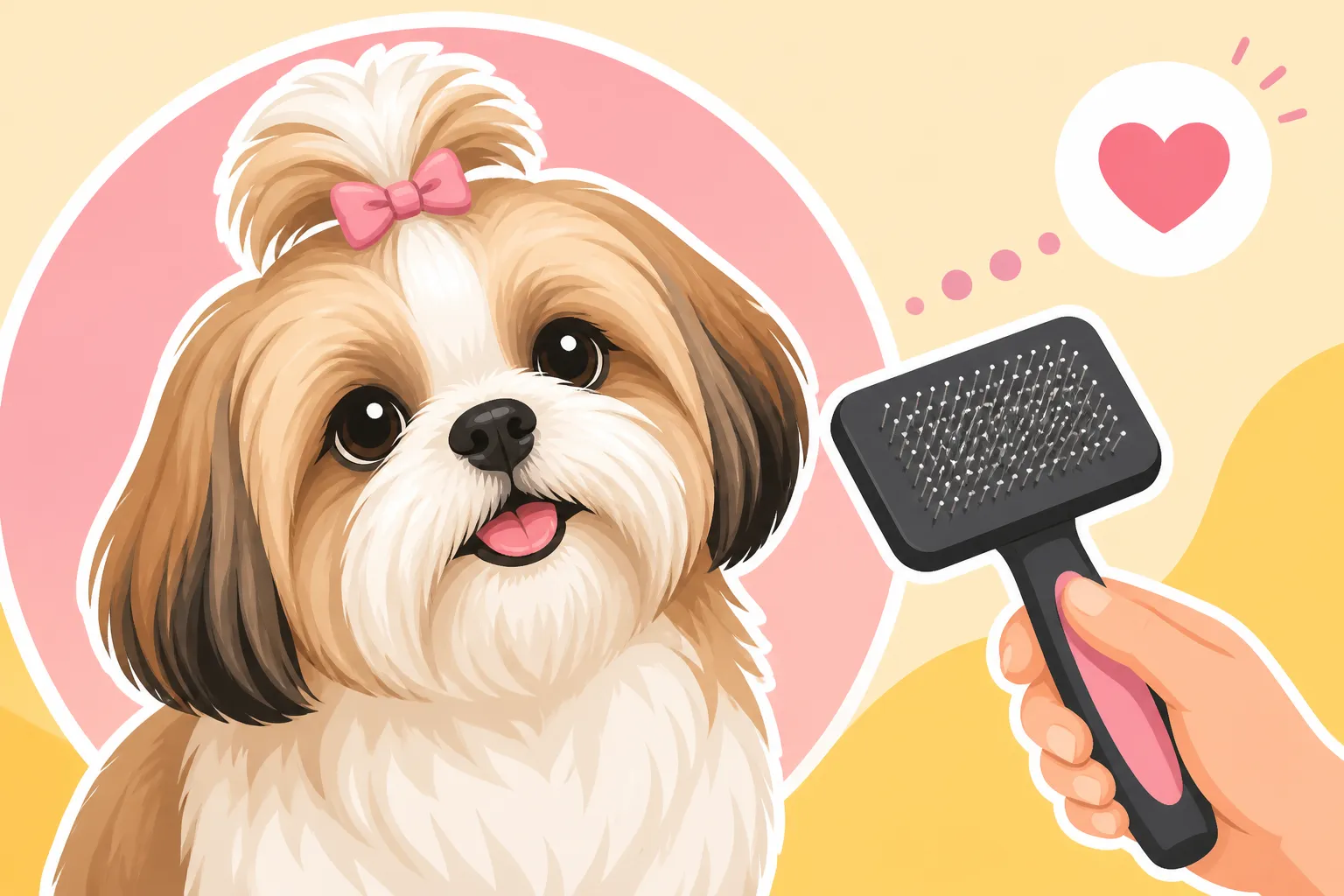
It’s a common scenario: you know your beloved Shih Tzu needs regular brushing to keep that gorgeous coat from becoming a matted mess, but the moment you pull out the slicker brush, your sweet companion transforms into a squirming, nipping, or hiding Houdini. This struggle is incredibly frustrating for both you and your dog, often leading to guilt, missed grooming sessions, and ultimately, painful tangles. This comprehensive guide will walk you through a gentle, step-by-step process to get your Shih Tzu not just to tolerate, but genuinely accept and even enjoy, being brushed with a slicker.
Understanding the "Why" Behind the Struggle
Before we can teach our Shih Tzus to love the brush, it helps to understand why they might be resisting in the first place. It’s rarely about them being "naughty" and almost always rooted in discomfort, fear, or a lack of proper introduction.
The Shih Tzu Coat: A Double-Edged Sword
That flowing, luxurious Shih Tzu coat is undeniably beautiful, a hallmark of the breed. But underneath that show-stopping exterior lies a thick, soft undercoat, and it's this combination that makes daily grooming an absolute necessity. Unlike many breeds with single coats, the Shih Tzu has a double coat that is incredibly prone to matting. The softer undercoat can easily trap shed hair, which then intertwines with the longer guard hairs, forming dense, painful knots.
If not brushed regularly and thoroughly, these mats can quickly become severe. They don't just look bad; they pull on the skin, causing discomfort, irritation, and even skin infections if moisture gets trapped underneath. In extreme cases, mats can restrict movement and even cut off circulation. As owners, we know this, and the pressure to brush can make us feel desperate, sometimes leading to inadvertently rough handling when trying to get a stubborn mat out. This creates a vicious cycle: the dog resists because it hurts, and we struggle because we know it must be done. Why a Shih Tzu Double Coat Mats So Fast helps explain just how quickly this can happen.
Why the Slicker Brush Can Feel Scary
For humans, a slicker brush looks formidable – all those metal pins! While designed to be effective, especially for reaching the undercoat and detangling, if used incorrectly or on an already matted coat, it can certainly be painful. The fine wire bristles, if dragged across the skin, can scratch and irritate. If a mat is pulled too hard, it can cause significant discomfort, leading to a strong negative association with the tool itself.
Think about it from your Shih Tzu's perspective. They don't understand that brushing is for their own good. All they register is a foreign object with sharp pins coming at them, sometimes causing a tug or a poke. If their first experiences were painful or stressful, perhaps from previous owners, a rushed grooming session, or simply trying to get out a particularly bad mat, they learn to dread the brush. Over time, even the sight of it can trigger anxiety, leading to evasive maneuvers like hiding, growling, or even snapping. It’s a natural self-preservation instinct, and it’s up to us to re-teach them that the slicker brush can be a source of gentle affection and comfort, not pain.
Building Positive Associations: The Foundation of Acceptance
Transforming brushing from a battle into a bonding experience starts with creating positive associations. This isn't about brute force; it's about patience, consistency, and making the brush synonymous with good things.
Starting Early and Making It Fun
If you have a Shih Tzu puppy, you're in an ideal position to introduce grooming in a positive way from day one. Puppies are naturally curious and often more receptive to new experiences. The goal isn't necessarily to get a full brush-out in those first few weeks, but rather to accustom them to being handled and to the sight, sound, and feel of the grooming tools.
Start with very brief sessions, just a minute or two. Let your puppy investigate the slicker brush – sniff it, gently mouth it (if appropriate, ensuring they don't chew it to pieces). Touch them with the back of the brush first, then very gently with the bristles on a less sensitive area like their shoulder or back. Pair every touch with a tiny, high-value treat and verbal praise in a happy, calm voice. The moment they tolerate it, even for a second, reward and stop. You want to end on a positive note, always leaving them wanting more. Remember, Grooming training starts the first week, and it truly makes a world of difference in preventing future struggles.
The "Touch and Treat" Method
This method is the cornerstone of desensitization and counter-conditioning. The idea is to change your Shih Tzu's emotional response to the slicker brush from negative (fear, anxiety, discomfort) to positive (excitement for treats, relaxed anticipation). It’s classical conditioning in action: brush touch = delicious treat!
Begin by simply showing your Shih Tzu the brush. If they look at it calmly, offer a treat. Then, gently touch them with the brush (again, perhaps the back of it initially, then very lightly with the bristles) on a neutral body part. The instant the brush touches them, give a treat. Remove the brush, give another treat. Repeat this many times, gradually increasing the duration of the touch. The key is to keep the sessions super short – literally a few seconds – and highly rewarding. The treat should be something they absolutely adore, like tiny pieces of cooked chicken or cheese. As they become more comfortable, you can progress to a single stroke, then two, always followed by a reward. This method builds trust and teaches them that the brush brings good things, not pain.
Choosing the Right Environment and Time
The success of your desensitization efforts heavily depends on the context. Trying to brush your Shih Tzu in a chaotic environment, when they are full of energy, or when you are stressed and rushed, is a recipe for disaster.
Choose a quiet, calm space where your Shih Tzu feels secure and there are minimal distractions. This might be a specific spot on the floor, a sturdy table (if they are comfortable being on one), or even your lap if they associate it with comfort. Make sure you are both relaxed. The best time to start these sessions is when your Shih Tzu is already a bit mellow, perhaps after a short walk or playtime, but not so sleepy that they are grumpy. Avoid forcing the issue; if your Shih Tzu is clearly agitated or trying to escape, it’s better to stop and try again later. Forcing them will only reinforce their negative association. Establishing a predictable routine, even for short "happy brush" sessions, can also create a sense of security and expectation, making your Shih Tzu more amenable to the process.
Step-by-Step Desensitization with the Slicker Brush
Once you've laid the groundwork with positive associations, you can begin the more structured process of getting your Shih Tzu comfortable with the actual brushing action. This involves gradual exposure and mastering specific techniques that are gentle yet effective for their unique coat.
Introducing the Brush Gradually
Remember, the goal is to ease your Shih Tzu into accepting the brush, not to surprise or overwhelm them. Start by letting them sniff and investigate the slicker brush on their own terms. Place it on the floor and let them approach it if they wish. If they show curiosity, reward them.
Next, instead of immediately brushing their coat, gently touch their body with the back of the brush. Praise and treat. Once they’re comfortable with that, very lightly, skim the tips of the slicker bristles over a less sensitive area, like their side or upper back, where the coat might be less dense or less prone to tangles. These initial strokes should be feather-light and short, followed immediately by a treat. As they show acceptance, you can gradually increase the pressure to ensure the bristles are reaching through the topcoat and beginning to engage with the undercoat, but always ensure it’s gentle and pain-free. If at any point your Shih Tzu tenses up or tries to move away, ease off, revert to a simpler step, and increase the reward. Building trust is paramount in this process.
The "Line Brushing" Technique
This technique is absolutely crucial for a Shih Tzu's double coat and is the secret to effective, pain-free grooming. If you just brush over the top of the coat, you'll smooth down the surface, but all the mats and tangles will remain underneath, hidden, only to worsen. This is why many owners find their Shih Tzu still getting matted despite "daily brushing."
Here's how line brushing works:
- Part the hair: Start at the bottom of the dog's leg or side, and with your free hand, part the coat horizontally, exposing a small strip of skin.
- Brush the strip: Hold the upper section of hair up and out of the way. With your slicker brush, gently brush the exposed strip of hair downwards, from the skin out to the ends. Make sure the bristles penetrate down to the skin, but always brush away from the skin, not directly into it, to avoid scratching.
- Work upwards: After thoroughly brushing that section, drop a small amount more of the upper coat down, creating a new, slightly higher strip. Repeat the brushing process.
- Section by section: Continue working your way up the body, section by section, until you've brushed every part of the dog's coat from the skin out.
This methodical approach ensures you're clearing any tangles and dead undercoat without pulling on the entire coat, which is where most of the pain comes from. After using the slicker, always follow up with a metal comb to ensure you haven't missed any tangles. The comb should be able to glide through the coat from skin to tip without resistance. If it snags, go back to that area with the slicker brush. This is why The Comb Test on a Brushed Shih Tzu is so important!
Handling Sensitive Areas
Some areas on a Shih Tzu are naturally more sensitive or prone to matting, and these require extra care and patience during brushing.
- Face and Head: The delicate skin around their eyes and the fine hair on their face can be particularly tricky. Many Shih Tzus are wary of brushes near their eyes, especially if they’ve had hair pulled or eyes accidentally poked. For these areas, a smaller face comb or even just your fingers might be better than a large slicker brush. When using the slicker, be incredibly gentle, support their head, and brush away from their eyes. Small scissors with blunt tips might be needed to trim hair out of the eyes. For specific face grooming guidance, consider Practicing Face Trims on a Shih Tzu Puppy. If your Shih Tzu is prone to snapping, understanding A Shih Tzu That Bites During Eye Wiping might offer helpful insights.
- Ears: The hair behind and under a Shih Tzu's ears is a prime spot for mats due to friction and moisture. Be extra gentle here, parting the hair and using the line brushing technique. These mats can pull on the delicate ear leather. Mats That Form Behind Shih Tzu Ears covers this common issue.
- Paws and Legs: Shih Tzus often get tangles between their paw pads and on their legs. Gently hold their paw, spreading the toes slightly, and use a small slicker or comb. Regular nail trims also make paw handling easier. Learn more about general paw care in Handling Shih Tzu Paws Every Day.
- Belly and Armpits: These areas are extremely sensitive and also highly prone to matting because of movement and contact with surfaces. Approach these spots when your Shih Tzu is relaxed, perhaps lying on their back or side. Use very light strokes and be prepared to stop if they show discomfort. Remember, even short, successful sessions are better than long, stressful ones.
Tools and Tips for Success
Having the right tools and a resilient mindset can make all the difference in your Shih Tzu grooming journey. It’s not just about the technique; it’s about preparation and perseverance.
Selecting the Right Slicker Brush
Not all slicker brushes are created equal, and choosing the right one for your Shih Tzu can significantly impact the experience for both of you. You'll want a quality slicker brush that is gentle yet effective. Look for one with fine, flexible pins that have coated tips or are designed not to scratch the skin. The size of the brush should be appropriate for your Shih Tzu's body – not too large to be unwieldy, but large enough to cover a decent area.
Many owners find success with brands that specialize in dog grooming, often found on platforms like Amazon. Some brushes offer different densities of pins (soft, medium, firm), and a medium density is usually a good starting point for a Shih Tzu coat. A brush with an ergonomic, comfortable grip will also save your hand from fatigue during longer sessions. Having a separate, sturdy metal comb with both wide and fine teeth is also essential for checking your work after using the slicker.
Essential Grooming Aids
Beyond the slicker brush, a few other items can make your grooming routine smoother and more effective:
- Detangler Spray: A good quality detangler spray is your best friend when dealing with a Shih Tzu coat. Spritzing the coat lightly before brushing helps the slicker glide through more easily, minimizes static, and protects the hair from breakage. This is especially helpful if you encounter any minor tangles. For more on this, check out Detangler Sprays That Work on a Shih Tzu.
- High-Value Treats: As discussed, positive reinforcement is key. Keep a supply of your Shih Tzu's absolute favorite, tiny treats on hand. These should be small enough to be eaten quickly without interrupting the flow of grooming too much, and something they don't get all the time. Treats a Shih Tzu Can Eat Without Gaining can give you ideas for healthy options.
- Grooming Table or Non-Slip Mat: If you find yourself bending over too much or struggling to keep your Shih Tzu still, a small grooming table with a non-slip surface and a grooming arm can be a game-changer. It elevates your dog to a comfortable working height and can help them learn to stand still for longer periods. If a table isn't feasible, a non-slip bath mat placed on a sturdy surface can also work to provide traction and stability. Getting your Shih Tzu accustomed to this surface is part of the grooming training process, as detailed in Standing a Shih Tzu on the Grooming Table.
- A Calm and Confident Demeanor: Your energy is contagious. If you're stressed or anxious about brushing, your Shih Tzu will pick up on it. Try to approach grooming sessions with a calm, patient, and confident attitude. Speak in soothing tones, offer lots of praise, and don't get frustrated if things don't go perfectly every time.
Maintaining Patience and Consistency
Desensitizing your Shih Tzu to the slicker brush is a marathon, not a sprint. It takes time, patience, and unwavering consistency. There will be days when your Shih Tzu is more cooperative, and days when they seem to have forgotten everything you've taught them. Don't get discouraged. Revert to easier steps if needed, and remember that even short, positive interactions are building blocks.
Aim for daily, brief grooming sessions, even if it's just a quick brush over their back. Consistency reinforces the positive associations and keeps their coat in better condition, meaning fewer painful mats. If you're truly struggling and feel like you're not making progress, don't hesitate to seek help. Many professional dog trainers and groomers specialize in cooperative care and can provide hands-on guidance. Online resources, such as those offered by BAXTER & Bella, might also provide structured programs and support for teaching grooming tolerance. Preventing severe matting through consistent home grooming is also crucial, as professional groomers sometimes have to turn away dogs with extreme matting for their own safety and the dog's comfort. Understanding Why a Groomer Turns a Shih Tzu Away highlights the importance of regular maintenance. Ultimately, your patience and dedication will transform grooming from a chore into a cherished routine for both you and your beloved Shih Tzu. While two hours on the table is the ideal for a show coat, even Two Hours on the Table and a Patient Shih Tzu starts with building trust.
| Stage of Introduction | Action | Reward | Goal |
|---|---|---|---|
| Familiarization | Place brush on floor, let dog sniff/approach | Treat, praise | Remove fear of object |
| Initial Contact | Gently touch dog with back of brush | Treat, praise | Associate brush with pleasant touch |
| Gentle Bristle Touch | Lightly skim bristles on less sensitive area (e.g., shoulder) | Treat, praise, stop quickly | Acclimate to feel of bristles |
| Short Strokes | One or two gentle strokes on a relaxed area | Treat after each stroke, praise, end session | Introduce actual brushing motion |
| Gradual Increase | Incrementally extend strokes/areas; use line brushing | Frequent treats, continuous praise | Build tolerance for longer, more thorough brushing |
| Sensitive Areas | Apply above steps with extra gentleness to ears, face, paws, belly | Extra high-value treats, extreme patience | Desensitize delicate areas |
| Maintenance | Integrate into daily routine, consistent short sessions | Treats, praise, relaxing ritual | Maintain positive association, prevent mats |
Disclaimer
This article is for general informational purposes only and does not constitute professional advice. Laws, prices and regulations vary by location and change over time. Consult a qualified professional for guidance on your specific situation.