A Shih Tzu Backsliding on House Training
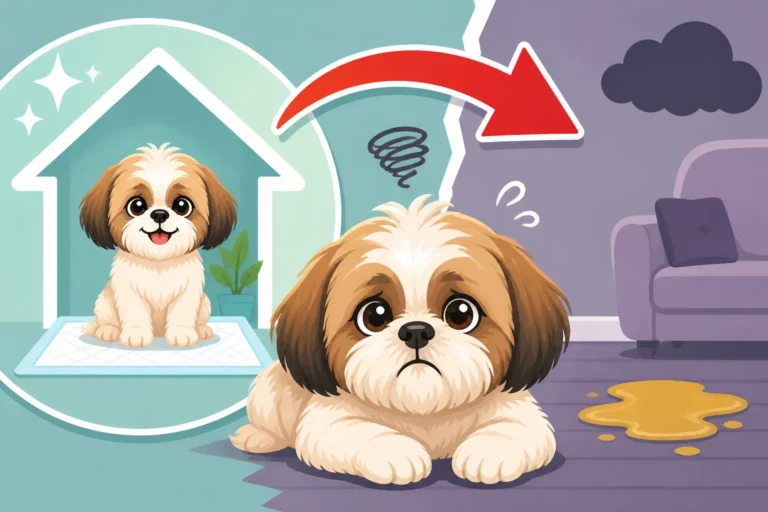
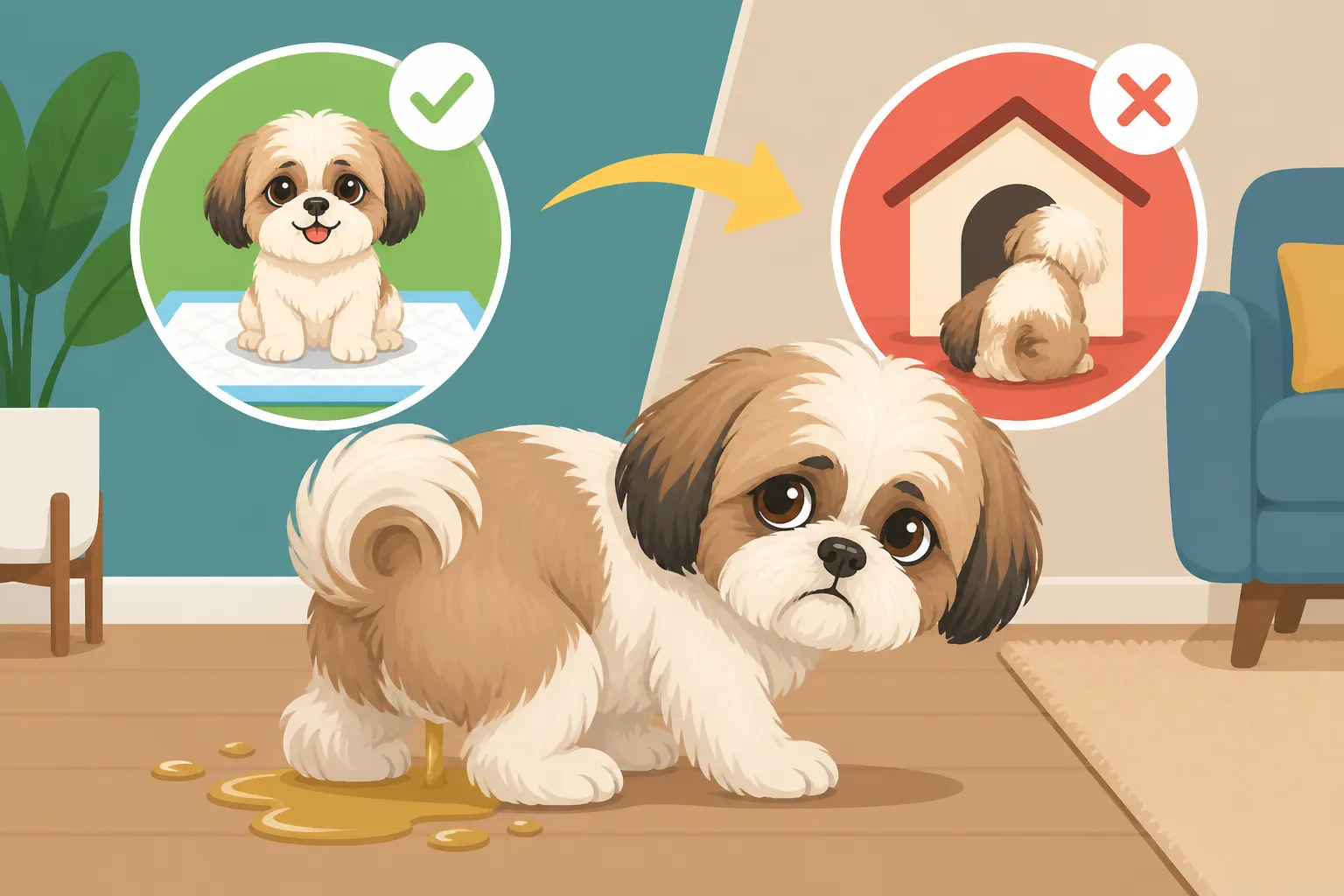
It's incredibly frustrating when your sweet, seemingly perfectly house-trained Shih Tzu suddenly starts having accidents indoors. You thought you were past this stage, diligently cleaned up every puddle, celebrated every outdoor success, and then, out of nowhere, it feels like you're back at square one, wondering what went wrong. This guide is here to walk you through the common reasons why a Shih Tzu might backslide on their house training and, more importantly, what you can do to lovingly and effectively get them back on track.
Understanding Why Your Shih Tzu Is Backsliding
When a previously house-trained dog starts having accidents, the very first thing to consider is that it's rarely out of spite or a sudden decision to "be bad." More often than not, there's an underlying reason, and our job as their devoted companions is to play detective. We need to look at both their physical health and their emotional well-being.
Medical Reasons for House Training Regression
Believe it or not, a significant percentage of house training backslides have a medical root. It’s not that your Shih Tzu has forgotten their training; it's that something in their body is making it impossible for them to hold it, or they're experiencing discomfort that makes them hesitant to go in their usual spot.
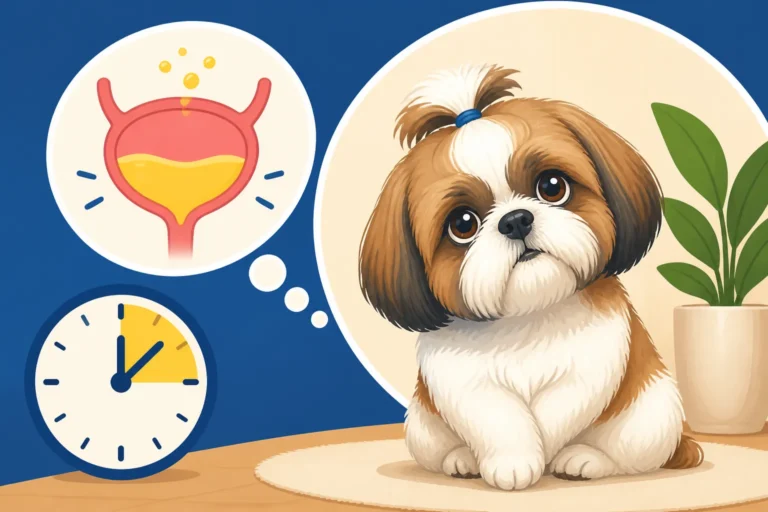
For instance, a urinary tract infection (UTI) is a classic culprit. Just like in humans, a UTI can cause frequent, urgent needs to urinate, often with little warning. Your little one might suddenly squat and go right where they're standing because they simply couldn't hold it any longer, despite knowing better. Other times, the urge is there, but only a small amount comes out. This can be painful, and your Shih Tzu might associate that pain with going outside, leading them to try and relieve themselves indoors where they feel safer or less exposed. This is why a vet visit is crucial the moment you notice any change in potty habits.
Beyond UTIs, there could be more serious concerns like kidney issues. A dog with declining kidney function might drink and urinate much more frequently than usual. If you've noticed your Shih Tzu guzzling water and then needing to go out every hour, or having much larger puddles, it's a huge red flag. Conditions like Renal Dysplasia and the Shih Tzu Kidney or Shih Tzu Bladder Stones and Urinary Problems can cause similar symptoms and require prompt veterinary attention. Older Shih Tzus, especially, can develop cognitive dysfunction, which is essentially doggie dementia. They might simply forget where they are, or why they're outside, leading to accidents.
Physical pain can also contribute. If your Shih Tzu is suffering from Shih Tzu Arthritis After the Age of Nine or Shih Tzu Disc Disease and Sudden Back Pain, the effort of getting up, walking outside, or even squatting can be painful. They might hesitate to go outside, or simply relieve themselves where they stand to avoid the discomfort of movement. Sometimes, it's as simple as an upset stomach causing diarrhea, which is impossible for even the best-trained dog to control. Any changes in stool consistency or frequency should also be noted for your vet.
Behavioral Causes Behind Accidents
Once medical reasons have been ruled out by your veterinarian, it’s time to explore the behavioral side of things. Our Shih Tzus are deeply connected to us and their environment, and changes or emotional states can absolutely manifest as house training regression.
Anxiety is a huge one. Shih Tzus are companion dogs, and separation anxiety can trigger accidents, especially when left alone. This isn't out of malice, but a panic response. They might urinate or defecate due to stress, not because they've forgotten their training. Changes in the household, like a new baby, a new pet, or even a different work schedule for you, can all trigger anxiety. Sometimes, the anxiety isn't about being alone, but about a specific trigger, like loud noises outside or a fear of the dark when going out at night.
Territorial marking is another common behavioral issue, particularly in intact males, but even spayed females can do it. This isn't typically full urination, but rather small amounts of urine deposited on vertical surfaces to "claim" an area. This is a very different behavior from an accident. If you see your Shih Tzu lifting a leg on furniture or walls, especially after another dog has visited, that’s marking. You might consider Wraps for a Shih Tzu That Marks as a temporary measure while working on behavioral modification and discussing neutering with your vet, if applicable. Incomplete or inconsistent initial house training can also surface later. Maybe your Shih Tzu never truly understood that all pottying must be done outside, or they only learned to go in a specific spot that is no longer accessible.
Finally, attention-seeking can play a role, though it’s less common and usually coupled with other behaviors. If your Shih Tzu gets a big reaction (even a negative one, like yelling) when they have an accident, but gets ignored when they go outside quietly, they might learn that accidents get them attention. This is why a calm, consistent approach is always best. Understanding your Shih Tzu's personality and recent stressors is key to unraveling these behavioral puzzles.
Environmental or Routine Changes
Our little Shih Tzus thrive on routine and consistency. Any significant shift in their environment or daily schedule can throw them off balance, leading to confusion about where and when they are supposed to relieve themselves. It’s like changing the rules of a game without telling them.
Moving to a new home is perhaps the most obvious environmental change. Even if it's just across town, a new house means new smells, new layouts, and a whole new outdoor area to navigate. What used to be their familiar potty spot is gone, and they might feel insecure or unsure of where the "correct" place is in their new surroundings. Suddenly, the entire house is fair game in their eyes until you re-establish the boundaries. Similarly, even minor re-arrangements within your existing home, like moving furniture that used to block off a certain area, can disrupt their internal map.
A shift in the family’s daily schedule can also be a major trigger. Did you start a new job with longer hours, meaning fewer potty breaks throughout the day? Or maybe your kids went back to school, and your Shih Tzu, used to constant companionship and easy access to the yard, is now holding it too long? This can lead to desperate accidents simply because they physically couldn't wait any longer. Young puppies have tiny bladders, and even adult Shih Tzus, while better, still have limits. A common misstep is underestimating how often a Shih Tzu actually needs to go out, especially if they’ve been house-trained for years and you've become complacent.
The actual potty spot itself might have changed in a way that makes it unappealing. Perhaps a new sprinkler system wets their favorite grass patch, or a new neighbor’s dog frequently marks the area, making your Shih Tzu reluctant to use it. Even severe weather, like heavy rain, snow, or extreme heat, can make going outside feel unpleasant or even scary for your little one, leading them to seek relief indoors. For more insights on this, you might find A Shih Tzu That Refuses to Go Outside in Rain particularly helpful. Consider if any small, seemingly insignificant change in your daily life could be a big deal for your sensitive Shih Tzu.
| Potential Cause | Type | Common Signs | Immediate Action |
|---|---|---|---|
| Urinary Tract Infection | Medical | Frequent squatting, straining, small puddles | Vet visit ASAP for diagnosis and treatment. |
| Kidney Disease | Medical | Excessive thirst, large volume urination | Vet visit ASAP for bloodwork (e.g., Shih Tzu Kidney Values on Routine Bloodwork). |
| Arthritis/Pain | Medical | Hesitation to move, difficulty squatting | Vet check for pain management. |
| Cognitive Dysfunction | Medical | Disorientation, forgetting commands/routines | Vet consultation for diagnosis and management. |
| Separation Anxiety | Behavioral | Accidents only when left alone, destructive | Behavior modification, vet for possible medication. |
| Territorial Marking | Behavioral | Small amounts on vertical surfaces | Neuter/spay, clean thoroughly, supervise, use wraps. |
| Inconsistent Training | Behavioral | Accidents when rules are unclear or broken | Go back to basics, consistent schedule. |
| New Home/Environment | Environmental | Accidents throughout new living space | Re-establish potty routine from scratch, supervision. |
| Schedule Changes | Environmental | Accidents when alone for longer periods | Adjust potty schedule, consider dog walker. |
| Aversion to Potty Spot | Environmental | Reluctance to go outside, holding it in | Explore new outdoor spots, make current one appealing. |
Re-establishing House Training Habits
Once you've tried to pinpoint the potential reason for the backsliding, it's time to take action. The approach is usually a combination of returning to foundational training principles, diligent cleaning, and consistent positive reinforcement. Remember, patience is your greatest tool.
Going Back to Basics with a Refresher Course
Think of it like this: your Shih Tzu has had a little brain-wipe or a confusing period, and now you need to reinstall the house-training software. This means treating them like a brand-new puppy when it comes to potty training, even if they're years old. The core principles of effective house training remain the same, regardless of age.
Start with a strict potty schedule. This means taking your Shih Tzu out every hour or two, first thing in the morning, last thing at night, after every meal and nap, and before you leave the house. Be absolutely consistent. When you take them out, stay with them, on a leash, until they go. Give them a specific cue, like "go potty," and lavish them with praise and a high-value treat the instant they finish. Don’t wait until you’re back inside, or they might not connect the reward with the act of going outside. For a detailed breakdown, A Shih Tzu Potty Schedule by Week can be a great resource, even for older dogs.
Crate training, if not already in place, can be incredibly effective during this refresher period. A crate should be seen as a safe, comfortable den where your Shih Tzu wouldn't want to soil their sleeping area. They should only be in the crate for appropriate lengths of time, never as punishment. For guidance, check out Crate Training a Shih Tzu Properly. When they're not in the crate, they should be under your direct supervision, ideally tethered to you or kept in an enclosed, dog-proofed area. This "umbilical cord" method ensures you can immediately interrupt any impending accident and rush them outside. Never leave them unsupervised until they prove themselves trustworthy again, which can take weeks or even months of perfect behavior.
Cleaning Up Accidents Properly
This step is critical and often overlooked. If you don't clean accidents thoroughly, the lingering scent can actually encourage your Shih Tzu to re-offend in the same spot. Dogs are driven by scent, and even if you can't smell it, they definitely can!
Forget your regular household cleaners for dog accidents. They might mask the smell for you, but they won't break down the enzymes in the urine that signal "bathroom here" to your dog. You need an enzymatic cleaner. These cleaners work by breaking down the uric acid crystals in urine, eliminating the odor at its source. Many great options are available, often found on platforms like Amazon or at your local pet store. Soak the soiled area generously, let it sit for the recommended time (usually 10-15 minutes), then blot it up. You might need to repeat this process a couple of times. If the accident happened on carpet, it might even be worth renting a carpet cleaner with an enzymatic solution to ensure deep cleaning.
Preventing future scent marking is also important. If your Shih Tzu has repeatedly soiled a particular spot, after cleaning it, you might want to block access to that area temporarily or place something there they won’t want to potty on, like their food bowl or bed. This changes the association of that spot for them. Remember, any punishment for accidents after the fact is counterproductive. Your Shih Tzu won’t understand why they’re being scolded; they’ll just learn to fear you or hide their accidents, making the problem even harder to solve. Focus on prevention and proper cleaning. For a deeper dive into this, read Cleaning Shih Tzu Accidents Properly.
Positive Reinforcement and Rewards
This is the cornerstone of effective house training, especially when you're dealing with a regression. Your Shih Tzu needs to understand that going potty outside is the most rewarding thing they can do, and that you are absolutely thrilled by their success.
Every single time your Shih Tzu goes to the bathroom outside, throw a party! Seriously. Use enthusiastic verbal praise ("Good potty! Yes!"), give them a high-value treat (something they love and only get for pottying outside), and perhaps even a quick, happy petting session. The timing is crucial: the reward must happen within 1-2 seconds of them finishing their business. This immediate feedback helps them connect the act with the reward. If you wait until you're back inside, they might think the treat is for coming back in, not for relieving themselves.
High-value treats are important because they cut through distractions and make the reward truly meaningful. Think tiny pieces of cooked chicken, cheese, or specialized training treats they adore. Keep them readily accessible, perhaps in a pouch on your belt, so you're always prepared. Over time, as your Shih Tzu becomes consistently reliable, you can gradually reduce the frequency of the treats, but always keep the verbal praise. This positive association ensures they feel good about their outdoor potty habits, reducing any anxiety or confusion. Avoid any harsh corrections or scolding for accidents, as this can create fear and inhibit them from letting you know when they need to go, or worse, make them hide accidents. Why Harsh Corrections Shut a Shih Tzu Down explains this in more detail.
When to Seek Professional Help
Sometimes, despite your best efforts, your Shih Tzu continues to struggle with house training regression. This is not a reflection of your ability as an owner, but an indication that there might be something more complex going on that requires expert intervention. Don't hesitate to reach out for help.
Consulting Your Veterinarian
As mentioned earlier, a medical issue is always the first possibility to rule out when a house-trained dog starts having accidents. If you haven't already, schedule a thorough veterinary check-up immediately. This isn't just a quick peek; your vet will likely want to do a full physical exam, and probably run some diagnostics.
They'll likely check a urine sample for signs of infection (UTI) or crystals. They might also recommend blood work to assess kidney function, screen for diabetes, or check thyroid levels, especially if your Shih Tzu is older or showing other symptoms. Excessive Thirst as the First Kidney Sign is a key indicator they'll look for. If there are signs of pain or discomfort, they might suggest X-rays to check for arthritis or spinal issues. Be prepared to give your vet a detailed history: when did the accidents start? What do they look like? How often are they happening? Have there been any changes in diet, water intake, activity level, or behavior? The more information you can provide, the better your vet can narrow down the potential causes and provide an accurate diagnosis and treatment plan. Resolving any underlying medical condition is the essential first step to getting house training back on track.
Working with a Certified Dog Trainer
If your vet gives your Shih Tzu a clean bill of health, then the issue is likely behavioral, and this is where a professional dog trainer can be invaluable. Don't just pick any trainer; look for someone who specializes in positive reinforcement and has experience with toy breeds like Shih Tzus, as they have unique temperaments and physical considerations. Finding a Trainer for a Toy Breed can help you with this search.
A good trainer will observe your Shih Tzu’s behavior in your home environment, ask detailed questions about your routine, and help identify triggers or inconsistencies you might have missed. They can offer personalized strategies for managing anxiety, addressing marking behaviors, or refining your communication with your dog. For instance, if separation anxiety is suspected, they might guide you through a desensitization protocol, gradually increasing your Shih Tzu’s alone time. Resources like BAXTER & Bella offer online puppy training programs and live support that can be particularly helpful for owners dealing with various behavioral issues, including house training, by providing expert guidance from the comfort of your home. They understand that every dog is an individual, and what works for one might not work for another. They can help you implement a consistent training plan, teach you how to read your Shih Tzu’s body language more effectively, and provide the ongoing support and encouragement needed to overcome this frustrating challenge. Investing in a qualified trainer can save you a lot of stress and accelerate your Shih Tzu's journey back to reliable house manners.
Disclaimer
This article is for general informational purposes only and does not constitute professional advice. Laws, prices and regulations vary by location and change over time. Consult a qualified professional for guidance on your specific situation.