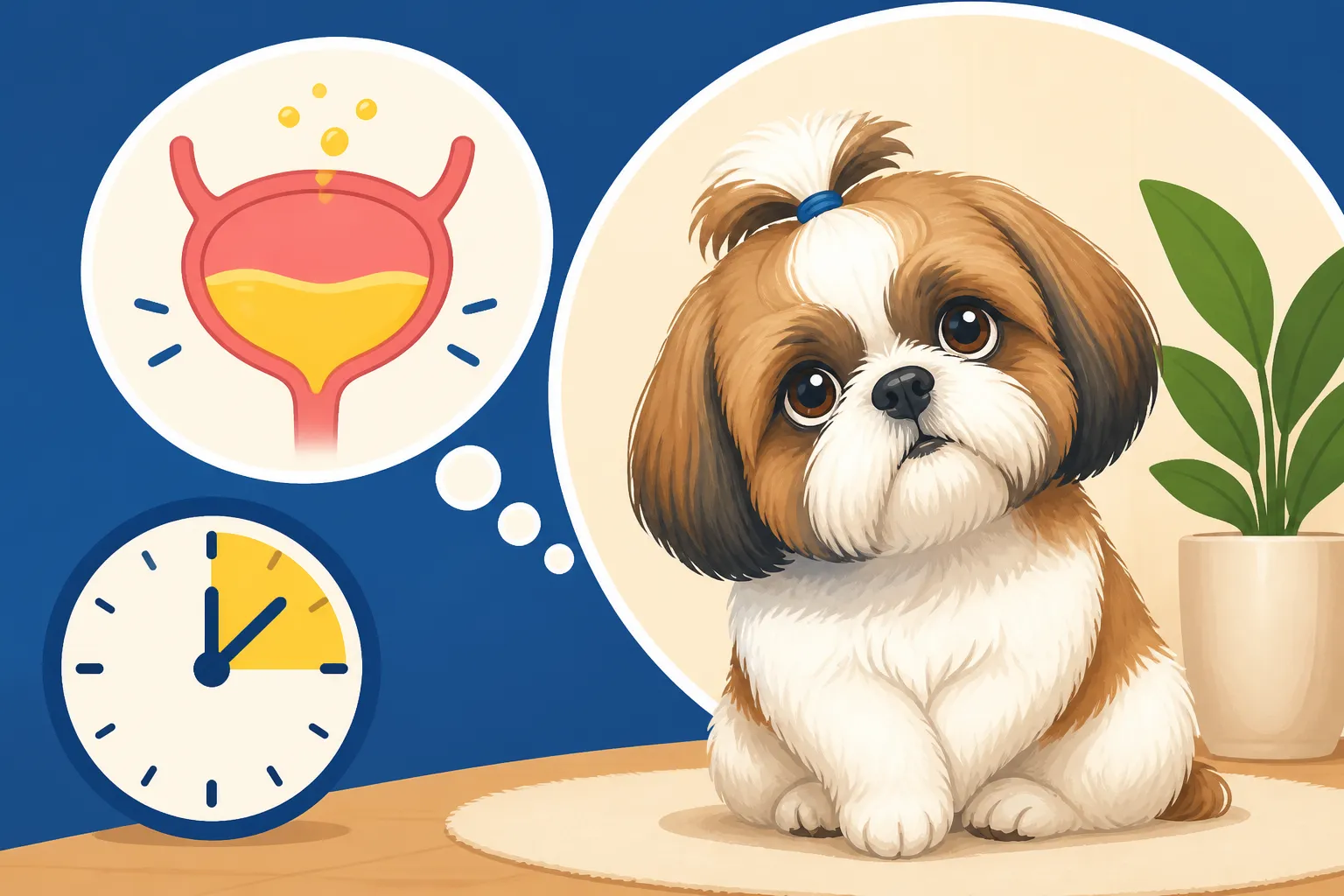
How Long a Shih Tzu Can Hold It
It's a question every Shih Tzu owner, especially new puppy parents, has probably muttered under their breath more than once: "Just how long can this tiny dog really hold it?" The struggle is real, whether you're dealing with a little puppy who seems to need to go every five minutes, an adult who has an unexpected accident, or an older dog whose bladder just isn't what it used to be. Understanding your Shih Tzu's natural bladder capacity and the myriad factors that influence it is key to successful house-training and maintaining a happy, accident-free home. This guide will dive deep into what's normal, what's not, and how you can set your beloved companion up for success.
Understanding Your Shih Tzu's Bladder Capacity and Limitations
Our little lion dogs might have big personalities, but their bladders are decidedly on the smaller side. It’s not just about size, though; age, health, and even emotional state all play a huge role in how long your Shih Tzu can comfortably go between potty breaks.
Puppy Bladder Control: The Rule of Thumb and Reality Check
When you bring home a Shih Tzu puppy, you're essentially bringing home a tiny sponge with very little bladder control. The old "one hour per month of age" rule is a decent starting point, but it's crucial to remember it's a minimum expectation, not a guarantee, and usually applies during waking hours. This means a two-month-old puppy might only be able to hold it for about two hours, and often much less when they're actively playing or just waking up.
Think about it: a human baby isn't born with full bladder control, and neither are puppies. Their muscles are still developing, and they haven't learned to associate the feeling of a full bladder with needing to go outside. Accidents at this stage are not stubbornness; they're simply a physiological reality. You'll be taking your tiny fluffball out upon waking, every 15-30 minutes during active play, after every meal and drink, and before every nap. Yes, it’s a lot. Owners often feel like they're living in a constant state of potty patrol, and it's totally normal to feel a bit overwhelmed. But this intense period of supervision and frequent trips outside lays the groundwork for a well-house-trained adult. For more on their early development, check out Shih Tzu Puppy Training Month by Month.
Adult Shih Tzus: What's Realistic for a Grown Dog?
Once your Shih Tzu reaches adulthood, typically around 6-8 months, their bladder muscles are fully developed, and they've ideally learned the ropes of house-training. For a healthy adult Shih Tzu, you can generally expect them to hold their bladder for 6 to 8 hours during the day. Many can even go a full 10-12 hours overnight if they're completely relaxed, have emptied their bladder right before bed, and haven't had a drink in the hour or two leading up to bedtime.
However, this isn't a hard and fast rule. A very active Shih Tzu who has just had a big drink of water after a long walk might need to go sooner than a lazy couch potato who's been napping all morning. Stress, excitement, or even a sudden change in routine can also trigger a need to go more frequently. It's about finding your dog's rhythm, which might be a little different from the general guidelines. While they're small, their bladders are efficient, but pushing them past their comfortable limit can lead to accidents and discomfort. It's always better to offer a potty break a little too often than not often enough.
Senior Shih Tzus: The Changing Needs of an Aging Bladder
Just like humans, as our beloved Shih Tzus enter their golden years (typically past the age of ten), their bodies start to change, and bladder control is often one of the first things to be affected. You might notice your senior Shih Tzu needing to go out more frequently, having more urgent needs, or even having accidents indoors, especially overnight.
This isn't necessarily a sign they've forgotten their training. It could be due to weakened bladder muscles, a reduced ability to concentrate urine (which means they produce more dilute urine), or underlying health conditions that become more common with age. Conditions like kidney disease, diabetes, or even cognitive dysfunction can all contribute to changes in urination habits. It’s heartbreaking to see your perfectly house-trained companion start having accidents, but it's vital to approach it with empathy and understanding, not frustration. They're not doing it to spite you. Regular vet check-ups are especially important during this phase to rule out or manage any medical issues. You'll find more helpful advice in Senior Shih Tzu Care Past the Age of Ten.
Factors Influencing Bladder Control in Shih Tzus
It’s not just about age and basic biology; many daily factors can significantly impact how long your Shih Tzu can hold their bladder. Understanding these can help you better manage their potty needs and prevent accidents.
Diet, Hydration, and Meal Timing
What and when your Shih Tzu eats and drinks has a direct impact on their potty schedule. A dog who gulps down a large bowl of water immediately after a meal will likely need to urinate sooner than one who sips throughout the day. Consistency is truly key here.
If you feed your Shih Tzu at consistent times each day, their digestive system and bladder will also become more predictable. For instance, feeding twice a day at the same hours means you can expect a bowel movement and often a urination within a relatively predictable window afterwards. Avoid free-feeding if you're struggling with house-training, as it makes their output unpredictable. Similarly, try to limit water intake in the hour or two leading up to bedtime, especially if overnight accidents are an issue, but never restrict water during the day. Proper hydration is vital for their health. The type of food can also play a role; some wet foods have higher water content, and certain diets might encourage more drinking. If you're wondering about their dietary needs, Daily Calories for a Twelve Pound Shih Tzu offers a good starting point.
Health Conditions That Affect Urination
Any sudden or significant change in your Shih Tzu's urination habits — increased frequency, difficulty urinating, straining, accidents, or changes in urine color/smell — warrants a trip to the veterinarian. These changes are often the first, and sometimes only, signs of an underlying health problem.
Common conditions that can affect a Shih Tzu's bladder control include:
- Urinary Tract Infections (UTIs): These are incredibly common and can cause frequent, painful urination, often with accidents.
- Bladder Stones: Shih Tzus can be prone to bladder stones, which can irritate the bladder and cause symptoms similar to a UTI, sometimes blocking urination entirely. You can learn more about this in Shih Tzu Bladder Stones and Urinary Problems.
- Kidney Disease: As mentioned, compromised kidney function can lead to increased thirst and more frequent, dilute urination. Renal Dysplasia and the Shih Tzu Kidney covers this in detail.
- Diabetes: Uncontrolled diabetes often presents with excessive thirst and urination.
- Cushing's Disease: This hormonal disorder can also lead to increased thirst and urination.
- Arthritis or Back Pain: An older Shih Tzu with joint pain or a sore back might be reluctant to go outside in inclement weather or struggle to get into a squatting position, leading to accidents indoors.
Don't assume an accident is "just" a training issue; always consult your vet if you notice a change in habits.
Stress, Anxiety, and Behavioral Factors
Sometimes, it's not physical capacity but emotional state that dictates when your Shih Tzu needs to go. Stress and anxiety can manifest in house-training regression or increased urination. For example, a Shih Tzu experiencing separation anxiety might have accidents when left alone, not because they can't hold it, but due to stress. Take a look at Shih Tzu Alone Time and Learning to Tolerant It for more insights on managing alone time.
Excitement urination, often seen in puppies or easily excitable adults, is another common behavioral factor. They might dribble a little when greeting someone new or when you come home. This is involuntary and usually improves with maturity and consistent, calm greetings.
Finally, marking behavior is distinct from regular accidents. Males, and sometimes even females, might lift a leg (or squat) to deposit small amounts of urine in various spots around the house, especially if new objects or visitors are present. This is territorial communication, not a full bladder. It requires a different training approach, often involving neutering, vigilant supervision, and interrupting the behavior immediately.
Practical Strategies for Managing Your Shih Tzu's Potty Schedule
Managing a Shih Tzu's potty schedule effectively requires a blend of consistency, observation, and proactive solutions. It's about building habits that work for both of you.
Establishing a Consistent Routine
Consistency is the single most important factor in successful house-training and maintaining good potty habits for your Shih Tzu. Dogs thrive on routine and predictability. They learn what to expect and when, which helps them regulate their bodily functions.
Here’s how to establish a strong routine:
- Fixed Potty Times: Take your Shih Tzu out first thing in the morning (even before you grab your coffee!), immediately after waking from naps, within 10-15 minutes after every meal or significant drink, before bedtime, and after any period of play or excitement.
- Regular Intervals: Even between these fixed times, take your Shih Tzu out at regular intervals throughout the day. For a puppy, this might be every hour or two. For an adult, every 4-6 hours is often sufficient.
- Meal Schedule: Feed your Shih Tzu at the same times each day. This makes their digestive system more predictable.
- Activity Schedule: Consistent playtimes and walks also help regulate their system and provide opportunities for potty breaks.
Many owners find it helpful to keep a potty log, especially when house-training a puppy or dealing with accidents. Note down when your Shih Tzu eats, drinks, plays, and, most importantly, when they successfully eliminate outside. This helps you identify patterns and anticipate their needs.
Here's a sample daily routine for an adult Shih Tzu, keeping in mind that flexibility is always needed:
| Time | Activity | Potty Break? |
|---|---|---|
| 7:00 AM | Wake Up, Greet Human | YES |
| 7:15 AM | Breakfast | |
| 7:45 AM | Post-Breakfast Potty Break | YES |
| 8:00 AM | Short Walk/Playtime | (Opportunity) |
| 12:00 PM | Mid-day Potty Break (or whenever human gets home for lunch) | YES |
| 1:00 PM | Short Nap | |
| 3:00 PM | Afternoon Potty Break | YES |
| 5:00 PM | Dinner | |
| 5:30 PM | Post-Dinner Potty Break | YES |
| 6:00-8:00 PM | Play/Family Time | (Opportunity) |
| 9:00 PM | Final Potty Break Before Bed | YES |
| 9:30 PM | Bedtime |
Crating and Indoor Potty Solutions
Crate training can be an incredibly effective tool for house-training, especially for puppies. Dogs have a natural instinct not to soil their sleeping area, and a properly sized crate leverages this instinct. The crate should be just big enough for your Shih Tzu to stand up, turn around, and lie down comfortably, but not so large that they can designate one corner as a bathroom area.
When crate training, ensure your Shih Tzu has emptied their bladder immediately before going in. Don't leave them in too long, especially as puppies. Over-crating can lead to accidents in the crate, which defeats the purpose and can make them resistant to the crate. For guidance on introducing your pup to their new den, see Setting Up a Crate a Shih Tzu Will Enter.
For those times when going outside isn't feasible — think extreme weather, apartment living, or long working hours — indoor potty solutions can be a lifesaver. Pee pads are a common choice, but many Shih Tzu owners prefer indoor grass patches. These can be real or artificial grass squares that offer a more natural surface for elimination. You can find a variety of these options on platforms like Amazon, making it easier to manage indoor potty breaks without sacrificing hygiene. Just remember, if using indoor options, you'll eventually want to transition them to going solely outside if that's your long-term goal. And, if you're wondering about the costs involved, Indoor Potty Setup Costs for a Shih Tzu can give you an idea.
Recognizing the Signs Your Shih Tzu Needs to Go
Being attuned to your Shih Tzu's body language is critical for preventing accidents. They rarely just "go" without some kind of warning sign, even if it's subtle. The trick is learning to recognize your dog's unique signals.
Common signs that your Shih Tzu needs to go out include:
- Pacing or Restlessness: They might walk around aimlessly or seem unable to settle.
- Sniffing the Floor: This is often a clear indication they're looking for a spot.
- Circling: Similar to sniffing, they might walk in small circles before squatting.
- Heading for the Door: Some dogs will go directly to the exit they use for potty breaks.
- Whining or Barking: Especially if they're usually quiet.
- Suddenly Disappearing: If they vanish into another room, it might be to find a secluded spot.
The key is to intervene before an accident happens. As soon as you see a sign, calmly and quickly take them outside. If they successfully eliminate, shower them with praise and a small, high-value treat. Many owners also find success with teaching their Shih Tzu to ring a bell by the door to signal their need to go out. It's one of the "handful of cues a Shih Tzu really needs" and can make communication so much clearer!
Professional Help and Training Resources
Despite your best efforts, sometimes house-training challenges persist. This is when it's wise to consider professional help.
- Veterinarian Consultation: If your Shih Tzu suddenly starts having accidents after being reliably house-trained, or if you notice any changes in their urination habits, the first step is always a vet visit. As discussed, many health conditions can manifest as potty problems. A vet can rule out medical causes or provide treatment.
- Professional Dog Trainer: If medical issues are ruled out, a certified professional dog trainer can be invaluable. They can assess your specific situation, observe your Shih Tzu's behavior, and develop a customized training plan. They can help address behavioral marking, submissive urination, anxiety-related accidents, or general house-training regressions. Look for trainers who use positive reinforcement methods. Online resources like BAXTER & Bella offer comprehensive puppy training programs that can be incredibly helpful for new owners, providing guidance on house-training and other foundational behaviors from the comfort of your home. If you're wondering about the investment, What a Trainer Charges to House Train a Shih Tzu can give you an idea of typical costs.
Remember, seeking help isn't a sign of failure; it's a sign of a responsible pet owner committed to their dog's well-being and a harmonious household.
Common Potty Training Pitfalls and Solutions
Even with the best intentions, owners can fall into common traps that inadvertently prolong house-training or create new problems. Being aware of these pitfalls can help you avoid them and make the process smoother for your Shih Tzu.
Punishing Accidents: Why It Backfires
It's natural to feel frustrated when you step in a puddle or find a "present" on your rug, especially after you thought your Shih Tzu was house-trained. However, punishing your dog for accidents – whether by yelling, rubbing their nose in it, or physical corrections – is one of the most counterproductive things you can do.
Here's why punishment backfires:
- It creates fear, not understanding: Your Shih Tzu doesn't associate your anger with the act of peeing on the floor. Instead, they associate it with you and elimination. They learn that peeing in front of you is dangerous, so they might start hiding to do their business, making it harder for you to catch them in the act and direct them outside.
- It damages your bond: A relationship built on fear is not a healthy one. Your Shih Tzu should feel safe and secure with you, not anxious about making a mistake.
- It doesn't teach them where to go: Punishment tells them what not to do, but it doesn't teach them the correct behavior. House-training is about teaching them where you want them to go.
Instead of punishment, focus entirely on positive reinforcement. Celebrate every successful outdoor potty break with enthusiastic praise, treats, and perhaps a quick game. If you catch them in the act indoors, a quick, sharp "Ah-ah!" or clap, followed immediately by scooping them up and rushing them outside, is more effective. Reward them if they finish outside. To understand more about the negative impacts of harsh methods, consider reading Why Harsh Corrections Shut a Shih Tzu Down.
Inconsistent Schedules and Their Impact
Remember how much we emphasized consistency earlier? Well, inconsistency is its nemesis. If your Shih Tzu's potty schedule is all over the place – sometimes going out every two hours, sometimes six; sometimes eating at 7 AM, sometimes 9 AM – you're essentially confusing them. Dogs are creatures of habit, and without a predictable routine, they simply don't know what to expect.
Imagine if your work schedule changed daily, and you never knew when your lunch break or end-of-day commute would be. You'd likely feel stressed and disoriented, right? Your Shih Tzu feels similar. Irregular schedules lead to:
- More accidents: They can't predict when their next opportunity will be, so they go when they feel the urge.
- Delayed house-training: The learning process is stretched out because the rules keep changing.
- Increased anxiety: Uncertainty can be a source of stress for dogs.
The solution is to stick to your routine as much as humanly possible, even on weekends or days off. If there must be a change, try to introduce it gradually. For instance, if you're shifting meal times, move them by 15-30 minutes each day until you reach the new schedule.
Cleaning Accidents Thoroughly
This might seem like a minor detail, but it's incredibly important. Dog urine leaves behind a scent that, while undetectable to the human nose after standard cleaning, is a powerful "bathroom here!" signpost for your Shih Tzu. If they can smell residual urine, they're much more likely to return to that spot to relieve themselves again.
Simply wiping up an accident with a paper towel and a generic household cleaner won't cut it. You need to use an enzymatic cleaner specifically designed to break down and eliminate pet odors. These cleaners work by using beneficial bacteria or enzymes to digest the organic matter (urine, feces, vomit) that causes odors and stains.
How to clean properly:
- Blot, don't rub: Absorb as much urine as possible with old towels or paper towels.
- Soak with enzymatic cleaner: Follow the product instructions carefully, but generally, you'll need to saturate the soiled area.
- Allow to air dry: Give the cleaner time to work, often several hours or even overnight. Cover the area if necessary to prevent your Shih Tzu from re-soiling while it dries.
- Repeat if necessary: For old or heavily soiled spots, you might need to apply the cleaner multiple times.
Thorough cleaning ensures that past accidents don't become future attractants, making your house-training efforts much more effective. For a deeper dive into effective cleaning methods, check out Cleaning Shih Tzu Accidents Properly.
Figuring out how long your Shih Tzu can truly hold it is a journey that requires patience, consistency, and a deep understanding of their individual needs. From the tiny bladder of a puppy to the changing habits of a senior, and all the health and behavioral factors in between, it's clear that there's no single answer. However, by establishing a solid routine, being observant of their cues, providing appropriate potty solutions, and seeking professional help when needed, you can build a confident, well-house-trained companion and enjoy a happy, accident-free life together. Celebrate every success, learn from every setback, and remember that empathy is your most powerful tool.
Disclaimer
This article is for general informational purposes only and does not constitute professional advice. Laws, prices and regulations vary by location and change over time. Consult a qualified professional for guidance on your specific situation.