A Shih Tzu That Will Not Give Things Up
It’s incredibly frustrating when your sweet, loving Shih Tzu suddenly turns into a tiny tyrant, growling or snapping when you try to take something from them. This behavior, known as resource guarding, can be alarming and even a little scary, making you feel like you can't even touch your own dog or their prized possessions. This comprehensive guide will walk you through understanding why your Shih Tzu guards items, how to prevent it, and effective, gentle strategies to teach them to happily give things up without a fuss, ensuring a safer and more harmonious home for everyone.
Understanding Resource Guarding in Shih Tzus
Resource guarding is a natural, instinctive behavior in dogs, where they protect items they perceive as valuable from others. While it might feel personal when your fluffy companion suddenly snaps, it’s rarely about malice. It’s about communication and a dog's inherent drive to keep what they deem important.
What Does Resource Guarding Look Like?
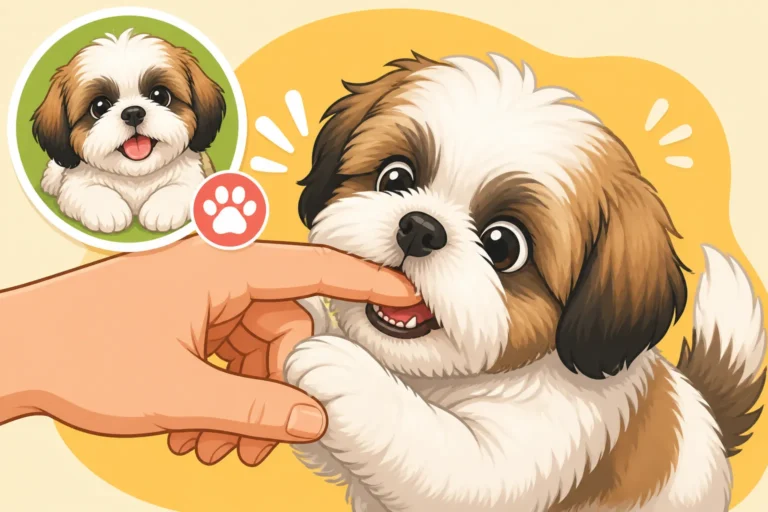
Resource guarding isn't always a dramatic display of aggression; it often starts subtly. You might first notice your Shih Tzu freezing when you approach their food bowl or quickly gulping down a treat when you get near. As it escalates, you could see a series of warning signals. A soft growl might be the first clear sign – a low rumble deep in their chest, a clear "back off" message. This can progress to a hard stare, where their body stiffens, and their eyes fix on you, often coupled with a slight lip curl revealing just a hint of teeth. They might use their body to block access to the item, standing over it protectively or even moving away from you while clutching it. In more intense situations, they might snarl, snap, or even bite if their initial warnings are ignored. It's crucial to understand these signals, as they are your dog's way of telling you they're uncomfortable and need space. Ignoring these early cues can lead to more serious reactions because your dog feels their "polite" warnings aren't working.
Is it Normal Shih Tzu Behavior?
While Shih Tzus were bred primarily as companions and lap warmers, making them generally sweet and amenable, resource guarding can affect any breed, regardless of their history or typical temperament. It's an innate canine behavior rooted in survival, a throwback to when dogs had to compete for limited resources. For a small breed like the Shih Tzu, this instinct can sometimes be amplified by their size. They might feel vulnerable, and guarding resources can be a way to assert control or ensure their safety. This doesn't mean it's acceptable or desirable behavior in a household, but understanding its origins helps us approach it with empathy rather than frustration. Just because it's "normal" in a biological sense doesn't mean we shouldn't address it through thoughtful training, especially when considering the close bond we share with our Shih Tzus. Even a tiny dog can inflict a painful bite, and more importantly, it shows a lack of trust and comfort in their environment.
The Difference Between Mild and Severe Guarding
The intensity of resource guarding can vary significantly. Mild guarding might involve a quick glance, a subtle shift of body language, or a low growl that dissipates quickly if you back away. Your Shih Tzu might simply take their treasured chew to another room when you enter, rather than confronting you. In these cases, the dog is communicating discomfort but isn't necessarily escalating to aggression. Severe guarding, however, is marked by clear, overt displays of aggression such as prolonged growling, snarling, lunging, snapping in the air, or actual contact bites. A dog displaying severe guarding might not give any prior warning before escalating, making it unpredictable and dangerous. They might guard a wider range of items, including their food, toys, sleeping spots, or even people. Recognizing this distinction is vital for knowing whether you can manage the behavior with simple training techniques or if you need to bring in professional help. The goal is always to address it before it becomes a serious safety concern, especially if you have children or other pets in the home.
Why Your Shih Tzu Guards Items
Unpacking the "why" behind resource guarding is the first step to effectively addressing it. It's rarely a single factor but often a combination of influences from their environment, experiences, and even their individual personality.
Perceived Value of the Item
One of the most common reasons a Shih Tzu will guard an item is its perceived value. This isn't just about monetary worth; it's about how much your dog desires or needs that particular item. A high-value treat, like a bully stick or a piece of chicken, will almost always be guarded more intensely than a common kibble. But it's not just food. A stray sock stolen from the laundry pile can become the most valuable treasure simply because it's novel, forbidden, or smells intensely of their favorite human. The remote control, a child's toy, or even your favorite slipper can instantly become a highly coveted resource. Your Shih Tzu might believe this item is scarce, or they might simply have a strong attachment to it. Think about the joy they show when they snatch something they shouldn't have – that thrill alone can elevate the item's perceived value, making them more likely to defend it fiercely. Understanding this perceived value helps you choose the right "trade-up" items during training.
Insecurity and Fear
Beyond the item's value, a Shih Tzu's resource guarding often stems from underlying feelings of insecurity or fear. Dogs who have experienced neglect, abandonment, or competition for resources in the past may be more prone to guarding. A Shih Tzu adopted from a shelter, for instance, might guard their food bowl fiercely because they remember times when food was scarce or they had to fight for it. This fear can extend to other resources like toys, beds, or even human attention. If a dog feels threatened or vulnerable, guarding becomes a self-preservation mechanism. It's their way of trying to maintain control in a situation where they feel powerless. Adopting a Shih Tzu Whose Past Nobody Knows can sometimes present these challenges, as you might not be aware of their previous experiences. Building trust and creating a secure, predictable environment where they never feel their resources are truly at risk is paramount to addressing guarding behaviors rooted in insecurity.
Lack of Clear Communication
Sometimes, resource guarding emerges or intensifies due to a breakdown in communication between the Shih Tzu and their human. If your dog has never been taught a reliable "drop it" or "leave it" command, they don't understand what you're asking when you reach for an item. Furthermore, if previous attempts to take items have involved scolding, snatching, or physical force, your Shih Tzu learns that your approach means losing their valued possession. This creates a negative association, reinforcing their need to guard. Instead of seeing you as a benevolent provider, they see you as a threat to their resources. Inconsistent responses from owners can also be confusing; one day you might let them keep a forbidden item, the next you scold them. This lack of clear, consistent cues leaves them guessing and often leads to a defensive posture. Establishing clear, positive communication through consistent training is key to teaching your Shih Tzu that giving things up can be a rewarding experience.
Practical Strategies for Managing Resource Guarding
Addressing resource guarding requires a thoughtful, patient, and consistent approach focused on changing your Shih Tzu's emotional response to your presence near their valued items. It's about building trust and teaching them that good things happen when you approach.
Prevention is Key
The easiest way to manage resource guarding is to prevent it from becoming a problem in the first place, or at least to prevent it from escalating. This means managing your environment meticulously. For a Shih Tzu puppy, start early by teaching them that your hands near their food or toys mean good things, not bad. When they’re eating, occasionally walk by and drop an even better treat into their bowl. This builds a positive association: "Human approaching my food means bonus goodies!" Avoid leaving high-value items lying around that your Shih Tzu might be tempted to guard, especially if they have a history of doing so. This includes things like chewy bones, special toys, or even your socks. When you introduce a new, high-value chew, consider supervising closely or even saving it for a time when your Shih Tzu is safely settled in their crate, away from any potential conflicts. If you know certain items trigger guarding, remove them from circulation. You can find a vast array of safe, engaging chew toys and interactive feeders on Amazon that can help redirect your Shih Tzu's attention away from forbidden items. Shih Tzu Behavior Problems That Start Early can often be mitigated by proactive management and early training.
The "Trade Up" Game
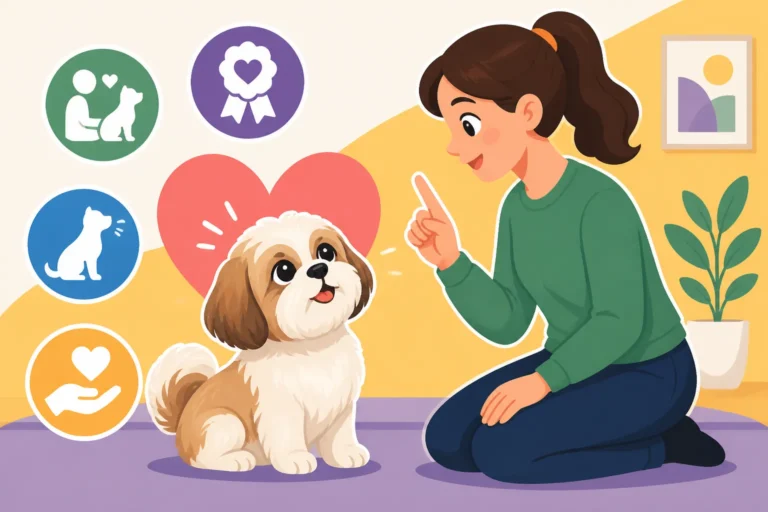
The "trade up" game is a cornerstone of resolving resource guarding issues. The idea is to teach your Shih Tzu that giving up an item results in receiving something even better. Start with a low-value item your dog isn't likely to guard, like a basic kibble piece. Offer them the item, let them take it, and then immediately present a much higher-value treat (think a piece of cooked chicken or cheese) right next to their nose. As they drop the first item to take the better treat, say "Drop It!" or "Trade!" in a cheerful tone. Once they've eaten the high-value treat, immediately give them back their original item, if it's safe and appropriate. This teaches them: "When I give up this item, I get something awesome and I get my original item back (or something equally good)." Practice this many, many times in various locations with different items of increasing value. You want them to anticipate the trade with excitement, not fear. The key is to make the trade irresistible. For more guidance on this, check out our post on Trading a Shih Tzu Off a Chew.
Desensitization and Counter-Conditioning
For Shih Tzus who already display guarding behavior, desensitization and counter-conditioning are powerful tools. The goal here is to change your dog's emotional response to your approach when they have a guarded item. Instead of feeling fear or anxiety, you want them to feel anticipation and happiness.
Here's how it works:
- Identify the trigger: What item, situation, or distance causes your Shih Tzu to start guarding?
- Start below threshold: Begin by approaching only to the point where your dog notices you but does not show any guarding signs. This might be across the room or just taking a step towards them.
- Positive Association: As soon as you take that step or enter their sightline, toss a high-value treat away from them, so they have to move to get it. This creates a positive association with your presence.
- Gradual Increase: Slowly, over many sessions and days, decrease the distance you approach. Only move closer if your dog remains relaxed and continues to show positive anticipation (e.g., looking at you expectantly for the treat). If they show any guarding signals (stiffening, growling), you've gone too fast; back up to an easier step.
- Consistency: Repeat this process countless times, always ensuring that your presence near a guarded item predicts something wonderful. The goal is to reshape their emotional response from "Oh no, they're coming to take my stuff!" to "Yay, they're coming, I wonder what delicious treat I'll get!"
This technique requires immense patience and should never involve forcing your dog or punishing them for growling. A growl is a warning; if you suppress it, your dog might go straight to a bite without warning next time. Focus purely on positive reinforcement.
Teaching the "Drop It" and "Leave It" Commands
These two commands are indispensable for managing a Shih Tzu who likes to hold onto things. They provide clear communication and give your dog a way to interact with you safely when they have an item.
Step-by-Step for "Drop It"
Teaching "Drop It" successfully means making the act of releasing an item highly rewarding. Here’s a tried-and-true method:
- Start with a low-value item: Choose a toy or item your Shih Tzu isn't particularly attached to. Let them hold it in their mouth.
- Offer a high-value trade: Present a super delicious, high-value treat (small piece of cheese, cooked chicken, or a tiny training treat like those from Amazon) directly to their nose.
- Mark and Reward: The moment your Shih Tzu opens their mouth to drop the item and take the treat, say "Drop It!" in a clear, happy voice. Then, give them the treat.
- Repeat, repeat, repeat: Practice this multiple times in quick succession. After they get the treat, allow them to pick up the original item again, then repeat the trade. This teaches them that "Drop It" leads to good things and doesn't mean the original item is gone forever.
- Increase difficulty: Once they consistently drop the low-value item, gradually move to higher-value toys, and then to items they might guard more, always ensuring your trade is more appealing than what they have.
- Generalize: Practice in different rooms, with different people, and with various items. The goal is for "Drop It" to mean "release whatever is in your mouth for something better" no matter the situation.
Remember, never try to pry the item from their mouth while teaching "Drop It." This will undo all your hard work and reinforce their need to guard.
Mastering "Leave It" for Safety
While "Drop It" is for items already in your Shih Tzu's mouth, "Leave It" is for preventing them from picking up something undesirable in the first place – a crucial safety command.
- Start with treats on the floor: Place a low-value treat on the floor, cover it with your hand.
- Wait for disengagement: When your Shih Tzu tries to sniff or lick your hand, keep it covered. The moment they back away or look at you, even for a split second, say "Leave It!" and immediately reward them with a different, higher-value treat from your other hand (or from your pocket, away from the floor treat).
- Increase duration and distance: Gradually increase the time they have to "leave" the covered treat before getting their reward. Once they understand, you can start with the treat uncovered, and simply say "Leave It" as they eye it.
- Practice with distractions: Move to more tempting treats or non-food items. Practice outdoors, where distractions are everywhere.
- Real-world application: "Leave It" is invaluable for preventing them from grabbing dropped pills, toxic foods, or street debris. It's a command that can genuinely save your Shih Tzu's life.
For both commands, Positive Reinforcement With a Shih Tzu is the only way to go. Make it a fun game, and always keep your training sessions short and positive. Training programs like those offered by BAXTER & Bella often include detailed modules on these foundational commands, which can be incredibly helpful for owners.
Consistency and Positive Reinforcement
The bedrock of effective training for resource guarding, or any behavior really, is unwavering consistency and a commitment to positive reinforcement. If one family member is using "trade up" and "drop it" and another is trying to snatch items or scold the dog, your Shih Tzu will be utterly confused, and the problem will likely worsen. Every interaction with a guarded item needs to follow the same protocol.
Positive reinforcement means rewarding desired behaviors – in this case, willingly giving up an item or leaving it alone. It means using treats (consider Treat Sizes That Suit a Shih Tzu), praise, or favorite toys as motivators. It never involves punishment, scolding, or intimidating your dog. When you punish a dog for growling, you're punishing their communication, not the guarding itself. This teaches them that growling is bad, so they might skip the growl next time and go straight to a bite. Instead, a growl should be seen as valuable information: your Shih Tzu is telling you they're uncomfortable and need more space or a better trade. Acknowledging their communication and responding appropriately with positive training techniques builds trust and confidence, which is ultimately what extinguishes the need to guard.
Addressing Specific Guarded Items
Resource guarding can manifest differently depending on the item, and some items tend to be bigger triggers than others. Understanding these nuances can help tailor your approach.
Food Bowls and High-Value Chews
Guarding food bowls and high-value chews is perhaps the most common form of resource guarding. For Shih Tzus, who often have a great love for food, this can be particularly pronounced.
Managing Meal Times:
- Hand-feeding: Start by hand-feeding a portion of their meal. This teaches them that your hands are a source of food, not a threat. Gradually, you can put the bowl down and occasionally drop a piece of kibble into it as they eat.
- "Bowl Approaching" Game: Similar to the desensitization process, approach the bowl, toss in a high-value treat (like a tiny piece of boiled chicken), and immediately walk away. Repeat this often, gradually increasing how close you get. They should start to associate your approach with more food, not less.
- Avoid free feeding: If your Shih Tzu is a resource guarder, free-feeding can exacerbate the issue as the bowl is always available and thus always a "resource." Scheduled meals help manage the resource.
- Separate feeding: If you have multiple pets, feed them in separate rooms to prevent competition and guarding.
High-Value Chews:
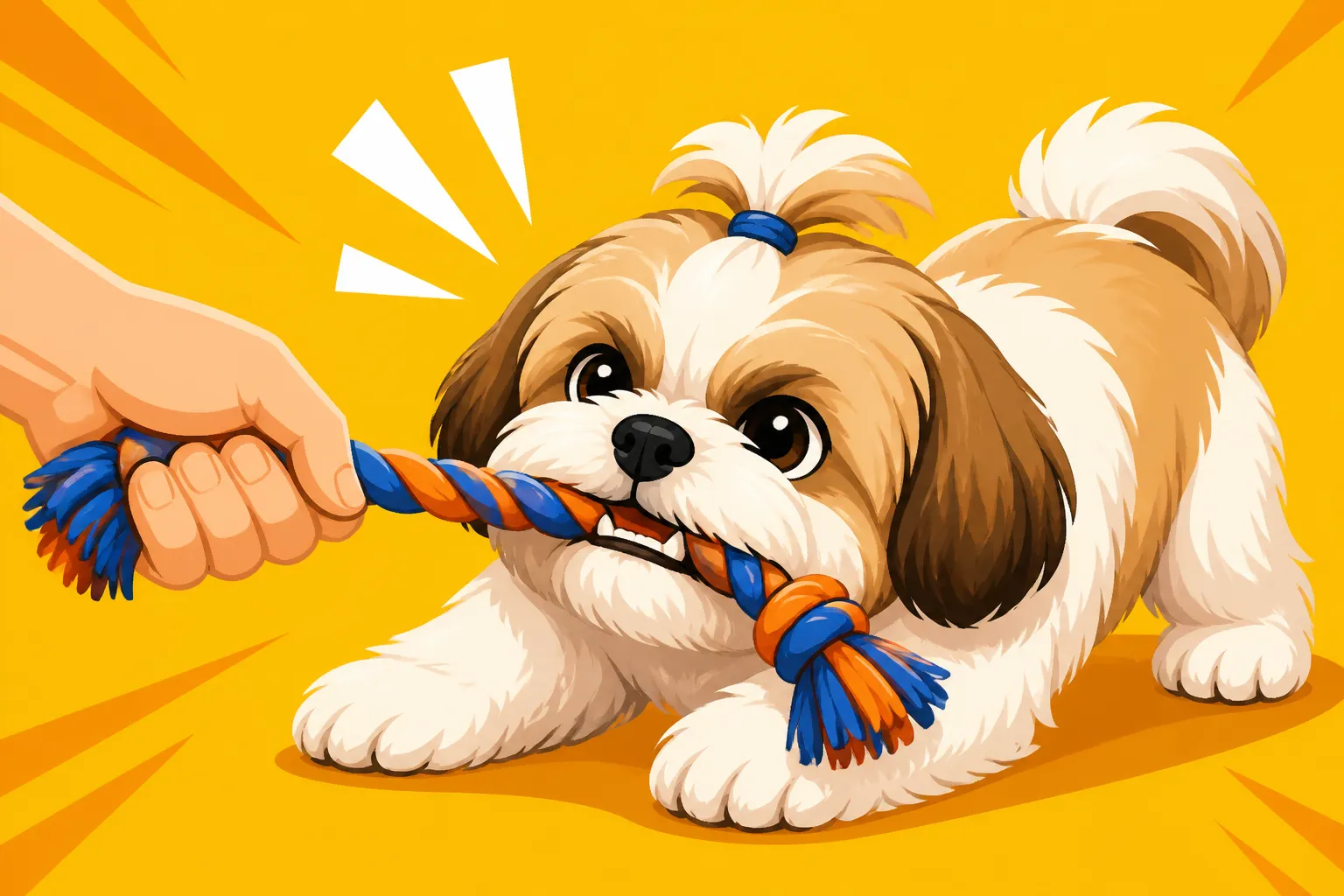
- Supervise: Always supervise when giving high-value chews like bully sticks or dental chews. If you need to take it away, use the "trade up" game. Don't just grab it.
- Designated chew time: Give these chews when you have time to actively engage in the trade-up game, not just leaving them unsupervised.
- Secure location: Some owners choose to only give high-value chews in a crate or a specific designated spot where the dog feels secure and won't be bothered, removing the need to guard from other pets or people.
Remember, the goal is to make your Shih Tzu feel secure that their food and treats are safe and that your presence near them means good things, not deprivation. Our article on A Shih Tzu Growling Over Food delves deeper into these specific challenges.
Stolen Household Items
Shih Tzus, with their playful and sometimes mischievous nature, are notorious for snatching household items – socks, remote controls, tissues, slippers, or anything they can reach. These items become "forbidden treasures" and can trigger guarding, especially because they know they shouldn't have them, making them feel even more valuable.
Prevention and Management:
- Puppy-proof your home: This is the absolute first step. Keep forbidden items out of reach. If your Shih Tzu can't get it, they can't guard it. Use baby gates, keep doors closed, and maintain a tidy living space.
- Redirection: If your Shih Tzu heads for a forbidden item, immediately redirect their attention to an appropriate toy. Toss a favorite squeaky toy or ball in the opposite direction.
- Reliable "Leave It" and "Drop It": This is where these commands truly shine. If they go for a sock, a clear "Leave It!" can prevent them from taking it. If they already have it, "Drop It!" followed by an irresistible trade is the way to go.
- Understand the "game": For some Shih Tzus, snatching items becomes a game to get your attention. By consistently trading for something better rather than chasing or scolding, you change the rules of the game to one that benefits you both.
It's a delicate balance of management and training. You want to minimize opportunities for guarding while actively teaching your Shih Tzu the appropriate behavior. For a deeper look at understanding your Shih Tzu's communication, read What a Shih Tzu Growl Is Telling You.
Guarding People or Places
Sometimes, a Shih Tzu might guard a person (often their primary caregiver) or a specific spot, like a sofa cushion or their bed. This can be more challenging because the "resource" is intangible or deeply ingrained in their routine.
Guarding People:
- This often stems from a combination of insecurity and learned behavior. The dog might perceive the guarded person as a high-value resource, and feel threatened when others approach.
- Establish boundaries: Ensure the guarded person doesn't inadvertently reinforce the behavior. For example, if the Shih Tzu growls at someone approaching while on the guarded person's lap, the dog should be calmly removed from the lap.
- Desensitize: Have the "guarded" person and the "approaching" person practice positive interactions. The approaching person should toss high-value treats to the Shih Tzu from a distance, gradually decreasing the distance over time, always associating their presence with good things.
- Shared resources: Encourage other family members to participate in feeding, walking, and playing with the Shih Tzu to reduce over-reliance on one person.
Guarding Places:
- This typically involves a favored sleeping spot, a particular chair, or even a dog bed. When you try to move them or approach the spot, they might growl or snap.
- Avoid confrontation: Don't force them off the spot. Instead, lure them off with a treat or a toy to another designated comfortable area.
- Positive associations: Make other resting spots equally appealing with cozy beds, favorite blankets, and occasional treats given there.
- "Off" command: Teach an "Off" command using positive reinforcement. Lure them off with a treat, say "Off," and reward them when all four paws are on the floor.
Addressing guarding people or places often requires building the Shih Tzu's overall confidence and reducing their perceived need to defend these resources. It's about teaching them that sharing and moving is safe and rewarding.
| Resource Guarding Level | Common Behaviors | Recommended Approach | Key Commands |
|---|---|---|---|
| Mild | Freezing, quick glances, subtle body shifts, soft growl that dissipates when approached. | Prevention through environmental management, consistent "trade up" game, early positive associations with approaching hands/people. | "Drop It," "Leave It" |
| Moderate | Stiffening, lip curl, sustained growl, body blocking, moving away with item, air snapping. | Intensive "trade up" game, desensitization & counter-conditioning, strict environmental management, seeking trainer guidance if not improving. | "Drop It," "Leave It," "Stay" |
| Severe | Lunging, biting (with or without contact), immediate aggression, unpredictability. | Immediate professional intervention from a certified behaviorist or veterinary behaviorist. Focus on safety, management, and a structured behavior modification plan. | Focus on management initially, then carefully re-introduce commands under professional guidance. |
When to Seek Professional Help for Resource Guarding
It's important to be honest with yourself about the severity of your Shih Tzu's resource guarding. While mild cases can often be managed with dedicated training at home, there are times when bringing in a professional isn't just helpful, it's essential for safety and long-term success.
Recognizing When It's Beyond DIY
You've tried the "trade up" game, worked on "drop it" and "leave it" diligently, and managed your home environment, but your Shih Tzu's resource guarding isn't improving, or worse, it's escalating. This is a clear sign that it's time to call in the experts. Key indicators that the problem is beyond DIY include:
- Aggression or injury risk: If your Shih Tzu is growling, snarling, snapping, or has made contact (even a warning nip) with you, another person, or another pet while guarding, stop self-training immediately. The risk of injury is too high.
- Increasing frequency or intensity: The guarding is happening more often, or the displays are becoming more severe (e.g., from a soft growl to a hard stare and snap).
- Guarding multiple items/situations: Your Shih Tzu is now guarding a wider range of items (not just food but toys, spots, even you) or in more contexts.
- Fear and anxiety: If the guarding seems rooted in deep-seated fear or insecurity, it often requires a nuanced approach that goes beyond basic obedience commands.
- Loss of trust: You find yourself walking on eggshells around your dog, or you're afraid to interact with them when they have certain items. This compromises your bond and safety.
In these situations, attempting to "fix" it yourself can inadvertently worsen the problem or reinforce the behavior, as you might misunderstand their signals or respond in a way that fuels their guarding instinct. For these complex cases, the expertise of a professional is invaluable.
Finding a Qualified Trainer or Behaviorist
Once you decide to seek professional help, finding the right kind of expert is crucial. Not all dog trainers are equipped to handle complex behavior issues like resource guarding, which often have underlying emotional components.
Look for professionals with specific certifications and experience in behavior modification:
- Certified Professional Dog Trainers (CPDT-KA, CPDT-KSA): These individuals have demonstrated knowledge and experience in dog training and behavior science.
- Karen Pryor Academy (KPA) Certified Training Partners: KPA graduates are highly skilled in positive reinforcement methods.
- Certified Dog Behavior Consultants (CDBC) or Certified Canine Behavior Counselors (CCBC): These certifications indicate advanced expertise in addressing complex behavioral issues.
- Veterinary Behaviorists (DACVB): These are veterinarians who have specialized in animal behavior. They can diagnose underlying medical conditions that might contribute to behavior issues and prescribe medication if necessary, working in conjunction with a behavior modification plan.
When contacting potential professionals, ask about their experience with resource guarding, their methods (insist on positive reinforcement and force-free techniques), and their philosophy. A good professional will start with a thorough assessment, often observing your Shih Tzu in your home environment, and will create a customized behavior modification plan. Our post Finding a Trainer Who Understands Toy Breeds offers more advice on choosing the right professional for your Shih Tzu's unique needs.
What a Professional Intervention Entails
Working with a professional for resource guarding is a structured process that prioritizes safety, understanding, and positive change.
- Comprehensive Assessment: The professional will likely start with a detailed history, asking about your Shih Tzu's background, daily routine, specific guarding incidents, and your previous attempts to address the behavior. They might observe your dog's behavior in various scenarios to understand triggers and intensity.
- Safety Protocols: Immediately, the professional will help you implement strict safety protocols to prevent further incidents. This might include using leashes, muzzles (muzzle training, not punishment), or strict management strategies to avoid situations where guarding might occur.
- Behavior Modification Plan: A tailored plan will be developed, often involving:
- Management: Strategies to prevent the guarding behavior from happening in the first place, such as keeping tempting items out of reach.
- Desensitization and Counter-Conditioning: Guided exercises to change your Shih Tzu's emotional response to triggers, as described earlier, but with expert timing and progression.
- Skill Building: Refining "Drop It," "Leave It," and other obedience cues to give your dog clear alternatives to guarding.
- Confidence Building: Exercises designed to boost your Shih Tzu's overall confidence and reduce underlying anxiety or insecurity, which can often fuel guarding.
- Environmental Enrichment: Ensuring your Shih Tzu has appropriate outlets for their natural behaviors, reducing stress and boredom.
- Ongoing Support and Adjustment: Behavior modification is rarely linear. A good professional will provide ongoing support, adjust the plan as needed, and empower you with the skills and knowledge to continue the training effectively. They'll teach you how to read your Shih Tzu's body language better and how to respond consistently.
Remember, addressing severe resource guarding is a journey, not a quick fix. It requires commitment and patience, but with the right professional guidance, you can transform your Shih Tzu's behavior and rebuild a trusting, happy relationship.
Disclaimer
This article is for general informational purposes only and does not constitute professional advice. Laws, prices and regulations vary by location and change over time. Consult a qualified professional for guidance on your specific situation.