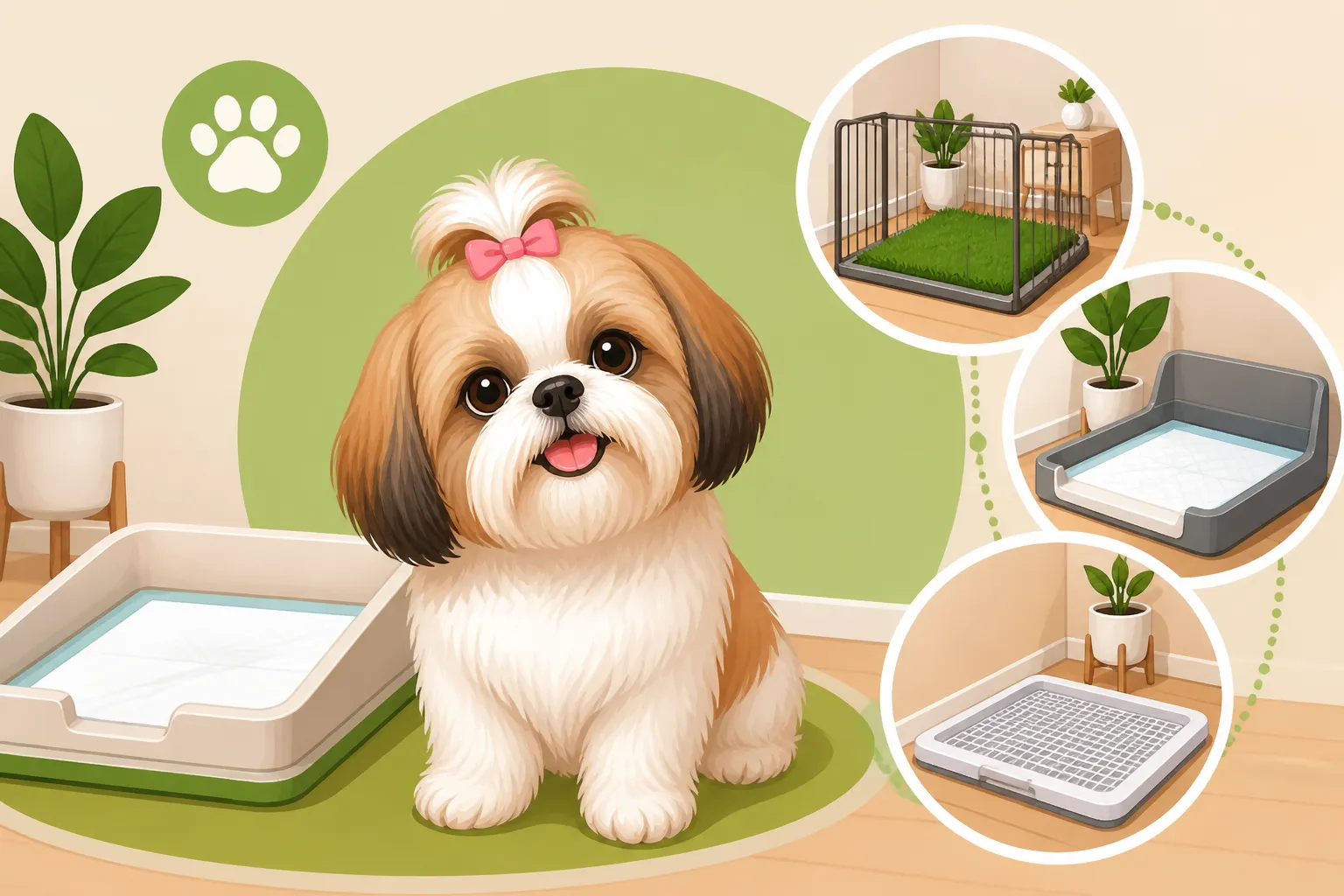
Indoor Toilet Setups That Suit a Shih Tzu
One of the most common frustrations new Shih Tzu owners face is the surprisingly difficult journey of house training. These sweet, fluffy companions, despite their size, can be notoriously challenging when it comes to understanding where they're supposed to relieve themselves. This guide will dive deep into various indoor toilet setups specifically designed to suit a Shih Tzu's needs, helping you create a consistent, clean, and stress-free potty routine for your beloved furry friend.
The Unique Challenges of Shih Tzu Potty Training Indoors
Let's be honest, getting a Shih Tzu to reliably potty outside can feel like an uphill battle. Many owners quickly find themselves overwhelmed, not understanding why their tiny pup just doesn't seem to "get it." This isn't a reflection on your training abilities or your dog's intelligence; rather, it stems from a combination of breed-specific traits and practical considerations. Understanding these challenges is the first step toward finding a successful indoor solution.
Why Shih Tzus Can Be Hard to House Train
Shih Tzus are a toy breed, and this small stature, coupled with their dense double coat, actually contributes to their house-training complexities. For one, their bladders are tiny. This means they need to urinate much more frequently than larger dogs. A brief walk outside might not be enough time for them to completely empty their bladder, leading to "accidents" just minutes after coming back inside. Their compact size also means that a small puddle on the rug can seem insignificant to them, especially if it's hidden under a long skirt of hair. They don't have the same instinct to "hold it" or to go far away from their den as a larger dog might. Often, owners miss the subtle cues of a Shih Tzu needing to go, as they aren't big, dramatic signals like pacing or scratching at the door. They might just pause, sniff, and squat, making it easy to miss if you're not constantly vigilant. This is why you might feel like you're constantly scrubbing spots, and it's a common point of frustration for many Shih Tzu parents. If you feel like you've been working on this for ages, you might want to read more about Why Shih Tzu House Training Runs Long.
Another factor is simply their pampered history. For centuries, Shih Tzus were bred as companion dogs, living in imperial palaces where servants would likely have cleaned up after them without a fuss. They weren't bred for outdoor work or even necessarily for outdoor toileting in the way many other breeds were. This means the innate drive to "go" far from their living space might not be as strong. When you combine this historical predisposition with their delicate nature – many Shih Tzus dislike rain, cold, or even simply wet grass – getting them to consistently perform outside can be incredibly difficult, leading many owners to look for reliable indoor alternatives. They are also prone to certain anxieties and sensitivities, and a frightening experience outside (a loud noise, a large dog) can set back outdoor training significantly.
The Appeal of Indoor Potty Solutions for Shih Tzu Owners
Given these unique challenges, it's no wonder that indoor potty solutions hold immense appeal for Shih Tzu owners. Imagine a rainy day, or a snowy blizzard, or even just a scorching summer afternoon where the pavement is too hot for tiny paws. With an indoor setup, you don't have to worry about bundling up your pup or risking their comfort and safety in extreme weather. For apartment dwellers, especially those on higher floors, an indoor option eliminates the urgent scramble to get downstairs every few hours. It provides consistency and accessibility that outdoor-only methods often cannot.
Beyond convenience, indoor setups offer a crucial layer of control and hygiene. You can supervise your Shih Tzu's potty habits more closely, reinforce positive behavior immediately, and maintain a cleaner environment by containing waste to a designated area. This is particularly beneficial for puppies who haven't completed their vaccination series and shouldn't be exposed to outdoor pathogens, or for senior Shih Tzus who might have mobility issues or decreased bladder control. It's also an excellent bridge for training, providing a reliable place for your pup to go when you can't get them outside quickly enough, effectively reducing the number of accidents around the house. This makes the overall training process less stressful for both you and your little lion dog.
Addressing Common Misconceptions About Indoor Potty Training
There's often a stigma attached to indoor potty training, with some believing it teaches a dog "bad habits" or makes them less likely to go outside. Let's debunk some of these myths right now. First, indoor potty training does not mean your Shih Tzu will never learn to go outside. In fact, many successful trainers use indoor setups as a stepping stone, especially for puppies, to teach the fundamental concept of "where to go." It establishes a routine and a designated spot, which is easily transferable to an outdoor location later if desired. The key is consistency and clear communication.
Another misconception is that it's inherently less hygienic. Modern indoor potty solutions are designed with cleanliness in mind, often incorporating absorbent materials, odor control, and easy-to-clean surfaces. When maintained properly, an indoor potty area can be just as clean, if not cleaner, than constantly taking your dog out into public spaces where you might encounter other dogs' waste or environmental contaminants. The goal isn't to replace outdoor walks entirely, but to provide a reliable, clean option for your Shih Tzu when outdoor access is limited or impractical. It's about flexibility and meeting your dog's specific needs, not about fostering laziness or poor habits.
Exploring Different Types of Indoor Toilet Setups
The world of indoor potty solutions has come a long way from simple newspaper on the floor. Today, there's a wide array of options, each with its own benefits and drawbacks, designed to cater to different living situations, budgets, and Shih Tzu preferences. Understanding these varieties will help you choose the best fit for your home and your furry companion.
Traditional Potty Pads and Their Pros and Cons
The most common and perhaps oldest form of indoor potty training aid is the traditional potty pad, often called a "pee pad" or "wee-wee pad." These are typically square or rectangular pads made of absorbent material, often with a waterproof backing. They come in various sizes, but for a Shih Tzu, even the standard small or medium size is usually sufficient. They are widely available at almost any pet supply store, and you can easily stock up on them from places like Amazon.
Pros of Potty Pads:
- Affordability: Potty pads are generally the most budget-friendly option, especially when bought in bulk.
- Convenience: They are incredibly easy to set up – just unfold and place. Disposal is equally simple, making them ideal for quick changes.
- Portability: Their lightweight and disposable nature makes them perfect for travel or temporary setups, like when you're visiting friends or staying in a hotel.
- Scent Attraction: Many pads are treated with an attractant scent that encourages puppies to use them, which can be a real boon for initial training.
- Absorption: Good quality pads can absorb a surprising amount of liquid, keeping messes contained.
Cons of Potty Pads:
- Environmental Impact: Being disposable, they contribute to landfill waste, which can be a concern for environmentally conscious owners.
- Chewing Risk: Some Shih Tzus, especially puppies, might decide the soft, crinkly pads are chew toys, creating a bigger mess and a potential ingestion hazard.
- Aesthetics: Let's face it, a soiled pee pad isn't the most appealing sight in your living space. They can also shift around if not secured.
- Confusion for Dogs: Some dogs might develop a preference for soft, absorbent surfaces and start to see any soft surface (rugs, bath mats, blankets) as an acceptable potty spot, leading to Shih Tzu House Training Regression.
- Odor: While some claim odor control, regular changes are crucial to prevent smells from lingering, especially in smaller spaces.
When using potty pads, consistency is key. Place them in a designated, easily accessible area, away from your Shih Tzu's food and sleeping spots. Always reward immediate use with praise and a small, high-value treat. For older dogs or those prone to marking, sometimes a wrap or belly band can be used in conjunction with pads to prevent messes, but the goal is always to direct them to the pad itself.
Artificial Grass Patches: A Step Up from Pads
For many Shih Tzu owners who want the convenience of an indoor potty but prefer something more natural-feeling and reusable, artificial grass patches are an excellent alternative. These typically consist of a faux grass mat, often layered over a drainage grid, which collects liquid in a tray beneath. They come in various sizes and designs, from simple single-layer systems to more elaborate multi-layered ones.
Pros of Artificial Grass Patches:
- More Natural Feel: The texture of artificial grass can be more appealing to dogs, as it mimics the feel of real grass, which many dogs prefer for elimination. This can make the transition easier for pups used to going outside.
- Reusable and Eco-Friendly: Unlike disposable pads, these systems are designed for repeated use. The grass mat can be rinsed and cleaned, and the collection tray emptied, significantly reducing waste.
- Improved Odor Control: When cleaned regularly, these systems often offer better odor control than pads, as the liquid drains away and the grass can be treated with enzymatic cleaners.
- Better Aesthetics: Many owners find artificial grass patches to be more visually appealing than soiled potty pads, blending more naturally into a home environment. You can find many options on Amazon, from basic to more decorative styles.
- Durability: They are typically more durable than pads and less prone to being shredded or chewed by playful Shih Tzus.
Cons of Artificial Grass Patches:
- Higher Initial Cost: The upfront investment for an artificial grass system is higher than a pack of disposable pads.
- Maintenance Required: While reusable, they do require daily cleaning – emptying the tray and rinsing the grass – to prevent odors and bacterial buildup. If not cleaned consistently, they can become quite smelly.
- Weight and Portability: They are generally heavier and bulkier than pads, making them less convenient for frequent travel, though some smaller versions are designed to be more portable.
- Training Adjustment: Some dogs might be hesitant to use artificial grass at first, especially if they are used to a different texture or smell. Scent sprays can help with this.
- Hygiene Concerns if Neglected: If not cleaned properly and frequently, these systems can harbor bacteria and become unsanitary, leading to strong odors and potential health issues.
When choosing an artificial grass patch, look for one with good drainage and an easily removable collection tray. Consider the size to ensure your Shih Tzu has enough space to circle around before choosing a spot. For more dedicated information, consider looking into Indoor Grass Trays for a Shih Tzu.
Self-Cleaning and Automated Indoor Pet Toilets
For the ultimate in convenience and hygiene, there are now advanced self-cleaning and automated indoor pet toilets. These systems often combine elements of artificial grass with automated flushing or waste collection mechanisms. Some use a continuous roll of absorbent material that advances after each use, while others have sensors that detect waste and initiate a cleaning cycle. These are often considered luxury items but can be a game-changer for busy owners or those with specific needs.
Pros of Automated Pet Toilets:
- Superior Hygiene: These systems offer the highest level of cleanliness and odor control, as waste is often immediately flushed away or covered, minimizing exposure.
- Reduced Manual Effort: The "self-cleaning" aspect means less daily maintenance for the owner, which is a huge time-saver.
- Odor Elimination: Many advanced systems have activated carbon filters or sealed waste compartments that effectively neutralize odors.
- Consistent Clean Surface: Your Shih Tzu always has a fresh, clean surface to use, which can encourage consistent potty habits.
- Technology Integration: Some models offer app connectivity, allowing you to monitor usage and receive alerts, which can be helpful for tracking training progress or health changes.
Cons of Automated Pet Toilets:
- Significant Cost: These are by far the most expensive indoor potty solutions, with a high upfront purchase price and often ongoing costs for replacement cartridges or supplies.
- Dependency on Power/Supplies: They require electricity or batteries, and specific consumables (e.g., absorbent rolls, cleaning solutions) which means you need to keep them stocked.
- Potential for Mechanical Failure: Like any electronic device, there's a possibility of malfunctions or breakdowns, requiring repair or replacement.
- Noise/Movement: The automated cleaning cycles can sometimes be noisy or involve moving parts, which might startle a sensitive Shih Tzu, requiring desensitization.
- Bulk and Placement: They tend to be larger and heavier than other options, requiring a dedicated space in your home and potentially more thought about placement.
For example, a high-tech system might sense your Shih Tzu has peed, then activate a gentle rinse and drain cycle, or automatically roll a fresh section of pad into place, sealing away the soiled portion. While the initial investment might seem steep, for some, the convenience and cleanliness are well worth it. Companies like BAXTER & Bella, while primarily a training platform, often discuss and recommend types of products like these that align with positive reinforcement principles for convenience and hygiene.
To help you decide, here's a quick comparison of the indoor toilet setups:
| Feature | Traditional Potty Pads | Artificial Grass Patches | Automated Pet Toilets |
|---|---|---|---|
| Cost (Initial) | Low | Medium | High |
| Cost (Ongoing) | Medium (disposable pads) | Low (cleaning supplies, water) | Medium to High (consumables, electricity) |
| Maintenance | High (frequent disposal) | Medium (daily rinse/empty) | Low (automated cleaning, occasional refill) |
| Eco-Friendliness | Low (disposable waste) | Medium to High (reusable components) | Medium (consumables, but efficient use) |
| Odor Control | Low (unless changed immediately) | Medium (with regular cleaning) | High (sealed waste, automated cleaning) |
| Natural Feel | Low | High (mimics grass) | Variable (grass, absorbent material) |
| Chew Risk | High (for puppies) | Low | Low to Medium (depending on design) |
| Portability | High | Medium | Low |
Setting Up Your Shih Tzu's Indoor Potty Area for Success
Choosing the right indoor potty setup is only half the battle; the other half is implementing it effectively. Your Shih Tzu needs clear guidance and a consistent, appealing environment to learn this new routine. Proper placement, effective communication through scent and rewards, and diligent maintenance are crucial for long-term success.
Strategic Placement of the Indoor Toilet
Where you put the indoor potty can make a huge difference in your Shih Tzu's willingness to use it. First and foremost, choose a spot that is easily accessible to your Shih Tzu but out of the main thoroughfare of your home. You don't want it right in the middle of your living room where everyone walks, but it shouldn't be hidden in a dark, scary corner either. A bathroom, laundry room, or a quiet corner of a kitchen or den often works well. These areas are typically easy to clean, should accidents happen, and usually have hard flooring, which is a bonus for hygiene.
It's also important to place the potty away from their food and water bowls and their sleeping area. Dogs naturally don't like to relieve themselves where they eat or sleep. Placing it too close can create confusion or make them reluctant to use it. Consider a spot with good ventilation if possible, especially for artificial grass or pad systems, to help dissipate any lingering odors. Initially, you might even place it closer to their sleeping area and gradually move it to the desired permanent location as they get the hang of it. If you have a larger home, you might even consider two locations initially to ensure easy access, especially for a young puppy with a tiny bladder. Think about how often a Shih Tzu puppy needs to go out – sometimes every hour – so proximity matters in those early days.
Scent Lures and Positive Reinforcement Techniques
Once you have your chosen potty setup in place, you need to teach your Shih Tzu to actually use it. This is where scent lures and positive reinforcement become your best friends. Many potty pads come with a built-in attractant, which can be helpful. For grass patches or other systems, you can purchase "potty training sprays" that mimic the scent of dog urine, or simply place a piece of soiled paper towel (if you've caught an accident) under the grass or pad to provide a familiar scent cue.
The most important aspect, however, is positive reinforcement. Every single time your Shih Tzu successfully uses the indoor potty, celebrate! This means immediate praise ("Good potty!"), a happy tone of voice, and a small, high-value treat. Timing is everything here – the reward needs to happen within seconds of them finishing their business so they connect the act of peeing/pooping on the designated spot with the positive outcome. Avoid scolding for accidents elsewhere; simply clean them thoroughly (more on that in a moment) and redirect your efforts to positive reinforcement. For detailed guidance on effective treats, consider Treat Sizes That Suit a Shih Tzu. If your Shih Tzu is resistant at first, try taking them to the potty spot after waking up, after eating, and after playing – these are prime potty times. Stay with them, praise quietly when they sniff around the spot, and be ready to reward the moment they finish.
Maintaining Cleanliness and Hygiene
This point cannot be stressed enough: a clean indoor potty setup is absolutely essential for success. Dogs, including Shih Tzus, are generally clean animals. If their designated potty area is dirty or smells strongly of old waste, they might actively avoid it and seek out cleaner spots elsewhere in your home (like your favorite rug!). This is how undesirable habits like marking can start, or why you might find a Shih Tzu Lifting a Leg on the Sofa.
For traditional potty pads, this means immediate disposal after each use. Don't let soiled pads sit around. For artificial grass patches, the collection tray needs to be emptied daily, and the grass mat itself should be rinsed with water and a mild, pet-safe enzymatic cleaner daily or every other day, depending on usage. Allow it to air dry completely to prevent mold and mildew. Automated systems generally handle the immediate waste, but still require regular refilling of consumables and periodic deeper cleaning according to the manufacturer's instructions. Always use enzymatic cleaners for any accidents outside the designated potty area. These cleaners break down the enzymes in urine, eliminating the odor completely, which prevents your Shih Tzu from being attracted back to the "accident zone" by scent. Normal household cleaners often mask the smell for humans but leave residual odors that dogs can still detect. For a thorough guide, refer to Cleaning Shih Tzu Accidents Properly. Consistency in cleanliness reinforces that the designated spot is the only acceptable toilet in the house.
Transitioning and Troubleshooting Indoor Potty Training
Potty training, even with an indoor setup, isn't always a straight line. There will be bumps, "accidents," and moments of frustration. The key is to remain patient, consistent, and adaptable. Understanding how to transition between different stages and address common problems can make the journey smoother for both you and your Shih Tzu.
Weaning Off Puppy Pads to More Permanent Solutions
Many owners start with traditional puppy pads due to their low cost and ease of use. However, as your Shih Tzu matures, you might want to transition to a more permanent or aesthetically pleasing solution like an artificial grass patch, or even aim for outdoor-only potty habits. The process of weaning off pads requires patience and gradual steps.
If you're moving from pads to an artificial grass patch, begin by placing the grass patch directly over a soiled pad, or place the soiled pad on top of the grass patch for a day or two. The familiar scent will draw your Shih Tzu to the new surface. Once they consistently use the grass patch with the pad under or on it, you can remove the pad. Another method is to place the grass patch right next to the pad, and once your dog uses both interchangeably, gradually make the pad smaller by cutting it down or simply remove it entirely. Always reward heavily when they use the new surface.
If your ultimate goal is outdoor-only toileting, the indoor setup becomes a temporary crutch. Gradually move the indoor potty closer and closer to the door your dog uses to go outside. Once it's right by the door, start taking your Shih Tzu out more frequently, especially at their usual potty times, to the spot where you want them to go. You can even bring the grass patch outside temporarily, or place a soiled piece of the pad material on the grass outside, to create a familiar scent cue. Each time they potty outside, huge praise and rewards! Slowly reduce access to the indoor potty, eventually removing it when they are reliably going outside. Remember, consistency is vital. Reviewing A Shih Tzu Potty Schedule by Week can help you time outdoor trips perfectly.
Handling Accidents and Preventing Regression
Accidents will happen. It's an inevitable part of potty training any dog, especially a Shih Tzu. The most important thing is how you react. Never scold or punish your Shih Tzu for an accident. They won't understand why they're being punished, especially if the accident happened minutes ago, and it can create fear, making them hide their pottying from you, which is the last thing you want. Instead, if you catch them in the act, calmly interrupt them ("Ah-ah!"), pick them up, and immediately take them to their designated indoor potty (or outside). If they finish there, praise and reward heavily.
If you discover an accident after the fact, simply clean it up thoroughly with an enzymatic cleaner. The goal is to make the soiled spot completely unappealing for future use by eliminating all traces of scent. Regression, where a previously trained Shih Tzu starts having accidents again, is often a sign that something has changed. It could be:
- Medical Issue: Always rule out a urinary tract infection or other health problem first with a vet visit.
- Change in Routine: A new schedule, new furniture, or even a new person in the house can throw them off.
- Stress/Anxiety: Loud noises, separation anxiety, or fear can sometimes lead to inappropriate urination.
- Inconsistent Training: Have you been less vigilant with rewards or forgotten to clean the potty area properly?
- Developing a Preference: Perhaps they’ve decided the soft bath mat is now a better potty spot than their actual pad.
To prevent regression, maintain a consistent schedule, ensure the indoor potty is always clean and accessible, and continue to offer praise and rewards, even for trained dogs. If you have a male Shih Tzu who has started marking, belly bands can be a temporary solution, but addressing the underlying cause (e.g., anxiety, territoriality) is key. You might find help in Wraps for a Shih Tzu That Marks.
Combining Indoor and Outdoor Potty Routines
For many Shih Tzu owners, the ideal scenario is often a hybrid approach: an indoor potty for convenience and emergencies, combined with regular outdoor walks for exercise, socialization, and additional potty opportunities. This flexibility truly suits the Shih Tzu temperament and physical needs.
To successfully combine routines, establish clear distinctions. Use the indoor potty for early morning, late night, inclement weather, or when you can't supervise an outdoor trip. Use outdoor trips for exercise, exploration, and whenever possible, for a full potty break. When taking your Shih Tzu outside, always go to the same general area, and give them ample time to do their business. Reward heavily for outdoor success, just as you would for indoor success. This teaches your Shih Tzu that both places are acceptable, but in different contexts.
A good example might be taking your Shih Tzu for a morning walk where they empty their bladder completely, then coming home and having the indoor potty available for smaller "top-up" pees throughout the day. Then, another walk in the afternoon, and the indoor potty again before bed. This ensures they always have an appropriate outlet, reducing stress and preventing accidents. It's about giving them choices and understanding their tiny bladders. Just because they went outside an hour ago doesn't mean they can hold it for another five hours! This combination approach offers the best of both worlds, providing convenience while still allowing your Shih Tzu to enjoy the benefits of outdoor activity. Remember that Whether a Shih Tzu Can Keep Up Outdoors should also factor into how much emphasis you put on outside time.
Considering the Long-Term Benefits and Considerations
Implementing an indoor toilet setup for your Shih Tzu isn't just about immediate problem-solving; it's a decision with long-term implications for your dog's health, your household's hygiene, and your overall peace of mind. Let's explore what these mean for you and your beloved companion.
When an Indoor Setup is a Lifelong Solution
For some Shih Tzus and their families, an indoor potty setup becomes a permanent fixture. This isn't a sign of failure but a practical and often compassionate choice. There are several scenarios where a lifelong indoor solution is not just beneficial, but truly the best option:
- Elderly or Infirm Shih Tzus: As Shih Tzus age, they may develop conditions like arthritis, back problems (which are common in the breed), or decreased bladder control. Getting them outside frequently, especially in bad weather, can be painful, difficult, or even impossible. An indoor potty provides easy, immediate access, preserving their dignity and comfort. Similarly, dogs recovering from surgery might need restricted movement, making an indoor option essential.
- Apartment Living in High Rises: For owners living in multi-story apartment buildings, the time it takes to get downstairs and outside for frequent potty breaks can be significant. An indoor solution offers convenience that prevents accidents and reduces stress on both owner and dog, particularly during emergencies or unexpected urges.
- Owners with Mobility Issues: If you, as the owner, have limited mobility, an indoor potty allows you to care for your Shih Tzu's needs without compromising your own health or safety.
- Extreme Weather Conditions: In regions with harsh winters, scorching summers, or frequent storms, relying solely on outdoor potty breaks can be impractical and even dangerous for a brachycephalic breed like the Shih Tzu, who struggles with temperature regulation. A sheltered indoor spot ensures they can relieve themselves comfortably and safely.
In these situations, investing in a high-quality, easy-to-clean indoor system like an artificial grass patch or an automated unit can significantly improve the quality of life for everyone involved. It eliminates guilt, reduces accidents, and ensures your Shih Tzu always has a comfortable, accessible place to go.
The Impact on Your Shih Tzu's Health and Well-being
A well-managed indoor potty setup can have a surprisingly positive impact on your Shih Tzu's overall health and well-being. Firstly, it reduces the risk of exposure to outdoor hazards. For puppies, this means protection from diseases before their full vaccination series is complete. For all dogs, it means less exposure to parasites, toxic plants, harsh chemicals used on lawns, or encounters with aggressive off-leash dogs.
Secondly, it minimizes holding time. Shih Tzus have small bladders and asking them to hold it for extended periods can contribute to urinary tract infections or discomfort. An accessible indoor potty allows them to relieve themselves when nature calls, rather than being forced to wait. This consistency is vital.
Thirdly, it lowers stress and anxiety. A dog that is constantly worried about where to go, or fearful of going outside in certain conditions, will experience chronic stress. Having a reliable, safe, and comfortable indoor option removes this worry, contributing to a calmer, happier pup. This is especially true for anxious Shih Tzus who might be scared of loud noises or unfamiliar surroundings outdoors. The BAXTER & Bella online puppy school, for example, emphasizes positive, low-stress training environments, which an indoor potty setup certainly provides.
However, it's crucial to stress that an indoor potty should not entirely replace outdoor activity. Shih Tzus still need regular walks for physical exercise, mental stimulation, and socialization. Short, frequent walks are essential for their physical health and to prevent conditions like obesity or joint stiffness. An indoor potty is a tool for convenience and safety, not a substitute for a fulfilling, active life.
Financial and Time Commitments of Indoor Potty Setups
When deciding on an indoor potty solution, it's important to consider both the financial outlay and the time commitment involved. It's not just the initial purchase; there are ongoing costs and maintenance.
Financial Commitments:
- Initial Purchase: This can range from very low for basic potty pads to hundreds of dollars for advanced automated systems.
- Consumables: For pads, this is a recurring cost that can add up over time, depending on how frequently you change them. Automated systems often require specific refills or cartridges, which also have ongoing costs.
- Cleaning Supplies: Enzymatic cleaners are a must-have for all setups, whether for the potty itself or for inevitable accidents.
- Accessories: You might want a holder for pee pads, a spray attractant, or an odor neutralizing spray.
Time Commitments:
- Cleaning: Even automated systems require some level of cleaning and maintenance. Disposable pads need frequent changing. Artificial grass systems require daily rinsing and emptying. Neglecting cleanliness will lead to odors and training regression.
- Training and Supervision: Initially, you'll need to dedicate significant time to supervising your Shih Tzu, taking them to the potty regularly, and offering immediate rewards. This intensity will decrease as they learn, but consistency remains important.
- Accident Cleanup: Despite your best efforts, accidents will happen. You need to allocate time for prompt and thorough cleanup to prevent further issues.
Think of it as an investment in a cleaner home and a happier, healthier Shih Tzu. While an indoor potty can offer immense convenience, it's not a "set it and forget it" solution. It requires your active participation, consistency, and a commitment to keeping the area hygienic. But for many Shih Tzu owners, the benefits of a well-managed indoor potty system far outweigh these commitments, providing a practical, kind, and effective way to manage their beloved companion's toileting needs.
Disclaimer
This article is for general informational purposes only and does not constitute professional advice. Laws, prices and regulations vary by location and change over time. Consult a qualified professional for guidance on your specific situation.