Shih Tzu Behavior Problems That Start Early
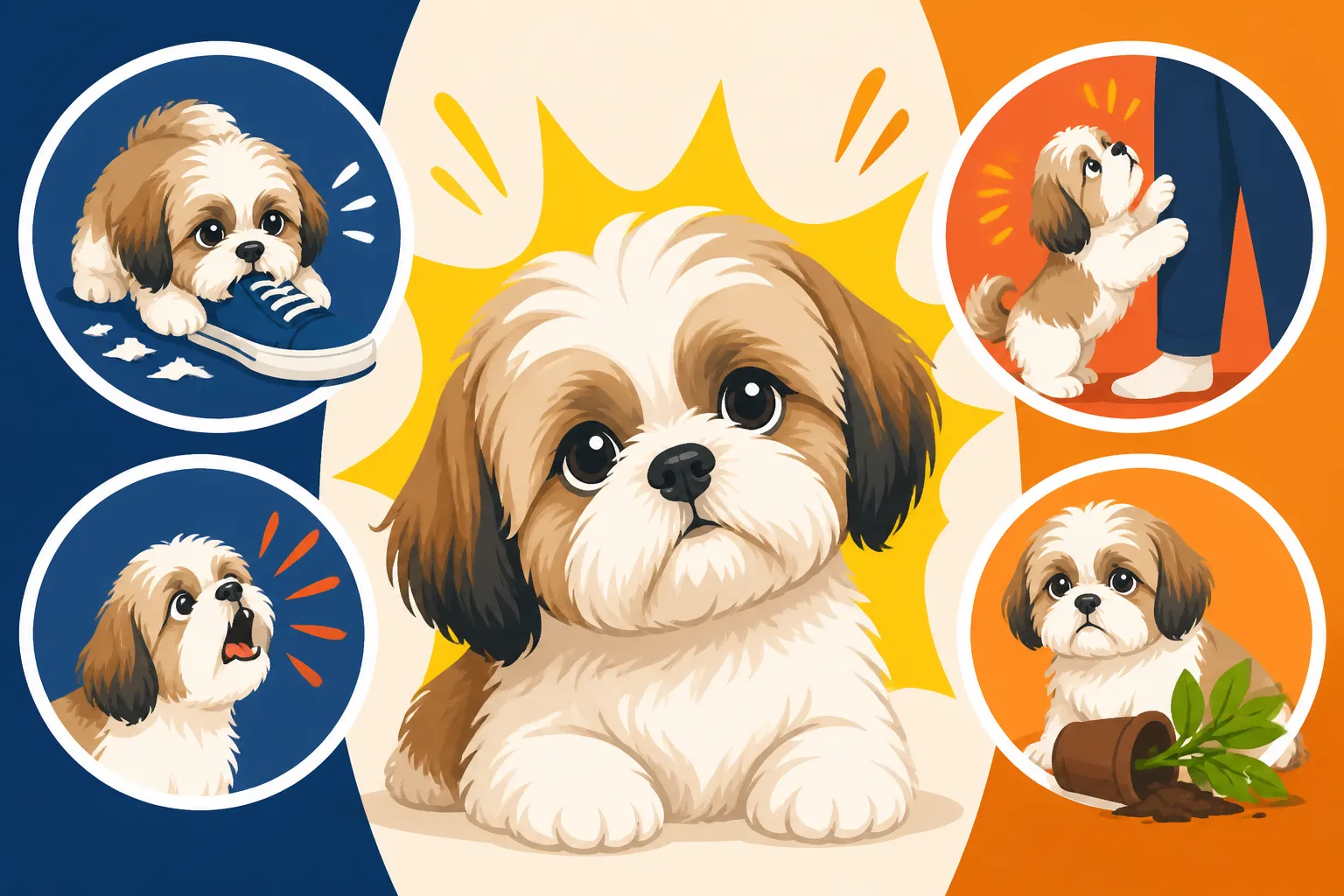
It's easy to fall head over heels for a Shih Tzu puppy, with their fluffy faces and playful antics. But sometimes, those adorable bundles of fluff come with unexpected challenges, and certain behavioral issues can crop up surprisingly early, causing stress for both you and your little companion. This guide will walk you through the most common early behavior problems in Shih Tzus, explaining why they happen and, most importantly, how to address them with patience and positive training methods.
The Roots of Early Shih Tzu Behaviors
Understanding why your Shih Tzu is exhibiting certain behaviors is the first step to addressing them. It’s rarely about malice or spite on their part; it’s usually a combination of their innate breed characteristics, what they learned (or didn’t learn) in their earliest weeks, and even genetics passed down from their parents. These tiny emperors, once cherished lapdogs in imperial palaces, have specific traits that influence their early development and behavior.
Breed-Specific Traits: What's Hardwired
Shih Tzus were bred for companionship, period. This means they naturally gravitate towards human interaction and can sometimes struggle with independence. They are intelligent, but also notoriously stubborn, a trait that can manifest early if not channeled correctly. Their small size means they can easily be overlooked or picked up constantly, which, while loving, can prevent them from developing coping mechanisms for being on their own or understanding boundaries. They also have a natural inclination to be vocal, a trait that can escalate into excessive barking without proper guidance.
Consider their original purpose: to be charming, affectionate companions. This history explains why many Shih Tzus are naturally predisposed to seeking attention and enjoying close proximity to their people. It also means they weren't necessarily bred for tasks that required intense obedience or long periods of solitary work. So, when your puppy seems to demand constant interaction or struggles with tasks that require extended focus, remember that some of this is simply their historical blueprint shining through. They are not miniature working dogs; they are cuddly, sometimes opinionated, lap warmers, and this background shapes many of their early behaviors.
Their distinct personality, often described as charming and outgoing, can also come with a strong sense of self-importance. A Shih Tzu might quickly learn that barking gets attention, or that refusing to budge during a walk often results in being carried. These aren't malicious acts, but rather a clever little dog optimizing its environment to its benefit. Recognizing these inherent tendencies helps you approach training with empathy and a strategy that works with their nature, rather than against it. You're not fighting a battle; you're gently guiding a confident, opinionated friend.
The Impact of Early Socialization: What Puppies Learn or Miss
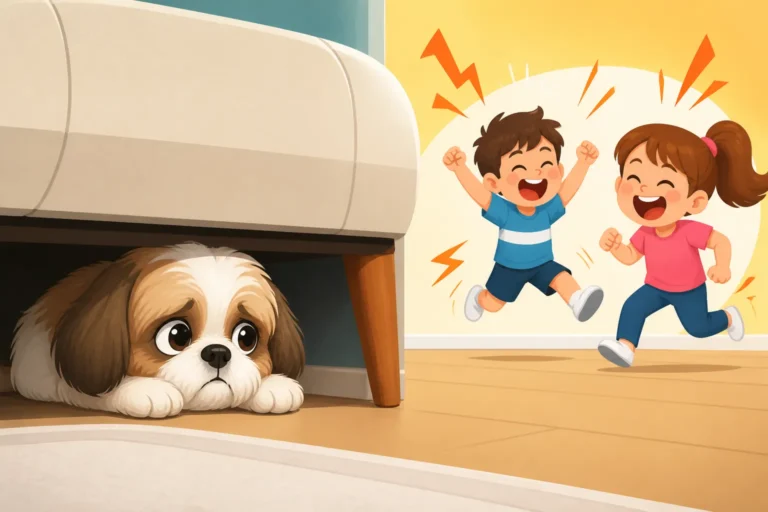
The period from roughly 3 to 16 weeks is a critical window for a puppy's development, known as the "socialization period." During this time, puppies absorb information about the world around them like sponges. Positive exposure to different sights, sounds, people, and other well-behaved dogs during this window is crucial. A Shih Tzu puppy who misses out on this vital period might grow up fearful, reactive, or simply unprepared for the varied experiences of daily life. This can manifest as shyness, fear-based aggression, or extreme timidity.
Imagine a puppy kept in isolation, never experiencing a car ride, the sound of a vacuum cleaner, or the gentle touch of a child. When suddenly confronted with these things later, they can be terrifying, leading to barking, hiding, or even snapping out of fear. Conversely, a puppy that's only ever been handled roughly or had negative encounters with other dogs might develop defensive behaviors. It's not about overwhelming them, but about carefully orchestrated, positive introductions to a diverse range of stimuli in a safe and controlled manner. Even simple things like letting them walk on different surfaces – carpet, tile, grass – can be part of early socialization. The Shih Tzu Socialization Deadline is a real concept, and missing it can have long-lasting effects.
Effective early socialization isn't about throwing your tiny pup into a dog park. It’s about gentle exposure. Think about carrying your puppy in a sling or carrier through a busy park, letting them observe from a safe distance. Introduce them to a few calm, vaccinated adult dogs, one at a time. Let them meet a variety of people – men, women, children, people wearing hats or glasses – always ensuring these interactions are positive with treats and gentle praise. These experiences lay the groundwork for a confident, well-adjusted adult Shih Tzu, helping them understand that the world is generally a safe and interesting place, not a scary one.
Genetics and Breeder Influence: Choosing Wisely
While breed traits and socialization play huge roles, genetics also contribute to a Shih Tzu’s temperament and predisposition to certain behaviors. A puppy from anxious or aggressive parents, or parents who haven't been health-tested, might inherit similar tendencies. Reputable breeders understand this and prioritize breeding for sound temperament as much as for physical conformation. They also ensure their puppies are raised in a stimulating, clean, and loving environment, providing that crucial early socialization before the puppy even goes to its new home.
A responsible breeder will be transparent about the temperament of their breeding dogs and will have started basic handling and exposure for their puppies. They'll also be able to discuss the health history of the parents, including any genetic predispositions to anxiety or other conditions that might manifest as behavioral issues. When you choose a puppy, you're not just picking a cute face; you're also inheriting a genetic lineage. Asking about the parents' personalities, and observing them if possible, can give you valuable insight into what to expect from your puppy.
Conversely, puppies from puppy mills or backyard breeders often lack this foundational care. They might be housed in cramped, unsanitary conditions, receive minimal human interaction, and have parents with poor temperaments or unknown health histories. Such puppies are far more likely to develop behavioral problems, including fear, aggression, and extreme shyness, simply because their earliest weeks were devoid of positive experiences and proper genetic selection. Choosing a reputable breeder, who can provide health papers and show you where the puppies are raised, can significantly mitigate the risk of inheriting early behavioral challenges.
House Training Hurdles: A Classic Early Challenge
Ah, house training! It's the bane of many new puppy owners, and Shih Tzus can certainly present their own unique set of challenges in this department. While it might feel like your little fluffball is deliberately spiteful, most house training issues stem from physical realities, inconsistent training, or simply not understanding what our tiny companions are trying to tell us. It’s a marathon, not a sprint, and patience is truly a virtue here.
Tiny Bladders and Big Spaces: The Physical Challenge
Let's be realistic: a Shih Tzu puppy has an incredibly small bladder. They simply cannot hold it for very long, especially when they're very young. Expecting a tiny 8-week-old puppy to go hours without a potty break is setting both of you up for failure. Accidents are not just likely; they're guaranteed if you don't adjust your expectations and schedule to their physical capabilities. They also haven't yet developed full muscle control, making accidents even harder to prevent.
Think about it from their perspective. They wake up, they need to go. They finish eating or drinking, they need to go. They’ve been playing, they need to go. It’s a constant cycle. This means frequent trips outside are essential – every 30 minutes to an hour during active periods, immediately after waking, eating, or playing. The more opportunities you give them to succeed outside, the faster they’ll grasp the concept. Don't punish accidents inside; simply clean them up thoroughly and increase the frequency of outdoor trips.
Furthermore, a large home can feel like one giant toilet to a small puppy who hasn't learned boundaries. They don't understand that the carpet is different from the grass outside. Until they've consistently proven they can hold it and consistently go in the right spot, restricting their access to unsupervised areas is key. A playpen or Crate Training a Shih Tzu Properly can be incredibly helpful in teaching them to "hold it" and only relieve themselves in designated outdoor areas. This management strategy sets them up for success by preventing accidents rather than trying to correct them after they happen.
Inconsistent Routines: Why Progress Stalls
One of the biggest culprits behind prolonged house training is inconsistency. Puppies thrive on routine and predictability. If your schedule for taking them out, feeding them, or putting them down for naps varies wildly from day to day, your Shih Tzu will struggle to understand what's expected of them. They won't connect the dots between feeling the urge to go and being taken to their potty spot.
A consistent schedule helps your puppy learn their body clock and anticipate when they'll have the chance to relieve themselves. Take them out to the exact same spot every time. Use a clear, consistent verbal cue like "potty time" or "go pee" right before they go. When they successfully eliminate outside, throw a party! Enthusiastic praise, a high-value treat, and perhaps a quick game of fetch immediately after doing their business outside reinforces that this is the desired behavior. This positive reinforcement makes a huge difference.
If different family members are involved in house training, it's vital that everyone is on the same page. Using the same commands, the same praise, and adhering to the same schedule prevents confusion for your Shih Tzu. A shared calendar or simply communicating ensures everyone knows when the last potty break was and when the next one is due. Inconsistency essentially means you're changing the rules of the game for your puppy every day, which makes it nearly impossible for them to win. This is precisely why house training a Shih Tzu runs long for many owners.
Accident Cleaning and Odor: Lingering Temptations
Puppies are often drawn back to spots where they’ve previously had accidents because of the lingering scent, even if it's imperceptible to the human nose. If you're not thoroughly cleaning up indoor accidents with an enzymatic cleaner, you're inadvertently creating a "potty spot" indoors, making it much harder to train them to go outside. Regular household cleaners might mask the smell for you, but your Shih Tzu's powerful nose will still detect it, signaling to them that this is an acceptable place to go.
Enzymatic cleaners break down the uric acid crystals in urine, completely neutralizing the odor. Without this, your puppy will keep returning to the same spot, reinforcing the wrong behavior. It's a fundamental step that many owners overlook, leading to frustration when their puppy keeps having accidents in the same inconvenient places. Think of it as erasing their scent-based roadmap to an indoor toilet.
Beyond just cleaning, be vigilant about supervising your puppy indoors. If you see them circling, sniffing intensely, or heading towards a previously "marked" spot, immediately interrupt them with a gentle clap or "outside!" and whisk them to their designated outdoor potty area. Even if they don't go, praise them for being outside, and then bring them back in under closer supervision. This teaches them that the moment they feel the urge, the response is to go outside, not to find a hidden corner indoors.
Nipping, Biting, and Mouthiness: Those Sharp Puppy Teeth
Those tiny needle-sharp puppy teeth can quickly turn adorable play into painful encounters. While mouthing and nipping are completely normal puppy behaviors, especially during teething, it’s crucial to teach your Shih Tzu bite inhibition early on. Without this lesson, they might grow up thinking that using their teeth on human skin is acceptable, leading to more serious problems down the line.
Puppy Teething and Exploration: Normal Developmental Stages
Just like human babies, puppies explore the world with their mouths. Everything goes in! This is particularly true during the teething phase, when their gums are sore and they're trying to relieve discomfort. Nipping and mouthing are natural ways for puppies to interact with their environment, including their littermates and, unfortunately, your hands and ankles. It’s part of their learning process about what's soft, what's hard, and how much pressure their jaws can exert.
Providing appropriate chew toys is paramount during this period. Offer a variety of textures and hardness levels. Freezable rubber toys, soft plush toys, and harder dental chews can all offer different types of relief. If your Shih Tzu starts to mouth or nip at you, redirect them immediately to an appropriate chew toy. Praise them when they choose to chew on the toy instead of your hand. This helps them understand what is acceptable to chew on and what is not. Toys can be found easily on platforms like Amazon, offering a huge selection to suit your pup's preferences.
It's also important to differentiate between playful nipping and actual aggression. Most puppy nipping is play-based and stops when the puppy is startled or redirected. True aggression in a young puppy is rare but would involve growling, snarling, or a sustained, hard bite without warning. If you suspect aggression, consult a professional positive reinforcement trainer or veterinary behaviorist immediately. For typical puppy nipping, patience, consistency, and redirection are your best tools.
Over-Excitement and Play Biting: When Fun Goes Too Far
Sometimes, a Shih Tzu puppy's play can get a little too rambunctious, escalating into painful biting. This often happens when they become over-excited or when play isn't structured properly. They might jump, bark, and nip with increasing intensity, especially if their energy isn't being channeled appropriately or if they haven't learned how to calm themselves down. This is where the concept of "time-outs" becomes very useful.
If your puppy bites too hard during play, let out a high-pitched "ouch!" or "yip!" and immediately withdraw attention. Stop playing, turn your back, or even leave the room for 30-60 seconds. This is the canine equivalent of saying, "Play stops when you bite too hard." Puppies learn from their littermates that hard biting ends the game, and you are mimicking that natural learning process. When you return, resume play. If the hard biting continues, repeat the time-out. Consistency is key here.
Another aspect of managing over-excitement is ensuring your puppy gets enough mental and physical stimulation. A bored or under-exercised Shih Tzu is more likely to engage in destructive or over-aroused behaviors, including excessive biting. Short, supervised play sessions, Five Minute Sessions With a Shih Tzu of training, and puzzle toys can help tire them out both mentally and physically, leading to calmer interactions. Remember, while they are small, they still need outlets for their energy, even if it’s indoor playtime with toys.
Lack of Bite Inhibition Training: Teaching Soft Mouths
One of the most crucial lessons a puppy learns is "bite inhibition"—the ability to control the force of their bite. Puppies learn this naturally through play with their littermates. If one puppy bites another too hard, the bitten puppy will yelp and stop playing, teaching the aggressor to be gentler. As human owners, we need to replicate this lesson. If your Shih Tzu doesn't learn bite inhibition, even a playful nip as an adult could be genuinely painful, or worse. This is why Shih Tzu Puppy Nipping at Fingers needs to be addressed early.
The "ouch" and withdrawal method mentioned above is excellent for teaching bite inhibition. The goal isn't to stop them from ever putting their mouth on you (they'll use their mouths to explore their whole lives), but to teach them that gentle mouthing is acceptable, while hard mouthing stops all interaction. This way, if they ever do accidentally nip in the future, it will be a soft, inhibited bite rather than a damaging one. Think of it as teaching them to use their mouths safely.
For particularly mouthy puppies, you can also apply a deterrent to your hands, like a bitter apple spray, but redirection is generally more effective and positive. Always make sure to have appropriate chew toys readily available. When your puppy is engaging in soft, gentle mouthing that doesn't hurt, you can even reward it with calm praise to show them that gentle interaction is positive. This helps them build a strong association between gentle mouths and pleasant outcomes, fostering a dog that understands and respects human skin.
Early Separation Anxiety: When Alone Time Becomes Distressing
Shih Tzus, being bred as devoted companions, often form strong bonds with their human families. While this loyalty is endearing, it can sometimes lead to problems if they don't learn to cope with being left alone. Early signs of separation anxiety can manifest as excessive barking, destructive chewing, or inappropriate urination when you're not around. It's a heartbreaking problem to witness, and it's essential to address it before it becomes deeply ingrained.
Over-Attachment to Owners: The Shadow Dog
Some Shih Tzus develop an extreme attachment to their owners, following them from room to room, never settling if the owner is out of sight. This "shadow dog" behavior, while seemingly cute, can be an early indicator of potential separation anxiety. If your puppy panics the moment you leave their line of sight, even if you're just stepping into the bathroom, they haven't learned that temporary absence is not permanent abandonment.
To combat this, start by practicing very short separations when you're still home. Step out of the room for a few seconds, then return calmly. Don't make a fuss when you leave or return. The goal is to make your departures and arrivals completely unremarkable. Gradually increase the duration of these absences. You can leave a safe, high-value chew toy or a puzzle feeder (like one from Amazon or a sturdy chew from BAXTER & Bella) to distract them during these short periods. The association should be: owner leaves, tasty treat appears. Owner returns, treat might disappear. This makes your absence less about distress and more about a positive, rewarding activity.
It’s also crucial to encourage independent play. Don't engage with your Shih Tzu every single time they seek attention. Teach them that sometimes you’re busy, and they need to entertain themselves. Provide them with toys they can play with alone, like a Kong filled with frozen peanut butter. If they’re constantly underfoot, gently guide them to a dog bed or designated "safe space" and reward them for settling there. This subtle shift teaches them that being near you is great, but being comfortable alone is also a valuable skill.
Lack of Alone Time Practice: Never Learning to Cope
Many puppies, especially small breeds, are rarely left alone in their early weeks. Owners might work from home, or always take their puppy with them. While well-intentioned, this means the puppy never gets the vital practice needed to build resilience and comfort with solitude. Just like any skill, being alone needs to be taught and practiced, starting from a very young age.
Begin preparing your Shih Tzu for alone time even before you need to leave them for extended periods. This involves creating a safe, comfortable space for them – typically a crate or a puppy-proofed playpen – where they can feel secure. Introduce them to this space positively, with treats, toys, and soft bedding. Never use it for punishment. Make it their happy den. Building Alone Time for a Shih Tzu is a step-by-step process, starting small.
Once they're comfortable in their space, practice short departures. Put them in their crate with a special long-lasting treat (something they only get when you leave), then leave the room for a minute. Return before they start to whine or panic. Gradually increase the time you're away, always aiming to return before they become distressed. This teaches them that you always come back and that being alone means good things happen (the special treat!). If they do become distressed, you’ve increased the time too quickly, so shorten it for the next attempt. Consistency and slow progression are key to building their confidence.
Environmental Triggers: Sounds and Sights of Departure
Dogs are incredibly observant, and they quickly learn to associate certain cues with your departure. The jingle of your keys, picking up your purse, putting on your shoes – these can all become anxiety-inducing triggers for a Shih Tzu prone to separation issues. Addressing these environmental cues is part of a holistic approach to managing early separation anxiety.
To desensitize your Shih Tzu to these triggers, start practicing them randomly throughout the day, without actually leaving. Pick up your keys, jingle them, then put them back down and sit on the couch. Put on your coat, then take it off and go make a cup of tea. The goal is to break the strong association between these actions and your actual departure. You're teaching them that these sounds and sights don't always mean you're leaving for good.
You can also use counter-conditioning. When you perform one of these trigger actions, immediately give your Shih Tzu a small, high-value treat. For example, grab your keys, give a treat. Put on your shoes, give a treat. This helps them associate these previously scary cues with something positive. Over time, these actions will become less of a predictor of distress and more of a signal for a tasty reward, making the actual departure process less stressful for your sensitive Shih Tzu.
Grooming Resistance: The Battle Over Brushes and Baths
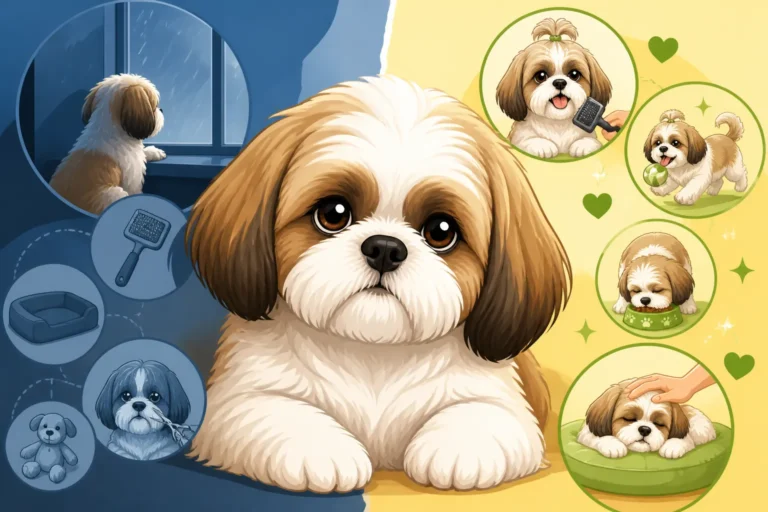
Shih Tzus are renowned for their luxurious double coats, which are undeniably beautiful but also require significant maintenance. If your puppy develops an early aversion to grooming, these essential sessions can quickly turn into a stressful battle for both of you. Early resistance to brushing, bathing, or even face cleaning can lead to matted coats, skin issues, and a lifelong dread of the groomer's table.
Negative Early Experiences: Fear of the Unknown
If a Shih Tzu puppy's first experiences with grooming are frightening or painful, they can quickly develop an intense aversion. This might involve being held too roughly, having tangles pulled without care, experiencing a noisy dryer too close to their ears, or having water accidentally sprayed in their face. These negative associations can cement a lifelong fear of grooming tools and the process itself, making future maintenance incredibly difficult.
It's vital that all early grooming experiences are gentle and positive. Start with very short, positive sessions. Introduce grooming tools one by one, letting your puppy sniff them, then rewarding them with a treat. Don't rush into full brushing or bathing sessions. The goal is to build a positive association with each tool and the feeling of being handled. This is where Grooming Training Starts the First Week is so crucial.
If your puppy has already had a negative experience, you'll need to go back to basics with desensitization. Reintroduce the brush, for example, by just showing it to them and giving a treat. Then gently touch their back with the brush for a second, then treat. Slowly build up the duration and intensity, always stopping before they get stressed and always ending on a positive note. Remember, small, consistent positive exposures are far more effective than infrequent, stressful ones.
Lack of Desensitization: Not Teaching Acceptance
Many owners, understandably, focus on playtime and cuddles when they first bring a puppy home, but they might inadvertently neglect introducing grooming tools and handling early. Without proper desensitization, the clippers, the loud dryer, the brush, and even simple touch can feel strange, intrusive, and scary to a Shih Tzu who isn't used to them. This lack of preparation is a common reason for grooming resistance.
Desensitization means gradually exposing your puppy to the sights, sounds, and sensations of grooming in a way that is non-threatening and even pleasant. For example, turn on the hairdryer in another room so the sound is faint, and give your puppy treats. Slowly bring the dryer closer over days or weeks, always pairing the sound with positive reinforcement. Do the same with electric clippers – just turn them on and let them vibrate away from your puppy, rewarding calm behavior.
Equally important is handling. Shih Tzus need to be comfortable with having their paws touched (for nail trims), their ears cleaned, their faces wiped, and their bodies brushed. From day one, gently handle your puppy all over their body for just a few seconds, pairing it with praise and a treat. Slowly increase the duration and intensity of this handling. Make it a daily routine, even if it's just a quick paw massage or a light stroke with a soft brush, so they learn to accept and even enjoy being touched in preparation for full grooming sessions. Teaching a Shih Tzu Puppy to Lie on Its Side is also incredibly helpful for future grooming.
Painful Matting or Tangles: When Grooming Hurts
A dense Shih Tzu double coat, if not brushed regularly and correctly, can quickly form painful mats and tangles. When grooming then becomes necessary, trying to brush out these mats can be excruciating for your puppy, leading to a strong negative association with the entire process. No dog wants to endure pain, and if every grooming session involves pulling and discomfort, they will naturally resist with all their might.
Prevention is key here. Daily brushing, even for just a few minutes, is essential for a Shih Tzu, especially if they have a longer coat. Learn how to brush through both layers of their coat, from the skin out, using a slicker brush and a metal comb. Focus on areas prone to matting, like behind the ears, under the legs, and where a harness sits. Using a detangling spray can also help prevent knots and make brushing more comfortable.
If mats do occur, consult a professional groomer. Attempting to forcefully brush out severe mats yourself can cause immense pain and even skin damage. A professional can often remove them more safely, sometimes requiring a short shave in matted areas. This might be a temporary setback in terms of coat length, but it's far better than inflicting pain on your puppy and solidifying their fear of grooming. Remember, a professional groomer, like those found through BAXTER & Bella's resources, understands how to handle nervous or matted dogs gently and effectively.
Leash and Harness Hesitations: Getting Out and About
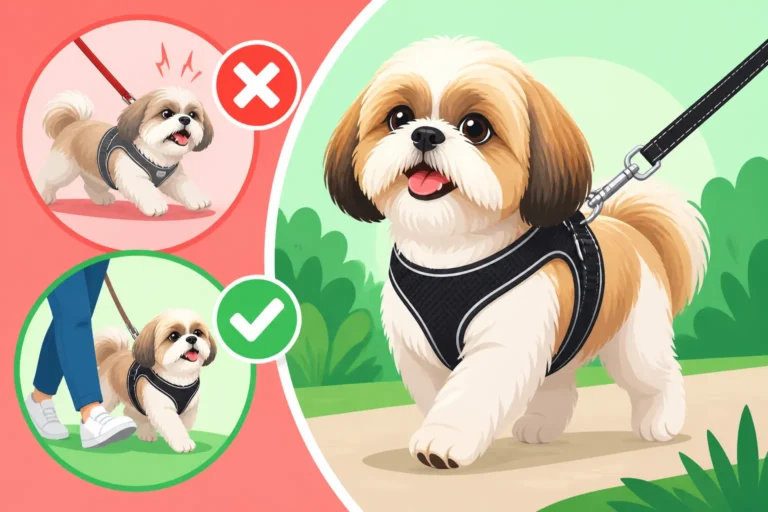
For a Shih Tzu, the big wide world can be an overwhelming place, especially when they're first introduced to a leash and harness. While some puppies take to it like a duck to water, many exhibit hesitation, freezing up, refusing to walk, or even trying to wriggle out of their gear. Addressing these early hesitations is vital for ensuring your Shih Tzu can safely and happily enjoy walks and adventures with you.
Novelty and Fear of the Unknown: New Sensations
For a puppy, wearing a harness and leash is an entirely new sensation. It feels restrictive, unusual, and perhaps even a little scary. The leash might pull, the harness might rub, and the unfamiliar feeling of something around their chest or neck can be alarming. It’s not uncommon for puppies to freeze, try to chew the harness off, or simply refuse to move when first introduced to this new equipment.
Introduce the harness and leash gradually and positively. Start by simply showing your Shih Tzu the harness, letting them sniff it, and giving them a treat. Then, place it on them for just a few seconds, immediately removing it and giving a treat. Repeat this several times a day, slowly increasing the duration they wear it. The goal is to make the harness a predictor of good things, not something to fear. Many owners find front-clip harnesses a good option for Shih Tzus, as they distribute pressure more evenly and can discourage pulling. Why a Shih Tzu Should Wear a Harness Not a Collar is also an important safety consideration for flat-faced breeds.
Once they're comfortable wearing the harness, attach the leash, but don't hold it yet. Let them drag it around in a safe, enclosed area while supervised. This gets them used to the feeling and sound of the leash trailing behind them. Again, keep it positive with praise and treats. Never force them to wear it for long periods if they are clearly distressed; always back up a step and make the experience more positive.
Improper Fit or Discomfort: Scratchy or Pinching Gear
A poorly fitting harness or a scratchy leash can cause physical discomfort for your Shih Tzu, reinforcing their reluctance to wear it. If the harness pinches, rubs, is too tight, or restricts their movement, they will naturally associate it with pain or irritation. This is especially true for Shih Tzus with their long coats, where loose hair can get caught or matted by ill-fitting straps.
Always choose a harness that is specifically designed for small breeds and ensures a comfortable, secure fit without restricting shoulder movement or rubbing under the armpits. There are many options available on Amazon, but reading reviews and checking sizing guides is crucial. The harness should be snug enough that your Shih Tzu can't back out of it, but loose enough to fit two fingers comfortably underneath the straps. Regularly check for rubbing or chafing, especially around their delicate brachycephalic airway.
Similarly, choose a lightweight leash appropriate for their size. A heavy, thick leash can be cumbersome and overwhelming for a tiny Shih Tzu. Opt for a thinner, lighter lead that won't drag them down or add unnecessary bulk. If your Shih Tzu has a full coat, consider a harness designed to minimize matting. Ensuring their gear is comfortable is a foundational step in making walks enjoyable for your furry friend. Fitting a Harness Around Shih Tzu Coat requires careful attention.
Lack of Positive Associations: No Fun on the Leash
If the only time your Shih Tzu wears a leash is for a quick, boring potty break, they won't form positive associations with it. Walks should be an enriching and enjoyable experience, offering new sights, sounds, and smells. If your puppy sees the leash as a means to an end, or if walks are rushed and stressful, they'll be less enthusiastic about participating.
Make leash time fun and rewarding. Start by practicing walking on the leash indoors in a low-distraction environment. Use tiny, high-value treats to reward every step they take calmly beside you. If they pull, stop immediately. Only resume walking when the leash is slack. This teaches them that a loose leash gets them where they want to go. Keep these early training sessions short and positive, ending before your puppy gets bored or frustrated. Teaching a Shih Tzu to Walk Without Pulling is a gradual process.
Gradually introduce them to short walks in quiet outdoor areas, allowing them time to sniff and explore. Don't worry about covering long distances initially; the goal is positive exposure. Praise them enthusiastically for walking nicely and exploring calmly. Vary your walking routes to keep things interesting. The more positive experiences your Shih Tzu has while wearing a leash and harness, the more they will look forward to their walks and see their gear as a gateway to exciting adventures.
Resource Guarding Beginnings: Protecting Precious Items
Resource guarding, where a dog becomes defensive over food, toys, sleeping spots, or even people, can start very early in a Shih Tzu's life. While it might seem cute for a tiny puppy to growl over a favorite toy, it's a serious behavior that needs to be addressed immediately and carefully. Left unchecked, it can escalate into aggression, posing a risk to both humans and other pets.
Early Scarcity Mindset: Competition for Resources
Resource guarding often stems from an underlying fear or anxiety about losing a valuable item. For puppies, this can sometimes develop if they've had to compete for resources in their litter, or if their early environment fostered a "scarcity mindset." If food was scarce, or if they had to fight for access to comfortable sleeping spots, they might learn that they need to defend what's theirs to survive.
Even if your Shih Tzu comes from a loving home, you might inadvertently contribute to this mindset if you constantly take things away without trading. A common mistake is to simply grab a toy or food bowl from a puppy. While you might think you're asserting dominance, the puppy perceives it as you stealing their valuable possessions. This teaches them that you are a threat to their resources, making them more likely to guard.
To prevent this, teach your Shih Tzu that hands approaching their resources mean good things. When they are eating, walk by and gently drop an even more delicious treat into their bowl. This teaches them that your presence near their food bowl is a positive, rewarding experience, not a threat. Do the same with toys: approach, offer a higher-value treat, and when they drop their toy to take the treat, praise them and then give their toy back. This builds trust and teaches them that letting go of an item can lead to an even better reward. This is a foundational step in preventing A Shih Tzu Guarding a Toy.
Lack of Trust Around Possessions: Defensive Postures
When a Shih Tzu displays early guarding behaviors – perhaps a stiffening of the body, a low growl, or a quick snap when you approach their food or a coveted toy – it's a clear signal that they don't trust you around their possessions. This lack of trust, if ignored, can escalate into more overt aggression as they mature, making interactions with them potentially risky.
It's crucial never to punish your Shih Tzu for growling or showing other guarding behaviors. Punishment only suppresses the warning signs, meaning the dog might go straight to biting without the prior growl or snarl. Instead, acknowledge the warning and change your approach. Your goal is to build trust, not to instill fear. A growl is a dog's way of saying, "I'm uncomfortable; please back off." Listen to it.
Work on building positive associations with you approaching their resources, as described above. Additionally, practice "drop it" and "leave it" cues with consistency and high rewards. Teach them that voluntarily giving up an item results in an even better reward. For instance, if they have a chew, ask them to "drop it," immediately reward with a special treat, then return the chew. This empowers them with choice and builds confidence that their items will be returned or replaced with something better, fostering trust.
Misunderstanding Canine Communication: Owner Reactions
Sometimes, owners unintentionally reinforce resource guarding because they misunderstand their Shih Tzu's early communication signals or react in a way that exacerbates the problem. For example, some owners might laugh off a puppy's growl over a toy, not realizing the serious implications, or they might try to physically overpower the puppy, which can be detrimental to trust and safety.
Understanding subtle canine body language is vital. A puppy's stiff body, whale eye (showing the whites of their eyes), tucked tail, or lip lick can all be early signs of discomfort or anxiety that might precede guarding behavior. Learning to recognize these signals allows you to intervene before the behavior escalates, creating a safer and more positive interaction. There are many excellent resources on canine body language that can help you become a more fluent communicator with your Shih Tzu.
Engaging a certified professional dog trainer (CPDT) who specializes in positive reinforcement and force-free methods can be incredibly beneficial if you're seeing early signs of resource guarding. They can assess your specific situation, help you understand your Shih Tzu's communication, and guide you through safe and effective protocols to modify the behavior. Addressing resource guarding early with expert help is one of the best investments you can make in your Shih Tzu's long-term behavior and your peaceful co-existence.
Excessive Barking or Whining: When Communication Becomes Noise
While Shih Tzus are not typically considered a "yappy" breed, they are vocal and certainly not shy about expressing themselves. Early on, this can manifest as attention-seeking barking, alarm barking at every sound, or persistent whining. While some vocalization is normal, excessive barking or whining can become a nuisance and a sign of underlying issues that need to be addressed before they become ingrained habits.
Attention-Seeking Behavior: Learning What Works
Shih Tzus thrive on human connection, and they are remarkably adept at figuring out how to get your attention. If barking or whining consistently results in you looking at them, talking to them, or rushing to their side, they quickly learn that this is an effective strategy. Even negative attention, like yelling "quiet!", is still attention, and can inadvertently reinforce the behavior.
To address attention-seeking barking or whining, the golden rule is: never reward it. This means completely ignoring the vocalization. Turn your back, walk out of the room, or pretend to be engrossed in something else. The moment your Shih Tzu stops barking or whining, even for a second, immediately turn and reward them with praise and a calm treat. This teaches them that silence, not noise, gets them what they want. It can be incredibly challenging to ignore, especially when it's persistent, but consistency is critical here.
Once they've learned that barking doesn't work, proactively reward quiet behavior. If your Shih Tzu is calmly lying on their bed, go over and give them a quiet treat and praise. Teach them to "settle" on cue. Provide them with appropriate outlets for attention and mental stimulation, like puzzle toys or short training sessions (remember What Motivates a Shih Tzu to Work and Positive Reinforcement With a Shih Tzu). Give them attention when they are quiet and well-behaved, not just when they demand it.
Alarm Barking at Novel Stimuli: The Guard Dog Instinct
Despite their small stature, many Shih Tzus possess a surprisingly strong "guard dog" instinct. They can be alert and quick to bark at anything new or unusual – a person walking past the window, the mail delivery, a squirrel in the yard, or A Shih Tzu Barking at the Doorbell. This alarm barking is their way of alerting you to potential intruders or changes in their environment. While a little warning bark can be helpful, constant alarm barking can be incredibly disruptive.
To manage alarm barking, you first need to identify the triggers. Is it people at the window? Sounds from the hallway? Once you know the trigger, you can manage the environment. For window watchers, try using window film, closing blinds, or placing a piece of furniture in front of the window to block their view. If sounds from outside are the problem, use a white noise machine, a fan, or play calming music to muffle external noises.
Once you've managed the environment, you can work on counter-conditioning and desensitization. When you know a trigger is about to occur (e.g., someone is approaching the door), before your Shih Tzu starts barking, give them a high-value treat. Repeat this every time the trigger appears. The goal is to change their emotional response from "intruder!" to "treat!" If they do bark, wait for a momentary lull, then reward the silence. Teaching a "quiet" cue on command can also be very helpful.
Frustration and Boredom: Unmet Needs
Sometimes, excessive barking or whining isn't attention-seeking or alarm-based, but rather a manifestation of frustration, boredom, or unmet needs. A Shih Tzu who isn't getting enough mental stimulation, physical activity, or appropriate outlets for their natural behaviors can become restless and resort to vocalization out of sheer boredom or exasperation.
While Shih Tzus are not high-energy dogs, they still need daily enrichment. Short, consistent walks (even 15-20 minutes daily) provide physical exercise and mental stimulation from sniffing new scents. Indoor play sessions with toys, games of hide-and-seek, or gentle fetch can also burn energy. Mental stimulation is equally vital: engage them with puzzle toys, short training sessions where you teach new tricks, or even scent work games around the house. Tricks Worth Teaching a Shih Tzu Indoors can be a great boredom buster.
Ensure all their basic needs are met. Is their bladder full? Are they hungry? Are they comfortable? Sometimes a simple trip outside or a small meal can resolve whining. If you suspect boredom, try rotating their toys to keep things fresh, or invest in a new interactive toy. A well-exercised, mentally stimulated, and cared-for Shih Tzu is generally a quieter, happier Shih Tzu. This proactive approach prevents barking and whining stemming from frustration before it even begins.
Conclusion
Navigating the early behavior challenges of a Shih Tzu puppy can feel overwhelming, but remember that every "problem" is an opportunity to teach, guide, and strengthen your bond. Whether it's the struggles of house training, the sharp nips of teething, the cries of early separation anxiety, the resistance to grooming, or the barks at every sound, these behaviors are often a puppy's way of communicating their needs, fears, or simply exploring their world.
By understanding their breed-specific traits, providing consistent positive reinforcement, ensuring proper socialization, and being proactive in addressing issues like resource guarding, you can gently steer your Shih Tzu towards becoming a well-adjusted, confident, and beloved family member. Patience, empathy, and a commitment to force-free training methods are your most powerful tools. With dedication, those early hurdles will transform into the foundation for a lifetime of joy with your charming Shih Tzu companion.
Disclaimer
This article is for general informational purposes only and does not constitute professional advice. Laws, prices and regulations vary by location and change over time. Consult a qualified professional for guidance on your specific situation.