Enrolling a Shih Tzu in Puppy Kindergarten
Bringing home a Shih Tzu puppy is an absolute delight. Their fluffy faces and charming personalities quickly win you over, making it easy to fall into the trap of thinking they're just tiny lap dogs who don't need much formal training. Many new owners worry about overwhelming their small, delicate puppy in a group setting, or they simply assume their little companion is too well-behaved at home to need anything beyond basic house manners. This guide is here to tell you that puppy kindergarten is not just beneficial, but truly foundational for your Shih Tzu's development, and we'll walk you through why, how to pick the perfect class, and how to ensure your little fluffball thrives.
Why Puppy Kindergarten is Essential for Your Shih Tzu's Well-Being
It's a common misconception: "My Shih Tzu is so small, they don't need puppy class. They're just going to sit on my lap anyway!" While it's true that Shih Tzus were bred specifically as companions, designed to adorn laps and offer affection, this doesn't mean they don't benefit immensely from early socialization and training. In fact, for a breed that often lives in close quarters with their humans, a solid foundation is even more crucial.
Beyond Basic Manners: Socialization is Key
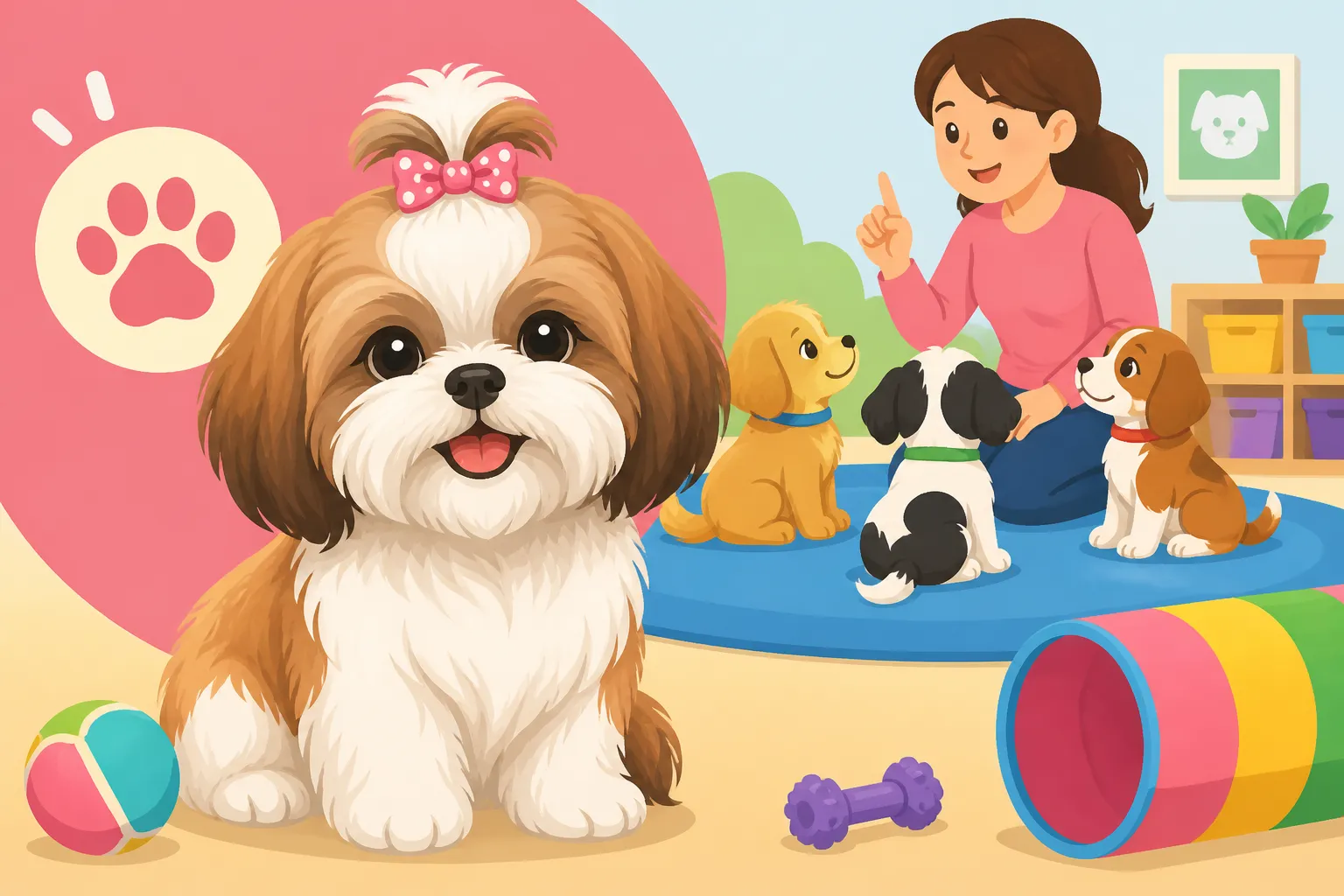
Think about it: your Shih Tzu will encounter the big wide world, even if it's mostly within your home and neighborhood. They'll meet new people, see different dogs on walks, hear strange noises, and visit the vet or groomer. If their first experiences with these things are negative or infrequent, they can quickly develop fear, anxiety, or even aggression. Puppy kindergarten is a controlled, safe environment designed to expose your puppy to a variety of positive experiences during their most critical developmental window – a period often referred to as The Shih Tzu Socialization Deadline.
Imagine a puppy who only ever sees you and your family. When a new person comes over, they might bark incessantly or hide. When they encounter another dog on a walk, they might panic, growl, or try to escape. In a puppy class, your Shih Tzu gets to interact with other puppies of different breeds, sizes, and energy levels under careful supervision. They learn how to read other dogs' body language, how to play appropriately, and how to navigate social situations without fear. They also get exposed to different types of people – men, women, people with hats, people using walking aids – all in a low-stress, positive way. This builds confidence, resilience, and helps prevent future behavioral issues that can stem from fear or undersocialization. It’s about teaching them that the world isn’t a scary place.
Building Confidence and Preventing Future Issues
A well-socialized Shih Tzu is a confident Shih Tzu. Confidence isn't about being dominant; it's about being comfortable and secure in their environment. A confident Shih Tzu is less likely to be reactive on leash, less likely to be fearful at the vet, and generally a more adaptable and happy companion. This early exposure helps them develop coping mechanisms for novel situations. They learn that unfamiliar doesn't mean dangerous.
For instance, many Shih Tzus are prone to being over-protected because of their small size. While it's natural to want to shield them, this can inadvertently lead to them becoming fearful or snappy adults. Puppy kindergarten helps break this cycle by giving them positive independent experiences. They might play with another puppy across the room while you observe, learning to trust that they're safe even when you're not holding them. This also helps with common challenges like A Shih Tzu That Barks at the Doorbell or a reluctance to accept handling. The skills they pick up, like basic obedience, also help you communicate more effectively with your puppy, strengthening your bond and making everyday life more harmonious. Think of it as investing in their emotional well-being for their entire Shih Tzu Lifespan and the Thirteen Year Average.
What to Look for in a Shih Tzu-Friendly Puppy Class
Not all puppy classes are created equal, and for a delicate breed like the Shih Tzu, it's crucial to choose wisely. You need an environment that understands their unique needs, from their flat faces to their propensity for being overwhelmed.
Class Structure and Training Philosophy
The first thing to look for is a class that adheres strictly to positive reinforcement methods. This means using rewards like treats, praise, and toys to encourage desired behaviors, rather than punishment or harsh corrections. For a sensitive breed like the Shih Tzu, harsh methods can quickly shut them down, making them fearful of training and damaging your bond. A good class will focus on making learning fun and engaging for the puppies. You want to see instructors who understand Positive Reinforcement With a Shih Tzu and how to keep motivation high.
Ask about the class size. Ideally, a puppy kindergarten class should have a small instructor-to-student ratio – no more than 6-8 puppies per instructor is usually a good sign. This ensures that each puppy and owner gets personalized attention and that the environment remains controlled and calm. A chaotic class with too many puppies can be overwhelming and counterproductive for a small dog like a Shih Tzu. You also want to ensure the curriculum covers more than just "sit" and "stay." Look for classes that incorporate controlled off-leash play, exposure to different surfaces, sounds, and gentle handling exercises.
Instructors Who Understand Small Breeds and Flat Faces
This is where selecting the right class really matters for your Shih Tzu. Look for instructors who have experience working with toy breeds and, specifically, brachycephalic (flat-faced) dogs. They should be aware of:
- Brachycephalic breathing challenges: They should know to watch for signs of overheating or respiratory distress during play, especially if the classroom gets warm. A good instructor will ensure play sessions are short and puppies have breaks. You want someone who understands Why a Shih Tzu Cannot Cool Itself Well.
- Delicate frames: They should understand that rough play with larger, heavier puppies can be dangerous for a Shih Tzu's spine and joints. Controlled play with similarly sized or gentle puppies is important.
- Eye safety: Shih Tzus have prominent eyes that can be vulnerable. An experienced instructor will be mindful of this during play and handling.
- Grooming tolerance: Many classes incorporate handling exercises that prepare puppies for vet visits and grooming. An instructor familiar with Shih Tzus will teach gentle techniques for brushing, touching paws, and examining ears, which is vital for daily care and professional grooming down the line. This builds on early work like Handling a Shih Tzu Puppy for Daily Brushing.
Don't be afraid to interview the instructors or observe a class before enrolling. A reputable training facility will welcome this. Ask specific questions about how they handle play between different sized breeds, their methods for managing over-excited puppies, and their philosophy on handling a shy or nervous puppy.
Here's a quick comparison of what to look for and what to avoid:
| Feature | Look For | Avoid |
|---|---|---|
| Training Method | Positive reinforcement, clicker training, reward-based. Focus on fun and building confidence. | Aversive tools (choke chains, prong collars), intimidation, punishment-based methods. |
| Class Size | Small groups (e.g., 4-8 puppies) with a high instructor-to-student ratio (e.g., 1:4). | Large, crowded classes where puppies are easily overlooked or overwhelmed. |
| Instructor Experience | Certified professional dog trainer (CPDT-KA or similar), experience with toy breeds and brachycephalic dogs. | Inexperienced trainers, or those who use a "one-size-fits-all" approach without considering breed-specific needs. |
| Play Sessions | Supervised, short, controlled off-leash play with appropriate playmates (similar size/temperament). Breaks for rest and water. | Uncontrolled "free-for-all" play where large and small puppies mix without oversight, no breaks, high-stress environment. |
| Hygiene & Safety | Clean facility, proof of vaccinations required for all puppies, focus on preventing stress and injury. | Unclean environment, lax vaccination requirements, disregard for individual puppy stress levels. |
| Curriculum | Covers basic cues, socialization, handling, body language, common puppy problems (e.g., mouthing, house training). Opportunities for questions and individualized advice. | Solely focused on obedience cues, no socialization component, little to no opportunity for addressing specific puppy issues or owner concerns. |
When you're searching for supplies for your puppy, from specific types of harnesses that work well for a Shih Tzu's body shape to chew toys for teething, resources like Chewy can be incredibly helpful for finding a wide variety of options that cater to small breeds. They often have filters that let you narrow down products by size and specific needs.
Preparing Your Shih Tzu and Yourself for Success in Puppy Kindergarten
Enrolling is just the first step! To ensure your Shih Tzu gets the most out of puppy kindergarten, a little preparation goes a long way. This isn't just about showing up; it's about setting your puppy up for a positive, enriching experience.
Health Checks and Vaccinations
Before your Shih Tzu can even set paw in a puppy class, they need to be up-to-date on their vaccinations, especially for distemper, parvovirus, and canine adenovirus. Most reputable facilities will require proof of current vaccinations from your veterinarian. This is for the safety of all puppies in the class, protecting your little one from potential exposure to illnesses while also protecting other puppies from anything your dog might unknowingly carry. Your vet will advise you on the appropriate schedule for Shih Tzu Vaccination and Toy Breed Reactions, ensuring they have sufficient immunity. It’s a good idea to chat with your vet about any health concerns you might have, especially given the Shih Tzu's brachycephalic nature, to ensure they're healthy enough for the excitement of class. If you're considering pet insurance, now is also a good time to look into options like Healthy Paws, as unexpected vet visits can always pop up, and you want to be prepared.
Make sure your Shih Tzu is free of fleas, ticks, and any other parasites. A clean bill of health ensures they're comfortable and focused on learning, not scratching!
Getting Ready: Equipment and Mindset
Gathering the right supplies beforehand can make your class experience smoother. Here's a checklist:
- Appropriate Leash and Harness: For a Shih Tzu, a well-fitting harness is paramount. Avoid collars that put pressure on their delicate trachea, especially given their flat-faced anatomy. A front-clip harness can also help with gentle leash guidance without straining their neck. You'll likely use a 4-6 foot leash.
- High-Value Treats: These are your secret weapon! Think tiny, soft, super-tasty treats that your Shih Tzu absolutely loves. Cut them into pea-sized pieces so they can eat them quickly without getting distracted. For many Shih Tzus, fresh food options like those from Ollie, cut into tiny bits, can be incredibly motivating.
- A Familiar Mat or Bed: Bring a small mat or a favorite blanket your Shih Tzu can settle on during breaks. This gives them a "safe spot" in a new environment and helps teach them to relax on cue.
- Water and a Portable Bowl: Puppy kindergarten can be exciting, and with their flat faces, Shih Tzus can get warm quickly. Always have fresh water available.
- Poop Bags: Be a responsible pet parent!
Beyond the gear, prepare yourself mentally. Puppy kindergarten is as much for you as it is for your dog. You'll learn how to communicate effectively, understand canine body language, and become a better handler. Go in with an open mind, ready to learn, and be patient with your puppy (and yourself!). Remember that Keeping Shih Tzu Training Sessions Short is key, so don't expect miracles overnight. It's a journey!
Making the Most of Your Puppy Kindergarten Experience (Beyond the Classroom)
The real magic of puppy kindergarten doesn't just happen during the hour or so you're in class each week. It's how you integrate what you learn into your daily life and continue the positive momentum at home.
Consistent Practice and Continuing Socialization
The most important takeaway from puppy kindergarten is that training and socialization are ongoing processes. What you learn in class needs to be practiced consistently at home, in short, fun sessions throughout the day. Don't wait until the next class to revisit a cue or concept. Even just five minutes, two or three times a day, is far more effective than one long, infrequent session. This helps solidify what your Shih Tzu learned and builds their confidence in applying it in different environments. This is where you can start practicing The Handful of Cues a Shih Tzu Really Needs in a low-distraction environment.
Continuing socialization is equally vital. Puppy class provides a fantastic foundation, but it's not the end of the line. Continue to expose your Shih Tzu to new, positive experiences:
- Neighborhood walks: Let them safely observe people, other dogs (from a distance if needed), and the sounds of your community.
- Vet and groomer visits: Make these positive experiences with treats and praise, even if it's just a quick "happy visit" to say hello. This prepares them for situations like future Shih Tzu Dental Disease at 13 Percent of the Breed or needing a professional groom to manage their beautiful coat.
- Safe outings: Consider pet-friendly stores during off-peak hours, or quiet park benches where they can observe without being overwhelmed. Focus on quality over quantity – a few calm, positive exposures are better than a single overwhelming one. Introduce them slowly to The Sounds a Shih Tzu Puppy Needs to Meet in your everyday life.
Addressing Shih Tzu Specific Challenges and Building a Lifelong Bond
Puppy kindergarten offers an excellent opportunity to address breed-specific tendencies that might become challenges later on. For example, many Shih Tzus have a natural tendency towards A Shih Tzu Puppy Mouthing at Hands during play. An instructor can provide guidance on redirecting this behavior onto appropriate chew toys. You might also get tips on how to manage their long coat and prevent matting, or how to keep their eyes clear of irritating hairs.
Another common issue for small breeds is separation anxiety, where they become overly attached and struggle when left alone. Puppy class can be a great place to start building some independence, even if it's just practicing a "stay" for a few seconds away from you. This lays the groundwork for Building Alone Time for a Shih Tzu down the road.
Ultimately, puppy kindergarten is an investment in your Shih Tzu's happiness and your relationship with them. It’s about more than just obedience; it's about building a common language, fostering trust, and ensuring your little companion is well-adjusted, confident, and a joy to live with for many years to come. The lessons learned and the bond strengthened in those early weeks will pay dividends for their entire life.
Disclaimer
This article is for general informational purposes only and does not constitute professional advice. Laws, prices and regulations vary by location and change over time. Consult a qualified professional for guidance on your specific situation.