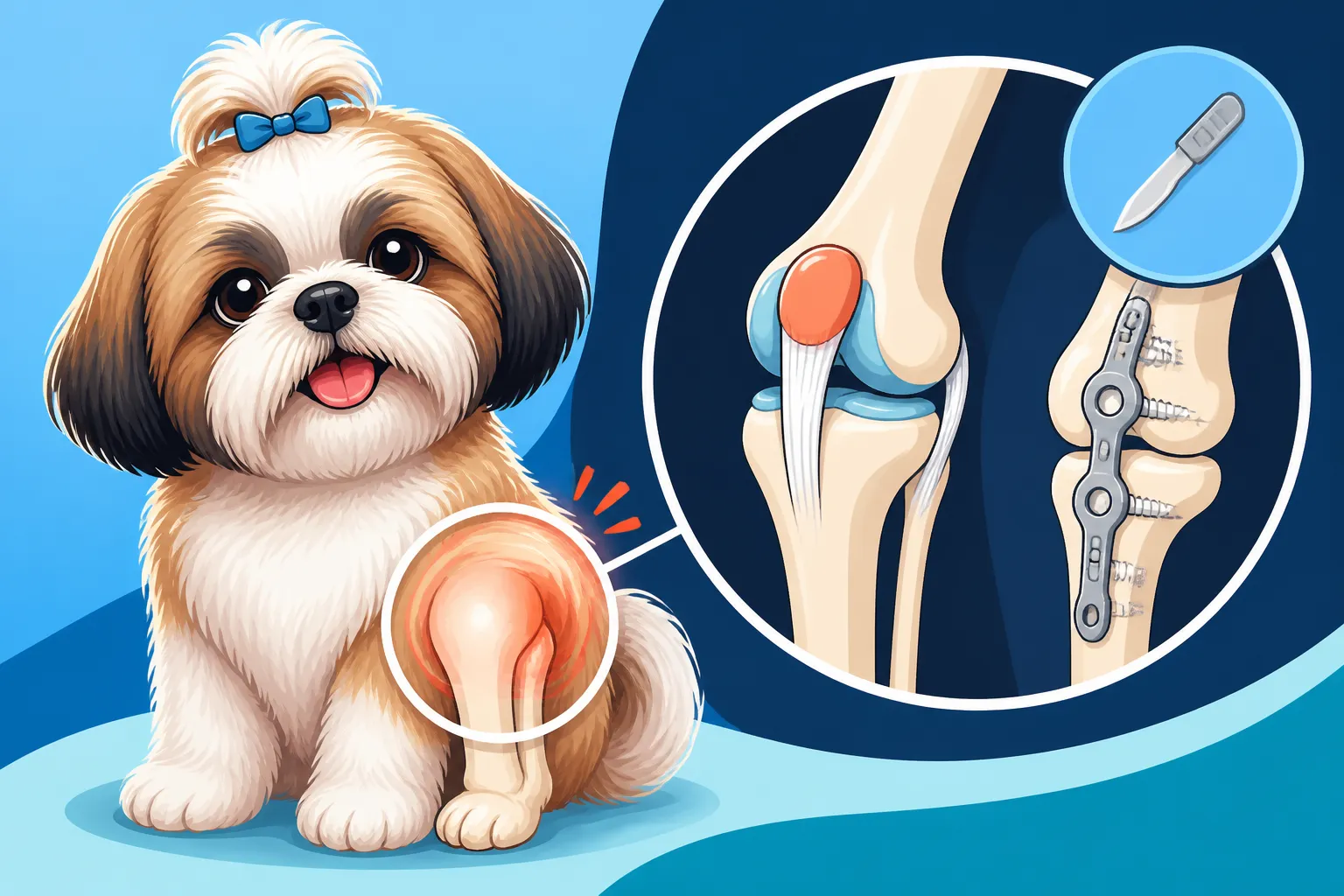
Shih Tzu Patella Surgery and What It Runs
That moment your sweet Shih Tzu gives a little yelp and suddenly holds up a back leg, or you notice a persistent skip in their adorable gait, can send a jolt of panic through any devoted owner. It's heart-wrenching to see them in discomfort, and often, the first thought that follows the worry for their pain is the daunting question of what it might cost to fix. Patellar luxation, or a "slipping kneecap," is a common orthopedic issue in our beloved flat-faced companions, and understanding the potential expenses for surgery is crucial for proper planning and peace of mind. This guide will walk you through everything involved, from diagnosis to recovery, helping you prepare for the financial realities of this common Shih Tzu ailment.
Understanding Patellar Luxation in Shih Tzus
Patellar luxation is one of the most frequently diagnosed orthopedic conditions in small breed dogs, and our charming Shih Tzus are unfortunately no strangers to it. It occurs when the patella, or kneecap, dislocates or slips out of its normal groove in the thigh bone (femur). While it can happen in any direction, it most commonly slips inward (medially) in Shih Tzus.
Why Shih Tzus Are Prone to Luxating Patellas
It's easy to feel a pang of guilt when your furry friend develops a health issue, but patellar luxation in Shih Tzus isn't typically due to anything you've done wrong. Instead, it's largely a genetic and anatomical predisposition tied to their toy breed structure. Their legs are often built with certain conformational traits that make them more susceptible. For instance, the groove in the femur that the kneecap normally sits in might be too shallow, or the attachment point of the patellar ligament on the shin bone (tibia) might be shifted inward. This creates an uneven pull on the kneecap, causing it to pop out of place with movement.
Think of it like a train running off its track because the track itself isn't deep enough or is misaligned. This inherited structural issue is why reputable breeders often screen their breeding dogs for patellar luxation as part of their health clearances. You can read more about common Shih Tzu Joint Problems in a Toy Frame and specifically delve into Patellar Luxation in a Shih Tzu to understand the underlying mechanics that put our little lion dogs at risk.
Grades of Patellar Luxation and Their Impact
When your vet diagnoses patellar luxation, they'll often assign a "grade" from 1 to 4, which indicates the severity of the condition. Understanding these grades is key to grasping how significant the problem is and what treatment options might be suitable.
- Grade 1: This is the mildest form. The kneecap can be manually dislocated but usually slips back into place on its own. Your Shih Tzu might have an occasional skip in their step, but often shows no pain or lameness. Many owners might not even notice it unless a vet performs a thorough orthopedic exam.
- Grade 2: The kneecap spontaneously luxates (slips out) and sometimes remains out for a period, causing your dog to hold up the affected leg. It can be manually put back into place and might return on its own. Your Shih Tzu might show more frequent skipping or intermittent lameness, especially after exercise. This is often the stage where owners first truly notice something is amiss.
- Grade 3: The kneecap is luxated most of the time but can be manually reduced (put back into place). However, it quickly slips out again once the manual pressure is released. Your Shih Tzu will likely have a persistent limp, may walk with a crouched stance, and might show signs of discomfort or pain. This grade almost always warrants surgical consideration.
- Grade 4: This is the most severe grade. The kneecap is permanently luxated and cannot be manually returned to its normal position. The groove in the femur might be almost non-existent, and the bone structure is often significantly deformed. Dogs with Grade 4 luxation experience constant lameness, often struggling to put weight on the leg, and may even be unable to fully extend their knee. Surgery is typically essential to restore function and prevent severe arthritis.
The impact of these grades ranges from a minor inconvenience to debilitating pain, significantly affecting your Shih Tzu's quality of life. The higher the grade, the more likely surgery will be recommended to alleviate pain, improve mobility, and prevent further joint damage.
Signs Your Shih Tzu Might Have a Slipping Kneecap
Recognizing the signs of patellar luxation early can make a big difference in managing the condition and potentially reducing long-term complications. Because Shih Tzus are so adept at hiding pain, you need to be observant.
The most common sign owners notice is a sudden "skip" or "hop" in their dog's gait. Your Shih Tzu might be trotting along happily, then suddenly lift one back leg for a few steps, shaking it, and then put it down as if nothing happened, continuing to walk normally. This happens when the kneecap slips out and then pops back in. If the kneecap stays out, they might hold the leg up for a longer period, sometimes even running on three legs.
Other signs can include:
- Intermittent lameness: The limp comes and goes.
- Reluctance to jump: They might hesitate before jumping onto the sofa or stairs, or even avoid it altogether.
- Pain signals: These can be subtle – a slight yelp, a growl when you touch their knee, or general irritability.
- Stiffness: Especially after resting or first waking up.
- Abnormal leg carriage: In more severe cases, they might walk with their hind legs turned inward or outward in an odd way.
If you observe any of these behaviors, it's really important to schedule a vet visit promptly. Even if it's just an occasional skip, catching it early allows your vet to assess the situation and discuss preventative measures or treatment options before the condition potentially worsens or leads to more severe issues like Shih Tzu Arthritis After the Age of Nine.
Diagnosing Patellar Luxation and When Surgery Becomes Necessary
Once you notice those tell-tale skips or a persistent limp, getting a professional diagnosis is the next critical step. Your veterinarian is your best resource for understanding the severity of the luxation and helping you navigate the treatment path.
The Veterinary Examination and Diagnostic Tests
The diagnostic process for patellar luxation usually begins with a thorough physical examination by your regular veterinarian. They will observe your Shih Tzu's gait, paying close attention to how they carry and move their hind legs. Then, during palpation, the vet will gently manipulate your dog's kneecap to assess if it can be manually moved out of its groove and, if so, how easily it returns. This is how they determine the grade of luxation.
While a physical exam is often enough to diagnose patellar luxation, X-rays are typically recommended to get a clearer picture of the skeletal structure. X-rays help your vet:
- Confirm the severity of any bone deformities.
- Assess the depth of the trochlear groove (where the kneecap sits).
- Rule out other concurrent orthopedic issues, such as hip dysplasia or a torn cruciate ligament, which can present with similar symptoms.
- Provide a baseline for future comparisons.
In some complex cases, especially if other issues are suspected, your vet might refer you to an orthopedic specialist for more advanced imaging like an MRI or CT scan, though this is less common for straightforward patellar luxation. These initial steps are vital, even from a young age, as part of a comprehensive health assessment. A thorough The Puppy Check a Shih Tzu Needs at Eight Weeks should ideally include an early orthopedic evaluation to catch any predispositions.
Non-Surgical Management Options and Their Limits
For Shih Tzus with Grade 1 or sometimes Grade 2 patellar luxation, especially if they are not showing significant pain or lameness, your vet might recommend a conservative, non-surgical approach. This often involves a multi-faceted strategy aimed at managing symptoms and slowing progression:
- Weight Management: Keeping your Shih Tzu at a healthy weight is paramount. Even a few extra pounds can put immense strain on their joints, exacerbating luxation and speeding up the onset of arthritis. Your vet can help you determine the ideal weight for your individual Shih Tzu and create a diet plan. Brands like Ollie, known for fresh, portion-controlled meals, can be helpful in achieving and maintaining a healthy weight.
- Joint Supplements: Products containing glucosamine, chondroitin, and MSM can help support cartilage health and reduce inflammation. Omega-3 fatty acids, often found in fish oil supplements, also have anti-inflammatory properties. These are not cures but can certainly help improve joint comfort. You can often find a wide variety of these supplements through retailers like Chewy.
- Anti-inflammatory Medications: Non-steroidal anti-inflammatory drugs (NSAIDs) may be prescribed for short periods to manage pain and inflammation during flare-ups. Long-term use needs careful monitoring due to potential side effects.
- Physical Therapy: Gentle exercises, massage, and hydrotherapy can help strengthen the muscles around the knee, improving stability and range of motion. A certified canine rehabilitation therapist can design a tailored program.
- Restricted Activity: Avoiding activities that put excessive strain on the knee, such as jumping, running, and climbing stairs, can help prevent the kneecap from slipping out.
While these non-surgical methods can be highly effective for milder cases, it's important to understand their limits. They manage symptoms and support joint health, but they don't correct the underlying anatomical problem. If your Shih Tzu's condition progresses, if they experience persistent pain, or if their quality of life is significantly impacted despite conservative management, surgery usually becomes the best, and sometimes only, option.
Deciding on Surgery: Quality of Life vs. Cost
The decision to proceed with surgery is a significant one, and it's natural to feel overwhelmed. For many Shih Tzu owners, the choice often boils down to balancing their beloved pet's quality of life against the financial implications. Your vet, and potentially an orthopedic specialist, will help guide you.
Surgery is generally recommended in the following scenarios:
- Persistent pain: If your Shih Tzu is consistently limping, crying out, or showing other signs of discomfort.
- Worsening lameness: If the "skipping" becomes more frequent, prolonged, or transitions into a permanent limp.
- Higher grades of luxation: Grade 3 and 4 luxations almost always require surgical intervention to restore proper limb function.
- Risk of secondary injuries: A chronically luxating patella can lead to other serious orthopedic problems, most notably a torn cranial cruciate ligament (CCL), which is another painful and costly injury. It can also accelerate the development of severe arthritis in the joint.
- Impact on daily life: If your Shih Tzu is no longer able to enjoy walks, play, or navigate their environment comfortably.
It's a tough conversation, weighing the risks of anesthesia, the recovery period, and the financial burden against seeing your Shih Tzu happy and pain-free again. Ultimately, the goal is to improve your Shih Tzu's comfort and mobility for the long term. This decision-making process can feel incredibly isolating, but remember that your vet is there to provide all the information and support you need, helping you consider factors like Deciding for a Shih Tzu at Fifteen when facing major health choices.
The Surgical Procedure for Patellar Luxation
Once the decision for surgery has been made, understanding what the procedure entails can help ease some of your anxieties. Patellar luxation surgery aims to correct the anatomical abnormalities that cause the kneecap to slip.
What Happens During the Operation
Patellar luxation surgery is performed by a veterinary surgeon, often an orthopedic specialist, and typically involves several steps to ensure the kneecap stays securely in its groove. The specific techniques used can vary depending on the individual Shih Tzu's anatomy and the surgeon's preference, but common approaches include:
- Trochlear Wedge Resection or Block Recession: This is a crucial step. The surgeon deepens the trochlear groove in the femur where the patella sits. They might cut a wedge or block of bone from the groove, deepen it, and then replace the bone, creating a more defined "track" for the kneecap.
- Tibial Crest Transposition: If the patellar ligament attachment point on the tibia is out of alignment (which often contributes to the luxation), the surgeon will carefully cut the piece of bone where the ligament attaches, move it to the correct anatomical position, and then reattach it with pins or screws. This repositions the pulling force on the kneecap.
- Lateral Imbrication/Medial Release: The soft tissues around the knee joint also play a role. If the kneecap is pulling inward (medial luxation), the tissues on the inside of the knee might be too tight, and those on the outside too loose. The surgeon may release the tight tissues on the side the kneecap is luxating towards and tighten the loose tissues on the opposite side to help stabilize the kneecap in its new, corrected position.
These procedures are often performed in combination to achieve the best outcome. The surgeon will make precise adjustments to ensure the kneecap tracks smoothly within the newly created or deepened groove.
Anesthesia Considerations for a Flat-Faced Breed
One of the unique challenges with Shih Tzus, and other brachycephalic (flat-faced) breeds, is their predisposition to breathing difficulties, which carries increased risks during anesthesia. Their compacted airways, elongated soft palates, and stenotic nares mean they need extra care and monitoring throughout the anesthetic process. This is something any responsible pet owner needs to be acutely aware of.
Before surgery, your vet will conduct thorough pre-anesthetic bloodwork to ensure your Shih Tzu's organs are functioning properly and can handle the medications. During the procedure, your Shih Tzu will be intubated (a breathing tube placed in their windpipe), and their vital signs—heart rate, breathing, blood pressure, oxygen saturation, and temperature—will be meticulously monitored by a dedicated veterinary technician. Special care is taken during recovery, as brachycephalic dogs can be prone to airway obstruction once the breathing tube is removed. They are typically kept warm, monitored closely, and the breathing tube may be left in place longer than for other breeds until they are fully awake and able to breathe unassisted. Understanding the specifics of Anesthesia on a Flat-Faced Shih Tzu is crucial for ensuring their safety and recovery.
Immediate Post-Operative Care at the Clinic
After the surgery is complete, your Shih Tzu will be moved to a recovery area where they continue to be closely monitored. The veterinary team will focus on pain management, ensuring your dog is as comfortable as possible. This typically involves intravenous pain medications initially, which may transition to oral medications before they go home.
They will also receive intravenous fluids to maintain hydration and support organ function. The surgical site will be bandaged, and the veterinary staff will check it regularly for any swelling or discharge. Depending on the complexity of the surgery and your Shih Tzu's recovery, they may stay at the clinic for one to two nights. During this time, the staff will manage their pain, assist with potty breaks, and ensure they are recovering smoothly before being discharged into your care. When you pick them up, the vet or technician will give you detailed instructions for at-home care, including medication schedules, activity restrictions, and how to monitor the incision site.
Breaking Down the Cost of Shih Tzu Patella Surgery
One of the biggest concerns for owners facing patellar luxation surgery is, understandably, the cost. It's not a single fixed price but rather a sum of several components, and these can vary widely based on your location, the veterinary clinic or specialist, and the severity of your Shih Tzu's condition.
Pre-Operative Consultations and Diagnostics
Before your Shih Tzu even steps into the operating room, there are several initial costs. These typically include:
- Initial Veterinary Examination: Your regular vet's visit fee to diagnose the luxation and discuss options. This might range from $50 to $150.
- Orthopedic Specialist Consultation: If your regular vet refers you to a board-certified veterinary orthopedic surgeon, their initial consultation fee can be higher, often ranging from $150 to $300. This specialist will conduct their own examination and review any previous diagnostics.
- X-rays: To assess the bone structure, grade the luxation, and rule out other issues. X-rays can cost anywhere from $150 to $400, depending on the number of views and whether sedation is required.
- Pre-Anesthetic Bloodwork: Essential for ensuring your Shih Tzu is a good candidate for anesthesia and to identify any underlying health issues. This usually runs from $100 to $250.
These diagnostic steps are non-negotiable and crucial for a safe and effective surgical plan.
The Surgical Fee Itself: What's Included
The core surgical fee is the largest component of the overall cost and covers the surgeon's expertise, the operating room, and the specialized equipment and supplies used during the procedure. This fee can vary significantly:
- Geographic Location: Veterinary costs, like human medical costs, are often higher in major metropolitan areas (e.g., New York, Los Angeles) compared to rural regions.
- General Practice vs. Specialist: An orthopedic specialist will typically charge more than a general practice vet who performs the surgery. However, specialists have advanced training and experience that can lead to better outcomes for complex cases.
- Severity of Luxation: More severe cases (Grade 3 or 4) that require multiple surgical techniques (e.g., deepening the groove, moving the tibial crest) might incur a higher surgical fee due to the complexity and time involved.
- Clinic Reputation: Highly regarded clinics with state-of-the-art equipment and extensive staff might have higher fees.
Generally, you can expect the surgeon's fee alone for patellar luxation correction in a Shih Tzu to range from $1,500 to $4,000 per knee. If both knees require surgery, the cost doubles, although sometimes clinics offer a slight discount if both are done simultaneously, depending on the case.
Medication, Anesthesia, and Hospitalization Charges
Beyond the surgical fee, there are other essential charges that contribute to the total bill:
- Anesthesia: This includes the anesthesiologist's time (if separate), the anesthetic drugs, and the extensive monitoring during and after the procedure, especially critical for brachycephalic breeds. This can range from $300 to $800.
- Hospitalization: The cost of keeping your Shih Tzu overnight or for a few days post-surgery, including nursing care, intravenous fluids, and continued monitoring. Daily hospitalization fees typically range from $100 to $300 per night.
- Pain Management: Post-operative pain medications (injectable and oral), antibiotics, and anti-inflammatory drugs. These can add another $50 to $200.
- Surgical Supplies: Bandages, sutures, sterile drapes, and other consumables.
- Follow-Up Care: Post-operative re-check appointments to assess healing and remove sutures are usually included in the overall package or charged separately at a reduced rate.
Putting all these components together, the total estimated cost for patellar luxation surgery for one knee in a Shih Tzu typically falls between $2,000 and $5,000. Remember, these are estimates, and getting a detailed quote from your chosen veterinary facility is always the best approach.
Here's a generalized breakdown of potential costs:
| Cost Component | Estimated Range (USD) | Notes |
|---|---|---|
| Initial Vet Consult & Diagnosis | $50 – $150 | Your regular vet visit |
| Orthopedic Specialist Consult | $150 – $300 | If referred to a specialist |
| Pre-Operative X-rays | $150 – $400 | To assess joint structure and rule out other issues |
| Pre-Anesthetic Bloodwork | $100 – $250 | Essential for anesthesia safety |
| Surgical Fee (per knee) | $1,500 – $4,000 | Includes surgeon's time, operating room, materials |
| Anesthesia Administration & Monitoring | $300 – $800 | Critical for brachycephalic breeds |
| Hospitalization (1-2 nights) | $200 – $600 | Post-op care, IV fluids, monitoring |
| Post-Operative Medications | $50 – $200 | Pain relief, antibiotics, anti-inflammatories |
| Total Estimated Cost (per knee) | $2,000 – $5,000+ | Varies greatly by location, clinic, and complexity |
This table provides a rough estimate, and actual costs can differ. Always request a detailed itemized estimate from your veterinary clinic or specialist.
Managing Post-Surgery Care and Long-Term Expenses
The financial commitment doesn't end when you pick your Shih Tzu up from the clinic. The post-operative period is just as crucial as the surgery itself for a successful recovery and requires dedicated care and can involve additional expenses.
Rehabilitation Therapy and Its Importance
Rehabilitation therapy plays an incredibly important role in your Shih Tzu's recovery after patellar luxation surgery. It's not just about getting them moving again; it's about restoring full function, building muscle strength around the joint, improving range of motion, and preventing compensatory issues in other limbs.
Your vet or specialist will likely recommend a structured rehab program, which can include:
- Manual Therapy: Gentle stretches and massage to improve flexibility and reduce stiffness.
- Therapeutic Exercises: Specific exercises designed to strengthen the quadriceps muscles that stabilize the kneecap. These might start with passive range of motion exercises and progress to controlled movements.
- Hydrotherapy: Underwater treadmill sessions are particularly beneficial. The buoyancy of the water reduces weight-bearing stress on the healing joint while allowing for full range of motion and muscle strengthening. Many Shih Tzus enjoy this as it's low-impact and fun.
- Laser Therapy: Low-level laser therapy can help reduce pain and inflammation and accelerate tissue healing.
A rehabilitation program can significantly improve the speed and quality of recovery. While the cost of these sessions can add up (each session might be $50-$150, and a course could involve multiple weeks), they are an investment in your Shih Tzu's long-term mobility and comfort. Some general practitioners can guide you on at-home exercises, but for comprehensive and tailored care, a certified canine rehabilitation therapist is invaluable.
At-Home Care: Medications, Rest, and Activity Restrictions
Once your Shih Tzu is home, you become their primary nurse. This phase demands immense patience and adherence to your vet's instructions.
- Medications: You'll need to continue administering prescribed pain medications, anti-inflammatories, and antibiotics on schedule. Keep an eye on your dog for any adverse reactions. You might purchase these through your vet or through online pet pharmacies like Chewy for convenience, ensuring you have the right dosage for your toy breed.
- Strict Rest: This is paramount. Your Shih Tzu will need very limited activity, often confined to a small, safe space, like a crate, for several weeks. Short, controlled leash walks for potty breaks are usually the only allowed outdoor activity. Jumping, running, and playing are strictly forbidden to allow the surgical site to heal properly. It feels strict, but it prevents re-injury. If you've ever had to manage a recovering pet, you know how challenging this can be. We've discussed Crate Rest for a Shih Tzu With a Slipped Disc and the importance of this kind of confinement for proper healing in other contexts, and it applies just as much here.
- Incision Site Care: You'll need to monitor the incision daily for signs of infection (redness, swelling, discharge) and ensure your Shih Tzu isn't licking or chewing at the stitches. An Elizabethan collar (cone of shame) will likely be essential for preventing this.
- Comfort: Provide a soft, comfortable bed, keep food and water easily accessible, and help them with anything they can't manage due to restricted movement.
The at-home care period can last anywhere from 6 to 12 weeks, gradually increasing activity as advised by your vet. This phase requires significant dedication and changes to your daily routine, but it is absolutely critical for the long-term success of the surgery.
Potential Complications and Follow-Up Visits
While patellar luxation surgery generally has a good prognosis, it's important to be aware of potential complications, which can lead to additional costs.
- Infection: Despite sterile surgical conditions, infections can occur. This might require additional antibiotics, wound care, or in severe cases, another surgical procedure.
- Implant Failure: The pins or sutures used to secure the bone or soft tissues can sometimes break or shift, leading to re-luxation.
- Re-luxation: In some cases, the kneecap can luxate again, especially if activity restrictions aren't strictly followed or if the underlying anatomical issues were particularly severe. This might necessitate revision surgery.
- Arthritis: While surgery aims to prevent severe arthritis, some degree of arthritic changes can still develop over time, especially in older dogs or those with higher-grade luxations. This will require ongoing management with supplements, pain relief, and potentially dietary adjustments.
- Cruciate Ligament Tear: A small percentage of dogs may develop a torn cranial cruciate ligament (CCL) on the same or opposite leg months or years after patellar luxation surgery, which requires another costly surgery.
Regular follow-up visits with your veterinary surgeon are essential. These typically occur at 2-week, 4-week, and 8-week intervals post-surgery to monitor healing, check the patella's stability, and guide you on increasing activity. These visits ensure any potential complications are caught early and addressed promptly, minimizing long-term issues and potentially reducing the need for more extensive interventions later on.
Financial Planning for Shih Tzu Orthopedic Care
The reality of these costs can be overwhelming, but there are ways to prepare and manage the financial burden of complex veterinary care for your Shih Tzu. Proactive planning can make a world of difference when faced with an emergency or a necessary surgery.
The Role of Pet Insurance in Covering Costs
Pet insurance has become an invaluable tool for many pet owners, especially when facing unexpected, high-cost procedures like orthopedic surgery. It works much like human health insurance, where you pay a monthly premium, and in return, the policy covers a percentage of your veterinary bills after you meet a deductible.
For a Shih Tzu, considering their predispositions to joint issues, dental problems, and respiratory conditions, pet insurance can be a smart investment. Many policies cover accidents, illnesses, surgeries, medications, and even rehabilitation therapy. However, it's crucial to understand a few key points:
- Waiting Periods: Almost all pet insurance policies have waiting periods before coverage kicks in for certain conditions. For orthopedic issues, this can sometimes be longer, so enrolling your Shih Tzu when they are young and healthy is vital. If you enroll after symptoms of patellar luxation appear, it will likely be considered a pre-existing condition and therefore not covered.
- Deductibles and Reimbursement Rates: You'll choose a deductible (the amount you pay out-of-pocket before insurance starts paying) and a reimbursement rate (the percentage of the vet bill the insurance company will cover, typically 70%, 80%, or 90%).
- Breed-Specific Exclusions: Some policies might have specific exclusions or higher premiums for brachycephalic breeds due to their higher risk of certain conditions, so always read the fine print.
Brands like Healthy Paws are popular choices, often offering comprehensive coverage for accidents and illnesses, including hereditary and congenital conditions if diagnosed after enrollment and applicable waiting periods. Investing in Shih Tzu Pet Insurance for a Flat-Faced Toy can truly be a lifesaver when those significant vet bills arrive, providing peace of mind and ensuring you can provide the best care without financial strain.
Budgeting for Unexpected Veterinary Expenses
Even with insurance, or if you choose not to get it, having a dedicated fund for veterinary emergencies is a responsible and highly recommended financial strategy. Just like you budget for your own health, it’s wise to account for your pet's needs.
- Emergency Savings Account: Start a separate savings account specifically for your Shih Tzu's medical needs. Even setting aside $20-$50 each month can build up a substantial fund over time. This acts as a buffer for deductibles, co-pays, or expenses not covered by insurance.
- Pet Credit Cards: Companies like CareCredit offer special credit cards for veterinary expenses with deferred interest options if paid within a certain timeframe. These can be useful for immediate, unexpected costs, but they require careful management to avoid high interest charges.
- Factor into Monthly Budget: When considering What a Shih Tzu Costs Each Month With Grooming In, always include a line item for health savings or insurance premiums. These beloved companions are part of the family, and planning for their well-being is just as important as planning for ours. The reality is that major medical events, whether it's a Shih Tzu Eye Proptosis, the Emergency Owners Miss or an orthopedic surgery, can happen, and being prepared means you can focus on their recovery rather than scrambling for funds.
Alternative Payment Options and Assistance Programs
If you find yourself facing a large veterinary bill without sufficient funds or insurance coverage, don't despair. There are often resources available to help.
- Veterinary Payment Plans: Many veterinary clinics understand the financial burden of extensive care and may offer in-house payment plans. Don't hesitate to discuss this with their administrative staff.
- Non-Profit Organizations and Foundations: There are numerous charities and foundations dedicated to helping pet owners afford veterinary care. Organizations like The Pet Fund, RedRover, and breed-specific rescues sometimes offer grants or financial aid for qualifying families. A quick online search for "pet financial aid [your city/state]" or "Shih Tzu specific rescue aid" can yield helpful results.
- Crowdfunding: Platforms like GoFundMe allow you to share your Shih Tzu's story and raise funds from friends, family, and compassionate strangers.
- Breeder Support: If you purchased your Shih Tzu from a reputable breeder, check your contract. Some breeders offer health guarantees or support for certain hereditary conditions.
While specific pet food brands like Ollie are focused on nutrition, maintaining optimal health through quality food can, in the long run, contribute to fewer general vet visits for dietary-related issues, freeing up resources for specialized care. The key is to explore all avenues and communicate openly with your veterinary team; they are often the best source for information on financial assistance options.
Disclaimer
The information provided in this guide is intended for educational and informational purposes only and does not constitute veterinary advice. Always consult with a qualified veterinarian or veterinary specialist for any health concerns or before making any decisions about your Shih Tzu's medical care. Costs are estimates and can vary significantly.