Shih Tzu Puppies Born With a Cleft Palate
Discovering that a newborn Shih Tzu puppy has a cleft palate is a truly heartbreaking and often overwhelming moment for any owner or breeder. The immediate flood of worry about whether the tiny pup will survive, how to feed it, and what its future holds can be incredibly isolating. This comprehensive guide aims to demystify cleft palates in Shih Tzu puppies, providing realistic expectations, practical advice for immediate care, and a clear understanding of the options available to give these special little ones the best possible chance.
Understanding Cleft Palate in Shih Tzu Puppies
When you first welcome a litter of Shih Tzu puppies, you're hoping for nothing but wiggly, healthy bundles of joy. The discovery of a congenital defect like a cleft palate can be incredibly distressing, leaving you with countless questions and a feeling of immense responsibility. It’s important to understand exactly what a cleft palate is and why Shih Tzus, in particular, might be more prone to this condition.
What is a Cleft Palate?
A cleft palate is a birth defect that occurs when the two sides of the roof of a puppy's mouth don't fuse together completely during development in the womb. This failure to close creates an opening, or "cleft," between the mouth and the nasal cavity. This opening can vary in severity; it might be a small gap in the soft palate (the fleshy part at the back of the roof of the mouth), a larger opening extending through the hard palate (the bony front part), or even involve the lip (a cleft lip, which can occur with or without a cleft palate).
The critical issue with a cleft palate is that it directly impacts a puppy's ability to nurse and swallow safely. When a puppy tries to drink milk, the opening allows liquid to pass directly from the mouth into the nasal passages and often down into the trachea and lungs. This isn't just inefficient feeding; it's a severe aspiration risk. Aspiration pneumonia, caused by milk entering the lungs, is often the most immediate and life-threatening complication for puppies born with this condition. You might notice milk bubbling from their nose, difficulty latching, or a weak suckling reflex, which are all red flags signaling a potential cleft.
Why Shih Tzus Are More Susceptible
While a cleft palate can occur in any dog breed, brachycephalic breeds like the Shih Tzu, with their distinctive flat faces and shortened skulls, are statistically more susceptible to this and other congenital abnormalities. The complex facial structure that gives a Shih Tzu its adorable "chrysanthemum" face also involves a different developmental pathway compared to long-nosed breeds. This unique skull development can sometimes predispose them to issues where the facial bones and soft tissues don't quite come together as they should during gestation.
Genetics play a significant role, too. While not always a straightforward dominant or recessive trait, there are often genetic predispositions within certain lines. If a breeder has had puppies with cleft palates in previous litters, or if related dogs in their pedigree have produced affected offspring, it suggests a genetic component. Environmental factors during pregnancy, such as certain medications administered to the mother, nutritional deficiencies, or exposure to toxins, can also contribute, though genetic susceptibility is often a stronger underlying factor in brachycephalic breeds. Understanding these predispositions is crucial for anyone considering breeding Shih Tzus, and for prospective puppy owners, it highlights the importance of choosing a reputable breeder who prioritizes genetic health.
Identifying a Cleft Palate at Birth
The first moments after a Shih Tzu puppy is born are a whirlwind of activity, but they are also crucial for a thorough initial check-up. Identifying a cleft palate usually happens very early, often within the first few hours of life. The most common immediate sign you’ll notice is difficulty nursing. A puppy with a cleft palate cannot create the necessary suction to draw milk effectively from the mother. They might try to latch but then pull away, gag, or cough, and you might see milk bubbling out of their nostrils. This nasal discharge of milk is a definitive indicator.
Beyond feeding difficulties, a quick visual inspection of the mouth is essential. Gently open the puppy's mouth and look at the roof. You'll be looking for any visible opening or fissure. Sometimes, a cleft lip might be immediately obvious, but the palate defect requires a slightly closer look. Puppies with severe clefts will often struggle to thrive, appearing weaker and less active than their littermates. They may be smaller, vocalize more due to hunger or discomfort, and exhibit signs of respiratory distress if aspiration is occurring. This initial assessment, sometimes performed during The Puppy Check a Shih Tzu Needs at Eight Weeks, is vital for their survival and determines the immediate steps needed to keep them safe and fed.
Immediate Care and Management for a Cleft Palate Puppy
Once a cleft palate is identified, the clock starts ticking. The survival of a Shih Tzu puppy with this condition depends almost entirely on swift, meticulous, and dedicated immediate care. This stage is incredibly demanding, both physically and emotionally, but with the right approach, you can significantly improve the puppy's chances.
The Critical First Hours and Days
The absolute priority for a cleft palate puppy is preventing aspiration and ensuring adequate nutrition. Since they cannot nurse naturally, hand-feeding becomes paramount. This is a round-the-clock commitment, often every 2-3 hours, even through the night. You'll need to use specialized feeding techniques to bypass the cleft and deliver nutrition safely to the stomach. Small syringes without needles, or specialized feeding bottles with elongated, very soft nipples, are often used. The key is to feed the puppy in an upright position, allowing gravity to assist in swallowing, and to feed very slowly, giving them time to swallow each tiny amount. Watch constantly for any signs of milk coming out of the nose or coughing, which indicates aspiration.
Beyond feeding, maintaining the puppy's body temperature is crucial. Newborns cannot regulate their own temperature effectively, and a weak puppy will chill rapidly, making their condition even more precarious. A warm, draft-free environment, such as an incubator, a warming pad on a low setting (with a towel barrier to prevent burns), or even gentle body heat from contact with littermates or the mother, is essential. Regular weight checks are also critical to monitor their growth and ensure they are receiving enough calories. These first few days are a true test of endurance and dedication, demanding constant vigilance and a gentle touch, as even rough play can put a Shih Tzu's eyes at risk, let alone a fragile puppy's system.
Working with Your Veterinarian
As soon as a cleft palate is suspected or confirmed, immediate consultation with your veterinarian is non-negotiable. They will perform a thorough examination to assess the extent of the cleft, check for any other congenital defects, and evaluate the puppy's overall health and vitality. Your vet will guide you on the safest feeding techniques and help develop a feeding schedule tailored to the puppy's specific needs. They can demonstrate proper tube feeding if necessary, which might be the safest option for severe clefts to entirely bypass the oral cavity.
Beyond immediate care, your vet will discuss the prognosis and treatment options. They will explain that cleft palate repair is a specialized surgical procedure, and that not all puppies are candidates. Puppies with aspiration pneumonia will require medical treatment, including antibiotics, and may need to be stabilized before surgery can even be considered. If surgical intervention is a possibility, your vet might refer you to a veterinary surgeon specializing in soft tissue surgery. Having a clear, open dialogue with your veterinary team is essential, as they are your primary resource for managing this complex condition and making informed decisions about the puppy's future. It's during these critical times that having robust pet insurance, such as a plan from Healthy Paws, can be invaluable for covering the potentially high costs of diagnosis and treatment.
Nutritional Support and Specialized Feeding
Providing adequate nutrition without causing aspiration is the cornerstone of care for a cleft palate puppy. Regular nursing from the mother is simply not an option, as the risk of milk entering the lungs is too high. This is where dedicated hand-feeding techniques come into play.
- Syringe Feeding: This is often the first method attempted. Use a small 1cc or 3cc syringe (without a needle!) and slowly drip puppy formula into the side of the puppy's mouth, aiming for the back of the tongue, while holding the puppy in an upright position. Administer very small amounts at a time, allowing the puppy to swallow naturally between drops. The process is slow and requires immense patience.
- Specialized Bottles: Some pet supply stores or veterinary clinics carry specialized feeding bottles with longer, thinner nipples designed for puppies with cleft palates. These can sometimes help the puppy achieve a better seal and deliver milk past the cleft. Again, the puppy should be fed upright, and the flow must be controlled to prevent gulping.
- Tube Feeding: For puppies with large clefts, severe aspiration risk, or those too weak to suckle at all, tube feeding is often the safest and most effective method. A small, flexible feeding tube is carefully measured and passed directly into the puppy's stomach, bypassing the entire mouth and nasal cavity. This technique must be taught and demonstrated by a veterinarian, as improper tube placement can be dangerous (e.g., placing it in the lungs). It ensures the puppy receives consistent, full meals without the risk of aspiration.
The choice of formula is also important. A high-quality puppy milk replacer is essential. Some veterinarians might suggest slightly thickening the formula with a very small amount of a canine-safe thickener, but this should only be done under veterinary guidance, as too much thickening can also present a choking hazard. Regular weighing (daily, at the same time) is crucial to ensure the puppy is gaining weight, which is the best indicator that your feeding efforts are successful.
| Feeding Method | Pros | Cons |
|---|---|---|
| Syringe Feeding | Accessible, relatively easy to learn, good for mild clefts. | Very time-consuming, high aspiration risk if not done slowly and carefully, requires constant vigilance. |
| Specialized Bottle | Mimics natural suckling action more closely than syringe, good for some. | Nipple size/shape can still be problematic for some clefts, still requires careful positioning and flow control, can be difficult to find the right one. |
| Tube Feeding | Bypasses cleft entirely, lowest aspiration risk, efficient nutrient delivery. | Requires veterinary training for proper placement, potential for injury if done incorrectly, less natural for the puppy, must ensure hygiene to prevent infection. |
Surgical Correction and Long-Term Outlook
The idea of surgery on a tiny Shih Tzu puppy can be daunting, but for many with a cleft palate, it offers the best, and often only, chance at a normal life. This decision involves careful consideration, timing, and often significant financial investment.
When is Surgery Possible?
Cleft palate repair, known as palatoplasty, is a delicate surgical procedure. It's not typically performed on newborn puppies. Most veterinary surgeons prefer to wait until the puppy is a bit older and stronger, usually between 8 to 16 weeks of age, and has reached a certain weight, often at least 2-3 pounds (around 1 to 1.5 kg). Waiting allows the puppy to grow, for the tissues of the mouth to develop further, and for the palate to become a more robust structure, which improves the chances of successful surgical repair and reduces the risks associated with anesthesia in a very small patient. A crucial consideration is Shih Tzu Anesthesia Risk From a Flat Face, which means special precautions and careful monitoring are always required.
However, a puppy must first survive until that age. This means consistent, successful hand-feeding and the prevention of aspiration pneumonia are critical prerequisites. If a puppy is struggling to gain weight, battling respiratory infections, or has other concurrent health issues, surgery might be delayed or even deemed too risky. The type and size of the cleft also influence the decision; some very large or complex clefts may require multiple surgeries or may not be fully correctable. Your veterinary surgeon will conduct a thorough assessment to determine if and when your Shih Tzu puppy is a suitable candidate for surgery.
The Surgical Procedure and Recovery
Palatoplasty involves closing the opening in the roof of the mouth using specialized surgical techniques. The goal is to create a functional, sealed palate that separates the oral cavity from the nasal passages, allowing the puppy to eat and drink normally without aspiration. The specific technique used will depend on the size and location of the cleft. It often involves creating flaps of tissue from the existing palate or adjacent tissues and carefully suturing them together. This requires a skilled veterinary surgeon, as the tissues are delicate and the space is confined.
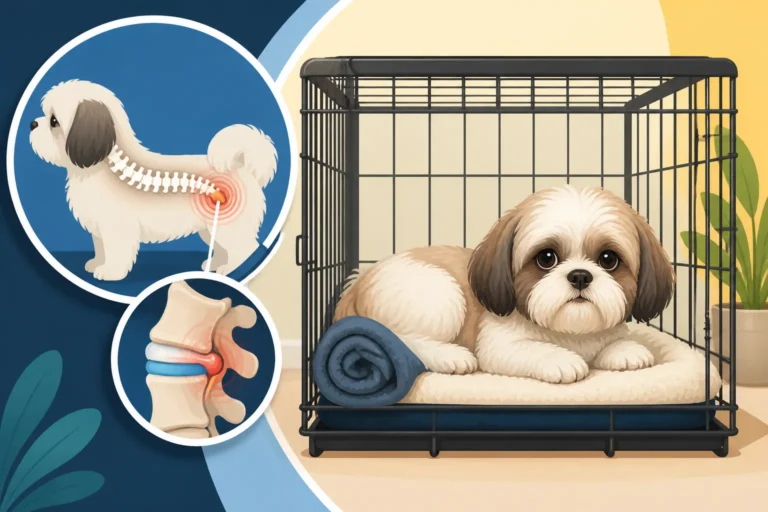
Recovery after cleft palate surgery is a critical phase. The puppy will need careful monitoring, especially in the immediate post-operative period. Pain management is crucial, as is restricting access to their mouth to prevent them from licking or chewing at the sutures, which could lead to dehiscence (the surgical site opening up). This might involve an Elizabethan collar (cone) or even softer recovery collars. A soft food diet will be necessary for several weeks to prevent trauma to the healing palate. Activity will also need to be restricted to allow for proper healing, much like crate rest is often prescribed for Shih Tzu Disc Disease and Sudden Back Pain. Regular follow-up appointments with your vet and surgeon are essential to monitor healing and address any complications, such as infection or the reopening of a portion of the cleft.
Life After Cleft Palate Repair
For many Shih Tzu puppies who successfully undergo cleft palate repair, the long-term outlook is excellent. Once the palate has healed completely and the puppy can eat and drink normally, they can go on to live a full, healthy life just like any other dog. The ability to nurse effectively allows them to thrive, grow, and develop without the constant threat of aspiration pneumonia. You’ll be able to transition them to appropriate puppy kibble and eventually adult food without special feeding techniques.
However, it's important to be realistic. While the primary defect is corrected, some puppies might have residual issues. For instance, sometimes a small 'fistula' (a tiny hole) can remain, which might require a minor secondary repair. There's also the ongoing commitment to regular veterinary check-ups throughout their life, ensuring that their dental health is monitored, especially since Shih Tzu Dental Disease at 13 Percent of the Breed is already a significant concern for the breed. Owners should also be mindful of potential behavioral impacts from their difficult start, though many resilient puppies overcome early challenges beautifully.
The costs associated with diagnosis, specialized feeding, and surgical repair can be substantial. This is where comprehensive pet insurance, like a plan from Healthy Paws, can provide much-needed financial relief. While a cleft palate would be considered a pre-existing condition if a policy is started after diagnosis, ensuring your other pets or future puppies are covered early can make a huge difference if other unforeseen health issues arise. Discussing all potential costs and payment options with your veterinary team beforehand is always a wise decision.
Preventing Cleft Palate in Future Litters
For breeders, the birth of a puppy with a cleft palate is not only emotionally challenging but also a serious indication to review breeding practices. Understanding and mitigating the risks of congenital defects is a cornerstone of responsible breeding.
Genetic Factors and Responsible Breeding
Given the increased incidence of cleft palates in brachycephalic breeds like the Shih Tzu, a strong genetic component is suspected, even if the exact inheritance pattern isn't always simple Mendelian genetics. If a breeding pair has produced a puppy with a cleft palate, or if there's a history of the condition in the pedigree, it's a huge red flag. Responsible breeders will meticulously track their breeding lines and avoid repeating pairings that have produced affected offspring. This may involve removing the parent dogs from future breeding programs or carefully selecting new mates to try and dilute any potential genetic predisposition.
While there isn't a specific genetic test for cleft palate that covers all potential genetic markers, breeders should still prioritize general Health Testing a Shih Tzu Breeder Should Do. This ensures the overall health and genetic diversity of their lines, reducing the likelihood of a range of congenital defects. The goal is always to produce healthy, robust puppies. This means making tough decisions sometimes, but it's essential for the welfare of the breed.
Environmental Influences
While genetics are often the primary driver, environmental factors during pregnancy can also play a role in the development of cleft palates. The mother's health and environment during gestation are crucial. Ensuring the dam receives optimal nutrition with a high-quality diet specifically formulated for pregnant and lactating dogs is paramount. Avoiding nutritional deficiencies, especially folic acid, which is known to play a role in neural tube closure in other species, is important.
Additionally, pregnant dogs should be protected from exposure to certain medications or toxins known to be teratogenic (causing birth defects). Always consult a veterinarian before administering any medication to a pregnant dog. This includes flea and tick preventatives, dewormers, and any other drugs. Maintaining a stress-free environment and ensuring the mother is healthy and well-cared for throughout her pregnancy minimizes potential risks to the developing puppies. Preventing things like Shih Tzu Ear and Skin Infections Under the Coat during pregnancy is also good practice to avoid the need for medications that could pose a risk.
Discussing with Your Breeder
As a prospective puppy owner, discussing potential health issues, including cleft palates, with your breeder is essential. A responsible and ethical breeder will be transparent about their breeding practices, health testing, and any history of congenital issues in their lines. Don't be afraid to ask direct questions about the health of past litters, what health clearances the parents have (such as OFA clearances for hips or patellas, and eye certifications), and what steps they take to ensure the health of their puppies.
A reputable breeder will be knowledgeable about the specific health concerns of the Shih Tzu breed, including brachycephalic-related conditions. They should be able to provide documentation for the parents' health screenings. If you're encountering a breeder who seems evasive or downplays concerns, it's a significant red flag. Choosing a breeder who prioritizes the health and well-being of their dogs, engages in ethical breeding practices, and is committed to continuous improvement is the best way to ensure you bring home a healthy Shih Tzu puppy and contribute to the overall health of the breed. For additional insights into breed-specific concerns, reading up on topics like Brachycephalic Breathing in a Shih Tzu can also be highly informative for prospective owners.
Disclaimer
This article is intended for informational purposes only and does not constitute veterinary advice. If you suspect your Shih Tzu puppy has a cleft palate or any other health concern, please consult with a qualified veterinarian immediately. Early diagnosis and intervention are critical for the well-being of your pet.