Shih Tzu Vaccination and Toy Breed Reactions
Bringing a tiny Shih Tzu puppy home is an incredibly exciting time, full of snuggles and boundless joy. But it also comes with a lot of worries, and one of the biggest for many toy breed owners is navigating their vaccination schedule. There's a genuine fear that these little ones, with their delicate systems, might react more severely to standard vaccine doses. This guide aims to thoroughly explore Shih Tzu vaccination protocols, address common concerns about toy breed reactions, and equip you with proactive strategies to ensure your furry family member stays healthy and safe.
Understanding Shih Tzu Vaccination Protocols
Vaccinations are a cornerstone of preventative medicine for our canine companions, protecting them from a host of potentially deadly diseases. For a breed as special and beloved as the Shih Tzu, understanding which vaccines are truly necessary and why is paramount. It’s not just about getting the shots; it’s about making informed decisions for your individual dog.
Core Vaccines for Shih Tzus
When we talk about "core" vaccines, we're referring to those that are recommended for all dogs, regardless of their lifestyle or geographic location, due to the severe nature and widespread presence of the diseases they prevent. For your Shih Tzu, these are absolutely critical.
First up is the DHLPP or DAPP vaccine, which is actually a combination shot protecting against several diseases: Distemper, Adenovirus (Hepatitis), Parvovirus, and Parainfluenza. Distemper is a highly contagious and often fatal viral disease that attacks the respiratory, gastrointestinal, and nervous systems. Imagine your tiny Shih Tzu struggling with a high fever, coughing, diarrhea, and then potentially developing neurological symptoms like seizures – it's truly devastating. Parvovirus, or "Parvo," is another nightmare, especially for puppies. It's an incredibly hardy virus that causes severe vomiting and bloody diarrhea, leading to rapid dehydration and death if not treated aggressively. Even with treatment, it’s a terrifying ordeal. Adenovirus causes infectious hepatitis, which can be mild to severe, affecting the liver and other organs. Parainfluenza contributes to kennel cough, which, while not usually life-threatening, can be very uncomfortable and lead to secondary infections in a small dog's airway. These diseases are everywhere, and even if your Shih Tzu rarely leaves the house, you can track them in on your shoes or clothing, putting your little one at risk. Protecting your puppy with this series, usually given in multiple doses a few weeks apart, is one of the most important things you can do in their first few months. Getting your puppy started on this series is part of the initial The Puppy Check a Shih Tzu Needs at Eight Weeks.
Then there's Rabies, a universally mandated vaccine due to its public health implications. Rabies is a fatal viral disease that affects the central nervous system, and it can be transmitted to humans. While your Shih Tzu might not be roaming the woods encountering wild animals, even a quick escape into the yard or an unexpected encounter with a bat or another animal could expose them. States and local municipalities require this vaccine by law, typically given once at three or four months of age and then boosted every one or three years, depending on the specific vaccine and local regulations. It's non-negotiable for the safety of your pet and your family.
Non-Core Vaccines and Risk Assessment
Beyond the core vaccines, there's a category known as "non-core" vaccines. These are recommended based on your Shih Tzu's individual risk of exposure, lifestyle, and geographic location. This is where a personalized conversation with your veterinarian really comes into play.
Consider Leptospirosis. Lepto is a bacterial disease spread through the urine of infected wildlife (like raccoons, deer, rodents) and domestic animals. Dogs can contract it by drinking contaminated water from puddles, ponds, or even sniffing infected urine in the grass. If you live in an urban area with a lot of wildlife, or if your Shih Tzu enjoys sniffing around damp areas in your yard or goes to dog parks, this vaccine might be a good idea. However, if your Shih Tzu is primarily an indoor dog, with limited exposure to such environments, your vet might deem it unnecessary. The decision isn't always clear-cut, as even a securely fenced yard can have unwelcome visitors, and a sudden change in routine, like a vacation to a new area, could alter their risk.
Another common non-core vaccine is for Canine Influenza Virus (CIV), often referred to as dog flu. Like human flu, it’s highly contagious, causing respiratory symptoms like coughing, sneezing, and fever. If your Shih Tzu frequents doggy daycare, goes to grooming salons, participates in dog shows, or spends time in boarding kennels, their risk of exposure significantly increases. For a Shih Tzu, whose brachycephalic (flat-faced) anatomy already puts them at a higher risk for respiratory issues, preventing something like dog flu is particularly important. A severe respiratory infection can be much harder on them than on a dog with a longer muzzle.
Lastly, there's the Bordetella bronchiseptica vaccine, which targets one of the main culprits behind "kennel cough." Again, if your Shih Tzu has an active social life involving other dogs or stays in facilities, this vaccine is usually recommended. While kennel cough is rarely life-threatening, it can lead to a persistent, honking cough that sounds terrible and can persist for weeks. For a small dog, constant coughing can be exhausting and distressing, and it can open the door to more serious secondary bacterial infections. Always remember, the decision to give non-core vaccines should be a collaborative one between you and your vet, based on a thorough assessment of your Shih Tzu's unique life.
Why Toy Breeds Can React Differently to Vaccines
It’s completely understandable for Shih Tzu owners to feel a heightened sense of anxiety around vaccinations. These aren't robust farm dogs; they are small, often delicate creatures, and what might be a standard procedure for a larger breed can feel like a big deal for a tiny Shih Tzu. This isn't just an emotional response; there's a physiological basis for these concerns.
Over-Vaccination Concerns in Small Dogs
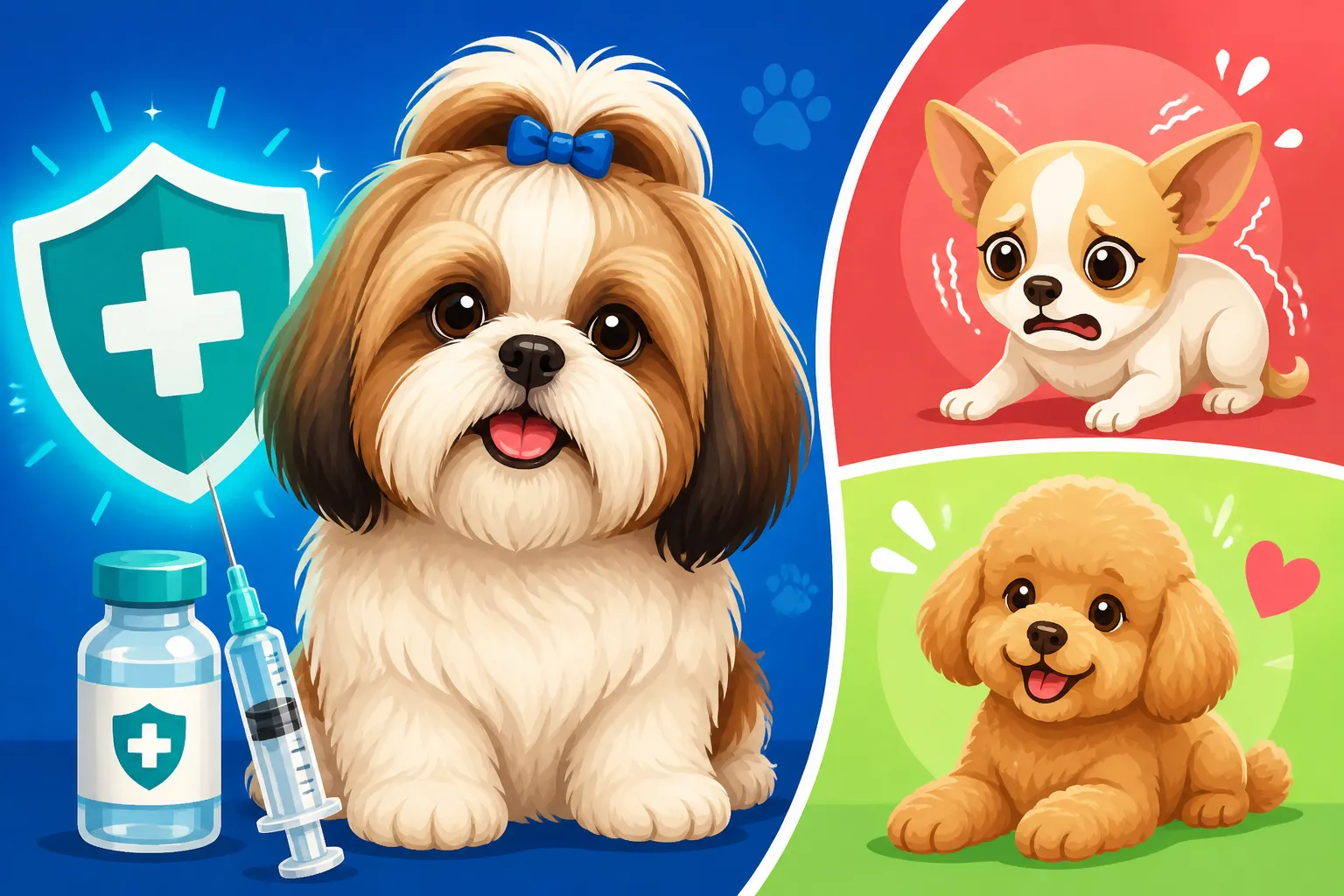
One of the most persistent worries among owners of small breeds like Shih Tzus is the concept of "over-vaccination." The concern stems from the fact that vaccine doses are typically standardized – a dose for a 5-pound Shih Tzu is generally the same as for a 100-pound Great Dane. This means that proportionally, a tiny Shih Tzu receives a much higher vaccine load relative to their body mass compared to a larger dog. While manufacturers assert that the immune response is what's important, not the body weight, many vets and owners still question this practice.
The immune system of a small dog still needs to mount a robust response to the antigens in the vaccine, but some theorize that the sheer volume of inflammatory agents in a standard dose could be more taxing on their smaller system. This isn't to say vaccines are inherently bad, but it highlights why a thoughtful approach is crucial. Owners often observe their tiny dogs feeling much more lethargic or even unwell for a day or two after vaccinations compared to larger breeds, leading to understandable distress. Some vets advocate for smaller, split doses, or spreading out vaccinations, especially if a puppy needs many different ones, to mitigate potential overload. This is a conversation you absolutely should have with your veterinarian, asking if they have specific protocols for toy breeds.
Common and Uncommon Vaccine Reactions
Just like humans, dogs can experience reactions to vaccines. Most of these are mild and transient, but it's important to know what to look for, especially with a Shih Tzu.
Common, mild reactions typically appear within a few hours to a day after vaccination. These include:
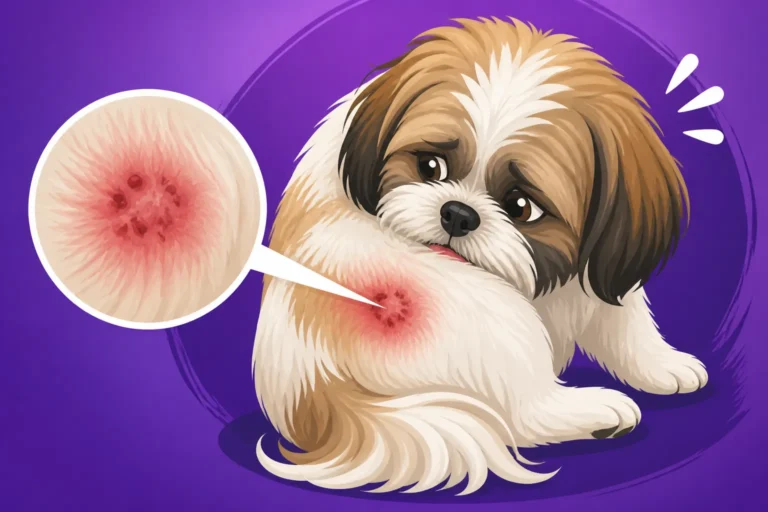
- Mild pain or swelling at the injection site: Your Shih Tzu might be a little sore or sensitive where the shot was given. This is usually very localized and resolves quickly.
- Lethargy or fatigue: Your lively little pup might be unusually quiet, sleep more, or seem less enthusiastic about play.
- Low-grade fever: They might feel a bit warmer than usual.
- Decreased appetite: They might skip a meal or not eat with their usual gusto.
- Mild sneezing or coughing: If it was an intranasal vaccine (like some Bordetella shots), they might have mild respiratory symptoms.
These mild reactions usually resolve on their own within 24-48 hours and typically don't require veterinary intervention, though a quick call to your vet for reassurance is never a bad idea.
More serious, though thankfully less common, reactions can include allergic reactions or immune-mediated responses. These are what worry owners the most, and for good reason.
- Anaphylaxis: This is a severe, life-threatening allergic reaction that typically occurs very rapidly, within minutes to hours after vaccination. Signs include severe facial swelling (especially around the eyes and muzzle), hives, vomiting, diarrhea, difficulty breathing (which can be particularly alarming for a brachycephalic Shih Tzu), collapse, and even seizures. This is a medical emergency, and your dog needs immediate veterinary attention. Be aware of the signs, as this is similar to what you'd see in Shih Tzu Eye Proptosis, the Emergency Owners Miss or What to Do in the First Minutes of a Proptosis – immediate action is key.
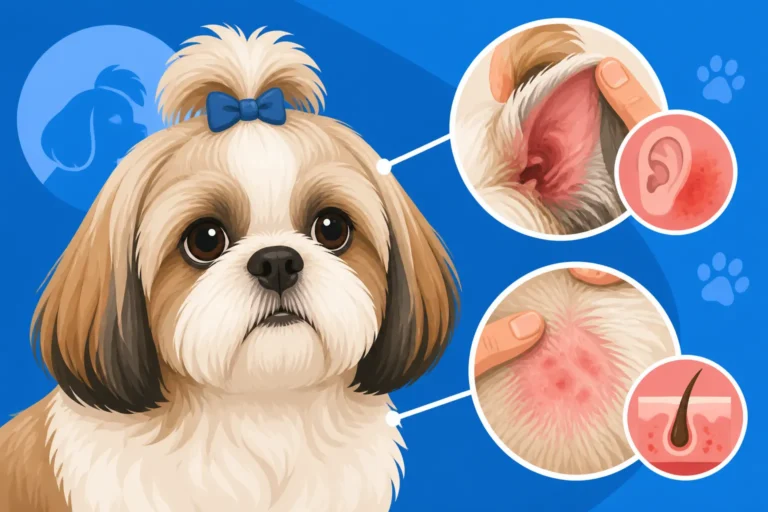
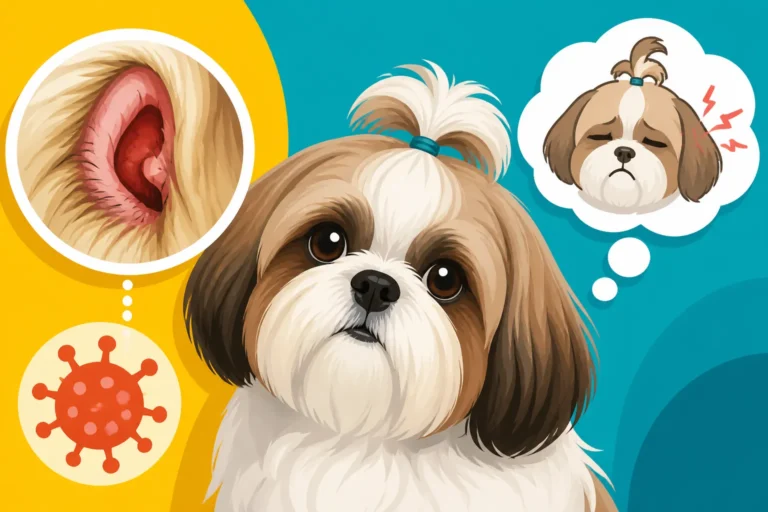
- Immune-mediated reactions: In very rare cases, vaccines can trigger immune-mediated diseases, where the dog's immune system mistakenly attacks its own body. Examples include immune-mediated hemolytic anemia (IMHA) or immune-mediated thrombocytopenia (ITP). These are very serious conditions, requiring intensive and often prolonged treatment.
- Injection site sarcomas: While extremely rare in dogs (more common in cats), a type of tumor can develop at the injection site. This is why vets often inject in specific, easily identifiable locations.
Because of the potential for more severe reactions in small breeds, it's wise to plan your Shih Tzu's vaccine appointments for a time when you can closely monitor them for several hours afterward.
Proactive Strategies to Minimize Vaccine Risks for Your Shih Tzu
Being a proactive advocate for your Shih Tzu's health means engaging in open dialogue with your veterinarian and exploring options that tailor their vaccination plan to their specific needs. It's not about avoiding vaccines entirely, but about smart, responsible vaccination.
Discussing Titers and Extended Vaccine Schedules
One significant way to potentially reduce vaccine frequency, especially for adult Shih Tzus, is through antibody titer testing. A titer test measures the level of antibodies in your dog's blood that were produced in response to previous vaccinations. A sufficient antibody level indicates that your dog still has protective immunity against specific diseases like Distemper and Parvovirus. If the titers are high enough, it means your dog is likely still protected, and a booster vaccine may not be necessary for another year or even longer. This can significantly reduce the cumulative vaccine load over your Shih Tzu's lifetime. Many owners and progressive veterinarians are moving towards titer testing every few years instead of automatically re-vaccinating, especially once a dog has completed its initial puppy series and first annual boosters.
Another strategy, particularly beneficial for puppies or adult Shih Tzus with a history of mild reactions, is an extended vaccine schedule or splitting vaccines. Instead of giving multiple vaccines at one appointment, your vet might suggest spreading them out over several weeks. For instance, rather than administering the DHLPP and Rabies vaccines on the same day, they could be given two to three weeks apart. This approach allows your dog's immune system to focus on one vaccine at a time, potentially reducing the overall physiological stress and the likelihood of a strong reaction. While it means more trips to the vet, many owners find the peace of mind worth the extra effort. For tiny puppies, who are also often undergoing Shih Tzu Puppy Training Month by Month, minimizing stress can aid their overall development. Discussing these options with your vet is crucial to create a plan that works best for your Shih Tzu.
Pre-Vaccination Preparations and Post-Vaccination Monitoring
To give your Shih Tzu the best chance of a smooth vaccination experience, there are a few things you can do before and after the appointment.
Before Vaccination:
- Ensure good health: Your Shih Tzu should be feeling completely well before receiving any vaccines. If they're showing any signs of illness – even minor sniffles, a cough, or lethargy – postpone the vaccination. Their immune system needs to be at its best to respond appropriately to the vaccine, and introducing a vaccine to an already compromised system can increase the risk of a reaction.
- Avoid other stressors: Try not to schedule other stressful events, like a major grooming session, extensive travel, or introducing a new pet, around the same time as vaccinations.
- Hydration and nutrition: Make sure your Shih Tzu is well-hydrated and has eaten normally.
- Communicate any concerns: Talk to your vet about any previous vaccine reactions, even mild ones. They might suggest pre-medicating with an antihistamine, like diphenhydramine (Benadryl), before the shot, especially if your dog has had a mild allergic reaction in the past. Always get your vet's specific dosage and approval.
After Vaccination:
- Close monitoring: Stay home with your Shih Tzu for several hours after the vaccine. This allows you to closely observe them for any immediate reactions, particularly within the first 30 minutes to 3 hours, when most serious allergic reactions occur.
- Quiet rest: Provide a calm, quiet environment for them to rest. Avoid strenuous exercise or overly exciting play.
- Comfort: Offer a comfortable bed and ensure they have easy access to fresh water.
- Watch for signs: Monitor for both mild (lethargy, soreness) and severe (swelling, difficulty breathing, collapse) reactions. Keep an eye on their appetite and demeanor.
- Know when to call: If you notice anything concerning, even if it seems minor but persists, don't hesitate to call your veterinarian immediately. For severe reactions like anaphylaxis, go to the emergency vet without delay.
- Keep records: Maintain detailed records of which vaccines were given, the date, and any reactions observed. This information is invaluable for future discussions with your vet.
Having a plan for unexpected veterinary costs is also crucial. Companies like Healthy Paws offer pet insurance that can help cover emergency visits for vaccine reactions, severe illnesses, or accidents. While no one wants to imagine their pet having an adverse reaction, knowing that you have financial support in place through a provider like Healthy Paws can provide immense peace of mind during stressful times.
Partnering with Your Veterinarian for a Tailored Plan
Your veterinarian is your most important ally in safeguarding your Shih Tzu's health. Building a strong, trusting relationship with them is key to navigating vaccination, especially for a toy breed.
Open Communication is Essential: Don't be afraid to voice all your concerns, questions, and preferences. A good veterinarian will appreciate your engagement and willingness to learn. Ask them about their specific protocols for toy breeds. Inquire about the prevalence of certain diseases in your local area and discuss your Shih Tzu's lifestyle in detail. For example, if your Shih Tzu only goes to the groomer once a year or avoids dog parks entirely, some non-core vaccines might be less critical. It's a two-way street; share everything about your dog's routine and health history, and expect your vet to explain their recommendations thoroughly.
Advocate for Your Shih Tzu: Remember, you are your dog's primary advocate. If you feel uncomfortable with a particular vaccine or schedule, discuss alternatives like titer testing or splitting shots. A vet who truly understands toy breed physiology will be receptive to these conversations and work with you to create a vaccination plan that minimizes risk while maximizing protection. If you don't feel heard or comfortable with their approach, it might be worth seeking a second opinion from another vet who specializes in small animal care or has extensive experience with toy breeds. Finding a vet who genuinely understands the unique challenges and needs of a Shih Tzu, from their potential Brachycephalic Breathing in a Shih Tzu to their Shih Tzu Dental Disease at 13 Percent of the Breed predispositions, is incredibly valuable. They will be better equipped to provide comprehensive care, including a personalized vaccination strategy.
Considering Senior Dogs: As your Shih Tzu ages and you begin focusing on Senior Shih Tzu Care Past the Age of Ten, their vaccination needs might change again. Older dogs, especially those with underlying health conditions, may have a different risk-benefit profile for certain vaccines. Discussing this with your vet can lead to adjustments in their schedule, perhaps relying more on titers or carefully selecting only the most critical core vaccines. A company like Healthy Paws can also be incredibly helpful in covering ongoing health monitoring and treatments as your Shih Tzu enters their golden years, easing the financial burden of comprehensive senior care.
| Vaccine Type | Diseases Protected Against | Typical Schedule (Puppy) | Typical Schedule (Adult) | Common Mild Reactions | Severe (Rare) Reactions |
|---|---|---|---|---|---|
| Core Vaccines | |||||
| DHLPP (DAPP) | Distemper, Hepatitis (Adenovirus), Lepto (Parvo), Parvo, Parainfluenza | 3-4 doses, 2-4 weeks apart (starting 6-8 wks) | Every 1-3 years (based on vet recs/titers) | Lethargy, mild fever, injection site soreness | Anaphylaxis, immune-mediated disease |
| Rabies | Rabies | Single dose (12-16 weeks) | Every 1 or 3 years (legal requirement) | Lethargy, mild fever, injection site soreness, facial swelling (mild) | Anaphylaxis |
| Non-Core Vaccines | |||||
| Leptospirosis | Leptospirosis | 2 doses, 2-4 weeks apart | Annually (if at risk) | Lethargy, fever, injection site soreness, potential kidney issues | Anaphylaxis |
| Bordetella | Kennel Cough | Single dose (oral/intranasal) or 2 doses (injectable) | Annually (if at risk) | Mild cough/sneeze (intranasal), lethargy, injection site soreness | Anaphylaxis, facial swelling |
| Canine Influenza | Dog Flu (H3N2, H3N8) | 2 doses, 2-4 weeks apart | Annually (if at risk) | Lethargy, mild fever, injection site soreness | Anaphylaxis |
Always remember that every Shih Tzu is an individual, and a vaccination plan should reflect their unique health status and lifestyle. Having a supportive vet and a good understanding of the risks and benefits can make all the difference. For peace of mind regarding unexpected health events, including severe vaccine reactions, many owners consider pet insurance. Providers like Healthy Paws offer plans that can cover a significant portion of emergency veterinary bills, ensuring you can focus on your Shih Tzu's recovery without added financial stress. Your vet will also advise you on preventative care against Shih Tzu Parasite Prevention at Low Weight, which is another crucial aspect of keeping your small dog healthy.
Disclaimer
The information provided in this guide is for general educational purposes only and should not be considered a substitute for professional veterinary advice. Always consult with a qualified veterinarian regarding your Shih Tzu's specific health concerns, vaccination schedule, and any medical conditions.