A Shih Tzu Dragging on the Rug
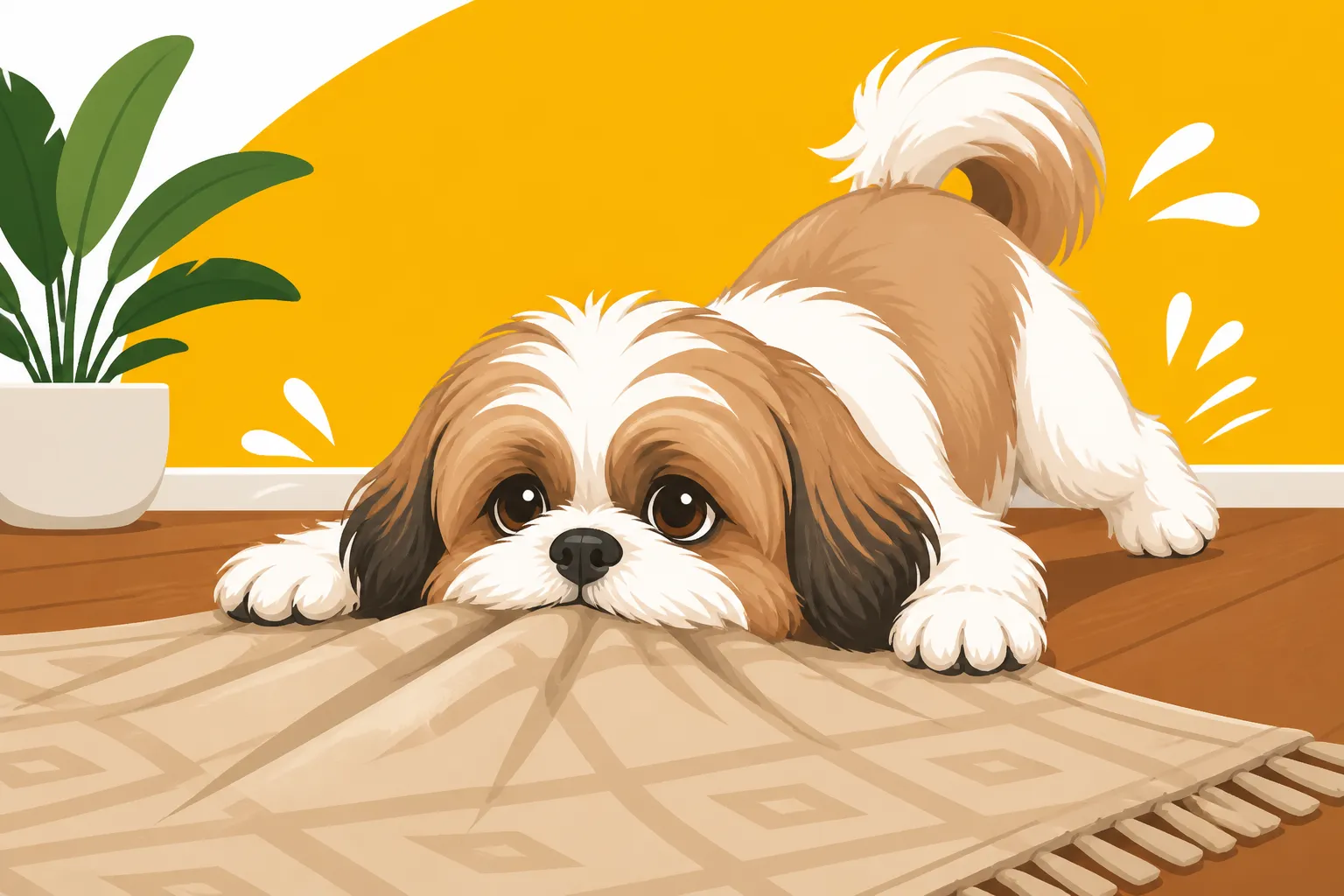
It's incredibly frustrating, and often a little gross, to see your beloved Shih Tzu dragging their bottom across your clean rugs or shiny hardwood floors. This seemingly odd behavior isn't just a quirky habit; it's almost always a clear signal that something is irritating them back there, and they're trying to find some relief. This guide will walk you through the common reasons why your Shih Tzu might be dragging on the rug, how to figure out what's really going on, and the best steps to take to get them comfortable again.
Why Your Shih Tzu Might Be Dragging on the Rug
When your Shih Tzu starts scooting or dragging their rear end, it's a definite sign they're experiencing discomfort, itching, or pain. It's their way of telling you, "Hey, something's not right back here, and I need help!" Given their long coats and often sensitive skin, several issues can lead to this behavior. It’s rarely just a "dirty bum" situation, although hygiene can play a role.
Anal Gland Issues
This is probably the most common culprit behind a Shih Tzu dragging on the rug, and it's something many new dog owners aren't even aware of. Dogs, including our tiny Shih Tzus, have two small anal glands (or sacs) located internally on either side of their anus, typically around the four and eight o'clock positions. These glands produce a foul-smelling liquid that is usually expressed naturally when your dog has a bowel movement, serving as a scent marker.
However, sometimes these glands don't express properly. This can happen for various reasons: perhaps their stool isn't firm enough to provide the necessary pressure, or there might be inflammation or an anatomical issue. When the glands become full and impacted, they become very uncomfortable and itchy. Your Shih Tzu will drag their bottom across surfaces, lick excessively at their rear, or even try to bite back there to relieve the pressure and itch. If left untreated, impacted anal glands can become infected and even abscess, leading to a much more painful and serious situation that requires veterinary intervention. It’s crucial to address this promptly.
Skin Irritation and Allergies
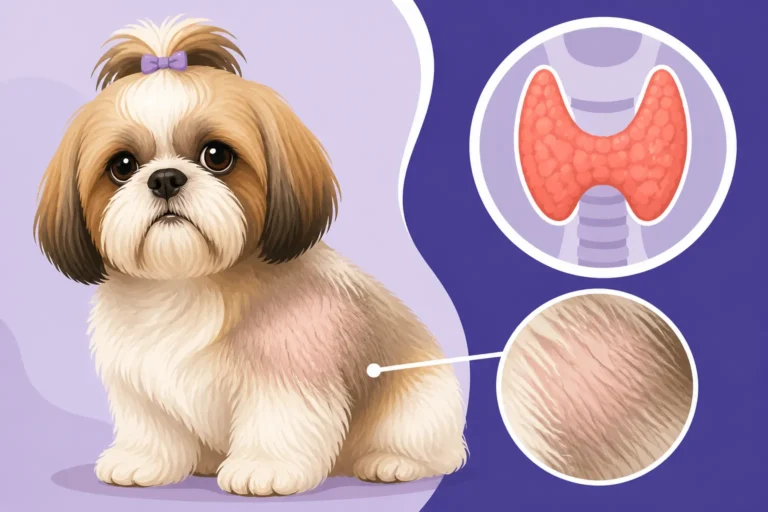
Shih Tzus are unfortunately prone to a variety of skin problems, largely due to their dense double coats and often sensitive skin. Any irritation in the perianal region can cause them to scoot. This irritation could stem from a simple dirty bottom that hasn't been cleaned properly after a bowel movement, especially with their long hair. Fecal matter or even urine residue can stick to their fur, leading to redness and itching.
Beyond simple hygiene, allergies are a huge factor. Just like us, dogs can suffer from environmental allergies (like pollen, dust mites, or grass) or food allergies. When a Shih Tzu has allergies, one common symptom is itchy skin, which can manifest anywhere on their body, including around their rear. If they're constantly licking their paws raw or scratching under a full coat, you can bet their backside might be itchy too. This continuous itching and irritation can lead to hot spots – red, inflamed, often oozing lesions that are incredibly painful and itchy. These can be difficult to spot under a thick coat, so regular grooming and checking their skin are vital. If you’re noticing your Shih Tzu scratching all over, not just their rear, it might be a broader skin issue. For more on this, you might find valuable information in our guide on Shih Tzu Skin Allergies and Hot Spots.
Parasites and Itches
It’s an unpleasant thought, but internal and external parasites can absolutely cause your Shih Tzu to drag their bottom.
Fleas: While fleas are usually found across a dog’s body, especially near the tail base, their bites can cause intense itching. If your Shih Tzu has fleas, they’ll be scratching, biting, and yes, scooting to relieve the generalized itch. You might spot "flea dirt" (tiny black specks, which are flea feces) on their skin or bedding, or even see the fleas themselves if the infestation is severe. Regular flea prevention is non-negotiable for all dogs, especially those prone to skin issues. You can learn more about appropriate prevention in our article, Flea Prevention Dosed at Shih Tzu Weight.
Tapeworms: These internal parasites are often transmitted when a dog ingests a flea carrying tapeworm larvae. Once inside, they mature and shed segments that look like tiny grains of rice around your dog’s anus or in their stool. These segments can be incredibly itchy as they move, causing your Shih Tzu to scoot to dislodge them or relieve the irritation. Regularly deworming your Shih Tzu and maintaining strict flea control can prevent this.
Mites: While less common than fleas or tapeworms to cause direct scooting, certain mites can cause severe skin irritation that might lead to a Shih Tzu dragging their bottom as part of a more generalized itch.
Urinary Tract Infections or Vaginitis
Believe it or not, discomfort from a urinary tract infection (UTI) can sometimes cause a dog to scoot. While more commonly associated with increased urination frequency, straining, or accidents, the irritation and inflammation can extend to the surrounding areas, causing an itchy or uncomfortable sensation that your Shih Tzu tries to relieve by dragging. This is particularly true for female Shih Tzus who might also develop vaginitis, an inflammation of the vagina. Vaginitis can cause discharge, irritation, and itching around the vulva, leading to scooting behavior. If you notice your Shih Tzu licking their urinary area, having trouble urinating, or passing urine more often, a vet visit is definitely in order to check for a UTI or other urinary issues. Our guide on Shih Tzu Bladder Stones and Urinary Problems might offer further insights into related issues.
Orthopedic Discomfort or Pain
This might seem like a less obvious connection, but sometimes a Shih Tzu will drag their bottom not because of an itch, but because they are trying to relieve pressure or discomfort elsewhere. For instance, if your Shih Tzu is experiencing back pain from an issue like intervertebral disc disease (IVDD) – which is unfortunately common in long-backed breeds like Shih Tzus – they might scoot or drag their rear as a way to stretch, reposition, or even just move without putting full weight on their painful back legs.
Similarly, other orthopedic issues such as hip dysplasia or patellar luxation (slipping kneecaps), common in toy breeds, could make walking or sitting uncomfortable. While scooting isn't a primary symptom of these, a dog in pain might adopt unusual postures or movements to alleviate discomfort. For example, if it hurts to lift their back legs, they might drag themselves along. If you notice other signs of pain, like reluctance to jump on the sofa, limping, stiffness, or changes in gait, it’s worth considering an underlying orthopedic issue. Learn more about their susceptible joints in our article, Shih Tzu Joint Problems in a Toy Frame and about specific back issues in Shih Tzu Back Problems and Disc Disease.
Investigating the Cause: When to See the Vet
It's tempting to try and troubleshoot this issue at home, but given the range of potential causes, many of which require professional diagnosis and treatment, a vet visit is almost always the best first step. Trying to express anal glands yourself without proper training, for instance, can cause more harm than good.
Observing Specific Symptoms
Before you head to the vet, take a moment to be a detective for your furry friend. The more information you can provide, the easier it will be for your veterinarian to pinpoint the problem.
- Frequency and Timing: How often is your Shih Tzu scooting? Is it once a day, or multiple times? Does it happen after every bowel movement, or seemingly at random? Does it occur more often after a meal or a walk?
- Other Behaviors: Is the scooting accompanied by excessive licking or biting at their rear? Are they rubbing their tail or hips on furniture? Do they seem generally itchy all over, indicating potential allergies or fleas? Are they acting withdrawn, restless, or showing other signs of pain or discomfort?
- Stool Consistency: Have their bowel movements changed recently? Are they soft, watery, or particularly hard? The consistency of their stool can be a big clue for anal gland issues.
- Visible Changes: Can you see any redness, swelling, discharge, or lesions around their anus or on their skin? Check for flea dirt (small black specks) or even tapeworm segments around their rear.
- General Health: Have there been any other changes in their appetite, energy levels, or drinking habits? Any signs of limping or reluctance to move?
Gathering these details will give your vet a much clearer picture, helping them narrow down the diagnostic possibilities quickly and efficiently.
The Importance of a Professional Diagnosis
While you can gather clues, please don't try to self-diagnose your Shih Tzu's scooting behavior. Many of the underlying issues share similar symptoms but require very different treatments. A veterinarian can perform a thorough physical examination, which will almost always include checking the anal glands. They will be able to determine if they are full, impacted, infected, or abscessed. If the glands seem fine, they can then investigate other potential causes.
This might involve:
- Skin Scrapes or Cytology: If skin irritation or allergies are suspected, they might take a small sample to look for mites, yeast, or bacterial infections.
- Fecal Exam: A stool sample can identify internal parasites like tapeworms.
- Urinalysis: If a UTI is suspected, a urine sample will confirm bacterial presence and help guide antibiotic choice.
- Blood Work: For more generalized health concerns or suspected allergies, blood tests can provide valuable information. For older dogs, a routine senior panel can often catch subtle changes before they become major problems, as discussed in The Senior Panel a Shih Tzu Needs at Ten.
- Orthopedic Exam: If pain or lameness is evident, your vet will perform a full orthopedic exam, potentially including X-rays, to rule out or diagnose joint or spinal issues.
Only with a proper diagnosis can your Shih Tzu receive the correct and most effective treatment, ensuring they get relief quickly and safely.
Practical Steps to Help Your Dragging Shih Tzu
Once you've had your Shih Tzu examined by a veterinarian and have a clear diagnosis, you can implement specific strategies to help them. This isn't just about immediate relief but also about preventing future incidents.
At-Home Grooming and Hygiene
Maintaining excellent hygiene is paramount for a Shih Tzu, especially around their rear end. Their luxurious long coats can easily become soiled, leading to irritation and creating an environment ripe for infection.
- Sanitary Trims: This is non-negotiable for a Shih Tzu. Regularly trim the hair around their anus and vulva short. This prevents fecal matter from sticking to their fur, which can cause irritation, odor, and discomfort. A clean "sanitary area" also makes it easier to clean if accidents happen. You can do this carefully with blunt-nosed scissors or have your professional groomer take care of it during their regular appointments.
- Regular Brushing: Consistent grooming is critical for their overall coat health and helps prevent mats, which can pull at the skin and contribute to discomfort. Pay extra attention to the hindquarters and tail area, as mats can develop there and hide skin issues. Learn how important this is in our article, Brushing a Shih Tzu Double Coat Every Day.
- Wiping After Bowel Movements: For Shih Tzus with longer hair or particularly soft stools, a quick wipe with a pet-safe, unscented cleansing wipe after they potty can make a world of difference. This helps remove any lingering residue that could cause irritation.
- Bathing: Regular bathing (every 2-3 weeks, or as needed) with a gentle, hypoallergenic dog shampoo can keep their skin and coat clean and healthy, especially if environmental allergens are a factor. Always ensure you rinse thoroughly and dry their coat completely to prevent skin issues.
Dietary Considerations
What goes in often affects what comes out, and diet plays a significant role in digestive health, which in turn impacts anal gland function.
- Fiber Intake: Adequate fiber in your Shih Tzu's diet helps produce firm, bulky stools. These firm stools provide the necessary pressure to naturally express the anal glands during defecation. If your vet suspects anal gland issues, they might recommend a diet higher in fiber or a fiber supplement (like canned pumpkin or psyllium husk, always cleared by your vet first).
- Allergy Diets: If food allergies are diagnosed as the cause of skin irritation, switching to a novel protein or hydrolyzed protein diet is essential. This often involves a strict elimination diet trial under veterinary guidance to identify and remove the offending ingredients. Even a slight cheat can ruin weeks of effort, so be diligent!
- Sensitive Stomach Formulas: Some Shih Tzus simply have sensitive digestive systems. A diet formulated for sensitive stomachs can help ensure consistent, healthy bowel movements, reducing the likelihood of loose stools that fail to express anal glands.
Environmental Management
For Shih Tzus suffering from environmental allergies, managing their surroundings can significantly reduce their itchiness and thus, their need to scoot.
- Allergen Reduction: Regularly vacuuming, washing pet bedding in hot water, and using air purifiers can help reduce dust mites and pollen indoors.
- Wiping Paws and Coat: After walks, especially during allergy season, wipe down your Shih Tzu's paws and belly with a damp cloth or pet-safe wipe to remove pollen and other outdoor allergens before they track them inside.
- Controlled Exposure: Limit exposure to known outdoor allergens if possible. For example, if grass irritates them, consider walking on pavement or in areas with less grass.
- Cooling Environment: While not directly related to scooting, keeping your Shih Tzu cool, especially during warmer months, helps prevent generalized discomfort and potential skin flare-ups related to heat. Learn more about keeping them comfortable in Why a Shih Tzu Overheats So Easily.
Preventing Future Incidents
Proactive care is the best defense against your Shih Tzu dragging on the rug.
- Routine Vet Checks: Regular veterinary check-ups are crucial. During these visits, your vet can routinely check your Shih Tzu's anal glands, monitor their overall skin health, and ensure all preventative measures are up to date. For senior Shih Tzus, these check-ups are even more vital to catch subtle signs of aging or chronic conditions, as detailed in Senior Shih Tzu Care Past the Age of Ten.
- Anal Gland Expression (if needed): If your Shih Tzu consistently struggles with anal gland impaction, your vet might recommend regular manual expression. This can be done by a vet or a trained groomer. Never attempt this yourself without proper training, as you could cause injury or rupture.
- Parasite Control: Maintain a consistent schedule for flea, tick, and worm prevention as recommended by your veterinarian. This is a cornerstone of good preventative health and will prevent many types of itching and irritation.
- Weight Management: Keep your Shih Tzu at a healthy weight. Obesity can sometimes contribute to anal gland issues, as excess fat can make natural expression more difficult. If your Shih Tzu is carrying a few extra pounds, it can put a strain on their tiny frame and exacerbate other health issues. Our article on Shih Tzu Obesity on a Sixteen Pound Frame offers more guidance on this.
By combining veterinary care with diligent at-home management, you can help your Shih Tzu live a much more comfortable and itch-free life, saving your rugs in the process! And remember, when unexpected vet bills arise, services like Healthy Paws pet insurance can be a lifesaver, helping cover costs for these common Shih Tzu ailments from anal gland issues to allergy treatments and even orthopedic concerns.
Understanding Common Causes of Dragging
To help you quickly identify potential issues, here's a table summarizing the common reasons a Shih Tzu might drag its rear, along with key signs and typical approaches.
| Potential Cause | Key Signs to Look For | Typical Approach |
|---|---|---|
| Anal Gland Issues | Excessive licking/biting at rear, strong foul odor, visible swelling around anus (severe cases), pain when sitting, difficulty defecating, small firm stools. | Vet expression, dietary fiber adjustment, anti-inflammatories if infected. |
| Skin Irritation/Allergies | Redness, inflammation, visible rash, hot spots, generalized itching (licking paws, scratching ears), dandruff, hair loss, unpleasant skin odor. | Allergy testing, hypoallergenic shampoos, medication (antihistamines, steroids), diet change (for food allergies), regular grooming. |
| Parasites (Fleas/Worms) | Visible fleas/flea dirt, tapeworm segments (like rice grains) around anus or in stool, generalized itching, scabs, skin irritation, weight loss, pot-bellied appearance (severe worms). | Flea/tick prevention medication, deworming medication, regular fecal exams. |
| Urinary Issues (UTI/Vaginitis) | Frequent urination, straining to urinate, bloody or cloudy urine, excessive licking of genitals, inappropriate urination, discharge from vulva (vaginitis). | Urinalysis and culture, antibiotics, anti-inflammatory medication, sometimes surgery for chronic vaginitis. |
| Orthopedic Discomfort | Limping, stiffness, reluctance to jump/climb stairs, favoring a limb, vocalizing in pain, difficulty getting up, changes in gait, unusual postures. Scooting might be a secondary effort to relieve pressure or move without pain. | Vet examination (X-rays, MRI), pain medication, anti-inflammatories, physical therapy, weight management, sometimes surgery (e.g., for Patellar Luxation in a Shih Tzu). |
Disclaimer
The information provided in this article is for educational and informational purposes only and does not constitute veterinary advice. Always consult with a qualified veterinarian for any health concerns or before making any decisions about your pet's health or treatment.