Ramps for a Shih Tzu With a Long Spine
It’s a heartbreaking sight when your active Shih Tzu, who used to leap onto the sofa with boundless energy, suddenly hesitates or yelps in pain. This common scenario highlights the silent vulnerability many Shih Tzu owners face: their beloved companion's long, delicate spine is prone to injury. This comprehensive guide will walk you through why ramps are not just a luxury but a necessity for safeguarding your Shih Tzu's spinal health and ensuring a happy, comfortable life, preventing painful incidents before they even start.
Why Your Shih Tzu's Spine Needs Extra Protection
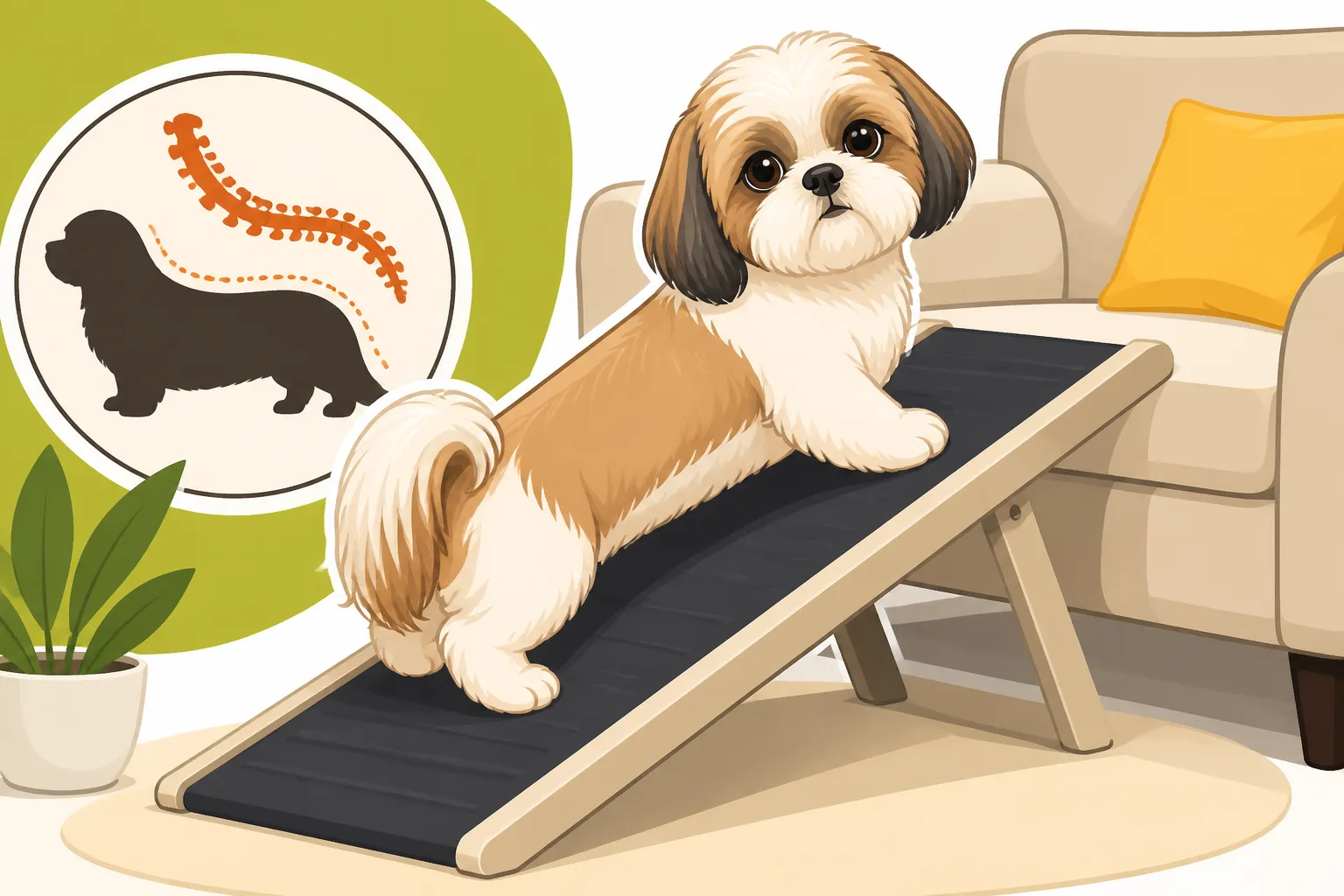
The adorable, compact stature of a Shih Tzu often masks a critical anatomical predisposition: their long back and relatively short legs make them particularly susceptible to certain spinal conditions. Unlike breeds built for running and jumping, a Shih Tzu’s body isn’t designed for impact. Every jump off the bed or awkward landing can put undue stress on their vertebral discs, leading to painful and debilitating issues.
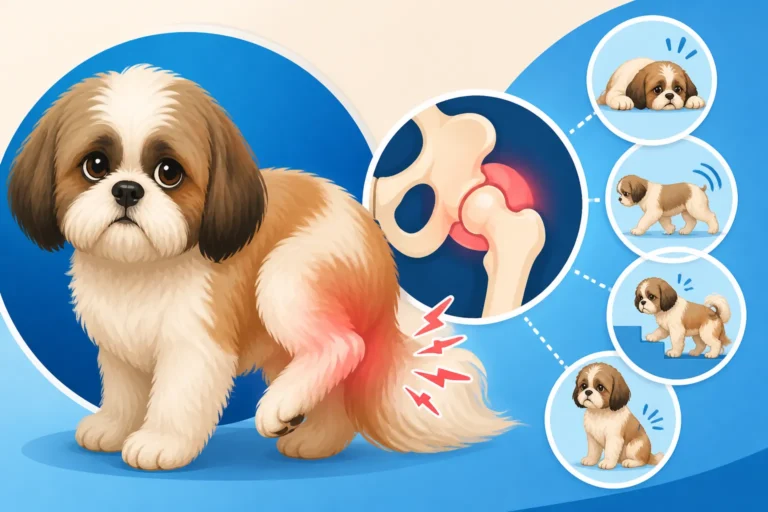
One of the most concerning conditions for Shih Tzus is Intervertebral Disc Disease (IVDD). This isn't just a fancy vet term; it's a very real, very painful reality where the cushioning discs between the vertebrae bulge or rupture into the spinal canal. When this happens, it compresses the spinal cord, leading to pain, weakness, nerve damage, and even paralysis. We've talked extensively about Shih Tzu Back Problems and Disc Disease before, and it’s truly a condition every owner should be vigilant about. Imagine the feeling of a pinched nerve, but across your entire back – that’s what your little one could be experiencing.
The reality is that activities we consider normal, like jumping on and off furniture or climbing stairs, are high-risk maneuvers for a Shih Tzu's spine. A sudden jolt or an awkward landing can be the trigger for a disc to slip, and once a disc begins to degenerate, it becomes even more vulnerable to further injury. This vulnerability is present even in young, seemingly healthy dogs. It's not just an old-age problem, though it certainly becomes more prevalent as they get older and discs naturally lose some elasticity.
Furthermore, a Shih Tzu’s overall weight plays a significant role. Even What Two Extra Pounds Do to a Shih Tzu can put immense strain on their small frame and delicate spine, increasing the risk of disc issues. This is why managing their weight and preventing high-impact activities are two critical components of proactive spinal care. It’s about understanding their unique build and adapting their environment to support it, ensuring they can navigate their world safely without risking a serious injury that could impact their quality of life.
The Undeniable Benefits of Ramps for Your Shih Tzu
Introducing ramps into your home isn't about coddling your Shih Tzu; it's about providing essential preventative care and enhancing their quality of life. These simple structures can make a monumental difference in preventing injuries and supporting their mobility, especially as they age or if they’ve already experienced a spinal incident.
Preventing Devastating Spinal Injuries
The primary benefit of ramps is injury prevention. Every time your Shih Tzu jumps off the sofa or bed, they're putting repetitive stress on their spine and joints. While a healthy, young Shih Tzu might bounce back easily from these impacts, the cumulative effect can contribute to disc degeneration over time. A single misstep can be all it takes to cause a serious issue like IVDD or exacerbate an existing one. By eliminating the need for jumping, ramps remove this critical risk factor. They provide a gentle, controlled incline that allows your Shih Tzu to access their favorite spots without any jarring impacts. This simple change can dramatically reduce the chances of a disc rupture or other painful back injuries, saving your dog from immense suffering and you from significant emotional and financial strain.
Aiding Recovery and Supporting Mobility
For Shih Tzus who have already suffered a spinal injury, ramps become indispensable tools for recovery and ongoing mobility. Following incidents like a slipped disc, veterinarians often prescribe strict crate rest to allow the spine to heal. Once that period is over, careful reintroduction to movement is crucial. Ramps ensure that your recovering pup can still reach their beloved cuddle spots without reinjuring themselves. Imagine a Shih Tzu who has just gone through Crate Rest for a Shih Tzu With a Slipped Disc; preventing them from jumping is paramount to successful healing.
Even for senior Shih Tzus experiencing natural age-related mobility decline, ramps offer invaluable support. As dogs get older, their joints may ache, muscles might weaken, and conditions like arthritis can set in. Climbing stairs or jumping can become painful, difficult, or even impossible. Ramps provide an accessible pathway, allowing them to maintain their independence and continue enjoying their favorite elevated perches. This extends their comfortable years and reduces the physical burden on owners who might otherwise need to lift them constantly, which itself can also pose a risk to both dog and human. For tips on how to keep your old companion comfortable, take a look at our guide on Senior Shih Tzu Care Past the Age of Ten.
Choosing the Right Ramp for Your Shih Tzu
Selecting the perfect ramp for your Shih Tzu involves more than just picking the first one you see. You need to consider several factors to ensure it's safe, effective, and comfortable for your little lion dog. The right ramp will be an investment in their long-term health and happiness.
Ramp Versus Stairs: A Clear Choice for Spine Health
When it comes to aiding your Shih Tzu in reaching elevated surfaces, you might encounter both ramps and pet stairs. For a breed predisposed to spinal issues, the choice is unequivocally a ramp. While stairs might seem convenient, they still require your dog to lift their body weight step-by-step, putting repetitive strain on their back and joints with each mini-jump. This is especially true for Why Stairs Are Hard on a Shih Tzu Spine. Each step involves a slight impact and twisting motion that can be detrimental.
Ramps, on the other hand, provide a smooth, continuous incline that eliminates any jumping or stepping motion. Your Shih Tzu can simply walk up or down, distributing their weight evenly and avoiding any sudden jolts to their delicate spine. This makes ramps the superior choice for preventing injury and supporting joint health in the long run.
Key Features to Look For
When you're ready to purchase a ramp, keep these essential features in mind to find the best fit for your Shih Tzu and your home:
- Height and Length: The ramp's height should match the furniture it's intended for – whether it's your bed, sofa, or a car seat. More importantly, the length of the ramp is crucial for creating a gentle incline. A longer ramp will have a shallower slope, making it easier and safer for your Shih Tzu to use. Avoid short, steep ramps, as these can be just as challenging as jumping. A good rule of thumb is to aim for a ramp that's at least twice the height of the surface it's reaching, ideally even longer for a very gentle slope.
- Surface Material: The ramp surface needs to provide excellent traction to prevent slips and falls. Look for carpeting, rubberized treads, or sandpaper-like textures. Smooth, slick surfaces like polished wood or plastic are dangerous and should be avoided, as a slip can easily lead to injury. A textured surface gives your Shih Tzu confidence as they ascend and descend.
- Stability: A wobbly or unstable ramp will deter your Shih Tzu from using it and could even cause an accident. Choose a ramp with a sturdy construction and a wide base that won't tip or slide during use. Rubber feet on the bottom can help prevent movement on slick floors.
- Weight Capacity: While Shih Tzus are small, ensuring the ramp can comfortably support their weight (and yours, if you ever need to demonstrate) is important for safety and durability. Most pet ramps are designed for small to medium dogs, but always double-check the manufacturer's specifications.
- Portability: If you plan to use the ramp in multiple locations (e.g., from the sofa to the car), consider a lightweight, foldable, or collapsible design. However, prioritize stability over extreme portability if it means sacrificing sturdiness.
| Feature | Ideal for Shih Tzus | Why It Matters |
|---|---|---|
| Length | Long (2x+ height of surface) | Creates a gentle, safe incline, reducing strain on the back and joints. |
| Surface | Carpeted, rubberized, non-slip texture | Provides excellent traction, preventing slips and falls, building confidence. |
| Stability | Sturdy construction, wide base, rubber feet | Prevents wobbling or tipping, ensuring safety and encouraging consistent use. |
| Height | Matches furniture height precisely | No gaps or awkward transitions; seamless access to beds, sofas, etc. |
| Material | Durable wood, high-quality plastic, or aluminum | Withstands daily use, ensuring longevity and consistent support. |
| Portability | Foldable/collapsible for multiple locations (if needed) | Convenience for use in different areas or travel, without sacrificing stability. |
Where to Place Ramps in Your Home
Think about all the places your Shih Tzu currently jumps to reach. These are your priority spots for ramps:
- Beds: If your Shih Tzu sleeps with you or enjoys lounging on your bed, a ramp is essential. Even a low bed can pose a risk for their spine.
- Sofas and Chairs: Any furniture your Shih Tzu regularly accesses should have a dedicated ramp. This is especially important if you’ve noticed A Shih Tzu That Will Not Jump on the Sofa anymore, which can be an early sign of discomfort or pain.
- Car Access: For car rides, a portable ramp for your Shih Tzu to enter and exit the vehicle can prevent injuries, particularly for the back legs and spine. This is often overlooked but just as important as indoor ramps. Many companies, including those offering comprehensive pet care solutions like Healthy Paws, emphasize preventative measures to avoid costly vet visits down the road. Investing in good quality ramps might seem like an upfront expense, but it could potentially save you from significant future bills associated with spinal injuries, which can reach into the thousands for diagnosis and surgery.
- Other Elevated Spots: Consider any other elevated areas your Shih Tzu likes to access, such as windowsills they jump to look out of (if accessible) or even pet steps leading to a raised food bowl for older dogs.
By strategically placing ramps, you create a safe environment where your Shih Tzu can move freely and comfortably, minimizing their risk of injury.
Training Your Shih Tzu to Use a Ramp
Even the best ramp won't do much good if your Shih Tzu is wary of using it. Training is key to making the ramp a natural and positive part of their routine. Patience and positive reinforcement are your best friends here.
Making it a Positive Experience
The first step is to associate the ramp with good things. Never force your Shih Tzu onto the ramp, as this can create a negative association and make them fearful. Instead, use their favorite high-value treats and enthusiastic praise.
Start by placing treats on the lowest part of the ramp, encouraging them to approach and sniff. As they get comfortable, gradually place treats higher up the ramp, leading them step by step. If they show any hesitation, go back to where they were comfortable and try again slowly. The goal is for them to see the ramp as a pathway to rewards and comfort, not a scary obstacle. Keep the sessions short and fun, ending on a positive note.
Step-by-Step Training Guide
Here's a detailed approach to teaching your Shih Tzu to confidently use their new ramp:
- Introduce the Ramp on Flat Ground: Place the ramp flat on the floor, not against any furniture initially. Let your Shih Tzu explore it at their own pace. Scatter treats on and around it.
- Lure Up the Incline: Once they're comfortable on the flat ramp, prop it up slightly against a very low step or cushion. Use a trail of treats to lure them up and down the gentle slope. Walk beside them, offering encouragement.
- Against Low Furniture: Move the ramp to a low piece of furniture, like a dog bed or a low ottoman. Again, use treats to encourage them to go up and down. Praise lavishly when they succeed.
- Target High Furniture: Gradually introduce the ramp to higher furniture, like the sofa or your bed. Continue using treats and praise. At first, you might need to place a treat at the very top to motivate them to complete the ascent.
- Practice Going Down: Many dogs find going down a ramp more challenging than going up. Stand at the bottom of the ramp with a treat and encourage them to descend. If they hesitate, gently guide them with a hand on their chest (not pushing from behind) while offering the treat. Make sure they always have a clear path at the bottom.
- Consistency is Key: Use the ramp every single time they want to get on or off furniture. Consistency is vital for them to understand that this is the new, safe way to access their favorite spots. It might take a few days or even a couple of weeks, but with patience, most Shih Tzus will adapt.
Troubleshooting Common Issues
Sometimes, despite your best efforts, your Shih Tzu might still be reluctant. Don't give up!
- Fear or Hesitation: If your Shih Tzu is fearful, slow down the process. Revert to a flatter incline or simpler steps. Try placing a familiar blanket or their favorite toy on the ramp to make it more appealing. You can also try coating the ramp with a scent they love, like a tiny smear of peanut butter (xylitol-free, of course) at intervals.
- Slipping Concerns: If the ramp surface is too smooth, your Shih Tzu might feel insecure. You can add non-slip strips or a piece of thin carpet secured with double-sided tape (ensure it’s pet-safe and won't snag their nails). Their paws or nails might also need a trim to ensure good grip.
- Ignoring the Ramp: If your Shih Tzu tries to jump past the ramp, block off the jumping path temporarily. Make the ramp the only option. You might need to physically block them from jumping off the furniture and gently guide them to the ramp. Over time, they'll learn the new routine. Remember, persistence pays off, and protecting their spine is worth every effort, potentially preventing Shih Tzu Disc Surgery Costs in the future. Should the worst happen and your Shih Tzu needs surgery, knowing you have a reliable pet insurance provider like Healthy Paws can certainly bring peace of mind, though preventing the injury altogether is always the best outcome.
By taking these steps, you'll not only protect your Shih Tzu's long, delicate spine but also empower them to enjoy their elevated kingdom safely and independently for many years to come. This commitment to their well-being ensures they remain the happy, confident companions you adore.
Disclaimer
The information provided in this article is for general informational purposes only and is not intended as a substitute for professional veterinary advice. Always consult with a qualified veterinarian for any health concerns or before making any decisions about your pet's health or treatment.