Whether a Shih Tzu Walks Again After Disc Surgery
One of the most terrifying things a Shih Tzu parent can experience is waking up to find their beloved companion suddenly unable to use their back legs, or perhaps dragging them weakly. The panic sets in, the rush to the emergency vet, and then the devastating diagnosis: intervertebral disc disease, often requiring urgent surgery. In those frightening moments, one question looms largest: "Will my Shih Tzu ever walk again?" This guide aims to provide a realistic, empathetic, and comprehensive look at what to expect after disc surgery for your Shih Tzu, focusing on the journey to regaining mobility and supporting their quality of life.
Understanding Intervertebral Disc Disease in Shih Tzus and the Need for Surgery
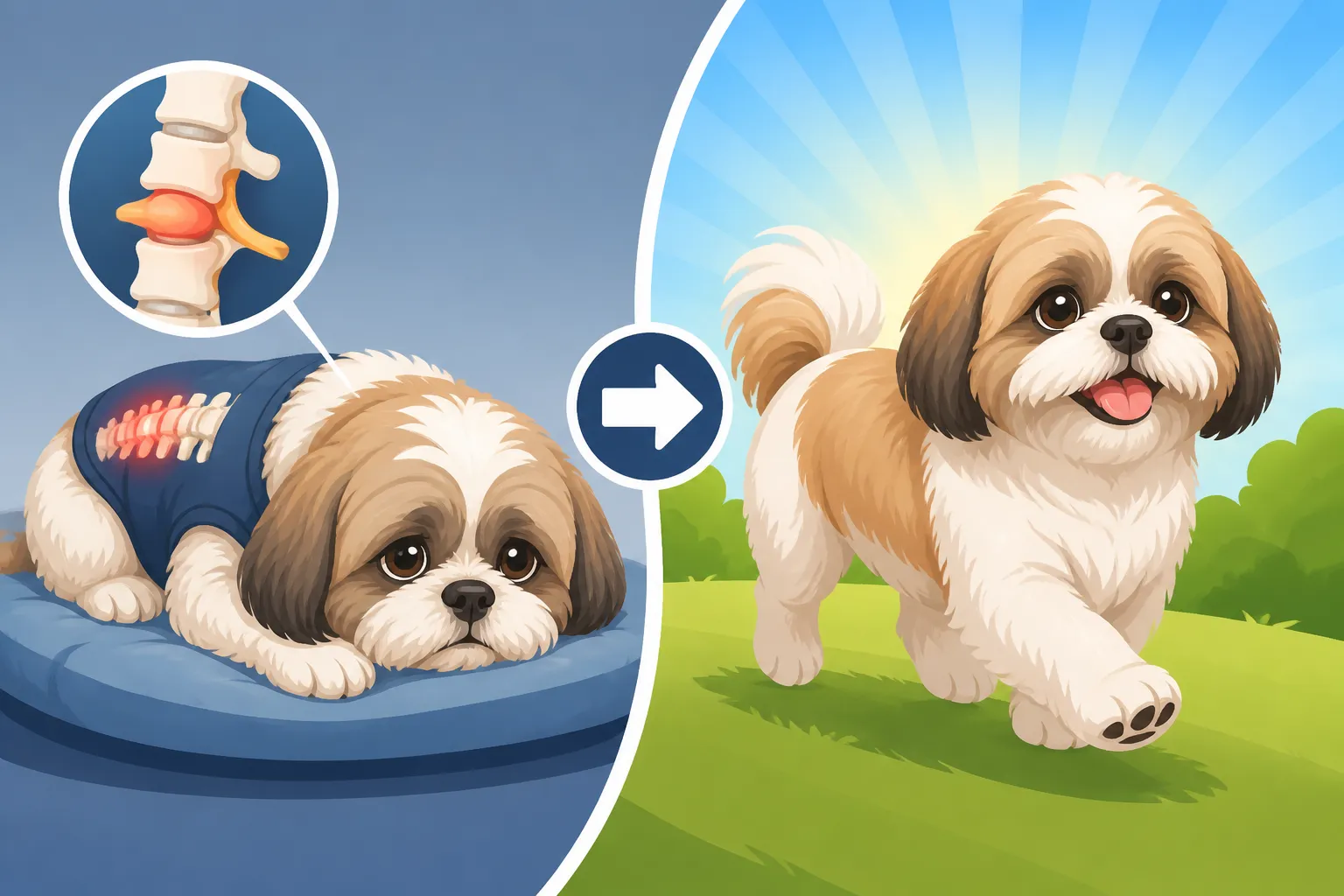
Before we delve into recovery, it’s crucial to understand exactly what we're up against. Shih Tzus, like many other chondrodystrophic breeds (those with abnormally short legs and long backs), are unfortunately predisposed to intervertebral disc disease (IVDD). Their unique physical structure, with a long, flexible spine and relatively short legs, puts immense pressure on the discs that cushion their vertebrae. These discs are like little jelly donuts, designed to absorb shock. With IVDD, the outer fibrous layer of a disc can degenerate, allowing the jelly-like center to bulge or rupture into the spinal canal.
When this happens, it presses on the spinal cord, leading to pain, weakness, and, in severe cases, complete paralysis. It's not just a "slipped disc" in the human sense; it's a serious neurological emergency. We've all seen our little lion dogs leap off the sofa or bound down a few stairs, seemingly without a care in the world. But each of those seemingly innocuous movements can, over time, contribute to disc degeneration. For some Shih Tzus, a sudden twist, jump, or even just an awkward landing can be the straw that breaks the camel's back, so to speak, causing a disc to herniate.
Surgery, often a procedure called a hemilaminectomy, becomes necessary when the compression on the spinal cord is severe, progressive, or not responding to conservative management like strict crate rest and medication. This is usually the case when a Shih Tzu experiences significant neurological deficits, such as hind leg weakness, ataxia (wobbliness), or paralysis, especially if they've lost deep pain sensation in their paws. The goal of surgery is to decompress the spinal cord by removing the herniated disc material, relieving the pressure, and giving the spinal cord a chance to heal. It's a daunting prospect, but for many Shih Tzus, it offers the best chance at regaining function. The alternative, if surgery isn't performed when needed, can be permanent paralysis and chronic pain. You might be interested in a deeper dive into the mechanics of IVDD in the article, Shih Tzu Disc Disease and Sudden Back Pain.
The Intensive Road to Recovery: Post-Surgery Care and Expectations
The moment your Shih Tzu comes home from disc surgery, the real work begins. This isn't a quick fix where they bounce back overnight; it's a marathon, not a sprint, and it requires an incredible amount of dedication from you, the owner. Immediately post-surgery, your vet will emphasize strict confinement. This means crate rest, and when we say strict, we mean it. For most Shih Tzus, this can last anywhere from four to eight weeks, sometimes even longer depending on the severity of the injury and the individual dog's recovery. This is not about being cruel; it's absolutely vital to prevent further injury to the healing spine and allow scar tissue to form properly. Think of it like a human recovering from back surgery – they wouldn't be allowed to run around freely either!
During this period, your Shih Tzu will likely be on pain medication and possibly muscle relaxants, which can make them a bit drowsy or wobbly. It's essential to administer these exactly as prescribed to manage their discomfort. You'll also need to monitor them closely for signs of pain, changes in appetite, or any difficulty urinating or defecating. If they're still experiencing paralysis, bladder and bowel expression might be necessary, which your vet team will teach you how to do. This can feel overwhelming, but it's a critical part of preventing complications.
Physical therapy is the cornerstone of recovery after disc surgery. While strict rest is paramount initially, controlled movement is essential to rebuild muscle strength, improve balance, and retrain neurological pathways. This often starts with passive range of motion exercises, where you gently move your Shih Tzu's legs to prevent stiffness. As they progress, hydrotherapy (underwater treadmill) can be incredibly beneficial. The buoyancy of the water reduces weight-bearing stress while allowing them to practice walking movements, building muscle without overstraining the spine. Many pet owners find a dedicated rehabilitation specialist invaluable for guiding them through these steps, ensuring exercises are done correctly and safely. A related topic, Crate Rest for a Shih Tzu With a Slipped Disc, provides more details on confinement.
Factors Influencing Walking Again After Surgery
The burning question remains: will my Shih Tzu walk again? The honest answer is, it depends on several factors, but the prognosis is generally good for many Shih Tzus if intervention is timely and rehabilitation is consistent. It's certainly not a guarantee, and setting realistic expectations is crucial.
Severity of the Spinal Cord Injury
This is perhaps the most critical factor. The degree of neurological deficit before surgery plays a massive role in the outcome. Vets often grade IVDD cases from Grade 1 (pain only) to Grade 5 (complete paralysis with loss of deep pain sensation).
- Grades 1-3 (Pain, mild weakness, wobbliness): Shih Tzus in these categories, especially after surgery, have an excellent prognosis, often 90% or higher, for regaining full or near-full mobility. They might be a bit wobbly for a while, but most learn to walk and run normally again.
- Grade 4 (Paralysis but with deep pain sensation present): The prognosis is still good, usually around 80-90% success rate for walking again. They might take longer to recover and may retain some minor deficits, but functional mobility is highly probable.
- Grade 5 (Complete paralysis with loss of deep pain sensation): This is the most severe category, and unfortunately, the prognosis is significantly lower, typically around 50-60%. If deep pain sensation is absent for more than 48 hours, the chances decrease further. However, 50-60% is still a meaningful chance, and many Shih Tzus in this category do learn to walk again, albeit sometimes with residual weakness or a unique gait. Some might never regain perfect walking but can still be highly mobile with the help of a cart or assisted walking.
Speed of Intervention
Time is of the essence when it comes to spinal cord compression. The faster the disc material is removed from the spinal cord after the onset of severe symptoms, the better the chances of a positive outcome. Every hour that the spinal cord remains compressed can lead to more irreversible damage. This is why emergency veterinary care is so critical when you suspect a disc issue. Don't wait to see if it improves; get to the vet immediately.
Dedication to Post-Operative Care and Rehabilitation
This cannot be stressed enough. Your commitment to strict crate rest, medication schedules, and the physical therapy regimen prescribed by your vet or rehabilitation specialist directly impacts your Shih Tzu's recovery. Skipping sessions, allowing them to jump, or not performing exercises diligently can severely hinder progress or even lead to re-injury. It's a huge time commitment, and often an emotional and financial one, but it’s what gives them the best shot. Pet insurance, such as a plan from Healthy Paws, can be an absolute lifesaver here, covering a significant portion of these high costs and allowing you to focus on your dog's recovery without added financial strain. The article Shih Tzu Disc Surgery Costs can give you an idea of the financial investment.
Potential Complications and Other Health Issues
While surgery generally has a good success rate, complications can arise. These might include surgical site infections, anesthetic complications (especially relevant for brachycephalic breeds like Shih Tzus, as discussed in Shih Tzu Anesthesia Risk From a Flat Face ), or persistent neurological deficits despite successful decompression. Some Shih Tzus might develop myelomalacia, a devastating progressive softening of the spinal cord, which unfortunately has a very poor prognosis. Other underlying health conditions, such as obesity (which adds extra strain on the spine, see Shih Tzu Obesity on a Sixteen Pound Frame), or concurrent joint problems like Patellar Luxation in a Shih Tzu can also influence recovery and overall mobility.
The Role of Your Veterinary Team
Having an experienced veterinary neurologist and a dedicated rehabilitation therapist on your side is paramount. They can provide accurate diagnosis, skilled surgical intervention, and a tailored rehabilitation plan. They'll also be your best resource for realistic expectations and support throughout the challenging recovery period. Don't hesitate to ask questions, no matter how small they seem.
| Factor | Impact on Walking Again (General Trend) | Notes |
|---|---|---|
| Pre-Surgery Neurological Grade | Grades 1-4: High (80-90%+) Grade 5 (no deep pain): Moderate (50-60%) |
The most critical indicator. Loss of deep pain sensation is a major hurdle. |
| Timeliness of Surgery | Faster: Better prognosis | Every hour matters; prolonged compression increases irreversible damage. |
| Strict Crate Rest (4-8+ weeks) | Adherence: Crucial for healing and preventing re-injury | Prevents further damage, allows disc material to stabilize, and minimizes inflammation. |
| Dedicated Physical Therapy | Consistent: Essential for regaining strength, balance, and coordination | Hydrotherapy, passive range of motion, and specific exercises rebuild muscle and retrain nerves. |
| Pain Management | Effective: Supports comfort and willingness to move | Proper medication reduces discomfort, allowing for better engagement in therapy. |
| Owner Commitment & Patience | High: Directly correlates to success | Recovery is a long, arduous process requiring immense dedication, time, and emotional resilience from the owner. |
| Absence of Complications | Favorable: Uninterrupted recovery | Infections, myelomalacia, or anesthetic issues can severely impact outcome. |
| Overall Health & Weight | Good: Less strain on healing spine | Obesity or other chronic conditions can complicate recovery and put future stress on the spine. |
Living with a Shih Tzu Post-IVDD: Long-Term Management and Support
Even after your Shih Tzu is walking again, the journey isn't over. Post-IVDD life often involves long-term management to prevent recurrence and ensure the highest possible quality of life. This means a lifelong commitment to certain precautions and care routines.
Preventing Recurrence
The most important aspect of long-term care is preventing another disc herniation. This means eliminating activities that put strain on their delicate spines.
- No Jumping: This is non-negotiable. Invest in pet ramps for furniture access and teach your Shih Tzu to use them. Whether it's the sofa or your bed, jumping off can cause a sudden impact that could lead to another injury. You might find guidance in Ramps for a Shih Tzu With a Long Spine.
- No Stairs (or limited use): Going up and down stairs puts significant stress on the spine. Carry your Shih Tzu or block stair access whenever possible.
- Harness, Not Collar: Always use a harness for walks, never a collar. A collar puts pressure on the neck and can affect the spine.
- Weight Management: Keeping your Shih Tzu at a healthy weight is paramount. Excess weight puts additional strain on their spine and joints. Your vet can help you determine the ideal weight for your individual dog and recommend a suitable diet and exercise plan.
- Controlled Exercise: While exercise is important for muscle strength, it must be controlled. Short, regular leash walks on even surfaces are best. Avoid rough play with other dogs that involves twisting or jumping.
- Joint Support: Consider discussing joint supplements with your vet, such as glucosamine and chondroitin, or omega-3 fatty acids. While they don't directly prevent disc herniation, they can support overall joint health, which is beneficial for the entire musculoskeletal system. The article, Joint Support for a Shih Tzu Back and Knees, offers more insights.
Ongoing Physical Therapy and Home Exercises
Many Shih Tzus benefit from ongoing home exercise programs, and sometimes periodic check-ups with a rehabilitation specialist. This could include continued passive range of motion, gentle stretches, or specific strengthening exercises. These routines help maintain muscle mass, flexibility, and overall spinal health. Your vet may also recommend alternative therapies like acupuncture or chiropractic adjustments, which some owners find beneficial, though their effectiveness for preventing recurrence is not scientifically proven across the board.
Maintaining Quality of Life Even with Deficits
It's important to prepare for the possibility that your Shih Tzu might not regain 100% of their pre-injury mobility. They might have a slightly wobbly gait, residual weakness, or even require a doggie wheelchair or cart for longer distances. This doesn't mean their quality of life is diminished. Shih Tzus are incredibly resilient and adaptable. With your love, patience, and commitment, they can learn to navigate the world happily, even with some limitations. A cart can open up a world of possibilities for an otherwise paralyzed dog, allowing them to run and play with gusto. Many pet parents find immense joy in helping their dogs live full lives, no matter their physical challenges. This journey might even lead you to explore topics like Shih Tzu Mobility Decline in Old Age long before their golden years, learning how to provide support proactively.
Financially, the costs associated with disc surgery and long-term rehabilitation can be substantial. This is where a robust pet insurance plan like Healthy Paws truly shines. Having coverage for these unexpected, high-cost medical events provides peace of mind and ensures you can make treatment decisions based on what’s best for your Shih Tzu, rather than worrying about the budget. Many policies cover a significant percentage of specialist vet bills, physical therapy, and even certain mobility aids, making the long-term care much more manageable.
Ultimately, whether a Shih Tzu walks again after disc surgery is a complex question with no single answer. However, with prompt diagnosis, expert surgical care, dedicated post-operative management, and a committed owner, many Shih Tzus go on to lead happy, mobile lives. It's a journey filled with challenges, but also incredible triumphs, demonstrating the enduring spirit of these wonderful little dogs.
Disclaimer
The information provided in this article is for general knowledge and informational purposes only, and does not constitute medical advice for pets. Always consult with a qualified veterinarian or veterinary specialist for any health concerns or before making any decisions about your pet's health or treatment plan.