Kidney Diets for a Shih Tzu
When your beloved Shih Tzu receives a kidney disease diagnosis, it can feel like your world stops. One of the most immediate and overwhelming concerns is often, "What can I feed them now?" The world of special veterinary diets can be confusing, filled with unfamiliar terms and ingredients, leaving many owners feeling lost and anxious about providing the best care. This guide aims to cut through that confusion, demystifying kidney diets for Shih Tzus and equipping you with the knowledge to make informed decisions for your furry family member.
Understanding Kidney Disease in Shih Tzus
Discovering your Shih Tzu has kidney problems is incredibly distressing. It’s not like they can tell us when they start feeling a little off, and these conditions often creep up quietly, only showing obvious signs when they’ve already progressed significantly. Understanding what's happening inside their tiny bodies is the first step toward effective management.
The Silent Threat of Kidney Issues
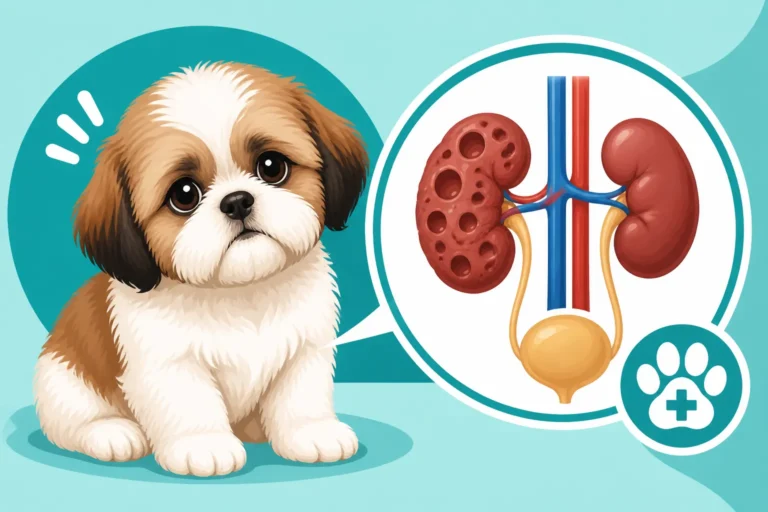
The kidneys are vital organs, working tirelessly to filter waste products from your Shih Tzu's blood, regulate blood pressure, produce hormones, and maintain a healthy balance of electrolytes. They are essentially the body’s sophisticated filtration system. Unfortunately, kidney disease in dogs, much like in humans, often progresses silently, making it a "silent killer." You might not notice anything amiss until a significant portion of kidney function is already lost. This is why routine vet checks, especially as your Shih Tzu ages, are so incredibly important. Sometimes, underlying conditions like Renal Dysplasia and the Shih Tzu Kidney can be present from birth, leading to early onset issues that become apparent as a puppy struggles to thrive. Other times, kidney damage can accumulate over a lifetime due to infections, toxins, or simply the wear and tear of aging. The shock of diagnosis is real, and it’s completely normal to feel a mix of sadness, fear, and even guilt, wondering if you missed something.
Why Diet Becomes Critical for Kidney Health
Once the kidneys are damaged, they can't effectively perform their job of filtering waste. Think of it like a clogged drain – the system backs up. When kidneys struggle, certain waste products, like urea and creatinine, build up in the blood. This accumulation can make your Shih Tzu feel nauseous, lethargic, and generally unwell. This is where diet becomes not just important, but absolutely critical. The right diet can significantly reduce the workload on their compromised kidneys. Instead of having to filter out excessive amounts of certain nutrients or waste products, the kidneys are given a break, helping to slow the progression of the disease and improve your dog’s quality of life. For instance, noticing Excessive Thirst as the First Kidney Sign or experiencing Renal Dysplasia Signs in a Shih Tzu Puppy can be early indicators that a dietary intervention will soon be necessary to support their failing kidneys. By adjusting what your Shih Tzu eats, we can manage the symptoms, minimize further damage, and help them feel as comfortable as possible for as long as possible.
Key Principles of a Shih Tzu Kidney Diet
When your vet talks about a "kidney diet," they're not just throwing around fancy terms. There are very specific nutritional goals aimed at supporting kidney function. It’s all about finding the right balance to help your Shih Tzu thrive despite their condition.
Reduced Protein, But Not Zero
This is often the most misunderstood aspect of kidney diets. Many owners jump to the conclusion that "low protein" means cutting out protein entirely, but that's a dangerous misconception. Your Shih Tzu still needs protein to maintain muscle mass, repair tissues, and support their immune system. The key here is reduced, and more importantly, high-quality and highly digestible protein.
The reason for reducing protein is that when protein is metabolized, it produces waste products (like urea) that the kidneys have to filter out. With damaged kidneys, this filtering process is less efficient, and these waste products can build up, making your dog feel sick. So, instead of overloading the system, we aim for just enough top-notch protein that's easily utilized by the body, leaving fewer waste products for the kidneys to handle.
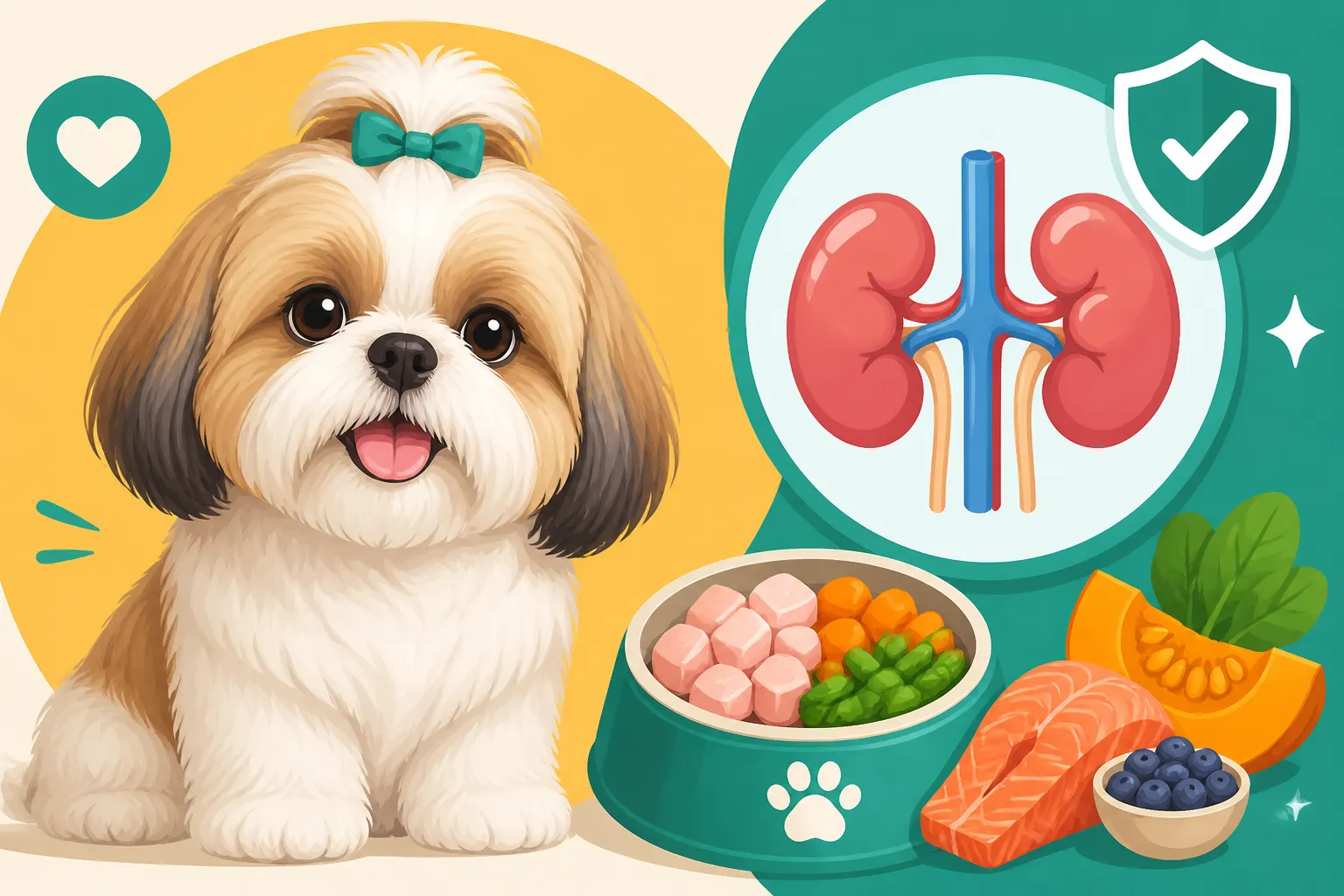
Good sources of high-quality protein for a kidney diet include lean meats like chicken breast, turkey, or fish, often in controlled amounts within a vet-prescribed formula. It’s never about eliminating protein, but about being smart and precise with it.
Phosphorus Restriction is Paramount
If protein restriction is important, phosphorus restriction is absolutely non-negotiable in managing canine kidney disease. This is often considered the most critical dietary modification. Healthy kidneys are excellent at regulating phosphorus levels in the blood. When they fail, phosphorus accumulates, which can trigger a cascade of problems.
High phosphorus levels contribute directly to the progression of kidney disease, causing further damage to kidney tissues. It can also lead to secondary hyperparathyroidism, a condition where the body starts to pull calcium from the bones, making them brittle and causing joint pain. Moreover, elevated phosphorus can make your Shih Tzu feel unwell, contributing to nausea and lethargy.
Finding low-phosphorus foods can be a challenge. Many common dog food ingredients, especially those high in protein, are also high in phosphorus. This is why prescription kidney diets are specifically formulated to have tightly controlled phosphorus levels. When considering a diet for your Shih Tzu, always look at the phosphorus content, which should be significantly lower than in regular dog food. Your vet will guide you on the target phosphorus levels based on your dog's stage of kidney disease.
Controlled Sodium and Adequate Hydration
Just like in people, too much sodium can be detrimental for dogs with kidney disease. Healthy kidneys help regulate blood pressure by managing sodium levels. Compromised kidneys struggle with this, and excessive sodium can contribute to high blood pressure, which in turn puts more strain on the kidneys and other organs, including the heart. Therefore, a kidney diet will typically feature controlled, lower levels of sodium to help manage blood pressure and prevent fluid retention.
Equally important, and perhaps even more so, is ensuring your Shih Tzu stays adequately hydrated. While reduced kidney function means they can't concentrate urine as well, leading to increased Water Intake for a Shih Tzu With Kidney Disease, sufficient water intake is crucial. Water helps flush out toxins and keeps the kidneys working as efficiently as possible with the remaining function they have. Encouraging hydration can involve ensuring fresh water is always available, using multiple water bowls, offering filtered water, or incorporating wet food into their diet. Some owners even add a little low-sodium chicken broth to water to make it more appealing. Dehydration can quickly worsen kidney disease, so monitoring your Shih Tzu’s water intake and ensuring they drink enough is a top priority.
Essential Fatty Acids and Antioxidants
Beyond protein, phosphorus, and sodium, kidney diets often incorporate other beneficial nutrients to support overall health and combat the effects of kidney disease.
Omega-3 fatty acids, particularly EPA and DHA found in fish oil, are highly valued for their anti-inflammatory properties. Kidney disease often involves chronic inflammation, and reducing this inflammation can help protect the remaining kidney tissue. These fatty acids can also support heart health, which is often a concern in dogs with advanced kidney disease or high blood pressure.
Antioxidants, such as vitamins E and C, are also important. Kidney disease creates oxidative stress in the body, which can further damage cells. Antioxidants help neutralize harmful free radicals, protecting cells from damage and supporting the immune system.
A well-formulated kidney diet will include these beneficial components, working synergistically to support your Shih Tzu's health. You might also find your vet suggests specific supplements, but always discuss these first, as the balance in a kidney diet is delicate.
Navigating Commercial vs. Homemade Kidney Diets
Once you understand the nutritional principles, the next big question is: how do I actually implement this? You essentially have two main paths: rely on expertly formulated commercial diets or venture into the world of homemade meals. Each has its pros and cons, and the best choice depends on your Shih Tzu's specific needs, your lifestyle, and your vet's recommendations.
Commercial Prescription Kidney Diets
Commercial prescription kidney diets are often the first line of defense recommended by veterinarians. Brands like Hill's Prescription Diet, Royal Canin Veterinary Diet, and Purina Pro Plan Veterinary Diets have invested heavily in research and development to create formulas specifically designed to meet the complex nutritional needs of dogs with kidney disease.
The primary benefit of these diets is their scientific formulation and convenience. They are precisely balanced in terms of reduced protein (high quality!), restricted phosphorus, controlled sodium, and often include added omega-3 fatty acids and antioxidants. This takes the guesswork out of meal preparation for you, ensuring your Shih Tzu is getting exactly what they need without nutrient deficiencies or excesses that could harm their kidneys. They come in various forms – dry kibble, wet food, and sometimes even treats – which can be helpful if your Shih Tzu is a picky eater.
However, there can be drawbacks. These diets are typically more expensive than regular dog food, and their unique taste and texture might not appeal to every Shih Tzu, especially those with a reduced appetite due to their illness. Also, because they are prescription diets, you’ll need regular veterinary oversight to obtain them, ensuring your Shih Tzu's condition is continually monitored and the diet remains appropriate. It’s an ongoing commitment, which is why having pet insurance like Healthy Paws can be incredibly helpful for covering the costs of vet visits and necessary diagnostic tests to keep your Shih Tzu on the right path.
The Allure and Risks of Homemade Kidney Diets
For some owners, especially those with particularly finicky Shih Tzus or a desire for more control over ingredients, a homemade kidney diet can seem like an attractive option. The appeal often lies in being able to customize meals, use fresh ingredients, and potentially make food more palatable for a dog that has lost its appetite. You might feel more comfortable knowing exactly what goes into every bite.
However, embarking on a homemade kidney diet without expert guidance is extremely risky and generally not recommended. Formulating a nutritionally complete and balanced diet for a dog with kidney disease is incredibly complex. It’s not just about mixing some chicken and rice. You need precise ratios of protein, phosphorus, calcium, sodium, and other vitamins and minerals. Without a veterinary nutritionist’s expertise, it’s highly probable that a homemade diet will be deficient in some crucial nutrients or, conversely, have dangerously high levels of others, particularly phosphorus.
A diet that isn’t balanced can quickly worsen your Shih Tzu’s kidney disease or lead to other serious health issues. If you are considering a homemade diet, the absolute first step must be consulting with a board-certified veterinary nutritionist. They can formulate a specific recipe tailored to your Shih Tzu's individual needs, stage of kidney disease, and any other concurrent health issues. This recipe will detail exact ingredients, quantities, and necessary supplements, removing the dangerous guesswork and ensuring your Shih Tzu gets safe, effective nutrition.
Transitioning Your Shih Tzu to a New Diet
Shih Tzus are known for their strong personalities, and sometimes, that extends to their meal preferences. Transitioning to a new kidney diet, whether commercial or homemade, can be challenging, especially if your dog's appetite is already diminished due to their illness. Rushing the process can lead to food aversion, making things even harder.
The key is a slow, gradual transition over 7-10 days, or even longer if needed. Start by mixing a small amount of the new food (about 10-20%) with their old food. Over the next week or two, slowly increase the proportion of the new food while decreasing the old.
Here’s a general guideline:
| Day | Old Food Percentage | New Food Percentage |
|---|---|---|
| 1-2 | 75% | 25% |
| 3-4 | 50% | 50% |
| 5-6 | 25% | 75% |
| 7+ | 0% | 100% |
- Patience is paramount: If your Shih Tzu shows any digestive upset (vomiting, diarrhea) or reluctance to eat, slow down the transition. Stay at a particular ratio for a few extra days until they are comfortable.
- Enhance palatability: For particularly picky eaters, try warming the wet food slightly, adding a tiny amount of low-sodium chicken broth (ensure it's safe for kidney patients), or mixing in a very small amount of a favorite, vet-approved, low-phosphorus treat. Sometimes a different texture or form (e.g., wet instead of dry) can make all the difference. Remember, the goal is for them to eat.
- Consistency: Try to feed at the same times each day in a quiet, comfortable location. Avoid offering too many alternatives if they refuse, as this can reinforce pickiness.
- Consult your vet: If you're struggling, don't hesitate to reach out to your veterinarian. They might have additional strategies or medications to stimulate appetite.
Practical Considerations and Long-Term Management
A kidney diagnosis for your Shih Tzu is the beginning of a long-term journey, not a quick fix. Managing their diet is a continuous process that requires vigilance, adaptability, and close partnership with your veterinarian.
Regular Monitoring and Adjustments
Kidney disease is progressive, meaning it tends to worsen over time. Because of this, your Shih Tzu's dietary needs aren't static. Regular veterinary check-ups are absolutely essential. Your vet will want to perform routine blood tests (monitoring things like BUN, creatinine, phosphorus, and potassium, which are important Shih Tzu Kidney Values on Routine Bloodwork), urinalysis, and sometimes blood pressure checks. These tests provide crucial information about how their kidneys are functioning and how well the current diet is working.
Based on these results, your vet may recommend adjusting the specific kidney diet formula, altering portion sizes, or adding certain supplements. For example, as the disease progresses, the need for phosphorus binders might arise to further control phosphorus levels. This ongoing monitoring can feel like a lot, both emotionally and financially. This is where a robust pet insurance plan, such as one from Healthy Paws, can be a lifesaver, helping to offset the recurring costs of diagnostic tests, veterinary consultations, and prescription kidney foods. It allows you to focus on your Shih Tzu’s health without being constantly worried about the budget. Remember, these tests are not just for diagnostics but are vital for proactively managing the disease and making timely dietary adjustments to extend your dog's quality of life. Understanding How Vets Diagnose Shih Tzu Renal Dysplasia and regularly running tests like Testing a Shih Tzu for Kidney Disease is key to staying ahead.
Treating Finicky Eaters
Shih Tzus, with their discerning palates, can be particularly challenging when facing a new diet, especially when they're already not feeling their best due to kidney disease. It's heartbreaking to see your little one turn their nose up at food, knowing how vital it is for their health.
Here are some strategies to encourage eating:
- Warm the Food: Heating wet food or adding warm, low-sodium, low-phosphorus broth can enhance its aroma and make it more appealing. Just make sure it’s not too hot.
- Offer Variety (Within Prescription Bounds): If your vet has prescribed a specific brand of kidney diet, ask if there are different flavors or textures available within that line (e.g., chicken stew vs. beef pate). Sometimes, a simple change can rekindle interest.
- Small, Frequent Meals: Instead of two large meals, try offering smaller portions more frequently throughout the day. This can be less overwhelming for a dog with a poor appetite.
- Hand-Feeding: Sometimes, a little extra attention and hand-feeding can entice a reluctant eater.
- Quiet Environment: Make sure your Shih Tzu has a calm, quiet place to eat, free from distractions.
- Medication for Nausea/Appetite: If your Shih Tzu is consistently refusing food, it's crucial to tell your vet. They may prescribe anti-nausea medication or appetite stimulants. Nausea is a common symptom of kidney disease and addressing it can dramatically improve their willingness to eat.
- Consider Homemade (with caution): As discussed, if commercial diets are truly a non-starter, a vet-formulated homemade diet might be a last resort. But reiterate: this must be done with a veterinary nutritionist's guidance.
Snacks and Supplements in a Kidney Diet
When your Shih Tzu is on a kidney diet, every bite counts. This means treats and supplements need to be approached with caution and careful consideration. It’s no longer a free-for-all when it comes to snacking.
Treats: Most regular dog treats are too high in protein, phosphorus, and sodium for a Shih Tzu with kidney disease. It's often best to stick to specific low-phosphorus, low-protein treats that are designed to complement kidney diets. Your veterinarian or a veterinary nutritionist can provide a list of safe options. Small pieces of certain fruits and vegetables like apple (no seeds), green beans, or blueberries, in moderation, might be acceptable, but always confirm with your vet first to avoid any hidden dangers or imbalances. Even a tiny piece of an inappropriate treat can disrupt the careful balance of a kidney diet.
Supplements: While certain supplements like omega-3 fatty acids or B vitamins can be beneficial, they should never be given without veterinary approval. Many over-the-counter supplements contain ingredients that could be harmful to compromised kidneys, or they might interfere with the balance of the prescription diet. For instance, too much calcium or vitamin D can be dangerous if phosphorus levels are not properly managed. Your vet is the best resource for determining if any additional supplements are necessary based on your Shih Tzu's specific blood work and stage of disease. They might also suggest things like phosphorus binders or potassium supplements if needed, but these are prescription medications, not general dietary supplements. It’s crucial to remember that managing kidney disease is a delicate balancing act, and every component of their intake plays a role. This is particularly true for older Shih Tzus, who might be on Senior Shih Tzu Care Past the Age of Ten plans that factor in multiple health conditions.
Disclaimer
This article is intended for informational purposes only and does not constitute medical advice. Always consult with a qualified veterinarian regarding your Shih Tzu's specific health condition, diagnosis, and treatment plan, especially concerning dietary changes for kidney disease. Nutritional needs can vary greatly based on the individual dog's age, weight, stage of kidney disease, and other health factors.