How Vets Diagnose Shih Tzu Renal Dysplasia
It’s a truly disheartening experience to see your beloved Shih Tzu not thriving, especially when the underlying cause is a complex condition like renal dysplasia. The initial signs can be so subtle, easily mistaken for common puppy quirks or minor upsets, leaving you feeling frustrated and confused about what’s truly going on with your furry companion. This comprehensive guide is designed to demystify the veterinary diagnostic process for Shih Tzu renal dysplasia, helping you understand each crucial step your vet takes to get to an accurate diagnosis.
Understanding Renal Dysplasia: A Shih Tzu-Specific Concern
Renal dysplasia, often abbreviated as RD, is a severe developmental anomaly of the kidneys. In simple terms, it means the kidneys didn't form properly while the puppy was still developing in the womb. Instead of mature, functional kidney tissue, there's often disorganized, immature tissue, sometimes with cysts or scar tissue. This condition is particularly concerning for Shih Tzus because they are one of the breeds with a known genetic predisposition to it, making it a critical health consideration for any Shih Tzu owner or prospective owner.
The Impact of Malformed Kidneys
Imagine trying to filter water with a sieve that has holes too big, or sections that are blocked entirely. That’s somewhat akin to what happens with kidneys affected by renal dysplasia. The kidneys' primary job is to filter waste products from the blood, regulate fluid balance, and produce certain hormones. When they are malformed, they simply cannot perform these vital functions efficiently. This leads to a build-up of toxins in the body, which can severely impact a puppy’s growth, development, and overall health, sometimes tragically cutting short a Shih Tzu Lifespan and the Thirteen Year Average. Over time, the remaining functional kidney tissue tries to compensate, but it's often an uphill battle, leading to progressive kidney failure.
The Genetic Link in Shih Tzus
One of the most frustrating aspects of renal dysplasia for Shih Tzu owners is its inherited nature. While not every Shih Tzu puppy will develop it, the breed's genetic lineage means there's a higher chance compared to many other breeds. Responsible breeders are diligent about health screening their breeding stock to minimize the risk, but even with careful planning, genetic conditions can sometimes surprise us. This genetic component underscores why understanding Whether Renal Dysplasia Is Inherited in Shih Tzus is so important, not just for breeders but for every owner who might notice symptoms in their puppy. It's not something your dog "caught"; it's something they were born with due to genetic factors passed down from their parents.
Recognizing the Subtle Early Warning Signs at Home
Before any veterinary tests begin, it's often the observant owner who first notices that something isn't quite right. Shih Tzus, like many toy breeds, are excellent at hiding discomfort, making early detection a significant challenge. The signs of renal dysplasia can be vague and non-specific at first, easily overlooked or attributed to other puppy ailments. However, knowing what to look for can prompt an earlier vet visit, which is crucial for managing this condition.
Vague Symptoms in a Growing Puppy
When a Shih Tzu puppy has renal dysplasia, their kidneys are already struggling, even if it's not immediately apparent. You might notice your puppy isn't growing at the same rate as its littermates, or it seems unusually small for its age. This can be one of the early Renal Dysplasia Signs in a Shih Tzu Puppy that might catch your eye. They might also seem generally unwell – perhaps a bit lethargic, not as playful as other puppies, or just 'off'. It's that gut feeling that something isn't quite right with your little one.
You might also observe changes in their thirst and urination habits. One of the most common early indicators is Excessive Thirst as the First Kidney Sign. Your puppy might seem to drink a lot more water than expected, leading to more frequent urination, sometimes even accidents in the house when they were previously making progress with potty training. Despite drinking so much, they might still appear dehydrated, with dry gums or skin that doesn't snap back quickly when gently pinched. They might also start to vomit occasionally or show a reduced appetite, turning their nose up at food they previously enjoyed. These symptoms, while subtle, are your cue to contact your veterinarian promptly.
Progressive Signs as the Disease Advances
As renal dysplasia progresses, and the kidney function declines further, the symptoms become more pronounced and concerning. You might notice that your Renal Dysplasia in a Shih Tzu Puppy That Will Not Grow continues to fall behind, remaining stunted compared to its peers. The build-up of toxins can lead to a dull, unkempt coat, bad breath (often described as ammonia-like), and sometimes even mouth ulcers. Your puppy might become increasingly weak, lethargic, and lose weight despite your best efforts to feed them. In severe cases, they might develop neurological signs like disorientation or seizures due to the toxins affecting their brain.
It’s an incredibly tough thing to witness your once energetic puppy slowly fade, and the feeling of helplessness can be overwhelming. This is why paying close attention to these subtle shifts and advocating for your Shih Tzu at the first sign of trouble is paramount. Even if you have pet insurance like Healthy Paws, which can help significantly with unexpected veterinary bills, the emotional toll of seeing your pup struggle is immense. Early intervention, even for a condition like renal dysplasia, can potentially help manage symptoms and improve comfort for a time.
The Veterinary Diagnostic Journey for Renal Dysplasia
Once you bring your Shih Tzu to the vet with concerns, a systematic approach is necessary to rule out other conditions and pinpoint renal dysplasia. This journey involves several steps, from a thorough physical exam to specialized tests, each providing a piece of the puzzle. It can be a lengthy and sometimes costly process, but it's essential for an accurate diagnosis and subsequent management plan. Many owners find that having comprehensive pet insurance, such as a policy from Healthy Paws, offers significant peace of mind during this diagnostic phase, knowing that the cost of crucial tests can be substantially covered.
Initial Consultation and Routine Bloodwork
Your vet will start with a comprehensive physical examination, carefully assessing your Shih Tzu's overall condition, hydration status, coat quality, and looking for any oral lesions. They will likely feel their abdomen to check kidney size and shape, though often, kidneys affected by dysplasia can be smaller or irregularly shaped, which isn't always obvious through palpation alone. A detailed history from you about your dog's symptoms, diet, and activity levels will also be critical.
Following the physical, the first line of diagnostic tests almost always includes routine blood and urine tests. These are non-invasive and provide a wealth of information about kidney function.
- Complete Blood Count (CBC): This checks for anemia (common in kidney disease) and other blood cell abnormalities.
- Biochemistry Panel: This is where your vet will focus on specific Shih Tzu Kidney Values on Routine Bloodwork. Key indicators include:
- BUN (Blood Urea Nitrogen) and Creatinine: These are waste products that healthy kidneys filter out. Elevated levels indicate that the kidneys aren't clearing waste effectively.
- Phosphorus: Kidneys also regulate phosphorus levels. High phosphorus can be a sign of kidney dysfunction.
- Calcium: Kidney disease can sometimes affect calcium levels.
- Urinalysis: A urine sample provides crucial information about kidney function and hydration. Your vet will look for:
- Urine Specific Gravity (USG): This measures how concentrated the urine is. Dogs with kidney disease often produce very dilute urine because their kidneys can't conserve water.
- Protein in urine: High levels of protein can indicate damage to the kidney filters.
- Presence of bacteria, crystals, or abnormal cells: These could point to other urinary issues or infections.
This initial battery of tests can often raise red flags for kidney disease, indicating that further investigation is needed to determine the specific cause.
Advanced Imaging and Biopsy
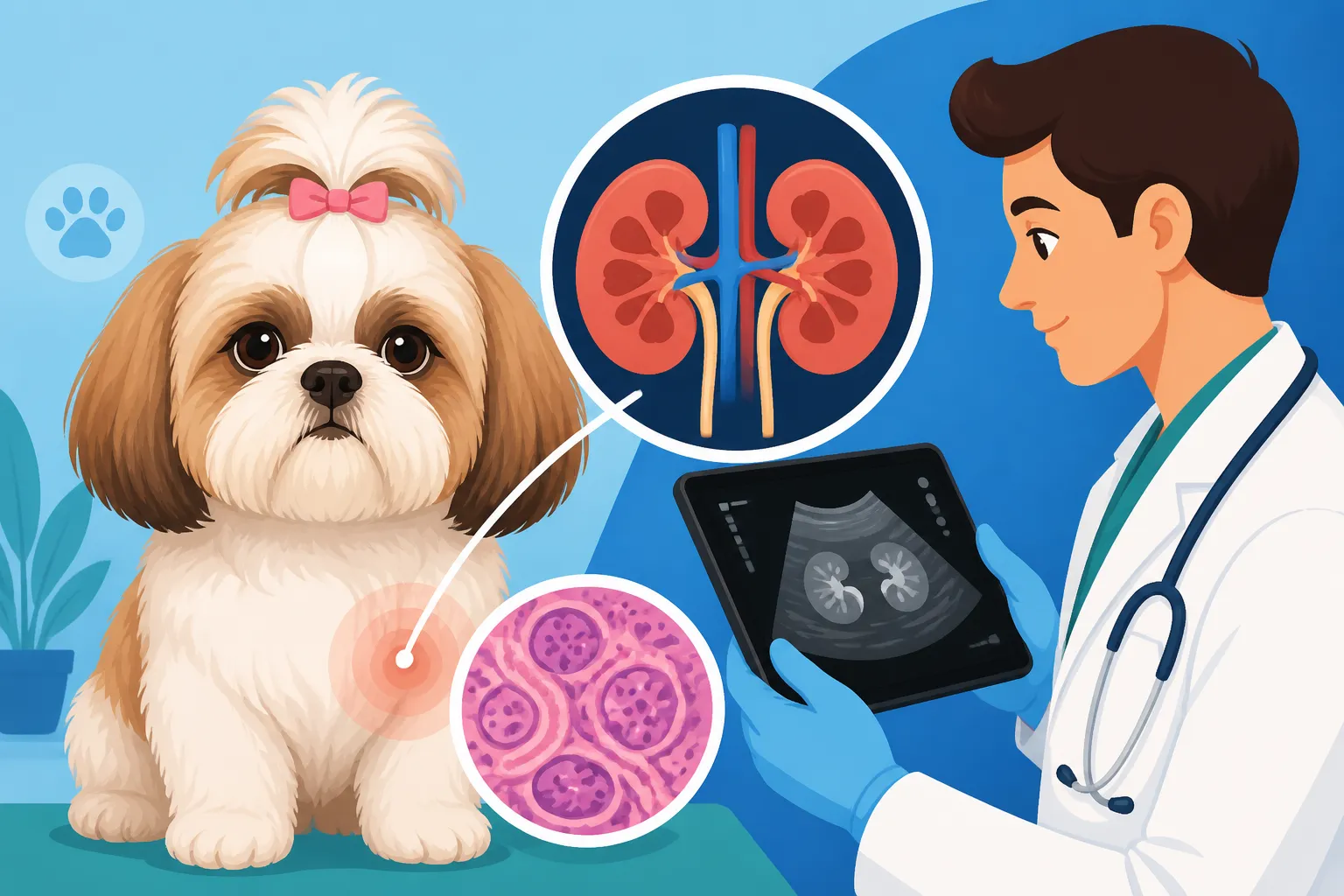
If the blood and urine tests suggest kidney problems, your vet will likely recommend advanced imaging. This usually includes abdominal X-rays and an ultrasound.
- Abdominal X-rays: These can help assess the size, shape, and position of the kidneys. In some cases of renal dysplasia, the kidneys might appear smaller than normal or irregular. They can also rule out other issues like Shih Tzu Bladder Stones and Urinary Problems or other abdominal masses.
- Abdominal Ultrasound: This is an incredibly valuable tool for Testing a Shih Tzu for Kidney Disease. An ultrasound provides detailed images of the internal structure of the kidneys. In cases of renal dysplasia, the ultrasound might reveal kidneys that are small, misshapen, have an irregular outline, or show an altered internal architecture with cysts or increased echogenicity (brightness) indicating fibrosis (scarring). It also helps differentiate renal dysplasia from other conditions that cause kidney failure, such as chronic kidney disease acquired later in life or conditions like Portosystemic Shunt Signs in a Shih Tzu Puppy.
While imaging can provide strong evidence, the definitive diagnosis of renal dysplasia often requires a kidney biopsy. This is a more invasive procedure where a small tissue sample is taken from the kidney, usually guided by ultrasound, and then sent to a specialized laboratory for histopathological examination. The pathologist will examine the tissue under a microscope to look for the characteristic disorganized, immature kidney structures, fibrosis, and lack of normal development that confirms renal dysplasia. This step is critical because it provides a clear, undeniable answer, which is vital for understanding the prognosis and guiding long-term care.
Here’s a summary of the typical diagnostic steps:
| Diagnostic Step | What it Involves | What it Reveals (Relevant to RD) |
|---|---|---|
| Physical Examination | Vet assesses overall health, palpates abdomen. | Signs of dehydration, poor growth, small/irregular kidneys (sometimes). |
| Blood Tests (CBC, Chemistry) | Blood sample analyzed for cell counts, organ function. | Elevated BUN/Creatinine, phosphorus; signs of anemia. |
| Urinalysis | Urine sample analyzed for concentration, contents. | Dilute urine (low USG), protein in urine, other abnormalities. |
| Abdominal X-rays | Radiographs of the abdomen. | Kidney size/shape, presence of stones, rule out other issues. |
| Abdominal Ultrasound | Sound waves create real-time images of kidneys. | Small, irregular kidneys; cysts, abnormal internal structure, fibrosis. |
| Kidney Biopsy | Tissue sample taken from kidney for lab analysis. | Definitive confirmation of disorganized, immature kidney tissue (renal dysplasia). |
Navigating the Diagnosis and Beyond
Receiving a diagnosis of renal dysplasia for your Shih Tzu can be absolutely devastating. It's natural to feel a whirlwind of emotions – shock, sadness, guilt, and anger. This is a difficult path for any pet parent, and understanding what comes next, both in terms of medical management and emotional support, is crucial.
Interpreting the Biopsy Results and Prognosis
Once the kidney biopsy results are back and confirm renal dysplasia, your veterinarian will sit down with you to explain the findings in detail. This isn't just about confirming the condition; it's also about understanding the severity and what that means for your Shih Tzu's future. The prognosis for dogs with renal dysplasia varies widely depending on the extent of kidney malformation and how much functional kidney tissue remains. Some puppies may succumb to the disease very early in life, tragically fulfilling the fear of What Actually Ends a Shih Tzu's Thirteen Years much too soon. Others, with milder forms, might live for several years with careful management, though they will always have compromised kidney function. It's a journey that often requires incredible resilience from both the dog and their devoted family.
Management and Quality of Life
While there is no cure for renal dysplasia, management focuses on supportive care to slow the progression of kidney disease and maintain the best possible quality of life for your Shih Tzu. This often involves a multi-faceted approach:
- Dietary Management: A specialized Kidney Diets for a Shih Tzu is paramount. These diets are typically lower in protein, phosphorus, and sodium, designed to reduce the workload on the kidneys and minimize the build-up of waste products. Your vet might recommend prescription diets from brands like Royal Canin or Hill's. It's crucial to stick to this diet strictly, as even small deviations can stress the kidneys.
- Fluid Management: Ensuring adequate hydration is vital, especially since affected kidneys struggle to concentrate urine. Your vet may advise you on appropriate Water Intake for a Shih Tzu With Kidney Disease and might even teach you how to administer subcutaneous fluids at home if your dog becomes dehydrated.
- Medications: Various medications may be prescribed to manage symptoms and complications. These can include phosphorus binders, anti-nausea medications, appetite stimulants, and sometimes medications to control blood pressure.
- Regular Monitoring: Frequent veterinary check-ups, including repeat blood and urine tests, are essential to monitor kidney function, adjust treatments as needed, and catch any complications early. These visits become even more critical as your Shih Tzu approaches the age of ten, as part of their Senior Shih Tzu Care Past the Age of Ten.
Living with a Shih Tzu diagnosed with renal dysplasia means embracing a new normal of vigilance and dedicated care. It's an emotional rollercoaster, and many owners find strength in connecting with others facing similar challenges. Remember, pet insurance like Healthy Paws can be a lifesaver, helping to cover the ongoing costs of these specialized diets, medications, and frequent veterinary visits, allowing you to focus on your dog's well-being without constant financial strain.
The Importance of Early Detection
This journey underscores just how important early detection truly is. While renal dysplasia is a congenital condition, recognizing its signs early and pursuing a definitive diagnosis can make a significant difference in managing the disease. It allows for prompt dietary changes, medication adjustments, and a proactive approach to care that can extend comfortable years for your Shih Tzu. If you're bringing home a new puppy, ensuring they receive a thorough The Puppy Check a Shih Tzu Needs at Eight Weeks can sometimes help identify early indicators of underlying health issues like this. Being an advocate for your Shih Tzu, understanding their unique needs, and building a strong, communicative relationship with your veterinarian are your most powerful tools in navigating complex health challenges like renal dysplasia.
Disclaimer
The information provided in this article is for general informational purposes only and is not a substitute for professional veterinary advice. Always consult with a qualified veterinarian for any health concerns or before making any decisions related to your pet's health and treatment.