Shih Tzu Anesthesia Risk From a Flat Face
It's an anxious moment for any pet parent when their beloved Shih Tzu needs surgery or any procedure requiring anesthesia. Many owners worry deeply, and rightly so, because these adorable flat-faced companions carry a unique set of risks when it comes to being sedated. This guide aims to thoroughly explain why a Shih Tzu's unique anatomy makes anesthesia a more serious consideration and what you and your veterinary team can do to minimize those concerns.
Understanding Brachycephalic Airway Syndrome in Shih Tzus
The very features that give Shih Tzus their endearing, "chrysanthemum" face are precisely what contribute to their heightened anesthetic risk. Their shortened muzzles and compact skulls define them as a brachycephalic breed, a term that literally means "short-headed." While undeniably cute, this conformation often comes with a condition known as Brachycephalic Airway Syndrome (BAS), a complex of upper airway abnormalities that makes breathing a constant, often labored, effort.
The Unique Anatomy of a Flat Face
Imagine trying to breathe through a very narrow straw all day, every day. That's a bit like what a Shih Tzu experiences. Their characteristic flat faces are not just a cosmetic trait; they're a structural reality that affects their respiratory system profoundly. Many Shih Tzus contend with what veterinarians call Shih Tzu Stenotic Nares and Noisy Breathing, meaning their nostrils are extremely narrow, often appearing pinched or barely open. This is just the first hurdle for air trying to enter their lungs.
Moving further into the airway, the problems continue. Their soft palate, the fleshy part at the back of the roof of their mouth, is frequently too long for their shortened skull, a condition known as The Elongated Soft Palate in a Shih Tzu. This excess tissue can drape down into the throat, partially blocking the entrance to the trachea, especially when relaxed. Adding to this, the trachea itself, the windpipe, can be smaller in diameter than it should be, and the laryngeal saccules (small pouches in the larynx) can become everted, further obstructing airflow. It’s a multi-layered architectural challenge for simply breathing.
How Brachycephaly Impacts Breathing
For a Shih Tzu, every breath requires more effort than it does for a dog with a longer snout. They have to work harder to pull air past their narrowed nostrils, an elongated soft palate, and potentially compromised larynx. This constant struggle leads to chronic inflammation and swelling in the airway tissues over time, exacerbating the problem. You might hear them snoring loudly, snorting, or even reverse sneezing, which are all indicators of their challenged breathing.
Because their bodies are constantly working overtime just to get enough oxygen, they are more prone to overheating, especially in warm weather or during exercise. This is because dogs primarily cool themselves by panting, and efficient panting relies on an unobstructed airway. When their airway is already restricted, their ability to regulate their body temperature effectively is severely compromised, a condition explained further in Why a Shih Tzu Cannot Cool Itself Well. This baseline respiratory stress means their bodies are already under a certain level of strain before any medication even enters the picture.
Why Anesthesia Poses a Greater Threat
Given the inherent challenges in a Shih Tzu's respiratory system, the introduction of anesthetic agents creates a significantly more precarious situation than it would for a dog with a normal airway. It's not just about "going to sleep"; it's about maintaining vital functions when the body's natural compensatory mechanisms are dulled.
Increased Risk of Airway Obstruction
The primary concern with a brachycephalic dog like a Shih Tzu under anesthesia is the increased risk of acute airway obstruction. Anesthetic drugs, even mild sedatives, cause muscle relaxation throughout the body, including the muscles in the throat and around the airway. For a dog with a normal airway, this relaxation usually isn't an issue. But for a Shih Tzu with already narrow nostrils, an elongated soft palate, and possibly a hypoplastic (undersized) trachea, this muscle relaxation can cause the already compromised airway to collapse further.
The elongated soft palate, which might partially obstruct breathing when awake, can completely block the entrance to the windpipe when it becomes slack under anesthesia. Even intubation (inserting a breathing tube) can be more challenging due to the cramped anatomy. This means that if the veterinary team isn't acutely aware and prepared, a Shih Tzu can quickly lose its ability to breathe effectively, leading to dangerously low oxygen levels. This is a critical factor when considering any procedure for a Shih Tzu, even something routine like a Shih Tzu Dental Disease at 13 Percent of the Breed cleaning.
Temperature Regulation Challenges
As mentioned earlier, Shih Tzus already struggle with temperature regulation due to their respiratory anatomy. Anesthesia complicates this further. During a surgical procedure, a dog's body temperature can fluctuate significantly. Anesthetic drugs can interfere with the body's natural thermoregulatory processes, potentially leading to hypothermia (low body temperature) or, more commonly in brachycephalic breeds, hyperthermia (overheating).
A Shih Tzu's inefficient panting mechanism, vital for cooling, is either suppressed by anesthesia or rendered ineffective by an obstructed airway. If they get too warm during surgery, their ability to dissipate that heat is severely limited, which can lead to dangerous complications. Conversely, smaller breeds, including Shih Tzus, can also lose body heat more rapidly in a cool surgical environment, making careful monitoring and active warming measures essential.
Vomiting and Aspiration Concerns
Another significant risk revolves around vomiting and aspiration, particularly during the induction (when anesthesia starts) and recovery phases. Anesthetic drugs can induce nausea and relax the esophageal sphincter, making it easier for stomach contents to come back up. For a brachycephalic dog, the danger is magnified because their already compromised airway and elongated soft palate make them less efficient at clearing vomit from their throat.
If a Shih Tzu vomits during or immediately after anesthesia, and the protective reflexes are dulled, stomach contents can easily be inhaled into the lungs. This is called aspiration, and it can lead to severe aspiration pneumonia, a life-threatening condition that can cause significant lung damage and prolonged recovery, if recovery is even possible. This is why strict fasting guidelines are always given before anesthesia, and careful monitoring during recovery is paramount.
Pre-Anesthetic Protocols: Minimizing the Dangers
The good news is that modern veterinary medicine is well-equipped to manage the unique risks associated with anesthetizing brachycephalic breeds. It requires meticulous planning, thorough diagnostics, and an experienced veterinary team. Thinking ahead and preparing correctly can make all the difference in a safe outcome.
Comprehensive Pre-Op Diagnostics
Before any anesthetic procedure, a thorough pre-operative assessment is non-negotiable for a Shih Tzu. This isn't just a formality; it's a critical step to identify any underlying health issues that could increase anesthetic risk. Your vet will likely recommend a full blood panel, including a complete blood count (CBC) and biochemistry profile, to check organ function, red and white blood cell counts, and electrolyte balance. This helps ensure that the liver and kidneys, which metabolize anesthetic drugs, are functioning optimally.
Beyond blood work, chest X-rays are often advised. These radiographs can reveal the condition of the lungs and heart, check for a hypoplastic trachea, and assess the size of the heart. For older Shih Tzus or those with murmurs, an electrocardiogram (ECG) or even an echocardiogram might be recommended to evaluate heart health further. These diagnostic steps provide a comprehensive picture of your dog's internal health, allowing the veterinary team to tailor the anesthetic protocol specifically for them. You might also want to discuss Pre-Anesthetic Testing Before a Shih Tzu Dental to ensure you know what to expect.
Tailored Anesthesia Plans
There's no one-size-fits-all approach to anesthesia, especially for a Shih Tzu. A skilled veterinary team will develop a customized anesthetic plan focusing on safety and minimizing risk. This often involves using specific anesthetic agents that have a shorter duration of action and are quickly reversible, allowing for better control throughout the procedure. Propofol, isoflurane, and sevoflurane are common choices, often combined with pain medications and sedatives that offer a smooth induction and recovery.
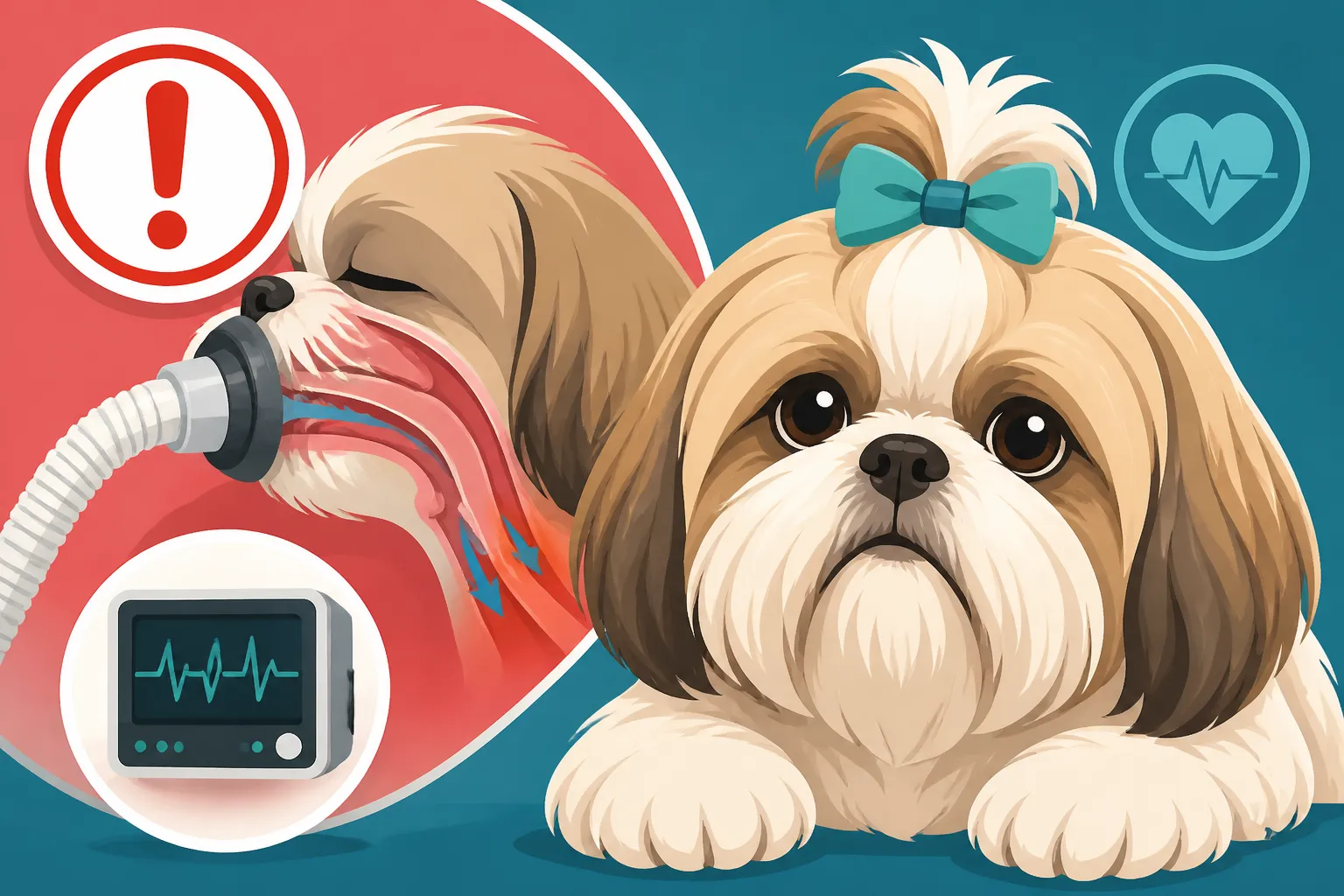
A key part of the plan is careful airway management. This includes pre-oxygenation before induction to ensure a good oxygen reserve, and rapid intubation once the Shih Tzu is sedated. A breathing tube (endotracheal tube) will be placed in the trachea and connected to an anesthetic machine, which delivers oxygen and anesthetic gas directly to the lungs. This secures the airway and allows for precise control of ventilation. The choice of tube size is also critical, given the potential for a smaller-than-average trachea in Shih Tzus.
The Importance of a Skilled Veterinary Team
Perhaps the most crucial factor in ensuring a safe anesthetic experience for your Shih Tzu is the expertise of the veterinary team. You want a veterinarian and veterinary technicians who are experienced with brachycephalic breeds and acutely aware of their unique physiological challenges. They should be proficient in managing difficult airways, vigilant in monitoring vital signs, and prepared to respond immediately to any complications.
Don't hesitate to ask your vet about their experience with Shih Tzus and other brachycephalic dogs, and what specific protocols they have in place. A good clinic will welcome these questions and be transparent about their procedures. Their confidence and preparedness will go a long way in reassuring you that your furry family member is in the safest hands possible.
During and Post-Anesthesia Care for Shih Tzus
The careful monitoring and attention don't end when the surgery begins; in fact, the recovery period is often just as critical, if not more so, for a Shih Tzu. This is where the dedicated efforts of the veterinary team truly shine, ensuring a smooth transition back to full consciousness.
Vigilant Monitoring During Procedures
During the entire procedure, your Shih Tzu will be under constant, meticulous observation. A dedicated veterinary technician or assistant will be monitoring vital signs using advanced equipment. This includes continuous measurement of heart rate and rhythm (ECG), respiratory rate and effort, blood pressure, oxygen saturation (pulse oximetry), and carbon dioxide levels (capnography). They will also be tracking body temperature, ensuring it stays within a safe range, using warming blankets or cooling methods as needed.
This vigilant monitoring allows the veterinary team to make immediate adjustments to anesthetic depth, oxygen flow, and other parameters if any vital signs deviate from the norm. The goal is to maintain a stable plane of anesthesia, provide adequate pain control, and ensure optimal oxygen delivery to all tissues throughout the procedure, minimizing stress on their already delicate respiratory system.
Critical Post-Op Recovery
The recovery period for a brachycephalic dog is often the most critical phase. Unlike other breeds, a Shih Tzu's breathing tube is usually kept in place for a longer period after the anesthetic gas has been turned off. This is called delayed extubation. The tube is only removed once the dog is fully awake, alert, and actively swallowing, demonstrating that their protective airway reflexes have returned and they can maintain an open airway independently. This strategy helps prevent the soft palate from collapsing and obstructing the airway as the muscles regain tone.
During recovery, your Shih Tzu will be kept in a quiet, warm environment, often with supplemental oxygen. The recovery team will continue to monitor their breathing, gum color, and overall comfort closely. They will be looking for any signs of respiratory distress, such as noisy breathing, excessive panting, or blue-tinged gums, and will be ready to intervene immediately if necessary.
Managing Potential Complications
Even with the best planning and monitoring, complications can sometimes arise. The most common concerns in Shih Tzus include swelling of the airway tissues due to the irritation of intubation, persistent airway obstruction from an elongated soft palate, and aspiration. The veterinary team will have emergency protocols in place to address these issues. This might include administering anti-inflammatory medications to reduce swelling, providing further oxygen support, or, in rare severe cases, temporary re-intubation.
Rest assured that the veterinary team is trained to identify and manage these potential problems swiftly. Their experience with Brachycephalic Breathing in a Shih Tzu means they anticipate these challenges and have strategies ready to ensure your dog's safety and comfort throughout the entire process.
What Owners Can Do to Prepare and Protect Their Shih Tzu
As a Shih Tzu parent, you play a vital role in ensuring your furry friend's safety before, during, and after any anesthetic procedure. Being informed and proactive is your best defense against the unique risks associated with their brachycephalic nature.
Open Communication with Your Veterinarian
Don't be shy about asking questions! Before any procedure requiring anesthesia, schedule a dedicated conversation with your veterinarian. Discuss your Shih Tzu's specific health history, any previous reactions to medication, and any concerns you might have. Ask about the specific anesthetic protocol they plan to use, the monitoring equipment that will be in place, and the post-operative care plan. Understanding the process can significantly ease your mind.
It's also important to be honest about your dog's current health. If your Shih Tzu has recently experienced a "reverse sneeze," excessive snoring, or any changes in breathing, share this information, even if it seems minor. Every piece of information helps your vet build the most accurate picture of your dog's health and tailor the best approach. Knowing what to expect, and what questions to ask, is truly empowering.
Considering Pet Insurance
The specialized care, extensive monitoring, and potential for emergency interventions during anesthesia for a brachycephalic breed can unfortunately come with a higher cost. This is where pet insurance can be a real lifesaver, alleviating the financial burden during stressful times. Companies like Healthy Paws offer comprehensive coverage that can help with unexpected veterinary bills, including those for pre-anesthetic diagnostics, the procedure itself, and any post-operative complications.
Having a robust pet insurance policy, especially one from a reputable provider, means you can make decisions based on what's best for your Shih Tzu, not just what you can afford out-of-pocket. This peace of mind, knowing that a significant portion of Shih Tzu Emergency Vet Costs Owners Should Expect could be covered, allows you to focus solely on your dog's recovery. Consider exploring options for Shih Tzu Pet Insurance for a Flat-Faced Toy well before any procedure is even contemplated.
Maintaining Ideal Weight and Health
A Shih Tzu's overall health and body condition significantly impact their anesthetic risk. Obesity, for instance, adds extra strain on the respiratory and cardiovascular systems, making breathing even harder and increasing anesthetic complications. Keeping your Shih Tzu at an ideal weight through a balanced diet and appropriate exercise is one of the most proactive steps you can take to improve their health outcomes during anesthesia.
Regular veterinary check-ups are also crucial. By addressing any underlying health issues early on—be it dental disease, heart murmurs, or other concerns—you ensure your Shih Tzu is in the best possible condition should anesthesia be required. Think of it as preparing their body for a challenge, making them as resilient as possible. A healthy Shih Tzu is a happier, and safer, Shih Tzu under anesthesia.
| Anesthesia Risk Factors for Shih Tzus | Description | Mitigation Strategy |
|---|---|---|
| Stenotic Nares | Narrow, pinched nostrils restricting airflow. | Pre-oxygenation, vigilant monitoring, potentially surgical correction (nasal fold). |
| Elongated Soft Palate | Excess tissue at back of mouth obstructing trachea entrance. | Delayed extubation, immediate re-intubation readiness, potential surgical trimming. |
| Hypoplastic Trachea | Smaller than normal windpipe, reducing air passage. | Careful tube sizing, gentle intubation, close respiratory monitoring. |
| Laryngeal Saccule Eversion | Tissue pouches in larynx turn outwards, further blocking airway. | Vigilant monitoring, immediate intervention if respiratory distress. |
| Temperature Dysregulation | Difficulty maintaining body temperature (prone to overheating). | Active warming/cooling systems, constant temperature monitoring. |
| Aspiration Risk | Vomit entering lungs due to relaxed reflexes and compromised airway. | Strict fasting, anti-nausea meds, rapid intubation, careful recovery monitoring. |
| General Health & Weight | Obesity or other health issues increase overall systemic stress. | Maintain ideal weight, regular vet check-ups, comprehensive pre-op diagnostics. |
Disclaimer
The information provided in this article is for general educational purposes only and should not be considered a substitute for professional veterinary advice. Always consult with a qualified veterinarian regarding any medical concerns or before making any decisions about your pet's health and treatment. Individual situations may vary, and only a veterinarian can provide an accurate diagnosis and appropriate treatment plan for your Shih Tzu.