What Soft Palate Surgery Does for a Shih Tzu
The constant struggle to breathe, the persistent loud snoring, and the terrifying gasps for air after even a short burst of activity are heartbreaking realities for many Shih Tzu owners. These are often signs of Brachycephalic Airway Syndrome, a complex set of anatomical issues common in flat-faced breeds. This comprehensive guide will explore what elongated soft palate surgery entails for your Shih Tzu, detailing the procedure, the recovery journey, and the profound positive impact it can have on their quality of life.
Understanding Brachycephalic Airway Syndrome in Shih Tzus
Living with a Shih Tzu means falling in love with that adorable flat face and those big, expressive eyes. But it also means acknowledging the unique anatomical challenges that come with their brachycephalic (short-nosed) breed status. These features, while charming, predispose them to a condition known as Brachycephalic Airway Syndrome (BAS), where several components of their upper airway can impede normal breathing. Owners often find themselves wondering why their little companion makes so much noise or struggles during warm weather, and the answer often lies within this complex syndrome.
The Anatomy of a Shih Tzu's Airway Challenges
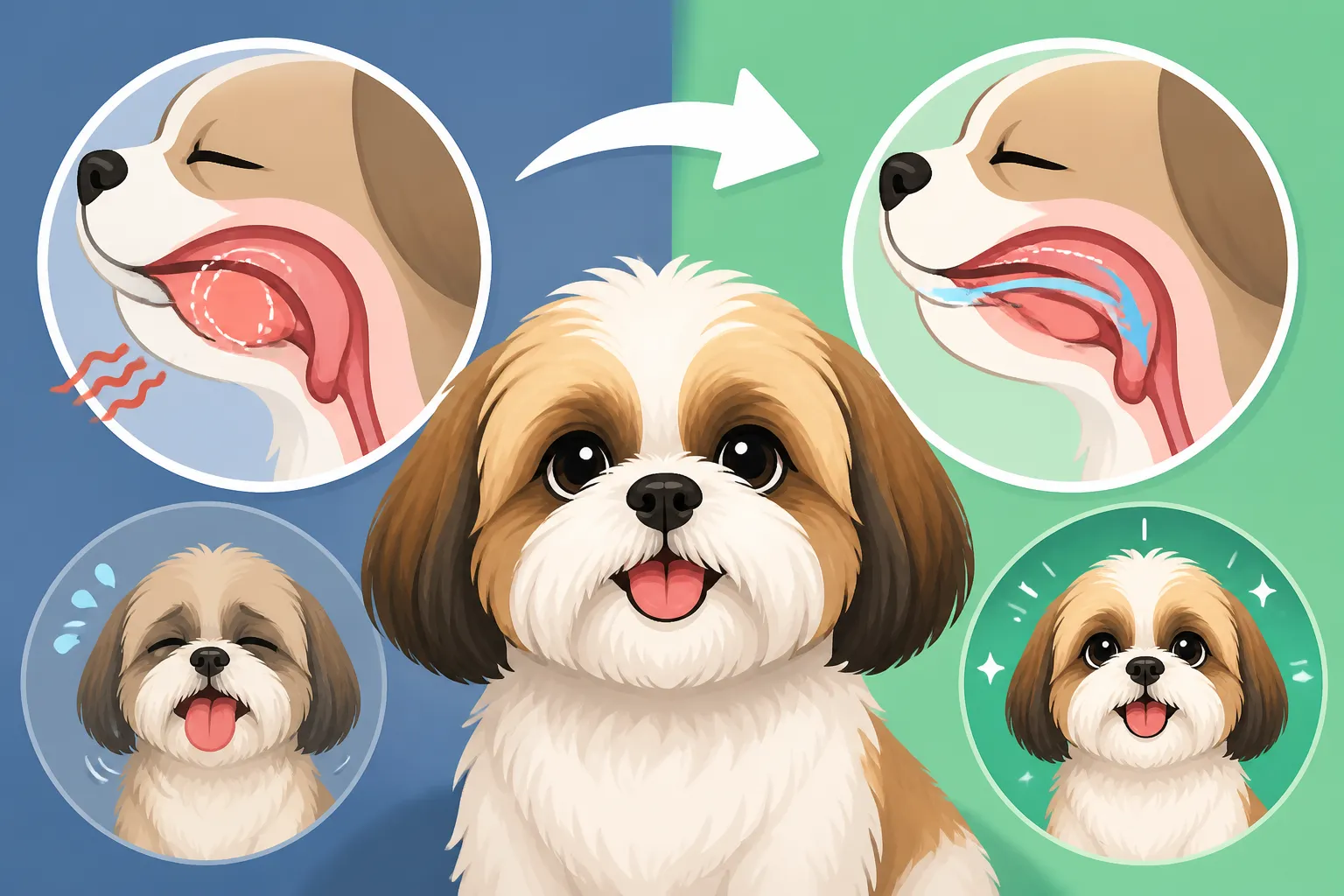
Imagine trying to breathe through a straw, all day, every day. That's a bit like what an affected Shih Tzu experiences. Their compact skull structure means everything inside their head and throat is squished into a much smaller space than nature intended for a dog. This anatomical compression manifests in several ways. Firstly, many Shih Tzus have stenotic nares, which are simply nostrils that are too narrow, restricting the initial intake of air. Beyond that, the soft palate at the back of their mouth is often too long, extending into the airway and partly blocking the entrance to the windpipe, especially when they inhale deeply or get excited. This is the "elongated soft palate" we're focusing on.
Beyond these two primary issues, there can be other contributing factors. Sometimes, the laryngeal saccules – small pockets of tissue near the vocal cords – can get pulled into the airway due to the constant negative pressure from struggling to breathe, becoming everted and causing further obstruction. Over time, the constant effort required to breathe can even lead to secondary changes like swelling and thickening of the tissues in the throat, creating a vicious cycle of worsening obstruction. It’s a multi-faceted problem that often requires a multi-pronged approach to really bring relief to your pup. You might have noticed your Shih Tzu's characteristic snoring; understanding The Snoring That Means a Shih Tzu Airway Problem is often the first step to realizing there's more than just cute noises going on.
Recognizing the Signs of Airway Distress
It's easy to dismiss some of the more subtle signs of BAS as "just how Shih Tzus are." Every Shih Tzu owner knows the characteristic snorts and snores, but when do these noises cross the line from cute to concerning? Often, the earliest indicator is increased respiratory noise, particularly on inhalation, which sounds like snorting, snuffling, or heavy breathing even at rest. This might escalate to loud, consistent snoring, especially when they're sleeping deeply.
Beyond the sounds, pay close attention to their activity levels and how they handle different situations. Dogs with BAS often exhibit exercise intolerance; they might tire quickly on walks, lag behind, or simply refuse to continue playing. Warm weather can be a severe challenge, as dogs cool themselves by panting, and an obstructed airway makes this process highly inefficient. You might see excessive panting, drooling, or even collapse in mild temperatures. Gagging, retching, or vomiting (especially after eating or excitement) are also common, as the elongated soft palate can irritate the back of the throat or interfere with swallowing. Keep a keen eye out for any signs of Shih Tzu Exercise Intolerance in Summer which is a major red flag for airway issues.
Other serious signs include cyanosis (a bluish tint to the gums or tongue, indicating lack of oxygen) or fainting episodes. If your Shih Tzu is regularly making loud, distressed breathing sounds, experiencing difficulty catching their breath, or seems generally uncomfortable, it's crucial to consult your veterinarian promptly. These are not just charming quirks; they are indicators of a dog struggling to live comfortably.
| Symptom of Airway Distress | What It Might Look Like | Severity |
|---|---|---|
| Increased Respiratory Noise | Snorting, snuffling, loud breathing even when resting, persistent snoring. | Moderate |
| Exercise Intolerance | Quick fatigue on walks, refusing to play, lagging behind, reluctance to move. | Moderate |
| Heat Sensitivity | Excessive panting, drooling, seeking cool spots, lethargy, or collapse in mild heat. | High |
| Gagging/Retching | Choking sounds, attempts to vomit, coughing up foamy saliva, especially after eating. | Moderate |
| Cyanosis (Blue Gums) | Gums and tongue appear bluish or purplish. | Critical |
| Fainting/Collapse | Sudden loss of consciousness, inability to stand. | Critical |
What Elongated Soft Palate Surgery Entails
When your veterinarian diagnoses an elongated soft palate contributing to your Shih Tzu's breathing difficulties, surgery often becomes the most effective path to relief. It's a procedure aimed at improving the airflow, giving your pup a much better chance at a comfortable, active life. Understandably, the thought of surgery for your little companion can be daunting, but knowing what to expect can alleviate some of those anxieties. It’s a specialized surgery, and finding a vet with experience in brachycephalic breeds is key.
The Surgical Procedure for Soft Palate Resection
The primary goal of elongated soft palate surgery, or staphylectomy, is deceptively simple: to shorten the soft palate so it no longer obstructs the airway. Your Shih Tzu will be placed under general anesthesia, a process that requires careful monitoring given the breed's unique respiratory considerations. For more insights on this, you might find information on Shih Tzu Anesthesia Risk From a Flat Face very helpful. Once safely anesthetized, the surgeon will visualize the elongated soft palate, which extends too far back into the throat, partially blocking the opening to the trachea (windpipe).
The actual resection can be performed using various techniques. Traditionally, a surgical scalpel and scissors are used, followed by careful suturing to prevent bleeding and ensure proper healing. However, many veterinary surgeons now prefer using a CO2 laser or a ligasure device. These advanced tools offer several advantages, including precise cutting, immediate cauterization of blood vessels (which means less bleeding), and often, reduced post-operative swelling and pain. The surgeon carefully measures and excises the excess tissue, aiming to create an appropriate length that allows for unobstructed breathing without interfering with swallowing. It's a delicate balance, and the experience of the veterinary surgeon plays a huge role in achieving the best possible outcome.
Addressing Other Brachycephalic Issues During Surgery
One of the great advantages of performing soft palate surgery is the opportunity to address other concurrent issues of Brachycephalic Airway Syndrome during the same anesthetic event. It's rare for a Shih Tzu with significant breathing problems to have only an elongated soft palate. More often than not, several anatomical abnormalities are contributing to their struggles. Taking a holistic approach during surgery can maximize the improvement in your dog's breathing and overall quality of life.
The most common additional procedure is widening the nostrils, known as stenotic nares correction. This involves carefully removing a small wedge of tissue from each nostril to create wider openings, allowing for significantly improved air intake right at the source. It’s like clearing a clogged entry point before addressing the internal管道. Another issue frequently encountered, and often addressed simultaneously, is the removal of everted laryngeal saccules. As mentioned earlier, these small sacs can get pulled into the airway due to chronic breathing effort. If present, they are easily resected during the same surgery, further clearing the path for air. Addressing all these components together can lead to a dramatic improvement in breathing, often transforming a struggling Shih Tzu into a much more comfortable and energetic companion. Learning about conditions like Shih Tzu Stenotic Nares and Noisy Breathing can help you understand the full picture of airway challenges.
Potential Risks and Complications
While soft palate surgery offers significant benefits, it’s important to be realistic about the potential risks and complications, as with any surgical procedure. One of the most immediate concerns post-operatively is swelling of the surgical site in the throat. Even with careful surgical technique, some degree of swelling is expected, and in severe cases, it can temporarily worsen breathing and even require a temporary tracheostomy (a breathing tube inserted into the windpipe) in rare instances. Your vet will closely monitor for this and often prescribe anti-inflammatory medications.
Another potential complication is bleeding, although modern techniques like laser surgery have significantly reduced this risk. Aspiration pneumonia is also a concern; if the dog has difficulty swallowing due to swelling or pain, food or water could accidentally enter the lungs. This is why careful post-operative feeding instructions are crucial. In some cases, scar tissue can form, or the palate can even regrow slightly, leading to a recurrence of symptoms, though this is less common with precise surgical techniques. It's also vital to remember that while surgery addresses the physical obstructions, it doesn't entirely change the fundamental brachycephalic anatomy. Ongoing vigilance for signs of overheating, especially in warm climates, remains important even after a successful operation. While pet insurance, such as a policy from Healthy Paws, often helps with unexpected vet bills, it's wise to discuss all potential risks with your vet beforehand.
Life After Soft Palate Surgery: Recovery and Long-Term Outlook
The moment your Shih Tzu comes home after surgery, you'll likely be filled with a mix of relief and concern. The recovery period is crucial for ensuring the best possible long-term outcome. While the immediate aftermath might seem daunting, the benefits of improved breathing will soon become evident, transforming your dog's daily life.
Immediate Post-Operative Care
Once your Shih Tzu is safely home, adhering strictly to your veterinarian's post-operative instructions is paramount. Typically, your dog will spend a day or two in the hospital for close monitoring of their breathing and pain levels. When they do come home, expect them to be a bit groggy from anesthesia and potentially a little sore. Pain medication will be prescribed, and it's essential to administer it exactly as directed to keep them comfortable and reduce inflammation. For about two weeks, your Shih Tzu will likely need to be on a soft food diet to avoid irritating the surgical site. This means no crunchy kibble or hard treats for a while, making meal times a little different than usual.
Activity restriction is another key component of recovery. Strenuous exercise, rough play, or anything that causes heavy panting or excitement should be avoided. A quiet environment will help promote healing and minimize swelling. You'll need to closely monitor their breathing, appetite, and energy levels. Any sudden changes, increased difficulty breathing, or persistent coughing should be reported to your vet immediately. While the initial days might require extra vigilance, remember that each day brings your Shih Tzu closer to a life with significantly improved breathing. Having pet insurance can offer peace of mind during this period; providers like Healthy Paws can assist with the costs of post-op check-ups and any necessary follow-up medications.
Long-Term Benefits and Management
The most immediate and satisfying long-term benefit of successful soft palate surgery is a dramatic improvement in your Shih Tzu’s ability to breathe. Many owners report a noticeable reduction, if not complete elimination, of the loud snoring, snorting, and gasping that plagued their dogs before surgery. This isn't just about noise reduction; it signifies a much healthier and more comfortable respiratory system. You'll likely see increased energy levels and a greater willingness to engage in play and walks, as they no longer have to work so hard for every breath. They'll probably be able to tolerate mild exercise for longer periods without becoming distressed.
Furthermore, the risk of serious complications such as heatstroke is significantly reduced, though brachycephalic dogs will always require careful monitoring in warm weather because they still have that flat face. Their overall quality of life is genuinely enhanced. While surgery addresses the mechanical obstruction, maintaining your Shih Tzu's ideal body weight is crucial, as excess weight places additional strain on their respiratory system. Avoiding high-stress situations and continuing to be mindful of hot environments are also important long-term management strategies. Many dogs who undergo this surgery experience a wonderful transformation, enjoying a much more active and comfortable life for years to come. For long-term care, especially with a senior Shih Tzu, consulting resources like Senior Shih Tzu Care Past the Age of Ten can be valuable.
Deciding on Surgery and Financial Considerations
The decision to proceed with surgery for your Shih Tzu is a significant one, weighing your pet's quality of life against the inherent risks and, of course, the financial investment. It's a conversation you'll have with your veterinarian, armed with information and a deep understanding of what's best for your furry family member.
When Is Surgery the Right Choice?
Deciding on surgery for an elongated soft palate isn't a "one size fits all" answer. For many Shih Tzus, especially those exhibiting severe symptoms like significant breathing difficulties, frequent gagging, or exercise intolerance, surgery can be a life-changing intervention. If your dog regularly experiences episodes of distress or collapse, or if their quality of life is clearly compromised by their inability to breathe comfortably, then surgery is often strongly recommended. It's about providing them with a future where simply inhaling isn't a constant struggle.
However, for Shih Tzus with very mild symptoms, such as occasional light snoring that doesn't impact their activity or comfort, your vet might recommend a "watch and wait" approach, combined with lifestyle modifications like weight management and strict avoidance of heat and stress. The key is an honest assessment of your dog's current health, their prognosis without intervention, and what you hope to achieve with surgery. Your veterinarian will guide you through this process, discussing the severity of your Shih Tzu's condition, identifying which anatomical issues are most problematic, and explaining the potential benefits versus risks of the procedure. It’s a discussion about improving quality of life and preventing more severe health crises down the line.
Managing the Cost of Brachycephalic Airway Surgery
It's no secret that veterinary surgeries can be a significant financial undertaking, and brachycephalic airway surgery is no exception. The costs can vary widely depending on your geographic location, the veterinary clinic or specialist hospital, the specific techniques used (e.g., laser vs. scalpel), and whether additional procedures like stenotic nares correction or saccule removal are performed concurrently. You'll need to factor in the initial consultation, pre-anesthetic testing (which is crucial for these breeds), the surgery itself, post-operative medications, and follow-up appointments.
Many owners find that pet insurance is an invaluable tool for managing these expenses. If you enrolled your Shih Tzu in a policy, such as one from Healthy Paws, before any symptoms of elongated soft palate were noted, there's a good chance the surgery costs will be covered, subject to your deductible and reimbursement rate. However, if symptoms were present before enrollment or during the waiting period, it's often considered a pre-existing condition and might not be covered. It's essential to thoroughly review your policy details or speak directly with your insurance provider to understand what is included. For those without insurance, discussing payment plans with your vet, exploring veterinary credit lines, or researching charitable organizations that assist with veterinary care might be necessary. Being prepared for these costs is an important part of making an informed decision about your Shih Tzu’s health. You may also want to research topics like Shih Tzu Emergency Vet Costs Owners Should Expect to budget for potential unforeseen situations.
Disclaimer
The information provided in this guide is intended for educational purposes only and should not be considered a substitute for professional veterinary advice. Always consult with a qualified veterinarian regarding your Shih Tzu's specific health concerns, diagnosis, and treatment options. Medical conditions can vary, and proper care requires a personalized approach from a veterinary professional.