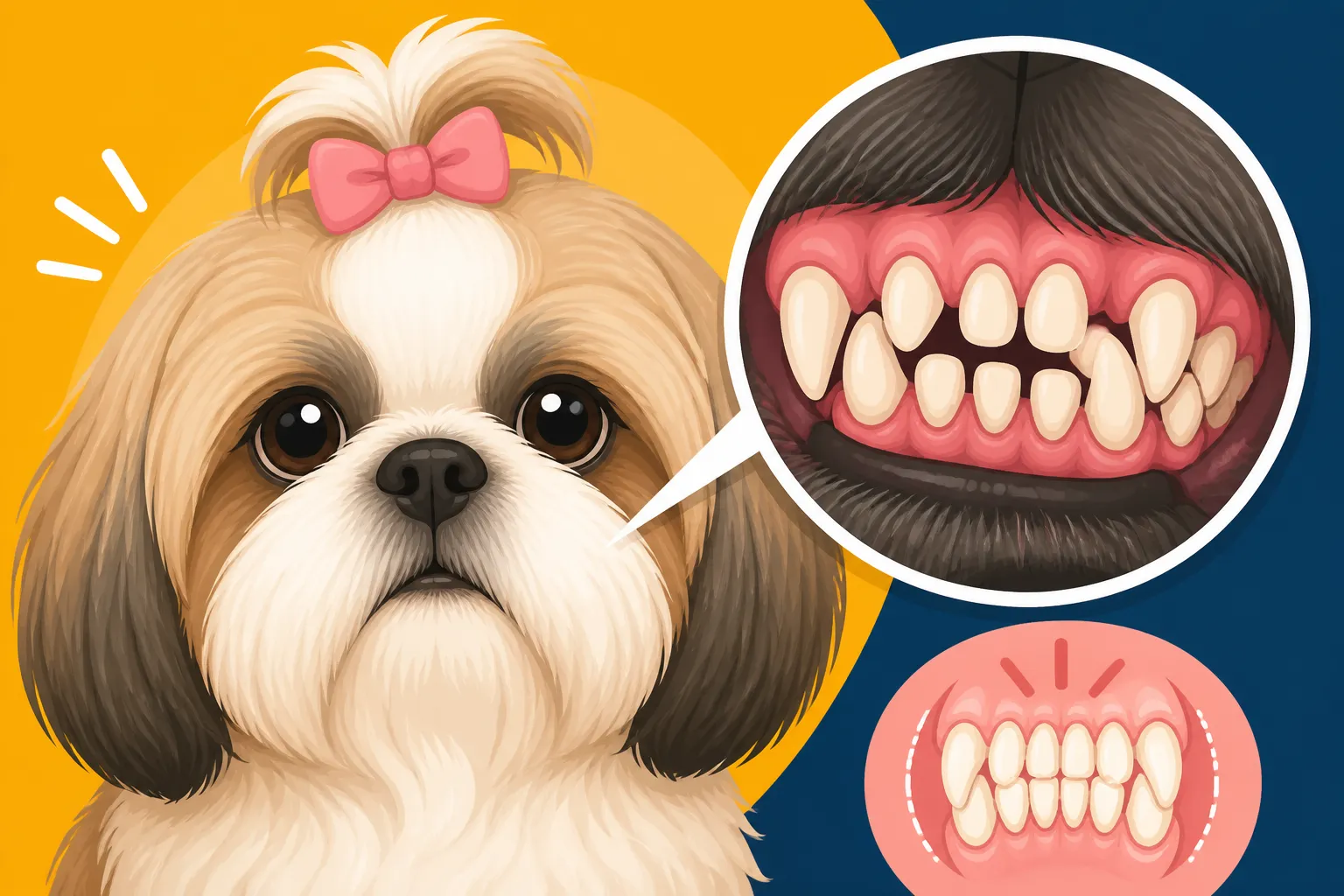
Shih Tzu Tooth Crowding in a Tiny Jaw
It's a common sight for Shih Tzu owners, isn't it? You peer into that adorable, smushed little face and notice something a bit… off about their teeth. They often look like a tiny, bustling city block, packed in so tightly there's hardly room to breathe. This isn't just a quirky charm; that inherent crowdedness in their small jaws is a significant health concern that many owners grapple with, often leading to bigger problems down the line. This comprehensive guide will walk you through everything you need to know about Shih Tzu tooth crowding, from understanding why it happens to practical daily care and professional interventions, ensuring your beloved companion maintains a healthy, happy smile.
Understanding Shih Tzu Tooth Crowding and Its Roots
The very features that make Shih Tzus so endearing – their flat faces and petite statures – are also the source of some of their most common health challenges, particularly concerning their dental health. It’s not just a minor inconvenience; it's a structural predisposition that demands our attention.
The Anatomy of a Shih Tzu's Tiny Jaw
Imagine trying to fit a full set of human teeth into a jaw half its size. That's essentially what a Shih Tzu experiences. Despite their miniature size, Shih Tzus are supposed to have 42 adult teeth, just like larger dogs. This is a lot of teeth for such a compact oral cavity! Their brachycephalic (flat-faced) skull structure means their upper jaw is shortened, but the teeth themselves haven't proportionately shrunk. This leads to a severe lack of space, causing teeth to rotate, overlap, or erupt in abnormal positions. The result is a mouth where every tooth is vying for real estate, often leading to a disarray that makes effective cleaning incredibly difficult. This crowding isn't just about aesthetics; it creates perfect hiding spots for food particles and bacteria, laying the groundwork for more serious dental issues.
The Inherited Predisposition to Dental Overcrowding
While environmental factors like diet can play a role in overall dental health, the primary reason for tooth crowding in Shih Tzus is genetic. It's an inherited trait directly linked to their breed standard, which favors that charming short snout. Reputable breeders work diligently to mitigate known health issues, but the very essence of the Shih Tzu's appearance dictates this dental crowding. This genetic blueprint means that even with the best care from day one, many Shih Tzus will still experience some degree of crowded teeth. It’s crucial for prospective owners to understand that this isn’t a flaw in their individual dog, but a characteristic of the breed itself, and one that requires proactive management throughout their life. It's a key reason why understanding Shih Tzu Dental Disease at 13 Percent of the Breed is so important, as this crowding dramatically increases their susceptibility.
The Visible and Hidden Problems of Crowded Teeth
When teeth are packed together like sardines, it's not just an unsightly grin; it creates a cascade of health problems, some immediately obvious and others quietly brewing beneath the surface, potentially affecting their overall health.
Food Traps and Rapid Plaque Accumulation
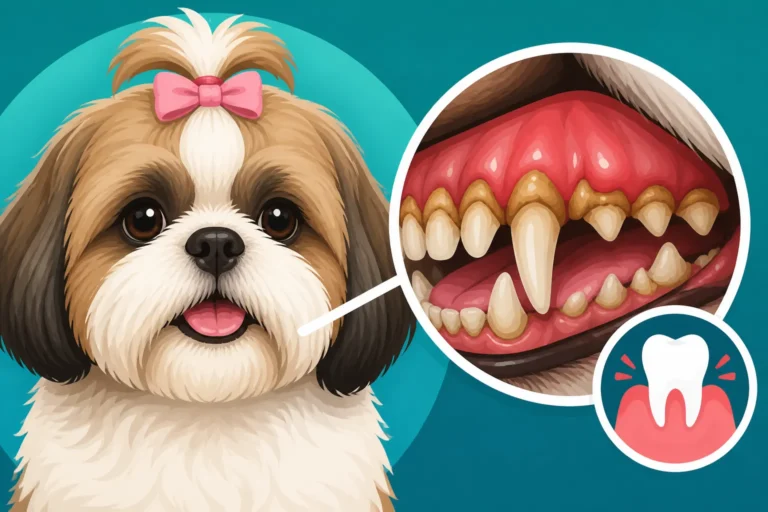
Think about trying to clean between tightly spaced teeth with a toothbrush. Now imagine that on a dog who isn't exactly thrilled about dental hygiene. The overlapping and rotated teeth in a Shih Tzu's mouth create countless crevices and nooks where food particles easily become trapped. These trapped particles, combined with saliva and bacteria, quickly form plaque. Unlike a mouth with well-spaced teeth where natural chewing and saliva flow can offer some self-cleaning, the crowded nature of a Shih Tzu's jaw hinders these natural processes. This means plaque builds up at an accelerated rate, often within hours of a meal. Without diligent daily cleaning, this soft plaque soon hardens into tartar, which cannot be removed by brushing alone. This rapid accumulation is often the starting point for more severe dental problems, and it’s why many owners see Tartar on Shih Tzu Teeth Before Age Three.
Increased Risk of Periodontal Disease
The rapid plaque and tartar buildup from crowded teeth is a direct expressway to periodontal disease, which is an infection and inflammation of the tissues surrounding the teeth. Once tartar forms, it irritates the gums, leading to gingivitis – swollen, red, and often bleeding gums. If left unchecked, this inflammation progresses, causing the gums to recede and creating pockets where more bacteria thrive. This infection then attacks the underlying bone and ligaments that hold the teeth in place. The consequences can be devastating: loose teeth, chronic pain, and eventually, tooth loss. What starts as a simple case of crowded teeth can quickly escalate into a painful, debilitating condition that significantly impacts a Shih Tzu's quality of life. Owners might notice Gum Recession in a Shih Tzu as an early sign of this progression.
Pain, Infection, and Systemic Health Concerns
Beyond the immediate oral discomfort, severe dental disease stemming from crowding can lead to more serious systemic health issues. The persistent bacterial infection in the mouth doesn't stay confined to the gums; it can enter the bloodstream and travel to vital organs. This is why veterinarians often link advanced periodontal disease to problems in the heart, kidneys, and liver. Imagine an ongoing infection constantly sending bacteria to these organs – it's a huge burden on your dog's immune system and overall health. A Shih Tzu suffering from dental pain might become withdrawn, lose their appetite, or show reluctance to play or chew. They might also develop abscesses, which are extremely painful pockets of pus around the tooth roots, potentially leading to facial swelling or even drainage through the skin. These are not minor issues; they are serious threats to your Shih Tzu's longevity and well-being. This is an important consideration when evaluating pet insurance providers like Healthy Paws, as they can help cover the costs of these unexpected, serious dental complications.
Spotting the Early Warning Signs
As a dedicated Shih Tzu parent, you're their first line of defense against health issues. Being vigilant about their oral health can make all the difference, catching problems when they're still manageable rather than waiting until they become severe and painful.
Bad Breath and Oral Discomfort
One of the most common and often overlooked signs of dental trouble is persistent bad breath, or halitosis. While no dog's breath is going to smell like a bed of roses, truly foul, rotten-smelling breath is a strong indicator of bacterial overgrowth and infection in the mouth. It's not just "dog breath"; it's a pungent odor that signals trouble. Along with bad breath, pay close attention to any signs of oral discomfort. Your Shih Tzu might start pawing at their mouth, rubbing their face against furniture, or shying away when you try to touch their head. They might also drool excessively or leave little blood stains on their toys or bedding after chewing. These subtle cues are your dog's way of telling you something hurts, and it's essential not to dismiss them as quirks.
Changes in Eating Habits and Behavior
A happy Shih Tzu is usually a food-motivated one, so any shift in their eating habits should raise a red flag. If your usually enthusiastic eater suddenly becomes hesitant to approach their bowl, starts dropping food, or chews only on one side of their mouth, it could be a sign of dental pain. They might refuse hard kibble or favorite chews, preferring softer foods, or even swallow their food whole without chewing. Beyond eating, dental discomfort can manifest in broader behavioral changes. A dog in chronic pain might become irritable, less playful, or even snap when touched near their mouth. They might withdraw, sleep more, or just seem generally subdued. These changes are crucial indicators that something is wrong, and they warrant immediate veterinary attention. This is especially true if you notice them becoming particular about the kind of food they eat, moving away from the dry kibble they usually love.
Visible Tartar and Gum Inflammation
Taking a regular peek inside your Shih Tzu's mouth is a non-negotiable part of their care. You're looking for tell-tale signs of developing dental disease. Tartar often appears as a brownish-yellow, hard buildup on the surface of the teeth, especially noticeable along the gum line and on the outer surfaces of the molars and canines. Because of the Shih Tzu Tooth Crowding in a Tiny Jaw, this buildup is often exacerbated in the tight spaces between teeth. You should also examine their gums. Healthy gums are typically a pale pink, fitting snugly around the teeth. Inflamed gums, on the other hand, will look red, swollen, and might bleed easily when gently touched. You might even notice areas where the gum line appears to be receding, exposing more of the tooth root. Don't forget to check for missing teeth, broken teeth, or any strange growths inside the mouth. Early detection of these visible signs allows for intervention before the disease becomes advanced.
Daily Home Care Strategies for Oral Health
While you can't change the fact that your Shih Tzu has a crowded mouth, you absolutely can implement daily strategies to keep that crowding from becoming a severe problem. Consistency is key, and it truly makes a world of difference.
The Art of Brushing a Shih Tzu's Tiny Teeth
Let's be real: brushing your dog's teeth isn't always a walk in the park. But for a Shih Tzu with a crowded mouth, it's arguably the single most effective thing you can do at home. The goal is to remove plaque before it hardens into tartar. Start slowly and make it a positive experience, using plenty of praise and high-value treats. You'll need a dog-specific toothbrush – finger brushes or small, soft-bristled brushes designed for toy breeds work best. Avoid human toothpaste, as it contains ingredients toxic to dogs. Pet toothpastes come in appealing flavors like poultry or beef, which can help.
Focus on the outside surfaces of the teeth, especially where they meet the gum line, as this is where plaque accumulates most rapidly. Because of the crowding, try to get the bristles into those tight spaces as best you can. Even a minute or two of brushing daily can have a profound impact. If your Shih Tzu is resistant, gradually introduce the toothbrush, starting by just letting them lick the toothpaste, then touching their gums, then quickly brushing one or two teeth before building up. Remember, consistency beats intensity; short, regular sessions are better than infrequent, long struggles. This is the essence of Daily Toothbrushing in a Crowded Shih Tzu Jaw.
Dental Chews, Water Additives, and Oral Rinses
Beyond brushing, there's a whole arsenal of products designed to support your Shih Tzu's oral health. Dental chews can be incredibly helpful, but choose wisely. Look for products that are approved by the Veterinary Oral Health Council (VOHC) for plaque and/or tartar control. These chews are specifically formulated to have an abrasive action that scrapes away plaque as your dog chews, or they contain enzymes that help break down bacteria. Always select a chew appropriate for your Shih Tzu's size and chewing style to prevent choking or tooth breakage.
Water additives are another convenient option; these are usually tasteless liquids added to your dog's drinking water daily, containing ingredients that help reduce bacteria in the mouth. Oral rinses or gels can also be applied directly to the gums or teeth, providing a quick way to deliver antiseptic agents. While these products are beneficial, they are best used as adjuncts to regular brushing, not replacements, especially for a breed as prone to dental issues as the Shih Tzu.
Here's a quick comparison of home dental care strategies:
| Strategy | Pros | Cons | Effectiveness (Crowded Jaw) |
|---|---|---|---|
| Daily Brushing | Most effective for plaque removal, reaches gum line | Requires consistent effort, dog cooperation, can be challenging | High – directly targets problem areas |
| VOHC Dental Chews | Satisfies chewing urge, aids in plaque abrasion | Must choose appropriate size/hardness, can be high in calories | Moderate – depends on chewing action |
| Water Additives | Easy to use, passive bacterial reduction | Less direct impact on stuck food/tartar, some dogs dislike taste | Low-Moderate – supplementary |
| Oral Rinses/Gels | Targeted application, quick antimicrobial action | Requires direct application, some dogs resist | Moderate – good for specific areas |
Nutritional Considerations for Dental Health
What your Shih Tzu eats can also play a role in their dental health. While dry kibble is often touted for its "cleaning" action, this effect is usually minimal. Unless it's a specially formulated dental diet, most kibble shatters upon impact, offering little mechanical abrasion. However, specific veterinary dental diets are designed with larger kibble that forces the tooth to penetrate deeper before breaking, providing a scrubbing action on the tooth surface. These diets often contain ingredients that help prevent tartar from forming or adhering to the teeth.
Beyond specialized diets, ensuring a balanced, high-quality diet that supports overall health, including a strong immune system, can indirectly benefit dental health. A healthy immune system is better equipped to fight off oral infections. Also, be mindful of treats. While we all love to spoil our pups, sugary or starchy treats can contribute to plaque formation. Opt for dental-specific treats or small pieces of plain, dog-safe vegetables like carrots or green beans. And remember, Treats Small Enough for a Shih Tzu Session are crucial for training and rewarding without adding too many calories or further stressing their crowded teeth.
Professional Veterinary Intervention and Long-Term Solutions
Despite the best home care, professional veterinary dental cleanings are an indispensable part of managing a Shih Tzu's oral health, especially given their genetic predisposition to crowding and disease.
The Importance of Regular Dental Check-ups
Your veterinarian is your most valuable partner in maintaining your Shih Tzu's oral health. Regular check-ups, typically once a year (or more frequently for older dogs or those with known dental issues), allow your vet to assess the state of their teeth and gums. During these exams, they'll look for signs of gingivitis, tartar buildup, any loose or broken teeth, and indications of more serious periodontal disease. For a Shih Tzu, these examinations are particularly crucial because the crowded nature of their mouth can hide underlying problems. Your vet can provide tailored advice on home care, recommend specific dental products, and determine when a professional dental cleaning is necessary. Ignoring these routine checks can lead to problems spiraling out of control, costing more in pain and expense down the road.
Professional Cleaning and Tooth Extractions
When tartar has accumulated, or periodontal disease has set in, professional dental cleaning under anesthesia is the only effective solution. This procedure goes far beyond what you can do at home. Your vet will perform a thorough scaling, removing tartar from above and below the gum line, often using ultrasonic scalers similar to those a human dentist uses. They will then polish the teeth to smooth the surfaces, making it harder for plaque to adhere. During the cleaning, they will also probe for deep pockets between the teeth and gums, and take dental X-rays to assess the health of the tooth roots and jawbone – something impossible to do on a conscious dog.
If severe periodontal disease is present, or if teeth are broken, loose, or causing pain due to crowding, extractions may be necessary. While pulling teeth might sound drastic, removing diseased or problematic teeth is often the kindest solution, eliminating chronic pain and infection. Your Shih Tzu will be much more comfortable, and healthier overall, after problematic teeth are removed. Knowing Shih Tzu Tooth Extractions and Eating After can help alleviate concerns about their recovery. Many pet insurance plans, like those offered by Healthy Paws, recognize the importance of these procedures and can help alleviate the financial burden of extensive dental work.
Navigating Anesthesia for a Flat-Faced Shih Tzu
The thought of anesthesia can be daunting for any pet owner, but for Shih Tzus and other brachycephalic breeds, there are unique considerations. Their flat faces mean they can have narrowed nostrils, elongated soft palates, and smaller tracheas, all of which can affect breathing, especially during sedation. This is why it’s imperative to choose a veterinary practice that is experienced with brachycephalic breeds and follows strict safety protocols for anesthesia.
Before any anesthetic procedure, your vet will perform thorough pre-anesthetic testing, which typically includes blood work, and sometimes a chest X-ray or EKG, to ensure your Shih Tzu is healthy enough for anesthesia and to identify any potential risks. During the procedure, your dog should be closely monitored by a dedicated veterinary nurse using advanced equipment to track heart rate, blood pressure, oxygen levels, and temperature. They should also be intubated to protect their airway. Recovery protocols are also critical, focusing on slow, quiet awakening and careful monitoring of their breathing. While risks exist with any anesthesia, a skilled veterinary team takes every precaution to make the procedure as safe as possible for your beloved Shih Tzu. It is important to know about Pre-Anesthetic Testing Before a Shih Tzu Dental to feel more confident in the procedure.
A Holistic Approach to Your Shih Tzu's Dental Well-being
Managing a Shih Tzu's dental health requires more than just reacting to problems; it's about proactive care and understanding the breed's specific needs from puppyhood through their senior years.
Preventing Retained Puppy Teeth
One common issue that exacerbates tooth crowding in Shih Tzus is retained puppy teeth. In many breeds, as adult teeth emerge, they push out the baby teeth. However, in Shih Tzus, the adult teeth often erupt next to the baby teeth instead of displacing them. This leaves both the baby tooth and the adult tooth occupying the same space, further increasing crowding and creating more pockets for food and bacteria.
It's crucial to have your Shih Tzu puppy checked by a vet regularly, typically around 6-8 months of age, to monitor their dental development. If retained puppy teeth are present, your vet will likely recommend extracting them under anesthesia, often at the same time as their spay or neuter surgery. Removing these retained teeth allows the adult teeth to hopefully shift into slightly better alignment and reduces the immediate risk of plaque buildup and periodontal disease in those already crowded areas. Don't underestimate the impact of Retained Puppy Teeth in a Shih Tzu on their long-term oral health.
Financial Planning for Dental Care
The reality of owning a Shih Tzu is that robust dental care will likely be a significant part of their long-term health budget. Between daily home care supplies, regular veterinary check-ups, and the inevitable professional cleanings and potential extractions, costs can add up quickly. Many owners are surprised by How Often a Shih Tzu Needs a Dental – often annually or every other year for some individuals.
It's wise to plan for these expenses. Setting aside a dedicated savings fund for your Shih Tzu's health needs is an excellent strategy. Additionally, pet insurance, such as a plan from Healthy Paws, can be an invaluable safety net. While most policies don't cover routine cleanings, they often cover the costs associated with treating periodontal disease, tooth extractions due to disease or injury, and the anesthesia required for these procedures. Researching policy options early, before any pre-existing conditions develop, can provide peace of mind and ensure you can always afford the best possible dental care for your cherished companion. Being prepared financially means you won't have to make difficult decisions based on cost when your Shih Tzu needs dental intervention.
Disclaimer
Please remember that the information provided in this article is intended for general guidance and informational purposes only, and does not constitute professional veterinary advice. Always consult with a qualified veterinarian or other animal health professional for any questions or concerns regarding your Shih Tzu's specific medical condition or treatment options. Never disregard professional veterinary advice or delay in seeking it because of something you have read here.