How High a Shih Tzu Tail Should Sit
If you’ve ever admired a Shih Tzu, one of the first things that probably caught your eye—after their gorgeous face, of course—is that fabulous tail. It's often described as a "plume" arching gracefully over their back, a signature feature that truly completes their regal look. But for many new Shih Tzu parents, understanding exactly how high that tail should sit can be a bit of a mystery, especially when you start looking at breed standards or seeing different dogs in person. This guide will walk you through what the ideal Shih Tzu tail looks like, why it's such an important part of their overall appearance, and what to do if you notice any changes in your own furry friend's tail carriage.
Understanding the Shih Tzu Tail Standard: The "Plumed Tail Carried Over the Back"
When you delve into the characteristics that define a Shih Tzu, their tail is almost as iconic as their distinctive face. It’s not just a tail; it’s a statement piece, meticulously described in the breed standard to ensure that every aspect of this charming companion contributes to its unique appeal. Many owners, especially those new to the breed, might not realize just how specific these details are.
The Ideal: A High-Set, Loosely Curled "Teapot Handle"
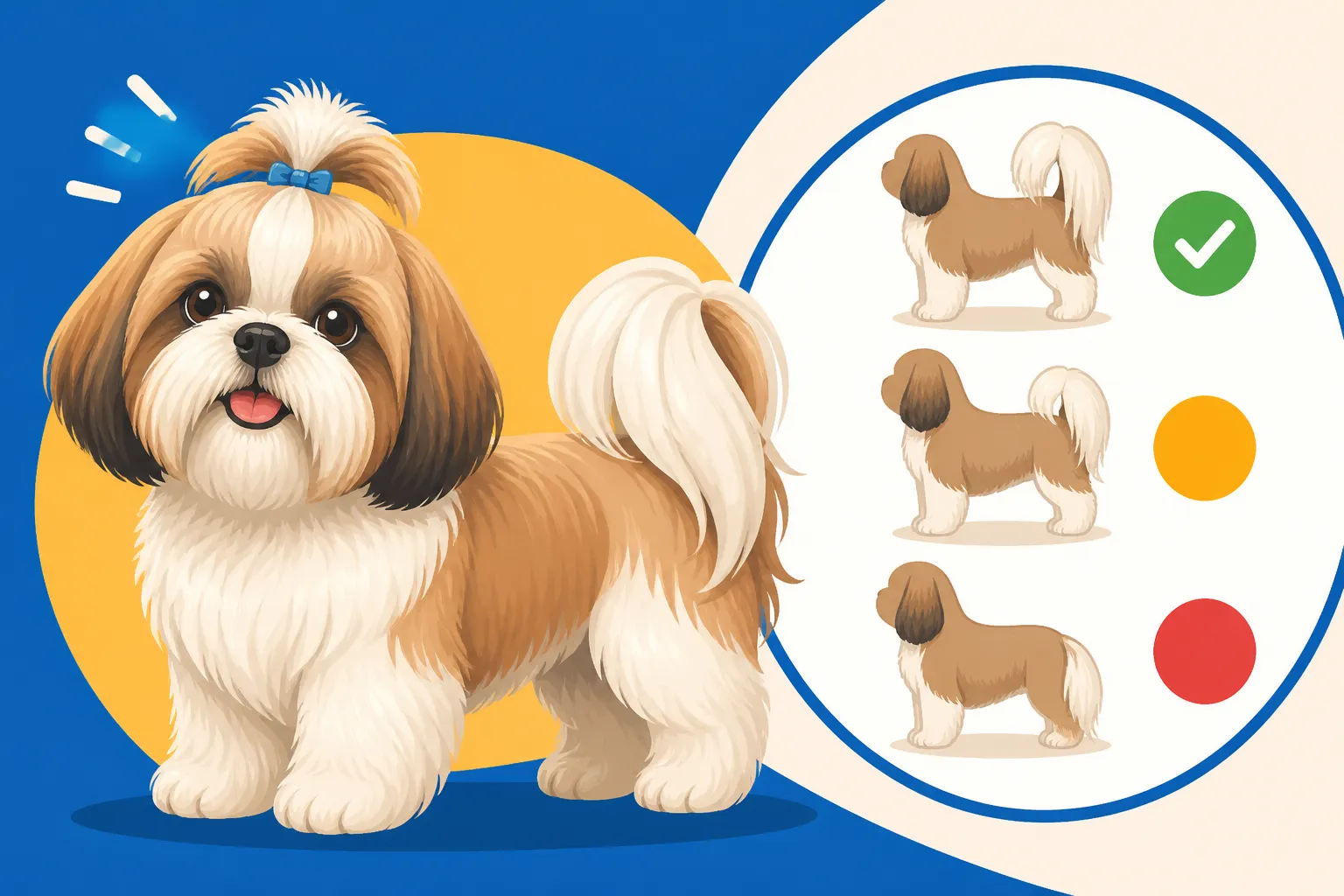
The blueprint for the perfect Shih Tzu tail emphasizes several key traits. Firstly, it must be "high-set," meaning it originates from a point well up on the dog's rump, rather than lower down. This high origin gives it that majestic lift. From there, it should curve gently, forming a loose, graceful arc over the back. Think of it like the handle of a teapot – a smooth, open curve, not a tight coil pressed against the body. This elegant curve is essential for the breed's balanced silhouette.
Adding to its splendor is the "plumed" description. This isn't just about the tail's shape but also its lavish covering of long, flowing hair. This beautiful plume cascades over the back, often reaching forward to brush the back of the head or even the top of the skull. The length and richness of this hair are part of what gives the Shih Tzu its undeniable charm and luxurious appearance. It should never appear sparse or thin, but rather full and abundant, blending seamlessly with the dog's lush double coat. This specific carriage is central to The Shih Tzu Standard and What Judges Look For, defining a significant aspect of their conformation.
Distinguishing a Correct Tail From an Incorrect One
While the ideal is quite specific, it's helpful to understand what deviations from this standard might look like. In the show ring, judges look for that perfect high-set, loosely curled plume. A tail that is carried too low, perhaps straight out or drooping, would be considered incorrect. Similarly, a tail that is too tightly curled, almost screw-like, or pressed flat against the back, would also not meet the standard. These subtle differences in how the tail is carried can impact the dog's overall balance and presentation, creating a different impression entirely.
It's also important to note that the Shih Tzu tail should never be docked or altered in any way. It's meant to be a natural, flowing extension of their beautiful coat and body. For pet Shih Tzus, a slight variation from the show standard is, of course, absolutely fine. Your beloved companion doesn't need to win a ribbon to be perfect in your eyes! However, understanding the standard helps appreciate the artistry behind the breed's development. A well-carried tail contributes significantly to The Plumed Tail on a Shih Tzu Back, emphasizing its beauty and distinctiveness.
Why Tail Carriage Matters in a Shih Tzu
Beyond simply adhering to a breed standard, the way a Shih Tzu carries its tail plays a subtle yet significant role in both its physical presentation and, in some ways, even how we perceive its well-being. It’s not merely an appendage; it’s an integral part of their unique charm.
Conformation and Balance: More Than Just Aesthetics
The high-set, plumed tail is not just an arbitrary detail; it's fundamental to the Shih Tzu's conformation and overall aesthetic balance. When you look at a Shih Tzu, you’re meant to see a compact, sturdy little dog with a distinct, proud bearing. The tail, gracefully arched over the back, completes this picture. It acts as a visual counterbalance to their broad, round head, giving them that well-proportioned, almost rectangular outline that is desired in the breed. Imagine a Shih Tzu with a low-slung tail, and you immediately lose that characteristic elegance and stately presence. The tail adds to the "chrysanthemum" effect of their face and full coat, creating a cohesive, ornamental look.
Historically, Shih Tzus were bred as companions for Chinese royalty, prized for their luxurious appearance and dignified demeanor. Every feature, including the tail, was carefully selected to enhance this ornamental quality. A beautifully carried tail wasn't just fashionable; it was a mark of breeding excellence and contributed to their revered status. It’s part of what makes them instantly recognizable and captures the hearts of so many. The way the tail flows with their double coat creates a seamless, artistic line, which is why The Rectangular Outline the Standard Wants is so tied to proper tail carriage.
A Reflection of Health and Temperament?
While the height of the tail carriage itself isn't a direct indicator of health, sudden changes in how a Shih Tzu holds its tail can certainly be a subtle clue that something is amiss. A typically proud tail that suddenly starts drooping or is held low between the legs could signal discomfort or pain. This might be due to an injury to the tail itself, perhaps a sprain or a fracture, or it could point to more general issues like back pain or disc problems, which are sadly not uncommon in some small breeds. If your Shih Tzu usually carries their tail high and you observe a sudden, persistent change to a lower carriage, it's always wise to consult your veterinarian to rule out any underlying medical conditions. Changes in tail posture can be a subtle sign of discomfort, sometimes even related to issues like Shih Tzu Back Problems and Disc Disease.
Beyond physical health, a Shih Tzu's tail can also reflect its emotional state. A happy, confident, and outgoing Shih Tzu, which is typical of Shih Tzu Temperament and the Companion It Was Bred to Be, will almost invariably carry its tail proudly over its back, often with a cheerful wag. Conversely, a Shih Tzu that is feeling scared, anxious, or unwell might tuck its tail low, even between its legs. While a temporary tucked tail during a thunderstorm or a scary vet visit is normal, persistent tail tucking or a complete lack of wagging can be a sign of distress or pain. Observing these cues helps us understand our furry friends better and respond to their needs.
Common Tail Carriages You Might See (and What's Acceptable)
It's easy to get caught up in the idea of "perfect" breed standards, especially when you see those pristine show dogs. But the reality is that just like people, every Shih Tzu is an individual, and there's a lovely range of what you might see in terms of tail carriage. Most importantly, for a cherished pet, these variations are usually perfectly normal and don't diminish their charm one bit.
The Spectrum of "Over the Back" in Pet Shih Tzus
While the ideal show tail is high-set and loosely curled, not every Shih Tzu puppy is going to grow up with that exact "teapot handle" curve. You might encounter Shih Tzus whose tails are still carried over the back, but perhaps slightly lower, or with a curl that's a little tighter or looser than the standard dictates. Some might have a magnificent plume that reaches their head, while others have a shorter, equally charming tail that still curls nicely. These are generally just natural variations within the breed and part of what makes each dog unique. For a family pet, as long as the tail isn't causing discomfort or indicating a health issue, these differences are completely acceptable.
Think about how our own expressions change based on our mood. A Shih Tzu's tail carriage can also be somewhat dynamic. An excited Shih Tzu, greeting you at the door, might have its tail practically vibrating with joy, sometimes even curling a little tighter with enthusiasm. Conversely, when they're relaxed and snoozing, their tail might lie a bit flatter or more loosely. These temporary shifts are simply a reflection of their current state and are no cause for concern. It's truly a dance of form and function, where How a Shih Tzu Should Move Across the Ring includes their tail as a key element of their joyful gait.
When to Be Concerned: Drooping or Unusual Tail Postures
The time to really pay attention to your Shih Tzu's tail carriage is if you notice a sudden or persistent change. If your dog has always carried its tail proudly over its back, and now it's consistently drooping, held low, or tucked firmly between its legs, that's a signal to investigate further. This isn't just a stylistic choice; it could be a sign of pain, injury, or discomfort. Common reasons for a change include:
- Injury: The tail itself might have been stepped on, caught in a door, or simply strained. The base of the tail is connected to the spine, and injuries here can be quite painful.
- Back Problems: Given that Shih Tzus can be prone to disc issues, a sudden change in tail carriage can sometimes be linked to pain originating in their spine. If they seem reluctant to jump, yelp when lifted, or show hind leg weakness, a vet visit is crucial. This could be an early indicator of issues like Early Shih Tzu Back Pain Signs.
- Anal Gland Issues: Believe it or not, impacted or infected anal glands can cause enough discomfort that a dog will hold its tail low to try and relieve pressure or pain.
- Fear or Anxiety: While a temporary tucked tail during a scary moment is normal, chronic low tail carriage can indicate ongoing fear or anxiety.
- General Illness: Sometimes, a dog that is feeling generally unwell, lethargic, or nauseous might simply not have the energy or inclination to carry its tail high.
If you observe such a change, especially if accompanied by other symptoms like lethargy, appetite loss, or limping, a trip to the vet is highly recommended. It’s always best to have a professional check things out to ensure your furry friend isn't silently suffering.
Here’s a quick overview of what to look for:
| Tail Feature | Ideal (Show Standard) | Common (Pet Shih Tzu) | Concerning (Vet Check Recommended) |
|---|---|---|---|
| Set | High-set, originating from well up on the rump | High-set to medium-set, often still over the back | Low-set, consistently below the level of the back |
| Curl/Arc | Loose, graceful arc over the back (teapot handle) | Varies from loose to slightly tighter curl, still over back | Tucked firmly between legs, constantly drooping, or limp |
| Plume/Hair | Abundant, long, flowing hair | Full, often groomed shorter, but healthy and well-covered | Sparse, patchy, or matted with visible skin irritation |
| Movement | Carried proudly, often with a cheerful wag | Active and expressive, reflects mood | Stiff, painful to move, lack of wagging, or signs of discomfort |
| Changes to Observe | Consistent and stable carriage (unless excited/relaxed) | Slight variations with mood/activity | Sudden, persistent drop in carriage, reluctance to wag or lift |
Grooming the Magnificent Shih Tzu Tail
That beautiful, plumed tail isn’t just for show; it also requires dedicated care to keep it looking glorious and, more importantly, to keep your Shih Tzu comfortable and healthy. A tail that's part of The Shih Tzu Coat the Standard Describes is an asset, but it comes with responsibilities.
Keeping the Plume Glorious and Mat-Free
The sheer volume and length of hair on a Shih Tzu's tail mean it's incredibly prone to matting, especially where it curls over the back and at its base. This area experiences friction and can easily knot up if not regularly maintained. Owners often find that mats form quickly here, sometimes within just a couple of days if brushing is neglected. Mats aren't just unsightly; they can pull on the skin, causing pain and even skin infections. Imagine having a tight knot constantly tugging at your skin—it's no fun for your dog. Regular, ideally daily, brushing is absolutely essential.
To effectively brush the tail, you’ll need a good quality slicker brush and a metal comb. Start by gently misting the tail hair with a detangling spray to help protect it and make the brushing easier. Then, working in sections, carefully brush through the hair, making sure to get right down to the skin. Pay particular attention to the underside of the tail and where it meets the back. After using the slicker, follow up with a metal comb to ensure all tangles and smaller knots have been removed. If the comb glides through smoothly, you’ve done a great job! If you can't get a comb through, you might need to try a detangling product from a place like Chewy or even consider carefully trimming out a stubborn mat if it's too tight. Proper technique is key to Brushing a Shih Tzu Double Coat Every Day effectively, ensuring no spot, especially the tail, is missed.
Products and Techniques for a Healthy Tail
To keep that tail plume soft, shiny, and mat-free, a few specific products and techniques can make a big difference. As mentioned, a good detangling spray is a lifesaver. Look for ones specifically formulated for long-haired breeds or those that emphasize conditioning. These sprays help to lubricate the hair, making it less prone to tangles and easier to brush through. When bathing your Shih Tzu, make sure to thoroughly shampoo and condition the tail hair, rinsing completely. Then, the drying process is critical. A damp tail, like any damp part of a Shih Tzu's coat, will mat almost instantly. Use a good quality dog dryer or even a low-setting human hairdryer (held at a safe distance and temperature) to ensure the tail hair is completely dry, right down to the roots. Then, brush it through again.
Some owners prefer to keep the tail hair trimmed to a shorter length, especially if their dog is particularly active or prone to getting debris caught in the plume. This "puppy cut" approach can simplify grooming while still allowing for a lovely, fluffy tail. If you opt for a full, long tail, regular trims by a professional groomer can help maintain its shape and health. The goal is always comfort and cleanliness for your Shih Tzu, so choose the approach that works best for both of you. Products like Detangler Sprays That Work on a Shih Tzu are invaluable, and knowing Shampoo That Suits a Shih Tzu Double Coat will keep the hair healthy. You can often find a wide selection of grooming tools, shampoos, and detanglers from online retailers like Chewy to ensure you have everything you need for your Shih Tzu's magnificent tail.
Disclaimer
This article is for general informational purposes only and does not constitute professional advice. Laws, prices and regulations vary by location and change over time. Consult a qualified professional for guidance on your specific situation.