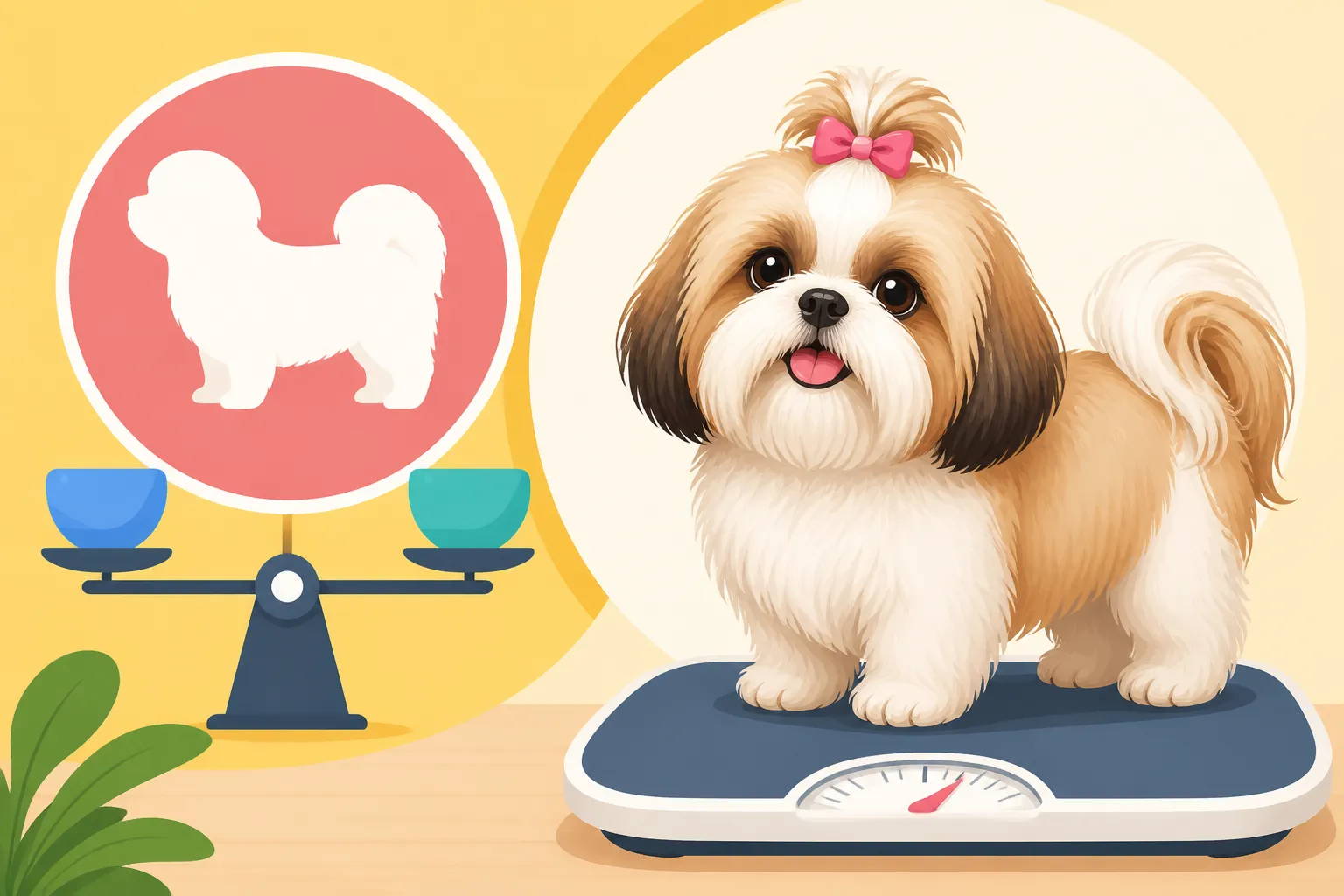
What a Shih Tzu Should Weigh Fully Grown
It's incredibly common to look at your beautiful, fluffy Shih Tzu and wonder if they're the "right" weight. With all that glorious hair, it can be genuinely tough to tell what's going on underneath, and every individual dog is a little different. This guide aims to clear up the confusion, helping you understand what a healthy, fully grown Shih Tzu should weigh, why their weight matters so much, and how to keep them feeling their absolute best.
Understanding the Ideal Weight Range for a Grown Shih Tzu
When we talk about an "ideal" weight for a Shih Tzu, it's not a single magic number that applies to every single dog. Instead, we're looking at a healthy range that allows them to thrive without undue stress on their delicate frames. This range comes from the breed standard, but also factors in individual characteristics that make your dog unique.
The Breed Standard's Guidelines
For most recognized breed standards, a fully grown Shih Tzu typically weighs between 9 and 16 pounds. Their height, measured at the shoulder, usually falls between 8 and 11 inches. This is the benchmark that serious breeders and conformation judges refer to, aiming for a dog that is sturdy but not bulky, and substantial without being heavy. The standard describes a dog that is well-balanced and agile, even with its luxurious coat.
It's important to remember that this is a guideline. A Shih Tzu on the lower end might be a petite female with fine bone structure, while a male with a more robust build could comfortably sit at the higher end of the range. The key isn't to force your dog into a specific number but to use this range as a general reference point. You can learn more about what makes a Shih Tzu ideal by reading The Shih Tzu Standard and What Judges Look For.
Why Individual Variation Matters
Beyond the official standard, your Shih Tzu's ideal weight is deeply personal. Think about your own family: some people are naturally taller or shorter, leaner or more muscular. Dogs are no different! Genetics play a huge role. If your Shih Tzu came from a reputable breeder, knowing the size and bone structure of their parents can give you a good indication of where your puppy might naturally settle once they reach their adult size. You can often ask breeders for this kind of information, especially concerning the size of the sire and dam.
For example, a Shih Tzu whose parents were both closer to the 9-pound mark is unlikely to naturally reach 16 pounds and be healthy. Conversely, a Shih Tzu from larger parents might struggle to stay at 9 pounds without being underweight. It's about finding their healthy weight, not just hitting a number. Most Shih Tzus stop growing in height by 10-12 months, but they might continue to fill out a bit more until they are closer to 18 months old. This "filling out" period is usually when they reach their mature weight. For a deeper dive into their growth, check out The Age a Shih Tzu Stops Growing.
Factors Influencing Your Shih Tzu's Weight
Understanding the ideal range is just the first step. To maintain a healthy weight for your Shih Tzu, you need to consider the everyday factors that influence it: what they eat, how much they move, and any underlying health concerns.
Diet and Nutrition's Role
The food bowl is often the biggest player in a Shih Tzu's weight journey. These little dogs don't need a huge amount of calories, and it's incredibly easy to overfeed them, even by just a tiny bit each day. Those extra kibbles or generous treats really add up over time. High-quality dog food is essential, providing all the nutrients they need without excess fillers. When choosing food, look for options specifically formulated for small breeds, as they often have appropriate calorie densities and kibble sizes. Online retailers like Chewy offer a wide variety of these specialized foods.
Portion control is absolutely critical. Don't just "eyeball" it or fill the bowl to the brim. Measure their food accurately, ideally with a kitchen scale, and divide their daily allowance into two meals. This not only helps with weight management but can also prevent stomach upset. Treats are another major culprit for unexpected weight gain. While we all love to spoil our pups, those delicious bites are often calorie-dense. Opt for low-calorie treats, break larger treats into tiny pieces, or even use small bits of healthy vegetables like carrots or green beans as rewards. It’s important to understand Daily Calories for a Twelve Pound Shih Tzu to manage their intake.
Activity Levels and Lifestyle
Shih Tzus are known for being excellent lap dogs, and while they absolutely adore cuddle time, they still need regular, gentle exercise to stay healthy. They aren't marathon runners or agility champions by nature; their brachycephalic (flat) faces mean they can struggle with strenuous activity and overheat easily. However, consistent, moderate activity is vital.
Think about two 15-minute walks a day, or even three shorter 10-minute strolls around the block. Indoor play can also be a fantastic way to burn calories and engage their minds. Interactive toys, a game of fetch in the living room, or even just following you around the house can all contribute to their daily movement. The goal is consistent, low-impact activity rather than intense bursts. Remember, Shih Tzu Exercise for a Low-Energy Toy is about quality and consistency, not extreme exertion. If your Shih Tzu is spending most of their day napping, it's time to gently increase their activity.
Genetics and Health Conditions
Sometimes, even with careful feeding and exercise, a Shih Tzu might struggle with their weight, either gaining too much or finding it difficult to put on pounds. Genetics can play a role here; some lines of Shih Tzus might be naturally stockier, while others are inherently leaner. Just like people, dogs have different metabolic rates.
However, unexpected weight changes can also be a red flag for underlying health issues. Conditions such as hypothyroidism can cause weight gain despite a normal diet and activity level, as the metabolism slows down. Conversely, digestive problems or other illnesses might lead to weight loss. Regular veterinary check-ups are crucial for catching these issues early. Your vet can perform blood tests, like those discussed in Thyroid Disease Thinning a Shih Tzu Coat, to rule out medical causes for weight fluctuations. If you notice any sudden or significant changes in your Shih Tzu's weight, always consult your veterinarian.
The Risks of Unhealthy Weight in Shih Tzus
An unhealthy weight, whether too high or too low, can have serious consequences for your Shih Tzu's health and overall quality of life. Because of their unique physical characteristics, like their long backs and flat faces, Shih Tzus are particularly vulnerable to certain problems exacerbated by improper weight.
Dangers of Being Overweight
Obesity in Shih Tzus is a far more common problem than being underweight, and it carries a host of risks. Every extra pound on a small dog like a Shih Tzu puts disproportionate strain on their tiny joints and delicate spine. Their long backs are already prone to issues like intervertebral disc disease (IVDD), and carrying excess weight significantly increases this risk. Imagine trying to carry a heavy backpack all day – it's tough on your back, right? It's the same for your Shih Tzu. You can find out more about these specific concerns in What Two Extra Pounds Do to a Shih Tzu and Shih Tzu Disc Disease and Sudden Back Pain.
Beyond joint and back problems, an overweight Shih Tzu is more susceptible to:
- Breathing Difficulties: Their brachycephalic anatomy already predisposes them to Brachycephalic Breathing in a Shih Tzu. Extra fat around the throat and chest can further restrict their airways, making even mild exercise or warm weather dangerous.
- Heart Disease: Carrying excess weight makes the heart work harder, increasing the risk of conditions like Shih Tzu Heart Murmurs and Valve Disease.
- Diabetes: Obesity is a significant risk factor for developing diabetes in dogs.
- Reduced Lifespan: Studies consistently show that overweight pets tend to live shorter lives than those maintained at a healthy weight. What Shortens a Shih Tzu's Life Most often includes obesity as a major factor.
- Skin and Coat Problems: It can be harder to groom an overweight Shih Tzu, leading to mats and skin infections hidden in folds of fat.
The good news is that weight loss, even just a few pounds, can dramatically improve their health and comfort.
Concerns with Being Underweight
While less common, being underweight also poses risks to your Shih Tzu. A dog that is too thin might not be getting adequate nutrition, which can compromise their immune system, making them more vulnerable to illness. Their bones can become more fragile, and they may lack the energy for normal activities. Being too lean can also make them more susceptible to cold, as they have less body fat for insulation.
Causes for being underweight can range from insufficient food intake (perhaps due to pickiness or poor feeding practices) to underlying health problems. Dental pain, for example, can make eating uncomfortable, leading to a refusal to eat enough. Parasites, digestive disorders, or other systemic illnesses can also prevent a dog from absorbing nutrients properly, even if they are eating. If your Shih Tzu is underweight and you're unsure why, a visit to the vet is essential to rule out any medical issues. You want to ensure your Shih Tzu isn't just thin, but truly healthy.
How to Accurately Assess and Manage Your Shih Tzu's Weight
Knowing the ideal range and risks is valuable, but the real challenge is consistently assessing your Shih Tzu's weight and taking action when needed. This involves more than just stepping on a scale; it's about understanding their body condition and working proactively with your veterinarian.
The Body Condition Score BCS
The Body Condition Score (BCS) is a more accurate way to assess your Shih Tzu's weight than just relying on numbers alone, especially with their fluffy coats. It involves a hands-on examination and visual assessment to determine if your dog has too much or too little fat covering their bones. Most vets use a 5-point or 9-point scale, but here's a simplified version for home use:
- Ribs: Gently feel along your Shih Tzu's side. You should be able to easily feel their ribs, but not see them protruding. If you can't feel them without pressing, they might be overweight. If they are very prominent and easily visible, they might be underweight. Finding Shih Tzu Ribs Under All That Hair can be a surprising revelation for many Shih Tzu owners.
- Waistline: Look at your Shih Tzu from above. They should have a noticeable "waist" indentation behind their ribs. If they look like a straight line or bulge out, they're likely overweight.
- Abdominal Tuck: View your Shih Tzu from the side. Their abdomen should tuck up slightly from their chest to their hind legs, not hang low or be flat like a sausage.
Here's a basic guide for what you should be feeling and seeing:
| Body Condition | Visual Assessment | Palpation (Feeling) |
|---|---|---|
| Too Thin | Ribs, spine, pelvic bones easily visible from a distance; severe abdominal tuck. | Ribs, spine, and pelvic bones very prominent with no fat covering. Muscle loss often evident. |
| Ideal | Ribs easily palpable but not visible; waist visible from above; abdominal tuck present. | Ribs felt easily with minimal fat covering; bones of spine and pelvis felt but rounded; distinct waist and abdominal tuck. |
| Overweight | Ribs difficult to feel; no waist; abdomen rounded or sagging. | Ribs felt only with firm pressure, covered by significant fat; waist absent; abdomen rounded and heavy. |
Regularly performing this check helps you stay attuned to subtle changes in your Shih Tzu's body shape, even when their coat disguises the truth.
Working with Your Veterinarian
Your veterinarian is your best partner in managing your Shih Tzu's weight. During routine check-ups, they will perform a professional BCS and weigh your dog. They can provide accurate recommendations for calorie intake based on your dog's age, activity level, and current health status. If your Shih Tzu is struggling with weight, your vet can help create a customized diet and exercise plan, and most importantly, rule out any underlying medical conditions that might be contributing to the issue.
Don't hesitate to ask your vet about specific food brands or portion sizes. They can recommend therapeutic diets if needed or guide you through selecting the best over-the-counter options. They might also suggest specific exercises that are safe for your Shih Tzu's brachycephalic structure and long back. Regular vet visits, perhaps even quarterly weight checks if there's a concern, can make a huge difference.
Practical Tips for Weight Management
Once you have a plan with your vet, consistency is key. Here are some practical tips to help you manage your Shih Tzu's weight effectively:
- Measure Everything: Use a measuring cup or, even better, a kitchen scale to accurately portion out your Shih Tzu's kibble. Even a slight overestimation can lead to extra calories. Many pet owners find a specific food scoop or cup on Chewy, but a standard kitchen scale is truly the most accurate way to measure food. Learn more about this in Weighing Shih Tzu Food Instead of Scooping.
- Healthy Treats: Limit high-calorie treats. Instead, offer small pieces of plain cooked chicken, green beans, carrots, or even just extra praise and a quick game as rewards.
- Scheduled Meals: Stick to a consistent feeding schedule (typically two meals a day). Avoid leaving food out all day for free-feeding, as this makes it impossible to track calorie intake accurately.
- Increase Activity Gently: Gradually increase their walk times or introduce more indoor play sessions. Remember, short, frequent bursts are better for a Shih Tzu than one long, intense session. Always monitor for signs of overheating, especially in warm weather.
- Monitor Progress: Keep a log of their weight and BCS. Celebrate small victories, but don't get discouraged by slow progress. How Slowly a Shih Tzu Should Lose Weight is often the safest and most sustainable way to achieve a healthy weight.
- Consider Puzzle Feeders: These can slow down eating and provide mental stimulation, making mealtime more engaging and preventing your Shih Tzu from gulping down food too quickly. You can find many options on Chewy for different sizes and difficulties.
By being mindful of their diet, ensuring they get appropriate exercise, and partnering with your vet, you can help your Shih Tzu maintain a healthy weight and enjoy a longer, happier, and more comfortable life.
Disclaimer
This article is for general informational purposes only and does not constitute professional advice. Laws, prices and regulations vary by location and change over time. Consult a qualified professional for guidance on your specific situation.