The Shih Tzu in the Toy Group
It’s easy to look at a fluffy, adorable Shih Tzu and just see a cuddly companion, but have you ever stopped to wonder about its official place in the dog world? Many new owners, and even some seasoned ones, don't fully grasp what it means for a Shih Tzu to belong to the American Kennel Club's (AKC) Toy Group. This guide will take a deep dive into this classification, explaining why it matters for your little lion dog's health, temperament, and daily care.
Understanding the AKC Toy Group: What It Means for a Shih Tzu
When you hear "Toy Group," your mind probably conjures images of tiny dogs, perhaps prancing around a show ring or nestled snugly in a designer handbag. And while many Toy Group members do fit that visual, the classification is far more significant than just size. It speaks volumes about the historical purpose, expected temperament, and inherent characteristics of these breeds. For our beloved Shih Tzus, being part of this group deeply influences how we understand and care for them.
The Historical Role of Toy Breeds
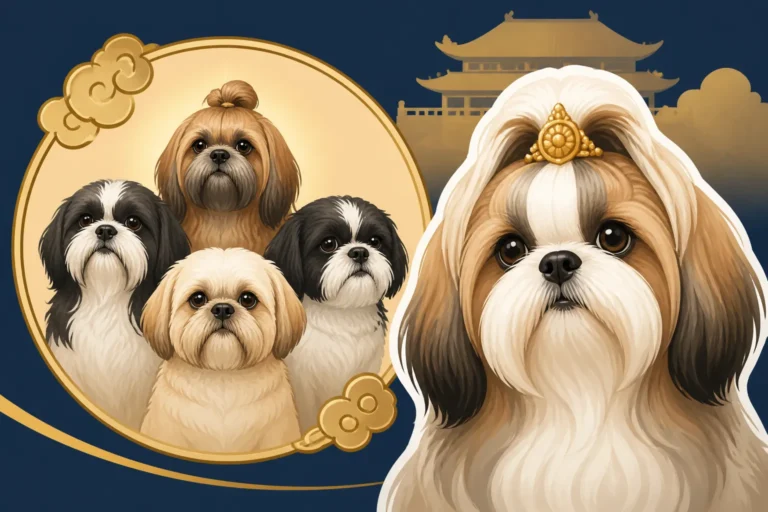
Historically, Toy Group dogs weren't bred for hunting, herding, or guarding in the traditional sense. Their primary "job" was companionship. Imagine ancient palaces and royal courts, where these diminutive dogs were cherished as lap warmers, confidantes, and symbols of status. They lived lives of luxury, often pampered and adored, expected to be charming and affectionate above all else. This long history of being bred solely for human interaction has profoundly shaped the Shih Tzu's very essence. They thrive on close contact and genuinely suffer if left alone for extended periods without adequate mental stimulation or company.
This historical context helps us understand why a Shih Tzu craves your attention so much. It's not just a cute quirk; it's a centuries-old instinct. When your Shih Tzu insists on being in the same room as you, or snuggled up on the sofa, remember that it’s fulfilling its ancient purpose. They were never meant to be independent outdoor dogs; they were bred to be truly integrated into human family life.
Key Characteristics of Dogs in the Toy Group
Beyond size, dogs in the Toy Group share several defining characteristics. They are typically alert, intelligent, and often quite spirited despite their small stature. While some might assume "toy" means delicate or timid, many possess surprisingly bold personalities. They are often highly adaptable to various living situations, making them excellent apartment dwellers, and generally require less strenuous exercise than their larger counterparts. However, this adaptability doesn't mean they're low maintenance in other areas. Many Toy breeds, including the Shih Tzu, come with significant grooming needs and can be prone to certain health conditions that owners must be aware of.
Another common trait is their strong bond with their human families. They are often described as "velcro dogs" because of their desire to be constantly by your side. This intense loyalty is a double-edged sword; it makes them wonderful companions but can also lead to separation anxiety if not managed properly from a young age. Understanding these overarching Toy Group traits helps set realistic expectations for your Shih Tzu's behavior and needs.
The Shih Tzu's Perfect Fit in the Group
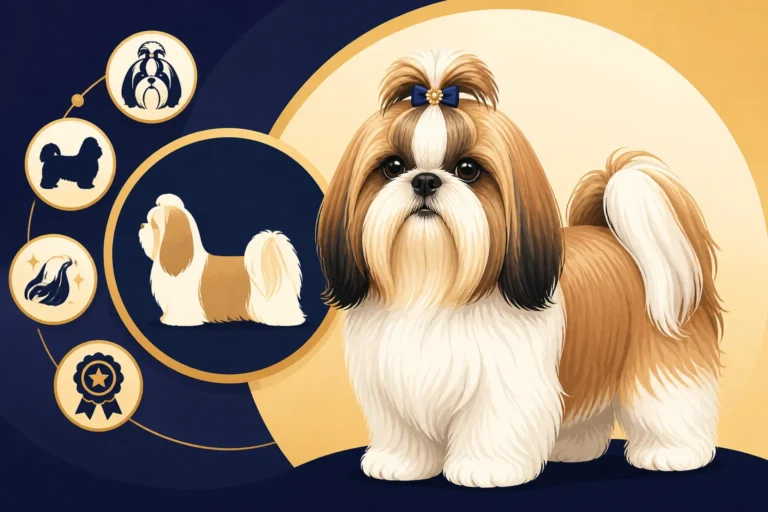
The Shih Tzu perfectly embodies the spirit and requirements of the AKC Toy Group. Their small stature, typically between 9 to 10.5 inches at the shoulder and weighing between 9 to 16 pounds, immediately qualifies them by size. But it’s their temperament that truly solidifies their place. They are outgoing, affectionate, and notorious for their friendly disposition, often described as charming and devoted. They were bred purely as companion dogs, flourishing in human company, a role they still embrace wholeheartedly today.
Their adaptability to indoor living, their relatively low exercise needs compared to working breeds, and their deep desire for human connection are all classic hallmarks of a Toy Group member. Even their lush double coat, which requires diligent care, points to their pampered historical role, as maintaining such a coat would have been a full-time endeavor for ancient palace staff. Owning a Shih Tzu is embracing a lineage of devoted companions, and understanding their Toy Group classification helps you provide the best possible life for them.
The Shih Tzu Standard: Toy Group Requirements and Breed Specifics
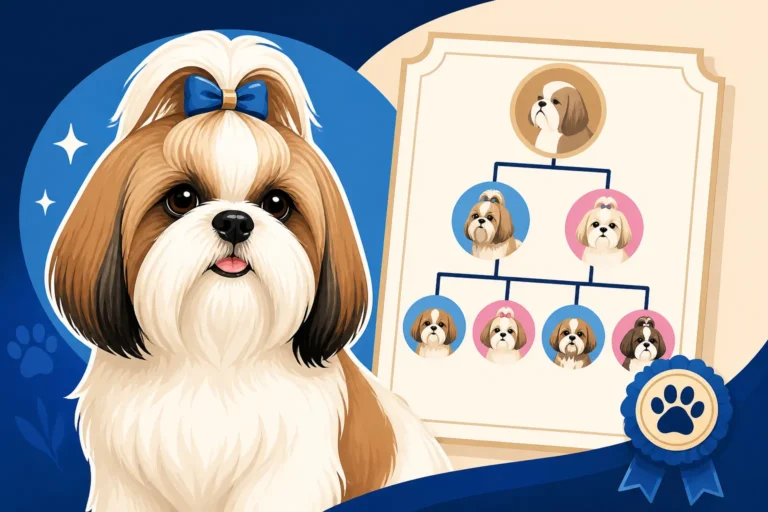
Every recognized breed has a "standard" – a detailed description of the ideal dog of that breed. For the Shih Tzu, this standard is carefully crafted to align with the overall expectations of the Toy Group, while also highlighting the unique features that make a Shih Tzu, well, a Shih Tzu. It dictates everything from their physical appearance to their desired temperament, ensuring that the breed maintains its distinct characteristics while fitting snugly into its designated group.
Height and Weight: Defining a Toy
The AKC standard for the Shih Tzu is quite specific regarding size: "Weight, 9 to 16 pounds. Ideal weight, 10 to 12 pounds. Body is sturdy, with good substance, not leggy or fine boned. Height, 9 to 10 1/2 inches at the withers." This focus on specific height and weight ranges is crucial for all Toy Group breeds, as it helps maintain the integrity of their "toy" status. It's not just about being small; it's about being proportionally small and sturdy, not frail.
Unfortunately, this standard can sometimes be misinterpreted or deliberately skirted by less reputable breeders who might advertise "Teacup Shih Tzus" or "Imperial Shih Tzus" which are often undersized and prone to significant health issues. These terms are not recognized by the AKC, and a true Shih Tzu should fall within the established weight and height guidelines. Understanding What a Shih Tzu Should Weigh Fully Grown helps owners recognize healthy proportions and avoid supporting breeders who prioritize extreme size over health.
Temperament as a Toy Group Member
The Shih Tzu standard emphasizes a temperament that is "outgoing, happy, affectionate, friendly, and trusting." This is absolutely paramount for a dog whose primary purpose is companionship. A shy, aggressive, or overly timid Shih Tzu would not fit the breed's historical role or the expectations of the Toy Group. They should be confident enough to engage with their family and accept strangers with a pleasant, if sometimes reserved, demeanor.
However, "outgoing" doesn't mean they'll be instant best friends with everyone. They can still have a discerning nature, and proper socialization from a young age is vital to ensure they grow into well-adjusted adults. A Shih Tzu should never be a guard dog, but they are often excellent alarm bells, alerting their owners to visitors. This balance of alertness and amiable charm is a hallmark of their Toy Group temperament.
Coat and Conformation in the Toy Group Context
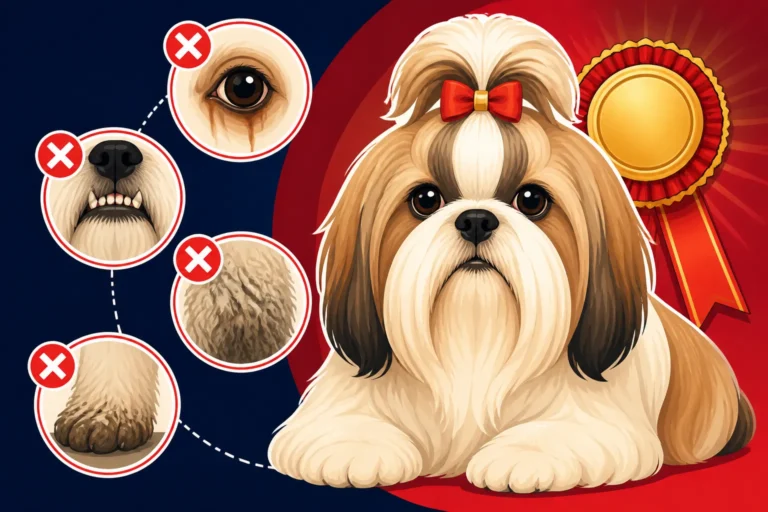
The Shih Tzu's luxurious, flowing double coat is perhaps their most iconic feature. The standard describes it as "long, dense, with good undercoat, flowing over the body." While demanding in terms of grooming – daily brushing is often necessary to prevent mats – this coat is integral to their traditional look and their historical image as pampered companions. Many owners choose a The Puppy Cut and What It Saves to simplify maintenance, which is perfectly fine for a companion animal not destined for the show ring.
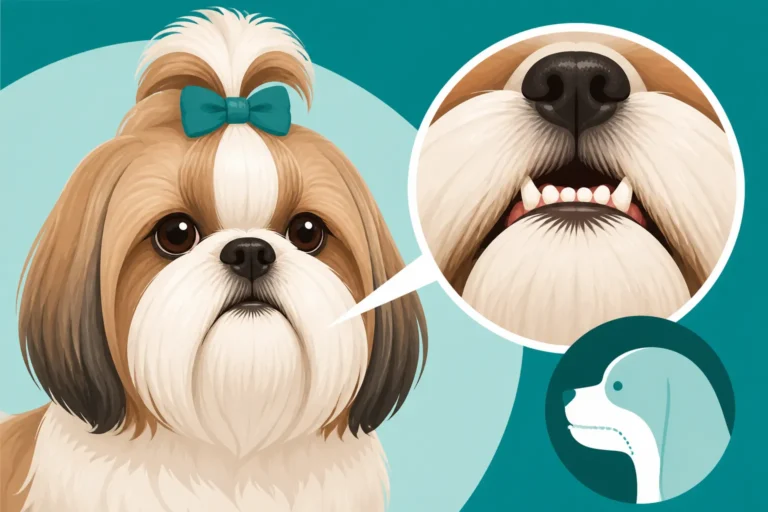
Beyond the coat, the standard details their conformation, including their "distinctly arrogant carriage," "chrysanthemum face," and "undershot bite." These unique physical traits, while sometimes contributing to specific health considerations like Brachycephalic Breathing in a Shih Tzu or Shih Tzu Eye Proptosis, the Emergency Owners Miss, are part of what defines the breed within the Toy Group. They are traits that have been carefully preserved over centuries, making the Shih Tzu instantly recognizable and truly unique among its peers.
Beyond the Show Ring: What "Toy Group" Means for Daily Life
For most Shih Tzu owners, the intricacies of the AKC show ring might seem distant. But the fact that your Shih Tzu is a proud member of the Toy Group actually has very real, practical implications for your daily life together. From how much exercise they need to the specific health concerns you should monitor, their classification as a toy breed shapes almost every aspect of their care and behavior.
Exercise Needs and Indoor Adaptability
One of the most significant benefits of having a Toy Group dog like a Shih Tzu is their incredible adaptability to indoor living. Unlike a Labrador needing miles of running, a Shih Tzu is perfectly content with short, regular walks and plenty of indoor playtime. They truly excel as apartment dogs, as long as they get their daily dose of attention and mental stimulation. Two to three short walks a day, maybe 15-20 minutes each, are usually sufficient.
However, "low energy" doesn't mean "no energy." They still need to burn off steam and explore. Interactive toys, puzzle feeders, and engaging play sessions with you are vital. And even though they are small, their activity levels can be impacted by their brachycephalic nature, especially in warm weather. Shih Tzu Exercise Intolerance in Summer is a real concern, so always be mindful of overheating during walks. A cooling mat or vest might be a good idea for those warmer days, and you can often find a great selection of these on Chewy.
Socialization with Larger Breeds
Bringing a tiny Shih Tzu into a world full of much larger dogs can be daunting. Their Toy Group status means they are physically vulnerable to accidental injury, even during what might be considered "play" by a larger dog. Therefore, careful and controlled socialization is absolutely crucial. They need to learn how to interact politely with other dogs of all sizes, and larger dogs need to learn how to be gentle around them.
When introducing your Shih Tzu to bigger breeds, always supervise closely and ensure the interactions are positive and respectful. Dog parks, while fun for some, can be risky for small breeds due to the sheer size difference and play styles of larger dogs. Opt for supervised playdates with known, calm dogs, or attend puppy classes specifically designed for small breeds. This proactive approach will help your Shih Tzu build confidence without putting them at undue risk.
Health Considerations Specific to Small Dogs
Being a small, flat-faced Toy Group breed, Shih Tzus are unfortunately prone to several health issues that owners need to be acutely aware of. Their prominent eyes, for example, make them susceptible to conditions like Shih Tzu Eye Proptosis, the Emergency Owners Miss, Shih Tzu Corneal Ulcers and Dry Eye, and pigmentary keratitis. Their crowded mouths are a breeding ground for Shih Tzu Dental Disease at 13 Percent of the Breed, often requiring frequent professional dental cleanings.
Their long spines, while contributing to their charming silhouette, can also lead to Shih Tzu Back Problems and Disc Disease, especially if they're allowed to jump on and off furniture. Joint issues like Patellar Luxation in a Shih Tzu are also more common in small breeds. Regular vet check-ups, a high-quality diet (you can find many suitable small-breed formulas on Chewy), and being proactive about any unusual symptoms are essential for managing these breed-specific health challenges.
Common Misconceptions About Toy Group Dogs and Shih Tzus
It's a shame, but Toy Group dogs, including our darling Shih Tzus, often get a bad rap. Stereotypes abound, painting them as fragile, yappy, or untrainable. These misconceptions can lead to owners misunderstanding their dogs' needs and capabilities, potentially undermining their potential as wonderful companions. Let's bust some of these myths wide open.
"Yappy" Stereotypes and Reality
One of the most persistent stereotypes is that Toy Group dogs are "yappy." While it's true that some small breeds can be vocal, labeling an entire group as yappy is unfair and inaccurate. Many Shih Tzus are quite content and quiet, only barking when there's a legitimate reason, like a doorbell or someone at the window. When a Shih Tzu does bark excessively, it's often a symptom of underlying issues like boredom, anxiety, a lack of training, or even pain.
Barking is a form of communication, and it's our job as owners to understand what our dogs are trying to tell us. Instead of dismissing it as "just a yappy dog," consider if your Shih Tzu is getting enough mental and physical exercise, if they're experiencing separation anxiety, or if they've learned that barking gets them attention. Effective training and addressing the root cause can significantly reduce unwanted vocalizations. You can even find training aids and durable chew toys on Chewy that can help redirect a barky pup. A Shih Tzu Barking at the Doorbell can be managed with consistent training and positive reinforcement.
Fragility vs. Robustness
Another common misconception is that all Toy Group dogs are extremely fragile and delicate. While a Shih Tzu is certainly not built for rough-and-tumble play with a Rottweiler, they are far from being made of glass. A well-bred Shih Tzu has a sturdy, compact body, designed to be a resilient companion. They can certainly get injured, particularly their long backs from jumping or their prominent eyes, but they are generally robust within their size category.
The key is responsible handling and a safe environment. Children need to be taught Showing a Child How to Carry a Shih Tzu properly, supporting their back and hindquarters. Furniture should be made accessible with ramps or steps to prevent dangerous jumps. A Shih Tzu that lives a normal, active life in a safe home isn't constantly on the verge of breaking. They are resilient little creatures, full of zest and personality, perfectly capable of enjoying life to the fullest.
Training Expectations for Small Dogs
Some people believe that small dogs, especially those in the Toy Group, don't need much training because they're "too small to do any harm." This couldn't be further from the truth. A lack of training, regardless of size, can lead to behavioral problems that, while perhaps not physically dangerous, can be incredibly frustrating to live with. An untrained Shih Tzu might jump on guests, have house training accidents, or refuse to come when called.
Shih Tzus are intelligent and eager to please their human companions, making them highly trainable. They respond wonderfully to positive reinforcement methods and thrive on short, fun training sessions. Keeping Shih Tzu Training Sessions Short is key to maintaining their engagement. Don't underestimate their intelligence or their capacity to learn. Treat your Shih Tzu like any other dog when it comes to training – with respect, consistency, and positive encouragement – and you'll be amazed at what they can achieve.
Shih Tzus Among Their Peers: Comparisons Within the Toy Group
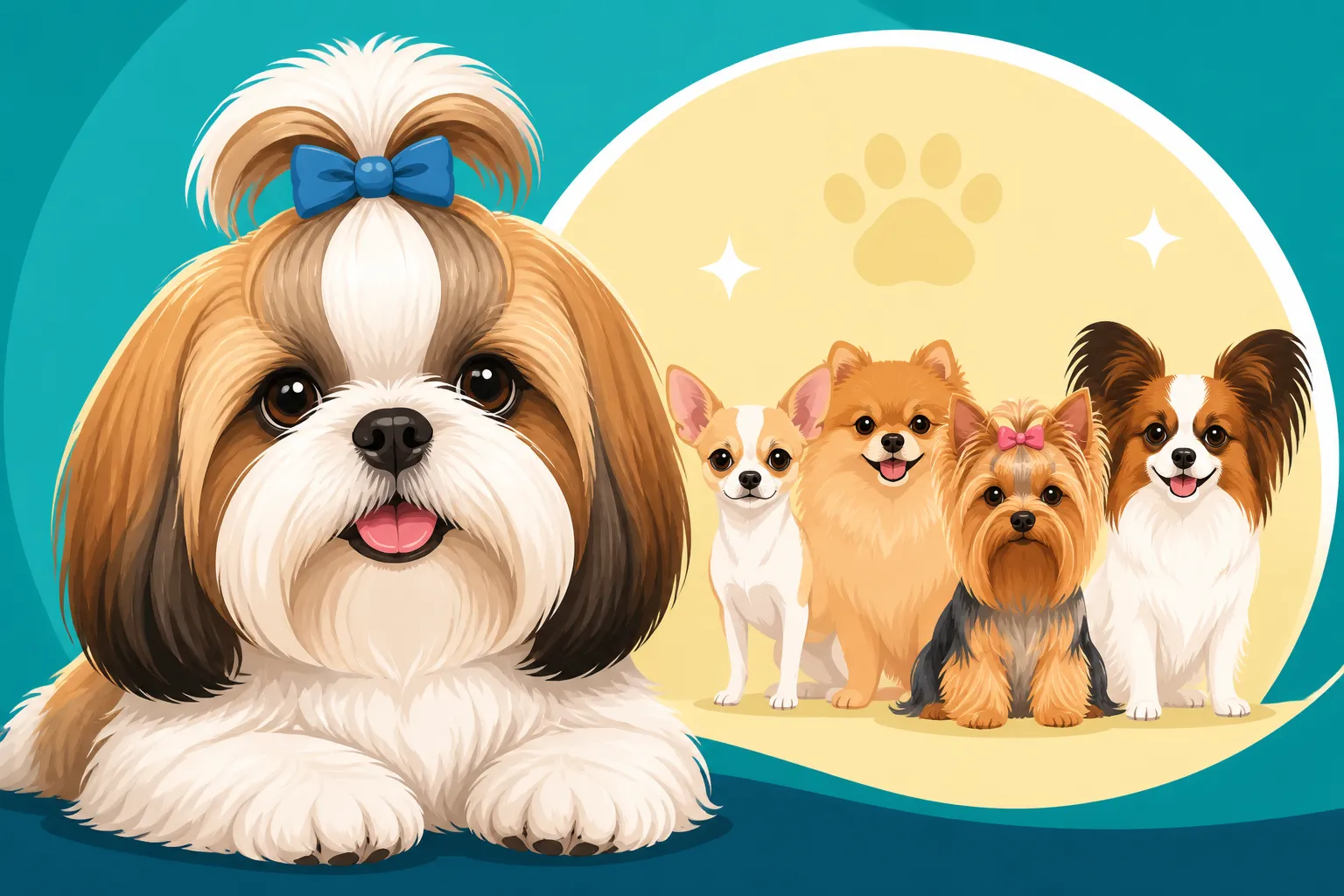
The Toy Group is a diverse collection of charming dogs, each with its own unique history and characteristics. While the Shih Tzu shares many traits with its fellow Toy Group members, understanding their specific differences can help new owners decide if a Shih Tzu is the right fit for their lifestyle, or simply appreciate what makes their own dog so special. Let's look at how the Shih Tzu stacks up against a few other popular small companions.
Shih Tzu vs. Maltese: Grooming and Energy
Both the Shih Tzu and the Maltese are beloved members of the Toy Group, known for their beautiful long coats and affectionate natures. However, there are some distinct differences. A Maltese typically has a single coat, meaning it doesn't have an undercoat like a Shih Tzu. This often translates to less shedding, but their fine, silky hair is still prone to matting and requires daily brushing. The Shih Tzu's double coat, while incredibly plush, can be even more demanding, requiring diligent Brushing a Shih Tzu Double Coat Every Day to prevent mats from forming deep within the layers.
When it comes to energy, Maltese dogs often have a slightly higher energy level and can be a bit more spirited and playful for longer periods. Shih Tzus are generally more laid-back, content with shorter bursts of activity followed by long cuddles on the sofa. If you're looking for a dog that's happy with casual strolls and lots of couch time, the Shih Tzu might be a better match. If you prefer a dog that's a little more active and enjoys consistent, gentle play, a Maltese might be more up your alley.
Shih Tzu vs. Pekingese: Temperament and Structure
The Pekingese is another ancient Chinese breed often mistaken for or compared to the Shih Tzu, and for good reason – they share a similar regal history and a flat-faced appearance. However, their temperaments and physical structures have some notable differences. Pekingese are often described as more independent, dignified, and sometimes aloof compared to the effusive Shih Tzu. They can be fiercely loyal to their chosen person but might be less inclined to greet every stranger with wagging tail and kisses.
Physically, the Pekingese typically has a more robust, low-slung body with a distinctive rolling gait. Their faces are even flatter than a Shih Tzu's, with a more pronounced "mane" of hair around their heads. This can sometimes lead to more pronounced brachycephalic issues. The Shih Tzu, while also brachycephalic, generally has a slightly less extreme facial structure and a more lively, outgoing demeanor. If you appreciate a dog with a royal air and a more self-contained personality, the Pekingese might appeal. But if you want an undeniably cheerful, "everybody's friend" type, the Shih Tzu is likely your perfect match. Understanding the Shih Tzu against a Pekingese in England highlights some of these historical divergences.
Shih Tzu vs. Havanese: Activity and Coat Care
The Havanese, the national dog of Cuba, is a delightful Toy Group member known for its intelligent and outgoing nature. They share the Shih Tzu's love for human companionship but often bring a bit more bounce and exuberance to the table. Havanese tend to be more active and playful, enjoying longer walks and more interactive games. They also tend to be more easily trainable and excel in dog sports like agility and obedience.
Regarding coat care, both breeds require significant grooming. The Havanese has a silky double coat that, like the Shih Tzu's, can grow very long and will mat without regular attention. However, the Havanese coat is typically lighter in texture than the dense Shih Tzu coat. While both require daily brushing, some owners find the Havanese coat slightly easier to manage once they get the hang of it. If you're looking for an intelligent, slightly more energetic companion that thrives on learning and activity, the Havanese could be a great choice. But if a calm, cuddly lap dog with an undeniable charm is what you're after, the Shih Tzu reigns supreme.
Here's a quick comparison of some popular Toy Group characteristics:
| Characteristic | Shih Tzu | Maltese | Pekingese | Havanese |
|---|---|---|---|---|
| Size (Weight) | 9-16 lbs (Ideal 10-12 lbs) | Under 7 lbs | 7-14 lbs | 7-13 lbs |
| Coat Type | Long, dense double coat | Long, silky single coat | Long, coarse double coat, lion's mane | Long, silky double coat |
| Grooming Needs | High, daily brushing, frequent professional trims | High, daily brushing, frequent professional trims | High, daily brushing, frequent professional trims | High, daily brushing, frequent professional trims |
| Temperament | Outgoing, affectionate, charming, happy | Gentle, playful, fearless, lively | Dignified, independent, loyal, sometimes aloof | Outgoing, intelligent, playful, social |
| Energy Level | Low-moderate, enjoys lounging and short walks | Moderate, enjoys play and walks | Low, enjoys lounging and short strolls | Moderate-high, enjoys play and longer walks |
| Brachycephalic | Yes | No | Yes, more pronounced | No |
| Apartment Living | Excellent | Excellent | Excellent | Excellent |
This table helps illustrate the nuances within the Toy Group, showing that while they share the common thread of companionship, each breed offers a slightly different package of traits and needs. Choosing a Shih Tzu means choosing a dog that is literally bred to be your cheerful, devoted shadow, a tradition that has spanned centuries.
Disclaimer
This article is for general informational purposes only and does not constitute professional advice. Laws, prices and regulations vary by location and change over time. Consult a qualified professional for guidance on your specific situation.