Weaning and Growth in a Shih Tzu Puppy
Bringing home a new Shih Tzu puppy is such an exciting time, but let's be real, it can also be a bit overwhelming, especially when you think about that tiny bundle's journey from relying entirely on its mother to thriving on solid food. Many new puppy parents worry about doing it right, ensuring their little fluff ball gets all the nutrients it needs to grow into a healthy, happy companion. This guide is here to walk you through the essential stages of weaning and growth in a Shih Tzu puppy, giving you practical advice on what to expect, how to feed them, and how to monitor their development.
The Weaning Journey: From Milk to Solids
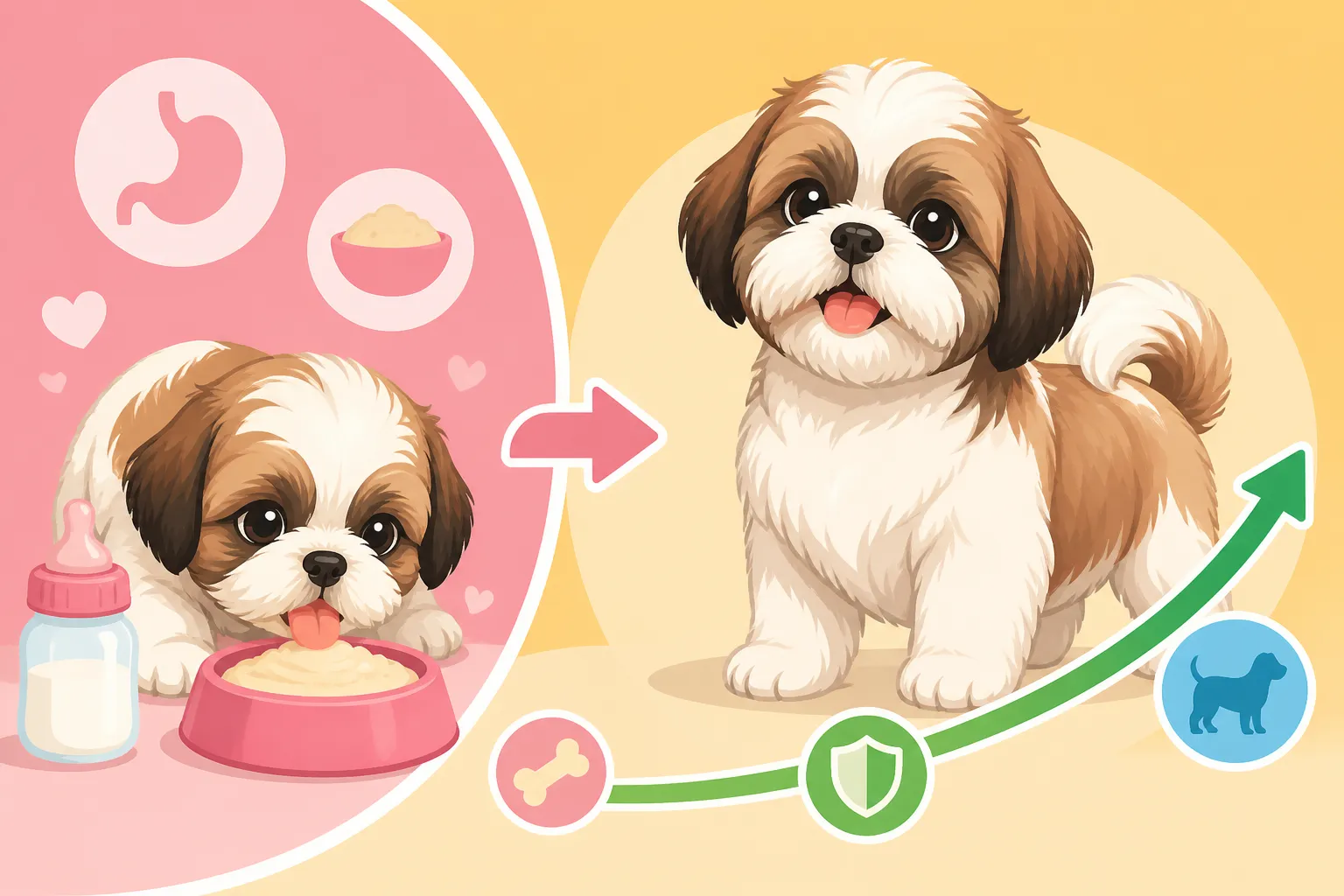
The weaning process is a truly foundational time in a Shih Tzu puppy's life, marking their first big step towards independence. It's a gradual transition, ideally starting around three to four weeks of age, where they move from their mother's milk to solid food. This isn't just about changing what they eat; it's about developing their digestive system, learning new textures, and even starting to understand independence from their mom.
Starting with Gruel: The First Taste of Solid Food
Imagine those tiny little mouths, used only to nursing, suddenly encountering something new. It's quite the adventure! Breeders usually kick off the weaning process by offering a "gruel" – a mixture of high-quality puppy kibble softened with warm water or puppy milk replacer until it's a soupy consistency. This mush is presented in a shallow dish, making it easy for the puppies to lap up. At first, it's often more about exploration than actual eating; they might step in it, play in it, and generally make a glorious mess. This is totally normal! The key is to introduce it gently, several times a day, for short periods. Don't be surprised if the mother dog also cleans up the puppies (and the gruel) afterwards – it's all part of the natural process.
Over the next week or two, the amount of liquid is gradually reduced, making the gruel thicker. This encourages them to chew more, which is important for their developing jaws and teeth. You'll notice some puppies are bold eaters right away, while others hang back, watching their siblings. Patience is key. Ensuring they have a quiet, clean space to eat is also crucial, especially with a busy litter. For those starting from scratch, you can find excellent small-breed puppy kibble options on sites like Chewy, which often have specific formulas designed for tiny mouths and sensitive tummies.
Fully Weaned and Ready for New Homes
By about seven to eight weeks of age, Shih Tzu puppies should be fully weaned and comfortably eating dry or moistened puppy kibble. This is typically when they are ready to go to their new forever homes. The journey from nursing to solids is more than just about food; it's also about their developing social skills. They learn to share a food bowl, navigate their siblings for the best bite, and even start to develop a pecking order. If a puppy leaves the breeder too early, before this weaning process is complete, they can face significant challenges with digestion and even behavioral issues, as they haven't had the full benefit of their mother's guidance and their littermates' company.
When you bring your puppy home, it's vital to continue feeding the exact same food they were on at the breeder, at least for the first few weeks. Any sudden dietary changes can lead to an upset stomach, which is the last thing you want for a new, nervous puppy. If you plan to switch foods, do it very gradually over a week or more, mixing increasing amounts of the new food with decreasing amounts of the old. Your breeder should be able to tell you exactly what brand they used, and if you need to stock up, online retailers like Amazon make it simple to find even specialized puppy diets.
Choosing the Right Food for Your Growing Shih Tzu Puppy
Once your Shih Tzu puppy is weaned and settled in, making sure they get the right nutrition is paramount. Their tiny bodies are growing at an incredible rate, and they need a diet specifically formulated to support this rapid development. It's not just about any puppy food; it's about the right puppy food for a small, brachycephalic breed.
Understanding Small Breed Puppy Formulas
Shih Tzu puppies have unique needs. They grow quickly in their first year but remain small, toy-sized dogs. This means they need a higher concentration of calories and nutrients in smaller meal portions compared to larger breeds. Therefore, selecting a "small breed puppy" formula is often the best choice. These foods are designed with several key considerations in mind:
- Kibble Size: The pieces are smaller, making them easier for a Shih Tzu's tiny mouth and often undershot jaw to pick up and chew. Kibble Small Enough for a Shih Tzu Underbite is something to look for.
- Calorie Density: Small breed puppies have higher metabolic rates, so their food needs to pack a nutritional punch without requiring them to eat vast quantities.
- Nutrient Balance: They require specific ratios of protein, fat, and calcium for proper bone and muscle development, without over-feeding calcium which can be detrimental to fast-growing larger breeds.
When you're scrutinizing food labels, look for high-quality animal protein as the first ingredient (like chicken, lamb, or fish), healthy fats (like chicken fat or fish oil), and digestible carbohydrates (like sweet potatoes or rice). Avoid foods with excessive fillers, artificial colors, or by-products as primary ingredients. Sometimes, talking to your vet about specific brands they recommend can be incredibly helpful.
Fresh Food and Specialized Diets
The world of dog food has expanded dramatically, and while traditional kibble is a fantastic, convenient option, some owners explore fresh food or specialized diets for their Shih Tzu puppies. Brands like Ollie offer fresh, human-grade food delivered right to your door, often customized to your dog's weight and activity level. For a Shih Tzu puppy, this can be an appealing option, but there are a few things to consider:
- Digestibility: Fresh food can be highly digestible for some puppies, potentially leading to better nutrient absorption and smaller, firmer stools.
- Cost: Generally, fresh food diets are more expensive than kibble. This is a significant factor for many families, especially considering that a Shih Tzu might live Thirteen Years of Shih Tzu Costs Added Up.
- Balanced Nutrition: If you opt for a fresh food diet, ensure it is formulated by veterinary nutritionists to be complete and balanced for growing puppies. Homemade diets, while well-intentioned, often lack crucial nutrients unless meticulously planned with expert guidance.
Whether you choose kibble, fresh food, or a combination, consistency is important. Stick to a feeding schedule, typically three meals a day for puppies up to about six months, then two meals a day after that. Three Meals a Day for a Shih Tzu Puppy is a common recommendation to ensure steady energy and growth. Always provide access to fresh, clean water.
Transitioning to Adult Food
Around 9 to 12 months of age, your Shih Tzu puppy will be reaching their adult size and can begin the transition to an adult maintenance formula. This timeline can vary slightly depending on the individual puppy and their growth rate. When a Shih Tzu Leaves Puppy Food Behind typically happens once they've reached about 90% of their anticipated adult weight.
The key difference between puppy and adult food is usually the calorie and fat content, with puppy food being richer to fuel growth. Continuing to feed puppy food for too long can lead to obesity in a fully grown Shih Tzu, putting strain on their delicate back and joints. Just like with weaning, introduce adult food gradually over several days to avoid digestive upset. Your vet can advise you on the best time to make this switch and help you choose an appropriate adult formula that meets your Shih Tzu's ongoing nutritional needs.
Monitoring Your Shih Tzu Puppy's Growth Milestones
Watching your Shih Tzu puppy grow is one of the most rewarding parts of being a dog parent. From a tiny, wobbly furball to a confident, playful companion, their development is truly remarkable. However, it's also important to actively monitor their growth to ensure they're on a healthy trajectory.
Typical Growth Trajectory for a Shih Tzu
Shih Tzus are considered a toy breed, and while they might seem to grow quickly at first, their growth plates don't fully close until around 9 to 12 months of age. Most Shih Tzu puppies will experience their most rapid growth between birth and six months, after which the rate slows down considerably. By one year, they are typically at their adult height and close to their adult weight, although some may continue to fill out slightly for another few months.
A healthy adult Shih Tzu usually weighs between 9 and 16 pounds and stands 9 to 10.5 inches tall at the shoulder. Your puppy's individual growth will depend on genetics, nutrition, and overall health. Keeping a simple log of their weight can be incredibly useful. You can do this at home with a baby scale, or simply ask your vet to weigh them at each check-up.
Here’s a general guideline for Shih Tzu puppy growth:
| Age | Approximate Weight Range (lbs) | Key Developmental Milestones |
|---|---|---|
| Birth | 0.25 – 0.5 | Completely dependent on mother, eyes and ears closed. |
| 2-4 Weeks | 1 – 2 | Eyes open, start wobbly walking, first teeth emerge, start gruel. |
| 6-8 Weeks | 2.5 – 4 | Fully weaned, running, playing, ready for new home after 8 weeks. The Puppy Check a Shih Tzu Needs at Eight Weeks is crucial here. |
| 3 Months | 4 – 6 | Rapid growth, high energy, beginning formal puppy training. |
| 6 Months | 7 – 10 | Approaching adult height, losing puppy coat, teething. Cold Chews for a Shih Tzu Cutting Teeth are very helpful. |
| 9 Months | 8 – 14 | Reaching adult size, filling out, energy levels may start to stabilize. |
| 12 Months | 9 – 16 | Full adult size and weight, transition to adult food. The Age a Shih Tzu Stops Growing is generally around this time. |
Remember, these are averages. A puppy on the smaller side of the spectrum might mature a little earlier, and a larger one might take a little longer. The most important thing is a steady, consistent growth pattern, not necessarily hitting specific numbers on the dot.
Identifying Healthy vs. Unhealthy Growth
Monitoring your puppy's weight and body condition is crucial to ensure they are growing properly. You want to see a gradual increase in weight, not sudden spikes or plateaus, unless it's a natural slowing as they approach maturity.
Signs of healthy growth:
- Good Energy Levels: A healthy puppy should be playful, curious, and energetic.
- Clear Eyes and Shiny Coat: These are excellent indicators of good nutrition and overall health.
- Healthy Appetite: They should eagerly eat their meals.
- Good Body Condition: You should be able to easily feel their ribs when you run your hands along their sides, but not see them prominently. Their waist should be evident when viewed from above.
Warning signs that might indicate a problem:
- Stunted Growth: If your puppy seems significantly smaller than littermates or other Shih Tzus of the same age, or if their weight isn't increasing consistently. This could be a sign of underlying health issues like parasites or nutritional deficiencies.
- Excessive Weight Gain: While puppies need to be a little plump, excessive weight gain can put stress on their developing joints and lead to obesity issues later on. It's often harder to spot under a full Shih Tzu coat.
- Loss of Appetite or Lethargy: These are general signs of illness and warrant a vet visit.
- Digestive Issues: Persistent diarrhea or vomiting can prevent proper nutrient absorption and hinder growth.
If you have any concerns about your Shih Tzu puppy's growth, don't hesitate to consult your veterinarian. They can assess your puppy's individual needs, perform a physical exam, and provide personalized advice. Keeping up with regular vet check-ups is one of the best ways to ensure your puppy stays on track.
Addressing Common Weaning and Growth Concerns
Even with the best care, new puppy owners sometimes encounter bumps in the road during the weaning and growth stages. Knowing what to look out for and how to respond can make all the difference.
Fussy Eaters and Food Refusal
It's not uncommon for puppies, especially new ones, to be a bit finicky or refuse food initially. This can be particularly true for Shih Tzus, who sometimes have a reputation for being a bit picky. When you first bring your puppy home, they are in a new environment, away from their mother and siblings, and this stress can sometimes affect their appetite.
- Stick to routine: Offer food at the same times each day in a quiet, undisturbed area. Give them about 15-20 minutes to eat, then pick up the food, whether they've eaten it all or not. This teaches them that food is available at specific times.
- Avoid free-feeding: Leaving food down all day can make a puppy less motivated to eat during meal times and can make house training more difficult.
- Don't panic and offer alternatives too quickly: If your puppy skips a meal, don't immediately jump to offering treats or human food. This can inadvertently teach them that if they hold out, something better will come along.
- Moisten kibble: Sometimes, just adding a little warm water to their kibble can make it more palatable and easier to eat, especially if they're still getting used to dry food.
- Rule out medical issues: If your puppy refuses multiple meals, acts lethargic, or shows other signs of illness, a vet visit is essential. A puppy that won't eat can quickly become dehydrated or hypoglycemic, especially a small Shih Tzu.
Sometimes, a change in diet isn't about fussiness but about sensitivities. Some Shih Tzus can have Food Allergy Itching Under a Shih Tzu Coat, leading to discomfort and reduced appetite. If you suspect an allergy, discuss an elimination diet with your vet.
Digestive Upsets During Transition
Diarrhea or vomiting can be particularly concerning in small puppies, as they can become dehydrated very quickly. During weaning, slight digestive upsets can occur as their systems adjust to solid food. When you bring your puppy home, the stress of a new environment combined with a diet change (even a slight one) can trigger issues.
- Gradual transitions: As mentioned, always transition foods slowly over a week, mixing the new food with the old.
- Avoid table scraps: It might be tempting to share your dinner, but human food, even in small amounts, can cause significant digestive distress in a puppy whose system isn't designed for it. Pancreatitis in a Shih Tzu After Table Food is a serious risk.
- Parasite control: Puppies are prone to intestinal parasites, which can cause diarrhea and hinder growth. Ensure your puppy is on a regular deworming schedule as recommended by your vet.
- Probiotics: Sometimes, your vet might recommend a probiotic supplement to help support healthy gut flora, especially during periods of stress or dietary change.
- Monitor for dehydration: Signs of dehydration include lethargy, sunken eyes, dry gums, and decreased skin elasticity (when you gently pinch the skin on their back, it should snap back quickly). If you see these signs, contact your vet immediately.
Always have fresh water available, and if diarrhea or vomiting is severe, persistent, or accompanied by other symptoms like lethargy, fever, or pain, seek veterinary attention without delay.
Dental Development and Retained Puppy Teeth
Shih Tzu puppies have tiny mouths, and as they grow, their 28 puppy teeth eventually make way for 42 adult teeth. This teething process usually starts around three to four months of age and can be uncomfortable for them. Providing appropriate chew toys and Cold Chews for a Shih Tzu Cutting Teeth can help soothe their gums.
A common issue in Shih Tzus and other small breeds is Retained Puppy Teeth in a Shih Tzu. This happens when the adult tooth erupts but the corresponding puppy tooth doesn't fall out. The most common culprits are the canine teeth and incisors. When puppy teeth are retained, they can cause several problems:
- Crowding: The adult teeth don't have enough space to come in properly, leading to overcrowding. This can contribute to early onset Shih Tzu Dental Disease at 13 Percent of the Breed because food particles get trapped, making cleaning difficult.
- Malocclusion: The retained teeth can force the adult teeth into incorrect positions, affecting their bite.
- Trapped food and decay: Food can easily get caught between the puppy and adult teeth, leading to plaque, tartar buildup, and potential infections.
It's important for your vet to check for retained puppy teeth during your puppy's routine examinations, especially around six to seven months of age. Often, if retained teeth are present, they will need to be surgically extracted, usually at the same time as their spay or neuter surgery, to prevent long-term dental problems. Early intervention is key to a healthy mouth for your Shih Tzu.
Disclaimer
This article is for general informational purposes only and does not constitute professional advice. Laws, prices and regulations vary by location and change over time. Consult a qualified professional for guidance on your specific situation.