Shih Tzu Sanitary Trims and Why They Matter
If you've ever found yourself staring at your sweet Shih Tzu's rear end, wondering how on earth it got so… messy, you're not alone. The fluffy, long coat that makes our Shih Tzus so charming can also be a magnet for all sorts of unsanitary situations, leading to discomfort for your pup and extra work for you. This comprehensive guide will walk you through everything you need to know about Shih Tzu sanitary trims and why they are an absolute necessity for your furry companion's health and happiness.
What Exactly is a Sanitary Trim for a Shih Tzu?
For new Shih Tzu parents, the term "sanitary trim" might sound a bit clinical, but it's simply a targeted grooming practice designed to keep your dog clean and comfortable. It’s not about aesthetics, but about health and hygiene. Think of it as preventative maintenance for your dog's sensitive areas.
Defining the "Sanitary Area"
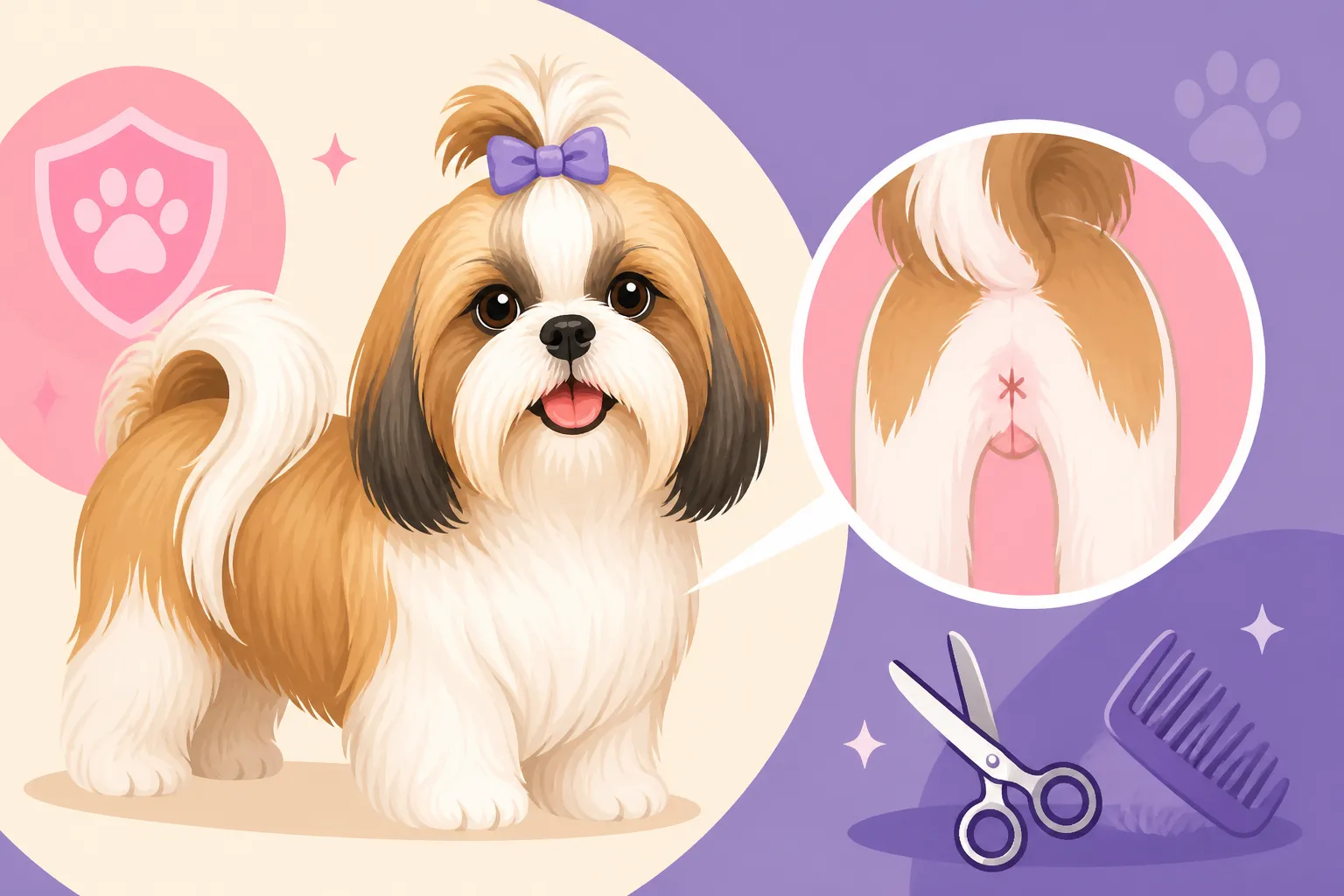
When we talk about the "sanitary area" on a Shih Tzu, we're primarily referring to the fur around their anus, vulva (for females), and penis (for males), as well as the underside of the tail and the inner thighs where urine can collect. This fur, if left untrimmed, can become a breeding ground for bacteria, yeast, and general unpleasantness. It’s often the same fluffy hair that creates beautiful plumes and magnificent tails, which ironically makes it a high-risk zone for catching debris.
Imagine trying to go about your day with perpetually tangled hair around critical areas – not fun, right? Our Shih Tzus feel the same way. The hair around their privates and under their tail can quickly become soiled with fecal matter after a bowel movement or urine after urination, especially for males who might dribble a bit. This isn't just gross; it's a real health concern that can lead to skin irritation and infections.
The Purpose Beyond Aesthetics
Unlike a fancy show groom or even a cute puppy cut, the sanitary trim's primary purpose is practical: to prevent waste accumulation. It's not about making your Shih Tzu look a certain way, though a clean dog is always a handsome dog! The goal is to remove the hair that would otherwise trap urine and feces, allowing for easier cleanup and reducing the chances of your dog tracking messes through the house.
Consider the dense double coat of a Shih Tzu. Brushing a Shih Tzu Double Coat Every Day is already a huge undertaking to prevent matting, and the hair around the rear is no exception. This particular area mats even faster due to moisture and waste. By keeping it neatly clipped short, you create a buffer zone that allows waste to fall freely instead of clinging to the fur. This means less scrubbing for you and a much happier, healthier pup.
How It Differs from a Full Groom
A full groom for a Shih Tzu typically involves a bath, blow-dry, brushing, nail trim, ear cleaning, and a complete body haircut, whether it's a long flowing show coat or a practical shorter style. A sanitary trim, on the other hand, is a specific, focused part of this process. While a good professional groomer will always include a sanitary trim in a full groom, it's also something you might need to do more frequently at home between full grooming appointments.
Think of it this way: a full groom is like a complete overhaul and styling, whereas a sanitary trim is like maintaining a specific high-traffic zone. You might send your car in for a full detail once a season, but you still need to wipe down the dashboard every week. Similarly, even if your Shih Tzu gets regular professional grooming, their sanitary area might need a touch-up sooner, especially if they have loose stools or are prone to urinary dribbling. It’s a crucial component of overall hygiene, just as important as Daily Toothbrushing in a Crowded Shih Tzu Jaw or regular ear cleaning.
Why Sanitary Trims Are Non-Negotiable for Shih Tzus
Leaving the sanitary area untrimmed in a Shih Tzu isn't just a matter of aesthetics; it poses significant health risks and creates an uncomfortable living situation for your dog and for you. Their unique coat and flat-faced structure make them particularly susceptible to issues if proper hygiene isn't maintained.
Preventing Fecal and Urine Contamination
The most obvious and immediate reason for sanitary trims is to prevent fecal and urine contamination. When a Shih Tzu with long, dense fur around its rear defecates, soft or loose stool can easily become trapped in the hair. This isn't just unsightly; it's a serious hygiene issue. The trapped waste can harden, create severe matting, and become a source of bacteria and odor. Your dog may even attempt to clean themselves by scooting on the carpet or licking the area excessively, neither of which is a good solution.
Similarly, urine can collect on the fur around the private parts and inner thighs, especially for male dogs who might not lift their leg quite high enough or females after squatting. This constant dampness and exposure to urine can cause a strong odor and create a breeding ground for yeast and bacterial infections. It can also lead to urine scald, where the skin becomes irritated and inflamed from prolonged contact with urine. A clean, trimmed area allows urine to shed off the body cleanly, preventing it from soaking into the fur.
Reducing the Risk of Skin Infections and Hot Spots
Dirty, matted fur around the sanitary area is a prime candidate for skin problems. When waste is trapped, it creates a moist, warm environment – the perfect recipe for bacterial and yeast overgrowth. This can lead to nasty skin infections that are painful for your dog and costly to treat. You might notice your Shih Tzu constantly licking, chewing, or A Shih Tzu Scratching Under a Full Coat in these areas, which only exacerbates the problem, often leading to raw, inflamed spots known as hot spots.
Hot spots are notoriously difficult to clear up, especially when they're hidden under a dense coat and fueled by constant irritation. They can spread quickly and require veterinary intervention, including antibiotics and special medicated shampoos. By keeping the area trimmed and clean, you significantly reduce the conditions that allow these infections to take hold. It's a simple preventative measure that can save your Shih Tzu a lot of discomfort and you a trip to the vet. For more on related issues, check out Shih Tzu Skin Allergies and Hot Spots.
Maintaining Hygiene and Comfort for Your Dog
Beyond preventing infections, regular sanitary trims are fundamental for your Shih Tzu's overall comfort and quality of life. Imagine having a perpetually dirty rear end, feeling sticky, itchy, or chafed all the time. That's what an untrimmed sanitary area can feel like for your dog. They rely on us to keep them clean and comfortable, especially in areas they can't effectively groom themselves.
A clean sanitary area also means a cleaner house. No one wants "dingleberries" or wet patches on their furniture or floors. When your Shih Tzu is clean, your home is cleaner, and everyone is happier. It's part of the mutual respect we have with our pets – we provide them with care, and they, in turn, are comfortable, well-adjusted members of our families. Regular trims also make daily cleaning, such as Washing a Shih Tzu Face After Every Meal, much easier because there's less hair to contend with. It’s about creating a hygienic environment for both pet and owner.
Performing a Sanitary Trim Safely at Home
While many owners rely on professional groomers for full services, learning to perform a basic sanitary trim at home can be incredibly beneficial. It allows for more frequent touch-ups, saves on grooming costs, and helps you bond with your Shih Tzu while keeping them clean. However, it's crucial to approach it with care and the right tools.
Essential Tools for the Job
Before you start, gather your supplies. Having everything within reach will make the process smoother and less stressful for both of you.
- Small, Quiet Clippers: This is the most important tool. You'll need clippers designed for pet grooming, ideally a cordless, quiet model with a small, narrow blade. Brands like Wahl or Andis offer excellent options. The smaller size allows for precision around delicate areas, and a quiet motor will be less frightening for your dog. You can often find these readily available on sites like Amazon or Chewy.
- Blunt-Nosed Scissors: For any stubborn bits or to neaten edges. Make sure they have rounded tips to prevent accidental pokes if your dog wiggles.
- Fine-Toothed Comb: To gently comb out any tangles before trimming.
- Grooming Table with Arm (Optional but Recommended): A raised surface with a grooming arm helps keep your dog still and at a comfortable working height, reducing strain on your back and keeping your dog secure. If you don't have one, a non-slip mat on a sturdy table can work, but always have an extra hand to hold your dog.
- Styptic Powder: Just in case of a tiny nick (it happens to even the most experienced groomers!). This helps stop bleeding quickly.
- High-Value Treats: For positive reinforcement! Make this a good experience for your Shih Tzu.
- Pet Wipes: To clean the area before and after the trim.
Having the right equipment, especially a quality clipper, makes all the difference. For more general grooming tools, you might want to read Home Grooming Tools a Shih Tzu Needs.
Step-by-Step Guide to a Gentle Trim
Now for the practical part. Remember, patience is key, especially if this is your dog's first time.
- Prepare Your Dog: Start with a clean, dry dog. Bathe and thoroughly dry your Shih Tzu if needed, as clean fur is easier to clip. Brush out any mats or tangles around the sanitary area gently with your comb. If there are severe mats, you might need to carefully try to work them out or use the blunt-nosed scissors to snip them before clipping, but be extremely cautious.
- Position Your Dog: Have your Shih Tzu stand on a non-slip surface. If you have a helper, have them gently hold your dog's chest to keep them steady. Talk to your dog in a calm, soothing voice throughout the process. Offer a treat for good behavior right from the start.
- Lift the Tail: Gently lift your Shih Tzu's tail straight up and hold it firmly but not uncomfortably. This exposes the anus and surrounding area. This is a very sensitive spot, so be gentle.
- Clipping Around the Anus: Using your clippers with a short blade (like a #10 or #15, or even a shorter comb attachment if you're nervous), carefully and slowly clip the hair in a small circle around the anus. Aim for about 1-2 inches around, keeping the skin taut with your free hand to prevent nicks. Always clip away from the body, moving the clippers with the natural lie of the hair to avoid cutting too close.
- Clipping Around the Vulva/Penis: For females, carefully trim the hair directly surrounding the vulva. For males, gently push back the sheath and trim the hair around the opening. Be extra cautious here, as these areas are incredibly sensitive.
- Clipping the Inner Thighs: Move to the inner thighs. Clip any long hair that could come into contact with urine or feces. This often extends a few inches down from the groin area.
- Clipping Under the Tail: Gently trim the hair on the underside of the tail, especially near the base, to prevent any contamination. Be careful not to clip the top plume if your dog has one!
- Check and Clean: Once you've trimmed, gently wipe the area with a pet-safe wipe to remove any loose hairs and clean any residue. Give your Shih Tzu plenty of praise and a final treat!
Always take breaks if your dog becomes stressed or restless. Keep sessions short and positive. Remember, you're building trust for future grooming sessions.
When to Seek Professional Help
While home sanitary trims are great for maintenance, there are times when calling in a professional groomer or your vet is the best course of action.
- Severe Matting: If the hair around the sanitary area is severely matted and tight against the skin, attempting to cut it out yourself can be risky, potentially causing painful skin tears. Professional groomers have specialized tools and techniques to safely remove extreme mats.
- Aggression or Fear: If your Shih Tzu becomes aggressive, bites, or is excessively fearful during home grooming, it's safer to have a professional handle it. They are trained to manage difficult dogs and can often get the job done more efficiently and with less stress.
- Uncertainty or Lack of Confidence: If you're simply not comfortable using clippers around such delicate areas, don't force it. A professional groomer has the experience and steady hand to do it safely.
- Signs of Skin Issues: If you notice redness, swelling, sores, or any unusual discharge around the sanitary area before or during a trim, stop and consult your veterinarian. Trimming over irritated skin can worsen the problem. Shih Tzu Ear and Skin Infections Under the Coat are common, and these issues can spread to other areas.
Many groomers also offer "mini-grooms" or "sanitary clean-ups" between full appointments for a reduced fee, which can be a great option if you need regular help but not a full cut.
Keeping the Area Clean Between Trims
Sanitary trims are a fantastic proactive measure, but they are just one piece of the puzzle for maintaining your Shih Tzu's hygiene. What you do between trims is just as vital to keeping them fresh, healthy, and happy.
Daily Wipes and Inspections
Even with a perfectly executed sanitary trim, your Shih Tzu’s rear end can still get a bit messy, especially after a soft stool or if they’re a particularly enthusiastic pee-er. That's where daily wipes come in. After your dog uses the bathroom, make it a habit to quickly check the area. A gentle wipe with a pet-safe, unscented moist wipe can work wonders. This prevents residue from drying and hardening, which can quickly lead to matting and skin irritation.
Think of it as brushing your teeth after every meal – it’s a small, quick step that prevents bigger problems down the line. Keep a pack of pet wipes easily accessible near your door or wherever your Shih Tzu typically eliminates. Brands like Earth Rated or Pogi's Pet Supplies offer excellent, gentle options often found on Chewy or Amazon. This routine also allows you to regularly inspect the area for any redness, swelling, or unusual smells that might indicate an underlying issue before it becomes a major problem. Early detection is always best when it comes to any health concerns.
Dietary Impact on Stool Consistency
Believe it or not, your Shih Tzu's diet plays a massive role in how clean their sanitary area stays. A dog with consistent, firm stools will naturally have a cleaner backside than one with frequent soft or loose stools. If your Shih Tzu consistently has runny poop, no amount of trimming or wiping will keep them truly clean. This is a common frustration for many owners.
Consider what you’re feeding them. High-quality dog food that agrees with your Shih Tzu is essential. Sometimes, a change in diet, perhaps to a novel protein or a limited ingredient formula, can firm up stools. Avoid feeding too many rich table scraps, which can easily upset a delicate Shih Tzu stomach. If you're struggling with consistent soft stools, discuss it with your vet. They might recommend specific dietary changes, like a high-fiber diet, or suggest a fresh food option like Ollie, which can sometimes lead to firmer, more predictable stools. Remember, dietary impact on stool consistency is a direct contributor to how clean your Shih Tzu stays.
Here’s a quick comparison of stool types and their implications:
| Stool Consistency | Description | Impact on Sanitary Area |
|---|---|---|
| Firm & Log-like | Holds shape, easy to pick up. | Minimal mess, ideal. |
| Soft but Formed | Soft but still retains some shape, slightly squishy. | May leave some residue. |
| Loose/Pudding | No distinct shape, like soft-serve ice cream. | High risk of trapping in fur. |
| Watery/Diarrhea | Liquid, no solid form. | Severe contamination, urgent. |
Recognizing Signs of Trouble
Even with the best preventative measures, it’s important to know what to look for when things aren’t quite right. Your Shih Tzu can't tell you in words if their backside is itchy or sore, so you need to be observant.
Keep an eye out for:
- Excessive Licking or Chewing: If your Shih Tzu is constantly licking, chewing, or biting at their rear end, tail base, or inner thighs, it's a huge red flag. This indicates irritation, discomfort, or itchiness.
- Scooting: Dragging their rear end along the carpet or ground is a classic sign of discomfort. While it can sometimes point to full anal glands (which require vet attention), it's often a sign of irritation from trapped feces, matted fur, or a mild infection. A Shih Tzu Dragging on the Rug should always prompt an inspection of the area.
- Redness, Swelling, or Rashes: Any visible irritation of the skin, including redness, swelling, or small bumps, needs attention. This could be urine scald, a yeast infection, or a bacterial skin infection.
- Unpleasant Odor: A strong, foul odor coming from the area, even after cleaning, often signals a bacterial or yeast infection brewing beneath the fur.
- Discharge: Any unusual discharge, especially pus or blood, from the anus or genital area requires immediate veterinary consultation.
If you notice any of these signs, don't delay. A prompt visit to your vet can identify the root cause and get your Shih Tzu the treatment they need, preventing a minor issue from becoming a chronic problem. Staying on top of these things means a happier, healthier life for your cherished Shih Tzu.
Disclaimer
This article is for general informational purposes only and does not constitute professional advice. Laws, prices and regulations vary by location and change over time. Consult a qualified professional for guidance on your specific situation.