Brachycephalic Breathing in a Shih Tzu
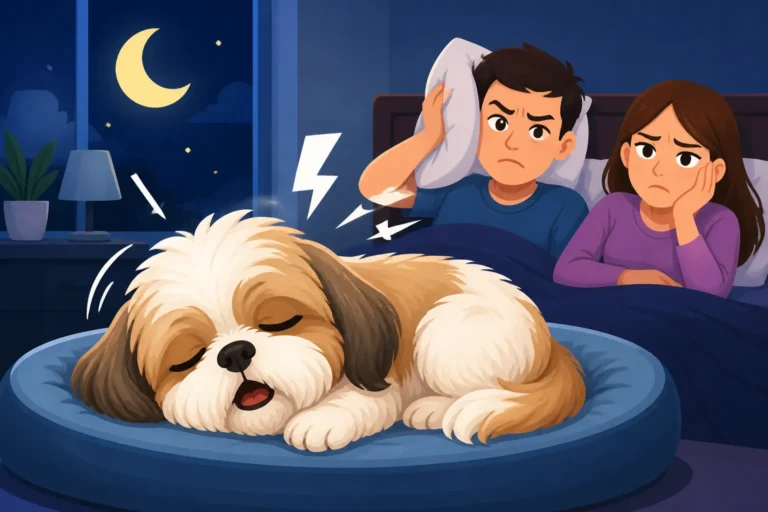
If you’ve ever owned a Shih Tzu, you’re intimately familiar with the symphony of sounds they often produce: the snorts, the snuffles, the gentle wheezes, and yes, the snoring that can sometimes rival a grown human. Many of us, myself included, have affectionately brushed these noises off as "just how Shih Tzus are." But beneath these often-charming sounds lies a very real and significant health concern known as Brachycephalic Obstructive Airway Syndrome, or BOAS. This comprehensive guide will peel back the layers of this common issue, explaining what causes it, how to recognize its signs, and what steps you can take to ensure your beloved companion breathes a little easier.
Understanding Brachycephalic Syndrome in Shih Tzus
It’s easy to think of a Shih Tzu's flat face as simply a cute breed characteristic. After all, it’s one of the things that makes them so uniquely adorable! But this distinctive facial structure, characterized by a shortened skull, is the very root of a complex set of respiratory challenges. The term "brachycephalic" literally means "short-headed," and while it contributes to their endearing appearance, it also means that all the soft tissues that would normally fit neatly into a longer muzzle are instead crammed into a much smaller space. This anatomical compression sets the stage for a lifetime of potential breathing difficulties that many owners don't realize are abnormal until a crisis hits.
What Makes a Shih Tzu Brachycephalic?
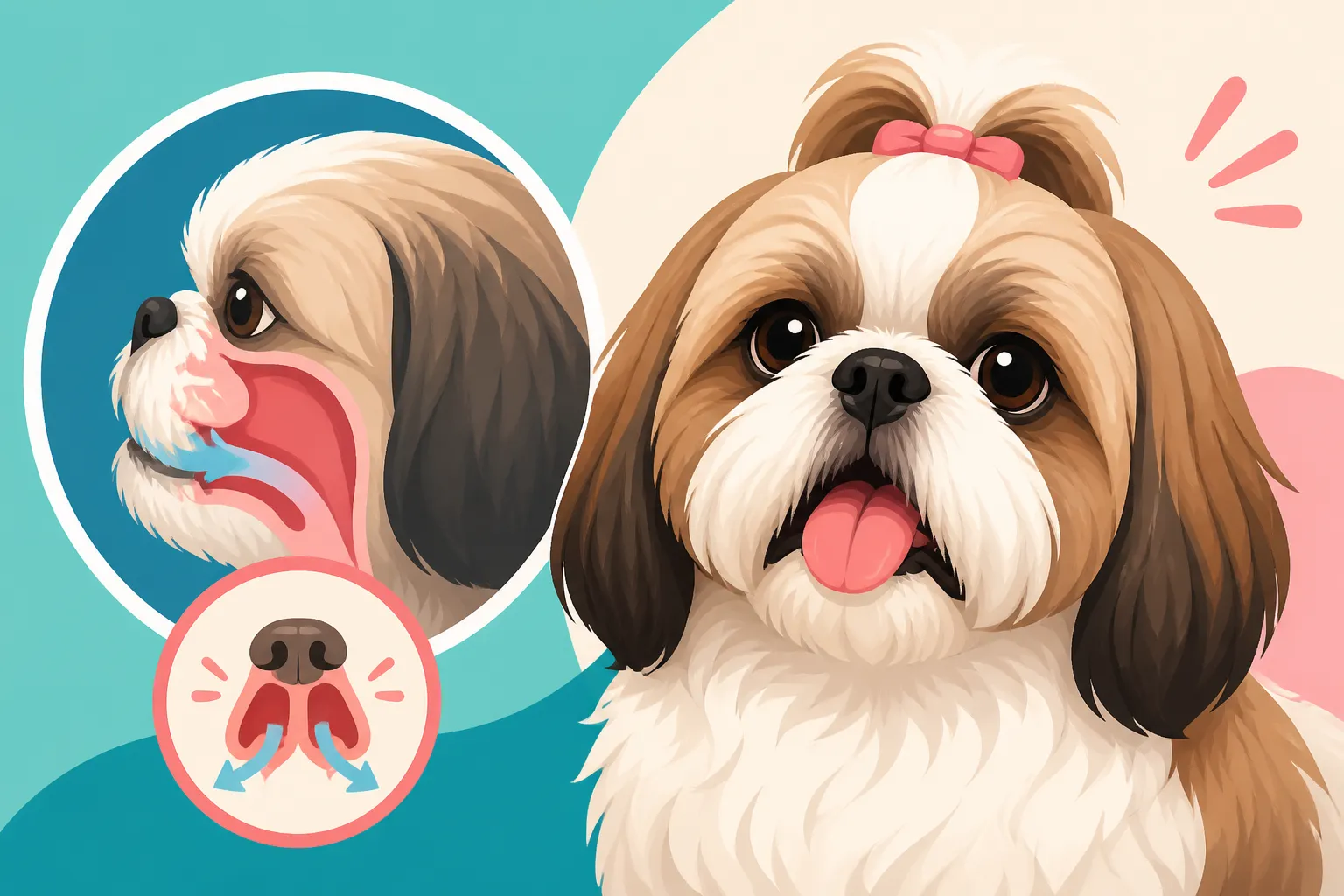
The defining feature of a brachycephalic breed like the Shih Tzu is that compressed skull. Think of it like trying to fit a king-size mattress into a queen-size frame; something's going to stick out or get squished. In the case of our furry friends, it's their airways that bear the brunt of this spatial inadequacy. Their nasal bones are foreshortened, leading to tiny nostrils, and their windpipes are often narrower than those of dogs with longer snouts. These aren't just minor differences; they fundamentally alter how air flows into and out of their lungs, making every breath a small effort.
This unique head shape isn't just about appearance; it's a structural reality that directly impacts their health. Owners often attribute the heavy breathing or snorting to excitement or simply being a "happy dog," when in reality, it's often a sign that their pup is working harder than it should just to get enough oxygen. Recognizing this fundamental anatomical truth is the first step toward understanding and managing their unique respiratory needs.
The Components of Brachycephalic Obstructive Airway Syndrome
Brachycephalic Obstructive Airway Syndrome (BOAS) isn't a single condition but rather a collection of anatomical abnormalities that work together to obstruct a Shih Tzu's breathing. It’s like a combination lock where several numbers need to be set incorrectly for the system to fail. Each component on its own can cause problems, but together, they create a significant challenge for air passage. Understanding each part helps owners recognize the specific issues their dog might be facing.
The most common primary components include stenotic nares (narrow nostrils), an elongated soft palate, and everted laryngeal saccules. Secondary problems, which can develop over time due to the increased effort of breathing, include tracheal hypoplasia (a narrowed windpipe), laryngeal collapse, and even bronchial collapse. It's a progressive disease, meaning that without intervention, these issues can worsen as the dog ages, leading to more severe respiratory distress.
| BOAS Component | Description | Common Symptoms | Potential Impact |
|---|---|---|---|
| Stenotic Nares | Abnormally narrowed or pinched nostrils, making it difficult for air to enter the nasal passages. | Snorting, loud breathing through the nose, labored breathing, mouth breathing when resting or exercising. | Reduces airflow, increases effort to breathe, can lead to secondary airway issues over time. |
| Elongated Soft Palate | The soft tissue at the roof of the mouth extends too far back, partially blocking the opening to the windpipe (larynx). | Snorting, gagging, choking, snoring, noisy breathing, especially during inhalation; worsening with excitement, exercise, or heat. | Creates turbulence and obstruction in the airway, often leading to inflammation and swelling, which further exacerbates breathing difficulties. This is a common culprit in The Snoring That Means a Shih Tzu Airway Problem. |
| Everted Laryngeal Saccules | Small pockets of tissue located just inside the larynx (voice box) are pulled inward (everted) due to the increased negative pressure created by struggling to breathe, further blocking the airway. | Similar to elongated soft palate symptoms, but often more severe: difficulty breathing, blue gums (cyanosis) in extreme cases, exercise intolerance, collapse. | Acts as an additional obstruction within the larynx, often developing as a secondary problem to the increased respiratory effort caused by stenotic nares and/or elongated soft palate. |
| Tracheal Hypoplasia | A congenitally narrowed windpipe (trachea). | Persistent cough, gagging, difficulty breathing, often present from a young age. | Irreversible narrowing of the main airway, making other BOAS components even more serious. |
The Anatomy Behind the Noisy Breathing
When you hear your Shih Tzu huffing and puffing after a short walk, or snoring so loudly they wake themselves up, it's not because they're being dramatic. It's usually a direct consequence of their unique facial anatomy making breathing an arduous task. Understanding the specific structural issues at play can help you better identify problems and discuss them with your veterinarian. It’s not just one single issue, but often a combination, creating a domino effect on their respiratory health.
Stenotic Nares and Their Impact on Airflow
Imagine trying to breathe deeply through a pair of nostrils that are barely open – that's often the daily reality for many Shih Tzus with stenotic nares. Their nasal passages are congenitally narrowed, meaning they were born that way. Instead of wide, open nostrils, you’ll see tiny, pinched openings that significantly restrict the amount of air they can take in with each breath. It’s like breathing through a tiny crack instead of an open window, severely limiting oxygen intake.
This isn't just about surface aesthetics; it profoundly affects their ability to get enough oxygen, especially during activity, excitement, or warm weather. When a Shih Tzu has very narrow nostrils, they often compensate by breathing more rapidly or resorting to mouth breathing, which isn't as efficient for dogs. This constant struggle leads to increased negative pressure in the upper airway, which, in turn, can worsen other BOAS components over time. For instance, a Shih Tzu puppy with noticeable stenotic nares might pant excessively even after minimal play, indicating that their tiny nostrils are already making every breath a fight. This is why addressing Narrow Nostrils on a Shih Tzu Puppy early can be so important.
The Elongated Soft Palate: A Flapping Obstruction
Perhaps one of the most common and impactful issues for brachycephalic breeds like the Shih Tzu is an elongated soft palate. The soft palate is the fleshy part at the back of the roof of the mouth, separating the oral cavity from the nasal passages. In dogs with longer snouts, this tissue is perfectly proportioned, but in Shih Tzus, it often extends too far back, dangling into the throat and partially blocking the opening to the windpipe (larynx). Every time they inhale, this excess tissue vibrates, creating those characteristic snorting or snoring sounds.
Think of it like a curtain that's too long, constantly getting caught in a doorway. With every breath, the air turbulence causes this floppy tissue to swell, becoming even thicker and more obstructive. This becomes particularly noticeable when a Shih Tzu is excited, exercising, or gets too warm, as their breathing becomes more frantic, causing the palate to flap more violently. You might hear them gag or make choking sounds, especially when eating or drinking, or even when they get really worked up. This constant irritation and obstruction can lead to chronic inflammation and swelling, further narrowing their already compromised airway.
Everted Laryngeal Saccules: A Secondary Problem
Everted laryngeal saccules are often a secondary problem that develops over time due to the chronic, intense effort a Shih Tzu must exert to breathe. Located just inside the larynx (the voice box), these small pouches of tissue are usually tucked away neatly. However, when a dog constantly struggles against airway obstructions like stenotic nares or an elongated soft palate, the increased negative pressure created during each strenuous inhalation can actually pull these saccules inside-out, causing them to "evert."
Once everted, these tissues become another physical obstruction, further reducing the airway's diameter. It's like having a small flap of skin suddenly appear in your throat, making breathing even harder. This condition significantly worsens the symptoms of BOAS, often leading to more pronounced respiratory distress, more frequent gagging, and a higher risk of collapse, particularly during exercise or heat. Identifying and addressing the primary issues early on can sometimes prevent the saccules from everting, saving your Shih Tzu from even greater discomfort and potential emergency situations.
Common Signs and Symptoms to Watch For
It's easy to dismiss your Shih Tzu's noisy breathing as "normal" for the breed, especially when you've heard it all their life. But that snort or snuffle can often be a cry for help. Being observant and understanding what truly constitutes abnormal breathing for your specific dog is crucial. Don't fall into the trap of thinking all noisy breathing is simply part of their charm; it could be a sign of underlying issues that need attention.
Noisy Breathing: What's Normal, What's Not?
Distinguishing between typical Shih Tzu sounds and signs of actual respiratory distress can be tricky, but it's vital. A healthy Shih Tzu might snort a bit when excited or occasionally produce a reverse sneeze – where they rapidly and repeatedly inhale air, making a snorting sound. These brief, infrequent episodes are usually not cause for alarm. However, if your Shih Tzu consistently makes loud, raspy, snorting, or snoring sounds even when resting, or if their breathing seems labored and noisy with every breath, it’s time to pay closer attention.
Consistently noisy inhalation (stridor) or exhalation (stertor), especially during normal activity or even sleep, points to an obstruction. If their breathing sounds wet, gurgly, or exceptionally harsh, it's definitely a red flag. Remember, their adorable flat face shouldn't mean they constantly struggle for air. If you find yourself frequently wondering, "Is that sound normal?" it's a good indication to consult your vet.
Exercise Intolerance and Heat Sensitivity
One of the most immediate and noticeable effects of brachycephalic breathing issues is a pronounced exercise intolerance. While Shih Tzus aren't typically marathon runners, they should still be able to enjoy a brisk walk or a short play session without becoming excessively winded. If your Shih Tzu collapses, becomes visibly distressed, or takes an unusually long time to recover after minimal exertion, it's a strong indicator of BOAS. They literally cannot get enough oxygen to fuel their muscles and cool their bodies efficiently.
This lack of efficient cooling also makes them incredibly sensitive to heat. Dogs cool themselves primarily by panting, which relies on unobstructed airflow through their respiratory system. For a Shih Tzu with BOAS, this natural cooling mechanism is severely compromised. Even on moderately warm days, they can quickly overheat, leading to heatstroke, which is a life-threatening emergency. If your Shih Tzu is panting excessively, drooling heavily, has bright red gums, or seems disoriented in warm weather, they are in danger. This heightened risk is why it’s so important to understand Why a Shih Tzu Cannot Cool Itself Well and take extreme precautions, especially during the summer months.
Gagging, Choking, and Regurgitation
Due to the elongated soft palate and other upper airway obstructions, many Shih Tzus with BOAS experience frequent gagging, choking, or regurgitation. The extra tissue flapping in their throat can irritate the area, triggering a gag reflex, especially after eating or drinking too quickly. You might see them try to clear their throat, often with a "horking" sound, as if they're trying to cough something up.
This can be more than just an inconvenience; repeated gagging and choking can lead to aspiration pneumonia, where food or liquid enters the lungs. Additionally, the increased negative pressure in the chest from struggling to breathe can sometimes lead to an esophageal hernia or acid reflux, causing them to regurgitate their food or vomit bile. If your Shih Tzu frequently gags, chokes on food or water, or brings up undigested food shortly after eating, it's a clear sign their airway is compromised and needs veterinary assessment.
Diagnosis: What Your Vet Looks For
You’ve noticed your Shih Tzu struggling to breathe, perhaps they’re collapsing after short walks, or their snoring has become a constant presence in your home. The next crucial step is a visit to your veterinarian. A proper diagnosis of Brachycephalic Obstructive Airway Syndrome isn't just about confirming that your dog snores; it's about identifying which specific anatomical components are causing the obstruction and how severe they are. This information will guide the best course of action for their health.
Initial Physical Examination and Observation
During a routine physical examination, your vet will perform a thorough assessment, paying close attention to your Shih Tzu's respiratory system. They'll start by simply observing your dog's breathing patterns: Is it noisy at rest? Is there an increased respiratory rate? Do they seem to be using excessive abdominal effort to breathe? They'll listen to their lungs and heart, and carefully examine their face and mouth.
One of the first things your vet will check are the nostrils for stenotic nares. They'll assess how pinched they appear and if they seem to impede airflow. They'll also look inside the mouth to get an initial impression of the soft palate. While they can't fully visualize the full extent of the palate or other internal structures during a conscious exam, they can often see if the soft palate is visibly elongated or if there are any obvious signs of inflammation. They'll also ask about your dog's history – their activity levels, any episodes of collapse, gagging, or signs of heat intolerance. Don't be shy about describing every little snort or struggle you’ve noticed; your observations are invaluable.
Sedated Examination and Imaging
For a definitive diagnosis of all BOAS components, a sedated examination is almost always necessary. This is because fully assessing the length of the soft palate, checking for everted laryngeal saccules, and evaluating the condition of the larynx requires the dog to be completely relaxed and still. Trying to do this on a conscious, potentially stressed Shih Tzu would be impossible and unsafe for both the dog and the vet. During this light sedation, your vet can use a laryngoscope to directly visualize the back of the throat and assess the specific abnormalities.
This is a critical step, as it allows the vet to determine the exact extent of the elongated soft palate, whether the laryngeal saccules have everted, and if there are any signs of laryngeal collapse. They might also take X-rays of the chest and neck to evaluate the trachea for hypoplasia (a narrowed windpipe) and to rule out other respiratory or cardiac issues. These imaging techniques provide a clearer picture of the overall respiratory health. It’s a moment of truth that might feel a bit scary, but it’s the only way to truly understand what’s going on inside and plan effective treatment.
Assessing Overall Health and Complications
Beyond just identifying the anatomical issues, your vet will also want to assess your Shih Tzu's overall health, as BOAS can lead to secondary complications. They might recommend blood work to check organ function and ensure there are no other underlying health concerns. For older Shih Tzus, a cardiac workup might be suggested, as chronic respiratory strain can sometimes put a burden on the heart, leading to conditions like Shih Tzu Heart Murmurs and Valve Disease.
They'll also discuss any existing symptoms like chronic coughing, severe gagging, or episodes of collapse, as these might indicate more advanced stages of BOAS or secondary issues like laryngeal collapse. The goal is to get a complete picture of your dog's health, not just their noisy breathing. This comprehensive assessment ensures that any treatment plan addresses all aspects of their condition, aiming for the best possible quality of life. Understanding these potential complications is part of preparing for the journey of owning a brachycephalic dog, and securing a pet insurance plan early, like one from Healthy Paws, can provide immense relief should extensive diagnostics or surgical interventions become necessary.
Management and Lifestyle Adjustments
While surgical intervention is often the most effective way to address the anatomical issues of BOAS, not all Shih Tzus are candidates for surgery, or owners might opt for conservative management first. Even with surgery, lifestyle adjustments are crucial for ensuring your Shih Tzu can breathe as comfortably as possible and avoid dangerous complications. These changes are about creating an environment where their compromised respiratory system is less stressed, and they can enjoy a happy, albeit carefully managed, life.
Weight Management is Critical
One of the most impactful things you can do for a Shih Tzu with brachycephalic breathing issues is to maintain a healthy weight. Extra pounds, even just a couple, significantly exacerbate respiratory problems. Imagine trying to breathe with a pillow on your chest; that's what excess fat around the neck and chest does to a dog with an already compromised airway. It further narrows their breathing passages, making every breath even more strenuous and increasing their risk of overheating and collapse.
Even a slight reduction in weight can make a noticeable difference in their breathing comfort and stamina. Work with your vet to determine an ideal weight for your Shih Tzu and create a tailored feeding plan. This often involves precise portion control and a diet formulated for weight management. Remember, Shih Tzu Obesity on a Sixteen Pound Frame can be detrimental, and keeping them lean is one of the kindest things you can do to ease their daily struggle to breathe.
Avoiding Heat, Humidity, and Stress
Shih Tzus are notoriously sensitive to heat, and those with BOAS are at an even greater risk of heatstroke. Their inefficient panting mechanism means they struggle to cool themselves down. Therefore, avoiding hot and humid conditions is paramount. During warmer months, walks should be limited to the cooler parts of the day – early morning or late evening. Forgoing walks entirely and opting for indoor play on particularly hot days is often the safest choice.
Humidity makes it even harder for them to cool down, as evaporation, a key cooling mechanism, is hindered. Stress and excitement also worsen breathing difficulties, as increased heart rate and activity demand more oxygen. Try to keep interactions calm and avoid situations that overstimulate them. If you must be outside, consider cooling vests, mats, or even a small fan specifically designed for pets. Always ensure they have access to fresh, cool water, and never, under any circumstances, leave a Shih Tzu unattended in a car, even on a mild day. This vigilance is key to preventing a serious Shih Tzu Exercise Intolerance in Summer episode.
Harnesses Over Collars
For any brachycephalic dog, a harness is a non-negotiable item. A collar, even a flat one, puts direct pressure on the trachea and throat, which is already compromised in a Shih Tzu with BOAS. This pressure can restrict their airway further, making breathing even more difficult and potentially leading to coughing, gagging, or even collapse. A well-fitting harness, on the other hand, distributes pressure across their chest and shoulders, away from their delicate throat.
When choosing a harness, look for one that fits snugly but doesn't restrict movement, and ensures the straps don't rub or chafe their sensitive skin under their luxuriant coat. Make sure it's secure enough that they can't back out of it. There are many excellent brands that offer comfortable and secure harnesses designed specifically for smaller breeds. Prioritizing a harness over a collar is a simple yet crucial step in protecting your Shih Tzu's airway and preventing unnecessary distress on walks.
Surgical Interventions: When and Why
When conservative management isn't enough, or if your Shih Tzu's breathing issues are significantly impacting their quality of life, surgical intervention often becomes the best, and sometimes only, option. The goal of BOAS surgery is to widen and shorten the obstructive tissues, thereby improving airflow and making breathing easier. It's a daunting prospect for many owners, but for many Shih Tzus, it offers a dramatic improvement in their ability to breathe and enjoy life.
Stenotic Nares Correction (Rhinoplasty)
One of the most common and often effective surgical procedures for BOAS is the correction of stenotic nares, essentially a rhinoplasty for dogs. This procedure involves surgically widening the constricted nostrils, allowing more air to enter the nasal passages. It's a relatively straightforward surgery that can make an immediate and noticeable difference in a Shih Tzu's breathing efficiency. Many owners report that their dogs start breathing through their nose more quietly almost immediately after recovery.
The vet will typically remove a wedge of tissue from each nostril to create larger, more open nasal passages. The incisions are then sutured, and the dog usually goes home the same day or the next. While the recovery period is generally short, careful monitoring for swelling and discomfort is important. For a young Shih Tzu puppy with severe Nostril Surgery on a Shih Tzu Puppy, this intervention can prevent the progression of secondary BOAS issues by reducing the initial respiratory effort.
Elongated Soft Palate Resection (Staphylectomy)
Resecting (removing) the excess tissue from an elongated soft palate, known as a staphylectomy, is another cornerstone of BOAS surgery. This procedure involves carefully trimming the soft palate to a more appropriate length, ensuring it no longer dangles into the airway and obstructs the larynx. By shortening the palate, the surgeon eliminates the primary source of the flapping and turbulence that makes breathing so difficult and noisy for many Shih Tzus.
This surgery requires precision, as removing too little tissue won't be effective, and removing too much can lead to other complications. Recovery usually involves close monitoring for swelling at the surgical site, which could temporarily worsen breathing. Most dogs require a soft diet for a week or two and restricted activity. The improvement in breathing after a successful staphylectomy can be profound, reducing snorting, gagging, and the risk of aspiration. This procedure is detailed further in topics like What Soft Palate Surgery Does for a Shih Tzu.
Everted Laryngeal Saccule Removal
If a sedated examination reveals everted laryngeal saccules, these tissues are typically removed at the same time as the soft palate resection. This procedure is called a sacculectomy. Removing these everted pouches eliminates another layer of obstruction within the larynx, further opening up the airway. Since the saccules often evert due to the negative pressure created by other BOAS components, addressing those primary issues can sometimes prevent their recurrence.
The removal of everted laryngeal saccules, while beneficial, can increase the immediate post-operative risk of swelling in the throat, which is why close monitoring in a veterinary hospital is crucial. However, for Shih Tzus suffering from severe BOAS, this step is vital to maximize airflow. A combination of these surgeries often provides the most comprehensive relief for dogs with multiple BOAS components, significantly enhancing their ability to breathe. These surgical costs can be substantial, and having pet insurance, such as a comprehensive plan from Healthy Paws, can be incredibly helpful in managing these unexpected expenses.
Living with a Brachycephalic Shih Tzu
Bringing a Shih Tzu into your home means embracing their unique characteristics, including their special breathing needs. Even after surgery, or if managing conservatively, living with a brachycephalic dog requires ongoing vigilance and specific care routines. It’s a commitment to ensuring their comfort and safety every single day, recognizing that their adorable flat face requires a little extra consideration.
Post-Operative Care and Recovery
If your Shih Tzu undergoes BOAS surgery, the post-operative period is critical for a smooth recovery and optimal outcome. Your vet will provide detailed instructions, but generally, this involves strict rest, often with crate confinement, to prevent any strain on the surgical sites. Soft food will be recommended for a week or two to avoid irritating the throat, and pain medication will be prescribed to manage discomfort.
Monitoring their breathing closely is paramount. Swelling in the throat is a common post-surgical complication and can temporarily worsen breathing. Your vet will likely want to keep them for at least 24-48 hours after surgery for observation, sometimes longer if there are concerns. It's a tough period, watching them recover, but remember the long-term benefits for their quality of life. Once they're home, continue to avoid excitement and strenuous activity for several weeks, gradually reintroducing exercise as advised by your vet.
Long-Term Management and Monitoring
Even after successful surgery, long-term management of your brachycephalic Shih Tzu remains important. While breathing should be significantly improved, they may still exhibit some characteristic snorts or snores, though hopefully much milder. Continue to be diligent about weight management, heat avoidance, and using a harness instead of a collar. Regular veterinary check-ups are essential to monitor their respiratory health and detect any new or recurring issues.
Sometimes, secondary issues like laryngeal collapse can progress even after initial surgeries, requiring further evaluation. Pay attention to any changes in their breathing, activity level, or an increase in gagging or coughing. Early detection of new problems is always key. It’s about creating a harmonious life where their unique anatomy is accounted for, allowing them to thrive. Investing in pet insurance like Healthy Paws for ongoing care, including potential follow-up visits or additional treatments, can offer peace of mind throughout your Shih Tzu's life.
Enrichment and Safe Exercise
Just because a Shih Tzu has breathing challenges doesn't mean they can't enjoy life! They still need mental and physical enrichment. The key is safe exercise. Instead of long, strenuous walks, opt for multiple short, gentle strolls in cool weather. Indoor games like hide-and-seek with treats, puzzle toys, or gentle tug-of-war can provide mental stimulation and physical activity without over-exertion.
Consider indoor agility or nose work games that don't require high-intensity bursts. Always monitor their breathing and energy levels, stopping any activity immediately if they show signs of distress. For a senior Shih Tzu, modifying their exercise to account for Shih Tzu Mobility Decline in Old Age alongside breathing issues is also crucial. The goal is to keep them happy, engaged, and physically fit within the boundaries of their breathing capabilities. They might not be able to join you on a hike, but they'll happily chase a toy across the living room!
Preventing Problems Through Responsible Breeding
While owners can do a great deal to manage Brachycephalic Obstructive Airway Syndrome, the ultimate solution lies in preventative measures, particularly through responsible breeding practices. As a breed, the Shih Tzu's defining characteristic – its flat face – is also its greatest health challenge. Ethical breeders play a crucial role in mitigating these risks for future generations.
Health Testing and Selection
Responsible Shih Tzu breeders prioritize health above all else. This means actively selecting breeding pairs that exhibit fewer brachycephalic traits and have clear airways. While visual assessment can give some indication, a thorough examination by a veterinary specialist, ideally before breeding, is essential. This often involves screening for BOAS components and opting for dogs with wider nostrils, shorter soft palates, and no signs of everted saccules or tracheal hypoplasia.
Reputable breeders will be transparent about the health history of their breeding dogs and puppies, providing documentation from veterinary evaluations. They should be able to discuss the incidence of BOAS in their lines and what steps they are taking to improve respiratory health. When choosing a Shih Tzu puppy, asking about the parents' breathing, their activity levels, and any history of BOAS in their lineage is a crucial step in ensuring you bring home the healthiest possible companion. This commitment to health testing is part of what makes Health Testing a Shih Tzu Breeder Should Do so vital.
Understanding the Breed Standard vs. Health
The breed standard for the Shih Tzu, as set by kennel clubs like the AKC, describes the ideal characteristics of the breed, including their short muzzle and distinctive "chrysanthemum" face. Historically, the interpretation of these standards may have inadvertently led to an exaggeration of brachycephalic features, sometimes prioritizing extreme shortness of face over functional breathing. However, there's a growing awareness within the veterinary and responsible breeding communities about the need to balance aesthetic ideals with health and welfare.
Many breed clubs and individual breeders are now actively advocating for subtle changes in breeding practices that aim to produce Shih Tzus with slightly longer muzzles and wider nostrils, which can dramatically improve their breathing without altering their fundamental breed type. It's a delicate balance, but one that is absolutely necessary for the long-term health of the breed. Supporting breeders who demonstrate a clear commitment to improving respiratory health, even if it means a less extreme "flatness" of face, is a powerful way to contribute to the well-being of the Shih Tzu breed.
The Role of Owners in Advocating for Healthier Breeding
As prospective and current Shih Tzu owners, you have a significant role to play in advocating for healthier breeding practices. By educating yourselves about BOAS and supporting breeders who prioritize health testing and moderate features, you can help drive demand for healthier puppies. Don't be swayed by marketing terms like "tiny teacup" or "extreme flat face," as these often correlate with more severe health problems.
Ask direct questions about the parents' breathing, exercise tolerance, and any history of BOAS surgery in their lineage. Choose a breeder who is open, honest, and can provide verifiable health records. If you are ever faced with significant BOAS issues in your Shih Tzu, be open to discussing treatment options, including surgery, with your veterinarian. Every responsible choice, from breeding selection to daily care, contributes to a better, healthier future for these wonderful little dogs.
Disclaimer
The information provided in this article is for general informational purposes only and is not a substitute for professional veterinary advice. Always consult with a qualified veterinarian for any health concerns or before making any decisions related to your Shih Tzu's medical care.