Working a Shih Tzu Coat in Sections
One of the biggest frustrations Shih Tzu owners face is the constant battle against mats and tangles. You try to brush, but it feels like you're just skimming the surface, or worse, hurting your little companion. This guide is here to walk you through the most effective way to tackle that glorious, yet challenging, Shih Tzu coat: working it in sections, ensuring a thorough, pain-free grooming experience for both of you.
Understanding the Shih Tzu Double Coat Challenge
Before we dive into the "how," let's really grasp the "why" behind the Shih Tzu's particular grooming needs. This breed isn't just fluffy; they possess a unique double coat that, while beautiful, is a magnet for tangles. Understanding this is the first step to conquering the mats.
The Double-Coated Design
Your Shih Tzu's coat isn't uniform; it's a sophisticated two-layer system. You have a soft, downy undercoat that’s dense and provides insulation, and then a longer, flowing outer coat that gives the breed its signature elegant appearance. Imagine a fluffy cloud beneath a silk curtain – that's roughly what you're dealing with. This dual structure is what makes the coat so warm and protective, but it's also its Achilles' heel when it comes to matting. The fine, wispy undercoat easily gets caught up in the coarser, longer guard hairs of the outer coat, particularly when there's friction or moisture. It's like having two different textures of hair trying to coexist, and without regular intervention, they inevitably intertwine into knots.
When you're trying to brush through this, just skimming the top layer won't cut it. You might think you've brushed your dog thoroughly, but underneath, the undercoat could be forming a dense, felted layer right against the skin. This unseen matting is not only uncomfortable but can lead to skin issues. It's why just running a brush over your Shih Tzu isn't enough; you really have to get down to business with both layers.
Why Mats Form So Quickly
The speed at which a Shih Tzu coat can mat is truly astounding, and it's a common lament among owners. One day your pup is a fluffy angel, the next they're a walking felt blanket. The primary culprit is the combination of that fine undercoat and the continuous shedding of dead hair. Unlike some breeds, Shih Tzus don't shed in large clumps; instead, individual hairs are constantly being released. These dead hairs don't just fall out; they get trapped within the existing coat, especially within the soft undercoat. As they accumulate, they start to twist and felt together, especially with any movement, rubbing, or moisture.
Think about it: every time your Shih Tzu rolls on the carpet, rubs against furniture, plays with another dog, or even just sleeps, those individual hairs are tangling. Then add in baths, rain, humidity, or even just a splash from the water bowl, and the problem accelerates. Moisture causes the hairs to clump together more readily, making it even easier for mats to form and tighten. Areas of high friction, like behind the ears, under the legs, and where a harness sits, are particularly prone to rapid matting. You could spend an hour brushing one day, and by the next, feel like you're starting all over again, and that's just the reality of Why a Shih Tzu Double Coat Mats So Fast. It's a never-ending cycle that requires diligence and the right technique.
Essential Tools for Section Brushing Success
You wouldn't try to build a house with just a hammer, right? Similarly, you can't expect to conquer a Shih Tzu's intricate coat without the right arsenal of grooming tools. Having these on hand will make the section brushing process much smoother and more effective, saving both you and your furry friend a lot of stress.
Choosing the Right Brush and Comb
This is where many owners go wrong, using just one type of brush for everything. For a Shih Tzu, you really need a combination to get the job done properly. First up is the slicker brush. This brush has fine, wire bristles densely packed together, often with a slight bend at the tips. It's absolutely crucial for getting through both the topcoat and the undercoat, helping to separate tangled hairs and remove loose fur. When choosing one, look for one that feels sturdy and has comfortable handle. You can find excellent options on sites like Chewy or Amazon. Remember, you'll be using this with gentle, controlled strokes, not harsh pulling.
Next, you'll want a pin brush. While the slicker is for detangling and removing undercoat, the pin brush is great for fluffing up the coat and providing a final, gentle pass-through, especially on a full, flowing coat. Its bristles are wider spaced and have protective tips, making it less likely to cause static or discomfort for your dog. Finally, and perhaps most importantly, you need a greyhound comb or a good quality metal comb with both wide and fine teeth. This isn't just any comb; the metal teeth are strong enough to separate the coat effectively, and the different tooth spacings allow you to work through various levels of density. The wide-toothed side is perfect for starting to separate sections and checking for larger tangles, while the fine-toothed side is essential for the "comb test" to ensure you've truly removed all the mats down to the skin. This comb is your ultimate detector for any missed knots. Which Brush Reaches a Shih Tzu Undercoat delves deeper into selection.
Detangling Sprays and Conditioners
Attempting to brush a Shih Tzu's coat dry, especially if there's any hint of a tangle, is a recipe for disaster. It not only causes static electricity, making the hair even harder to manage, but it also increases the risk of pulling and damaging the delicate strands. This is where detangling sprays and leave-in conditioners become your best friends. These products lubricate the hair, making it smoother and more pliable, allowing the brush and comb to glide through with much less resistance.
Before you even think about putting a brush to your Shih Tzu's coat, give it a light misting with a good quality detangling spray. This doesn't mean drenching the dog, just enough to dampen the fur slightly. For particularly stubborn mats, you can spray directly onto the tangle and gently work it in with your fingers before attempting to brush. Many excellent detangling sprays are readily available from pet supply retailers like Chewy or Amazon. Consistent use of a leave-in conditioner after baths can also significantly reduce matting by keeping the coat softer and less prone to tangling in the first place. Think of it as giving your Shih Tzu's hair the same kind of care you give your own – proper conditioning makes all the difference.
The Step-by-Step Guide to Section Brushing
Now for the main event! The secret to a mat-free Shih Tzu isn't just brushing more, it's brushing smarter. The sectioning technique is designed to ensure no tangle goes unnoticed and no area is skipped, making the entire process more efficient and much kinder to your dog.
Preparing Your Shih Tzu and Workspace
Before you even grab a brush, take a moment to set the stage for a positive grooming experience. First, ensure your Shih Tzu has had a potty break and is relatively calm. A tired dog is often a more cooperative dog. Find a comfortable, elevated surface that's safe for your dog and at a good height for you, such as a sturdy grooming table with a non-slip mat, or even a countertop with a bath mat. This prevents you from bending over awkwardly and gives you better control over your dog. Make sure all your tools are within easy reach: slicker brush, pin brush, metal comb, detangling spray, and some small, high-value treats to reward good behavior. You want to make this as pleasant as possible, so have those tasty morsels ready!
Getting your Shih Tzu accustomed to the grooming routine from an early age is vital. Even if you have an adult dog, starting with short, positive sessions and lots of treats can make a huge difference. Getting a Shih Tzu Used to a Slicker Brush can offer more tips on desensitization. Keep your tone of voice calm and reassuring. If your dog seems anxious, take a break. The goal is a relaxed environment where grooming isn't a battle but a routine part of their day.
The Sectioning Technique: How to Divide and Conquer
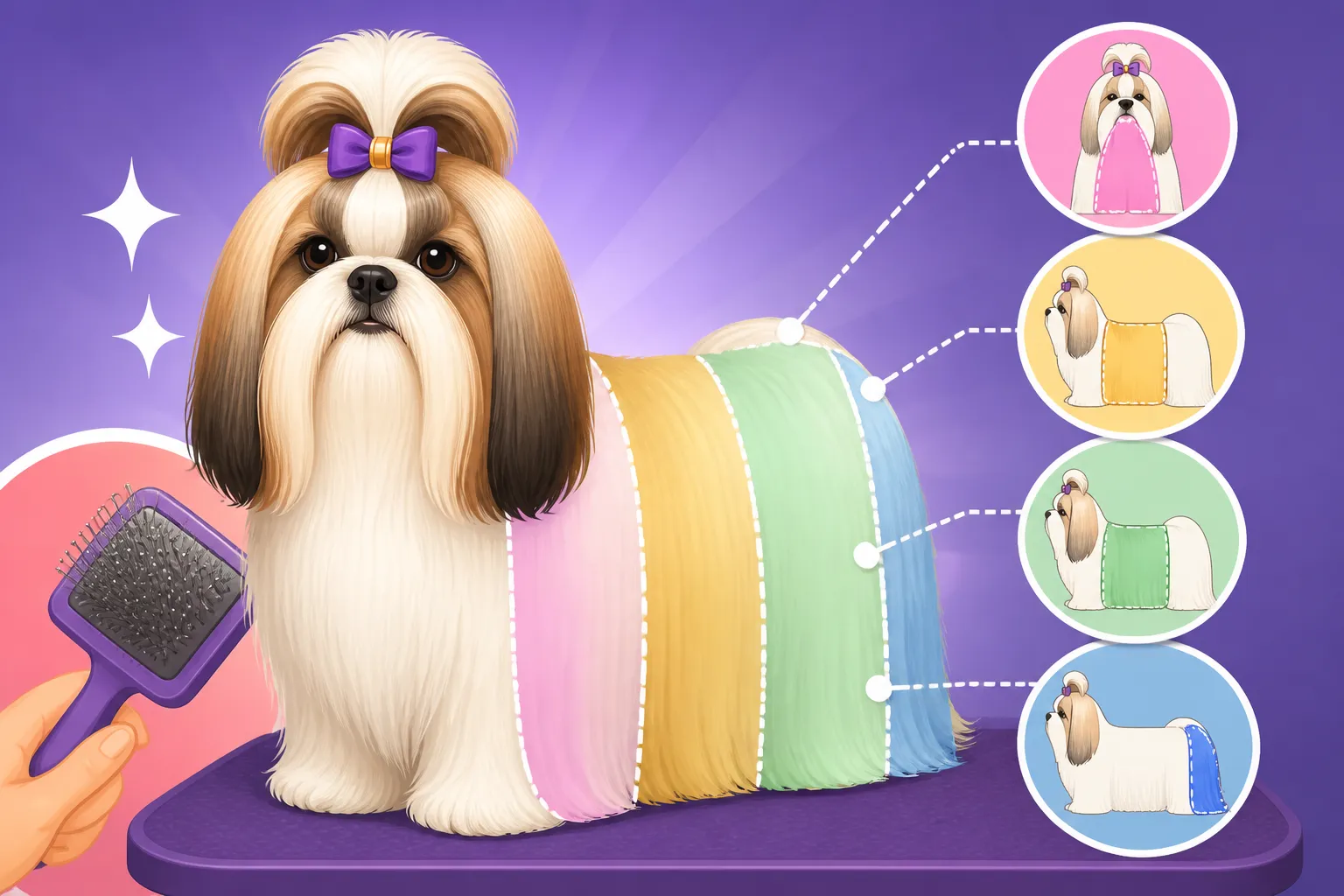
This is the core of effective Shih Tzu grooming. Instead of trying to brush the entire dog at once, you'll work in small, manageable sections, ensuring you get right down to the skin. Start by having your Shih Tzu lie on their side. Using your metal comb or even just your hand, part the hair horizontally, starting low on the flank, near their belly or hind leg. You want to create a clear line, revealing a strip of skin. Hold the hair above this line up and out of the way – you can use grooming clips or even just your non-brushing hand to keep it separated. This exposes the underlayer of hair you're about to work on.
This approach means you're not fighting through a thick wall of fur; you're tackling just a thin layer at a time. It’s like clearing a path through a dense forest, one small segment at a time, rather than trying to push through the whole thing at once. As you finish one section, you'll part the hair again just above it, creating a new, slightly higher strip to work on. Continue this method, working your way up the side of the body. Once one side is done, have your Shih Tzu roll over and repeat the process on the other side. This systematic approach ensures every inch of your dog’s body gets attention, and you won’t miss those sneaky mats that love to hide.
Brushing Each Section Thoroughly
Once you've isolated a small section of hair, it's time to brush. Lightly mist the section with your detangling spray first; this helps reduce friction and makes the brushing easier. Then, take your slicker brush and, using a gentle, outward flicking motion, brush the hair from the skin out towards the ends. Start at the very ends of the hair and gradually work your way closer to the skin, always brushing through the ends. This technique, often called "line brushing" or "pin brushing," is crucial. You're not just pulling through; you're systematically clearing the hair.
As you brush, feel with your non-brushing hand for any resistance or small tangles. If you encounter a mat, don't yank! Instead, hold the hair close to the skin at the base of the mat with your fingers. This isolates the mat and prevents painful pulling on your dog's skin. Then, gently tease out the mat using the very tips of your slicker brush or the wide-toothed side of your metal comb, working from the outside edges of the mat inwards, a few hairs at a time. It's a slow, patient process.
Once you believe a section is mat-free, perform the "comb test." Take your metal comb and slowly draw it through the entire section, from the skin all the way to the ends. If the comb glides smoothly without catching, you're good to go. If it snags, you've found a hidden tangle, and you need to go back and work on that specific spot with your brush. Don't move on to the next section until the comb passes through cleanly. This meticulous approach ensures that when you're done, your Shih Tzu's coat is truly knot-free, not just superficially brushed. Remember to reward your Shih Tzu frequently with those small treats and praise throughout the process to keep it positive.
Maintaining a Section-Brushed Coat
Successfully section brushing your Shih Tzu is a huge accomplishment, but the job isn't done. Maintaining that beautiful, mat-free coat requires ongoing vigilance and a consistent routine. Without it, all your hard work can unravel surprisingly quickly.
Daily Maintenance and Quick Checks
The key to preventing severe matting is daily intervention. Even if you've done a full section brush session, small tangles can start forming immediately, especially in those high-friction areas. Make it a habit to perform quick checks every day, even if it's just for five to ten minutes. Focus on the most common problem spots: behind the ears, under the front legs ("armpits"), in the groin area, and around the tail. These are the areas where rubbing and movement cause hair to felt together fastest. You might also want to pay attention to Mats Where a Harness Sits on a Shih Tzu if your dog wears one frequently.
Use your metal comb for these quick checks. If you find a small tangle, gently mist it with detangling spray and work it out immediately with your slicker brush or comb. Don't let it grow into a larger, more painful mat. Daily brushing doesn't have to be a full-scale operation; it's about prevention. Think of it as tidying up rather than deep cleaning. Even a few minutes a day can save you hours of detangling later and prevent costly trips to the professional groomer for dematting. This proactive approach is vital for keeping your Shih Tzu comfortable and looking their best.
Troubleshooting Common Matting Areas
Despite your best efforts, certain areas on a Shih Tzu are just notoriously prone to matting. Understanding these hotspots and having specific strategies for them can save a lot of frustration.
Behind the Ears: This is probably the most common matting spot. The hair here is often finer, and the constant movement of the ears, especially during play or head shakes, creates friction. Always pay extra attention here during your daily checks. A good strategy is to gently separate the hair behind the ear with your fingers, then brush downwards in small sections. For existing mats, use your fingers to carefully break them apart before attempting to comb. Mats That Form Behind Shih Tzu Ears covers this in more detail.
Under the "Armpits" and Legs: The areas where the legs meet the body are also high-friction zones. When your Shih Tzu walks or runs, the legs rub against the body, causing mats to form quickly. When brushing, gently lift your Shih Tzu's leg to expose the underarm area and brush thoroughly. Similarly, the hair on the insides of the legs can tangle due to rubbing, so ensure you brush these areas down to the skin. This applies to Mats Under a Shih Tzu's Front Legs as well.
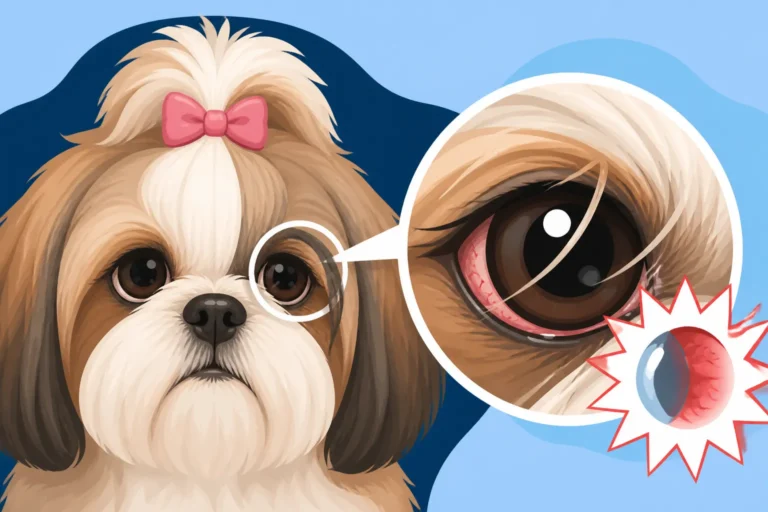
Facial Hair and Beard: The long facial hair, especially around the mouth and eyes, can quickly become matted with food, water, and tear stains. While not a "body section," this area needs daily attention. Gently comb through the beard, cleaning any food residue, and use soft wipes to clean around the eyes. You may need to trim the hair between the eyes or tie a The Shih Tzu Topknot and Keeping Hair Out of the Eyes to prevent hair from irritating the eyes and getting tangled.
Consistency is truly your greatest tool here. If you commit to thorough section brushing and daily maintenance, your Shih Tzu will thank you with a gorgeous, healthy, and comfortable coat.
Disclaimer
This article is for general informational purposes only and does not constitute professional advice. Laws, prices and regulations vary by location and change over time. Consult a qualified professional for guidance on your specific situation.