Keeping a Shih Tzu Lean Under a Full Coat
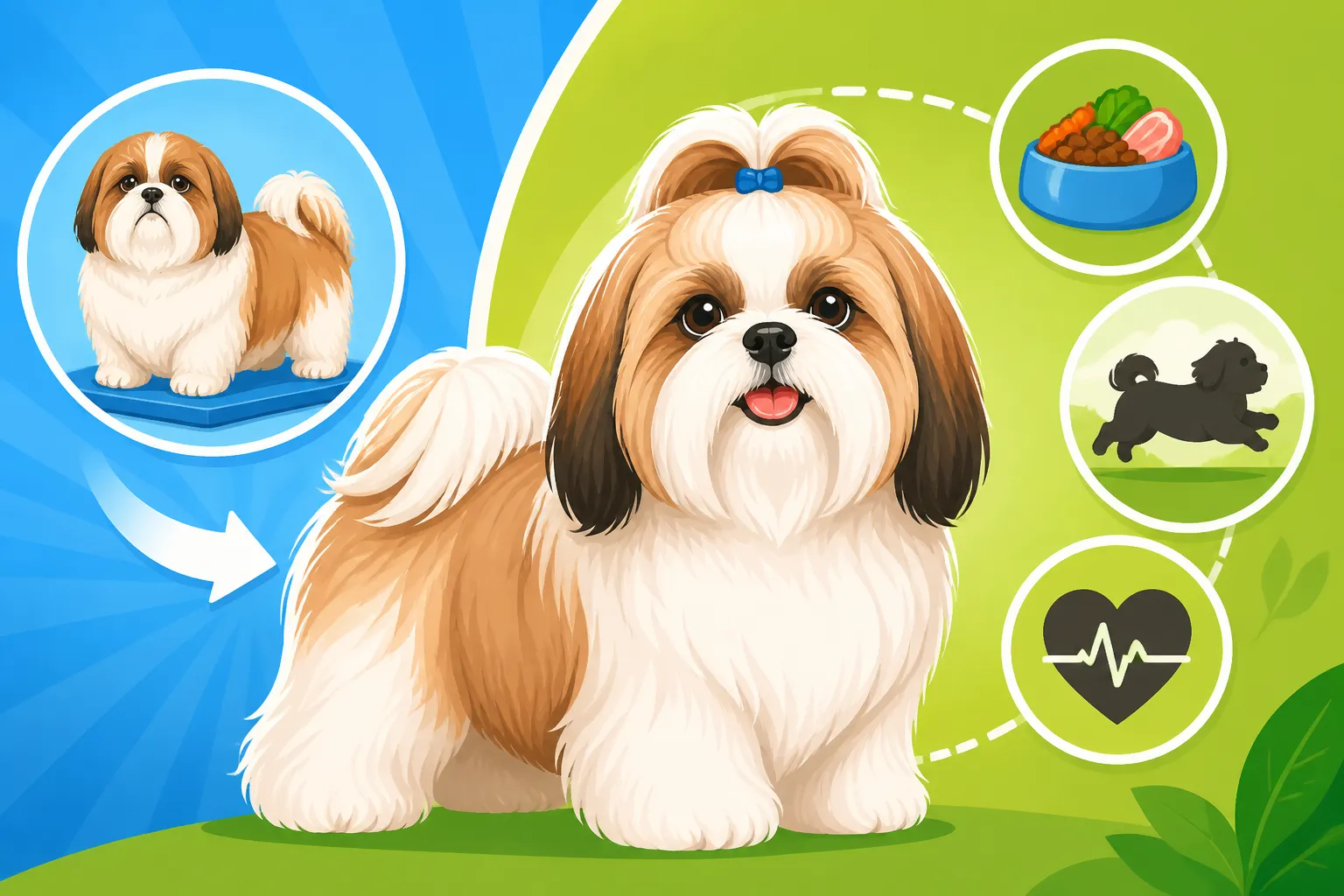
Oh, the Shih Tzu and their glorious, flowing coats! They're absolutely adorable, aren't they? But that luxurious fur, while beautiful, often hides a little secret: whether our beloved companions are carrying a few extra pounds. It's a common frustration for so many Shih Tzu parents because you can't just glance at them and tell. This guide is here to walk you through exactly how to keep your furry friend at a healthy weight, despite all that magnificent fluff, addressing the unique challenges and offering practical solutions.
The Challenge of Weight Monitoring in a Shih Tzu
Anyone who lives with a Shih Tzu knows their coat is a defining feature. It's magnificent, yes, but it’s also an absolute master of disguise. You can have a Shih Tzu looking perfectly round and plump, only to realize that beneath all that hair, they're actually quite lean. Conversely, a Shih Tzu might appear svelte and elegant, yet be silently gaining weight, all hidden away by their dense double coat. This makes monitoring their physical condition a real head-scratcher for even the most diligent owners.
Why a Full Coat Hides Shih Tzu Weight Gain
It's truly astonishing how effectively a Shih Tzu's long, thick coat can conceal changes in their body condition. Imagine trying to tell if a fluffy cloud is gaining weight – it's practically impossible just by looking! This isn't like a short-haired breed where every curve and ripple of their body is easily visible. With a Shih Tzu, especially one kept in a full, traditional coat, their shape is largely dictated by their hair, not their actual physique. This means that by the time you see the weight gain, it might already be significant. The hair around their midsection can puff out, making a slight thickening around the waist look like just more fluff. It’s a sneaky problem that requires a hands-on approach. Many owners discover their Shih Tzu has packed on pounds only during a grooming session, when the coat is wet and flat, or when it's been clipped short. This often leads to a moment of "Oh my goodness, where did that come from?!" surprise. For a deeper dive, check out Why a Full Coat Hides Shih Tzu Weight Gain.
The Deceptive Nature of "Fluffy"
"Oh, he's just fluffy!" This is a phrase many of us have uttered, or heard others say about our Shih Tzus. And while often true, it can also be a dangerous assumption when it comes to their health. That soft, voluminous coat creates an illusion of size that might not be reflective of their underlying body mass. A Shih Tzu can feel quite substantial in your arms, but that feeling might be more about the sheer volume of their fur than the density of their body. This deception means that traditional visual cues for canine weight assessment, like seeing a tuck in their waist or ribs, are virtually useless without physically feeling their body. You can't rely on sight alone, and if you do, you risk letting those hidden pounds accumulate. It's a common trap, and one that requires a conscious effort to overcome by regularly assessing their body condition through touch.
The Importance of Regular Physical Checks
Given the deceptive nature of their coats, regular, hands-on physical checks are absolutely non-negotiable for Shih Tzu owners. This isn't just about their grooming schedule; it's about their health. You need to get your hands on your dog, feeling along their rib cage, spine, and waist. You should be able to feel their ribs with slight pressure, like feeling the knuckles on your hand, not seeing them jut out (too thin) or having to press hard to find them (too heavy).
A quick daily check can be incorporated into your cuddle time or Brushing a Shih Tzu Double Coat Every Day. As you pet them, gently run your hands over their sides. Are the ribs easily palpable? Can you feel their spine without digging? Is there a noticeable "tuck" or narrowing of their body behind the rib cage when you feel around their waist? If the answer is no, and you're feeling a smooth, fatty layer over the ribs and a straight or bulging line where the waist should be, it's time to take action. This tactile examination is far more reliable than anything your eyes will tell you.
Understanding Shih Tzu Nutritional Needs
Once you understand the challenge, the next step is to tackle the root cause of weight gain: diet. A Shih Tzu isn't a large, active working dog; they're built for companionship, which means their caloric needs are relatively modest. Overfeeding, even slightly, can quickly lead to weight issues, especially when coupled with their naturally lower activity levels and that camouflaging coat. Getting their nutrition right is foundational to keeping them lean and healthy.
Daily Calories for a Twelve Pound Shih Tzu
Determining the precise daily caloric intake for your Shih Tzu can feel a bit like a math problem, but it's crucial. A typical adult Shih Tzu, weighing around 12 pounds, might need anywhere from 250 to 400 calories per day, depending on their age, activity level, and individual metabolism. An older, less active Shih Tzu will naturally need fewer calories than a younger, more playful one. It's essential not to guess. Your veterinarian is your best resource for providing a specific, tailored caloric recommendation for your individual dog.
Commercial dog foods, whether kibble, wet, or fresh options like those offered by Ollie, will have caloric information on their packaging. A cup of kibble, for example, might range from 300 to 450 calories, so a "scoop" can make a huge difference. If you're feeding a combination of dry food, wet food, and treats, every single calorie counts. It's easy for treats alone to push a small dog like a Shih Tzu over their daily limit without you even realizing it. Remember, these are general guidelines; always consult your vet for the exact number of calories your particular Shih Tzu needs. For more details on caloric intake, refer to Daily Calories for a Twelve Pound Shih Tzu.
Measuring Shih Tzu Food Properly
This sounds obvious, doesn't it? But you'd be surprised how many owners simply "eyeball" their dog's food portions, especially when they've been feeding the same brand for years. A simple dry measuring cup from your kitchen cupboard isn't always accurate, and variations in how tightly you scoop can lead to significant discrepancies over time. For a small dog like a Shih Tzu, even an extra quarter cup a day can translate into an extra pound or two over a few months, which is a considerable amount for their small frame.
The best approach is to use a dedicated digital kitchen scale to weigh your Shih Tzu's food. Most high-quality kibbles provide feeding guidelines by weight (grams or ounces) rather than volume, precisely because of this variability. If you’re using measuring cups, make sure they are actual pet food measuring cups designed for accuracy, and always scoop consistently – level with the top, not heaping. Splitting their daily ration into two smaller meals, morning and evening, can also help manage hunger and metabolism throughout the day. This meticulous measurement might seem like a chore at first, but it’s one of the most effective ways to prevent sneaky weight gain.
Choosing the Right Food Type and Kibble Size
The type of food you choose plays a big role, too. While many Shih Tzus thrive on standard commercial kibble, some benefit from specific formulations. Look for foods that are appropriate for small breeds, as these often have higher quality ingredients and a balanced nutrient profile suitable for their metabolism. Some owners opt for fresh food diets or carefully prepared homemade meals, which can offer precise control over ingredients and portioning, but always consult with a veterinary nutritionist to ensure they are nutritionally complete. Brands like Chewy offer a vast selection of small-breed specific foods, often with lower calorie counts for weight management.
Another often-overlooked aspect is kibble size. Shih Tzus have a unique brachycephalic (flat) face and often an undershot jaw, which can make eating larger kibble difficult. Smaller kibble is not only easier for them to pick up and chew but also helps prevent choking. While it doesn't directly impact weight gain, comfortable eating ensures they consume their meals properly and don't get frustrated, leading to less mess and more efficient digestion of their carefully measured portions. Be mindful of treats, too! Choose Treats Small Enough for a Shih Tzu Session and factor them into daily caloric intake.
Exercise Strategies for Weight Management
Shih Tzus are not known for being marathon runners or agility champions. They were historically bred to be lap warmers and companions in imperial courts, which means their exercise needs are generally lower than many other breeds. However, "low energy" doesn't mean "no energy." Regular, appropriate exercise is still vital for maintaining a healthy weight, muscle tone, and overall well-being. The trick is to find activities they enjoy and that are safe for their unique physical build.
The Short Walks a Shih Tzu Is Built For
Your Shih Tzu might not be up for a five-mile hike, and frankly, their little legs and brachycephalic airways aren't really built for it. Instead, they thrive on shorter, more frequent walks. Think 15-20 minute strolls, two or three times a day. These walks aren't just for potty breaks; they're crucial for mental stimulation, exploring scents, and burning off some calories. The key is consistency. A short walk every day is far more beneficial than an occasional long one.
Pay close attention to the weather, especially if you live in a warm climate. Due to their flat faces, Shih Tzus can overheat very easily, so avoid walks during the hottest parts of the day. Early morning or late evening are often best in summer. In colder weather, a little sweater might be appreciated, but watch for signs of discomfort. Remember, even a modest walk contributes to their daily calorie expenditure and helps keep their metabolism ticking over. For more on appropriate walk lengths, consider The Short Walks a Shih Tzu Is Built For.
Indoor Play for a Shih Tzu
Sometimes, outdoor walks aren't feasible due to weather, time constraints, or even if your Shih Tzu is getting on in years and mobility is a concern. This is where indoor play becomes your best friend. Interactive games within the home can provide excellent physical and mental stimulation. Fetching soft toys down a hallway, a gentle game of tug-of-war (with appropriate boundaries), or even hiding treats for them to sniff out can keep them engaged and active.
Puzzle toys are fantastic for Shih Tzus. They tap into their natural curiosity and provide a mental workout, which can be just as tiring as physical exertion. These toys dispense kibble or treats as your dog manipulates them, slowing down eating and adding a fun challenge. Even a simple game of "find the toy" by hiding a favorite squeaky toy and encouraging them to seek it out can get them moving around the house. These activities prevent boredom, which can sometimes lead to excessive napping and less calorie burning.
Incorporating Activity Without Overheating
One of the most critical considerations for exercising a Shih Tzu is their susceptibility to overheating. Their brachycephalic (flat) facial structure means they don't pant as efficiently as dogs with longer snouts, making it harder for them to cool down. This isn't just an inconvenience; it can be life-threatening. So, when planning any activity, whether indoors or out, always prioritize their safety.
On warmer days, keep exercise sessions very short and consider cooling vests or mats. Always have fresh water readily available. Watch for signs of overheating: excessive panting, drooling, a bright red tongue, stumbling, or lethargy. If you notice any of these, stop immediately, get them into a cool place, and offer water. Never push a Shih Tzu to continue if they show signs of distress. It's better to under-exercise than to risk a heat stroke. Remember that even seemingly mild temperatures can be dangerous for them. To understand this risk better, read Why a Shih Tzu Overheats So Easily.
Recognizing the Signs of Overweight and Health Risks
Since their glorious coats act as nature's perfect camouflage, truly knowing if your Shih Tzu is carrying too much weight requires more than just a quick glance. Being overweight isn't just about aesthetics; it brings a host of health risks that can significantly shorten their lifespan and diminish their quality of life. Understanding these signs and risks is crucial for proactive care.
Finding Shih Tzu Ribs Under All That Hair
This is the golden rule for body condition assessment in any dog, but especially a Shih Tzu. You must get your hands on them.
Here’s how to do a proper "rib check":
- Place your thumbs on your Shih Tzu's spine and spread your fingers over their rib cage.
- Gently run your fingers along their sides. You should be able to feel their ribs relatively easily, much like feeling the back of your hand. You shouldn't see them, but you should feel them without having to press hard.
- If you have to press firmly to feel the ribs, or if you can't feel them at all, your Shih Tzu is likely overweight.
- Feel for their waist. After the rib cage, there should be a discernible "tuck" or narrowing before their hips. If their body goes straight back, or even bulges out, they're probably carrying too much fat around their midsection.
Make this a routine part of your daily petting or Grooming a Shih Tzu Every Four to Six Weeks. It takes seconds, but it provides invaluable information about their physical condition. This hands-on method is the most reliable way to monitor their weight when a visual check is impossible due to their coat.
Subtle Behavioral Changes Indicating Weight Issues
Beyond the physical assessment, your Shih Tzu's behavior can offer clues that they're gaining weight, even if you can't see it. These changes might be subtle at first, but they become more pronounced as the pounds accumulate:
- Decreased Energy and Stamina: Are they less enthusiastic about walks? Do they tire more quickly during play? A previously active Shih Tzu becoming more sedentary can be a sign of extra weight making movement harder.
- Reluctance to Jump or Climb: If your Shih Tzu used to effortlessly hop onto the sofa or bed but now hesitates, struggles, or needs assistance, extra weight could be straining their joints. This is particularly concerning given the breed's predisposition to Shih Tzu Back Problems and Disc Disease and Patellar Luxation in a Shih Tzu.
- Increased Snoring or Breathing Difficulties: While Shih Tzus are known for their adorable snores, a noticeable increase in snoring, heavier breathing during rest, or more pronounced "reverse sneezes" can be exacerbated by excess weight putting pressure on their already compromised airways.
- Excessive Licking or Grooming Difficulties: An overweight Shih Tzu might struggle to reach certain areas to groom themselves, especially their hindquarters. This can lead to matting, skin irritation, and even infections in neglected areas. They might also lick their paws more due to discomfort or joint pain.
If you notice any of these changes, combined with a difficult-to-feel rib cage, it's time to talk to your vet.
The Impact of Extra Pounds on a Toy Frame
For a small breed like a Shih Tzu, even a couple of extra pounds can have a disproportionately large impact on their health and longevity. Imagine if a human gained 30-40 pounds; that's the equivalent of a Shih Tzu gaining just two. What Two Extra Pounds Do to a Shih Tzu is significant.
Here's why those extra pounds are so dangerous for a Shih Tzu:
- Joint Stress: Their small frames and delicate joints, particularly their knees (patellar luxation) and spines (disc disease), are not designed to carry excess weight. This added stress can accelerate the development of arthritis, worsen existing joint conditions, and increase the risk of injuries.
- Breathing Difficulties: As brachycephalic dogs, Shih Tzus already have compromised airways. Excess fat deposits in the neck and chest area can further constrict their breathing passages, leading to increased panting, snoring, and a higher risk of heatstroke. This is especially relevant to Brachycephalic Breathing in a Shih Tzu.
- Heart Disease: The heart has to work harder to pump blood through an overweight body, increasing the risk of cardiovascular problems.
- Diabetes: Obesity is a significant risk factor for developing canine diabetes.
- Reduced Mobility and Quality of Life: An overweight Shih Tzu is less active, less playful, and generally less comfortable. This can lead to a vicious cycle where reduced activity causes more weight gain, further impacting their well-being.
- Decreased Lifespan: Ultimately, obesity is linked to a shorter lifespan in dogs. You love your Shih Tzu and want them with you for as long as possible; maintaining a healthy weight is one of the best ways to ensure that. Understanding Shih Tzu Obesity on a Sixteen Pound Frame helps underscore the severity.
Practical Steps for Weight Loss and Maintenance
Okay, so you've identified that your fluffy companion might be a little too fluffy. Don't despair! Getting your Shih Tzu to a healthy weight and keeping them there is entirely achievable with consistency, patience, and a few smart strategies. It's a journey, not a sprint, and every small step you take makes a difference.
Trimming a Shih Tzu Ration While Keeping Meals
The most straightforward way to initiate weight loss is to reduce calorie intake. However, for a small dog, drastic cuts can leave them feeling constantly hungry, leading to begging and potential frustration for both of you. The goal is to reduce calories without making them feel deprived.
Start by consulting your vet to get a target weight and a recommended daily caloric intake for that target. Then, you can implement a controlled reduction:
- Reduce by 10-20%: A common strategy is to reduce their current food portion by 10-20%. For example, if they're currently eating 1 cup, try 0.8-0.9 cups. Don't make drastic cuts that could cause nutritional deficiencies or excessive hunger.
- Swap High-Calorie Treats: Those tiny pieces of cheese or commercial dog treats add up quickly. Replace them with low-calorie options like small pieces of steamed green beans, carrots, or apple slices (without seeds). Many treats from places like Amazon now offer low-calorie options specifically for small dogs. Remember to count these treats towards their daily calorie budget.
- Maintain Meal Frequency: Keep feeding them two smaller meals a day instead of one large one. This helps regulate their blood sugar and keeps them feeling fuller for longer. If your Shih Tzu is used to three meals, you can still reduce the portion size of each without cutting out a meal entirely.
- Use Meal Toppers Wisely: If your Shih Tzu loves wet food or a topping, incorporate a tiny amount of low-calorie, high-fiber options like pumpkin puree (plain, not pie filling) to make their reduced portion feel more substantial.
The key is gradual, consistent reduction, not sudden starvation.
How Slowly a Shih Tzu Should Lose Weight
Patience is paramount when it comes to canine weight loss. Rapid weight loss can be dangerous, leading to muscle mass loss rather than fat, and potential health complications. For a small dog like a Shih Tzu, a healthy and sustainable rate of weight loss is typically 1-2% of their body weight per week.
Let's do some quick math: If your Shih Tzu weighs 15 pounds, a 1-2% loss means aiming for 0.15 to 0.3 pounds (about 2-5 ounces) per week. This might seem incredibly slow, but it's the safest and most effective way to ensure they lose fat, not vital muscle, and adapt well to the dietary changes. This slow and steady approach minimizes stress on their system and increases the likelihood of long-term success.
Remember that weight fluctuations can happen, just like with humans. Don't get discouraged if one week they've only lost a tiny amount or even stayed the same. Focus on the overall trend over several weeks. Your vet can help you create a realistic timeline and monitor their progress. For more detailed information on healthy weight loss rates, see How Slowly a Shih Tzu Should Lose Weight.
Consistent Routine and Monitoring
Success in weight management, and really, in all aspects of Shih Tzu care, hinges on consistency and diligent monitoring. It’s not a one-time fix; it’s a lifestyle adjustment for both you and your dog.
- Weekly Weigh-Ins: Invest in a small pet scale, or use your own bathroom scale by weighing yourself, then weighing yourself holding your Shih Tzu, and subtracting the difference. Weigh them at the same time each week (e.g., every Monday morning before breakfast) for the most accurate tracking. Keep a journal of their weight.
- Regular Body Condition Checks: Continue with those hands-on rib and waist checks daily or every few days. You’ll start to notice subtle changes even before the scale does.
- Adjust as Needed: If your Shih Tzu isn't losing weight at the recommended pace, or if they're losing too quickly, talk to your vet. You might need to slightly adjust their caloric intake or increase their activity. The plan isn't set in stone; it's a dynamic process.
- Involve the Whole Family: Make sure everyone who interacts with your Shih Tzu understands their diet plan and avoids "sneaky treats." Those innocent handouts from guests or children can derail progress quickly.
- Vet Check-ups: Regular veterinary check-ups are essential, especially during a weight loss program. Your vet can rule out any underlying medical conditions that might be contributing to weight gain (like Thyroid Disease Thinning a Shih Tzu Coat), provide guidance, and celebrate your successes!
By maintaining a consistent routine, monitoring their progress closely, and working hand-in-hand with your veterinarian, you can help your precious Shih Tzu shed those hidden pounds and enjoy a longer, healthier, and happier life.
Shih Tzu Body Condition Score Chart
To help visualize what you should be feeling under all that hair, here's a simplified body condition score chart for Shih Tzus. Remember, "ideal" means feeling those ribs easily without seeing them prominently.
| Body Condition Score | Appearance (Visual, if possible) | What You Feel (Manual Assessment) | Action Recommended |
|---|---|---|---|
| 1 – Emaciated | Ribs, spine, pelvic bones very visible; severe waist tuck. | Ribs, spine, pelvic bones easily seen and felt with no fat covering. | Urgent Vet Visit. Malnutrition or severe illness. |
| 2 – Underweight | Ribs, spine, pelvic bones easily visible; pronounced waist tuck. | Ribs, spine, pelvic bones easily felt with minimal fat. | Increase food intake under vet guidance. |
| 3 – Ideal | Ribs not visible but easily felt; clear waist tuck. | Ribs easily felt with slight fat covering; clear waist tuck. | Maintain current diet and exercise. |
| 4 – Overweight | Ribs difficult to feel; waist tuck less obvious. | Ribs palpable only with firm pressure; waist tuck barely visible. | Reduce calories, increase exercise. Consult vet. |
| 5 – Obese | Ribs not palpable; no waist tuck; abdomen distended. | Cannot feel ribs; heavy fat cover; no waist tuck; distended belly. | Urgent Vet Visit for weight loss plan. |
Disclaimer
This article is for general informational purposes only and does not constitute professional advice. Laws, prices and regulations vary by location and change over time. Consult a qualified professional for guidance on your specific situation.