Washing a Shih Tzu Face After Every Meal
If you're a Shih Tzu parent, you know the daily struggle: you've just fed your adorable fluffy companion, and within moments, their sweet, whiskery face is a delightful, yet undeniably messy, canvas of kibble crumbs, wet food smudges, or even just drips from their water bowl. It's not just a minor annoyance; it’s a genuine challenge unique to this beautiful breed, and if not addressed promptly, it can lead to some truly uncomfortable issues for your pup. This guide is here to walk you through exactly why this happens, what you need to do, and how to make face-washing a stress-free, effective part of your daily routine to keep your Shih Tzu healthy, clean, and happy.
The Unique Challenges of a Shih Tzu Face at Mealtime
Anyone who shares their life with a Shih Tzu understands that their charming, flat face and luxurious flowing hair come with a few… quirks, especially when it comes to eating. It's not like feeding a Labrador, where their longer snout and tidier mouth usually mean less post-meal clean-up. For our little lion dogs, mealtime is often an adventure in food accumulation.
The Flat Face and Underbite Dilemma
The Shih Tzu's brachycephalic (flat-faced) structure is, without a doubt, a significant part of their charm, but it's also a primary culprit behind their messy eating habits. Their short muzzles mean that when they dive into their food bowl, their entire face, including their delicate eyes and nose, is often right in the thick of it. There's simply not enough distance for food to stay clear.
Compounding this is the breed's characteristic undershot bite, where their lower jaw extends slightly beyond the upper. While adorable, this dental arrangement creates little shelves and pockets where food can easily get trapped. Imagine trying to eat with a spoon that's slightly too big for your mouth, and then trying to keep your mustache clean – that's often the Shih Tzu's reality. Bits of kibble, wet food paste, and even just water can settle into the folds around their nose and mouth, creating a sticky, uncomfortable situation almost instantly.
Long Flowing Hair: A Food Magnet
Then there's that magnificent double coat, especially prominent around their face, forming what we lovingly call their beard, mustache, and topknot. This isn't just hair; it's a highly efficient food and water trap. When your Shih Tzu drinks, their beard acts like a sponge, soaking up every last drop of water, which then drips and transfers to everything they touch. At mealtime, especially with wet food, that long hair becomes instantly saturated.
Even with dry kibble, tiny crumbs cling to the fine strands, working their way deep into the coat. If left to dry, these food particles can quickly lead to painful mats and tangles, not to mention a rather unsavory smell. It's a never-ending battle, and sometimes, even moments after a meal, it can look like your Shih Tzu decided to wear their dinner rather than eat it. This is why many owners consider options like Trimming Around a Shih Tzu's Mouth to keep things a bit tidier.
Tear Stains and Moisture Traps
Adding another layer to the facial hygiene challenge are tear stains. Many Shih Tzus are prone to excessive tearing (epiphora) due to their shallow eye sockets and sometimes narrow tear ducts. This moisture, combined with the long hair around their eyes, creates a perpetually damp environment.
When you introduce food debris into this moist equation, you've got a perfect breeding ground for bacteria and yeast. The reddish-brown discoloration we often see in tear stains isn't just from the porphyrins in their tears; it's often exacerbated by yeast thriving in those damp, food-smeared areas. It's a constant cycle of moisture and grime, making regular, thorough cleaning absolutely essential to break it.
Why Daily Face Washing Isn't Just for Looks
It's easy to dismiss a messy face as just an aesthetic issue, something that simply makes your precious Shih Tzu look a bit disheveled. But for this breed, neglecting daily face washing after meals goes far beyond appearance. It's a critical part of their health and well-being, preventing discomfort and potentially serious problems.
Preventing Skin Irritation and Infections
The warm, moist environment created by trapped food, water, and tears in the deep folds around a Shih Tzu's nose, mouth, and eyes is an open invitation for trouble. This dampness, combined with food particles, becomes a prime breeding ground for bacteria and yeast. These opportunistic organisms can quickly multiply, leading to skin irritation, redness, and inflammation.
Left unchecked, this can escalate into full-blown skin infections, commonly known as dermatitis. You might notice your Shih Tzu scratching their face more, rubbing it on furniture, or even hear them grunting in discomfort. The skin can become raw, itchy, and develop an unpleasant odor. These infections are not only painful for your dog but can also be persistent and require veterinary intervention with antibiotics or antifungal medications. Conditions like Shih Tzu Nasal Fold Dermatitis are a common concern and a direct result of inadequate facial hygiene.
Minimizing Tear Stain Build-up and Discoloration
While tear stains are often seen as merely cosmetic, they're a symptom of moisture around the eyes, and when combined with mealtime messes, they can worsen significantly. The reddish-brown discoloration comes from porphyrins, pigments excreted in tears and saliva. However, yeast (specifically red yeast) can thrive in the constantly damp hair and skin around the eyes, feeding on the moisture and any accumulated food residue, leading to that tell-tale reddish or rusty tint.
Regular, diligent cleaning helps to wash away these porphyrins and prevent the yeast from taking hold and staining the hair. If stains are allowed to dry and set, they become incredibly difficult to remove, often requiring specialized products or even trimming the stained hair away. Consistent cleaning after every meal helps to keep the area dry, clean, and significantly reduces the severity and persistence of tear staining, keeping that beautiful Shih Tzu face looking brighter and healthier.
Supporting Dental and Oral Hygiene
While face washing isn't a substitute for a proper tooth-brushing routine, it plays a supportive role in overall oral hygiene for a Shih Tzu. Their crowded mouths and undershot bites mean that food particles can easily lodge not just in their facial hair but also around their lips and the outsides of their teeth.
By wiping their face after meals, you're removing a significant amount of external food debris and reducing the overall bacterial load in the mouth area. This complements efforts like Daily Toothbrushing in a Crowded Shih Tzu Jaw and can help mitigate some of the factors contributing to dental problems. Anything we can do to reduce food residue and bacteria in and around their mouths is beneficial, given the breed's propensity for conditions like Periodontal Disease in a Five Year Old Shih Tzu.
Essential Tools for a Clean Shih Tzu Face
Keeping your Shih Tzu's face pristine after every meal might sound like a monumental task, but with the right tools, it becomes a much more manageable and effective part of your daily routine. Forget elaborate contraptions; often, the simplest items are the best.
Soft Washcloths or Pet Wipes
Your primary weapon in the fight against post-meal mess will be something to wipe with. For a quick and easy solution, many owners reach for pet-specific wipes. These are fantastic because they are usually pre-moistened with gentle, hypoallergenic solutions, specifically formulated to be safe around sensitive areas like the eyes and mouth. Brands available on Chewy or Amazon often offer fragrance-free options that are perfect for daily use, cutting down on laundry and making quick clean-ups a breeze. They're especially convenient when you're on the go or need to wipe quickly before food dries.
Alternatively, a stack of soft, clean washcloths can be your best friend. Choose ones made from a gentle material like cotton or microfiber that won't irritate your Shih Tzu's delicate skin. Using washcloths allows you to control the moisture level—just warm water is often enough—and they are reusable, which is a bonus for the environment and your wallet. Just be sure to use a fresh, clean cloth each time to avoid spreading bacteria, and always make sure they're thoroughly laundered between uses.
Gentle Pet-Safe Facial Cleansers
For those times when plain water isn't quite cutting it, or for weekly deeper cleans, a pet-safe facial cleanser can be invaluable. It's absolutely crucial to use products specifically formulated for dogs, particularly those designed for use around the eyes and mouth. Human soaps, shampoos, or even baby wipes can contain ingredients that are too harsh, irritating, or even toxic for dogs if ingested or if they get into their eyes.
Look for cleansers that are tear-free, fragrance-free, and ideally, free of harsh chemicals or alcohol. These mild solutions are designed to gently cleanse away food residue, tear stains, and odors without stripping the natural oils from your Shih Tzu's skin and coat. A small amount on a damp washcloth can make a big difference in tackling stubborn grime and keeping the area truly clean. Always read the label carefully and, when in doubt, consult your veterinarian or groomer for recommendations.
Fine-Toothed Comb and Scissors (Blunt-Tipped)
Sometimes, simply wiping isn't enough, especially if food has dried and matted into the longer hairs around your Shih Tzu's face. This is where a fine-toothed metal comb comes in handy. It's excellent for carefully teasing apart any dried food particles or small tangles that might have formed in the beard or mustache area. Always comb gently, supporting the hair near the skin to avoid pulling.
For more persistent problems, or as a preventative measure, a pair of small, blunt-tipped grooming scissors is essential. These are specifically designed with rounded ends to minimize the risk of accidental pokes or cuts, especially around the eyes. You can use them to carefully trim away stained, matted, or excessively long hair that traps food and moisture. Regular trims around the eyes, muzzle, and chin can dramatically reduce the amount of post-meal cleaning required. However, extreme caution is vital when using scissors near your dog's face. If you're nervous, it's always best to have a professional groomer handle these delicate trims. They can even advise you on specific techniques for Trimming Face Hair Away From Shih Tzu Eyes.
A Step-by-Step Guide to Post-Meal Face Cleaning
Making post-meal face washing a smooth and effective process for your Shih Tzu comes down to preparation, technique, and consistency. It’s not about scrubbing hard or rushing, but about gentle, thorough care.
Preparation and Positioning
Before you even call your Shih Tzu over, gather all your tools within arm's reach: your soft washcloths or pet wipes, a gentle facial cleanser if you plan to use one, a fine-toothed comb, and maybe a small treat for positive reinforcement. Trying to scramble for supplies mid-clean-up will only make your pup antsy and turn it into a wrestling match.
Choose a comfortable, well-lit spot where you and your dog can be relaxed. This might be on your lap, on a low table with a non-slip mat, or even on a grooming table if you have one. For smaller dogs like Shih Tzus, having them slightly elevated can make it easier on your back and give you better control. Gently hold your Shih Tzu, reassuring them with a calm voice. Some owners find wrapping them loosely in a towel (leaving their head exposed) helps to keep them still and prevents them from wiggling away. Always prioritize their comfort and safety.
The Gentle Wipe-Down
Once your Shih Tzu is calm and secure, it's time for the actual cleaning. If using a washcloth, dampen it with warm water – never hot, never cold – and wring it out so it's moist but not dripping. If using a pet wipe, open it and have it ready.
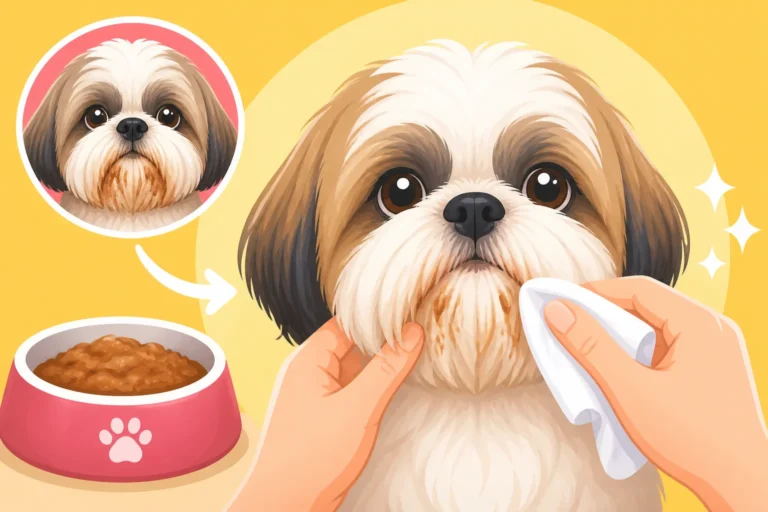
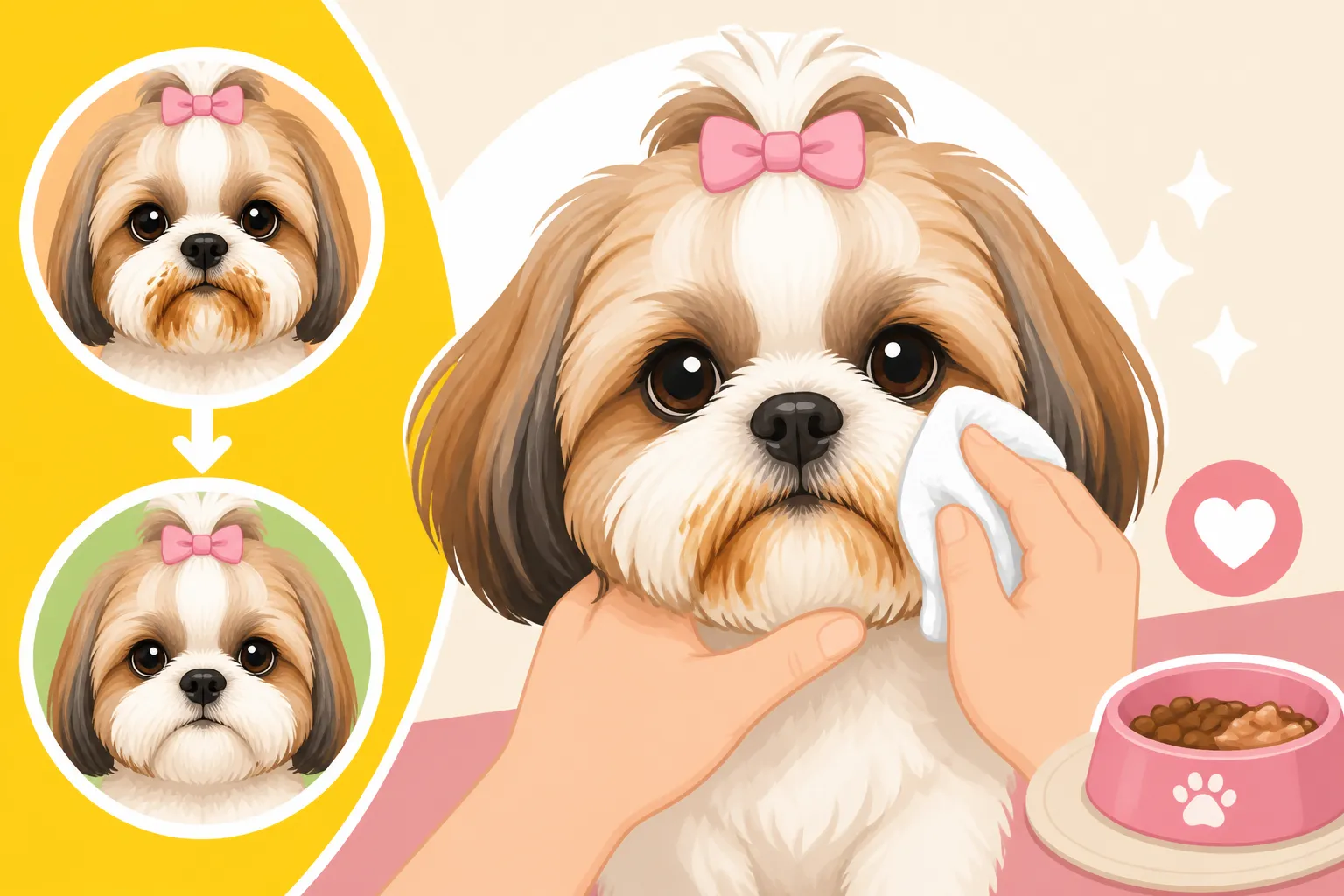
Start by gently wiping the beard and mustache area, where most of the food tends to accumulate. Use soft, downward strokes, working the cloth through the hair to dislodge any crumbs or dried bits. Be thorough, reaching under the chin and along the jawline. For the delicate area around the eyes, use a fresh section of the washcloth or a new wipe. Wipe away from the eye, from the inner corner outwards, being extremely careful not to touch the eyeball itself. If one eye seems particularly messy, use a separate, clean section or wipe for that eye to prevent transferring any potential irritation or bacteria. The goal is to gently lift away food residue and moisture, not to rub aggressively.
Dealing with Wet Food and Stubborn Bits
Wet food, as any Shih Tzu owner knows, presents a unique challenge. It's stickier, often thicker, and can really glue itself to their fine facial hair. For these more stubborn messes, a slightly more saturated warm washcloth can be helpful. Hold the warm, damp cloth against the affected area for a few seconds to gently soften and loosen the dried or sticky food. Think of it like a warm compress.
Once softened, you can try to gently scrape the softened food away with the edge of the washcloth, or very carefully, with your fingernail. If the food has truly dried into a hard, matted clump, you might need your fine-toothed comb. Work slowly, supporting the hair near the skin, and gently tease the particles out. Never pull hard, as this can be very painful for your dog and can cause skin irritation or even pull out chunks of hair. Patience is key here; it might take a few minutes, but a gentle approach will make your Shih Tzu more cooperative for future cleanings.
Drying Thoroughly
This step is often overlooked, but it's absolutely crucial, especially for a breed prone to skin issues and tear stains. After you've wiped away all the food and moisture, take a clean, soft, dry cloth or a fresh, dry pet wipe (if you have them) and thoroughly pat down your Shih Tzu's face.
Pay particular attention to the skin folds around the nose and mouth, ensuring they are completely dry. Any residual dampness, even from the cleaning process itself, can quickly become a breeding ground for yeast and bacteria, defeating the purpose of your hard work. Gently pat the beard, mustache, and the areas under the eyes until they feel completely dry to the touch. This meticulous drying helps prevent irritation, odors, and the recurrence of those pesky tear stains. Remember, just like after a full bath, Why a Shih Tzu Must Be Dried to the Roots applies to their face too – dampness invites trouble.
Tackling Stubborn Tear Stains and Beard Discoloration
Tear stains and beard discoloration are persistent frustrations for many Shih Tzu owners. It’s not just a minor aesthetic flaw; it can indicate underlying issues or lead to skin irritation. Dealing with them requires understanding their cause and consistent, targeted action.
Understanding the Cause of Stains
The reddish-brown stains that mar so many Shih Tzu faces are primarily caused by porphyrins, iron-containing molecules excreted in tears and saliva. When these fluids are consistently present on the hair, the porphyrins oxidize upon exposure to light and air, resulting in the tell-tale rust color. However, it's not just chemistry at play. The constantly damp environment created by excessive tearing, combined with the presence of food particles and general grime, becomes an ideal breeding ground for yeast and bacteria.
Specifically, a type of red yeast (Malassezia) often thrives in these moist conditions, contributing significantly to the reddish or brownish hue and often an accompanying odor. While some claim diet plays a major role, for most Shih Tzus, the primary drivers are their unique brachycephalic anatomy (shallow eye sockets, prominent eyes, sometimes blocked tear ducts) and the long hair that wicks up moisture. Genetics also play a part, making some dogs more prone to tearing than others. Recognizing these factors helps you approach the problem more effectively.
Specialized Tear Stain Removers (and Cautions)
For stains that have set in, or for ongoing prevention, many owners turn to specialized tear stain remover products. These come in various forms, including topical wipes, liquids, or even oral supplements. Topical solutions often work by gently oxidizing the stain to lighten the hair, or they may contain mild antimicrobial agents to reduce yeast and bacterial growth. When using any topical product, it is absolutely critical to follow the instructions precisely and ensure it is safe for use around the eyes. Never let the product get into your Shih Tzu's actual eye. Many are available from retailers like Amazon and come with applicator pads or specific instructions.
Oral tear stain supplements sometimes contain ingredients that claim to reduce porphyrin excretion or have systemic antimicrobial properties. However, caution is advised with any oral product. Always consult your veterinarian before giving your Shih Tzu any oral supplement, especially those containing antibiotics, even in trace amounts. Your vet can advise on the safety, efficacy, and potential side effects, ensuring you're not inadvertently causing other health issues or masking a more serious underlying problem. Consistency is key with any tear stain treatment; it's rarely a one-time fix but rather an ongoing management strategy.
Regular Trimming as a Key Strategy
One of the most effective and often overlooked strategies for managing tear stains and beard discoloration is regular, strategic trimming of the hair around your Shih Tzu's face. Long hair in the tear trough area acts like a wick, drawing tears away from the eye and keeping the skin beneath perpetually damp. This moisture is what allows yeast and bacteria to flourish and cause staining.
By keeping the hair very short in this area, you allow the skin to dry more effectively, significantly reducing the environment for microbial growth. This also makes the area much easier to clean thoroughly after meals. Similarly, trimming the hair around the mouth and chin prevents food and water from soaking into long strands, thereby reducing discoloration and potential skin irritation in those areas. You can do careful trims at home with blunt-tipped scissors, or you can ask your professional groomer to maintain a "clean face" trim around the eyes and muzzle. This simple grooming habit, sometimes known as a Trimming a Shih Tzu Fringe Instead of Tying It, can make a world of difference in keeping your Shih Tzu's face clean and healthy.
Preventative Measures: Beyond the Washcloth
While diligent post-meal face washing is crucial, many proactive steps can significantly reduce the amount of mess and staining in the first place. Thinking ahead about your Shih Tzu's diet, eating habits, and grooming can save you a lot of time and effort in the long run.
Dietary Considerations and Hydration
Believe it or not, what your Shih Tzu eats can sometimes impact their facial cleanliness. While a complete diet change isn't always a magic bullet for tear stains, a high-quality, balanced diet can support overall health, which may indirectly affect tear production or skin health. Some owners report that certain ingredients or proteins might exacerbate tear staining in their individual dogs, though scientific evidence for this is mixed. If you suspect food allergies are contributing to excessive tearing or skin irritation, discuss an elimination diet trial with your vet.
Considering the consistency of their food can also help. Wet food is notorious for making a mess, so if your Shih Tzu's beard is consistently caked, you might explore options that are less sticky or consider fresh food diets, like those offered by Ollie, which can sometimes be formed into smaller, cleaner bites. Lastly, ensure your Shih Tzu has access to fresh, clean water at all times. Proper hydration is vital for overall health, including kidney function, and can also influence the composition of tears and saliva. This is especially important for breeds where Water Intake for a Shih Tzu With Kidney Disease might be a concern.
Optimizing Food and Water Bowls
The type of bowls your Shih Tzu uses can dramatically impact how much food and water ends up on their face. Deep, narrow bowls might seem appropriate for a small dog, but they often force a Shih Tzu to shove their entire face into the bowl, resulting in maximum mess.
Instead, opt for shallow, wide bowls that allow your Shih Tzu to access the food or water without burying their muzzle. Elevated bowls can also be beneficial, as they can encourage a more upright eating posture, reducing the amount of food that falls back onto their chest and face. Another excellent preventative measure, especially for long-bearded Shih Tzus, is using a dog snood during meal times. A snood is a soft, stretchy fabric tube that holds your dog's ears and beard back, keeping them completely out of the food and water. This simple accessory, often found on Chewy or Amazon, can drastically reduce mealtime mess and is highly recommended. These Bowl Shapes That Keep a Shih Tzu Beard Dry are a game-changer for many owners.
Strategic Grooming: Topknots and Puppy Cuts
Beyond the daily wipe, strategic grooming is your best friend in keeping your Shih Tzu's face clean. The iconic Shih Tzu topknot isn't just for looks; it's a functional necessity. By carefully gathering the hair between their eyes and tying it up and back, you prevent long strands from falling into their eyes, irritating them, and wicking up tears and food. A properly tied Tying a Shih Tzu Topknot That Holds securely can make a huge difference in managing facial moisture and reducing staining.
If maintaining a full, flowing topknot and daily brushing seems overwhelming, consider a "puppy cut" for your Shih Tzu. This involves keeping their body and facial hair trimmed shorter, typically a couple of inches or less. A shorter face means less hair to soak up food and water, less surface area for tear stains to cling to, and generally much easier daily cleaning. While it still requires regular trims to maintain, it dramatically reduces the daily grooming burden. Many owners find the Shih Tzu Puppy Cut and Its Upkeep is a practical compromise that keeps their pup comfortable and cleaner with less effort. Regular visits to a professional groomer can help maintain these styles and keep the delicate areas around the eyes and mouth neatly trimmed.
When to Seek Professional Help or Vet Advice
While daily face washing and preventative measures can solve most Shih Tzu facial hygiene issues, there are times when persistent problems or new symptoms warrant a trip to the vet. Knowing when to escalate from home care to professional help is crucial for your dog's comfort and health.
Persistent Irritation, Redness, or Odor
If despite your best efforts at daily cleaning, you notice persistent redness, inflammation, raw skin, or an unusual, strong odor emanating from your Shih Tzu's facial folds, tear troughs, or beard area, it's time to see your veterinarian. These are classic signs of an active infection—either bacterial or yeast—that has gone beyond what topical cleaning can resolve. The skin might feel warm to the touch, and your dog might be showing increased discomfort, pawing at their face, or rubbing it excessively.
Such infections often require prescription medications, such as oral antibiotics, antifungals, or medicated topical creams, to clear up. Simply continuing to wash the area won't solve the underlying microbial overgrowth and could even exacerbate the irritation. Your vet can properly diagnose the type of infection and prescribe the most effective course of treatment, preventing it from becoming chronic or more deeply established. This is similar to managing general Shih Tzu Ear and Skin Infections Under the Coat, where persistent issues need a vet's touch.
Excessive Tearing or Eye Discharge
While some tearing is normal for Shih Tzus, especially those with prominent eyes, a sudden increase in tearing, or any change in the nature of their eye discharge, is a red flag. If the discharge becomes thick, discolored (yellow or green), stringy, or if there's pus, it signals a potential eye infection or injury that needs immediate veterinary attention. Excessive clear tearing, even without discharge, could indicate blocked tear ducts, allergies, an eyelash growing into the eye (distichiasis or ectopic cilia), corneal irritation, or even an underlying eye condition.
Conditions like Dry Eye in a Shih Tzu and Lifelong Drops might also manifest with apparent tearing, as the eye tries to compensate, or with thick, mucoid discharge. Since Shih Tzus are prone to several eye issues due to their breed conformation, any significant change warrants a professional examination. Never attempt to self-diagnose or treat eye problems with over-the-counter human products; some can be harmful to dogs. A vet or veterinary ophthalmologist can conduct a thorough eye exam to pinpoint the cause and provide appropriate treatment.
Difficulty Eating or Pain Around the Mouth
If your typically food-motivated Shih Tzu suddenly shows reluctance to eat, drops food frequently, chews unusually, or seems to be in pain when you touch their mouth or jaw area, it's a serious concern. While a messy eater is one thing, a dog in pain is another. This could be indicative of severe dental disease, such as infected teeth, loose teeth, or gum inflammation exacerbated by trapped food. Given the breed's predisposition to Shih Tzu Tooth Crowding in a Tiny Jaw, dental issues are very common and often painful.
Other possibilities include an abscess, an injury to the mouth or tongue, or even an ingrown hair causing discomfort in a facial fold. Sometimes, a persistent infection in the skin folds around the mouth can become quite deep and painful, affecting their ability to chew comfortably. If you notice any of these signs, don't delay a vet visit. Your veterinarian can perform an oral examination, potentially under sedation for a full assessment, and address any painful issues that might be making mealtime a dreaded experience for your beloved companion.
Making Face Washing a Positive Experience for Your Shih Tzu
Let's be honest, not every dog is thrilled about having their face wiped. But for a Shih Tzu, who needs this done daily, making it a positive, calm experience is key to a harmonious household. It's all about building trust and routine, not a battle of wills.
Start Early and Be Consistent
The absolute best time to introduce face washing is when your Shih Tzu is a puppy. Their little minds are sponges, and they're more open to new experiences. Start with very short, gentle sessions, perhaps just a quick swipe with a damp cotton ball around their mouth and eyes. The goal isn't perfect cleanliness initially, but rather desensitization.
Even if you have an adult Shih Tzu who isn't keen on face clean-ups, it's never too late to start anew. The key is consistency. Make it a predictable part of their post-meal routine. Dogs thrive on routine and knowing what to expect. When it happens at the same time and in the same way every day, it becomes less of a surprise and more of an accepted habit. Think of it like Why Grooming Training Starts the First Week – it builds a foundation for lifelong compliance.
Use Positive Reinforcement
This is the golden rule for any training or grooming endeavor with a Shih Tzu. Every successful face wipe, no matter how small, should be followed immediately by something positive. High-value treats, enthusiastic verbal praise, and gentle petting are your best friends here.
Break it down into tiny steps. Can they tolerate you touching their chin? Treat! Can you wipe for two seconds? Treat! Keep sessions incredibly short, especially at first, to prevent them from becoming overwhelmed. If they pull away, pause, recenter, and try again, but don't force or scold. The moment they tolerate the cloth, even for a second, reward them. The idea is to create a strong positive association: "Face wipe equals yummy treat!" Over time, this makes the entire process much more pleasant for everyone involved. Remember to use Treat Sizes That Suit a Shih Tzu so you don't overfeed them.
Patience and Gentle Handling
Shih Tzus are sensitive little souls, and harsh handling or impatience will only make them resistant and fearful. Always approach them calmly, speaking in a soothing voice. Never pin them down aggressively or yell at them if they resist. This will only erode trust and make future cleanings much harder.
Be mindful of their delicate eyes. The Shih Tzu's eyes are prominent and prone to injury, so extreme gentleness is paramount. Use soft, non-abrasive materials. If your dog is particularly squirmy, take a break. It's better to have a slightly messy face for another hour than to create a traumatic experience that makes all future grooming a battle. Building tolerance takes time and a lot of understanding. Gradually, as your Shih Tzu learns that face washing is a gentle, rewarding experience, they will become much more cooperative, and those daily clean-ups will become a calm, even bonding, part of your day.
Disclaimer
This article is for general informational purposes only and does not constitute professional advice. Laws, prices and regulations vary by location and change over time. Consult a qualified professional for guidance on your specific situation.