Tricks Worth Teaching a Shih Tzu Indoors
It's a common dilemma for Shih Tzu parents: you want to keep your little lion dog engaged and happy, but sometimes the weather is terrible, outdoor space is limited, or their delicate structure makes intense outdoor play tricky. This guide will walk you through a fantastic solution: teaching your Shih Tzu fun, stimulating tricks you can do right in the comfort of your home, strengthening your bond and keeping their clever minds sharp.
Why Indoor Tricks are a Game-Changer for Your Shih Tzu
Our beloved Shih Tzus were originally bred for companionship, to sit on laps in ancient Chinese palaces. This means they naturally thrive on interaction and mental engagement with their humans, and frankly, a long hike isn't always their idea of a good time – or even a safe one. Indoor trick training taps into their natural intelligence and desire to please, offering a wealth of benefits that go far beyond just showing off for guests.
Beating Boredom and Building Brainpower
Let's face it, a bored Shih Tzu can sometimes be a mischievous Shih Tzu. If they're not given appropriate outlets for their energy and intelligence, they might invent their own "tricks"—like unrolling all the toilet paper or barking at every leaf that blows past the window. Indoor tricks offer a wonderful alternative, providing crucial mental stimulation that can prevent these unwanted behaviors. Engaging their minds with new tasks and puzzles helps to keep them mentally sharp, which is especially beneficial as they age. Think of it as brain games for your furry best friend, keeping their cognitive functions humming along, no matter the weather outside. It’s also a fantastic way to bond and communicate, making them feel like a valued part of the family team.
Strengthening Your Bond, One Treat at a Time
Training isn't just about teaching commands; it's a powerful tool for building a deeper, more trusting relationship with your Shih Tzu. When you engage in positive, reward-based trick training, you're creating a shared language and a positive feedback loop. Each successful "sit," "paw," or "spin" isn't just a trick learned; it's a moment of connection, a tiny celebration of teamwork. Your Shih Tzu learns that interacting with you is fun and rewarding, which in turn makes them more attentive and eager to please. This constant positive interaction reinforces their companionship nature, reminding them Why a Shih Tzu Was Bred to Sit on a Lap in the first place, and solidifies your role as their trusted leader and friend.
Safety First: Gentle Fun for a Delicate Breed
Shih Tzus, with their long backs and compact frames, aren't built for high-impact activities. Concerns like Shih Tzu Back Problems and Disc Disease and Shih Tzu Joint Problems in a Toy Frame, such as patellar luxation, are real. This makes indoor, low-impact tricks an ideal form of exercise and entertainment. You can avoid strenuous jumps, rough tumbles, and long runs that could strain their delicate spine or joints. Furthermore, their brachycephalic (flat) faces make them susceptible to overheating, so vigorous outdoor exercise, especially in warm weather, can be dangerous. Focusing on indoor activities protects them from respiratory stress and helps prevent issues like Why a Shih Tzu Overheats So Easily. By choosing gentle tricks, you ensure their fun is always safe and comfortable.
Setting the Stage for Successful Trick Training
Before you dive into teaching your Shih Tzu a repertoire of adorable tricks, a little preparation goes a long way. Setting yourself up for success means having the right tools, understanding the best approach, and establishing a consistent routine. This foundation will make the entire process more enjoyable and effective for both you and your furry student.
Gathering Your Essentials: Treats and Tools
The most important tool in any positive reinforcement training is the treat! For a Shih Tzu, tiny, high-value treats are a must. Think pea-sized morsels of cooked chicken, cheese, or specialized training treats that are soft and easy to chew. You'll want to refer to Treat Sizes That Suit a Shih Tzu to ensure you're not overfeeding or causing choking hazards. Many great options can be found on Amazon. Beyond treats, a clicker can be incredibly useful. It acts as a precise marker for the exact moment your dog does something right, making your communication crystal clear. A target stick, or even just your finger, can also be a helpful prop for luring specific movements. Finally, ensure you have a quiet, distraction-free space where both you and your Shih Tzu can focus entirely on the task at hand. This means putting away toys, turning off the TV, and choosing a time when other household members aren't creating a lot of commotion.
The Golden Rules of Shih Tzu Training
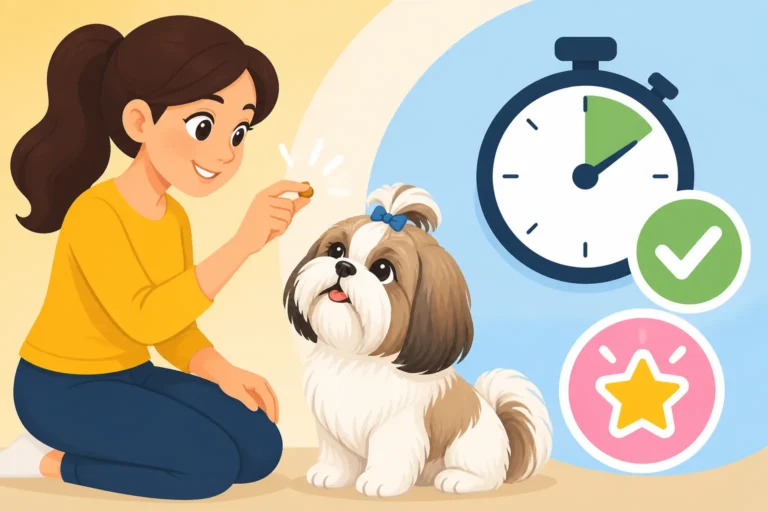
When training a Shih Tzu, remember that their attention spans can be short, and their motivation is often tied to immediate gratification and positive vibes. First and foremost, Keeping Shih Tzu Training Sessions Short is paramount. Aim for quick bursts of 2-5 minutes, several times a day, rather than one long, drawn-out session. This keeps it fun and prevents either of you from getting frustrated. Always, always end on a positive note – even if it means asking for an easy "sit" and rewarding generously. This leaves your Shih Tzu feeling successful and eager for the next session. Secondly, embrace Positive Reinforcement With a Shih Tzu. This means rewarding desired behaviors, not punishing mistakes. Harsh corrections can shut down a sensitive Shih Tzu, making them fearful or unwilling to participate. And finally, understand What Motivates a Shih Tzu to Work. For most, it's food, praise, and the sheer joy of interacting with their favorite human.
When to Start and How Often
You can start introducing simple tricks to your Shih Tzu puppy as soon as they settle into your home, typically around 8-10 weeks old. Young puppies are sponges, eager to learn and absorb new information. For older Shih Tzus, don't ever think they're "too old" for new tricks! Whether an Older Shih Tzu Can Still Learn is a resounding yes; senior dogs benefit immensely from mental stimulation, helping to keep their minds agile. The key isn't necessarily how long you train, but how consistently. A few short sessions (think Five Minute Sessions With a Shih Tzu) spread throughout the day are far more effective than an hour-long marathon once a week. Incorporate trick training into your daily routine – perhaps before meals, during commercials, or when you need a little indoor activity on a rainy day.
Easy-Peasy Tricks for Your Clever Companion
Ready to dive in? These foundational tricks are perfect starting points. They are simple to teach, low-impact, and will build confidence in both you and your Shih Tzu. Mastering these basics will lay the groundwork for more complex fun later on.
Sit and Stay: The Foundation
"Sit" is often the first command a dog learns, and for good reason—it's incredibly useful for manners and a stepping stone for many other tricks. To teach "sit," hold a treat near your Shih Tzu's nose, then slowly move it up and back over their head. As their nose follows the treat, their rear end will naturally lower into a sit. The moment their bottom touches the ground, say "Sit!" (or click) and give them the treat. Repeat this a few times, then start phasing out the lure.
Once "sit" is solid, you can move to "stay." Have your Shih Tzu sit, then say "Stay" and take one tiny step back. If they remain, immediately step forward and reward them. Gradually increase the distance and duration. If they break the "stay," simply guide them back to the original spot and start again without scolding. Patience is key!
Paw and High Five: Adorable Gestures
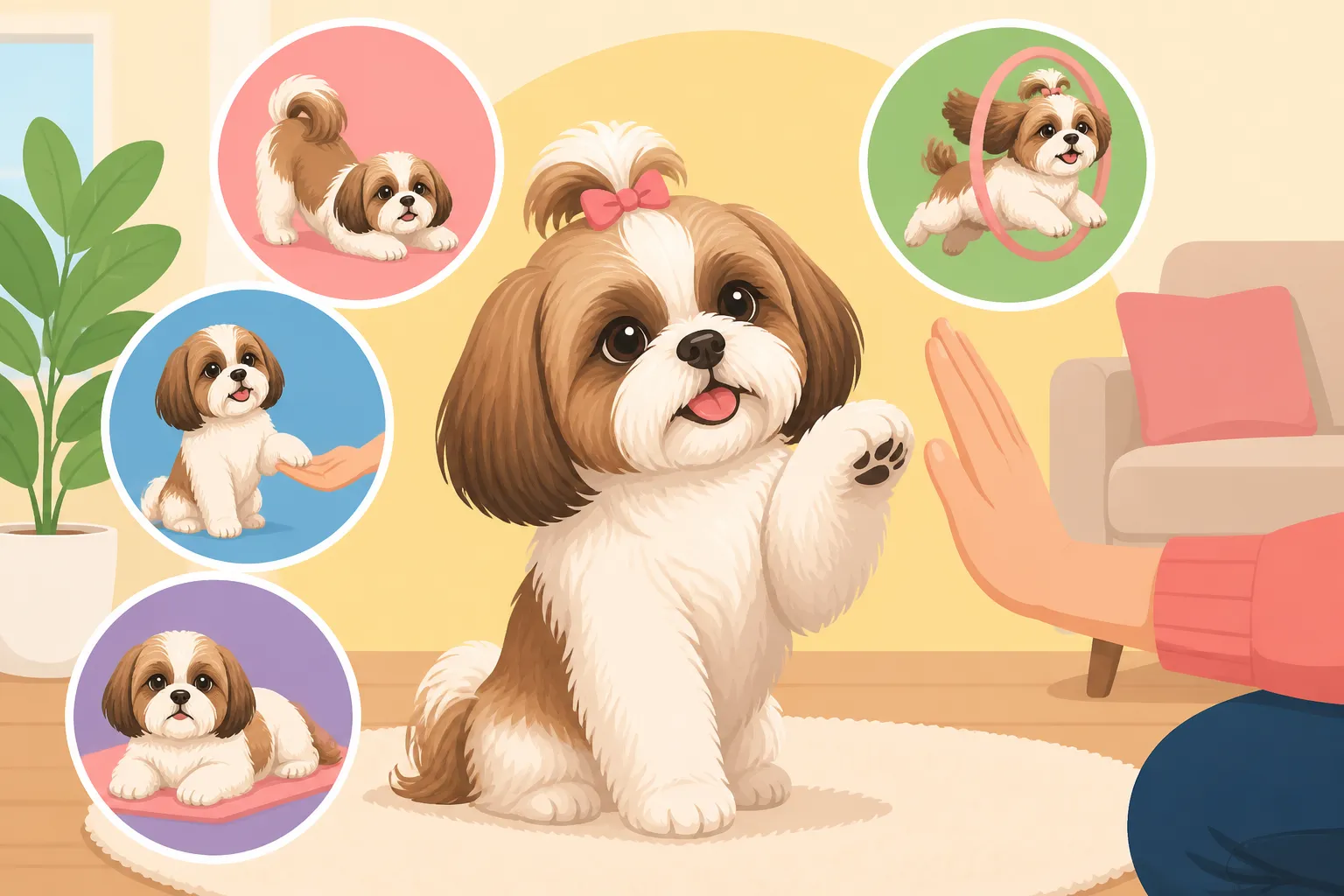
"Paw" is a charming trick that most Shih Tzus pick up quickly. Begin with your dog in a sit position. Hold a treat in a closed fist. They'll likely try to nose or lick your hand. The moment they lift a paw to try and get the treat, say "Paw!" (or click) and open your hand to give them the treat. Once they consistently offer their paw, you can add the verbal cue "Paw" as you hold out your hand.
To evolve "paw" into a "high five," simply raise your hand a bit higher, presenting your palm. When they tap your hand with their paw, say "High Five!" and reward. This trick really brings out their playful side and is a crowd-plepleaser.
Spin and Twirl: Body Awareness Fun
Teaching "spin" or "twirl" is fantastic for mental stimulation and body awareness, all without putting stress on their joints. Start with your Shih Tzu standing. Hold a treat near their nose and slowly lure them in a full circle. As they complete the circle, say "Spin!" (or "Twirl!") and give them the treat. Practice going both clockwise and counter-clockwise.
Once they understand the luring motion, you can start to fade the lure by making the hand motion smaller, eventually just using your finger to make a circular motion in the air. This trick is great for getting some gentle movement indoors, especially when outdoor walks aren't feasible.
Targeting: Touch Your Nose!
Targeting is a versatile foundational skill that can be used to teach many other tricks. For nose targeting, hold out your flat hand or a target stick (easily found on Amazon) a few inches from your Shih Tzu's nose. The instant their nose touches your hand or the stick, say "Touch!" (or click) and reward them. Repeat this many times.
Once they understand "touch," you can move your hand/stick to different locations—up high, down low, to the side. This can eventually be used to teach them to close doors, turn on lights, or go to a specific spot. It's a wonderful way to give them a job and build their confidence in responding to your cues.
Leveling Up: More Engaging Tricks and Mental Games
Once your Shih Tzu has mastered the basics, it's time to challenge their clever minds with slightly more advanced tricks. These not only build on their existing skills but also offer deeper mental engagement, turning your living room into their personal training arena.
Play Dead or Roll Over: The Showstopper
"Roll Over" is often taught from a "down" position. Have your Shih Tzu lie down. Then, with a treat, lure their head from their nose towards their shoulder, encouraging them to roll onto their side, then their back, and then the other side. As they complete the roll, say "Roll Over!" and reward. This takes practice, breaking it down into small steps and rewarding each movement in the right direction. Some dogs are more comfortable rolling one way than the other, so don't force it.
"Play Dead" can be an extension of "roll over" or taught separately. Once they can roll over, when they are on their side, hold the treat and say "Play Dead!" as you gently encourage them to stay still for a second or two before rewarding. This trick truly impresses!
Find It: Sniffing Out the Fun
The "Find It" game is a fantastic way to engage your Shih Tzu's natural sniffing abilities and provide mental enrichment. Start by having your dog sit and stay (or a helper hold them). Show them a high-value treat, then place it just a few feet away, saying "Find it!" Release them to go get it and praise them enthusiastically.
As they get the hang of it, you can start hiding the treat in slightly more challenging spots – under a cup, behind a cushion, or in a simple snuffle mat. Puzzle Feeders a Shih Tzu Can Work are also excellent tools for this. Gradually increase the difficulty and the number of hiding spots. This game is perfect for indoor play, especially when you can't get out for a long sniffy walk. It's also great for tiring out a mentally stimulated dog, which can help if you have A Shih Tzu That Cannot Relax in the Evening.
Ring a Bell to Go Out (or for attention!)
This trick can serve multiple purposes, from potty training to a fun way for your Shih Tzu to "ask" for something. Attach a small bell or a string of bells to the doorknob of your exit door. To teach them to ring it, encourage them to touch it with their nose or paw (using your "touch" cue if they know it). The moment they make the bell jingle, say "Good!" and immediately open the door and take them outside, even if it's just for a second. Repeat this every time you go out.
Over time, they'll associate ringing the bell with the door opening. You can then refine it so they only get rewarded for ringing it with their paw. This is directly applicable to Teaching a Shih Tzu to Ring a Bell to Go Out for potty breaks, but can also be adapted for asking for playtime or a treat, giving them a clear way to communicate.
Clean Up Your Toys (into a basket)
This is a more advanced, multi-step trick that showcases your Shih Tzu's intelligence. First, your dog needs to know "take it" (pick up a toy) and "drop it" (release the toy). Once those are solid, place a toy near an empty toy basket. Encourage your dog to "take it," then lure them with a treat towards the basket. As they get their head over the basket, give the "drop it" cue. The moment the toy goes into the basket, give them the treat and lavish praise.
Repeat this with one toy until they're consistently dropping it into the basket. Then, gradually add more toys, scattering them further away. This trick requires patience and chaining several behaviors together, but it's incredibly rewarding and can genuinely help keep your home tidier!
Keeping Training Fresh and Fun
Even the most enthusiastic Shih Tzus can hit a training plateau or get distracted. The key to long-term success and continued enjoyment is to keep the process fresh, understand how to navigate challenges, and seamlessly integrate training into your daily life.
Troubleshooting Common Shih Tzu Training Hiccups
Shih Tzus, like all dogs, have their moments. If your clever companion seems "stubborn" or distracted, it's usually a sign that something isn't quite right with the training approach. Firstly, check your environment – is it truly distraction-free? Sometimes a passing cat outside the window or a crumb on the floor is more interesting than your treat. Secondly, are your treats high-value enough? If they're not excited by the reward, their motivation will wane.
If they're struggling with a trick, break it down into even smaller, achievable steps. If "roll over" is too much, just reward for rolling onto their side. Build up slowly. And always remember to end the session before either of you gets frustrated. A short, successful session is far better than a long, frustrating one. If you're consistently running into walls, a resource like BAXTER & Bella offers online puppy training programs and might have specific advice or tutorials that resonate with your Shih Tzu's learning style.
Integrating Training into Daily Life
The beauty of indoor tricks is how easily they can become a natural part of your Shih Tzu's day. Instead of separate "training sessions," think of them as opportunities for interaction. Ask for a "sit" before you put their food bowl down. Request a "paw" when you're greeting them after coming home. Have them "spin" for their favorite toy. This constant, gentle reinforcement keeps their skills sharp and strengthens their understanding of what you're asking.
Using tricks as part of your routine also provides valuable mental exercise, which can be just as tiring as physical activity. Incorporating a few "find it" games or "spin" routines throughout the evening can help your Shih Tzu wind down, contributing to a more relaxed demeanor. This kind of consistent mental engagement is a wonderful form of Indoor Play for a Shih Tzu and can even help them settle more easily at the end of the day.
Resources for Continued Learning
The world of dog training is always evolving, and there are countless resources available to help you continue your journey. Beyond articles like this one, consider online training platforms, which often feature video tutorials that can be incredibly helpful for visualizing new tricks. Many of these resources, including programs offered by BAXTER & Bella, emphasize positive, force-free training methods that are ideal for sensitive breeds like the Shih Tzu. You might also find local dog trainers who offer trick classes or private sessions, which can provide personalized guidance. Reading books on positive reinforcement or trick training can also open up new ideas and strategies. Remember, the goal is always to keep it fun, engaging, and rewarding for both you and your furry best friend.
| Trick Category | Example Tricks | Primary Benefit | Impact Level |
|---|---|---|---|
| Foundation | Sit, Stay, Come | Basic manners, control, safety | Low |
| Body Awareness | Spin, Twirl, Bow | Coordination, gentle movement, mental agility | Low |
| Paw/Interaction | Paw, High Five, Wave | Social interaction, fine motor skills | Low |
| Problem Solving | Find It, Put Away Toys | Mental stimulation, nose work, cognitive challenge | Low |
| Show Stoppers | Roll Over, Play Dead, Kiss | Advanced coordination, impressive showmanship | Low |
Disclaimer
This article is for general informational purposes only and does not constitute professional advice. Laws, prices and regulations vary by location and change over time. Consult a qualified professional for guidance on your specific situation.