Getting a Shih Tzu Outside in Cold Weather
It’s a common frustration for Shih Tzu owners when the temperature drops: your fluffy little companion, who otherwise loves to explore, suddenly acts like stepping onto cold grass is a personal insult. You bundle yourself up, open the door, and there they stand, frozen at the threshold, giving you the "absolutely not" stare. This isn’t just stubbornness; it’s a mix of breed-specific traits and genuine discomfort. This guide will help you understand why your Shih Tzu might be reluctant to venture out in chilly weather and provide practical strategies and gear to make those necessary outdoor trips, and even some fun ones, more manageable for both of you.
Understanding Why Your Shih Tzu Hates the Cold
Before we dive into solutions, it’s important to acknowledge that your Shih Tzu isn’t trying to be difficult just for the sake of it. Several factors contribute to their disdain for cold weather, many of which are rooted in their unique physical characteristics and historical purpose. It helps to approach the situation with empathy, recognizing their legitimate discomfort rather than viewing it as a behavioral issue alone.
The Double Coat Misconception
Many people assume that because Shih Tzus have such a luxurious, long double coat, they must be naturally warm and impervious to the cold. While their coat does provide a degree of insulation, it’s not a magic shield against freezing temperatures, especially when wet or if the dog is standing still. In fact, a long, flowing coat can sometimes become a hindrance in wet snow, gathering ice balls and dragging on their small frame, making them feel even colder and heavier. Think of it like wearing a heavy wool sweater that gets soaked – it goes from warm to miserably cold very quickly. Furthermore, many owners opt for a Shih Tzu Puppy Cut and Its Upkeep or a shorter trim, which, while practical for grooming, significantly reduces their natural insulation, making them even more susceptible to the chill.
The underlying issue isn't just about the hair; it's about how that hair interacts with the cold and wet. A dog with a clipped coat needs extra protection, as their natural defenses are reduced. Even a full-coated Shih Tzu can feel the cold penetrate, especially if they are stationary or the wind is biting. Their body mass is small, meaning they lose heat much faster than larger breeds, and that dense coat isn't always enough to compensate, particularly for their delicate ears and paws.
Brachycephalic Challenges in Winter
Shih Tzus are a brachycephalic breed, meaning they have a "flat face" with a shortened snout and airway. This characteristic poses unique challenges in cold weather, similar to how it impacts them in heat, as discussed in Why a Shih Tzu Overheats So Easily. In winter, cold, dry air can be irritating to their sensitive respiratory systems. Some Shih Tzus may experience increased sneezing or even a "reverse sneeze" in cold air, which can be alarming and uncomfortable. The rapid change in air temperature from a warm house to the frigid outdoors can also be a shock to their system, making them less willing to take deep breaths and encouraging them to hold their breath or simply refuse to go out.
Moreover, the act of breathing itself can become a chore in extremely cold conditions. Their compact airways mean they already work harder to breathe than dogs with longer snouts. Adding cold, dense air to this equation can lead to discomfort or even exacerbate underlying respiratory issues. This is a very real physical barrier that needs to be respected and understood; it’s not just them being fussy, but often a genuine physiological response to an unpleasant sensation in their throat and lungs. Their bodies are simply not designed for extreme weather conditions, be it hot or cold.
Small Stature, Big Impact
At typically 9 to 16 pounds, a Shih Tzu has a very small body mass. This isn’t just about being cute; it significantly impacts their ability to retain body heat. When your little Shih Tzu steps out into the snow, their entire body is much closer to the cold ground compared to a larger dog. The ground itself, whether it’s frozen earth, cold pavement, or icy snow, acts as a heat sink, drawing warmth away from their small paws and belly very quickly. This immediate chill makes them want to pick up their feet and retreat indoors almost instantly.
Think about how quickly your own hands and feet get cold without gloves and warm shoes on a winter day. For a Shih Tzu, their paws are directly exposed to these elements, and their belly often brushes against the cold ground or snow. Furthermore, their small legs mean they have to expend more energy to trudge through even shallow snow, which can quickly lead to fatigue and an even greater loss of body heat. They are simply not built for sustained activity in harsh winter conditions, making those short, efficient potty breaks even more critical. Understanding What a Shih Tzu Should Weigh Fully Grown helps contextualize just how delicate their frames are in comparison to the elements.
Essential Gear for Cold Weather Outings
Since we understand why they don't like the cold, the next step is to equip them properly. Just as we wouldn't venture out into a blizzard in a t-shirt, we shouldn't expect our Shih Tzus to brave winter's chill without adequate protection. Investing in the right gear can make a world of difference in your dog's comfort and willingness to go outside, transforming those dreaded potty breaks into manageable, if still quick, excursions.
Warm Apparel Choices
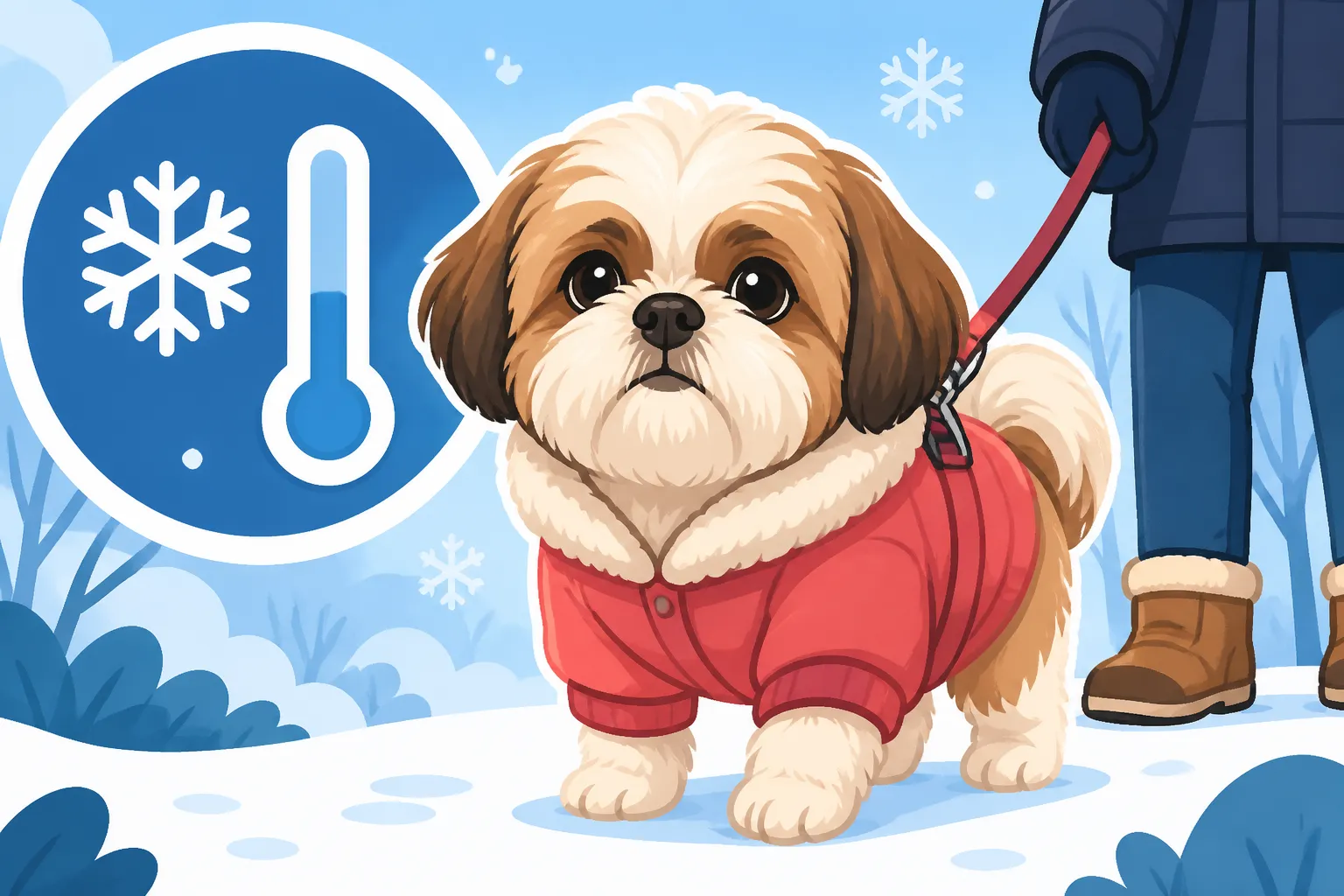
A good quality coat or sweater is not just a fashion statement for a Shih Tzu in winter; it's a necessity. Look for options that cover their back and belly, providing maximum warmth. Materials like fleece, wool blends, or waterproof outer shells with an insulated lining are ideal. It's crucial that the apparel fits well – snug enough to retain body heat but not so tight that it restricts movement or rubs uncomfortably, especially around their delicate neck and shoulders. You’ll want something that’s easy to put on and take off, as quick transitions are key. How a Clipped Shih Tzu Handles Cold outlines just how important proper clothing can be.
When shopping, consider options available on platforms like Amazon, where you can find a wide variety of styles, materials, and sizes to ensure a proper fit. Measure your Shih Tzu carefully according to the product's sizing chart. For extra chilly days, a waterproof coat over a fleece sweater can provide layered protection. Don't forget their ears! If your Shih Tzu is particularly sensitive to cold wind, a snood or ear covering can offer surprising comfort, preventing those sensitive ear leathers from getting painfully cold.
Paw Protection and Winter Hazards
Your Shih Tzu’s paws are one of the most vulnerable areas in cold weather. They are in direct contact with freezing surfaces, road salt, ice melt chemicals, and sharp ice shards. Dog boots are highly recommended to protect their paw pads. While it might take some time for your Shih Tzu to get used to wearing them – expect some initial awkward "robot dog" walking – the benefits far outweigh the training effort. Choose boots that are durable, waterproof, have good grip, and stay on securely. Again, Amazon offers many options, so reading reviews about fit and staying power can be helpful.
Beyond boots, consider using paw balms or waxes before and after walks. These products create a protective barrier against harsh elements and moisturize paw pads, preventing cracking and dryness. Always wipe your Shih Tzu's paws thoroughly after coming inside, even if they wore boots, to remove any residual salt or chemicals. Pay close attention to the hair between their paw pads; keeping this trimmed, as discussed in Shih Tzu Ear and Paw Care, can prevent ice balls from forming and causing discomfort or limping. Neglecting paw care can lead to painful irritation or even chemical burns.
Visibility in Low Light
Winter often means shorter daylight hours and darker conditions, which makes visibility a crucial safety consideration. When you're out with your Shih Tzu, especially near roads or in areas with other pedestrians and dogs, ensuring they are easily seen is paramount. Look for coats, harnesses, or collars that incorporate reflective strips or LED lights. Many pet apparel brands now offer gear with these safety features built-in.
A reflective harness or an illuminated collar can make your Shih Tzu stand out to drivers and cyclists, dramatically reducing the risk of accidents during early morning, late afternoon, or evening walks. Even if you're only going a short distance for a quick potty break, low visibility can be a factor. This simple addition to your cold-weather gear list is about more than just comfort; it's about protecting your beloved companion from unforeseen dangers in the dim winter light.
Strategies for Encouraging Outdoor Potty Breaks
Even with the best gear, getting a reluctant Shih Tzu out the door for their business can still be a challenge. It's not about forcing them, but about creating an environment and routine that makes the process as quick, positive, and comfortable as possible. Patience and consistency are your best friends here.
Creating a Designated Potty Zone
One of the most effective strategies is to establish a specific, easily accessible potty zone in your yard that you can keep relatively clear of deep snow. If you have a fenced yard, consider clearing a small path or patch of grass. This provides a familiar, less intimidating area for your Shih Tzu to do their business without having to wade through deep snow that might overwhelm their small stature or chill their belly. You can even use a small shovel or snowblower to maintain this spot.
The idea is to minimize the "shock" of the cold and the effort required to find a suitable spot. If they know exactly where to go and that spot is relatively clear, they are more likely to comply quickly. Some owners even use a small tarp or plastic sheet to cover a patch of grass before a snowfall, creating a snow-free zone when uncovered. Remember, the goal is efficiency and comfort for your dog. For those without a yard, or during particularly severe weather, supplemental Indoor Potty Setup Costs for a Shih Tzu can provide a crucial backup, though it's always best to encourage outdoor elimination when possible to maintain routines.
Positive Reinforcement and Quick Trips
When it's cold, speed is of the essence. You want to make potty breaks as brief and successful as possible. Take your Shih Tzu out frequently, perhaps every hour or two initially, to increase the chances of them relieving themselves quickly. As soon as they do their business, offer immediate, high-value praise and a favorite treat. The instant gratification helps them associate going outside in the cold with a positive reward. Use small, easily digestible treats, like those mentioned in Treats Small Enough for a Shih Tzu Session, to keep them motivated.
Avoid lingering outside or letting them "sniff around" if it’s genuinely freezing. The objective is to get the job done and return to warmth. You can use a verbal cue like "Go potty!" or "Do your business!" consistently, so they learn to associate the phrase with the action. If they hesitate, gently encourage them to move a few steps, but don't drag them or scold them. A positive attitude from you can also go a long way in alleviating their apprehension. Make it a celebratory event when they succeed, and they’ll be more likely to cooperate next time. Online training resources, such as those offered by BAXTER & Bella, often emphasize these positive reinforcement techniques, which are invaluable for any training challenge, including weather-related reluctance.
Balancing Indoor and Outdoor Needs
While encouraging outdoor potty breaks is important for routine and hygiene, there might be days when the weather is simply too extreme for your Shih Tzu. Blizzards, ice storms, or dangerously low temperatures can pose a risk of frostbite or hypothermia, especially for small breeds. On such days, having an indoor potty solution ready is not a sign of failure, but a responsible act of pet ownership. This could be pee pads, an artificial grass patch, or a designated newspaper area. The key is to teach your Shih Tzu that this is an acceptable alternative when going outside is not feasible.
However, relying solely on indoor options for extended periods can cause Shih Tzu House Training Regression. Try to maintain as much of your outdoor routine as safely possible. If a full outdoor walk isn't possible, even a quick supervised dash to the designated potty zone can help. And remember, fresh air and a change of scenery, even brief, are beneficial. On milder winter days, take advantage of the opportunity to let them enjoy a slightly longer sniff-around session. It's a delicate balance, and understanding your individual Shih Tzu's tolerance levels and the actual weather conditions is key.
Winter Exercise and Mental Stimulation Indoors
Shih Tzus are not built for extensive outdoor exercise, as discussed in The Short Walks a Shih Tzu Is Built For. This is even more true in winter. However, they still need physical activity and mental engagement to stay healthy and happy. When outdoor adventures are curtailed by cold weather, it's essential to provide ample indoor alternatives to prevent boredom and pent-up energy, which can sometimes lead to undesirable behaviors.
Safe Indoor Play Alternatives
Indoor play is crucial for a Shih Tzu during the colder months. Think short bursts of activity that mimic outdoor exploration without the chill. "Fetch" down a hallway or across a large living room is a fantastic way to burn off some energy. Use soft, lightweight toys that won't damage furniture or walls. Tug-of-war with a soft rope toy can also be a great interactive game, provided you teach them proper release cues. Remember to keep sessions short and sweet to avoid over-exertion, especially for a brachycephalic breed like the Shih Tzu.
Another excellent option is to set up an indoor obstacle course using pillows, blankets, or low boxes. Guide your Shih Tzu over and around these obstacles, making it a fun, engaging challenge. Hide-and-seek, where you hide and call your dog to find you, is also a favorite and stimulates both their body and mind. Just ensure the play area is clear of hazards, and surfaces provide good traction to prevent slips and falls, which can be particularly concerning for their delicate backs, as mentioned in Shih Tzu Back Problems and Disc Disease.
Brain Games and Puzzle Toys
Mental stimulation is just as important as physical exercise, especially when outdoor activities are limited. Puzzle toys are a fantastic way to engage your Shih Tzu's brain and keep them occupied. These toys often require your dog to manipulate parts or solve a small problem to get a treat, tapping into their natural curiosity and problem-solving skills. You can find a wide variety of these on Amazon, from simple treat-dispensing balls to more complex interactive feeders.
Consider rotating puzzle toys to keep things fresh and exciting. You can also create your own simple brain games. For example, hide treats around the house (in easy-to-find spots at first) and let your Shih Tzu sniff them out. Or use a muffin tin with tennis balls covering the holes, and hide treats underneath for them to discover. These activities tire them out mentally, often more effectively than physical exercise, and can prevent boredom-induced behaviors like excessive barking or destructive chewing.
Maintaining Grooming in Winter
Even though outdoor adventures might be fewer, winter grooming remains vital, perhaps even more so. The dry indoor air can make their long coats more prone to static and matting. Regular brushing every single day is non-negotiable for a Shih Tzu with a full coat, as outlined in Brushing a Shih Tzu Double Coat Every Day. This prevents painful mats from forming, which can be challenging and costly to remove. Pay extra attention to areas prone to matting, such as behind the ears, under the legs, and where harnesses sit.
Bathing frequency might decrease slightly in winter, but when you do bathe them, ensure they are thoroughly dried to the skin to prevent chilling and matting. Use a good quality shampoo and conditioner designed for their coat type. Regular nail trims and paw pad hair trims are also important, as long nails can make walking on slippery indoor surfaces more difficult, and excess paw hair can collect debris or become matted. Keeping up with grooming ensures your Shih Tzu stays comfortable, clean, and ready for whatever the winter weather brings, even if it's just a dash out the door for a quick potty break.
| Cold Weather Challenge | Shih Tzu Specific Reason | Recommended Solution |
|---|---|---|
| Reluctance to Go Out | Small size, quick heat loss, cold ground | Warm coat, paw protection, quick trips |
| Respiratory Discomfort | Brachycephalic airway sensitivity to cold, dry air | Limit exposure, consider snoods/scarves |
| Paw Pain/Injury | Exposed pads, chemicals, ice, road salt | Dog boots, paw balm, clean paws after walks |
| Matting/Dry Skin | Double coat, dry indoor air, wet snow | Daily brushing, thorough drying, moisturizing shampoo |
| Boredom/Lack of Exercise | Reduced outdoor activity | Indoor play, puzzle toys, mental stimulation |
| Low Visibility | Shorter daylight hours, dim conditions | Reflective gear, LED collars |
Disclaimer
This article is for general informational purposes only and does not constitute professional advice. Laws, prices and regulations vary by location and change over time. Consult a qualified professional for guidance on your specific situation.