Whether a Shih Tzu Should Use Pads at All
One of the most frustrating challenges new Shih Tzu owners face, especially those living in apartments or dealing with harsh weather, is house training. It can feel like an endless cycle of accidents, wiping, and wondering if your fluffy companion will ever truly understand where to do their business. This guide dives deep into the question of whether potty pads are a viable solution for your Shih Tzu, exploring their benefits, drawbacks, and how to use them effectively – or transition away from them altogether.
The Appeal and Pitfalls of Potty Pads for Shih Tzus
It’s easy to see the allure of potty pads, especially when you’re dealing with a tiny Shih Tzu puppy with an even tinier bladder. The promise of a designated indoor spot for elimination can feel like a lifeline, but it’s crucial to understand both sides of this coin before committing.
Why Owners Consider Potty Pads
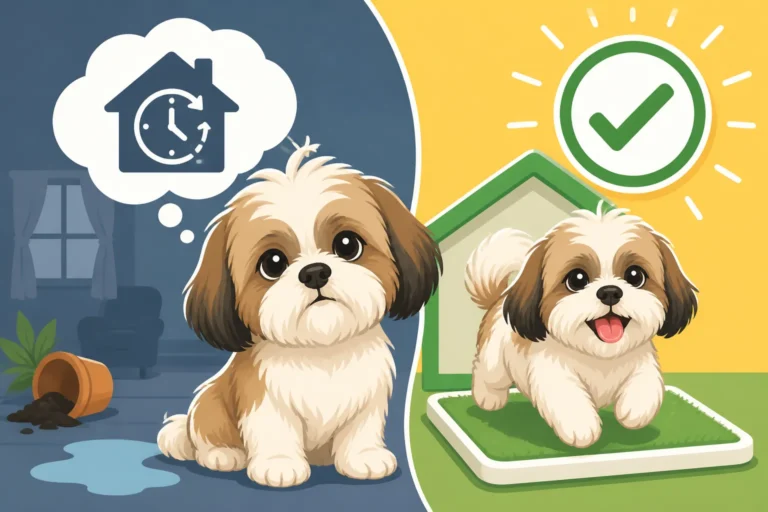
Let's be honest: Shih Tzus are notorious for being a bit of a challenge when it comes to house training. Their small size means frequent potty breaks, and their sometimes-stubborn nature can make consistency difficult. Many owners turn to potty pads out of sheer necessity or convenience. For those living in high-rise apartments, where a quick dash outside isn't always feasible, pads offer a practical solution, particularly for unexpected urges. Imagine you're on the tenth floor, and your Shih Tzu suddenly starts sniffing frantically – a pad nearby can save you a stressful elevator ride.
Beyond urban living, weather plays a huge role. Shih Tzus, with their luxurious coats and brachycephalic (flat) faces, aren't always thrilled about venturing out into a torrential downpour, scorching heat, or a biting blizzard. A Shih Tzu That Refuses to Go Outside in Rain is a common complaint, and frankly, who can blame them when their delicate paws hit freezing pavement or they struggle to breathe in humid air? Pads provide a dry, comfortable alternative, ensuring your pup stays warm and safe indoors. This is particularly true for very young puppies or senior Shih Tzus who might have limited mobility or weaker bladder control. The goal is to avoid accidents, and pads can seem like the most straightforward path to that.
The Double-Edged Sword: When Pads Create Problems
While pads offer convenience, they can also inadvertently create confusion for your Shih Tzu. Dogs don't inherently understand the difference between a "potty pad" and a "rug" or "bath mat." To them, it's often just another soft, absorbent surface. This can lead to a frustrating pattern where your Shih Tzu uses any soft surface in your home as a toilet, which is exactly what you’re trying to prevent. It blurs the lines of "inside is clean, outside is potty," a fundamental concept in house training.
Another significant drawback is the potential for hygiene issues and lingering odors. Even with diligent cleaning, urine can seep through pads onto floors, or your Shih Tzu might miss the pad entirely, leading to a lingering smell in your home. This can also attract your dog to repeat the behavior in the same "accident" spots, perpetuating the problem. While pads are designed to absorb, they aren't foolproof, and continuous indoor urination, even on a pad, can contribute to a less sanitary living environment for both you and your pet. Plus, the ongoing cost of disposable pads can add up significantly over time.
Making Potty Pads Work for Your Shih Tzu (If You Choose Them)
If you've weighed the pros and cons and decided that potty pads are the best immediate solution for your Shih Tzu, perhaps due to specific living arrangements or physical limitations, the key is consistency and strategic implementation. Simply placing a pad down and hoping for the best usually doesn't yield positive results.
Setting Up a Dedicated Potty Pad Area
The absolute cornerstone of successful potty pad training is designating one, unchanging spot for the pad. This isn't a movable feast; it needs to be the "bathroom" for your Shih Tzu, and only that spot. Choose an area that's easily accessible but also somewhat private, away from their food, water, and sleeping areas. Think of it as a separate little room for their business. Placing it in a high-traffic area will likely lead to distractions and less success. For puppies, you might even start with a small pen or exercise enclosure with the pad at one end and their bed at the other, helping them naturally avoid soiling their sleeping area.
When it comes to the pads themselves, you have options. There are standard disposable pads, which are convenient for cleanup but generate waste. Then there are reusable, washable pads, which are more eco-friendly and can save money in the long run. Some owners even opt for indoor grass patches, which can offer a more natural texture and scent, potentially making the transition to outdoor grass easier later on. Many of these options, including various sizes of pads and indoor grass systems, are readily available on platforms like Amazon, offering a wide selection to suit your needs. Remember, whatever you choose, consistency in location and type will help your Shih Tzu understand its purpose.
Establishing a Routine and Supervision
Potty pads only work if your Shih Tzu actually uses them, and that requires a routine and keen observation on your part. Think of it as scheduled trips, just like you would for outdoor potty training. Take your Shih Tzu to the pad immediately after they wake up, after eating or drinking, after a play session, and right before bedtime. Gently place them on the pad and use a consistent verbal cue like "potty time" or "go pee." Stay with them, calmly encouraging them, until they do their business.
When they successfully use the pad, it’s crucial to offer enthusiastic praise and a high-value treat right away. Treat Sizes That Suit a Shih Tzu should be small and enticing enough to be devoured quickly, creating a strong positive association. This immediate reward tells them, "Yes! That's exactly what I want you to do!" Equally important is vigilant supervision when they are not in their pad area or crate. Watch for signs that they need to go: sniffing around, circling, or suddenly leaving the room. If you see these signs, calmly scoop them up and take them to the pad. If an accident happens off the pad, avoid punishment. Simply clean it thoroughly using an enzymatic cleaner to eliminate all odor, which prevents them from being drawn back to that spot. Cleaning Shih Tzu Accidents Properly is paramount for successful house training, whether indoors or out.
Transitioning from Pads to Outdoor Potty Training
For many Shih Tzu owners, potty pads are a temporary measure, a bridge to full outdoor house training. The goal is to eventually have your dog reliably eliminating outside. This transition requires patience and a structured approach to avoid confusing your furry friend.
The Gradual Shift: Moving Pads Towards the Door
The process of moving from indoor pads to outdoor potty breaks should be gradual, almost imperceptible to your Shih Tzu. Once your dog is consistently using the pad in its designated spot, begin to slowly move the pad a few inches closer to the nearest exit door each day. This process might take days or even a couple of weeks, depending on your dog's adaptability. The idea is to slowly accustom them to the pad being in a different, more "outdoor adjacent" location. Don't rush it; if your Shih Tzu seems confused or starts having accidents, move the pad back to its last successful location for a day or two before trying again.
During this time, you should also be actively introducing and encouraging outdoor potty breaks. Take your Shih Tzu outside on a leash to the designated outdoor potty area in addition to their pad use. Use the same verbal cue ("potty time!") and reward them enthusiastically with praise and treats when they go outside. A Shih Tzu That Refuses to Go Outside in Rain can be a real challenge here, so consider investing in a small rain jacket or a designated sheltered area in your yard. The aim is to make the outdoor experience as positive and rewarding as the indoor pad. Gradually, as the pad gets closer to the door, you can start placing it just outside the door for a short period, effectively making the threshold the new boundary.
Eliminating Pads and Reinforcing Outdoor Habits
Once the pad is consistently being used just outside the door, you can begin to phase it out entirely. This means removing the pad and relying solely on outdoor potty breaks. At this stage, your Shih Tzu should already be familiar with going outside. Increase the frequency of your outdoor trips, especially during key times (waking up, after meals, before bed). Reward every successful outdoor elimination like they’ve won the lottery – truly make it the most exciting thing in their day!
Expect some regression. It’s almost inevitable that your Shih Tzu might have an accident indoors during this transition, as they're adjusting to a completely new "bathroom" concept. When this happens, don't get frustrated. Revisit the basics: increase supervision, go back to more frequent outdoor trips, and ensure you're cleaning any accidents with an enzymatic cleaner. This phase often requires the most patience, but consistency will pay off. For additional guidance and structured training plans, resources like BAXTER & Bella can be incredibly helpful. They offer comprehensive online programs that can support owners through every stage of house training, providing expert advice and techniques for a smooth transition. If you’re struggling with What a Trainer Charges to House Train a Shih Tzu, an online course might be a more accessible option.
Alternative and Complementary Strategies
While potty pads can serve a purpose, there are other highly effective house training methods, and some can even be used in conjunction with pads to boost success. The goal is a reliably house-trained Shih Tzu, and that often involves a multifaceted approach.
Harnessing Crate Training for House Training Success
Crate training is one of the most powerful tools in house training, and it works beautifully for Shih Tzus. Dogs have a natural instinct not to soil their den, so a properly sized crate becomes their safe, clean space. For a Shih Tzu, the crate should be just large enough for them to stand up, turn around, and lie down comfortably. If it's too big, they might designate one corner as a "bathroom," defeating the purpose. Setting Up a Crate a Shih Tzu Will Enter correctly is crucial.
The magic of crate training lies in its ability to build bladder and bowel control. Your Shih Tzu will learn to "hold it" while in their crate, strengthening those muscles. The routine involves taking them directly from the crate to their designated potty spot (be it a pad or outside) after every period of confinement. Since they won't want to mess their den, they'll be more inclined to relieve themselves as soon as they're released. This method, combined with scheduled potty breaks and consistent rewards, can significantly shorten the house training timeline, whether you're aiming for pads or entirely outdoor elimination.
Consistent Outdoor Potty Training from Day One
For many Shih Tzu owners, skipping potty pads altogether and focusing solely on outdoor potty training from the moment their puppy comes home is the most straightforward path. While it might require more immediate effort, it avoids the confusion of transitioning from indoor to outdoor elimination. The premise is simple: every time your Shih Tzu needs to go, they go outside. This means extremely frequent trips, especially for young puppies.
A Shih Tzu Potty Schedule by Week is an excellent guideline, but generally, expect to take a puppy out every 1-2 hours, after waking, after eating, and before bed. As they get older, they can hold it longer. The key is to always go to the same outdoor spot, use a consistent verbal cue, and reward heavily for success. Persistence is vital, especially when dealing with Getting a Shih Tzu Outside in Cold Weather or rain. Invest in appropriate gear for both of you, like a warm coat for your Shih Tzu and waterproof boots for yourself. It may seem like a lot of trips initially, but establishing this habit early on can prevent future headaches and ensure your Shih Tzu clearly understands that the great outdoors is their bathroom.
Here’s a quick comparison of potty pad training versus outdoor-only training:
| Feature | Potty Pad Training | Outdoor-Only Training |
|---|---|---|
| Initial Convenience | High (quick indoor option) | Moderate (requires immediate outdoor access) |
| Learning Curve | Can be confusing (where is the toilet?) | Clear (outside is the toilet) |
| Hygiene | Can lead to indoor odors/accidents if not managed | Generally cleaner indoors |
| Weather Impact | Minimized (dog stays indoors) | Significant (requires going out in all weather) |
| Cost | Ongoing expense for pads/grass patches | Minimal after initial supplies (leash, poop bags) |
| Socialization | Less exposure to outdoor environment | More exposure to outdoor sights, sounds, smells |
| Transition | Requires a separate, often challenging, transition to outdoor | No transition needed |
Ultimately, the decision of whether a Shih Tzu should use pads at all comes down to your individual circumstances, your dog's specific needs, and your willingness to commit to a consistent training plan. Whether you opt for pads as a temporary solution or go straight to outdoor training, patience, positive reinforcement, and a clear routine are your best tools for success.
Disclaimer
This article is for general informational purposes only and does not constitute professional advice. Laws, prices and regulations vary by location and change over time. Consult a qualified professional for guidance on your specific situation.